
Why North Carolina Gardeners Should Leave Goldenrod Blooms While They Provide Forage
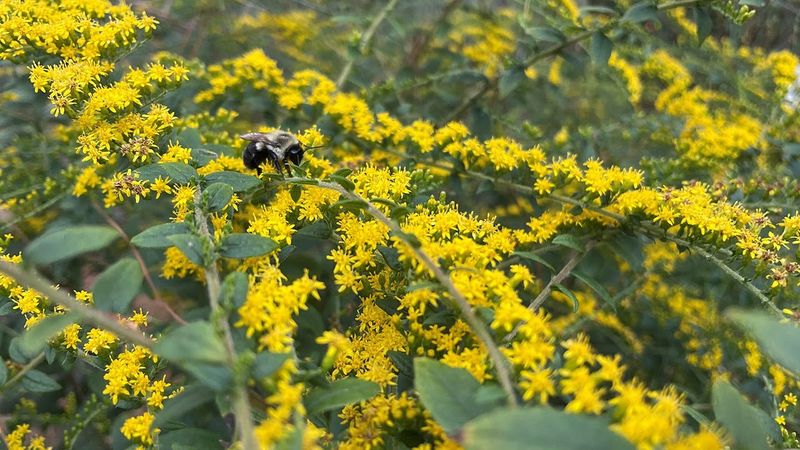
That tall yellow plume at the edge of your yard might look like a weed, but late-season bees are often working it hard. Goldenrod blooms when many other flowers are fading, and a quick fall cleanup can remove food while it is still in use.
Still, not every goldenrod belongs in every bed. Here is how to keep the benefits and still run a yard that suits you.
Goldenrod gives pollinators a late-season meal
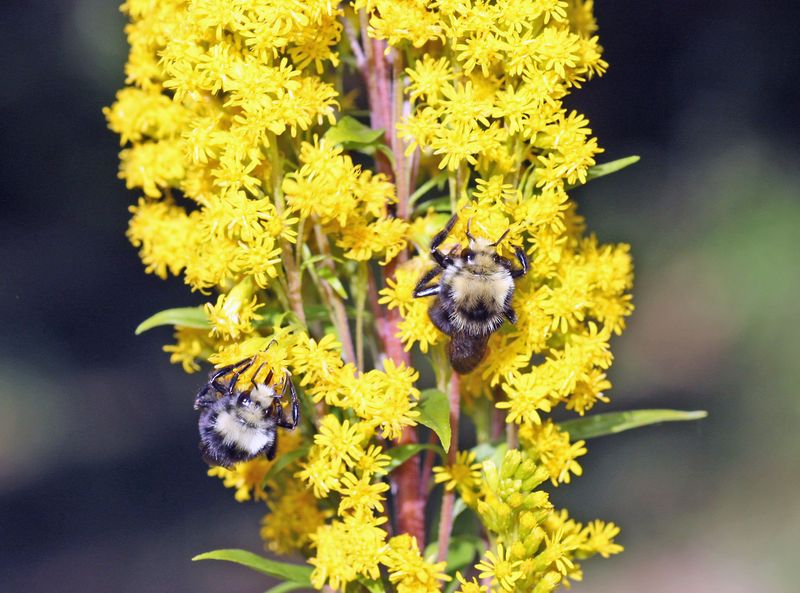
Walk past a blooming goldenrod on a warm October afternoon and you will likely hear it before you see it. The plumes hum with activity.
NC State’s plant profile notes that goldenrod’s nectar-rich flowers attract bees, butterflies, and beetles.
That is a real benefit for a backyard steward. When other summer flowers have gone to seed, a patch of goldenrod in bloom can still offer a meal.
Pulling it out of a sense of tidiness while the flowers are open takes that food away right when insects are stocking up for colder weather.
It helps to keep the claim in proportion, though. Goldenrod is one valuable late-season resource, not the only one and not necessarily the last.
Not every bee on the plumes is a native species either, since honey bees and other visitors show up too. Even so, the flowers are doing useful work while they are open.
The same extension guidance on gardening for pollinators lists goldenrod among fall plants that pollinators use. So here is a simple habit for your yard.
If a goldenrod is blooming and buzzing, let it finish. Put off the cutting until the flowers are spent and the visitors have thinned out.
You may also hear goldenrod blamed for fall sneezing. Ragweed, which blooms at the same time with far less showy flowers, is the usual culprit, and goldenrod often takes the blame by mistake.
Which goldenrod is growing in your yard?
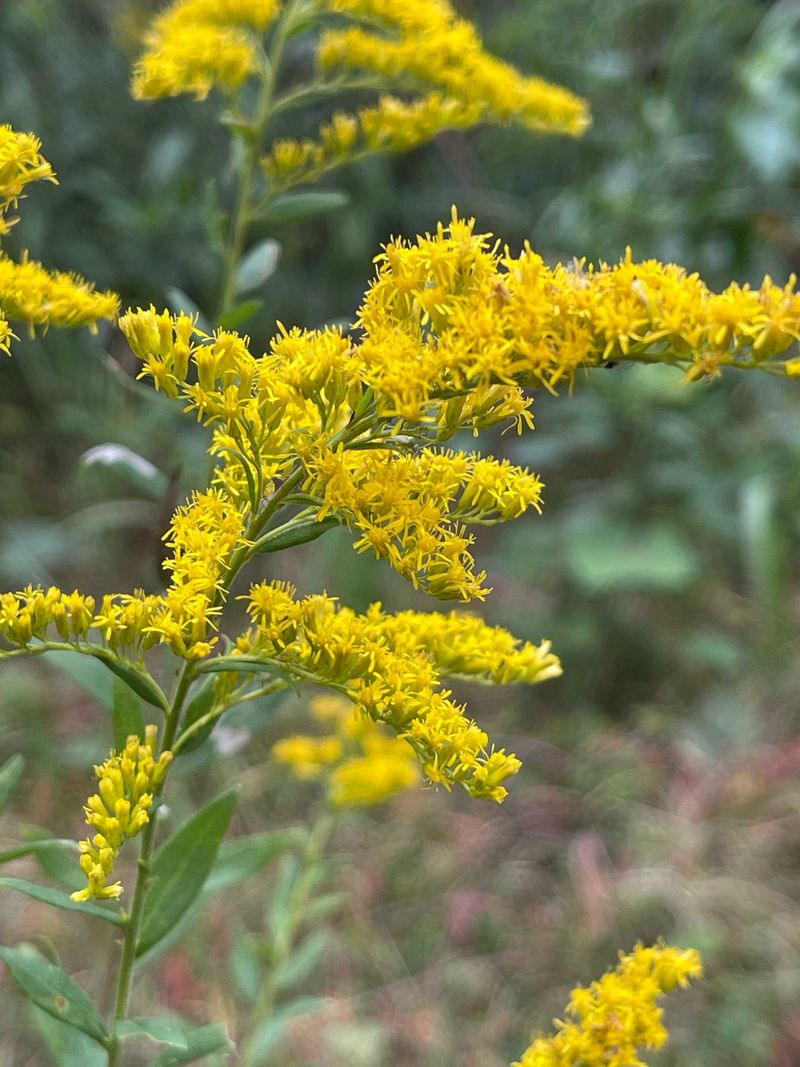
Goldenrod is not one plant. It is a genus called Solidago, and NC State lists numerous species with different heights, bloom times, and habits.
Some stay in tidy clumps. Others spread aggressively by underground rhizomes.
Tall goldenrod, Solidago altissima, shows how much the details vary. It can flower anywhere from August through November, but that is the range for the species across places and conditions.
An individual plant typically blooms for about three weeks, so your neighbor’s patch may peak at a different time than yours.
The same profile warns that tall goldenrod can form dense colonies and is not recommended for small planting areas. If it is crowding a narrow bed beside the walkway, that is a good reason to manage it once the flowers finish.
Other species behave differently. NC State lists wrinkle-leaf goldenrod, Solidago rugosa, as native across the mountains, Piedmont, and Coastal Plain, while still cautioning that some goldenrods spread hard.
So it is wrong to call every goldenrod a thug, and equally wrong to call every one polite.
Try this: note the height, leaf shape, and how the clump grows each year. Photograph it in bloom and compare it with the extension plant profiles.
Then decide whether the spot suits it.
Late-season forage works best as a succession
Picture your yard as a buffet that has to stay open from early spring to late fall. Goldenrod is a fine dish on that table, but it only covers part of the season.
NC pollinator guidance recommends several species blooming through as many months from March to November as possible.
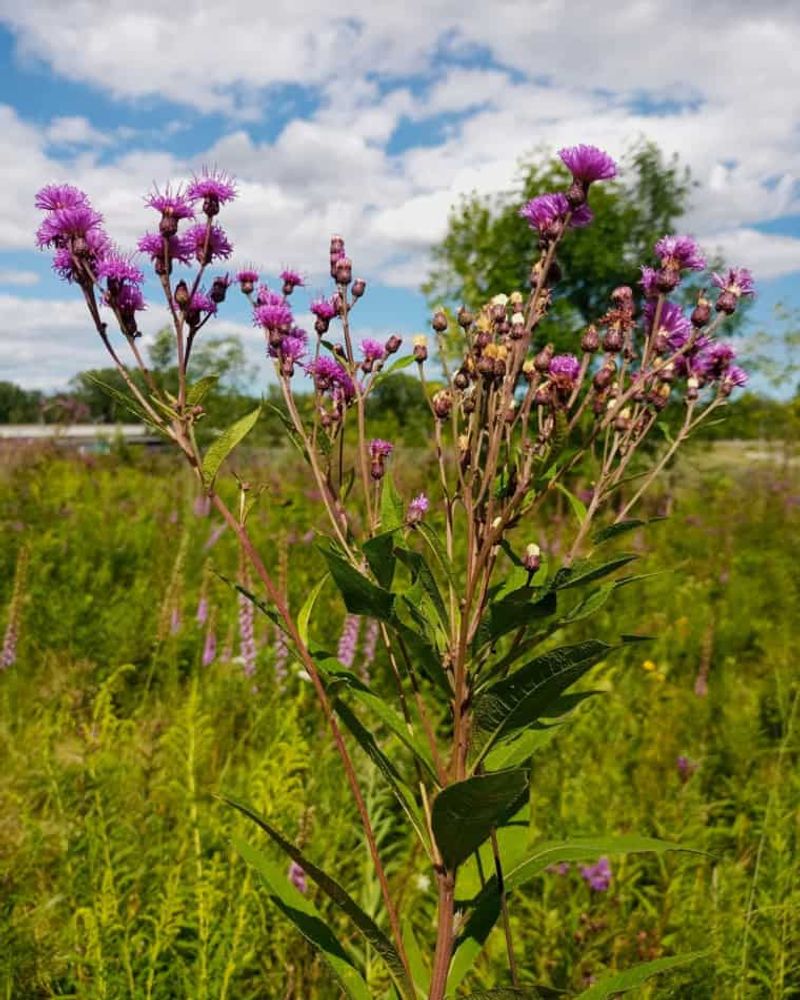
That advice corrects the idea that one plant must be saved at all costs. The same guidance names other fall bloomers, including asters, Joe-Pye weed, and ironweed.
Planting these next to or near goldenrod gives you purple and pink among the yellow, and food for insects that prefer different flower shapes.
A succession also protects you from gaps. A cool snap, a dry spell, or one plant that fails will not leave pollinators with nothing.
A planting built around one species is more fragile than a mix.
For a small residential yard, NC State’s pollinator habitat advice supports planting habitat deliberately. It also means you can give goldenrod the right spot rather than the whole border.
A practical next step is a bloom calendar. Jot down what flowers in April, June, August, and October in your beds.
Wherever a month looks empty, choose a native that fills it.
Goldenrod stems can offer more than winter structure
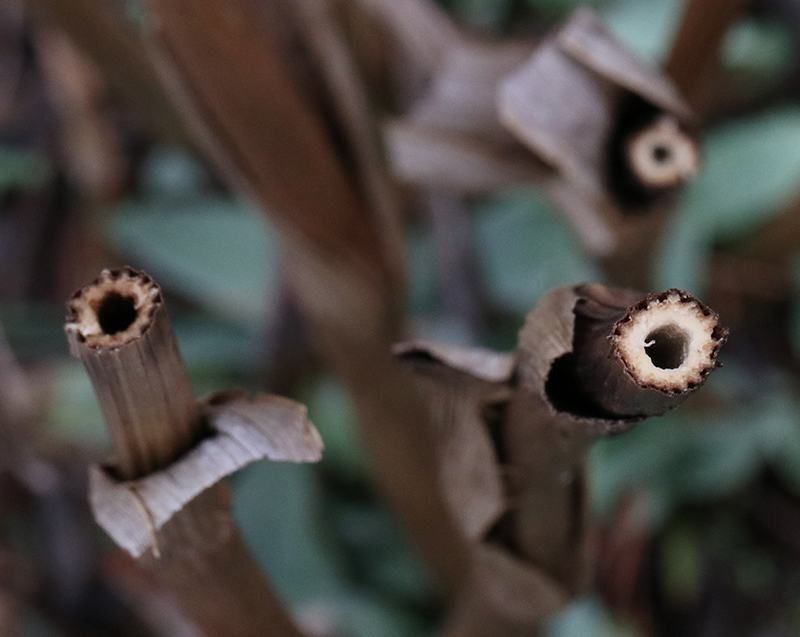
After the yellow fades, the story is not over. Goldenrod stems can serve as homes.
NC State’s plant profile says goldenrod stems are used by stem-nesting bees, small bees that raise young inside hollow or pithy stems.
That is plant-specific information. A separate piece of work looked at perennial stems more broadly.
The NC State cleanup study was not a goldenrod-only test, though it does list tall goldenrod and Solidago rugosa ‘Fireworks’ among plants whose stems can provide nesting habitat.
What does that mean for your cleanup? A bare, scalped bed is not the only reasonable goal.
Leaving some standing stems can give nesting bees a chance, and it can look like deliberate winter structure too.
None of this means every stem is occupied. Many are not, and you do not have to leave everything untouched.
If a clump has spread too far, you can still cut it back and keep some stems elsewhere in the yard.
Think of it as a choice, not a rule. A few stems left standing in a back corner can do more good than a perfectly clean bed.
After the flowers fade, time stem cleanup carefully
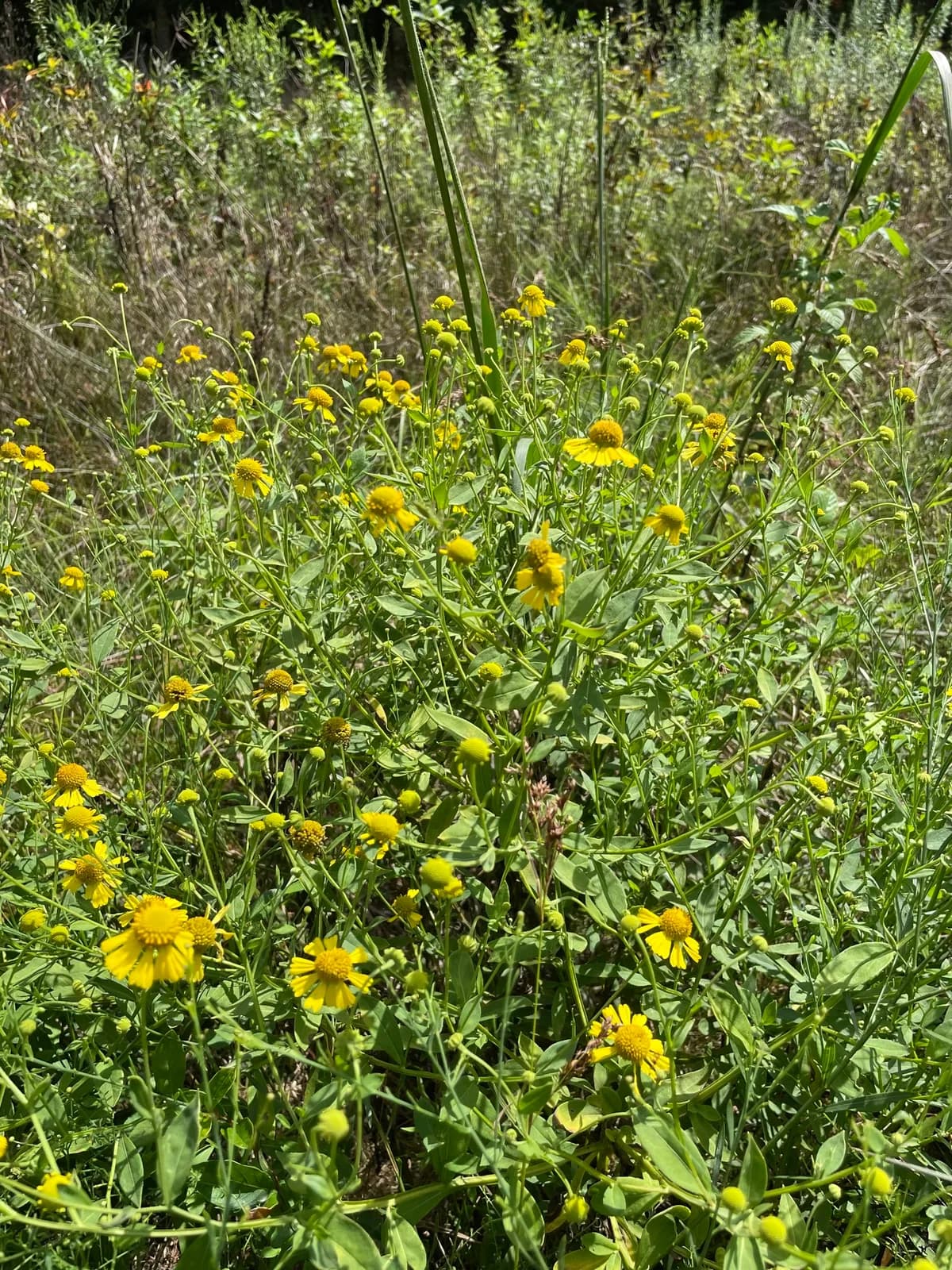
Deadheading and stem trimming are two different jobs. You can remove spent flower heads, or let them go to seed for birds, without deciding what to do with the stems yet.
Keeping those tasks apart makes cleanup easier.
Here is what the research found. NC State’s study examined perennial stems in 20 gardens across 10 North Carolina counties, with nearly 3,000 stems.
First-year stems in the sampled gardens were unoccupied in winter, and the most nests turned up in spring.
For trimming first-year perennial stems, NC State recommends leaving 12 to 24 inches of stem to maximize stem-nesting habitat. Its suggested window runs from the first fall frost to the last spring frost.
That timing applies to first-year stems in the study, and cutting then avoids discarding bees found in those sampled stems.
Some limits matter. Older stems may still be occupied, and stems cut or damaged earlier in the growing season may be colonized.
So leaving every stem until late spring is not a universal rule.
The study was also about perennial stems generally, not goldenrod alone. Treat it as a good guide for your beds.
Check how old the stems are, trim in winter, leave stubble, and look before you toss.
Keep the blooms while they work, then manage the plant
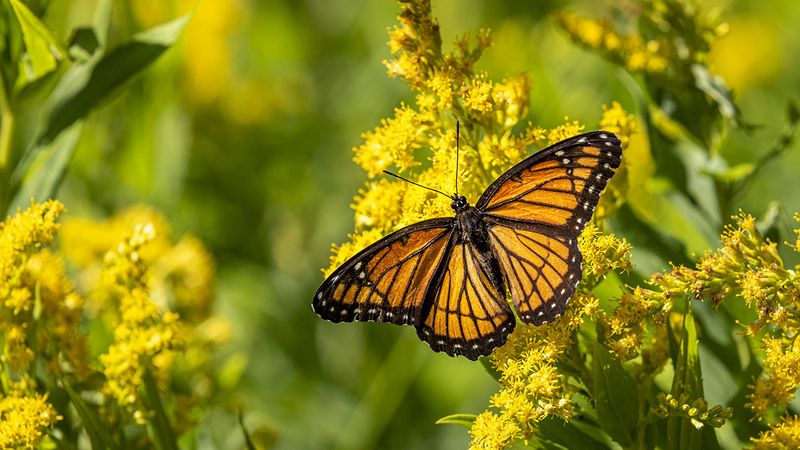
Here is the rule of thumb. Let goldenrod bloom while it is feeding insects, check which species you have and how it spreads, then move the plant or thin it if it overruns the space.
When you trim, remember the stem timing research and leave some stubble where it fits.
A yard can honor both the bees and the border.