
Your Fig Tree Isn’t Finished Yet: Fall Care May Improve the Odds Before Winter
Did a cold snap leave your fig looking like a bundle of sticks? Many backyard gardeners worry that one hard freeze has ended next summer’s figs.
The truth is more hopeful, but also more honest, than a simple yes or no. A few fall habits may improve your tree’s odds, and knowing what to expect can save you from cutting too soon.
A fig can lose its top and still recover
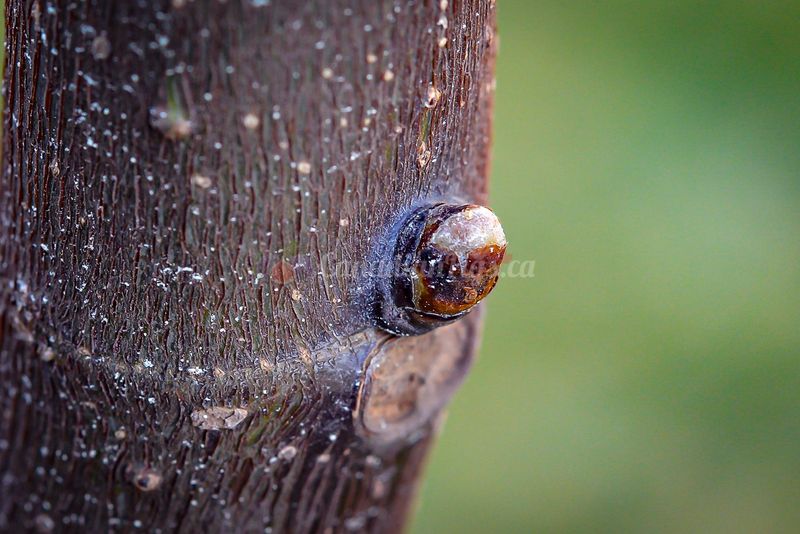
Seeing your fig’s branches turn brown and brittle is scary, but a dead top does not always mean a dead tree. If the roots made it through winter, the plant can send up new shoots from the base.
That is why gardeners are usually told to wait before giving up on a fig that looks rough.
Survival and fruit are two separate questions, though. According to University of Maryland Extension, a fig with limited to moderate stem injury may still give a modest crop the following summer.
After severe injury, it may take two growing seasons to return to normal production.
Shoots that rise from the roots after serious dieback rarely have enough time to ripen fruit in the same season they appear. So a tree that is green and leafy by June may still give you few figs, or none, that year.
That is not a sign that you did something wrong. It is simply how the timing works.
This is where fall care earns its place. Protecting a vulnerable tree, as described by Penn State Extension, can reduce the chance of heavy damage.
It cannot promise survival or a big harvest, because winter severity, your fig’s variety, and how much wood survives all play a part.
Think of the steps ahead as improving your odds. You are giving the tree a better shot, not buying a guarantee.
The kind of wood that survives can shape the crop
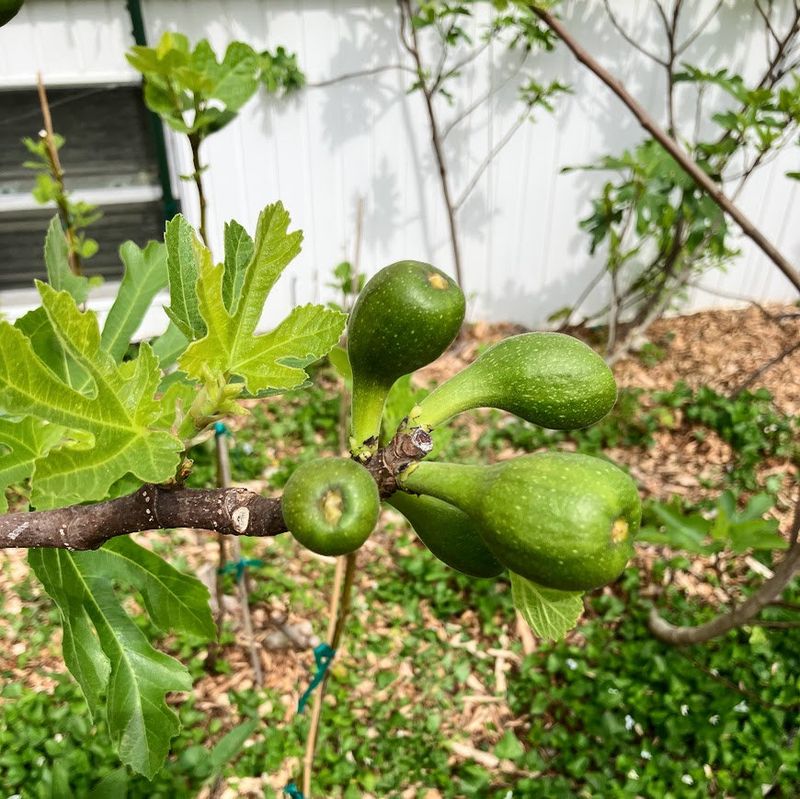
Not all fig fruit grows on the same kind of wood, and that detail matters after a hard winter. Figs can produce a main crop on the current season’s growth.
Some varieties also set an earlier breba crop on last year’s wood.
That means a tree can lose its older branches and still be able to make a main crop, as long as new growth has enough time to mature. Maryland Extension notes this difference in its fig guide.
The University of Tennessee fig publication also describes the two crops.
Here is the catch. If cold kills the older wood, or if you cut it away, the brebas on that wood go with it.
For a variety that leans on brebas for its best fruit, that can be a real loss.
A practical clue is to remember what your tree did last year. If it gave you small early figs in early summer before the main flush, it likely carries brebas on older wood.
If you only ever saw figs in late summer, the main crop is probably your focus.
Also keep in mind that shoots coming up after severe dieback may not have time to ripen fruit that same season. A main crop on new wood is possible in the right conditions, but it is never a sure thing.
Protect vulnerable in-ground figs before winter
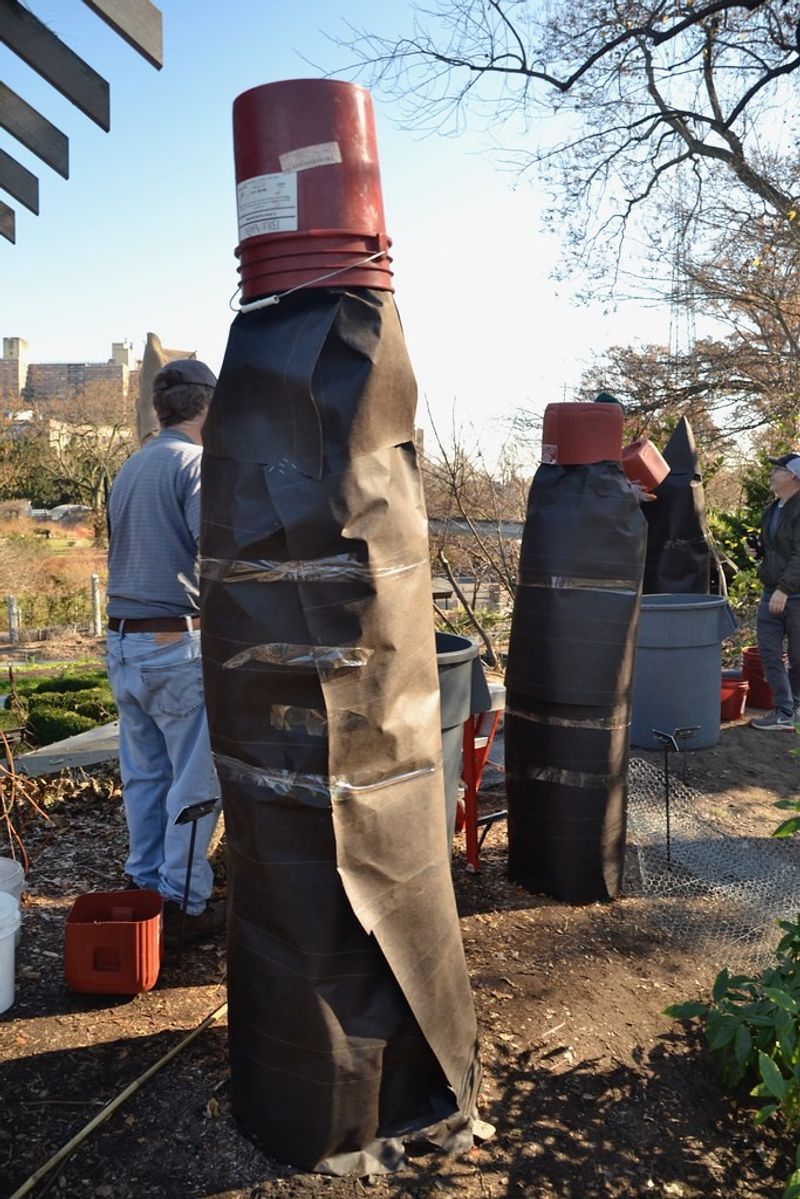
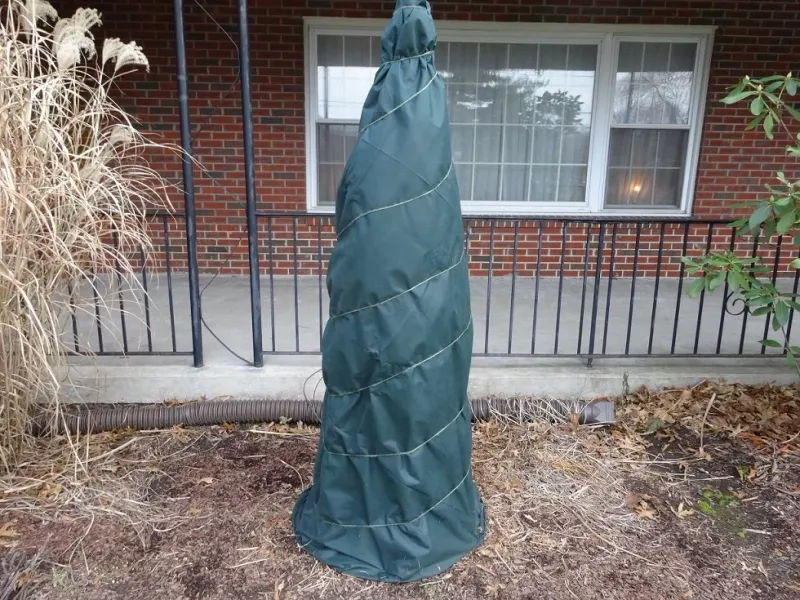
If your fig lives in the ground in a cold-winter area, a little shelter can help. Extension services describe several options, and which one suits you depends on your site and region.
None is proven to work everywhere.
One option, noted by University of Maryland Extension, is to pin flexible branches down and cover them. Another is to surround the stems with wire fencing and fill the cage with leaves or straw.
Penn State Extension describes similar approaches.
A tarp over the top can shed rain and snow so the stuffing stays drier. Just be sure the covering is not tight and sealed around the plant, and give it a way to stay in place in wind.
One caution is that cozy piles of leaves and straw can attract mice and voles. Try to keep the material from becoming a rodent refuge, and check on it now and then through winter.
You may wonder what temperature your fig can handle. There is no single number for every fig. Cold injury depends on the variety, the conditions that winter, and your region.
Maryland Extension reports that sustained temperatures below 20°F can injure or kill aboveground wood in its area, but that is a regional guide, not a universal limit.
Choose the method that fits your yard and your effort level, and treat it as risk reduction rather than a promise.
Give container figs cool, protected dormancy
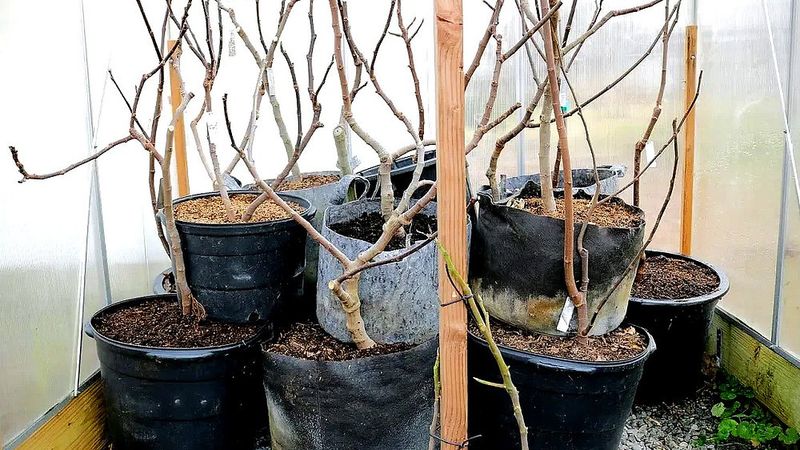
A fig in a pot needs a different plan than one planted in the ground. Instead of wrapping it where it stands, you move it to shelter.
The goal is to keep the tree resting, not to keep it growing.
As the leaves turn, or before the first killing frost, carry the pot to a cool, unheated, protected spot. An attached garage, shed, or similar space often works.
The University of New Hampshire Extension describes this approach for container figs.
Skip the warm living room. A fig kept warm indoors may be nudged out of dormancy at the wrong time, which works against what you want.
Cool and unheated is the better fit.
Water sparingly through the dormant months. You want enough moisture to keep the roots from drying out, but not so much that the pot stays wet.
Soggy soil in a cold spot is a poor combination.
A simple check is to lift the pot or poke a finger a couple of inches into the soil every few weeks. If it feels bone dry, give a small drink.
If it feels damp, leave it alone.
As Penn State Extension explains, keeping the tree dormant in a protected place is what lowers winter risk. It still does not guarantee a crop.
Avoid encouraging tender growth as the season ends
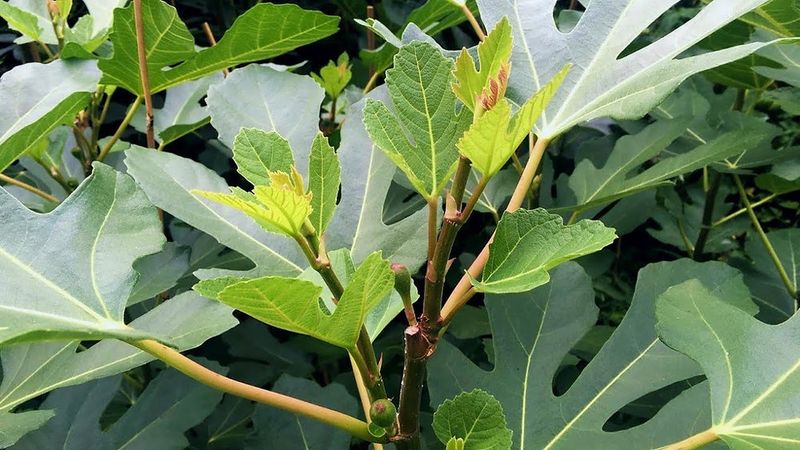
Late in the season, it is tempting to feed your fig so it feels stronger going into winter. That instinct backfires.
Fresh, soft growth is the most likely to be hurt when cold arrives.
The University of Georgia Extension recommends fertilizing mature bushes in spring and notes that vigorous growth can raise the risk of winter injury in colder parts of Georgia. Timing is the main point here.
The same idea shows up in UF/IFAS guidance, which advises against late-summer practices that promote tender growth. That covers more than fertilizer, so think about anything that pushes a late flush.
So what should you do instead? Let the tree wind down on its own.
Hold off on feeding as the season closes, and save any fertilizing for spring when the plant is waking up.
If you see a few new green tips in autumn, do not panic. Leave them be rather than doing something drastic.
The aim is simply not to add fuel to growth that cold weather is about to catch.
Doing less in late summer and fall is one of the easiest ways to lower winter risk, and it costs nothing.
A hard fall cut can cost older-wood fruit
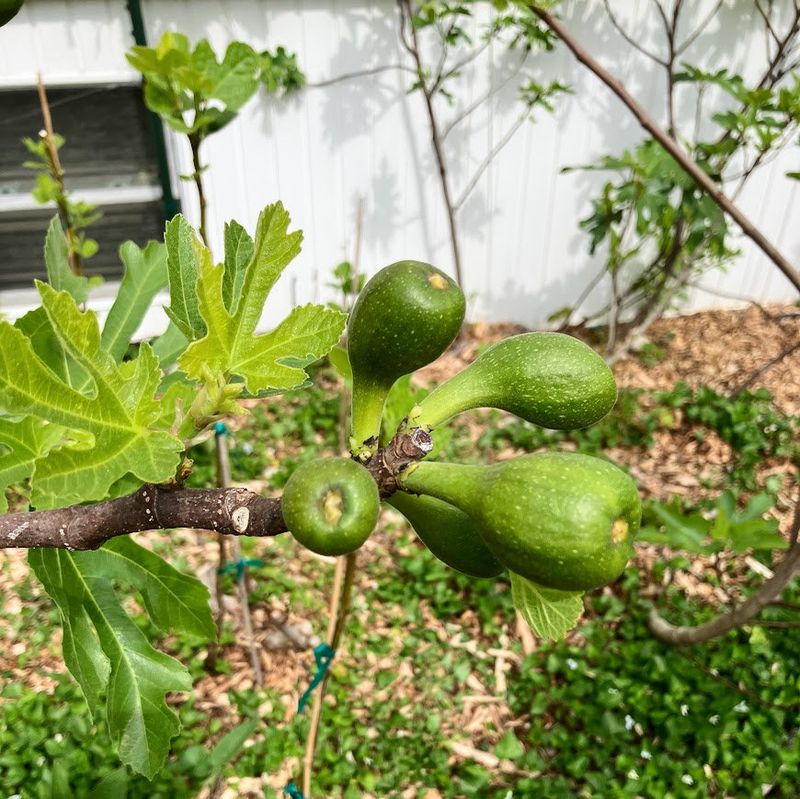
When a fig looks leggy or messy in autumn, grabbing the loppers feels productive. Before you do, remember that some varieties bear brebas on older wood.
A severe cut now can remove the very branches that carry that early crop.
It is true that main-crop figs form on the current season’s growth. That does not make hard pruning harmless.
The UC Statewide IPM Program and UF/IFAS Gardening Solutions both discuss how pruning choices affect fruiting.
Advice on when and how much to prune also varies by region. Your fig’s variety, the shape you want, and your local climate all matter.
There is no single fall pruning rule for every yard.
A safer approach is to protect the plant as described in Penn State’s winterizing guidance, then assess damage later. Maryland Extension suggests pruning dead branches in early spring.
If a branch is clearly in the way or hazardous, a light trim is a judgment call. For anything bigger, check your local extension office first.
Waiting rarely hurts, while a heavy cut cannot be undone.
Wait for spring growth to assess damage
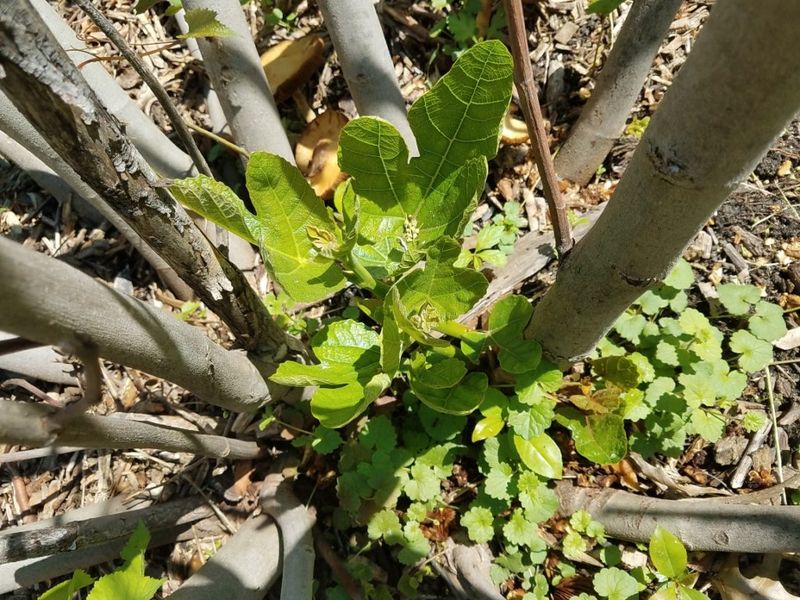
A fig that looks dead in March may be quietly alive. Bare, wrinkled stems can fool even experienced growers, which is why spring is the time to judge.
By then, buds and leaves begin to show which parts made it.
To check, scratch or nick the bark on several stems, not just one. Green tissue underneath is a sign of living wood.
University of Maryland Extension suggests this approach, and notes that dead branches can then be pruned in early spring.
Brown, dry tissue that snaps easily points to dead wood. Work your way down a stem until you find green, and cut just above healthy growth.
If a stem is dead all the way to the soil, look for shoots coming up from the base.
Waiting protects you from guessing wrong. A cut made too early in the season may remove living wood that would have leafed out a few weeks later.
Patience costs little.
This spring check is a different job from fall protection. Fall steps are about lowering risk before cold arrives, while spring is about reading what actually happened.
Give the tree time, and let new growth tell you where to cut.
Improve the tree’s odds, then judge the crop
Start with your tree’s situation. Protect an in-ground fig using a method that fits your site, as Penn State Extension outlines, or move a container fig to a cool, unheated shelter like UNH Extension describes.
Skip late feeding and skip the hard fall cut.
Then wait. Once spring growth starts, check beneath the bark and prune what is dead, following Maryland Extension.
Winter will still have a say in how much fruit you get. A fig that makes it through is a good start, and the figs are a bonus.