
Wood Ash in North Carolina Vegetable Beds: A Soil-Test-Guided Fall Option
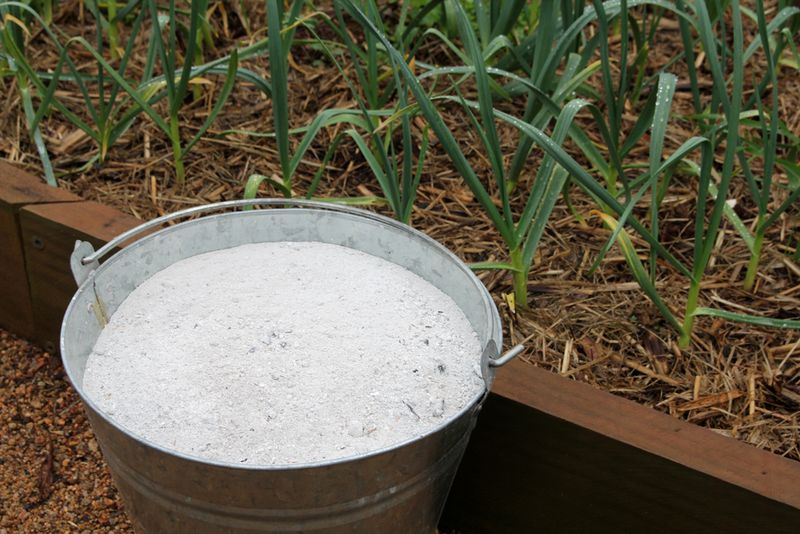
Your fireplace leaves behind a bucket of gray ash, and it can be tempting to toss it on the garden. Clean wood ash can change soil chemistry, but only some beds actually need that change.
A fall soil test tells you what your North Carolina vegetable bed is missing before you add anything. Here is how to decide, how to stay safe, and what to do if ash is not the right fit.
Wood ash can change soil chemistry, but it does not promise a bigger harvest
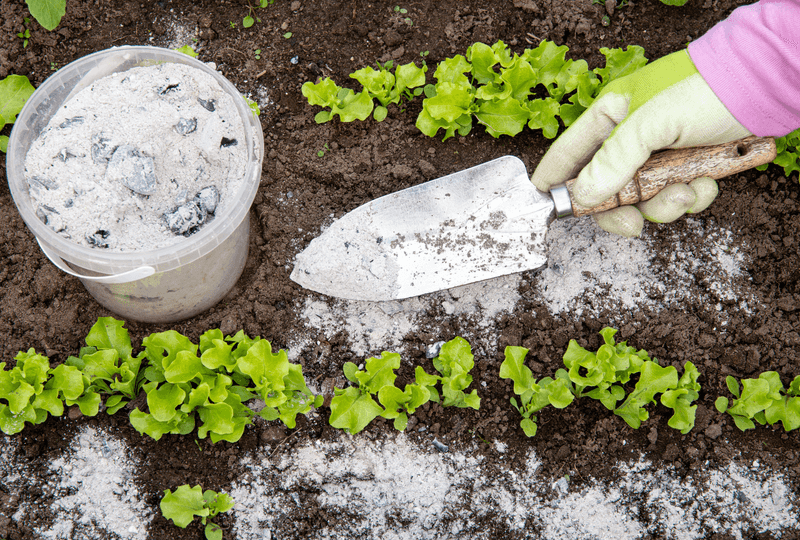
Ash from a clean wood fire is basically what is left after the wood burns away. What remains includes minerals the tree pulled from the soil, such as potassium and calcium.
Because of that, ash can act as a small source of those nutrients and can raise soil pH, which means it makes soil less acidic.
That is a real effect, but it is not the same as a bigger harvest. Iowa State Extension guidance points to acidic soil that is low in potassium as a possible use, not a treatment for every bed every year.
If your soil already has enough potassium, or its pH is already where your crops like it, ash adds nothing helpful and can push things the wrong way.
Ash also is not a complete fertilizer. The nitrogen in the wood is lost as it burns, so ash cannot feed leafy growth the way compost or a nitrogen source can.
Oregon State Extension also notes that the makeup of ash varies, so one bucket from your fireplace may differ from your neighbor’s.
Think of ash as a conditional tool. It may fit one bed, be wrong for the bed next to it, and have no place at all in a third.
Your soil, not a hopeful guess about spring yields, should make that call.
Test the bed before choosing an amendment
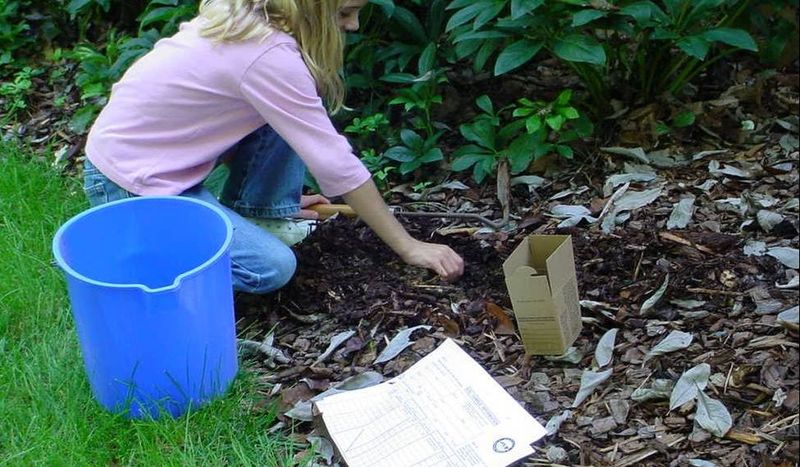
Fall is a handy time to find out what your soil is really doing. Once the summer crops are done, the beds are open and easy to sample.
The state lab recommends collecting vegetable-garden samples three to six months before planting, which fits a fall sample for a spring garden nicely, according to the NCDA&CS soil testing FAQs.
The NCDA&CS lab measures pH, acidity, and several plant-available nutrients. It then gives lime and fertilizer recommendations based on those results.
That report is the best way to learn whether your bed is too acidic, low in potassium, or already fine.
One limit matters here. As the NCDA&CS soil testing page explains, these tests do not check for contaminants.
A normal report tells you about fertility, not about what might be in a pile of ash.
On cost, go by the currently posted schedule. According to an NCDA&CS announcement, testing is free through November 30, 2026, and then costs $5 per sample beginning December 1, 2026.
Sample each bed separately if they hold different crops or have been managed differently. Label them clearly so the recommendations match the right spot in your yard.
Use ash only when the soil report supports it
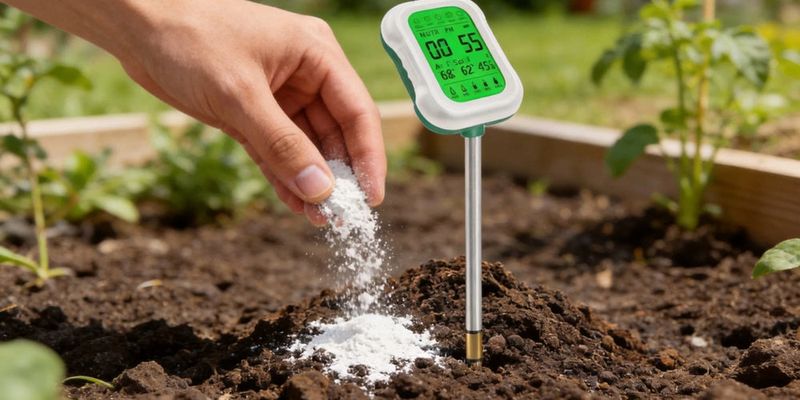
Many North Carolina soils lean acidic, so it is easy to assume every bed needs a pH boost. That is not always true.
The right pH depends on the crop, and NC State Extension warns that raising pH too far can make micronutrients harder for plants to take up.
So let the soil report lead. If it shows low pH and low potassium, ash becomes something to consider.
If pH is already in range, or potassium is fine, skip it.
Ash is also not a stand-in for lime. Lime is a predictable product with a known strength, and your lab’s lime recommendation is written for lime.
Ash varies from fire to fire, and Iowa State Extension reports that its acid-neutralizing power can be substantially lower than agricultural lime.
That is why there is no safe conversion here. Do not turn a lime number into a bucket count of ash, and do not follow a one-size-fits-all rate from the internet.
If the report calls for lime, lime is the product the recommendation was built around.
If you do decide ash fits, plan on retesting the bed the following year to see how the pH responded.
Use only clean ash and handle it carefully
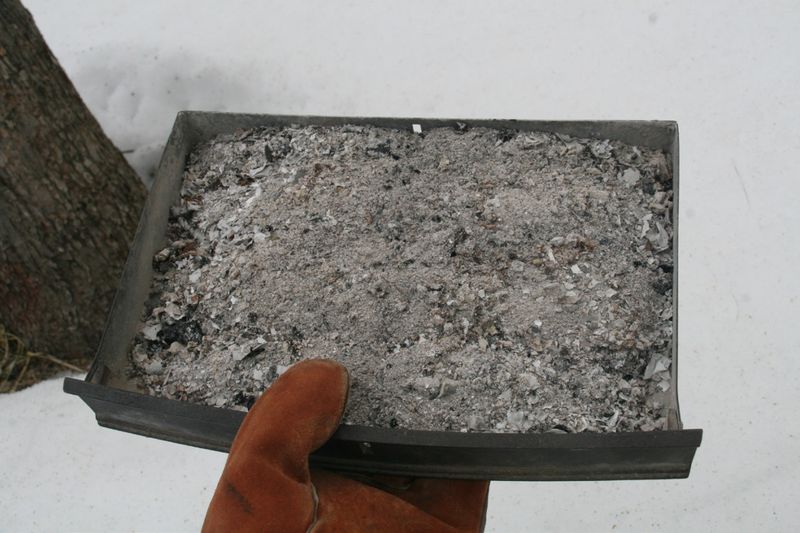
Source matters more than anything else. Only use ash from a known, clean wood source, like untreated firewood you burned yourself.
Leave out ash from painted or treated wood, garbage, plastics, and any other burned materials.
Ash is also caustic, which means it can irritate skin, eyes, and lungs. Guidance from University of Wisconsin Extension and Iowa State supports basic precautions.
Wear gloves, eye protection, and a dust mask while you work.
Pick a calm day. Wind can carry fine ash into your face, onto nearby plants, or across the property line.
Make sure the ash is fully cooled before you move it, and store it in a covered metal container until you are ready.
These steps protect you during handling, but they do not tell you what is in the ash. If you are unsure what was burned, the safest choice is to leave it out of your vegetable beds.
This article does not give an application rate, because your soil report and your own situation should drive that decision.
Keep ash away from pH-sensitive plants
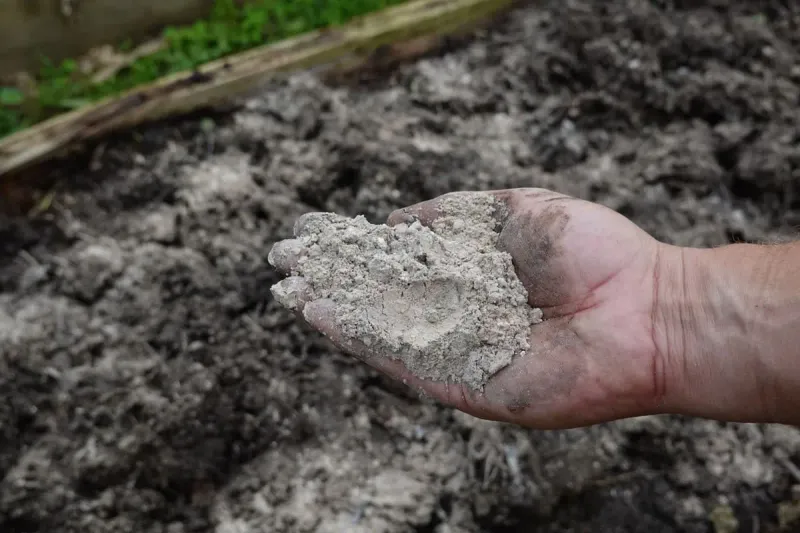
Walk your yard before you spread anything. Blueberries, azaleas, and rhododendrons all do best in acidic soil, and ash works against that.
Even a light dusting that drifts or washes toward their roots can nudge the pH in the wrong direction.
Guidance from University of Wisconsin Extension advises keeping ash away from acid-loving plants like these. A blueberry patch tucked beside a vegetable bed is a classic case, so give those plants plenty of distance.
Potatoes are another example. Iowa State Extension notes that higher soil pH can increase potato scab problems, which leave rough patches on the skins.
If potatoes are planned for a bed, think twice before raising its pH.
The takeaway is practical. A bed that benefits from ash on paper may sit a few feet from plants that would suffer from it.
Treat each bed on its own terms, and keep ash off anything that prefers acidic conditions.
Build soil with leaves, compost, or a fall cover crop
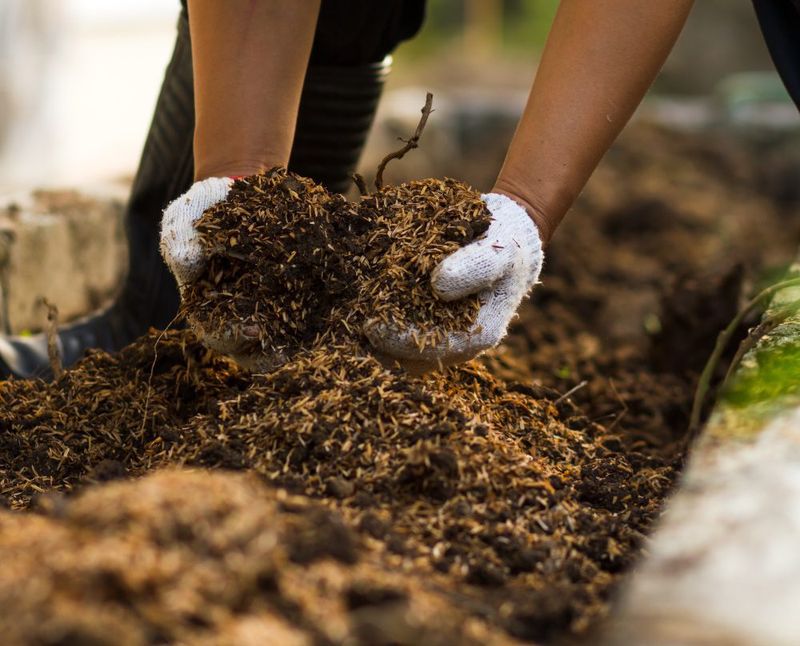
If your soil report says ash is not a fit, you still have good fall jobs to do. After harvest, NC State recommends adding a 2 to 3 inch layer of well-rotted leaves or compost to the bed, as described in the NC State vegetable gardening chapter.
Fallen oak and maple leaves from your own yard can become that material once they have broken down.
For beds you will leave empty over winter, a fall cover crop is another option. The NC State soils and plant nutrients chapter describes cover crops as a way to keep a bed covered while it rests.
Keep these tools in their lanes. Leaves, compost, and cover crops build soil and add organic matter.
They are not a fix for a specific pH problem or nutrient shortage, so they do not replace what a soil test tells you to do.
They are also a gentler place to start. You do not need protective gear to spread compost, and you will not overshoot a pH target with it.
Do not expect them to guarantee a bigger harvest, but they give your beds a stronger footing going into winter.
Let the soil report guide next spring’s plan
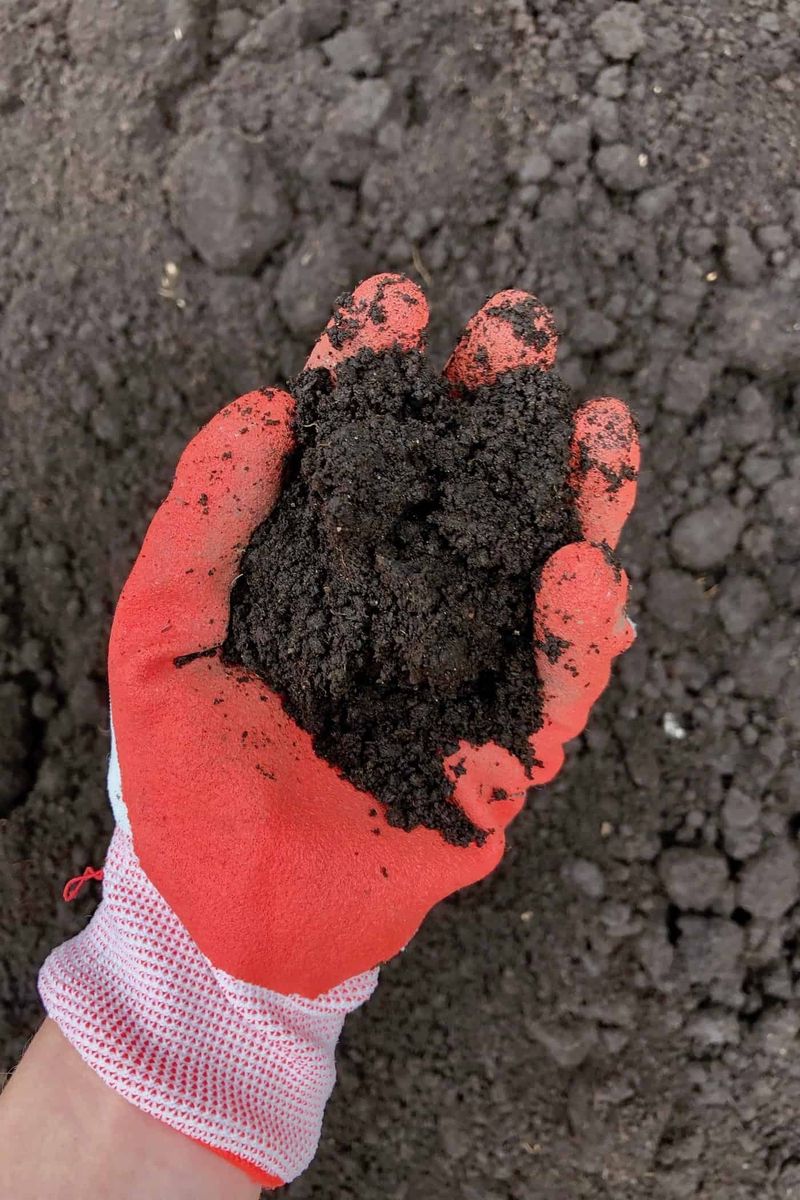
Sample your beds this fall, read the report, and follow it. Use clean wood ash only if your soil truly needs what it offers.
The NCDA&CS FAQs and the soil testing page explain that the state lab does not test for contaminants, so its report cannot tell you whether ash from an uncertain source is safe.
If heavy metals worry you, the lab directs homeowners to a private lab, as listed on its tests and fees page.
Good spring soil starts with knowing what is already there.