
Your Fig Tree Is All Leaves And No Figs? 13 Easy Fixes That Get It Fruiting Like Never Before Next Summer
You water it, you feed it, and your fig tree grows big green leaves all summer long, but where are the figs? A leafy fig with no fruit is one of the most common backyard puzzles, and it usually comes down to a few simple things you can change.
The good news is that your tree is probably healthy and just needs a nudge in the right direction. Here are 13 easy fixes that can help turn all that green into a basket of sweet figs next summer.
1. Cut Back on Nitrogen Fertilizer
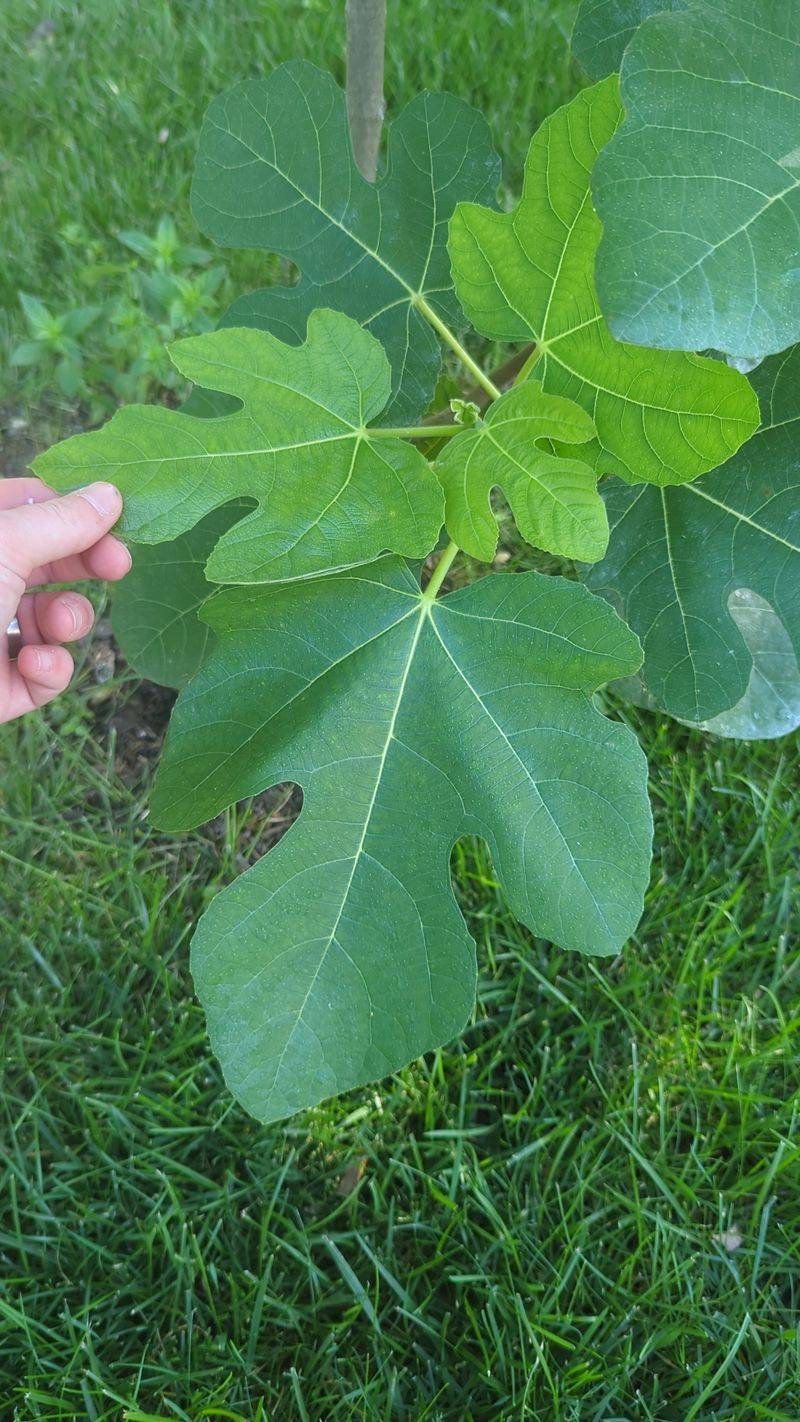
Picture a teenager who eats nothing but pasta and grows taller every week. That is a fig tree on too much nitrogen.
It pours every bit of energy into leaves and stems and forgets about fruit.
High-nitrogen lawn food is a sneaky culprit, especially if your fig sits near grass that gets fed often. Switch to a balanced fertilizer like 8-8-8 or 10-10-10, and apply it in early spring and again in late summer for established trees.
Organic gardeners can lean on bonemeal for phosphorus or an organic tomato fertilizer, which tends to be higher in potassium. Go light either way, since heavy doses can burn roots and may actually reduce your harvest.
2. Move It Into Full Sun
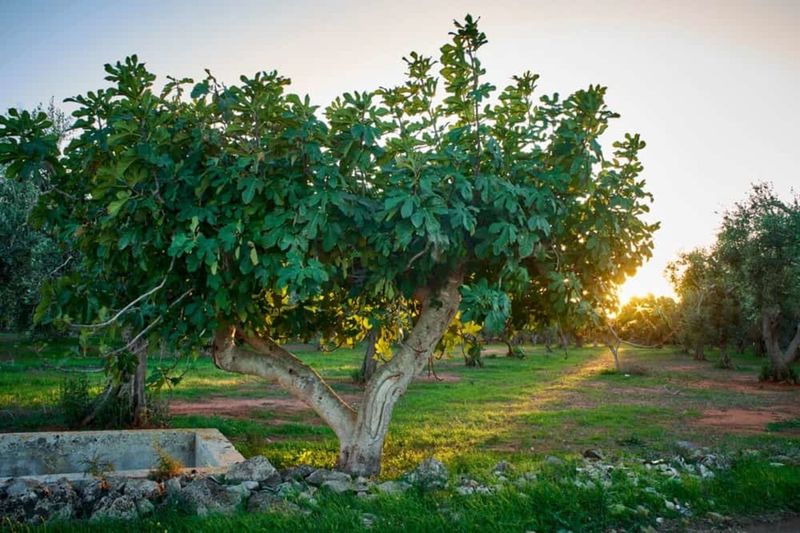
Figs are sun worshippers, plain and simple. Their wild ancestors grew on hot, rocky Mediterranean hillsides, and that craving for light never left them.
A fig tucked in partial shade may grow fine leaves but give you few figs, small fruit, or crops that never ripen. Aim for at least 6 to 8 hours of direct sun every day, ideally with a southern or western exposure.
Take a walk around your tree at different times of day. If a neighbor’s maple or your own overgrown shrubs are casting shade, a little trimming might be the cheapest fix on this whole list.
3. Water Deeply and Consistently
Feast or famine watering confuses a fig tree. One week it bakes in dry soil, the next it sits in a puddle, and the stress can make it drop young fruit or skip fruiting altogether.
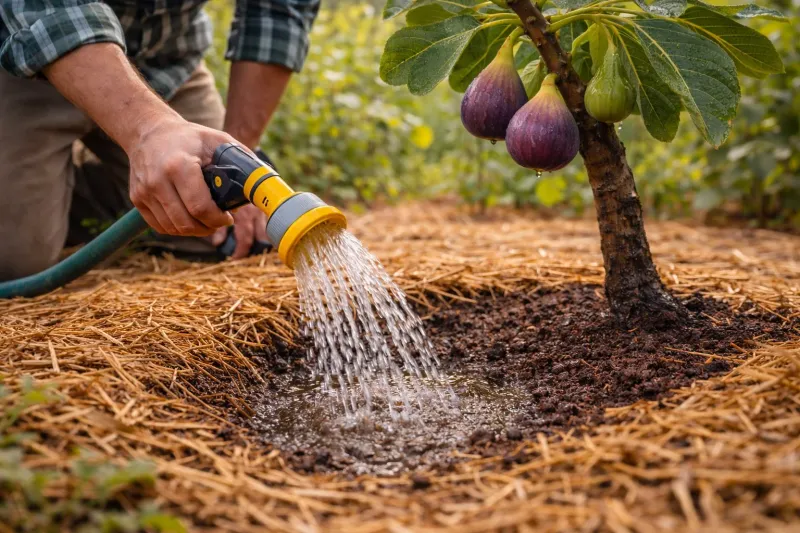
Shoot for about 1 to 1.5 inches of water per week, counting rainfall. The finger test still works best: push a finger a couple inches into the soil, and water deeply when it feels dry.
A ring of mulch helps hold that moisture steady. Potted figs dry out much faster, so during hot summer stretches you may need to water them every single day.
4. Stop Pruning Off Next Year’s Fruit
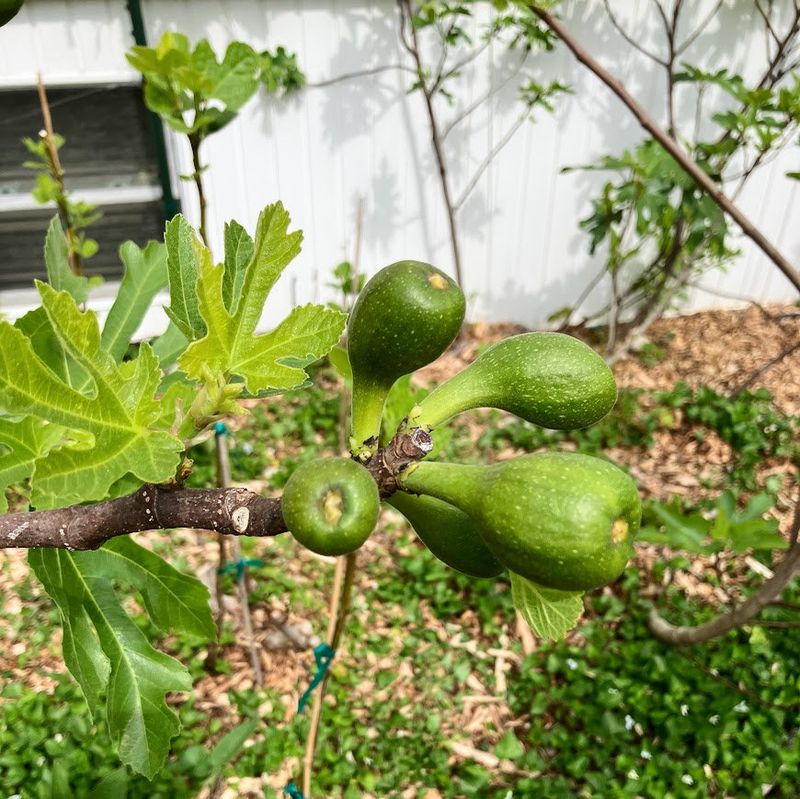
Plenty of gardeners give their fig a tidy haircut every winter and then wonder why the branches stay bare. Here is the catch: many figs grow an early breba crop on last year’s wood.
Chop that wood off, and you have snipped away your first harvest. Keep dormant pruning to dead, diseased, or crossing branches in late winter, plus whatever shaping you truly need.
Summer pruning matters too. Trimming new shoots late in the season can stop next year’s tiny fruit buds from forming, so put the shears away by midsummer.
5. Pinch New Shoots in Early Summer
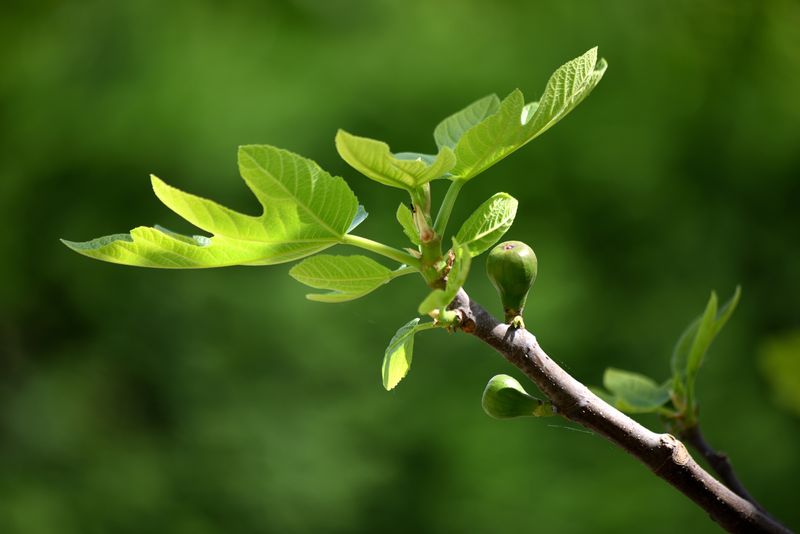
Want a simple trick that costs nothing? Pinching is it.
In early summer, once a new shoot has about five leaves, pinch off its soft tip with your fingers. That little move pushes the branch to stop stretching and start branching, which gives the tree more spots to set fruit.
Your main crop grows on new wood, so more healthy side shoots can mean more figs. Just finish pinching by mid-summer so the tree has time to build next year’s fruit embryos.
6. Give a Young Tree Time
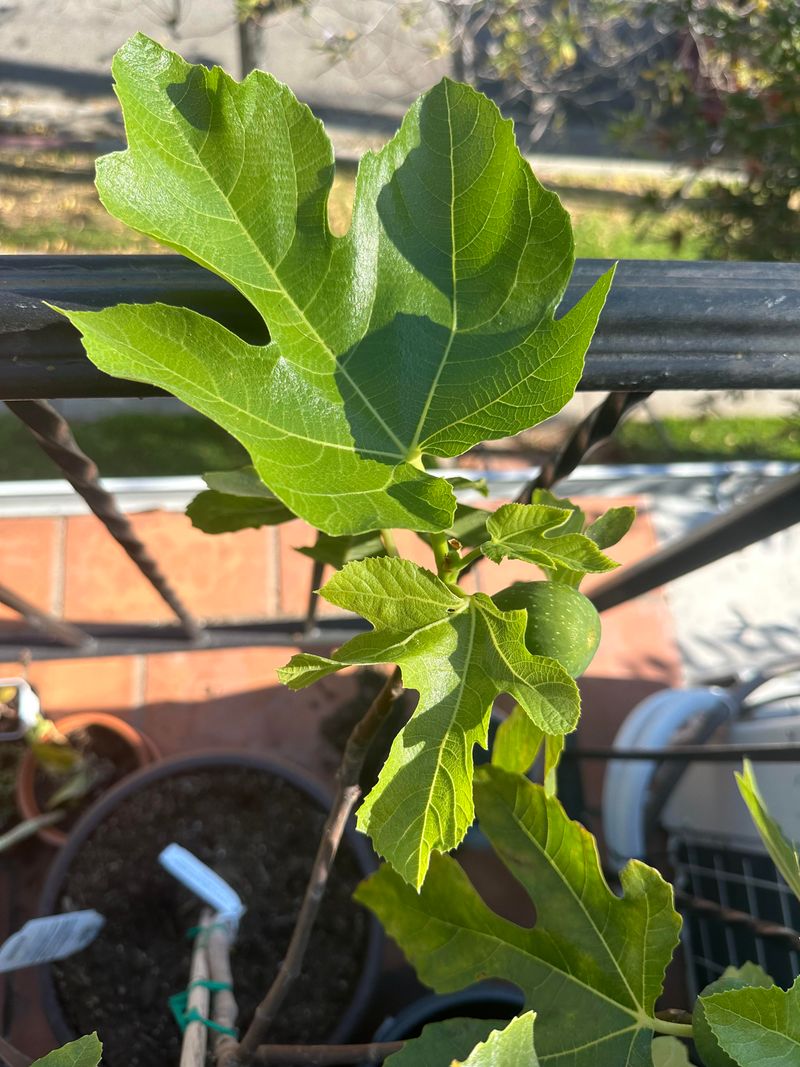
Sometimes the fix is a cup of coffee and a little patience. Young figs, especially ones grown from cuttings, spend their early years building roots and branches first.
Most fig trees will not fruit until they are at least two years old. Some take as long as six years before they become reliable producers.
Resist the urge to rush things with extra fertilizer or heavy pruning. Those moves can actually delay the first crop, so steady care is the smarter bet.
7. Protect Branches From Winter Damage

Northern fig growers know the heartbreak well. A hard freeze kills the upper branches, and with them goes the wood that would have carried the breba crop.
In cold areas, cut in-ground trees back to 6 to 12 inches above the ground once dormant. Then pile 12 to 20 inches of straw or shredded leaves around the base to insulate the roots and crown.
Wrapping the tree can add extra protection in marginal zones. Healthy roots that survive winter come roaring back with strong new growth, and that new wood is where the main crop forms.
8. Plant a Self-Fruiting Variety
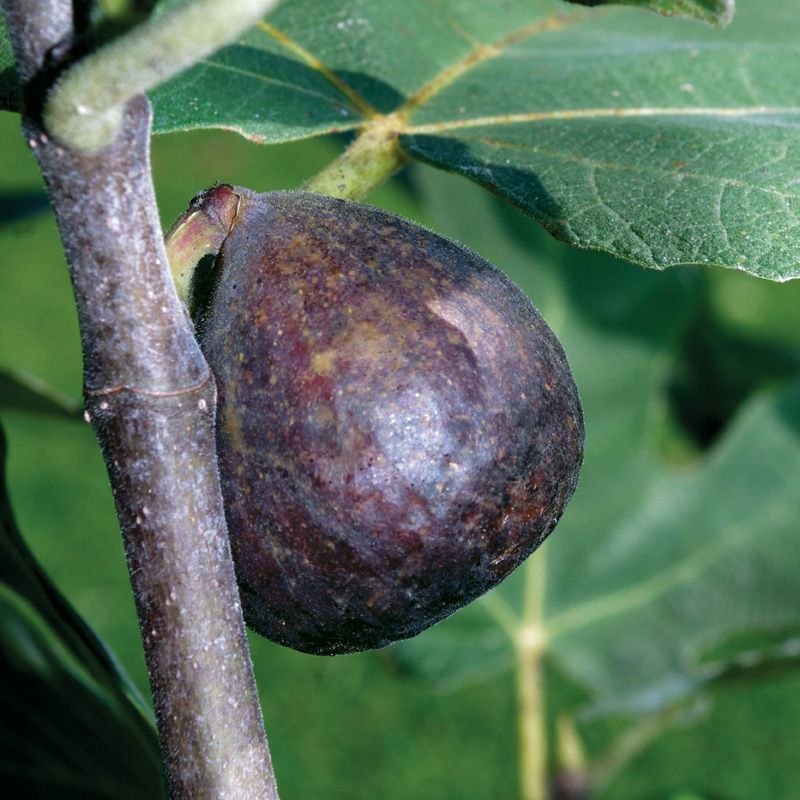
Fun fact: some figs need a tiny wasp to make fruit. Types like Smyrna and San Pedro depend on a specific fig wasp that does not live in most of the US.
Plant one of those outside the wasp’s range, and you might wait forever. Common figs are self-fruiting, so they skip that problem entirely.
Reliable choices include Brown Turkey, Celeste, Chicago Hardy, and LSU Purple. Short-season gardeners should favor early ripeners like Chicago Hardy so the fruit finishes before frost.
9. Fix Soggy Soil and pH

Wet feet make figs miserable. Heavy clay that holds water can lead to root trouble, and a struggling root system rarely supports a good crop.
Work compost or well-rotted manure into the soil to loosen it and improve drainage. A cheap soil test tells you the rest, since figs like slightly acidic soil around a pH of 6.0 to 6.5.
If your soil runs alkaline, soil sulfur or organic compost can slowly bring it down.
10. Restrict the Roots
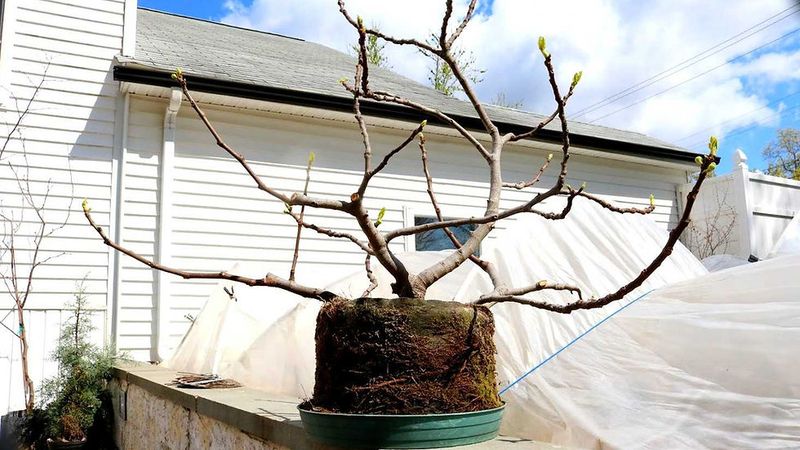
It sounds backward, but a fig with too much elbow room can be lazy about fruit. Unlimited roots often fuel a jungle of leaves.
Limiting root space nudges the tree toward fruiting. That is one reason potted figs often crop so well.
For in-ground trees, a lined planting pit or a root-control bag can do the same job. It is a bigger project, but for a monster fig that never fruits, it may be the turning point.
11. Ease Transplant and Heat Stress
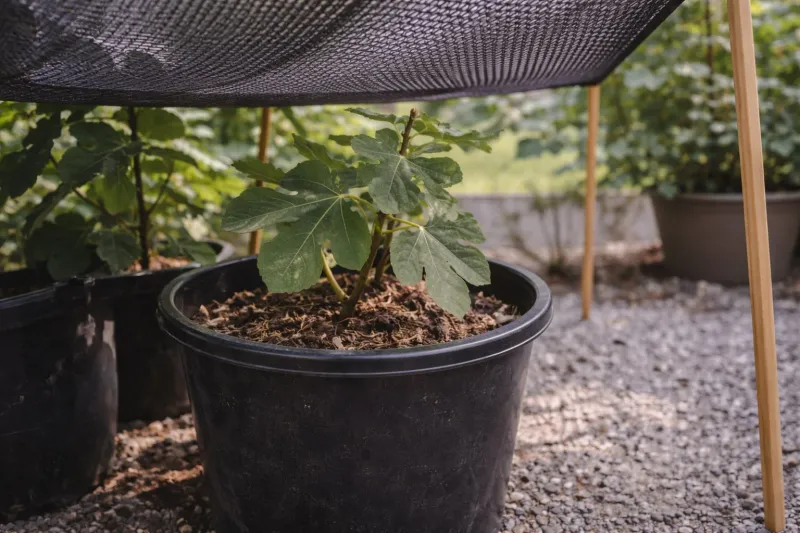
Moving a fig is a bit like moving houses. Everything gets shaken up, and the tree spends its energy settling in instead of making fruit.
Handle roots gently at planting and keep the soil evenly moist for the first several weeks. That steady care helps shorten the recovery period.
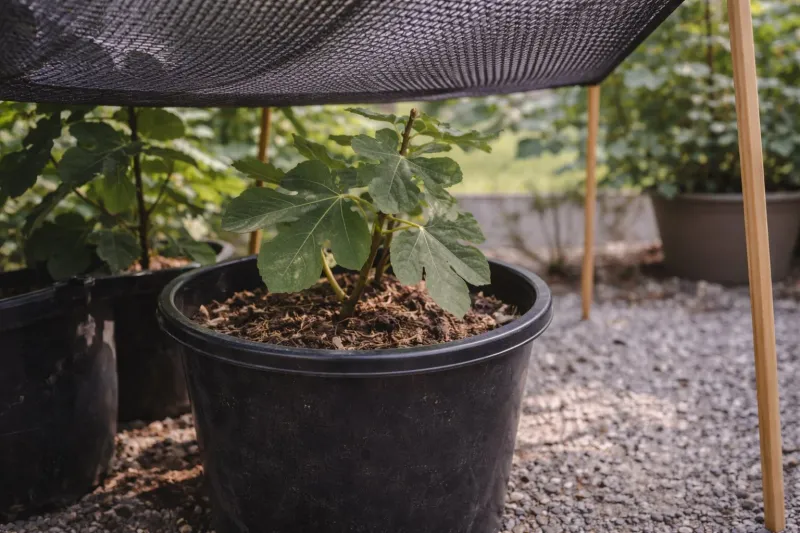
Extreme heat waves and sudden cold snaps also pull energy away from fruit. Shade cloth on scorching days or a frost cover on chilly nights may help protect young and potted figs.
12. Open Up the Canopy
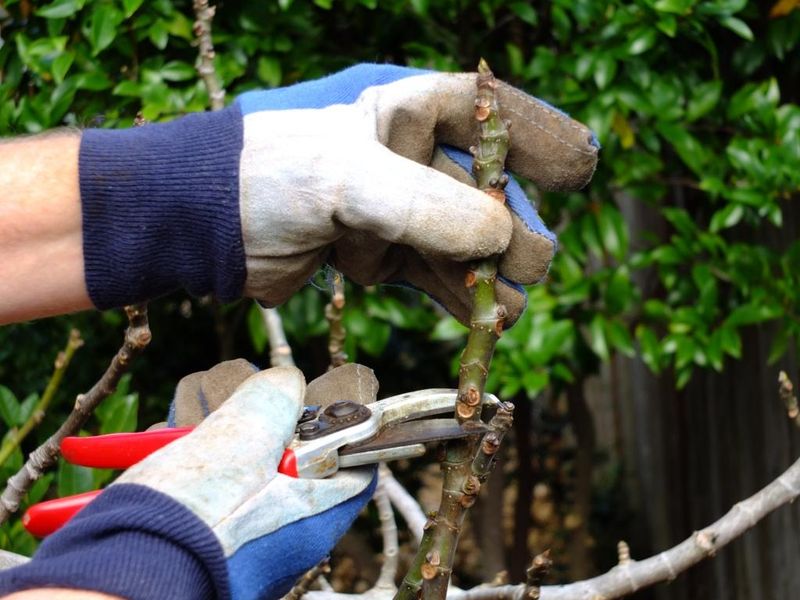
Peek inside a crowded fig and you will find a dim, stuffy tangle. Fruit hidden in that shade tends to ripen slowly and taste flat.
During late winter pruning, remove branches that grow inward, cross each other, or hang close to the ground. The goal is an open shape where light and air can move through.
Better airflow also helps leaves dry faster after rain. More sun inside the canopy means sweeter, better-colored figs.
13. Let It Rest Through Dormancy
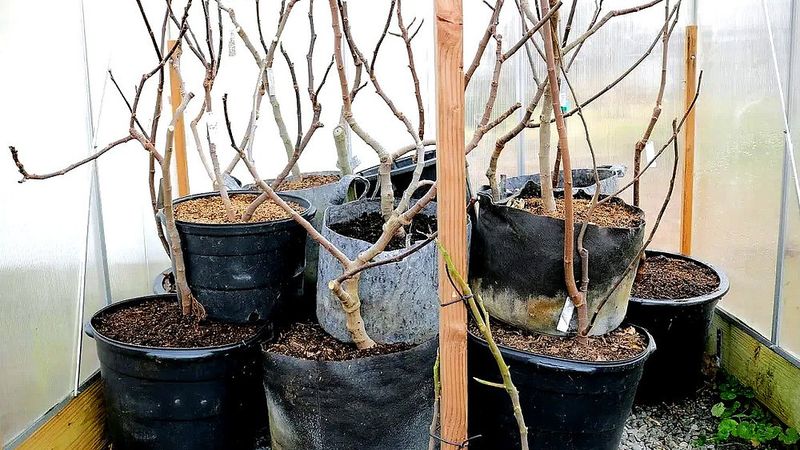
Even fig trees need a good winter nap. In temperate climates, dormancy resets the tree and readies it for the next fruiting cycle, and figs need roughly 100 chill hours to fruit well.
Potted figs do great in an unheated garage, cool basement, or dim shed that stays cold but above freezing. Water about once a month, just enough to keep the roots from drying out.
Keep it there until spring warms up. A well-rested fig wakes up ready to push fresh growth and, hopefully, plenty of figs.