
Your Final Fall Mow Is One Piece of Winter Lawn Prep: Here’s a Smart Height to Aim For
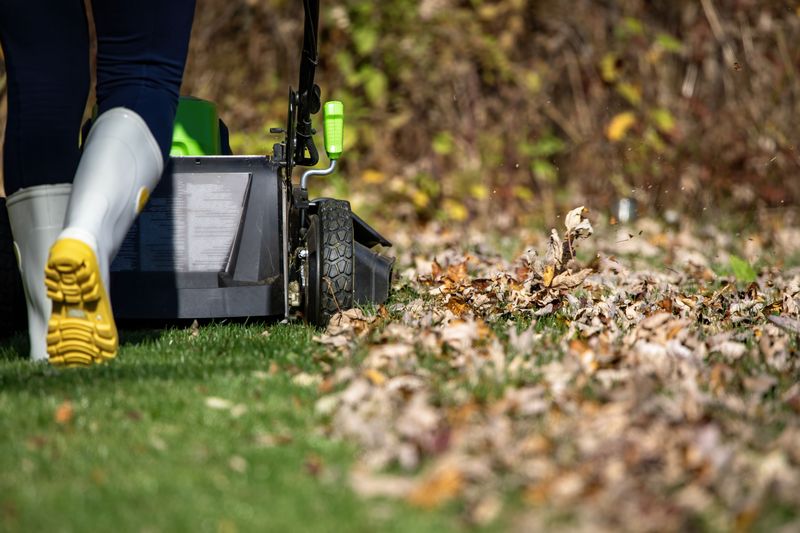
That last pass with the mower feels like a small chore, but it is part of getting your grass ready for winter. Cut too short and you can stress the lawn.
Leave it too long and the blades can flop over and mat down. Here is how to pick a sensible height and know when to put the mower away.
Fall mowing helps prepare the lawn, but it cannot promise spring color
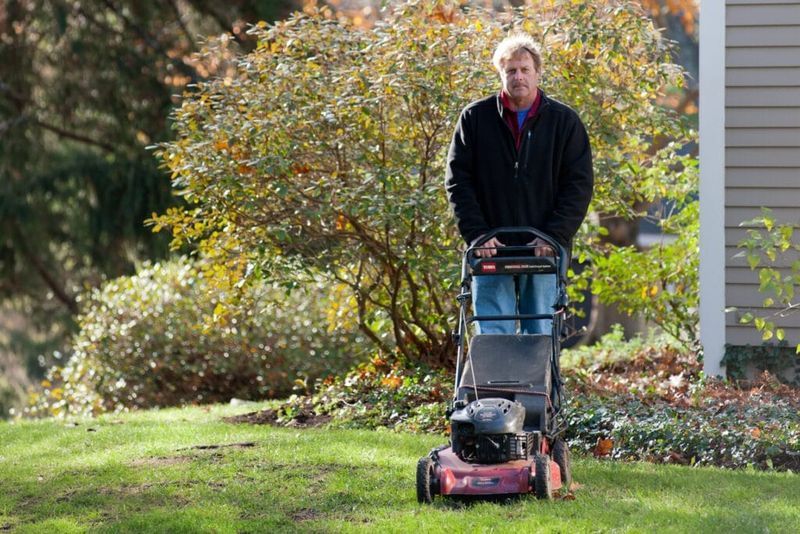
You may have seen the claim that your last mow decides how green the lawn looks next spring. That is too strong.
A good final cut does real work, but it is only one part of getting turf through winter.
What it can do is help keep the grass from entering winter too long. University of Wisconsin Extension recommends mowing through dormancy and clearing leaves and debris.
Long grass and heavy leaf cover can lie over and mat, and matted turf can be smothered.
Spring color depends on much more. Your grass type matters, and so do the weather patterns of the winter and spring that follow.
Iowa State Extension notes that snow mold is one possible reason a lawn greens up slowly or in patches, and it is not an automatic result of one mowing height.
So think of fall mowing as one step in winter lawn prep, alongside leaf cleanup. If your lawn looks patchy next April, that does not prove you made a mistake in October.
The goal here is practical. You will learn how to pick a sensible height, avoid a rushed scalp, and feel confident about your last pass.
You will not be promised a perfect spring, because no single cut can deliver that.
A 2.5- to 3-inch cut is a starting point, not a rule
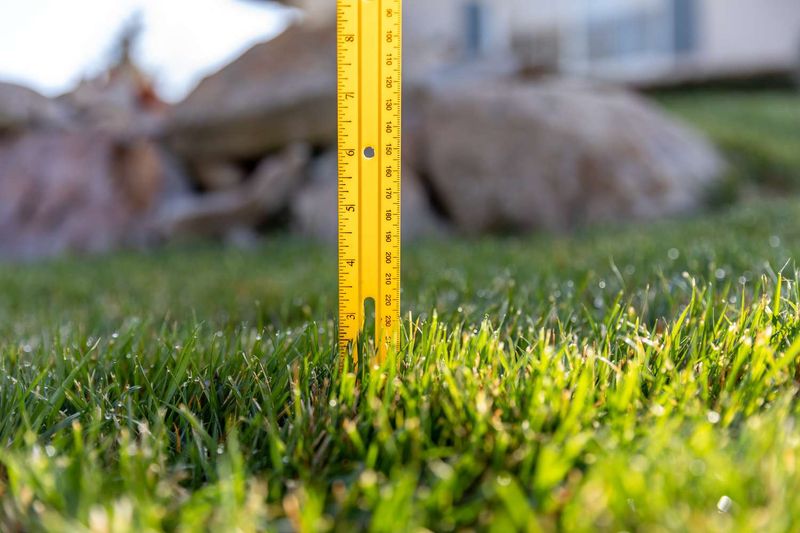
Many common cool-season home lawns, such as Kentucky bluegrass and fescue mixes, do well when kept around 2.5 to 3 inches. That is a defensible benchmark, and it gives you a number to check against with a ruler.
Treat it as a place to begin, not a law.
Species, region, and the lawn’s own habits all shift the right answer. University of Illinois Extension explains that recommended heights vary by grass type, and that cutting too low can stress turf.
Tall fescue, for example, is often kept taller than other cool-season grasses.
The safest habit is to keep the lawn at its usual, species-appropriate height rather than dropping it low for winter. If you have been mowing at 3 inches all season, there is no reason to suddenly chop it to 2.
Not sure what you have? Look at the blade width, check old seed bags, or call your county extension office.
A quick photo of a few blades is often enough for them to help.
Use the benchmark as a sanity check. If your mower deck is set at 1.5 inches in November, that is a signal to raise it.
If it sits at 3 inches on a healthy lawn, you are likely in a good spot.
Grass type changes the winter target
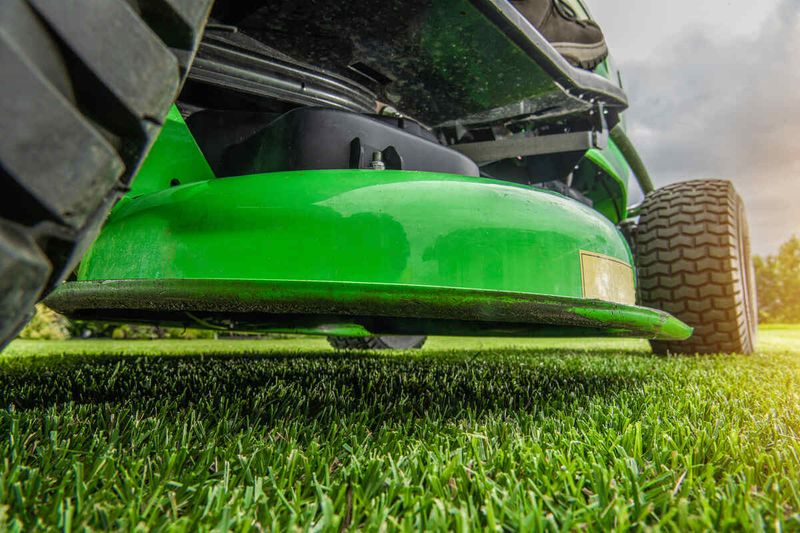
Two lawns in two parts of the country can need different winter heights, and both can be right. Guidance depends on the grass and the climate it faces.
In Minnesota, where winters are long and cold, University of Minnesota Extension suggests lowering the mower gradually in late fall to about 2 to 2.5 inches, and not below 2 inches. That advice fits cool-season lawns in that setting.
It is not a target for every lawn in the country.
Warm-season grasses follow different logic. Oklahoma State University Extension advises leaving several warm-season types about half an inch taller than their summer height to give extra winter insulation.
Bermudagrass and zoysia are common examples, so check which types your lawn matches.
These sources are not arguing with each other. One speaks to northern cool-season turf, the other to southern warm-season turf.
Neither is a single-height rule.
Before you set your deck, identify your grass or check your state extension guide. Then use the 2.5 to 3 inch benchmark only if it fits a cool-season lawn like yours.
Keep mowing while the lawn is actively growing
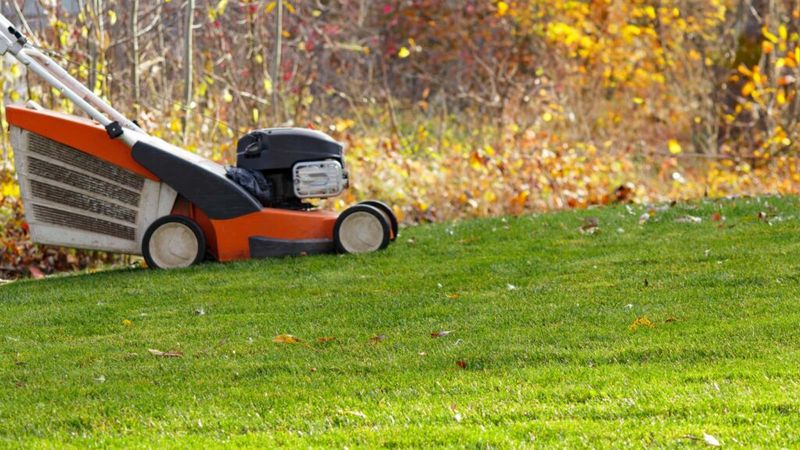
Forget the calendar for a moment. Your grass does not read dates, and it keeps growing until cold weather slows it down.
That is your real signal.
The rule of thumb from University of Minnesota Extension is simple: keep mowing as long as the top growth continues, and stop when it stops. That could be early in one region and much later in another.
A warm fall can stretch the season, and a hard early frost can end it.
This means that “this month” is not a national cutoff. A friend two states away may be done while you still have a week or two of mowing.
A handy check is to look at your lawn a few days after the last cut. If the blades have visibly grown, the lawn probably still needs another pass.
If they look about the same, growth has likely paused.
Mowing only because it is fall can be pointless, and skipping a needed cut can leave a shaggy canopy. Let the grass tell you which one applies this week.
Lower an overgrown lawn gradually
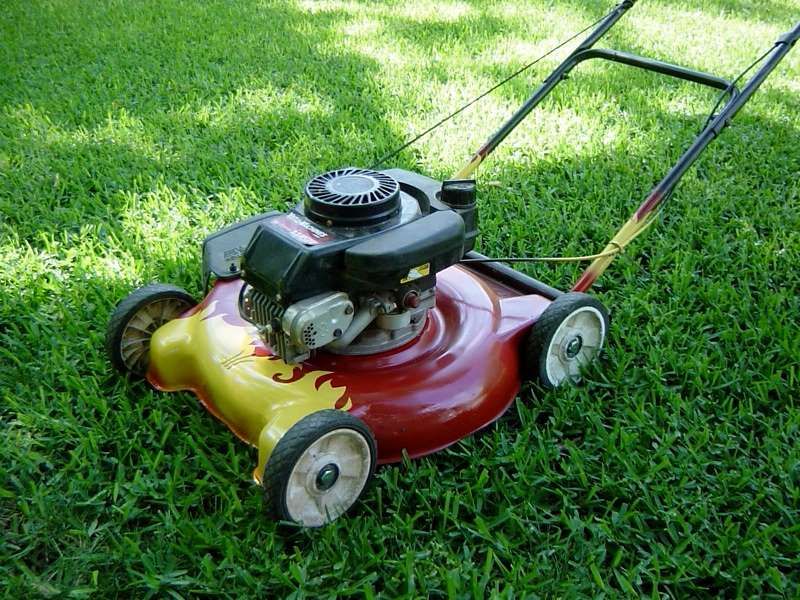
If the lawn got ahead of you, resist the urge to fix it in one pass. The one-third rule is your safeguard.
Never remove more than one-third of the leaf blade in a single mowing.
Say your grass is 5 inches tall and you want it near 3. Cut it to about 3.5 inches first, wait a few days, then take it down to the target.
University of Illinois Extension recommends this stepped approach, since cutting too much at once can scalp and stress the turf.
Conditions matter too. Skip mowing when the grass is wet.
Wet blades clump, clog the deck, and tear instead of cut, and wheels can leave ruts in soft soil.
Check your blade as well. A sharp blade slices cleanly, while a dull one leaves ragged, frayed tips that look pale or brownish a day later.
If you have not sharpened it this year, a fall tune-up is a good time.
Done this way, you end up at a sensible height without shocking the lawn, and the grass can handle the transition into winter.
Leaves and winter conditions also shape spring recovery
Height is only part of the winter story. Thick leaf cover can smother grass, and excessively long grass can flop over and mat.
Wisconsin Extension recommends mowing through dormancy and clearing leaves and debris so the turf is not buried.
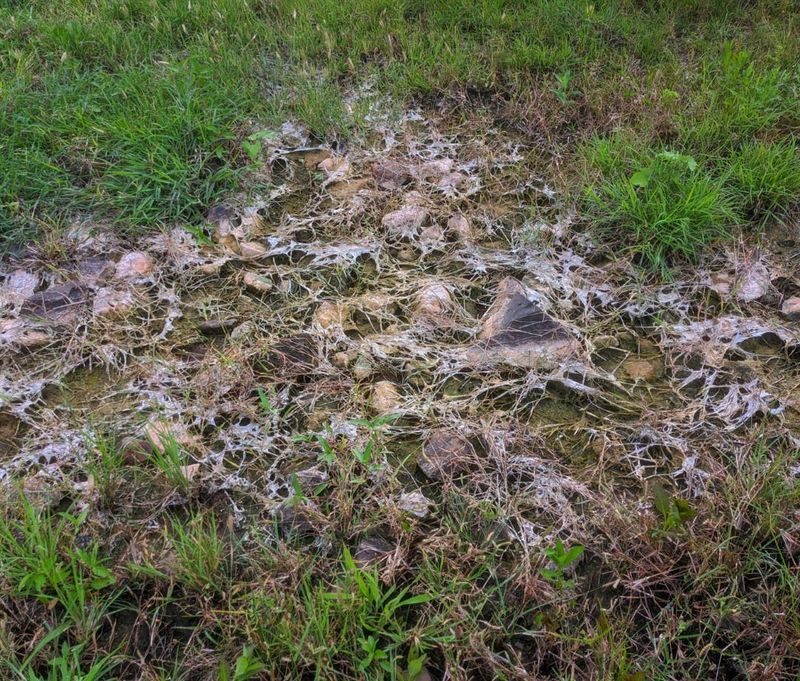
Then there is snow mold, a fungal problem that shows up as matted, discolored patches after the snow melts. Wisconsin Extension describes gray snow mold as linked to prolonged snow cover and pink snow mold to prolonged cool, wet weather.
Tall grass that lies over can add to the risk, but height alone does not decide it.
That means a lawn mowed at the perfect height can still get snow mold in a snowy, wet winter. It also means extra height does not always cause it.
If you find patches in spring, take a breath. Iowa State Extension says these areas usually recover, though more slowly.
Continued fall mowing and leaf cleanup are the preventive steps it recommends.
Gently raking matted spots in spring can help air reach the turf. Slow or uneven green-up is not proof you mowed wrong, since spring recovery depends on far more than the final cut.
Choose a healthy canopy, not a calendar-perfect cut
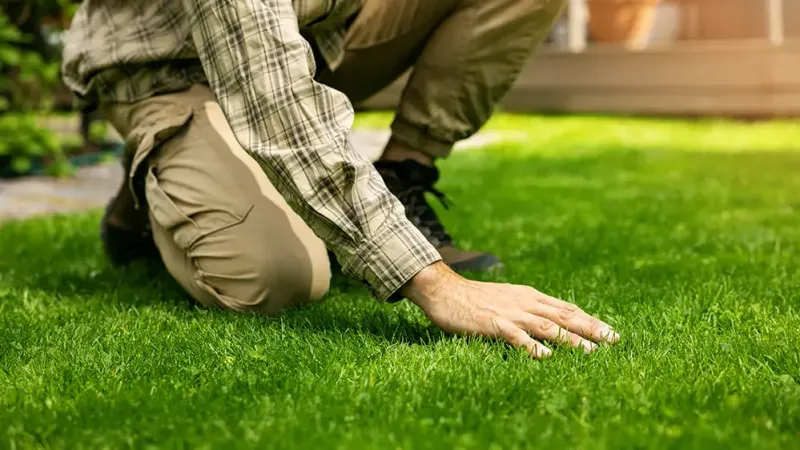
Start with your grass type, and follow height guidance that fits it. Use the 2.5 to 3 inch benchmark only if you have a cool-season lawn.
Keep mowing while top growth continues, and step an overgrown lawn down over several cuts.
The aim is a lawn that is not too long or matted, not a promise of spring color, as Iowa State Extension makes clear about slow green-up.
Grass rewards steady habits more than perfect timing.