
Your Hydrangeas Are Heading Into Winter – 7 Jobs Before The First Hard Freeze That Decide Next Summer’s Blooms
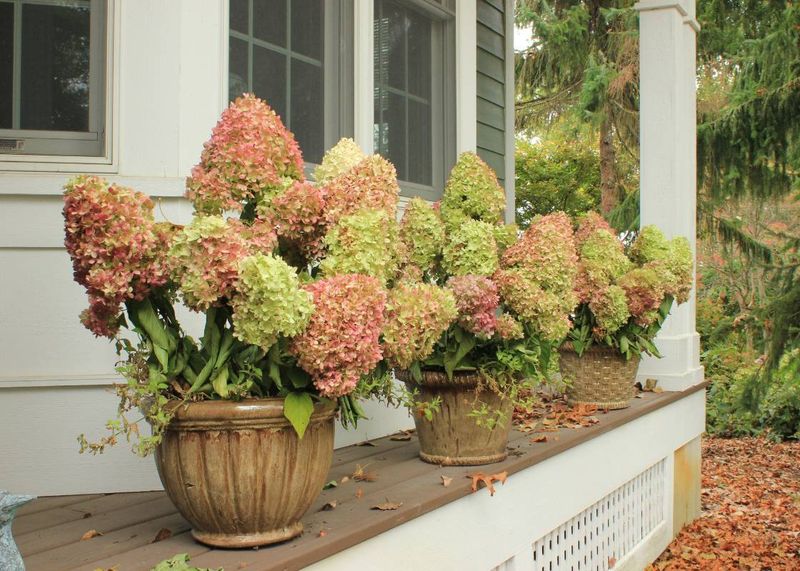
Next summer’s hydrangea flowers are already tucked inside the stems right now, waiting out the cold. What you do in the next few weeks can protect those hidden buds or wipe them out by accident.
Many gardeners who see leafy, flowerless shrubs in July made one small fall mistake without knowing it. Here are seven simple jobs to finish before the first hard freeze so your plants come back loaded with blooms.
1. Water Deeply Until the Ground Freezes
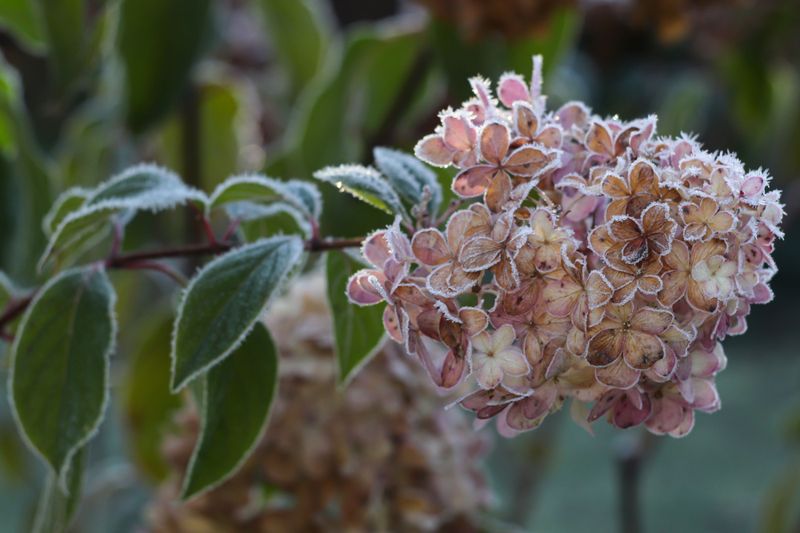
Picture a cold, dry January wind blowing across your yard. Hydrangea stems keep losing moisture all winter, even when they look asleep, and frozen soil cannot refill them.
A plant that goes into winter thirsty is far more likely to show dead tips and lost buds in spring.
Give your shrubs a long, slow soak once or twice a week during dry fall stretches. Aim the hose at the root zone, not the leaves, and let the water sink in for several minutes.
Stop once the ground freezes solid.
A quick note on balance: soggy soil around a dormant plant in chilly weather can invite root rot. If your fall has been rainy, skip the hose and let nature handle it.
2. Spread a Thick Blanket of Mulch
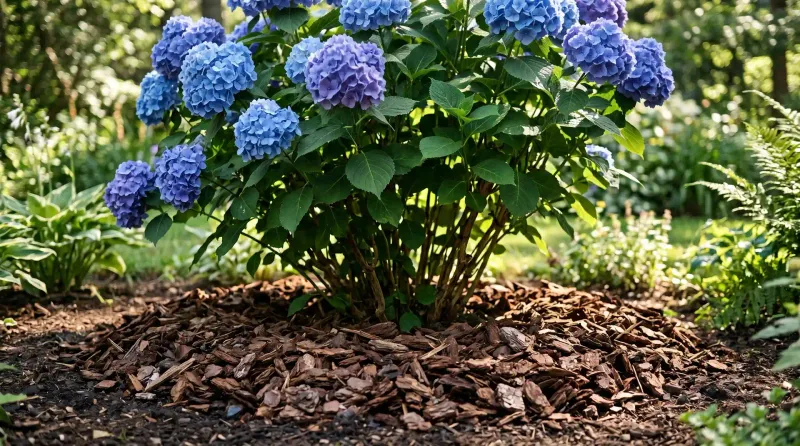
Think of mulch as a winter coat for roots. Soil that freezes, thaws, and refreezes can stress and even heave roots, and a good layer of organic material evens out those wild temperature swings.
Spread 3 to 4 inches of shredded leaves, wood chips, straw, or pine needles around the base. Gardeners in the coldest northern zones sometimes go much deeper, up to about 12 inches.
Free shredded leaves from your own yard work beautifully.
Timing matters in cold regions. Laying mulch after the ground freezes keeps mice from moving in and stops the plant from pushing tender growth during a warm spell.
Always leave a few inches of bare space around the stems so they stay dry and do not rot.
3. Know Your Type Before You Prune
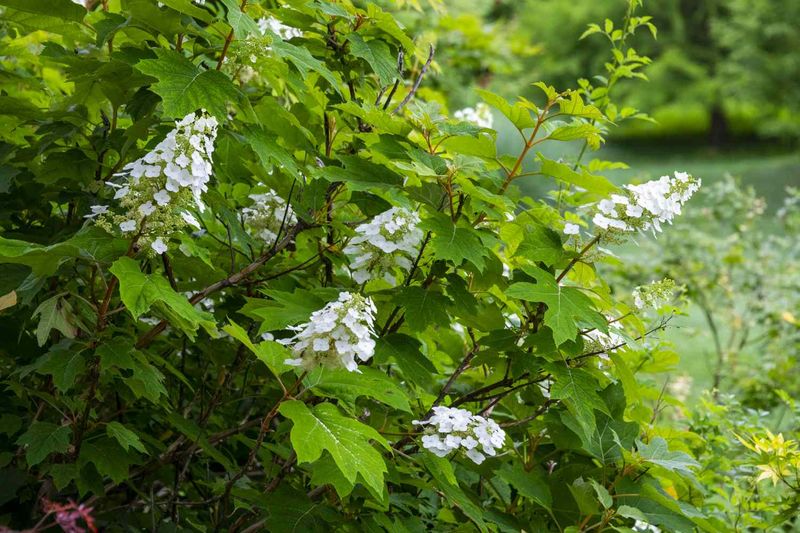
Here is the number one reason hydrangeas skip blooming: a well-meaning fall haircut. Bigleaf, oakleaf, mountain, and climbing hydrangeas set next year’s flower buds on this year’s stems, called old wood.
Cut them back now and you toss next summer’s show into the compost bin.
For those old-wood types, put the pruners away. Only snip dead or broken stems in early spring, or do any shaping right after flowering in summer.
Panicle hydrangeas like Limelight and smooth types like Annabelle are different. They bloom on new growth, so trimming them after a hard frost or in early spring is fine and may lead to sturdier stems.
Not sure which you have? Mophead or lacecap flowers with big, glossy leaves usually mean bigleaf, so hold off.
4. Put the Fertilizer Away
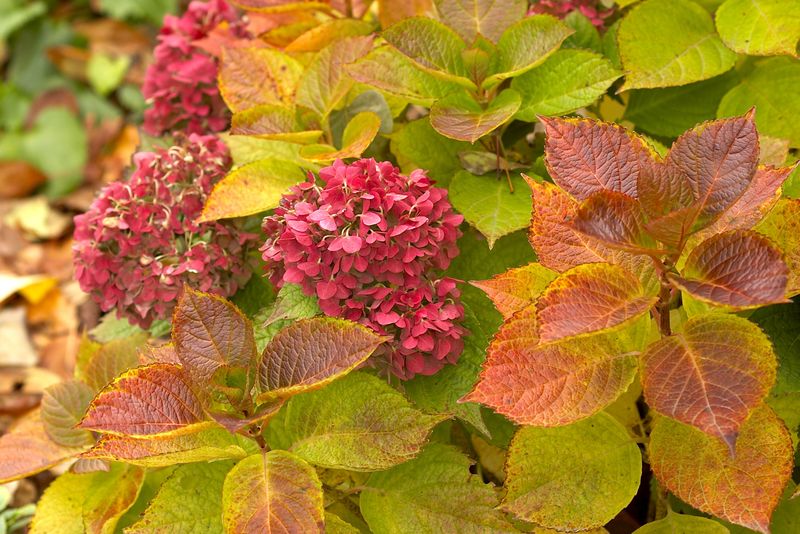
Feeding a plant seems kind. In fall, it can backfire badly.
Nitrogen pushes soft new shoots, and those shoots have no time to toughen up before frost turns them black.
Most hydrangeas should get their last real feeding by mid to late summer, around August. After that, let the plant slow down and harden off naturally the way it wants to.
If you want to do something helpful, a thin layer of compost in early fall can gently support the roots without forcing growth. Save the bagged fertilizer for spring, when your shrub is waking up and ready to use it.
5. Wrap Tender Bigleaf Buds
A neighbor once told me her mophead had bloomed only once in five years. The culprit was not her soil or her sunlight.
Winter cold was quietly killing the flower buds at the stem tips every single year.
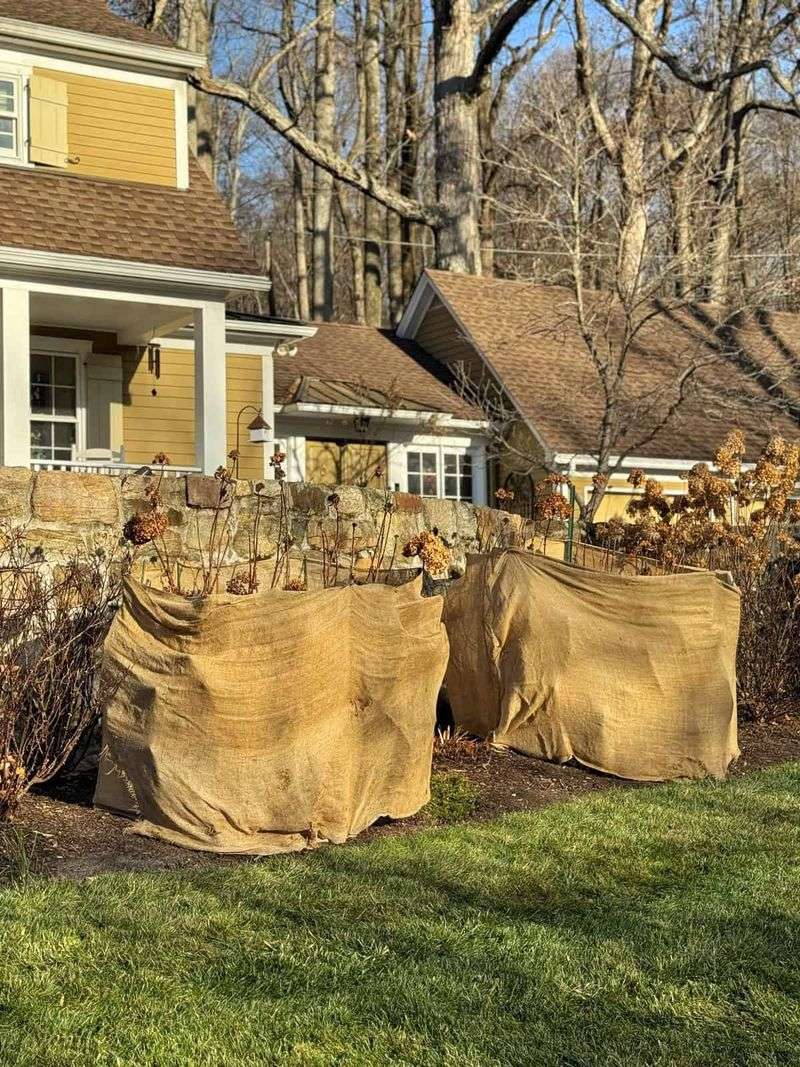
Bigleaf hydrangeas in colder areas, roughly USDA zones 3 through 7, are the most at risk, especially when temperatures sink below 15 degrees F. A simple fix is a cage of chicken wire or stakes around the shrub, stuffed loosely with dry leaves or straw.
Burlap wrapped around the outside adds a windbreak.
Frost cloth is another option for surprise cold snaps. Keep any wrapping loose so air moves, and avoid plastic, which can trap heat and moisture.
Unwrap in spring once hard freezes are behind you.
6. Move Potted Hydrangeas to Shelter
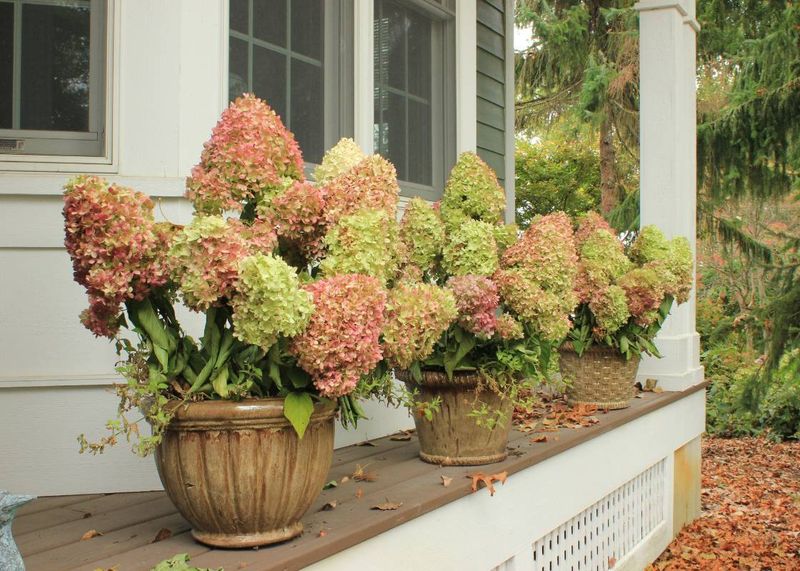
Roots in a pot have it rough. In the ground, soil wraps them in insulation, but a container leaves them exposed on every side, so a hard freeze can damage them far faster than in-ground plants.
Before the first deep freeze, roll or carry potted hydrangeas into an unheated garage, shed, or a protected spot against the house foundation. You want cold but steady, not warm.
A heated room may wake the plant up too early.
Check the soil every few weeks during winter. If it feels bone dry, give a small drink, just enough to keep the roots from shriveling.
Bring the pot back out in spring after danger of hard frost passes.
7. Decide Whether to Deadhead
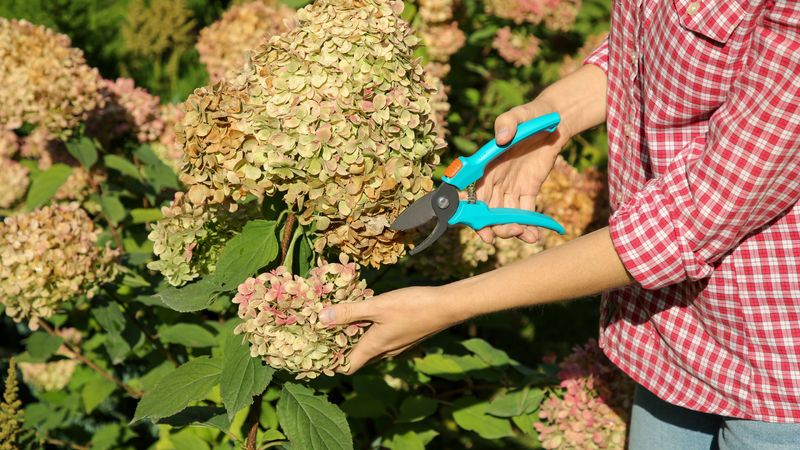
Those papery brown flower heads might look messy to some folks. Up north, they actually work like tiny umbrellas.
Leaving them on old-wood hydrangeas may help shield the buds just below from frost and wind, and they look lovely dusted with snow.
In milder climates, snipping off spent blooms in fall is fine. Cut just below the old flower head, above the first set of healthy leaves or buds, and never lower.
That keeps next year’s buds safe.
So which should you do? If winters are harsh where you live, leave them and tidy up in spring.
If winters are gentle, deadhead for a cleaner look. Either way, your hydrangea goes into the cold ready to bloom next summer.