
Save Your Coneflower Seeds This Fall to Try Growing More Purple Coneflowers in Your North Carolina Yard
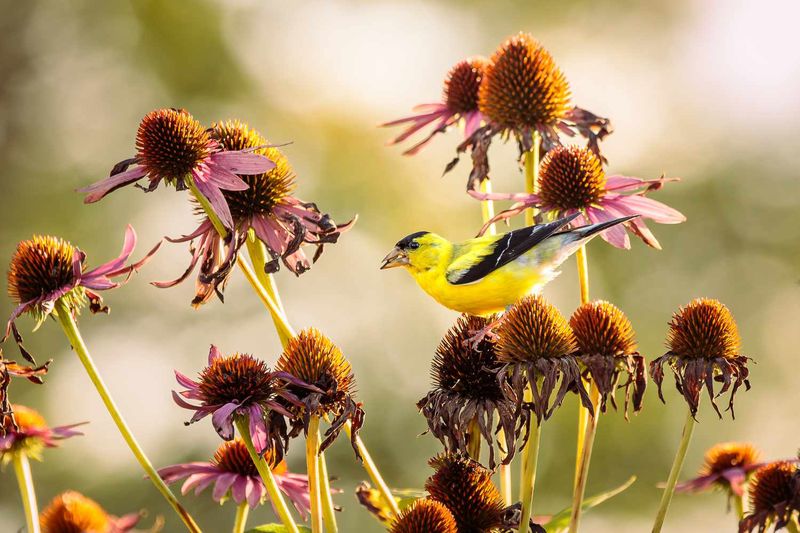
Purple coneflower is a tough native that many North Carolina yards already have, and its spent seed heads hold the makings of new plants. One fall afternoon of seed saving can give you a chance at more coneflowers without buying a single packet.
It can also help the goldfinches and other birds that depend on those seeds. Here is how to collect some, leave some, and give your seeds a fair start.
Start with purple coneflower, not just any coneflower
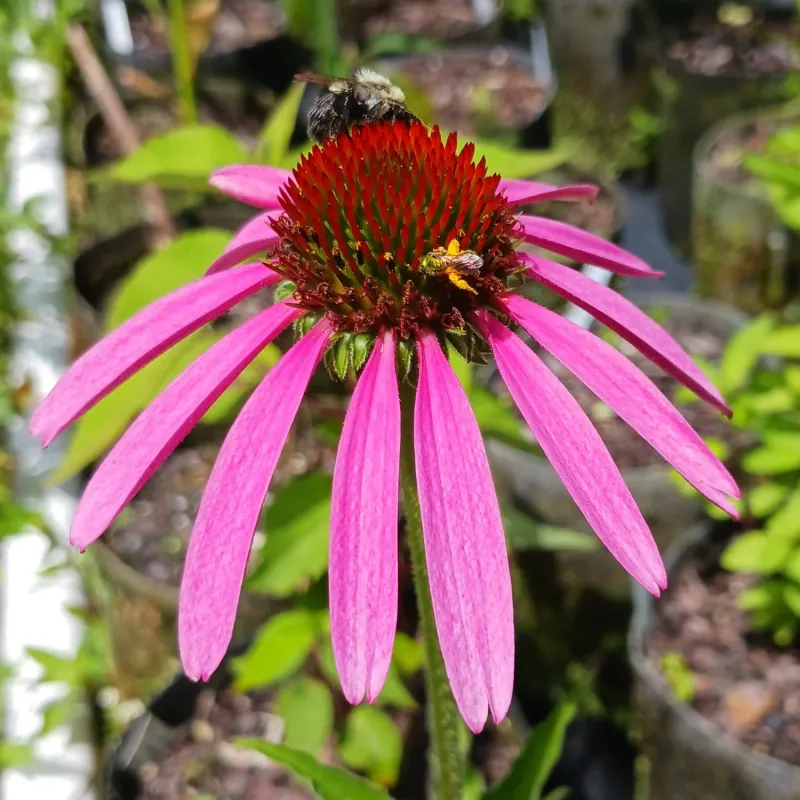
Plenty of plants get called coneflower, so it helps to know exactly what you are growing. This guide is about purple coneflower, Echinacea purpurea.
NC State Extension’s plant toolbox lists it as native to North Carolina, growing in the Coastal Plain, Piedmont, and mountains.
It is a perennial, meaning the same plant can come back year after year. The same source notes that it can reseed itself.
That is good news for a gardener who wants to try growing more plants, whether you live near the coast, in Charlotte or Raleigh, or up in the Blue Ridge.
Look for pink to purple petals that droop slightly around a raised, orange-brown, spiky center. If you bought your plant at a garden center, check the tag.
Many named varieties are cultivars or hybrids, and Iowa State Extension describes several hybrid coneflowers and crosses. Seedlings from those plants may not match the parent’s flower color or form, so expect some surprises.
Think of seed saving as a chance, not a promise. Some seeds will sprout, some will not, and some seedlings will not survive.
Going in with that mindset keeps the project fun, and it leaves you pleasantly surprised if a few new plants show up.
Collect some seeds and leave some for birds
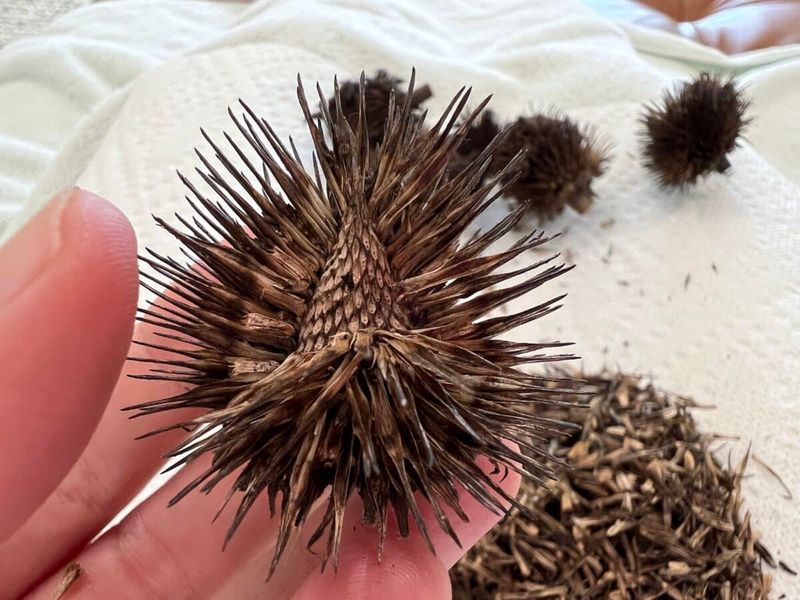
Seed heads are ready when the petals have dropped and the cone turns dark brown and dry. In North Carolina that usually happens from late summer into early fall, though timing shifts with your yard and the weather.
Check your plants every few days rather than waiting for a set date.
Rutgers Extension advises wearing gloves and combing the seeds out of the dried heads. The cones are prickly, so gloves make the job much more comfortable.
Work over a tray or bowl so the seeds do not scatter.
Here is the wildlife tradeoff: take seeds from only some of the heads. Leave the rest standing, because the NC State plant toolbox notes that American goldfinches eat the seeds.
Clemson Extension also suggests delaying deadheading so seed heads stay available to birds.
Collecting every head would leave nothing for wildlife, so it is a good idea to pick a rough split before you start. Birds can also clear a crop fast, and the USDA plant guide notes that goldfinches can strip seed heads quickly.
Planting coneflowers does not guarantee goldfinches will visit your yard, but leaving heads standing gives them a reason to stop by.
Try fall sowing outdoors
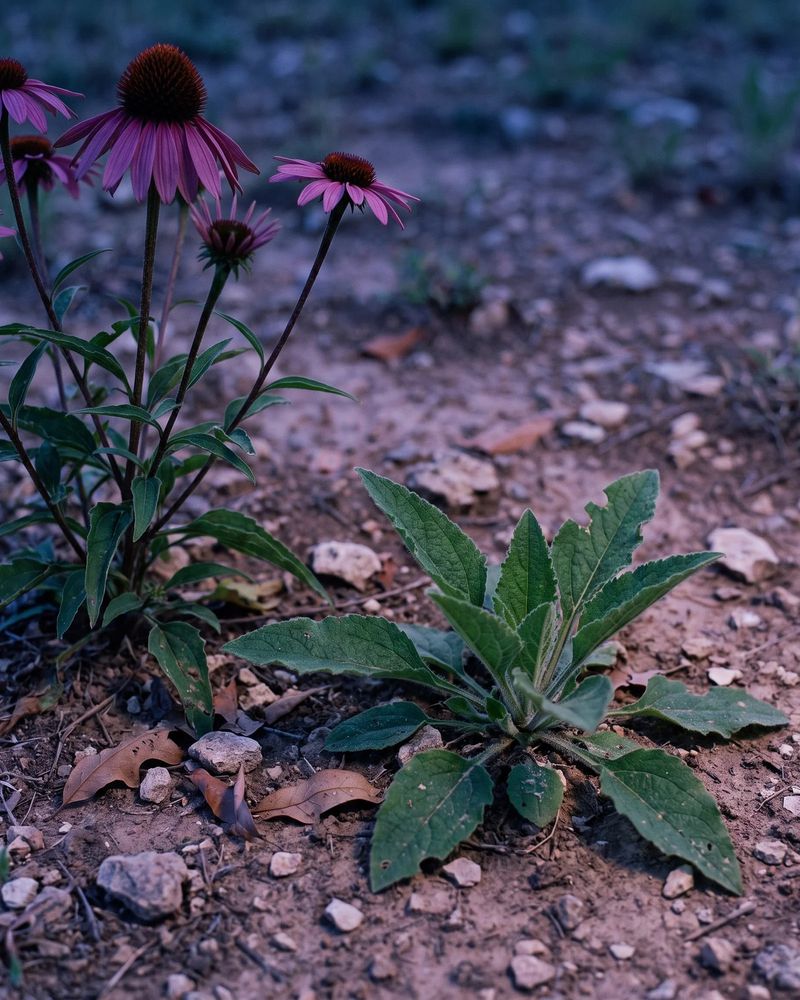
Fall sowing is one of the simplest ways to put your saved seed to work. Rutgers Extension describes sowing native seeds outdoors in fall as an easy way to let them overwinter.
Winter weather then does the rest of the work.
Choose a small patch of loose soil and mark it with a label so you do not mistake seedlings for weeds next spring. Scatter the seeds, then cover them lightly.
You can also use a container, but set it where animals cannot dig in it, and cover it with a screen if squirrels are a problem.
When seedlings begin to emerge in spring, check the soil. Keep it from drying out completely while the tiny plants get established.
Gardeners will find that advice on cold treatment is mixed. Rutgers lists 90 days of moist cold for purple coneflower, while Iowa State Extension says no pretreatment is needed for many perennials, and the USDA guide says seed can be sown in spring without cold treatment.
So winter exposure is a handy feature of fall sowing, not a strict rule.
No method guarantees that every seed will sprout. Sow a generous pinch rather than just a few seeds, and be ready for patchy results.
Choose a spot with sun and good drainage
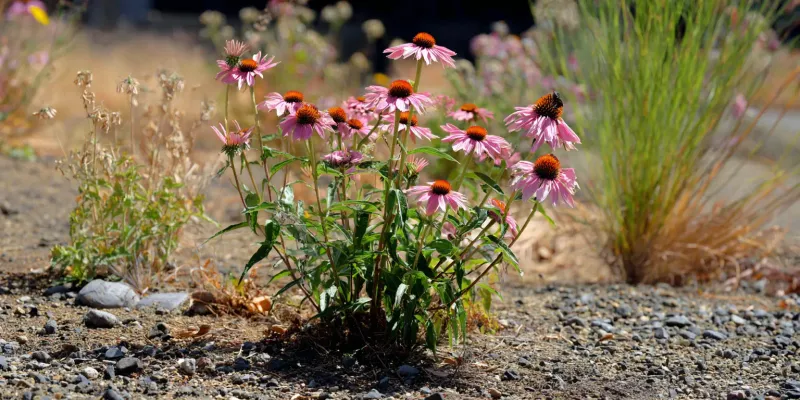
Where you sow matters about as much as how you sow. The NC State Extension plant toolbox lists full sun or partial shade and good drainage for purple coneflower.
That points you toward open, bright parts of the yard.
Walk your property on a sunny day and note which spots get light for much of it. A bed that stays soggy after a heavy rain is a poor match, since good drainage is part of what this plant likes.
A slightly raised border or a sunny slope may be a better candidate than a low, wet corner.
Use the same thinking for a nursery patch or container. Put it where light reaches it and water does not pool around the seeds.
If you are already growing coneflowers, a nearby spot with similar conditions is a sensible place to begin.
A good site improves the odds, but it does not make success certain. Seedlings can still fail for reasons you cannot control, so consider sowing in more than one suitable spot.
Store dry seeds if you will sow them later
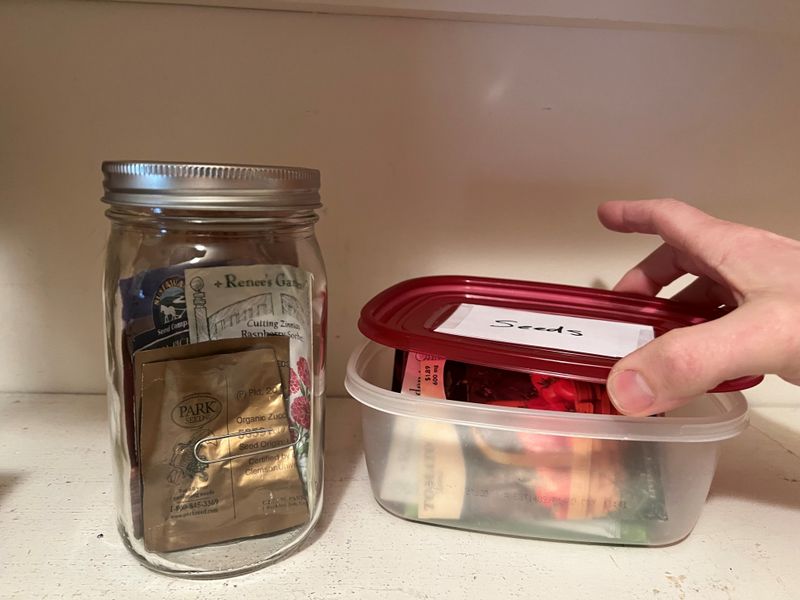
Not everyone wants to sow in fall, and that is fine. If you plan to wait, storage keeps your options open.
Start by letting the seeds dry fully before you pack them away.
Place the dry seed in a paper packet and label it with the plant name and the date you collected it. Paper lets air move, which helps if any moisture lingers.
A label saves you from guessing months later when you find an unmarked envelope.
Rutgers Extension recommends cool, dry storage for seeds in general. A closet shelf, a drawer in a cool room, or a spot away from the kitchen stove and sunny windows all fit that description.
Stored seed gives you a backup plan if your fall patch gets dug up or washed out. It is also a handy way to share seed with a neighbor.
Just keep expectations modest, since there is no way to know in advance how well stored seed will sprout.
Think of future blooms as a possibility
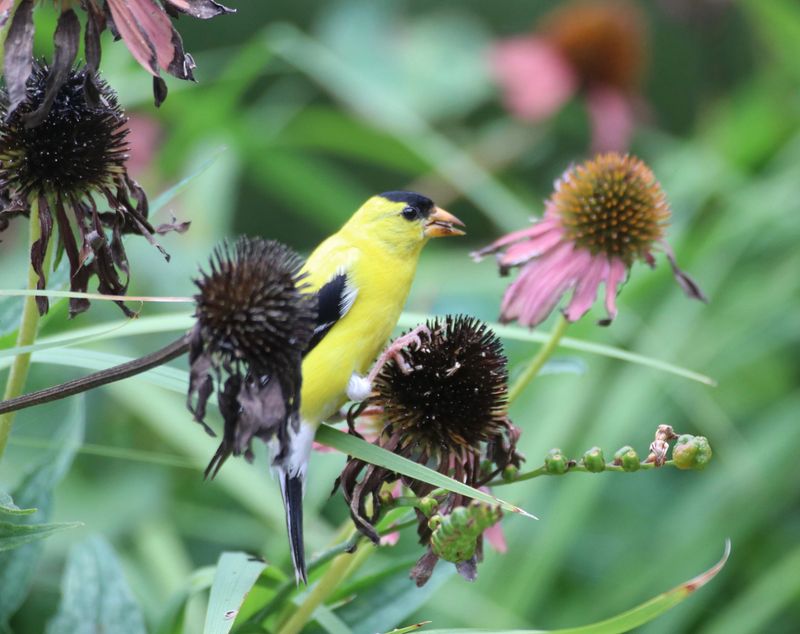
The plan is simple: save some seed, leave plenty of seed heads for the birds, and either sow your seeds in fall or store them dry for later. That one afternoon costs almost nothing and fits the way many North Carolina gardeners like to care for their yards.
Purple coneflower is perennial and, as NC State Extension notes, it can reseed. Those traits make future flowers possible, but they do not guarantee blooms every year in a particular spot.
Iowa State Extension adds that plants can become crowded and may benefit from division every four to six years, so a patch changes over time.
Some seedlings will thrive, some will fade, and some may bloom in colors that surprise you. Watching which ones make it is part of the fun.
A seed head left standing is a small gift to the neighborhood birds.