
Your Hydrangeas Are Setting Next Summer’s Flowers Right Now – 5 October Jobs And 2 Mistakes That Cost You Blooms
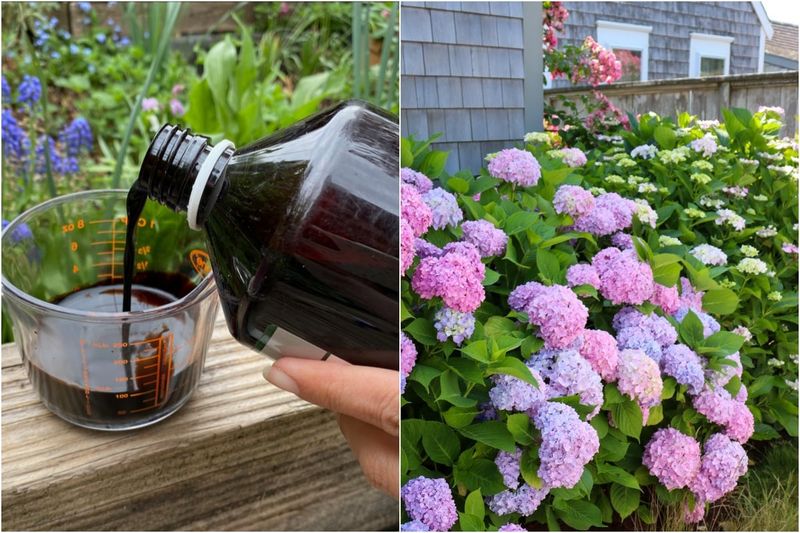
Your hydrangea may look tired and faded right now, but it is quietly building next summer’s flowers. On many common types, those tiny flower buds are already tucked inside the stems, waiting out the winter.
What you do in October can protect those buds or wipe them out without you ever knowing. Here are five easy jobs to do this month and two common mistakes that leave gardeners staring at green leaves and no blooms next July.
1. Keep Watering Deeply Until the Ground Freezes
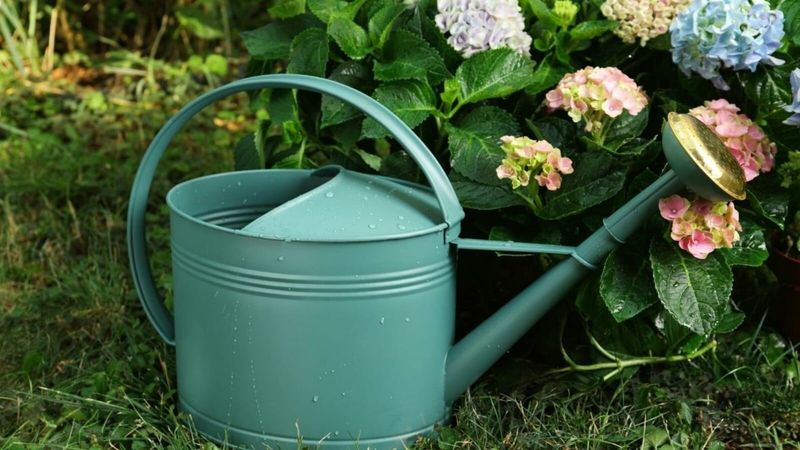
Cool weather fools a lot of us into putting the hose away. The air feels damp, the sun is lower, and it seems like the plant should be fine on its own.
Hydrangea roots tell a different story.
Those roots keep working through fall, storing energy that carries the buds through winter. A dry October means the plant goes into the cold already stressed, and stressed stems are more likely to lose buds during freeze-and-thaw swings.
Aim for about one inch of water a week, counting rain. If nature skips a week, give the base a slow, deep soak instead of a quick sprinkle on the leaves.
A simple trick is to set an empty tuna can nearby and water until it fills. Keep going until the ground freezes solid, then you can finally coil up that hose.
2. Spread a Cozy Layer of Mulch
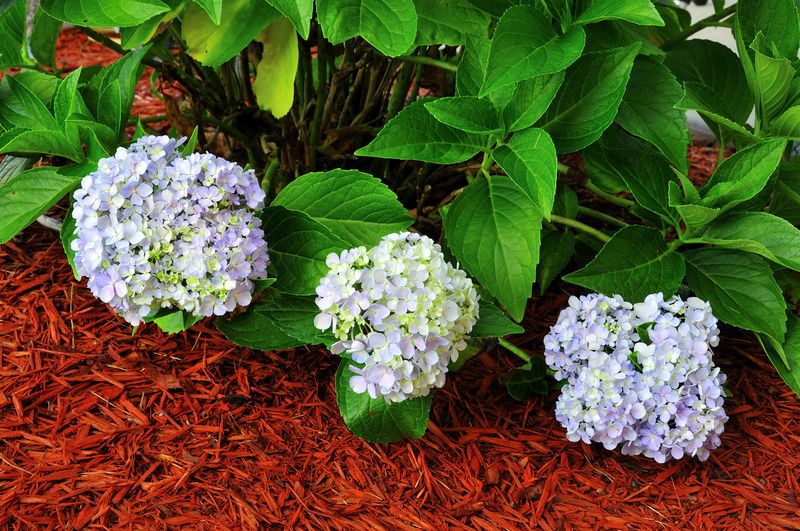
Picture a warm blanket tucked around your hydrangea’s feet. Mulch does exactly that job, smoothing out the wild temperature swings that can damage roots over winter.
Spread 2 to 3 inches of shredded bark, pine straw, or chopped leaves around the base. Leave a few inches of bare space right next to the stems, though.
Mulch piled against the wood holds moisture and may invite rot.
Gardeners in Zone 5 and colder can go thicker, up to 5 or 6 inches, but wait until after the ground freezes for that heavier layer. Here is a bonus: shredded fall leaves from your own yard cost nothing and break down into rich soil by spring.
3. Deadhead With a Careful, Short Cut
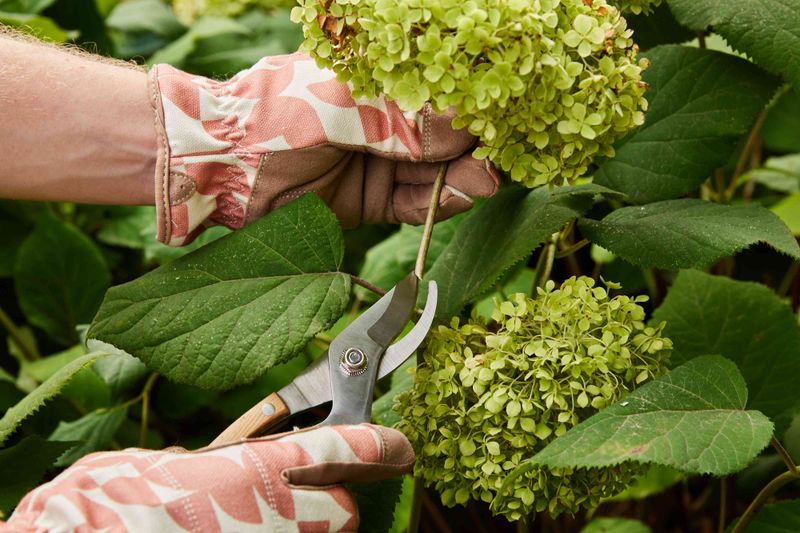
Snip in the wrong spot, and you could toss next summer’s flower in the compost along with this year’s. That is why deadheading in fall needs a light touch.
Removing faded blooms saves the plant some energy and can cut down on fungal problems. For bigleaf, oakleaf, and mountain hydrangeas, the buds for next year sit just below the old flower.
Cut directly under the spent bloom, right above the first healthy set of leaves or a plump bud. Nothing lower.
Fun fact: many gardeners in cold areas skip fall deadheading entirely. Those dried flower heads add winter interest and may offer the buds below a little extra shelter from snow and wind.
Either choice works, as long as your cuts stay short.
4. Rake Up Fallen Hydrangea Leaves
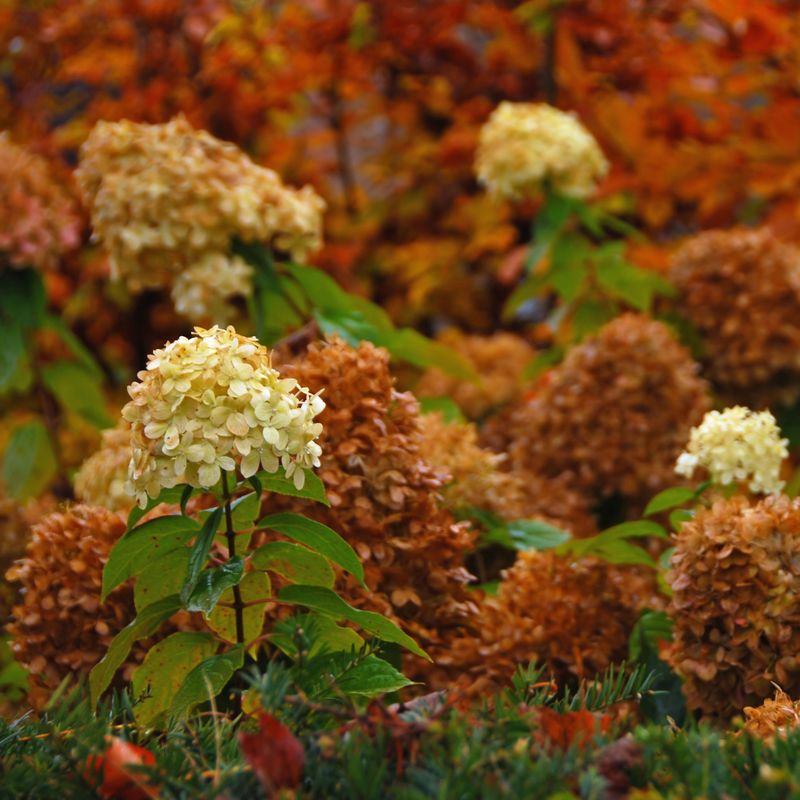
Nobody puts raking on their list of favorite chores. Still, the leaves that drop from your hydrangea deserve a few minutes of attention.
Spotted or crispy leaves can carry fungal spores, and a soggy pile under the shrub gives pests a snug place to spend the winter. When spring warms up, those leftovers may help problems return right where your new leaves are emerging.
Gather them up and bag them if they showed spots or mildew this year. Clean, healthy leaves can go in the compost pile.
It is a small, quick job, but a tidy base means your hydrangea starts next season with fewer troubles waiting below it.
5. Add Winter Protection in Cold, Windy Spots
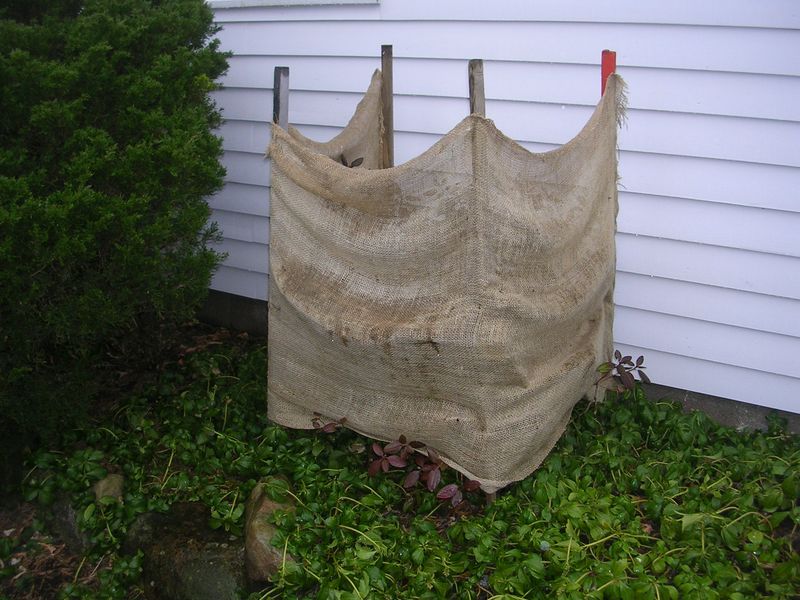
Ever notice a hydrangea that blooms only at the bottom? Often the top buds got blasted by bitter wind while the lower ones hid under snow.
If you live in a cold zone or your shrub sits in an open, windy spot, a burlap screen can make a real difference. Pound three or four stakes around the plant and wrap burlap around them, like a little fence.
Skip plastic, which traps heat and moisture.
Gardeners in milder regions can usually skip this step. Think of it as optional insurance for bigleaf types growing near the edge of their comfort zone.
Put it up in late fall and take it down once hard freezes are behind you.
6. Mistake One: Pruning Old-Wood Hydrangeas in Fall
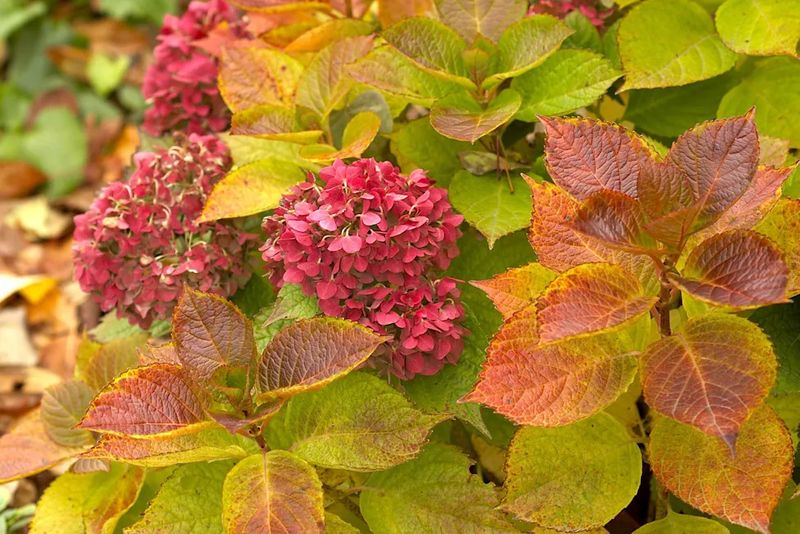
Here it is, the number one reason hydrangeas refuse to bloom. A neat fall trim feels responsible, but on old-wood types it removes the very buds that would have flowered.
Bigleaf, oakleaf, and mountain hydrangeas form next year’s buds starting around late summer. Cut those stems back in October, winter, or early spring, and you have quietly cancelled the show.
The plant will grow leaves just fine. It simply has nothing left to bloom with.
Do any shaping right after flowering in summer instead. Not sure which kind you have?
Play it safe and only remove dead or broken branches this fall. Panicle and smooth hydrangeas bloom on new growth, so those can be pruned in late winter without losing a single flower.
7. Mistake Two: Feeding Your Hydrangea Fertilizer in Fall
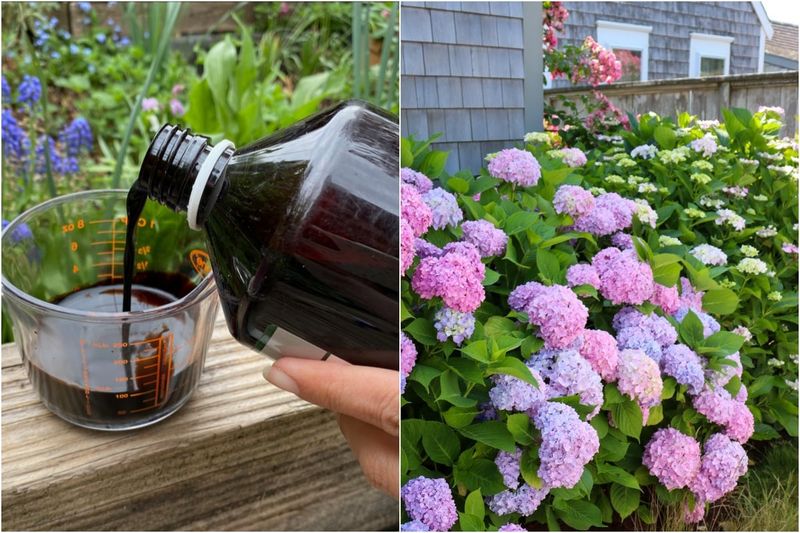
A little extra food before winter sounds kind. For a hydrangea, it can backfire badly.
Fertilizer tells the plant to grow, right when it should be slowing down for dormancy. That soft new growth has no time to toughen up, so the first hard freeze can kill it back.
The plant ends up weaker, and that damage often means fewer flowers or none at all.
The fix is the easiest one on this list: do nothing. Put the fertilizer away in October and wait until early spring, when new leaves start to push out.
Your hydrangea will use that meal at the right moment, and you saved money this fall too.