
Garlic Cloves and Onion Seed in October: What North Carolina Gardeners Can Plant, and Where
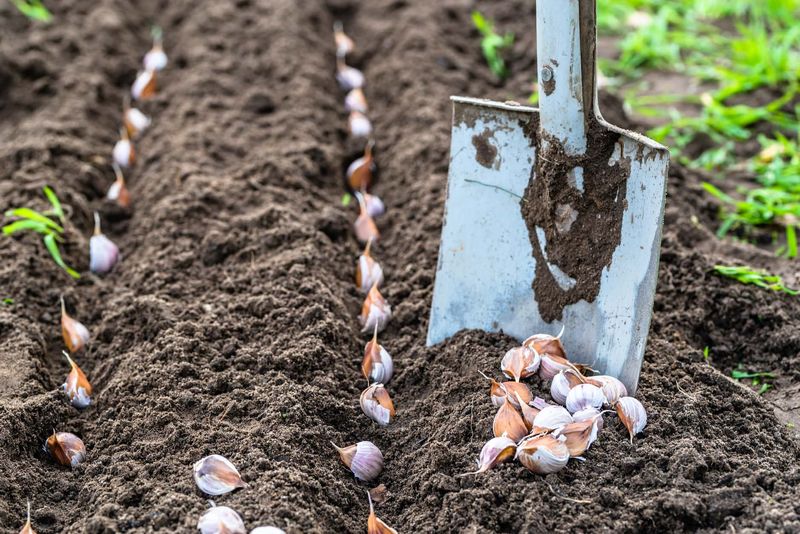
Scroll through ggarden posts this fall and you may see a bold claim that October is not for seeds. Out in a real North Carolina yard, the truth is more interesting.
Garlic goes in as cloves, onions can go in several different ways, and your spot in the state changes the dates. Here is how to sort out what belongs in your soil this month.
October Is a Planting Window, Not a Seed-Free Month
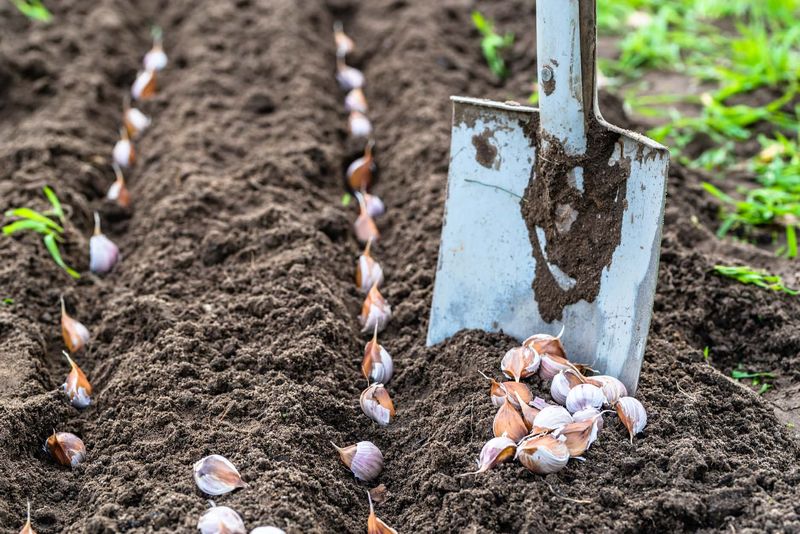
Fall in North Carolina is busier underground than most people expect. October can be a planting window for garlic cloves and some bulb onions, but the date and the method depend on where you garden.
The idea that October is closed to seeds is too broad. In southeastern North Carolina, Extension advice for home gardeners recommends sowing bulb onion seed directly outdoors from mid-September through late October.
That is outdoor sowing in the bed where the onions will grow, not starting seedlings indoors on a windowsill.
Garlic works differently, and onions can be planted as seed, sets, or transplants, each with its own timing. Coastal Plain, Piedmont, and mountain gardens also follow different schedules, which is why NC State publishes separate central and western calendars.
So the better question is not whether October allows seeds. It is which crop, which method, and which part of the state you are planting in.
Plant Garlic as Cloves
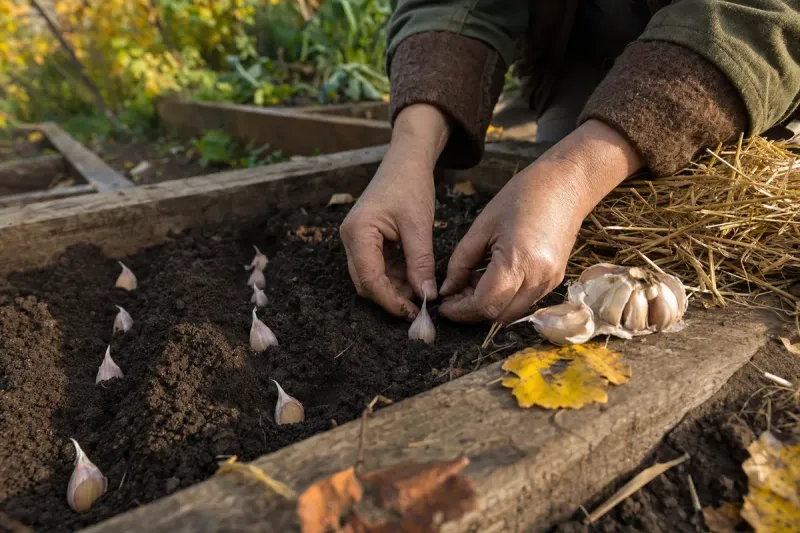
Ordinary backyard garlic is planted as individual cloves, not from a seed packet. When you see the phrase seed garlic, it usually means bulbs or cloves saved for planting rather than botanical seed.
Pick a sunny, well-drained bed. Break the bulb into cloves just before planting, leave the papery skin on, and set each clove with the pointed end up, as described in UGA Extension garlic guidance.
Buy garlic meant for planting from a garden center or a mail-order seller. Extension advice notes that grocery-store bulbs may have been treated to prevent sprouting, so they are a gamble in your bed.
Timing depends on location. NC State’s Piedmont guidance names about October 15 as a traditional garlic planting time, while the eastern North Carolina guide gives a wider window of September 15 through November 10.
Planting depth also varies by source. A southeastern North Carolina Extension article says about 1 inch, while a mountain publication suggests 2 to 3 inches, so follow the recommendation for your area.
Bulb size and harvest timing depend on variety, weather, and care, so treat any harvest date as a rough guess.
Sowing Onion Seed Outdoors in October
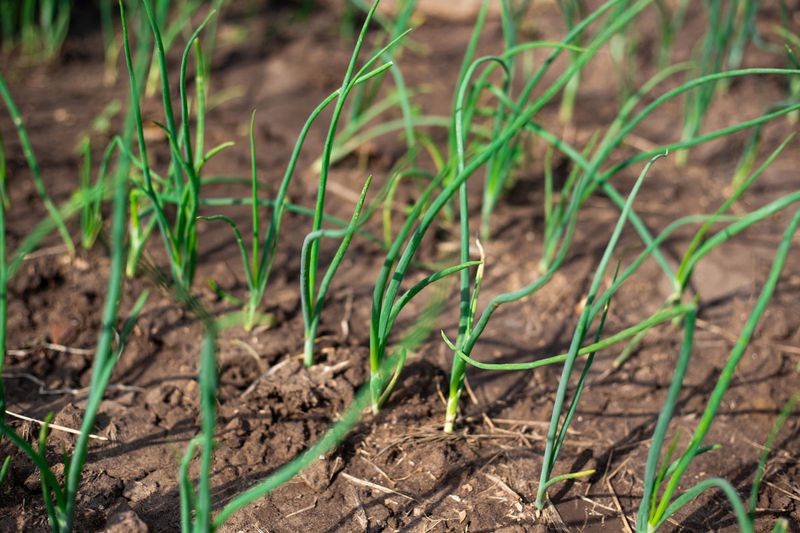
Yes, onion seed can go in the ground in October, with a regional catch. For home gardeners in southeastern North Carolina, Extension recommends direct-sowing onion seed outdoors from mid-September through late October.
The same guidance says to sow seed about one-half inch deep and about 1 inch apart. Once seedlings come up, thin them to 3 to 4 inches apart.
Keep the seedbed evenly moist, and choose varieties suited to the South.
NC State’s broader bulb onion guidance gives a fall direct-seeding window of roughly September 10 through October 15, depending on location and weather. The two windows overlap but are not identical, which is a good reminder that these are guides, not fixed rules.
Neither schedule is a statewide instruction. A gardener in the mountains should not copy a southeastern date, and nobody should confuse these seed dates with the dates for transplants, which come next.
One more clarification helps. This advice is about sowing seed outdoors where it will grow.
It does not call for starting seedlings indoors in October.
Onion Sets and Transplants Have Their Own Schedules
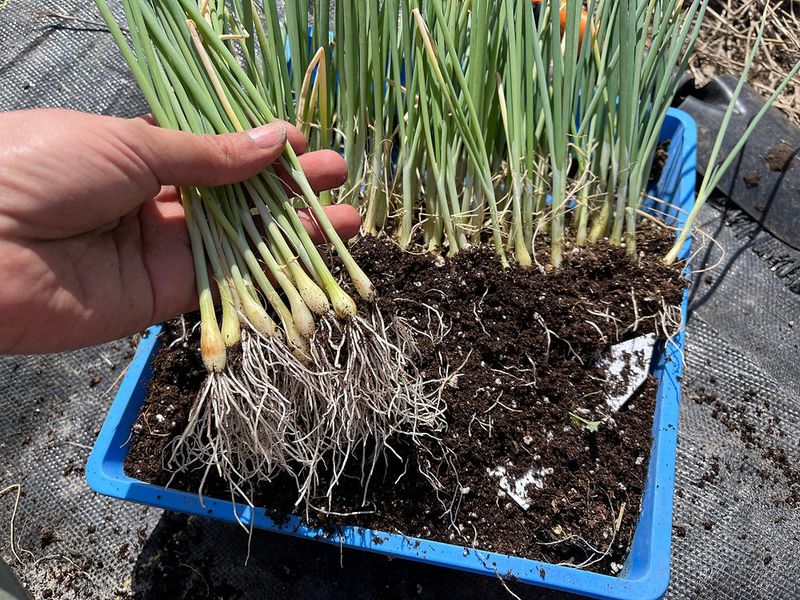
Garden talk gets muddy because plant onions can mean three different things. You can sow seed, plant sets (small bulbs), or set out transplants (young seedlings).
Each method runs on its own calendar.
An Onslow County Extension article on fall vegetable planning suggests putting out onion sets and garlic cloves in September or October. That example is labeled for Onslow County, not the whole state.
Transplants run on a separate schedule. The eastern North Carolina planting guide lists onion transplants beginning October 1.
That date applies to transplants, so please do not read it as a seed-sowing date.
The NC State bulb onion page describes these planting methods too, which makes it a handy reference.
When you check a local calendar, look for the line that names your method, whether seed, sets, or transplants. A single onion entry can hide real differences.
Use the Calendar for Your Region
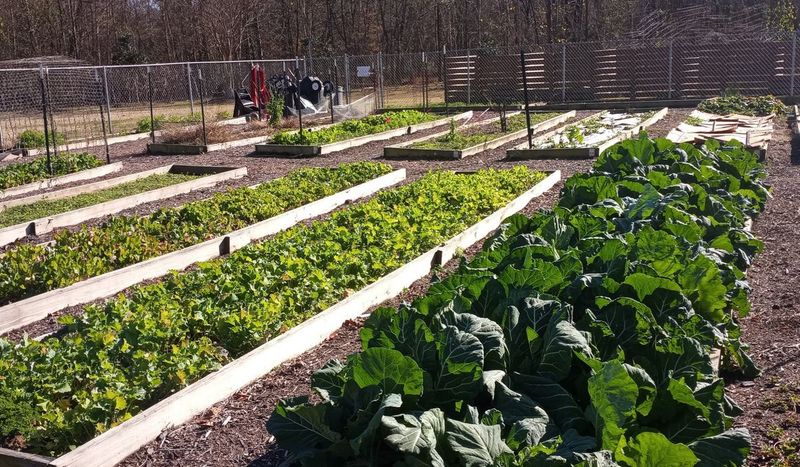
A mountain garden in October is a very different place from a Coastal Plain yard. That is why the date on a viral post should never replace your local calendar.
NC State Extension publishes distinct calendars for the east, center, and west. You can find the central North Carolina calendar and the western North Carolina calendar online, and the eastern dates appear in the eastern vegetable planting guide.
Garlic shows how much dates can differ. The eastern guide gives September 15 through November 10, while Piedmont guidance names about October 15 as a traditional time.
Those are regional examples, not one rule.
The state’s vegetable gardening handbook also cautions that planting dates can shift by region.
If your yard sits near a boundary, or the weather has been unusual, call your county Extension office. They know your local conditions and can help you settle on a date.
Match Onion Types to Location
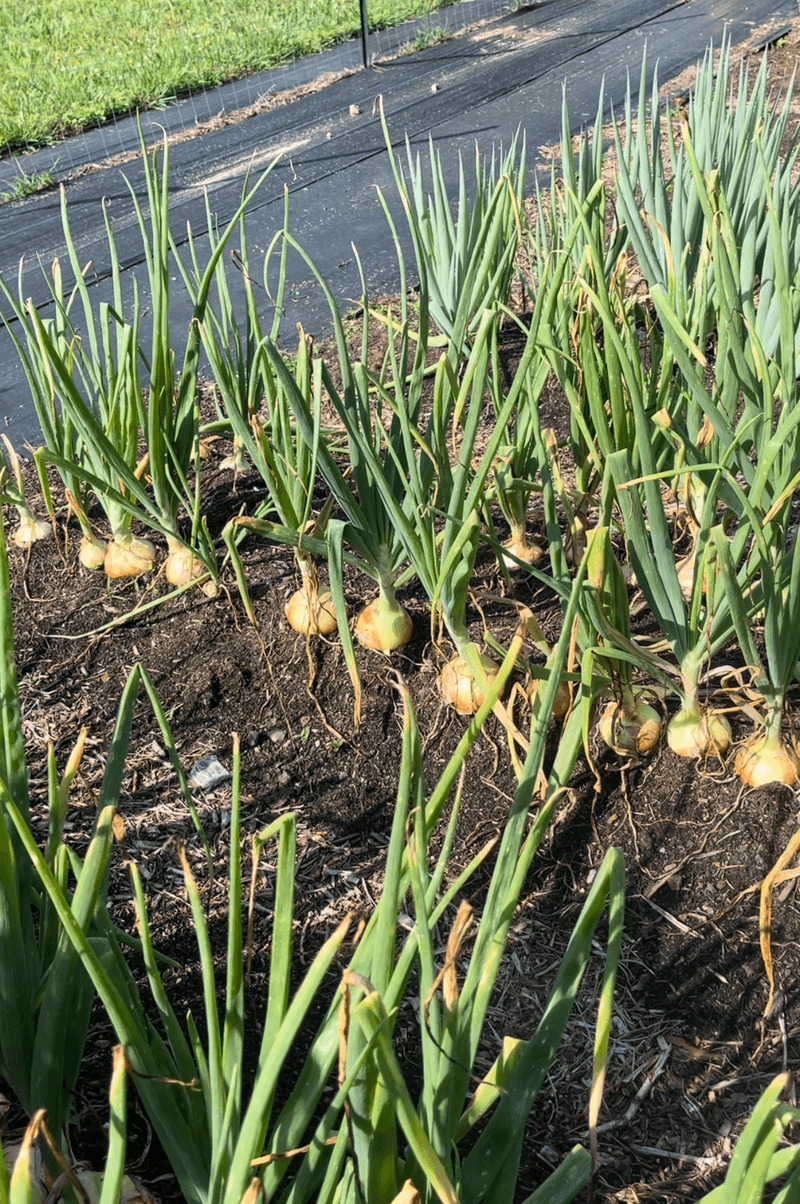
Hitting the right planting date is only half the job. The onion you choose matters too, because onions differ in the amount of daylight that triggers bulb formation.
According to NC State Extension, short-day onions are best suited to eastern North Carolina. That does not mean one onion type fits the whole state, so check the day-length type on the packet or plant tag before you buy.
Bolting is another thing to watch. That is when an onion sends up a flower stalk too early, which can hurt bulb quality.
NC State says planting too early in fall can increase premature seedstalk formation, and prolonged or extreme cold can contribute as well.
A practical clue is the variety label. Seed companies and plant sellers often note day length or the region a variety suits.
If a type is not labeled, ask the seller or your county Extension office before you plant.
Choose the Method Before You Plant
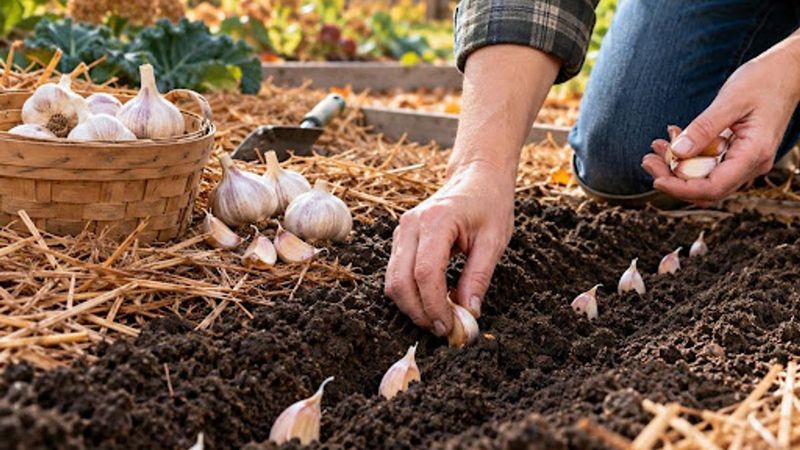
Start with where you garden: Coastal Plain, Piedmont, or mountains. Next, decide whether you are planting garlic cloves or onion seed, sets, or transplants.
Then find that exact method on your local calendar, such as the eastern guide or the central or western calendars.
October can include garlic-clove planting and, in southeastern North Carolina, outdoor onion-seed sowing. Neither timing fits every yard.
The calendar is a map, and your own soil is the ground you actually walk on.