
Your Lawn Isn’t Brown Just From Summer Heat: Real Reasons It Faded and How to Assess Them This Fall
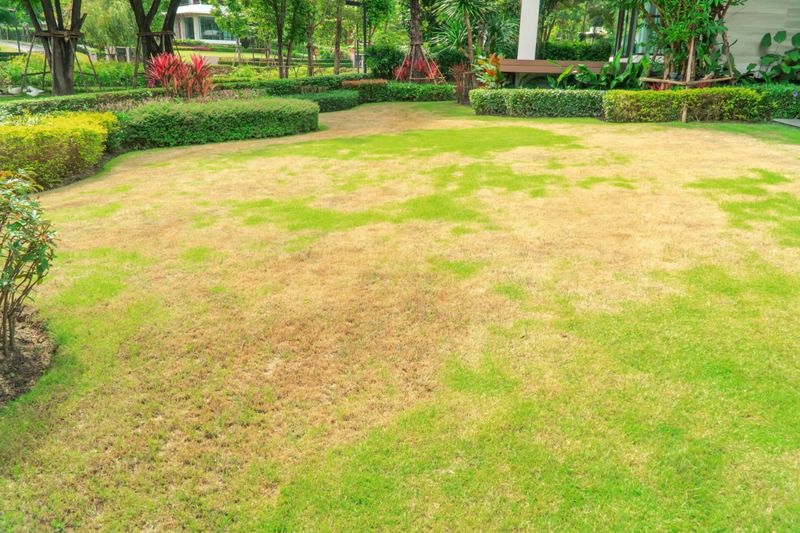
A lawn that turns brown as summer ends can make any homeowner worry. Heat is sometimes the reason, but it is not the only one, and the color alone will not tell you what happened.
Clues in the pattern, the soil, and the grass itself can point you toward the real cause. Once you know what you are dealing with, you can choose a next step that fits your lawn and your region.
Brown color alone cannot tell you whether the lawn is dormant or damaged
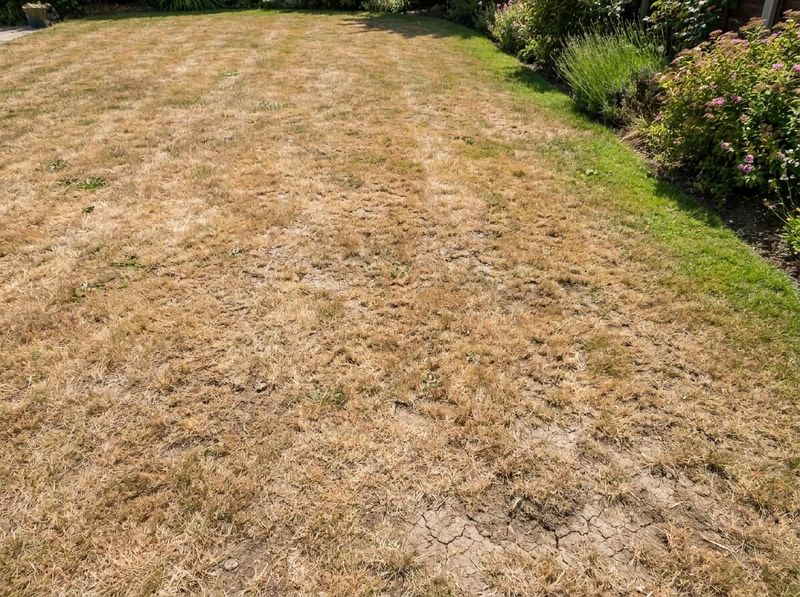
Cool-season grasses such as Kentucky bluegrass and fescue can turn brown and go dormant during hot, dry weather. In that state the crowns, the growing points near the soil, stay alive.
University of Minnesota Extension notes that dormant turf can green up again once cooler, wetter conditions return.
Here is the catch. Drought stress, disease, insects, pet urine, and soil or mowing problems can also turn grass brown.
Some of them get worse in summer heat, so heat may be part of the story without being the whole story.
A fairly even fade across the whole lawn can fit dormancy or drought. It does not prove either one, though.
Plenty of other problems can spread widely, especially when the weather has been hard on the grass.
Because of that, brown does not mean dead. Severe or long stress can prevent full recovery, so a calm look at the evidence beats a quick verdict in either direction.
It also helps to hold off on turning up the sprinklers. Illinois Extension watering guidance points to checking the soil and the way the lawn responds first.
Extra water on a lawn that is not short of it will not help, and it can favor some diseases.
Think of this as detective work. Start with where the brown is, how it is shaped, and what the soil and roots look like.
That order will guide the rest of what you do.
Use the pattern and location as clues, not as a diagnosis
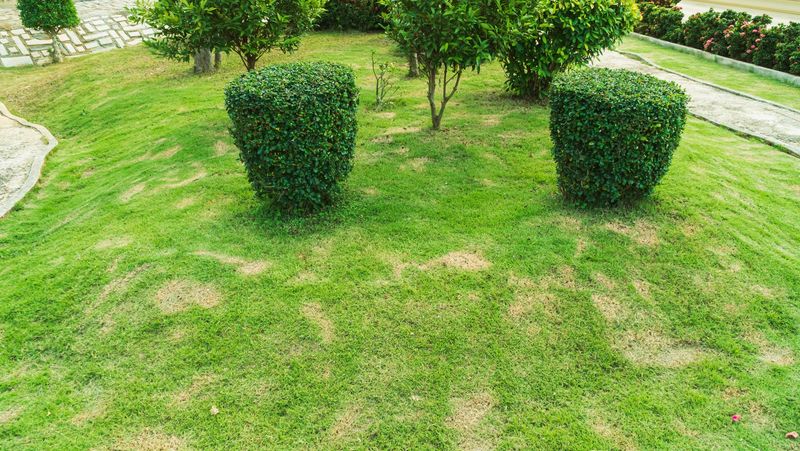
Stand back and look at the whole yard before you kneel down. A broad, fairly even fade often fits moisture stress or dormancy.
Spots, rings, strips, or damage near pavement, trees, pet routes, or sprinkler edges may suggest something more specific.
Location can raise useful questions. Browning right beside a driveway or sidewalk is covered in University of Minnesota guidance on grass next to pavement, where de-icing salt left from winter snowmelt is one possibility.
Thin grass under trees may simply be getting too little light for that grass species, and a worn path may be traffic wear.
Those same ideas show up in Illinois Extension advice on avoiding lawn problems, which lists shade and traffic among the common stresses on turf.
Think back on recent events, too. Did you or a neighbor apply a weed killer or other lawn chemical?
Did a product drift over from another yard? Herbicide injury is described in University of Minnesota herbicide injury information, and the timing of an application can be a major clue.
Remember that a pattern is a hint, not a verdict. Disease, insects, and moisture stress can look alike, and one lawn can have more than one problem at once.
Jot down notes or snap a few photos so you can compare as you check the next steps.
Check soil moisture and sprinkler coverage before changing the watering routine

Grass that is short of water often looks darker or bluish-gray first. Footprints that stay pressed into the lawn after you walk across it are one clue, as described in Illinois Extension watering guidance.
Still, it is only one clue.
Push a screwdriver or trowel into the soil in a brown area and in a green area. See how deep it goes and how the soil feels.
Dry, hard soil suggests thirst, while damp soil means more water is probably not the answer.
Next, look at how your sprinkler delivers water. Missed corners and overlapping spray can leave some zones dry and others soggy, which creates a patchy look.
Set out straight-sided containers, such as tuna cans, run the system for a set time, and compare how much each one collects.
Uneven results tell you where to adjust heads or move the sprinkler. That can be a simpler fix than changing the whole schedule.
For established lawns, Extension guidance generally favors infrequent, thorough watering over frequent light sprinkles. Quick daily watering can encourage shallow roots and weeds.
Newly seeded areas are the exception. They need careful, attentive surface moisture while the seedlings get started.
Finally, resist watering every brown patch. Some are disease-related, and leaves that stay wet for long stretches can favor certain diseases.
Check first, then adjust.
Disease can resemble drought, so inspect before treating a patch
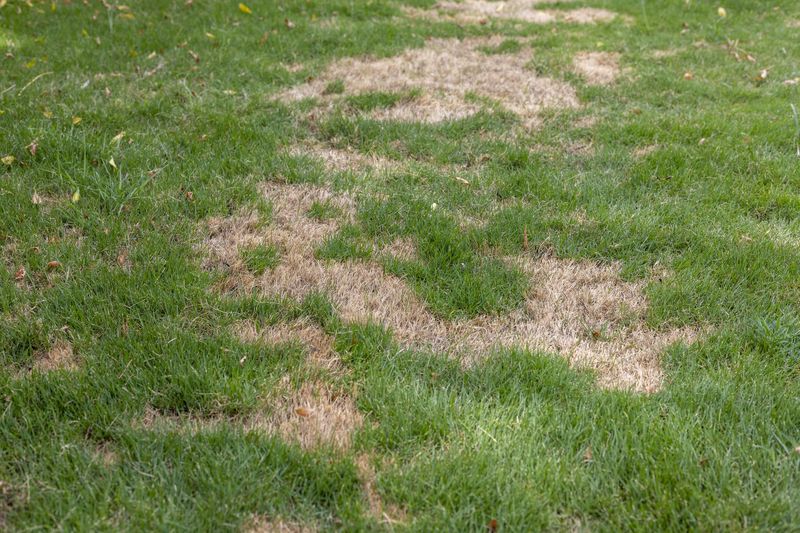
A circular or irregular dead patch can look just like drought damage. That similarity is why disease is easy to miss.
Brown patch is a fungal disease, and Illinois Extension patch disease guidance explains that hot, humid weather and wet leaf surfaces favor it.
Other patch diseases, including summer patch and necrotic ring spot, can also leave circular or irregular dead areas. They are separate problems and can call for different responses.
That means appearance alone is not enough to name the disease. Two patches that look the same may have different causes, and one treatment does not fit every disease.
Your routines can matter here. Frequent watering that keeps leaves wet can favor some diseases.
Extra nitrogen can promote lush growth and raise brown-patch risk, a point also covered in University of Missouri Extension turf disease information.
If you suspect disease, the Illinois recommendation is to submit a sample to a diagnostic lab rather than guessing. Your local Extension office can usually tell you how to collect and send one.
Until you know, avoid buying a product just because it promises to cure brown spots. A confirmed cause lets you choose a response that actually fits, and sometimes that response is simply changing how and when you water.
Inspect roots and blades for clues to insect damage
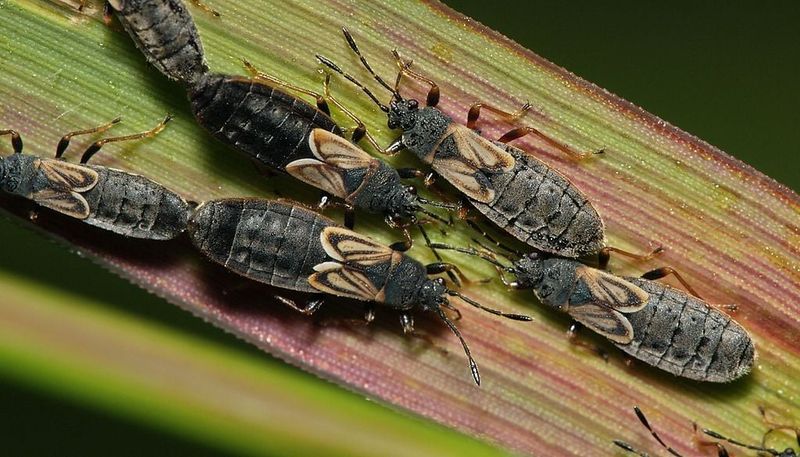
The best place to look for insect trouble is the edge where healthy grass meets damaged grass. Tug gently on the turf there.
If it lifts or rolls back like a loose carpet, roots may have been eaten, which fits white grub injury, as described in University of Minnesota diagnostic guidance on turf that rolls back.
Other insects leave different clues. Grass damaged by billbugs may be yellow or straw-colored and pull up with the stems breaking near the crown.
Chinch bug damage may begin as small yellow or brown areas, often in sunny parts of the lawn.
Sod webworms can cause irregular brown areas, and chewed blades or green pellets are signs to watch for. University of Missouri Extension turf management guidance describes these insects and what to look for.
Keep in mind that insect damage can resemble drought or disease, as noted in University of Minnesota brown grass guidance. Finding one clue is a reason to keep looking, not a final answer.
Brown turf alone does not justify grub treatment. Count what you find and consider whether the level of infestation actually calls for action.
If you decide to use a pesticide, read the product label and follow its directions. EPA pesticide safety tips include precautions for keeping people and pets safe.
Soil, site, and routine care can add to summer stress

Some browning traces back to everyday care and the ground itself. Dog urine is a classic example.
Penn State Extension explains that the typical injury comes from concentrated nitrogen, not a change in pH, so pH-altering remedies are not the fix. The result is often a dead spot with greener growth around it.
Fertilizer works similarly. Too much can burn turf, and excess nitrogen can raise brown-patch risk, as noted in Illinois Extension patch disease guidance.
Before adding lime or nutrients, get a test. Illinois Extension soil testing information shows how a test can reveal pH or nutrient issues, and its lawn fertilizing guidance warns that overapplication can harm turf and add to runoff.
Soil structure matters as well. Heavy traffic can compact soil and restrict air and water movement around roots.
Persistently soggy ground can also hurt grass, and University of Maryland Extension lawn maintenance guidance notes that aeration helps with compaction but will not cure a site that stays too wet.
Thatch is the layer of dead and living material between the grass and soil. University of Minnesota Extension suggests considering removal when it is thicker than about one-half inch, with timing depending on your location and recovery conditions.
Mowing counts too. University of Minnesota mowing guidance advises removing no more than one-third of the blade at a time.
Scalping stresses grass, and dull blades tear leaves instead of cutting them cleanly, which can raise susceptibility to disease.
None of these needs a big purchase to check. A soil probe, a ruler, and a look at your mower blade tell you a lot.
Choose a fall response only after matching it to the cause and grass type
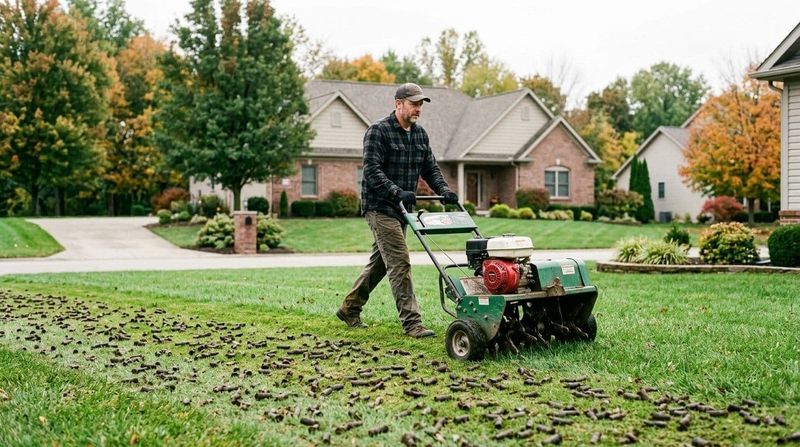
Once you have clues, sort the lawn into zones. Dormant areas may green up as conditions turn cooler and wetter.
Dead or heavily thinned areas may need reseeding or renovation, as noted in University of Minnesota guidance.
Timing depends on where you live. University of Maryland Extension’s lawn calendar and its home lawn guidance point to late summer to early fall as a useful window for renovating and overseeding cool-season lawns.
That is regional advice, not a nationwide date, and local climate and first frost matter.
Warm-season lawns follow different schedules and are not overseeded the same way. Check what grass you have and what your local Extension office recommends.
Match each action to a need. Maryland guidance on established lawns ties core aeration to compaction, especially before overseeding.
If your soil is not compacted, aerating is not automatically a good idea, and the same goes for dethatching and overseeding.
If you do seed, keep the surface moist. Newly seeded areas need attentive watering, unlike established turf, as described in Illinois Extension watering guidance.
A practical order helps: note the pattern, check moisture and sprinkler coverage, inspect blades and roots, and use a soil test or diagnostic lab when you are unsure. Some problems may not be fixable this fall, and that is fine.
A brown lawn is a question, and the answer is usually in the grass.