
If You Grow Petunias, These 5 Fall Mistakes Quietly Ruin Next Summer’s Flower Show
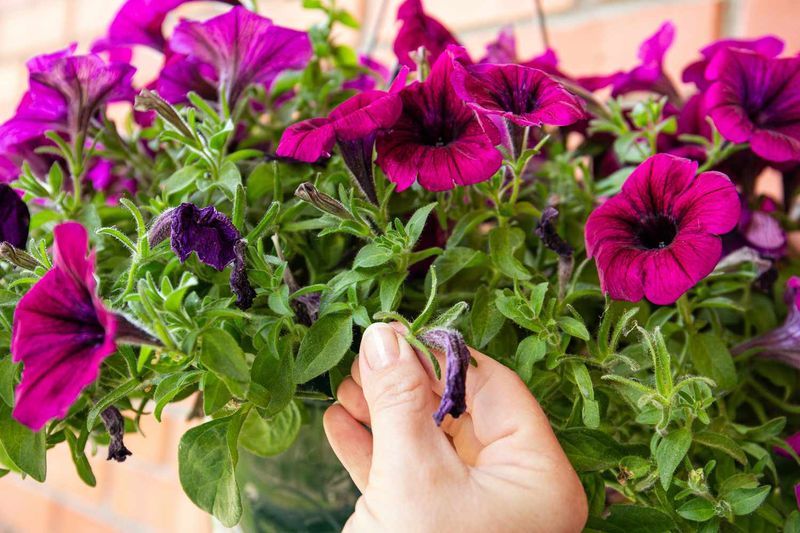
Your petunias might look tired by October, but what you do now can decide how they bloom next year. Many gardeners make small fall slip-ups without knowing it, and the damage shows up months later as weak plants and few flowers.
The good news is that each mistake has a simple fix you can do this week. Here are the five to watch for, plus easy ways to avoid them.
1. Watering Like It’s Still July
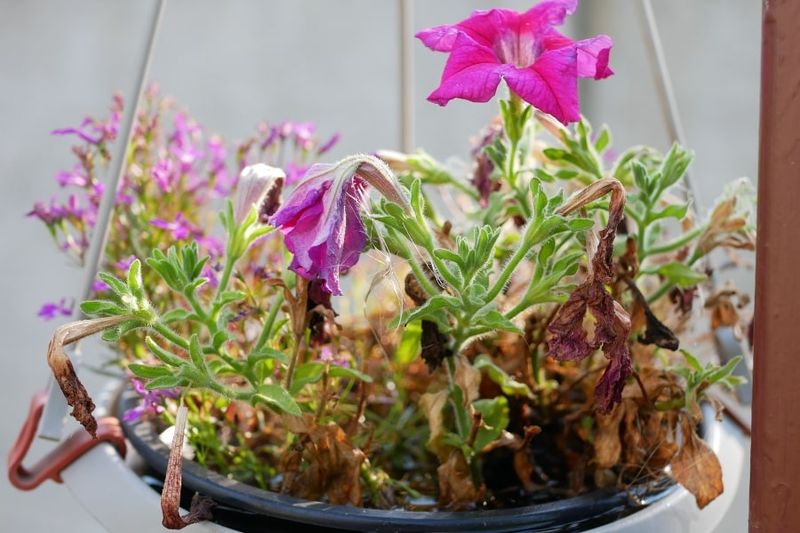
Picture a cool October morning with dew still on the deck. Your petunia pot looks a little droopy, so you grab the hose out of summer habit.
That one move can do more harm than good.
When nights get cooler, petunias drink far less water. Soil stays wet longer, and roots sitting in soggy dirt can start to rot.
Watch for yellow leaves, mushy stems, and a sour smell coming from the pot.
The fix is easy. Push your finger about an inch into the soil before watering, and only water when it feels dry.
Make sure pots have open drainage holes, and empty any saucers that collect water after rain.
2. Feeding Too Much (or Quitting Too Soon)
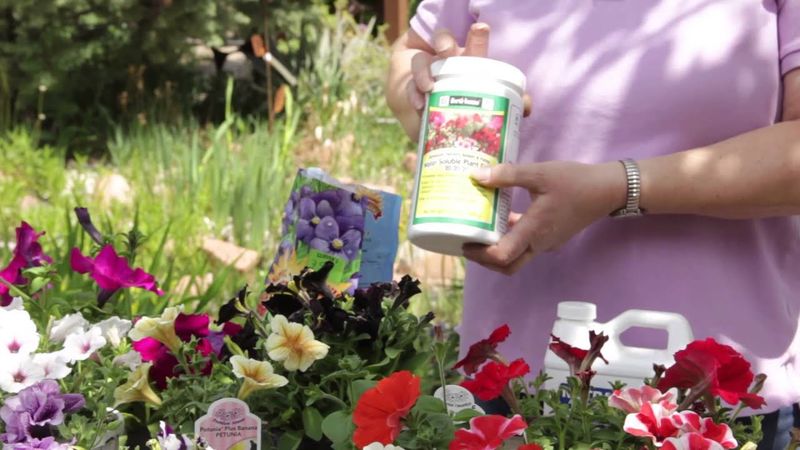
Petunias are hungry plants. All summer they eat up fertilizer to keep pumping out blooms.
But fall is a different story.
Heavy feeding in autumn, especially with a high-nitrogen mix, can push soft leafy growth instead of flowers. Too much fertilizer can also burn roots when the plant is slowing down.
Those stressed roots may struggle if you plan to keep the plant over winter.
Still, stopping cold turkey is not right for everyone. If you live where fall stays warm and your petunias are still blooming, keep feeding lightly at half strength.
Once growth slows and nights dip into the 40s, you can stop feeding entirely and let the plant rest.
3. Skipping the Fall Trim and Deadheading
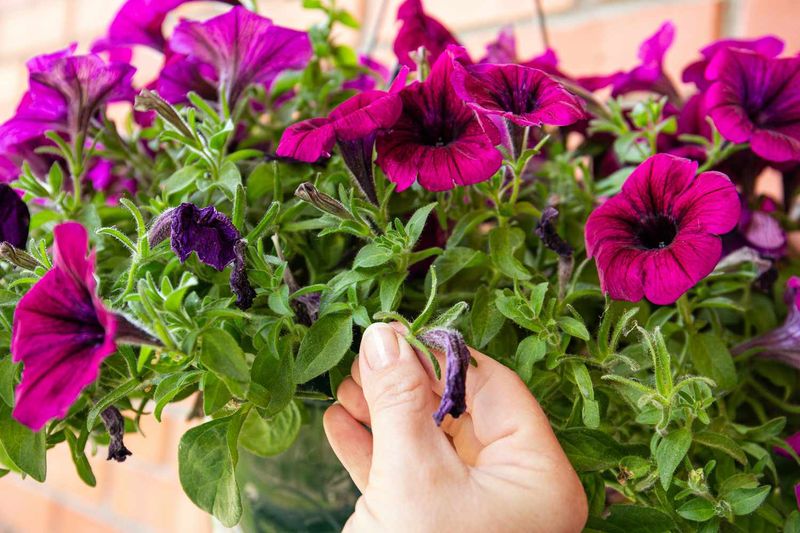
Ever notice little green pods where old flowers used to be? Those are seed pods, and they are quietly stealing your plant’s energy.
A petunia making seeds thinks its job is done.
Pinching off spent blooms keeps the plant focused on flowers and health instead. Long, stringy stems also benefit from a light trim back by about a third.
That gives you a tidier, bushier plant.
Clearing away dead leaves and old blooms matters too. Rotting bits can hide pests and fungus, which is the last thing you want to carry indoors.
A quick ten-minute cleanup now pays off big later.
4. Getting Caught Off Guard by Frost
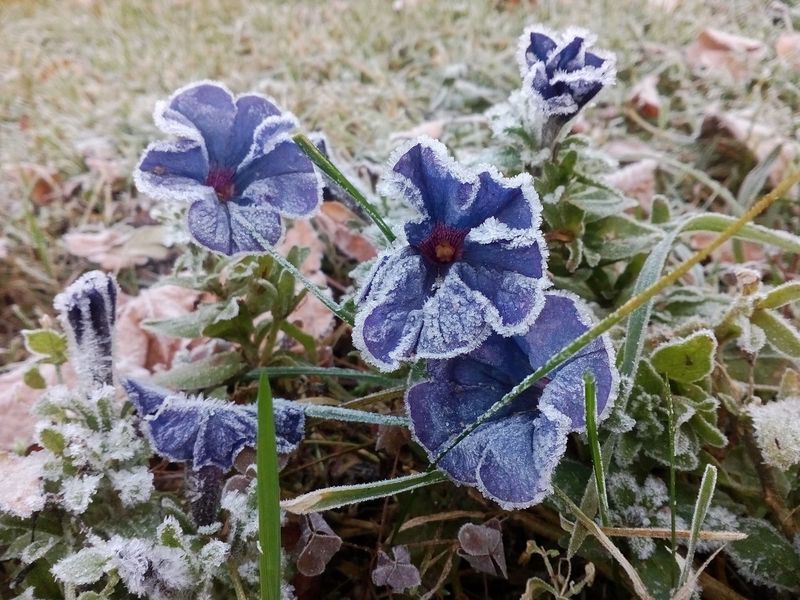
One clear, still night is all it takes. You wake up and your bright petunias have turned limp and dark.
Frost moves fast, and petunias have almost no defense against it.
Fun fact: petunias are actually tender perennials from South America. In USDA zones 9 to 11 they can live for years outdoors.
Everywhere else, they are treated like annuals because freezing temps kill them.
If you want to keep a favorite variety, watch the forecast closely starting in September. Bring potted petunias inside before nights drop near 32 degrees.
For plants in the ground, dig them up and pot them, or take a few cuttings to root in water indoors.
5. Overwintering in a Dim Corner
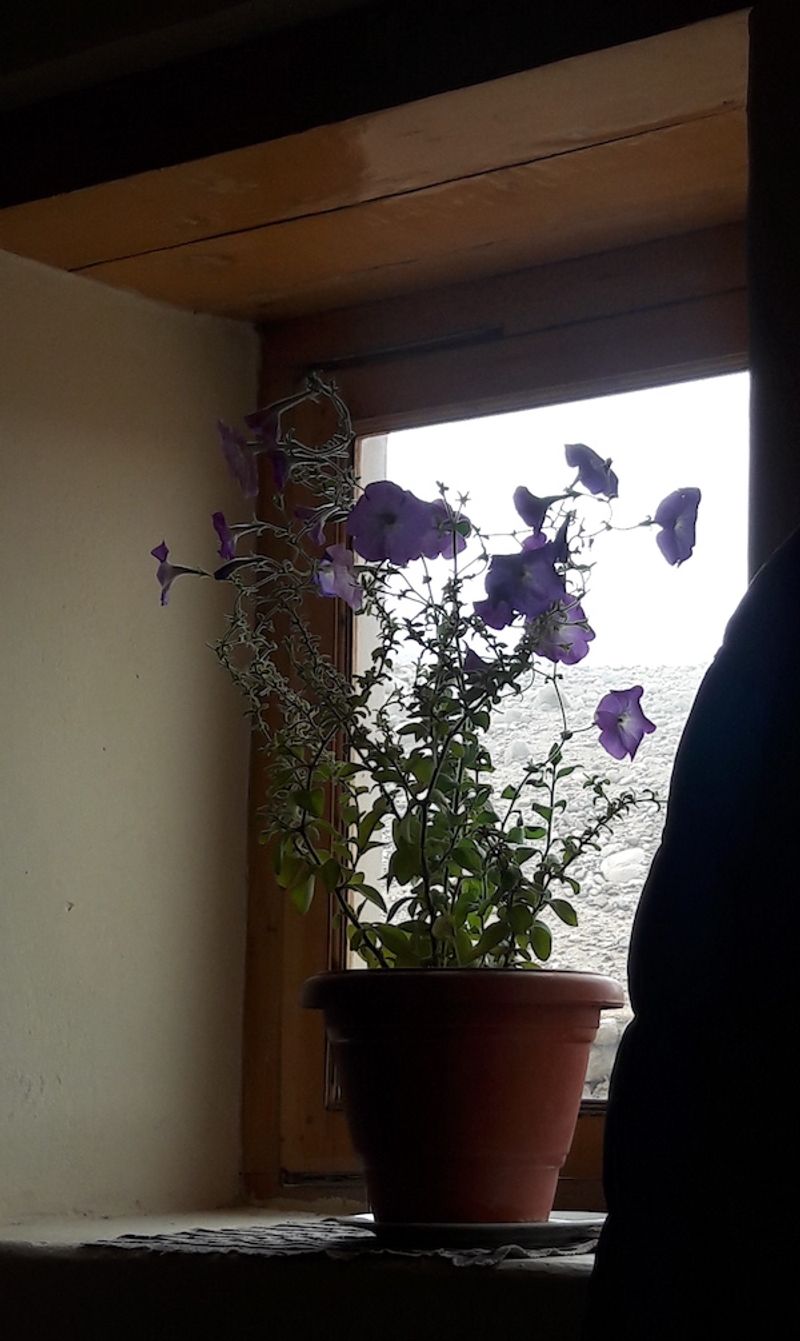
So you rescued your petunias and brought them inside. Nice work!
But if they end up in a dark corner or a cold garage, the story usually ends badly.
Petunias are sun lovers that want six to eight hours of bright light a day. In low light they stretch out, turn pale, and burn through their stored energy.
By spring, you are left with a weak, floppy plant that blooms poorly.
Give them your sunniest window, ideally one facing south. If that is not enough, a simple LED grow light set for about 12 hours a day works wonders.
Water sparingly, keep them in a warm room, and you will have strong plants ready to move outside after the last spring frost.