
Your Peonies Look Done For The Year – 7 Fall Jobs That Decide Next Spring’s Flowers (Most Gardeners Skip One)
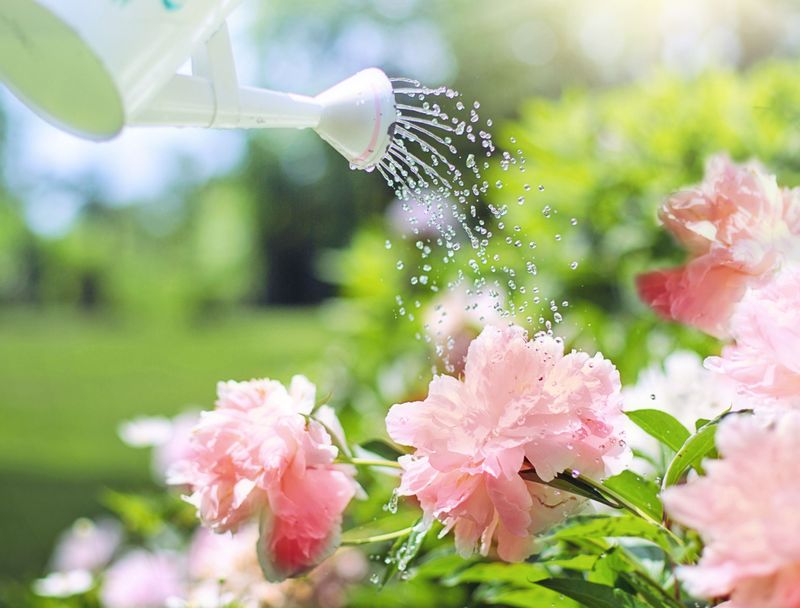
Your peony bush may look tired, floppy, and spotted right now, but under the soil it is busy getting ready for next spring. The buds for next year’s flowers are already forming on the roots as the weather cools.
What you do in the next few weeks can mean the difference between a yard full of big blooms and a plant that only grows leaves. Here are seven simple fall jobs, including the one almost everyone forgets.
1. Cut Back Yellowing Foliage
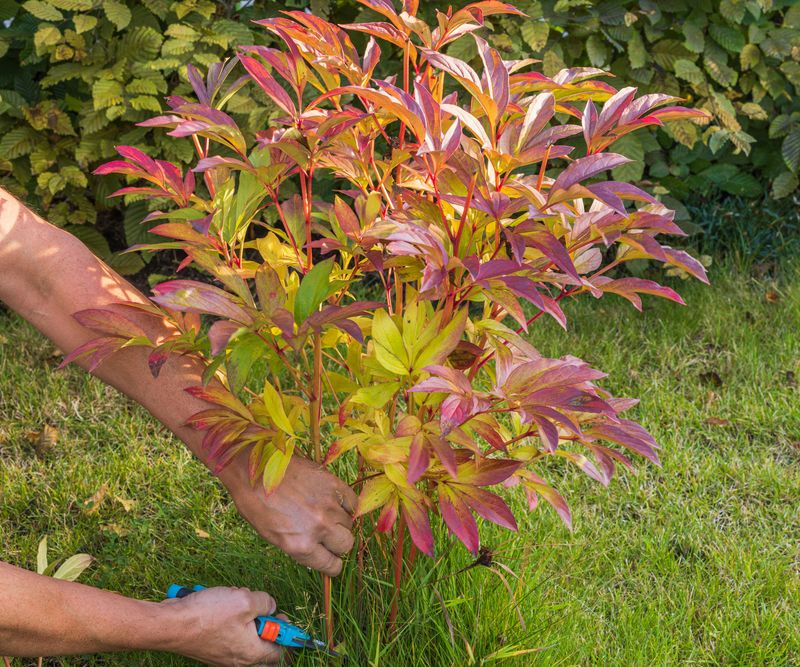
Brown, blotchy peony leaves are not a sign you failed. They are a signal that the plant has finished packing its roots with food for winter.
Once the foliage turns yellow or a hard frost blackens it, your job can begin.
Grab clean pruners and cut each stem down to about 2 to 3 inches above the soil. Leaving old leaves standing all winter gives fungus spores a cozy place to hide, and those spores may spread to fresh shoots in spring.
Removing them can reduce the risk of botrytis blight and powdery mildew.
One big exception: tree peonies. Their woody stems carry next year’s flower buds, so never chop them down.
Simply pick off dead leaves and leave the branches alone.
2. Clear Away Every Bit of Debris
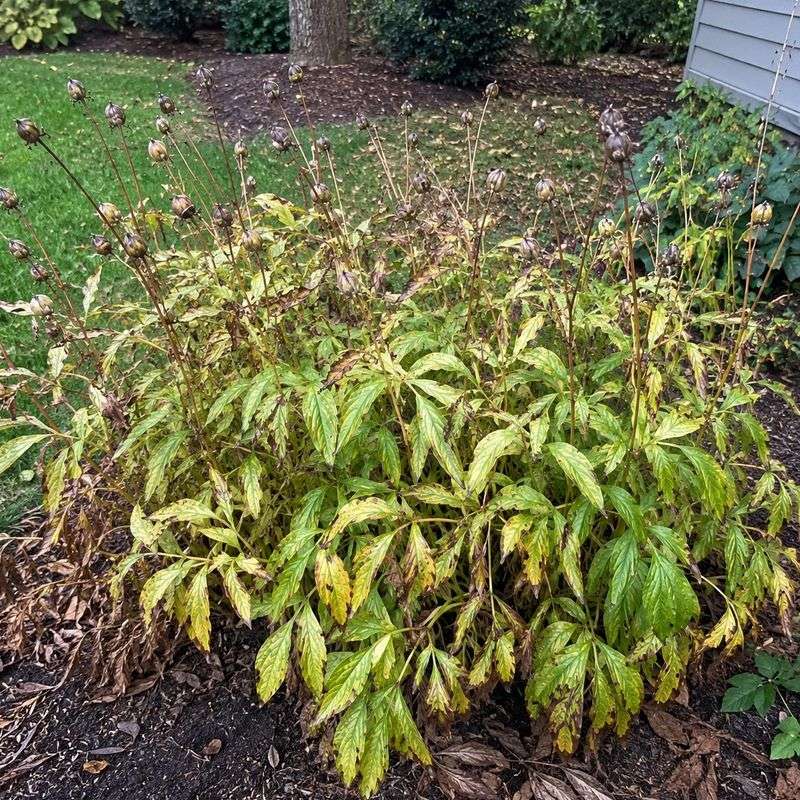
Picture a cutting job done halfway, with soggy leaf scraps piled around the crown. That little mess is exactly where trouble spends the winter.
Rake it all up, even the small bits tucked against the stems.
Now the tricky part. If any leaves had black spots, gray fuzz, or white powdery patches, toss them in the trash or yard waste pickup instead of your compost pile.
Most backyard compost never gets hot enough to kill disease spores. That means the problem could ride right back into your garden next year inside your homemade soil.
Clean beds now may help your peonies start spring with a fresh slate.
3. Divide Crowded Clumps
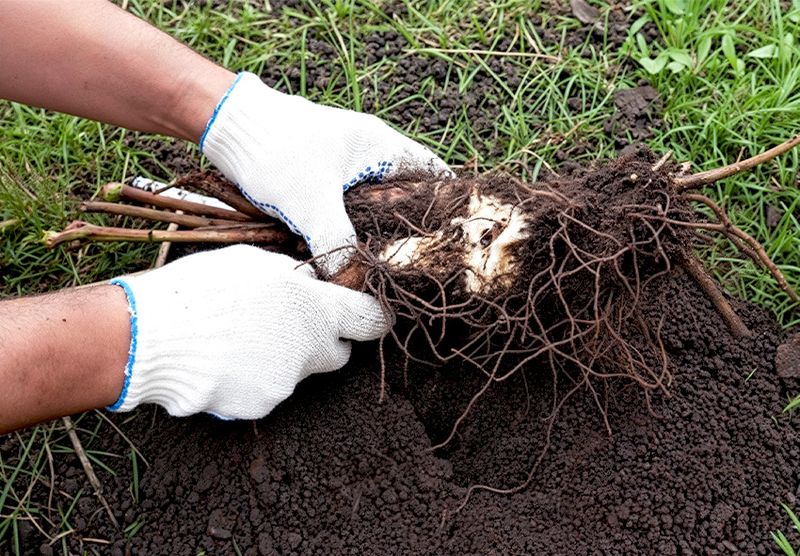
Old peony patches sometimes go quiet. The center dies out, flowers get fewer and smaller, and the clump looks like a donut.
When that happens, the plant is usually begging for more room.
Fall is the best time to divide, ideally after the first frost but before the ground freezes. Dig up the whole clump, rinse off the soil, and look for the pinkish buds called eyes.
Slice the roots apart so each piece has 3 to 5 eyes and a healthy chunk of root.
Be ready for a little patience. New divisions often bloom lightly for a year or two while they settle in.
Fun fact: some peony plants have been known to live and bloom for over 100 years, so a short pause is a small price for decades of flowers.
4. Feed Lightly, If At All
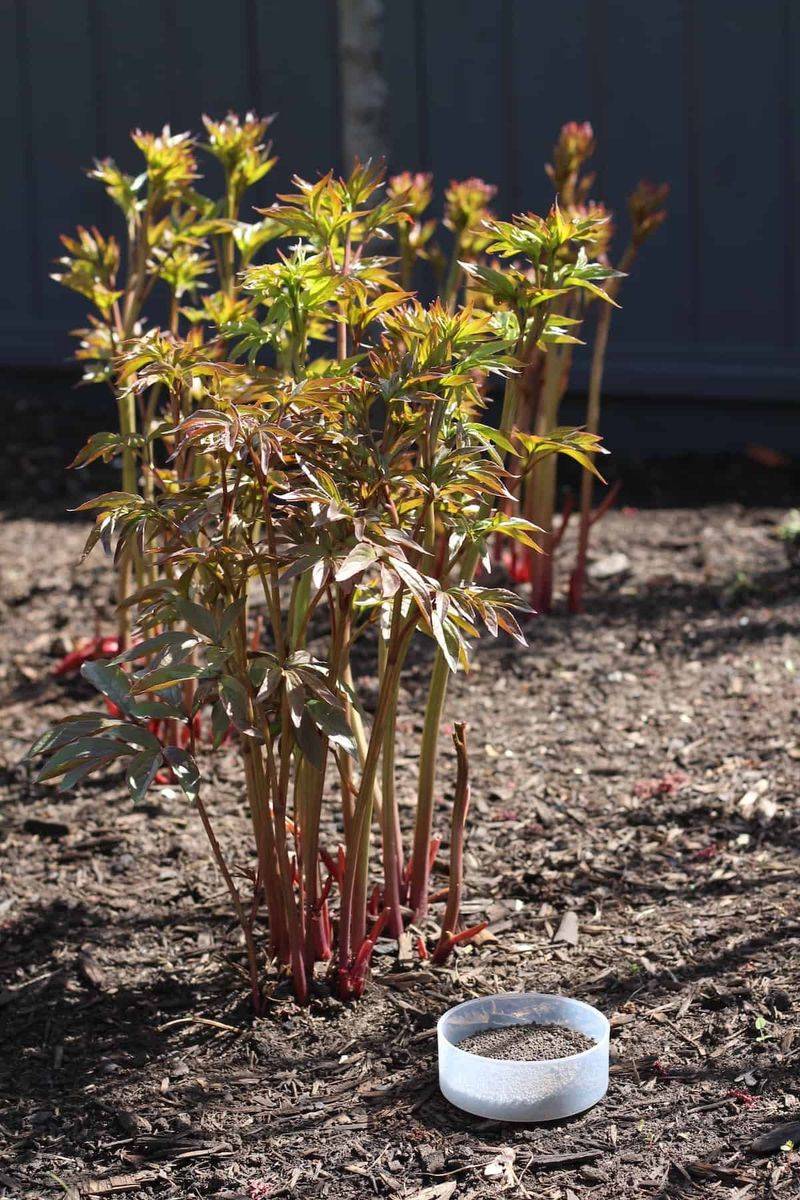
Peonies are not hungry plants. Many gardeners love them too much and pour on fertilizer, which often backfires.
If your soil is poor or your plant has been blooming weakly, a light dose of a fertilizer higher in phosphorus and potassium can support strong roots heading into winter. Skip high-nitrogen products.
Those push soft leafy growth that invites disease and does little for flowers.
Placement matters too. Sprinkle it in a ring about 8 to 18 inches out from the center, never right on the crown, then water it in well.
Healthy plants in decent soil may not need any fall feeding at all, and that is perfectly fine.
5. Give a Deep Drink in Dry Autumns
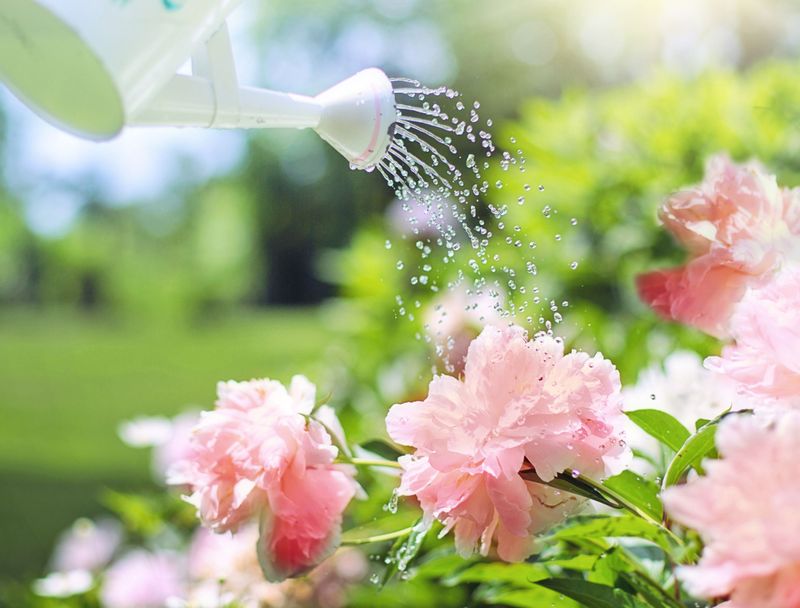
A dry fall can sneak up on you. The air feels cool, so it is easy to forget that the soil might be dusty a few inches down.
Peony roots keep working until the ground freezes, building next spring’s buds. If you have had little rain, give the bed a slow, deep soak so water reaches the root zone.
A hose trickling for a while beats a quick splash.
Check by pushing a finger a couple of inches into the soil. Dry there?
Time to water.
6. Bring Potted Peonies Into Shelter

Container peonies live a tougher life than their in-ground cousins. Their roots sit above ground in a pot, where freezing air can hit them from every side.
Once hard freezes arrive, move the pot into an unheated garage, shed, basement, or enclosed porch. The spot should stay cold but just above freezing.
Peonies actually need that winter chill to set flowers, so a warm living room is the wrong choice.
Give the soil a light drink about once a month so it never dries out completely. Bring the pot back outside in early spring when the worst cold has passed.
7. Check Crown Depth and Go Easy on Mulch
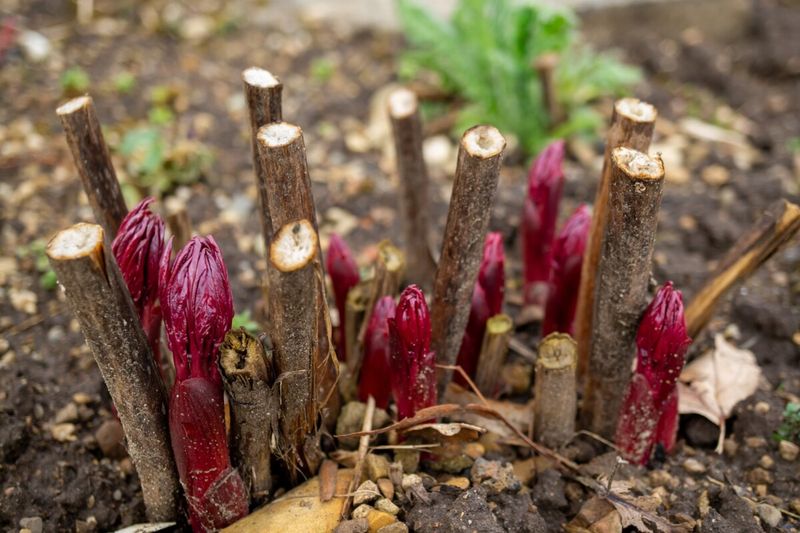
Here is the job most gardeners skip, and it quietly explains a lot of peonies that grow leaves but no flowers. Those pink eyes on the roots are next spring’s stems and blooms, and they are already formed right now.
For flowers, the eyes should sit only about 1 to 2 inches below the surface, a bit shallower in warm southern areas. Planted too deep, or buried under thick mulch, the plant wastes energy pushing toward light and may skip blooming entirely.
Gently brush back soil to check. If the eyes are deeply buried, lift and replant the root at the right depth this fall.
Use mulch only on new plantings or in very cold regions, and keep it off the crown itself, since established peonies bloom best after a good winter chill.