
Your Snake Plant Isn’t The Only One – 15 Houseplants That Actually Thrive On Winter Neglect
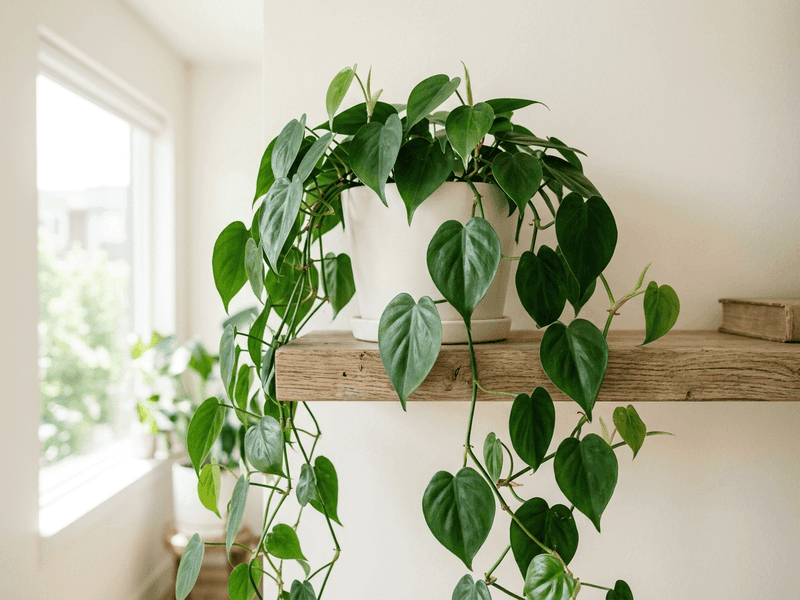
Winter is when a lot of houseplants quietly give up, usually because we water them too much while they are trying to rest. Short days, dry heat, and cold windows make plant care feel like guesswork.
The good news is that some plants actually do better when you leave them alone. If your snake plant is the only one still smiling by February, these 15 tough plants deserve a spot next to it.
1. ZZ Plant
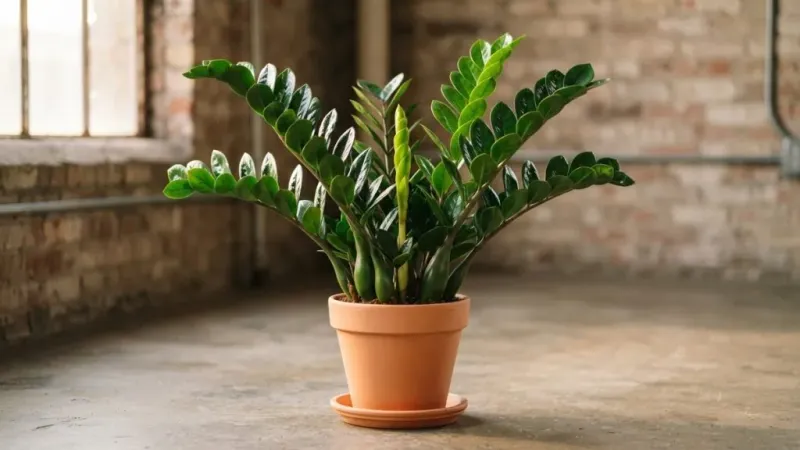
Picture a plant with its own built-in water tank. Under the soil, the ZZ plant grows chunky potato-like rhizomes that store moisture for weeks, which is why forgetting it is almost a feature.
In winter, you can often stretch watering to once every three or four weeks. The biggest danger is kindness, since soggy soil can rot those rhizomes.
If the stems turn yellow and mushy, cut back on water right away and let the pot dry fully.
Dim corners are fine too. Growth slows in low light, but the shiny leaves hold their color all season.
2. Pothos
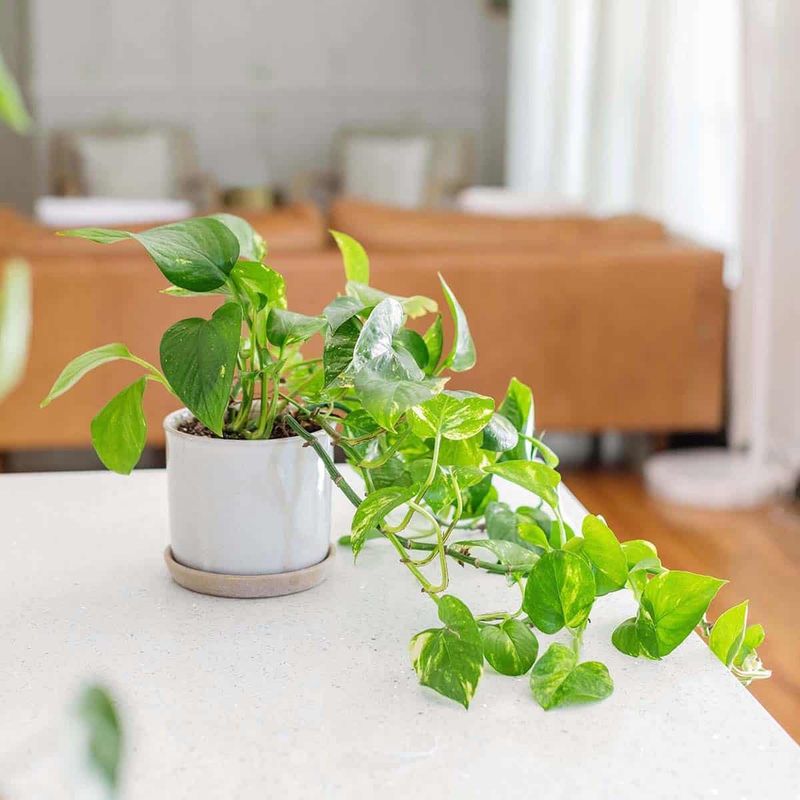
Ask any longtime plant grower which plant got them hooked, and pothos comes up a lot. It forgives missed waterings, odd light, and the occasional bump off a shelf.
During winter, let the top two inches of soil dry before you water. Droopy leaves usually mean thirst, and they perk back up within a day after a good drink.
Variegated types may fade a bit in dim rooms. Moving the pot a few feet closer to a window can bring the gold streaks back.
3. Peace Lily
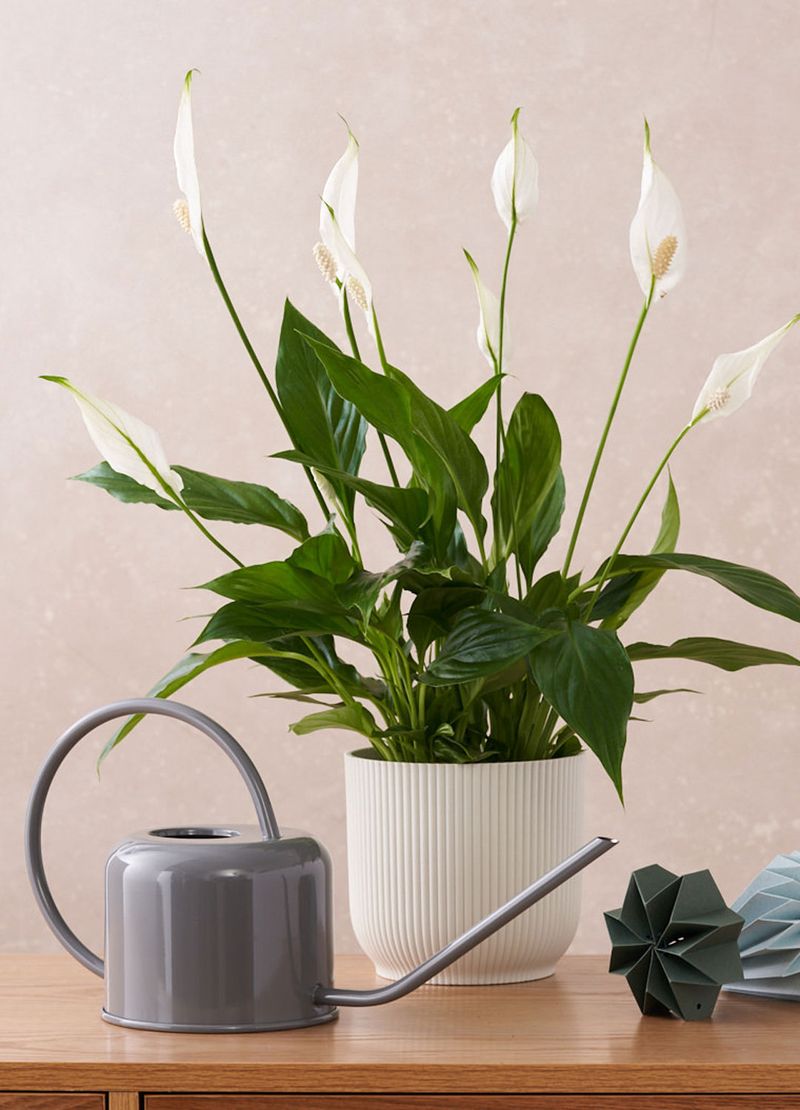
Here is a plant that tells you exactly when it needs you. A thirsty peace lily flops dramatically, then springs upright a few hours after watering.
That built-in signal makes it great for winter, when guessing leads to overwatering. Wait for a slight droop, then water deeply and drain the saucer.
Peace lilies like cooler rooms and filtered light, so a north-facing spot works well. Keep them away from heat vents, which can brown the leaf tips.
Fun fact: they are not true lilies at all, but cousins of the philodendron.
4. Jade Plant
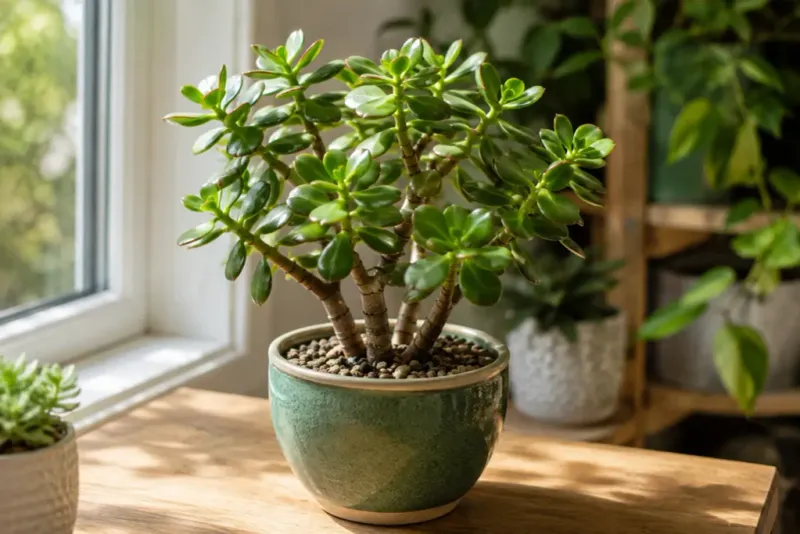
Some jade plants get passed down through families for decades. That kind of staying power comes from thick, fleshy leaves that act like little water bottles.
In winter, a jade may need water only once a month. Wrinkled or soft leaves mean it is ready for a drink, while yellow, squishy leaves mean too much.
Give it your brightest window. A cool room around 55 degrees at night may even encourage tiny pink-white flowers on mature plants.
5. Cast Iron Plant
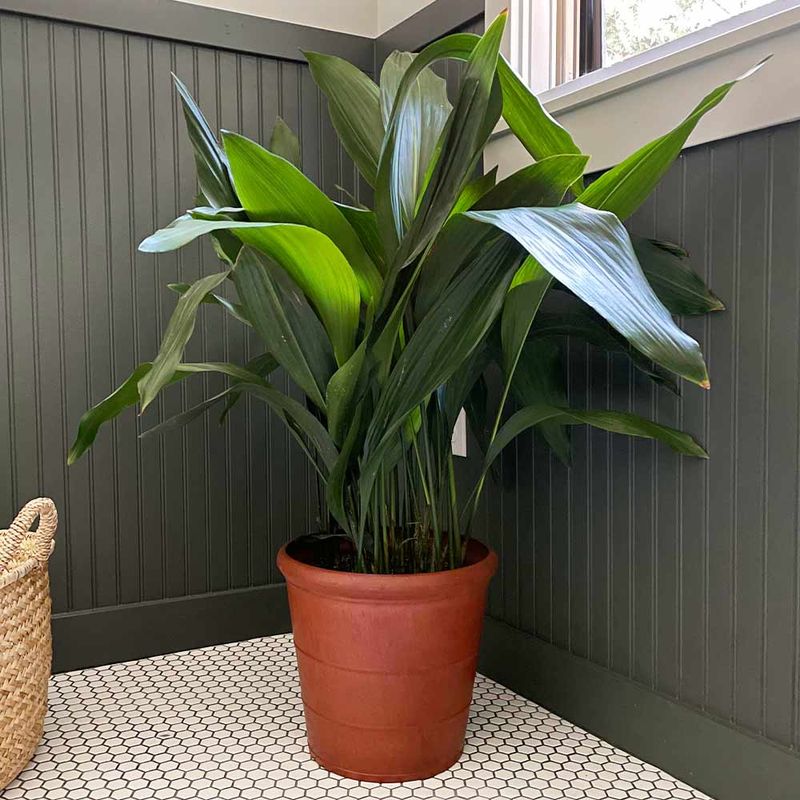
Victorian homes were dark, drafty, and full of coal smoke. The cast iron plant survived all of it, which is how it earned its tough-sounding name.
Low light, dry air, and a busy owner barely faze it. Water when the soil is dry a few inches down, which might be every two to three weeks in winter.
It grows slowly, so do not expect many new leaves until spring. Wipe the broad leaves with a damp cloth now and then to keep them dust-free.
6. Chinese Evergreen
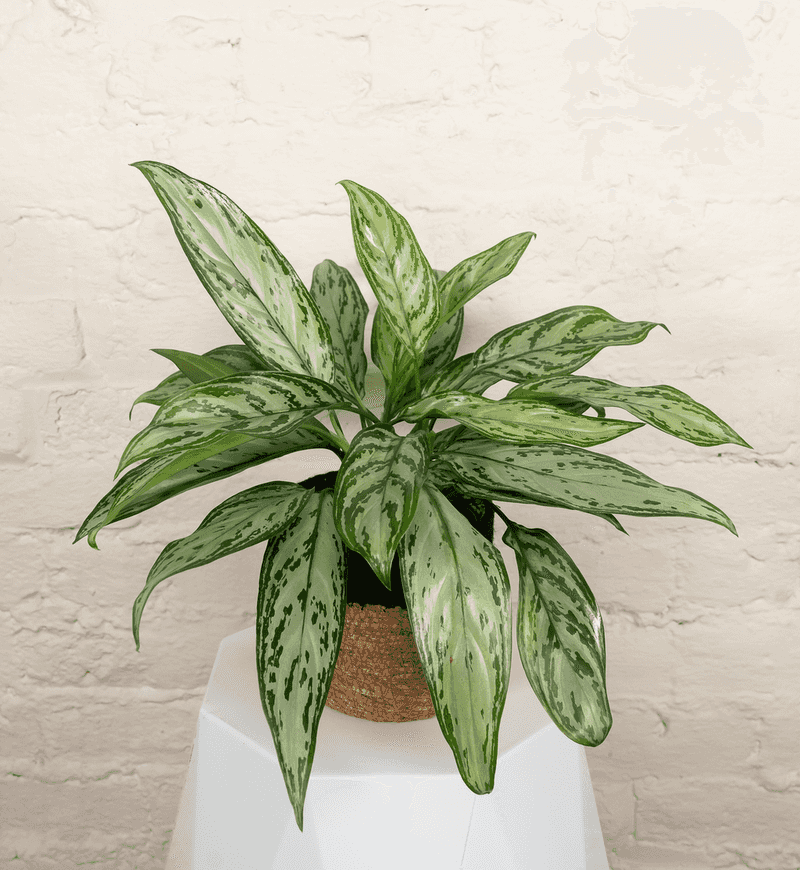
Patterned leaves in silver, pink, or red make Chinese evergreen look fussier than it is. In reality, it is a slow, steady grower that shrugs off short winter days.
Darker green varieties handle low light best. Brightly colored types prefer a bit more light to keep their color.
The one thing it dislikes is cold. Keep it above 60 degrees and away from chilly glass, and water only once the top soil is dry.
7. Aloe Vera
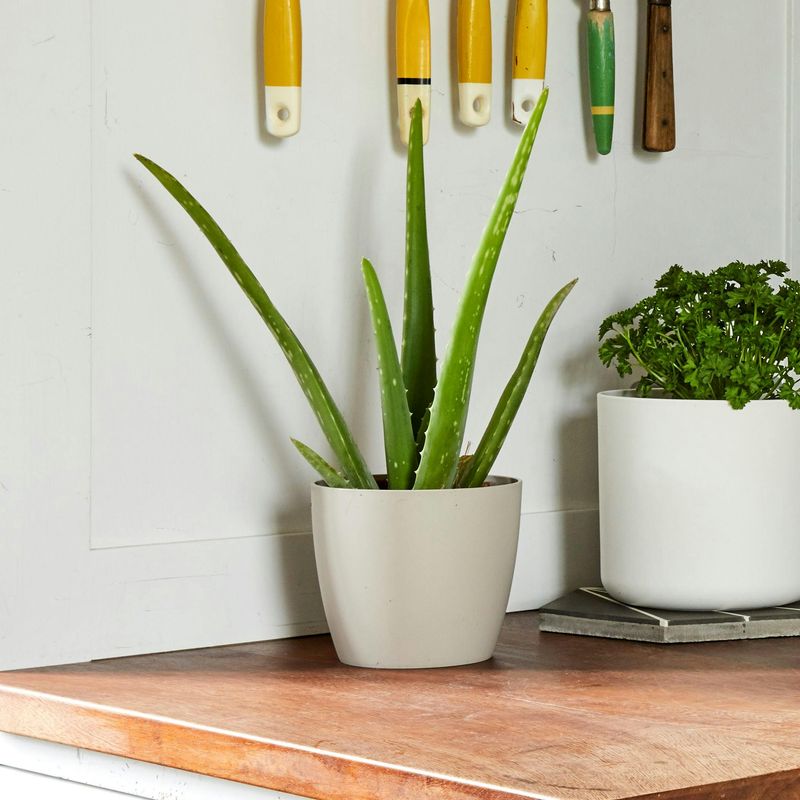
Dry winter air that cracks your hands is just fine for aloe. Originally from hot, arid regions, it handles low humidity without complaint.
Water deeply, then wait until the soil is bone dry, often three to four weeks in winter. A gritty cactus mix and a pot with a drain hole help prevent rot.
If leaves lean or stretch, the plant wants more sun. A south or west window is ideal.
8. Christmas Cactus
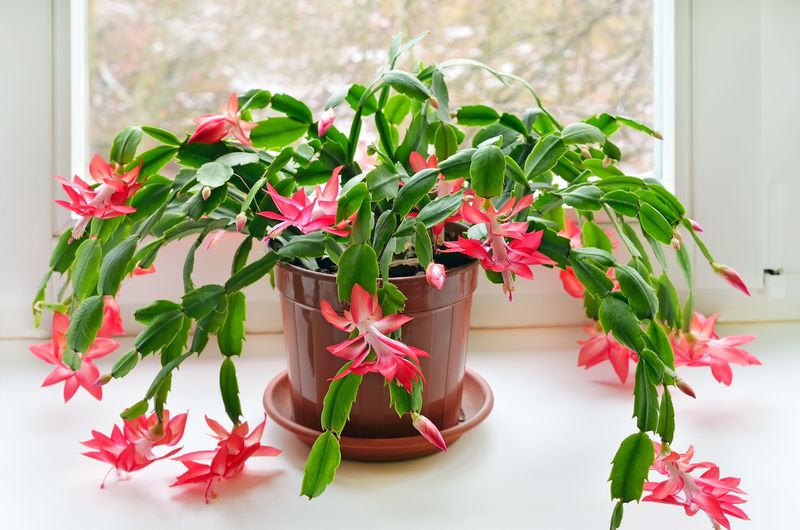
Forget the desert image. Christmas cactus actually grows on tree branches in Brazilian rainforests, and it loves the cool, short days that winter brings.
Those long nights trigger flower buds, so a cool spare room can work in your favor. Water when the top inch feels dry.
Bud drop usually comes from moving the plant or sudden temperature swings. Pick a spot and leave it there until blooming ends.
9. Felted Pepperface
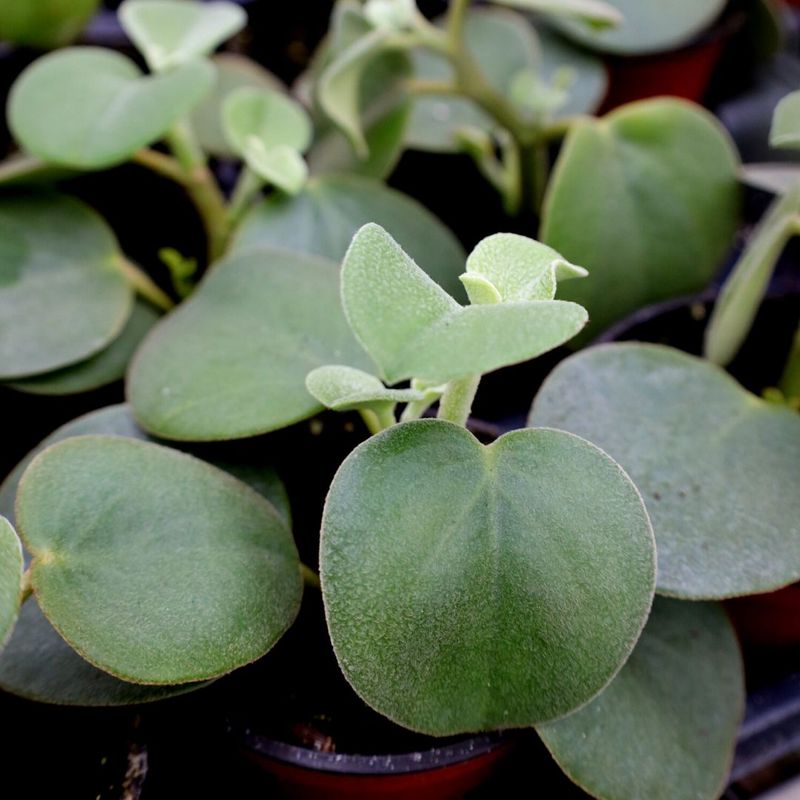
Run a finger across a felted pepperface leaf and it feels like soft velvet. That fuzzy coat helps it hold onto moisture.
As a semi-succulent, it likes the soil to dry between waterings, and it does not need full sun. Dry indoor air in January rarely bothers it.
Its compact size makes it easy to tuck on a shelf. Just avoid wetting the fuzzy leaves when watering.
10. Spider Plant
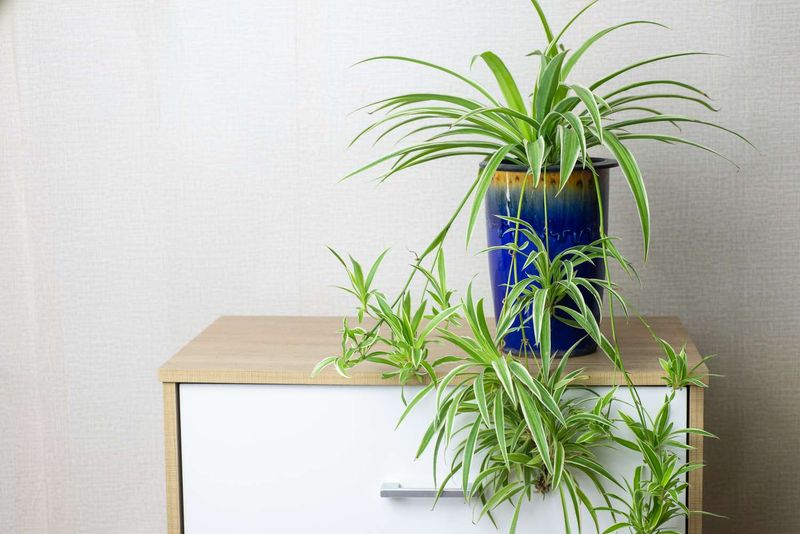
Grandma probably had one, and it probably outlived three moves. Spider plants are that dependable.
In winter, water every week or two when the top soil dries. Brown tips are common and often come from dry air or tap water minerals, so try filtered water if they bother you.
Those dangling babies can be snipped and rooted in water for free plants to share.
11. Heartleaf Philodendron
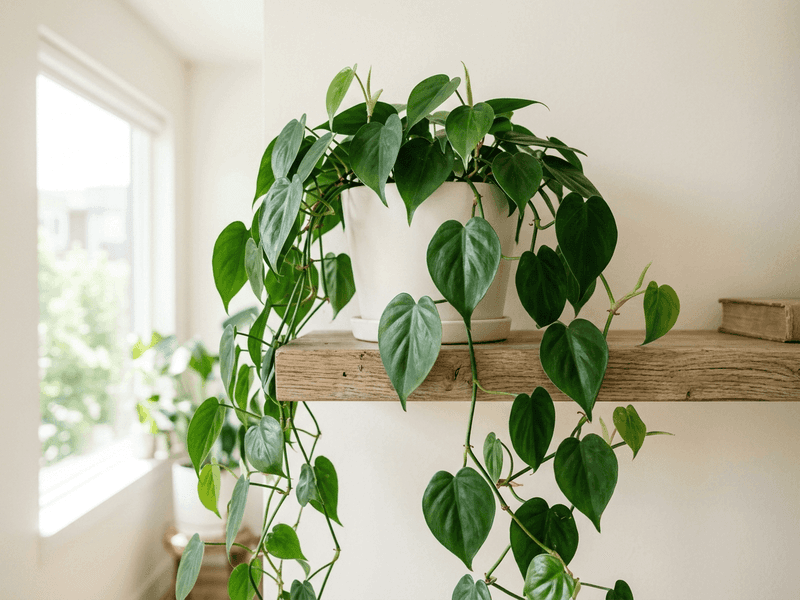
Heart-shaped leaves and an easygoing attitude make this vine a winter favorite. It grows happily in shady rooms where many plants sulk.
Water when the top inch is dry. Curling leaves suggest thirst, while yellow leaves often point to too much water.
Long, leggy stems can be pinched back to keep it full.
12. Dracaena
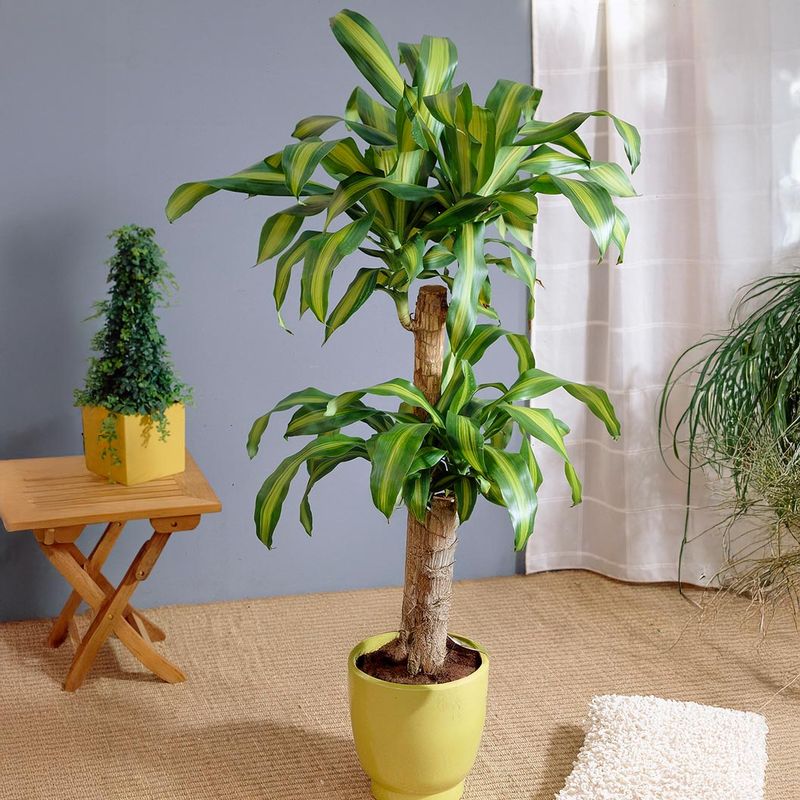
Tall, striking, and low-maintenance, dracaenas bring a tree-like look indoors. The corn plant and dragon tree are two of the toughest.
They need little water in winter, often every two to three weeks. Brown tips may come from fluoride in tap water, so rainwater or filtered water can help.
Medium to low light suits them fine.
13. Parlor Palm
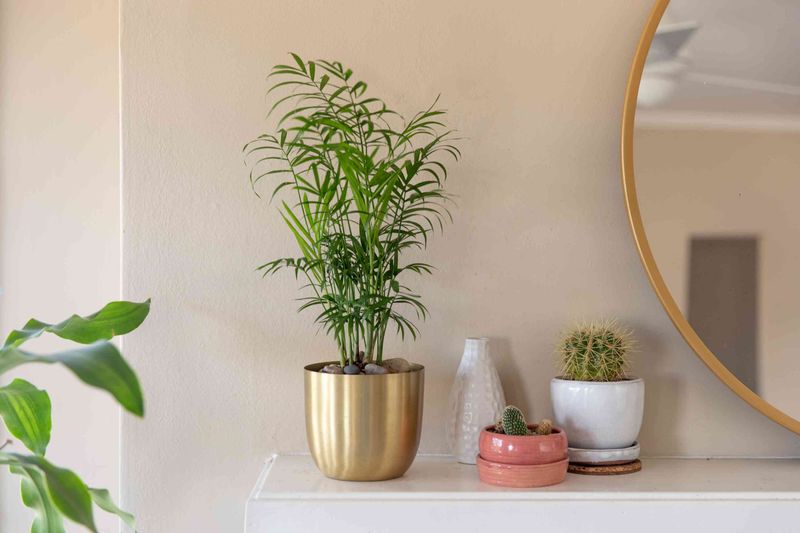
Back in the 1800s, no proper parlor was complete without one. The parlor palm earned that spot by tolerating dim rooms.
Cut back watering in winter while growth slows. Let the top inch dry out before watering again.
It does appreciate some humidity, so grouping it with other plants or using a pebble tray may reduce crispy fronds.
14. Haworthia
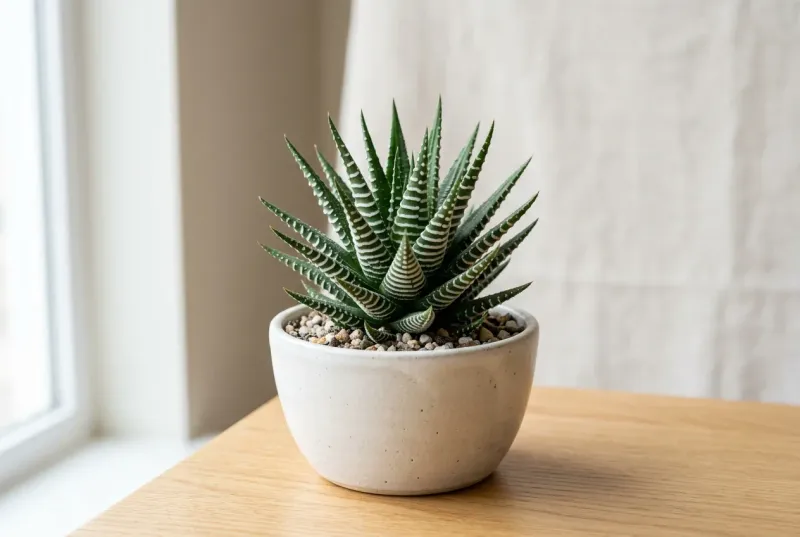
Small enough to fit in a teacup, haworthia packs serious toughness. Its white-striped leaves earn it the nickname zebra cactus.
Cool winter weather nudges it into rest, so water lightly, maybe once a month. It tolerates lower light better than most succulents.
Use gritty soil and a pot with drainage, and it will happily ignore you until spring.
15. Clivia
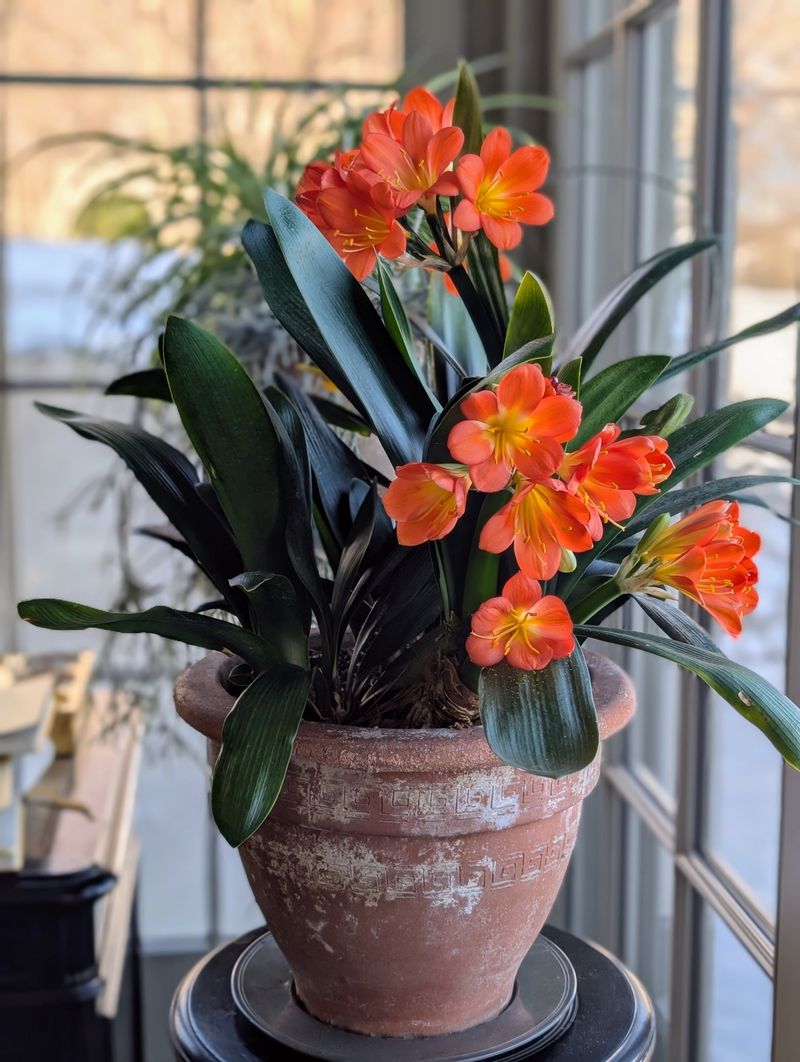
Bright orange flowers in late winter feel like a small miracle, and clivia delivers them. It actually needs a cool, dry winter rest to bloom.
Water only occasionally from fall to midwinter. Once a flower stalk appears, resume regular watering.
Clivias bloom best slightly root-bound, so skip repotting. Low to medium light keeps the leaves dark and glossy.