
Your Spider Plant Stopped Growing? 21 Watering Fixes That Bring Back Fresh New Babies All Winter
Your spider plant looked full and happy in summer, but now it just sits there with no new leaves and no dangling babies. Most of the time, the problem comes down to water: too much, too little, or the wrong kind for winter.
The good news is that small changes to how you water can wake your plant back up. These 21 easy fixes can help your spider plant grow again and start sending out fresh babies before spring arrives.
1. Check Soil Dryness With Your Finger
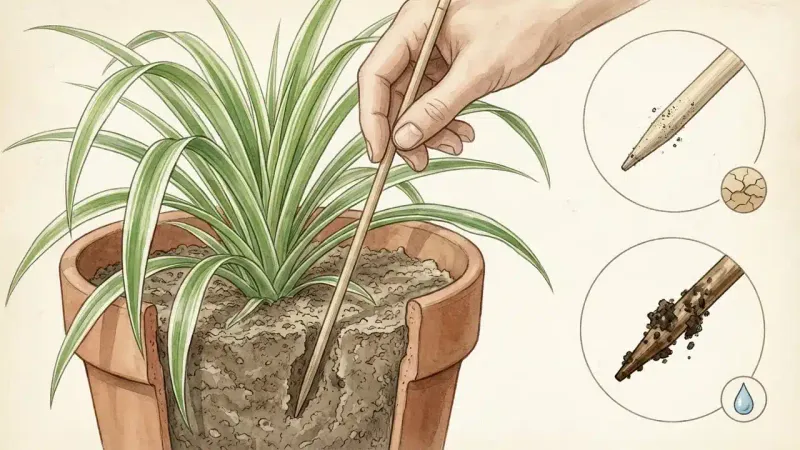
Your finger is the cheapest moisture meter you will ever own. Before you reach for the watering can, push one finger about 1 to 2 inches into the soil near the edge of the pot.
If the soil feels dry at that depth, it is time to water. If it still feels cool and damp, walk away and check again in a couple of days.
A good rule is to wait until roughly half the soil in the pot has dried out.
Spider plants store water in their thick, white roots, so they forgive a little dryness much more easily than constant wetness. Checking first stops you from watering on autopilot, which is the number one reason winter spider plants stall out.
2. Cut Back on How Often You Water in Winter
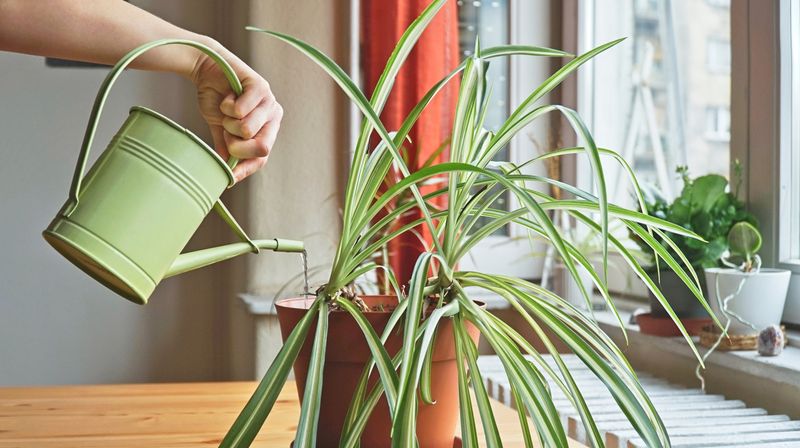
Picture your spider plant as a bear in a slow season. Shorter days and cooler rooms mean it grows less, drinks less, and uses water at a much slower pace.
In winter, many spider plants need water only every 1 to 3 weeks, or about half as often as in summer. Keeping your summer schedule is like serving a full dinner to someone who just wants a snack.
Let the soil tell you when, not the calendar. Once you slow down, the roots can breathe again, and a healthy root system is what eventually pushes out those long stems loaded with babies.
3. Water Deeply Until It Drains
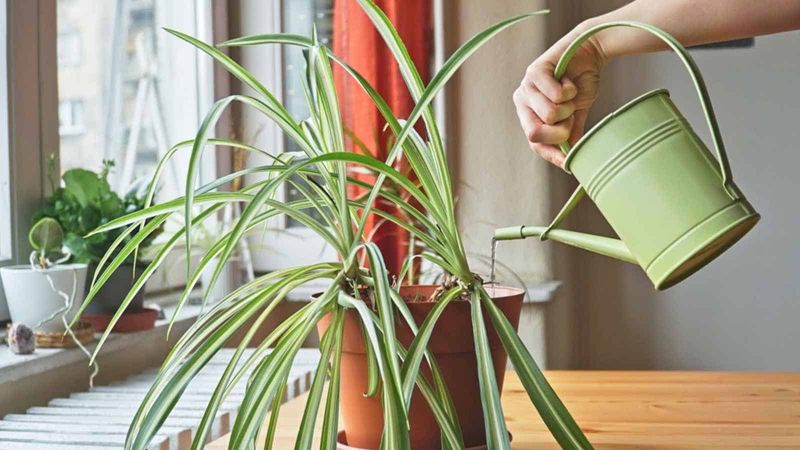
Small sips feel careful, but they actually leave the bottom roots thirsty. When it is time to water, go all in.
Pour slowly over the whole soil surface until water runs out of the drainage holes. That way every root, top to bottom, gets a drink and dry pockets do not form deep in the pot.
A sink or bathtub makes this easy and mess-free. Deep, less frequent watering trains the roots to spread through the whole pot, which gives the plant the strength to grow new leaves and runners even in the darker months.
4. Empty the Saucer Every Time
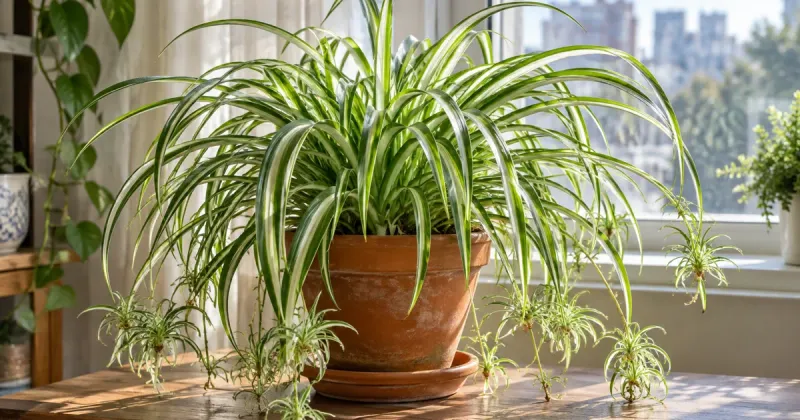
Here is a sneaky one. You water perfectly, then the extra water pools in the saucer or decorative cover pot, and the roots sit in a puddle for days.
Roots that stay soaked lose access to air, and that is how root rot begins. About 10 to 15 minutes after watering, tip out whatever collected underneath.
Hanging baskets with built-in trays are especially easy to forget, so give them a quick peek. This tiny habit takes seconds and may save your spider plant from a slow, soggy decline.
5. Switch to Rainwater or Distilled Water
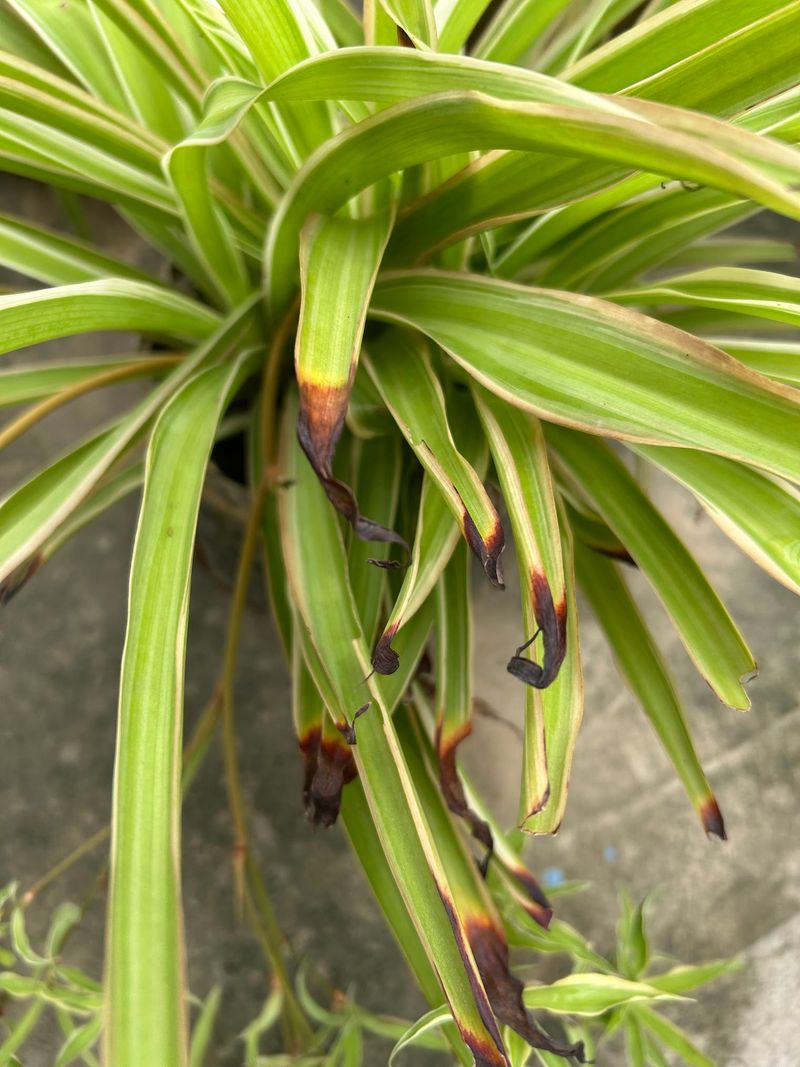
Brown, crispy tips are often the first clue that your water is the problem. Spider plants are a bit sensitive to fluoride, chlorine, and salts found in many tap water supplies.
Over time, those minerals build up in the soil and stress the plant. A stressed spider plant puts its energy into survival, not into making babies.
Rainwater, distilled water, or spring water can help keep that buildup down. Fun fact: spider plants are native to southern Africa, where they naturally drink rain, so you are just giving them what they grew up with.
6. Let Tap Water Sit Overnight
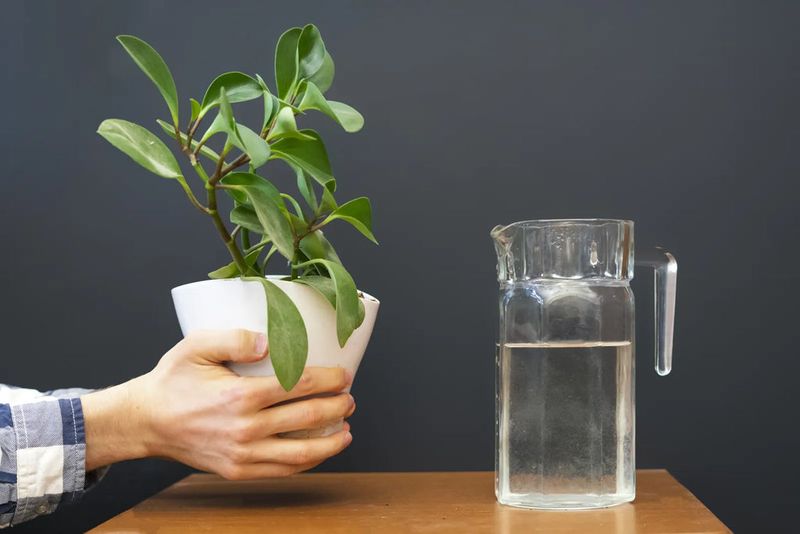
No rain barrel? No problem.
Fill an open jug or watering can with tap water and leave it out for at least 24 hours before using it.
Much of the chlorine will escape into the air during that time. It will not remove fluoride, but it does take some of the edge off.
Many plant lovers keep a filled can ready at all times, so the next watering is always prepped. Bonus: the water warms up to room temperature while it waits, which leads right into the next fix.
7. Use Room-Temperature Water Only
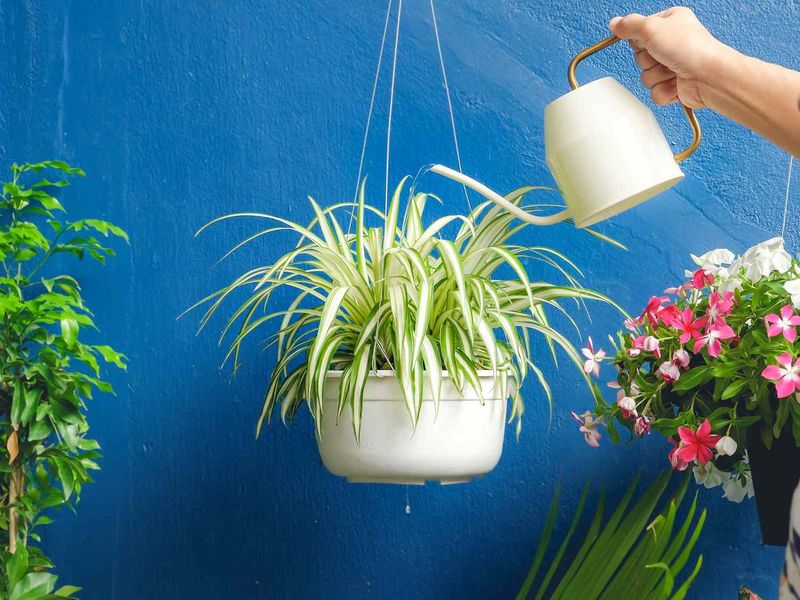
Imagine someone dumping ice water on your feet in January. That is roughly what cold tap water feels like to spider plant roots in winter.
Very cold water can shock the roots and slow down growth even more. Lukewarm or room-temperature water is gentle and easier for the plant to take up.
Test it on your wrist like a baby bottle. If it feels neither cold nor hot, you are good to go.
8. Learn the Signs of Overwatering
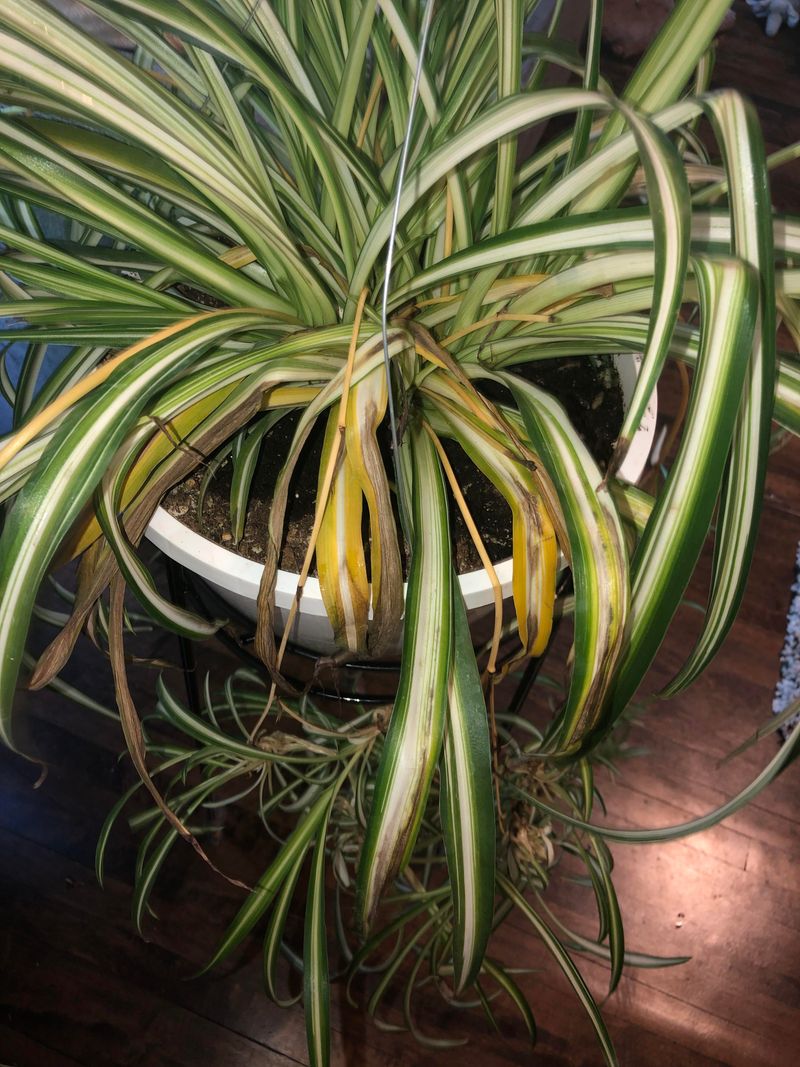
Overwatering hides behind symptoms that look like thirst, which is why so many people make it worse. Yellow lower leaves, droopy or limp foliage, and soft, mushy stems are big red flags.
Other clues include soil that stays wet for a week or more, a sour smell coming from the pot, and tiny gnats buzzing around the surface. Brown tips can show up here too.
If you spot several of these together, put the watering can down. Your plant is not asking for more water.
It is asking for a break.
9. Let Soggy Soil Dry Out Completely
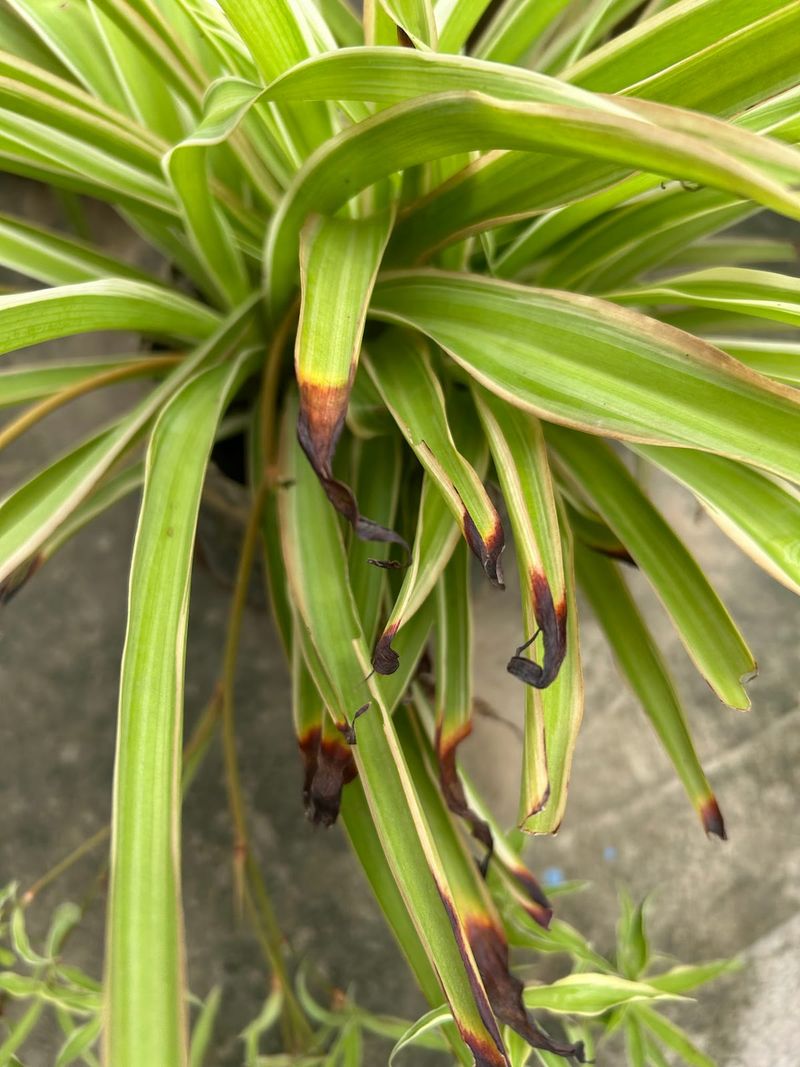
Patience is the medicine for a waterlogged spider plant. Stop watering right away and let the soil dry all the way through before you even think about the next drink.
Move the plant to a brighter spot with good air movement to speed things up. Keep it away from cold drafts, though.
This can take a week or two in winter. The plant may look sad for a bit, but those fleshy roots hold reserves, and giving them air is often enough to turn things around.
10. Trim Away Rotting Roots
Sometimes drying out is not enough. If the plant keeps getting worse, it is time to look underground.
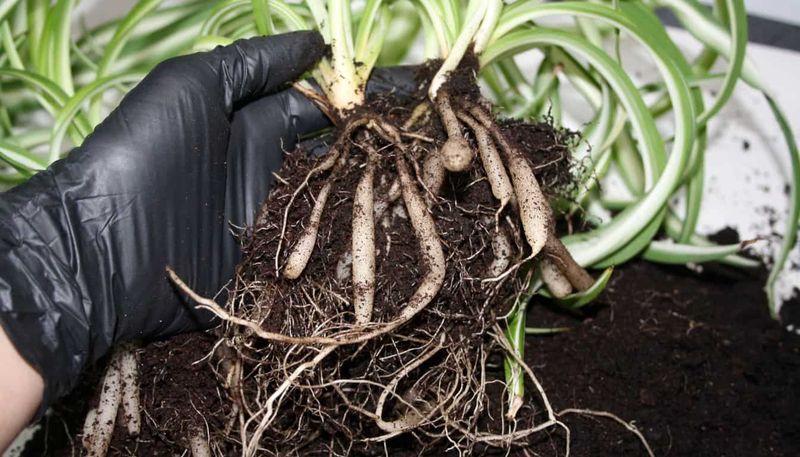
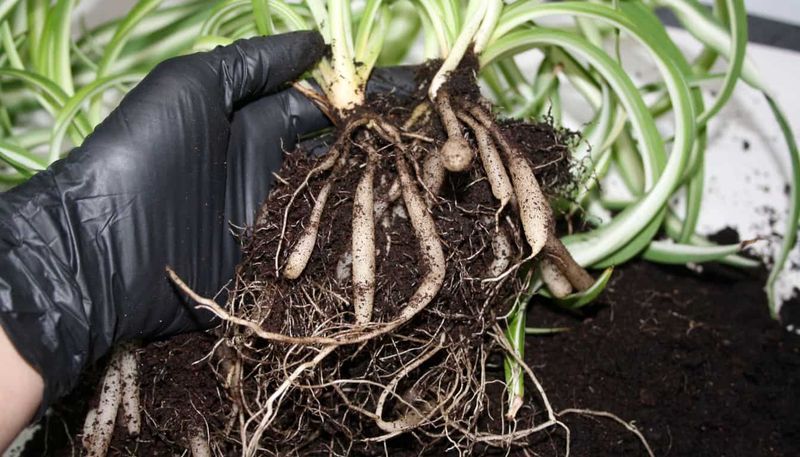
Gently slide the spider plant out of its pot and rinse the old soil off the roots. Healthy roots are firm and white or tan, while rotten ones are dark, mushy, and smelly.
Use clean, sterilized scissors to snip off every damaged section. It feels scary, but cutting out the rot gives the healthy roots a fresh start and can stop the problem from spreading.
11. Repot in Fresh, Airy Potting Mix
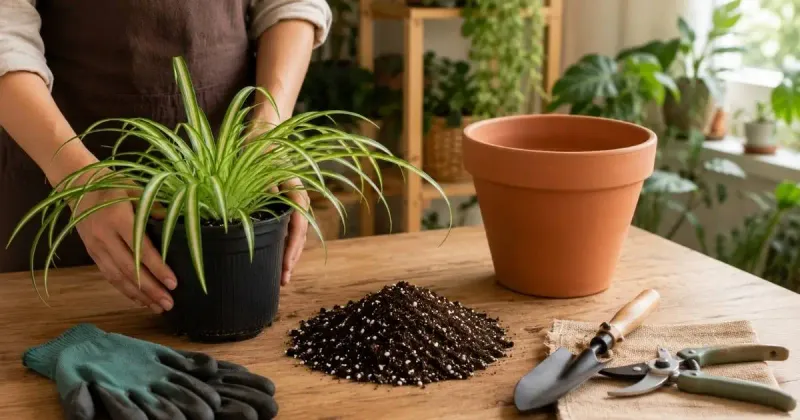
Old soil from a rotten pot is full of trouble, so never reuse it after a root rescue. Grab a clean pot and fresh, light potting mix instead.
A blend with peat or coco coir, plus perlite or vermiculite, holds a bit of moisture while letting extra water drain away fast. That balance is exactly what spider plant roots love.
Set the plant at the same depth it was before and firm the soil lightly. A clean home gives recovering roots the best chance to grow back strong.
12. Loosen Up Heavy Soil
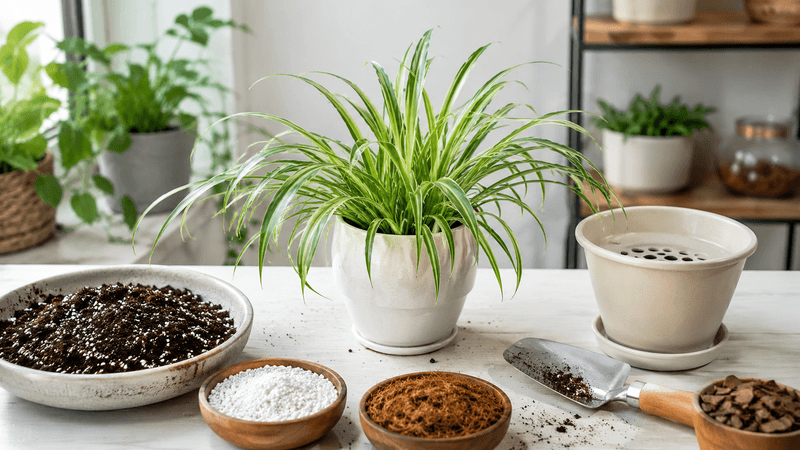
Dense, packed soil acts like a sponge that never wrings out. Even careful watering turns into a soggy mess when the mix cannot drain.
Mixing in perlite, coco coir, or a little orchid bark opens up air pockets. Water moves through faster, and roots get the oxygen they need.
If your soil feels hard or crusty, or water sits on top before soaking in, it is time for an upgrade. It is a small fix that makes every future watering safer.
13. Make Sure the Pot Has Drainage Holes
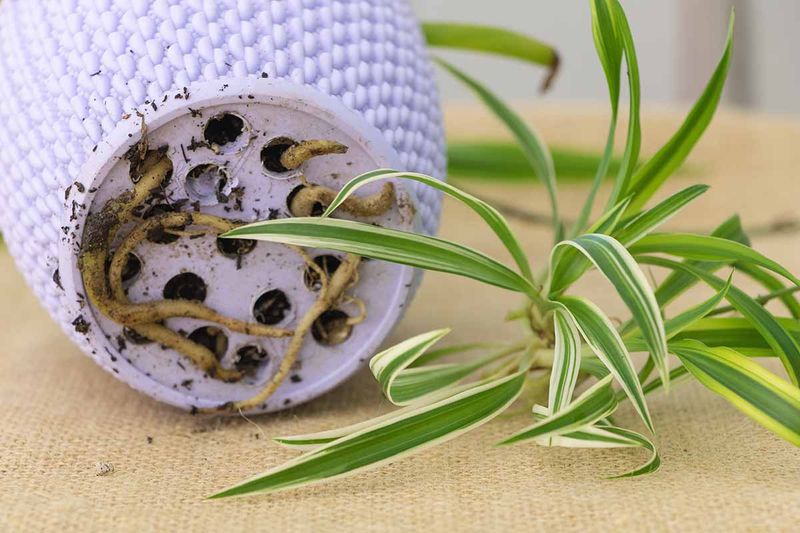
That gorgeous ceramic pot with no hole in the bottom? It might be quietly drowning your plant.
Without drainage holes, extra water has nowhere to go, and it collects at the bottom where roots slowly rot. Gravel in the bottom does not fix this, despite the old myth.
Keep your spider plant in a plain nursery pot with holes, then slip it inside the pretty pot for looks. You get style and healthy roots at the same time.
14. Go Easy on Water After Root Surgery
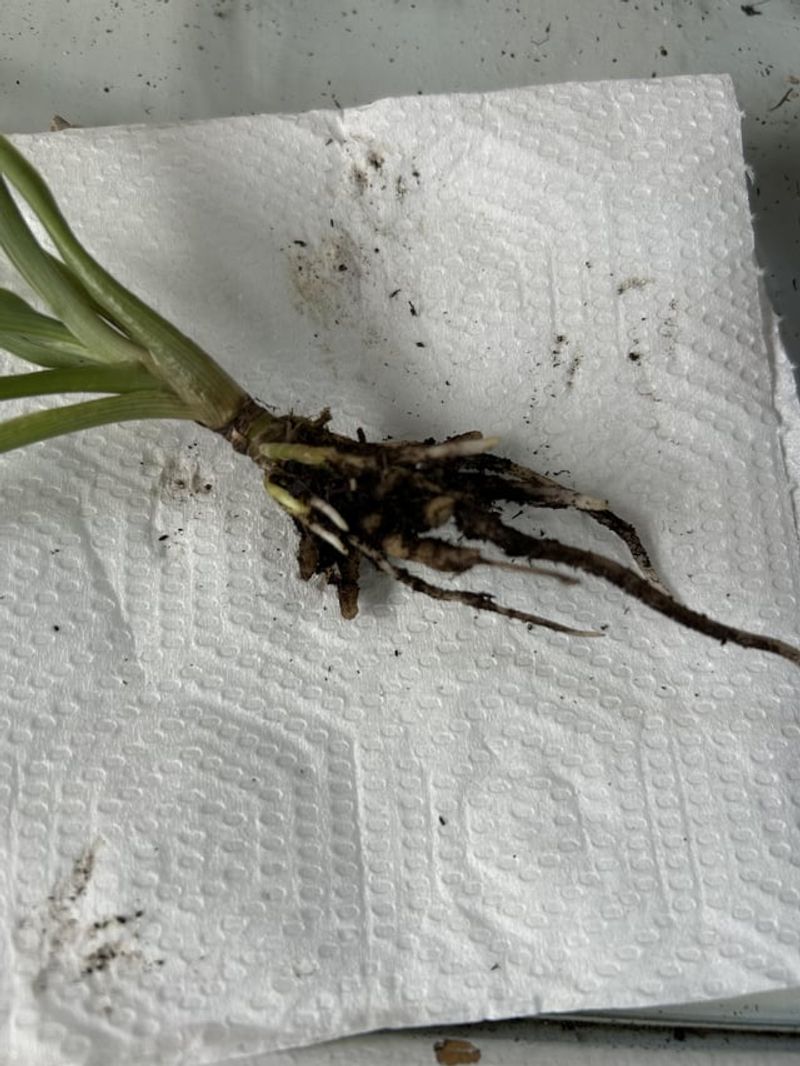
A plant that just had rotten roots removed is like someone recovering from surgery. It needs rest, not a feast.
For the first few weeks after repotting, water very lightly and only when the soil is clearly dry. The trimmed roots cannot handle much moisture yet.
Watch for new green growth in the center as your sign of recovery. Once fresh leaves appear, you can slowly return to normal winter watering.
15. Spot the Signs of Underwatering
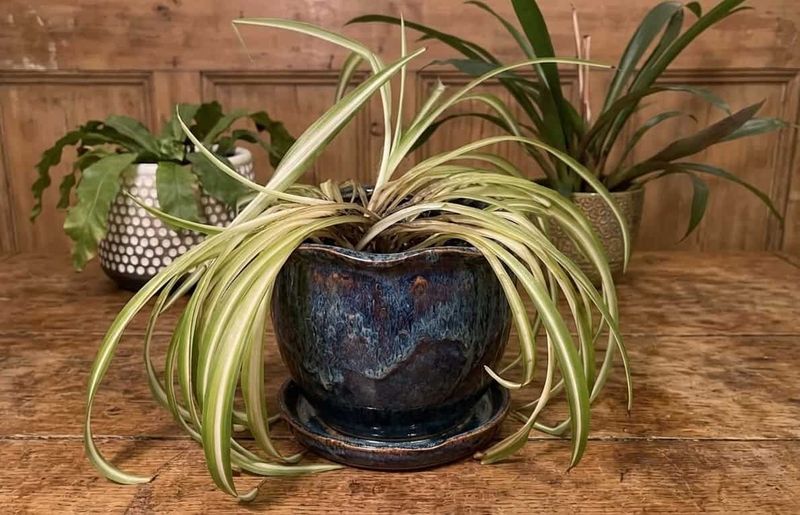
Thirst looks different from drowning, once you know what to look for. Underwatered spider plants have pale or faded leaves that curl inward and feel dry.
Crispy brown tips, wilting, and soil that shrinks away from the sides of the pot are classic clues. Growth stalls, and babies stop showing up.
Heated homes dry soil faster than you might expect, so a plant near a vent can go thirsty even in winter. Feel the soil, look at the leaves, and you will know which way to go.
16. Give a Thirsty Plant a Deep Drink
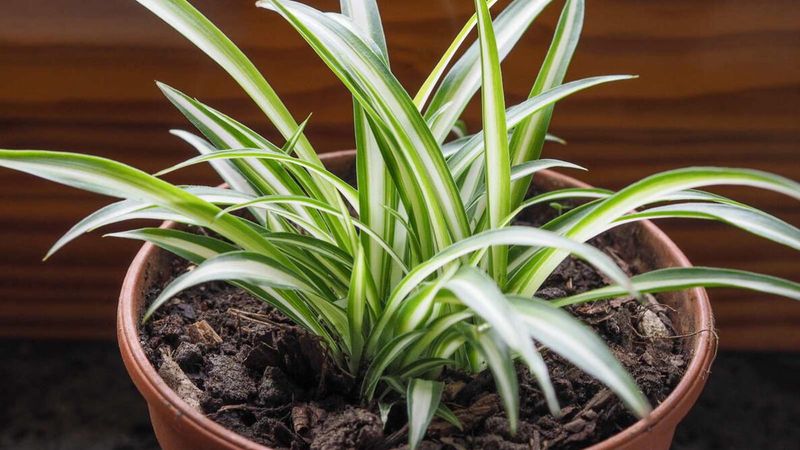
Once you confirm the soil is bone dry, do not wait. Give your spider plant a full, slow watering right away.
Pour until water drains out the bottom, wait a few minutes, then water again. Dry soil sometimes sheds water at first, and a second pass helps it soak in.
Within a day or two, leaves often perk up and look greener. That quick bounce-back is one reason spider plants are such great beginner plants.
17. Soak a Bone-Dry Pot From the Bottom
Ever poured water on a dried-out plant and watched it rush straight through? That happens when the soil gets so dry it repels water.
Set the whole pot in a sink or tub of room-temperature water for up to 20 minutes. You will see bubbles rise as water fills the dry pockets.
Lift it out, let it drain fully, and empty any tray. It is the plant version of a long, refreshing bath.
18. Fix a Rootbound Pot
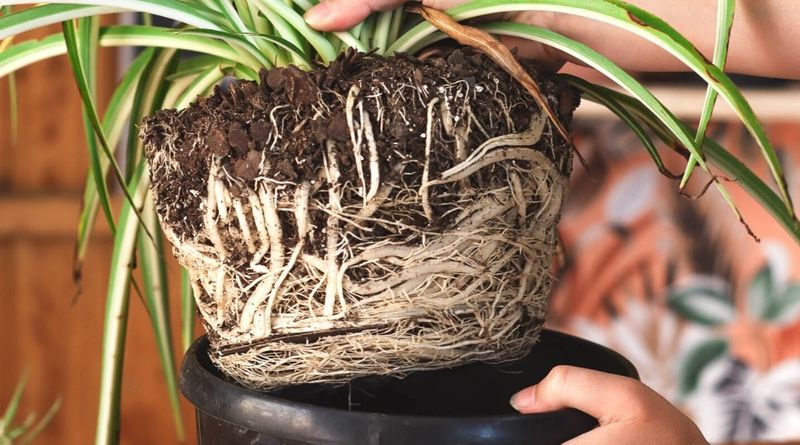
Spider plants are famous for packing their pots with thick, white roots. A slightly snug pot can actually encourage babies, but too tight becomes a problem.
If water rushes straight through, or roots poke out of the holes and push above the soil, the pot is too full to hold moisture. The plant dries out fast and growth stalls.
Move it to a pot just 1 to 2 inches wider, not a huge jump. That small step up helps soil hold water again while keeping the cozy fit spider plants like for making runners.
19. Add Humidity to Dry Winter Air
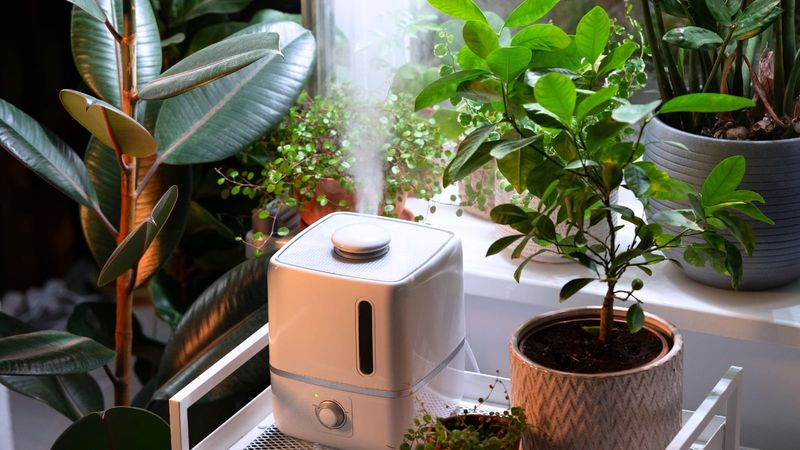
Your furnace keeps you warm, but it sucks moisture right out of the air. Dry indoor air in winter is a common reason for brown leaf tips.
A pebble tray filled with water under the pot, grouping plants close together, or running a small humidifier nearby can all help. Each one adds a little moisture around the leaves.
Misting feels nice, but the effect fades within minutes. For lasting results, choose one of the steadier methods.
20. Try Fermented Rice Water Now and Then

Old-fashioned gardeners swear by this one. Rice water that has fermented for a couple of days contains small amounts of nitrogen, phosphorus, and potassium.
Used once in a while in place of plain water, it may give a sluggish spider plant a gentle boost. Skip fresh, unfermented rice water, as it offers less benefit.
Keep it occasional, maybe once a month at most in winter. Too much can feed bacteria, upset the soil, or lead to root trouble, which is the opposite of what you want.
21. Keep Soil Lightly Moist, Never Soggy
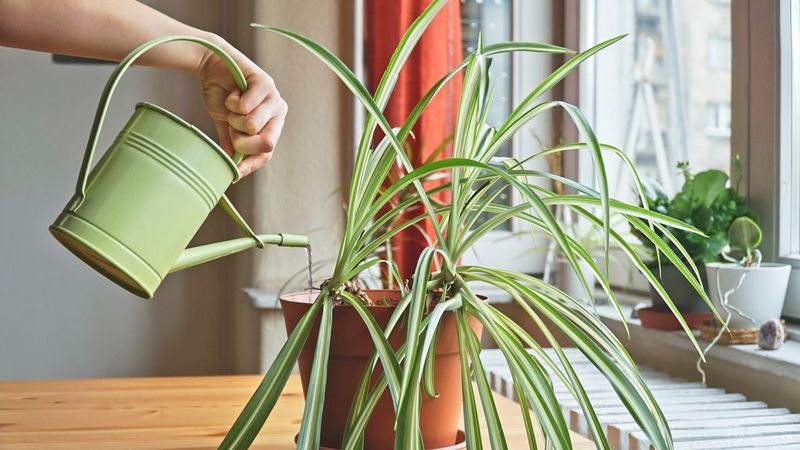
All these fixes come down to one sweet spot. Your spider plant wants soil that dries partway, then gets watered before it stays bone dry for long.
Swinging between drowning and drought keeps the plant stressed. A steady routine of slightly moist soil lets it save energy for growing.
That saved energy is what fuels those long, arching stems with baby plants at the tips. Find the rhythm, stick with it, and you may see fresh babies dangling before winter ends.