
Your Tomatoes And Cucumbers Start Next Year Hungry – 16 Fertilizers That Double What You Pick
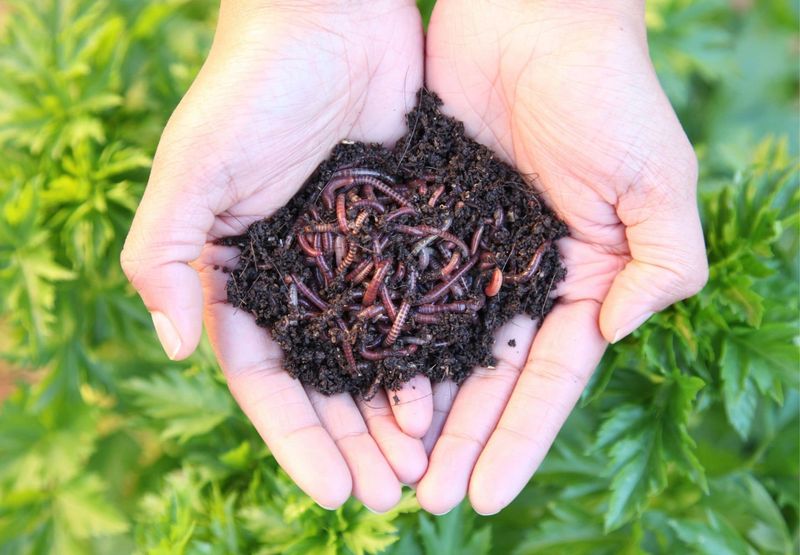
Your tomato and cucumber plants eat a lot, and by the end of summer they have pulled most of the food out of your soil. If you plant again without feeding that soil, next year’s vines start out hungry and give you fewer fruits.
The good news is that the right fertilizers, given at the right time, can fill that empty plate and help you pick far more. Here are 16 options, each with its own job, so you know exactly what to use and when.
1. Aged Compost
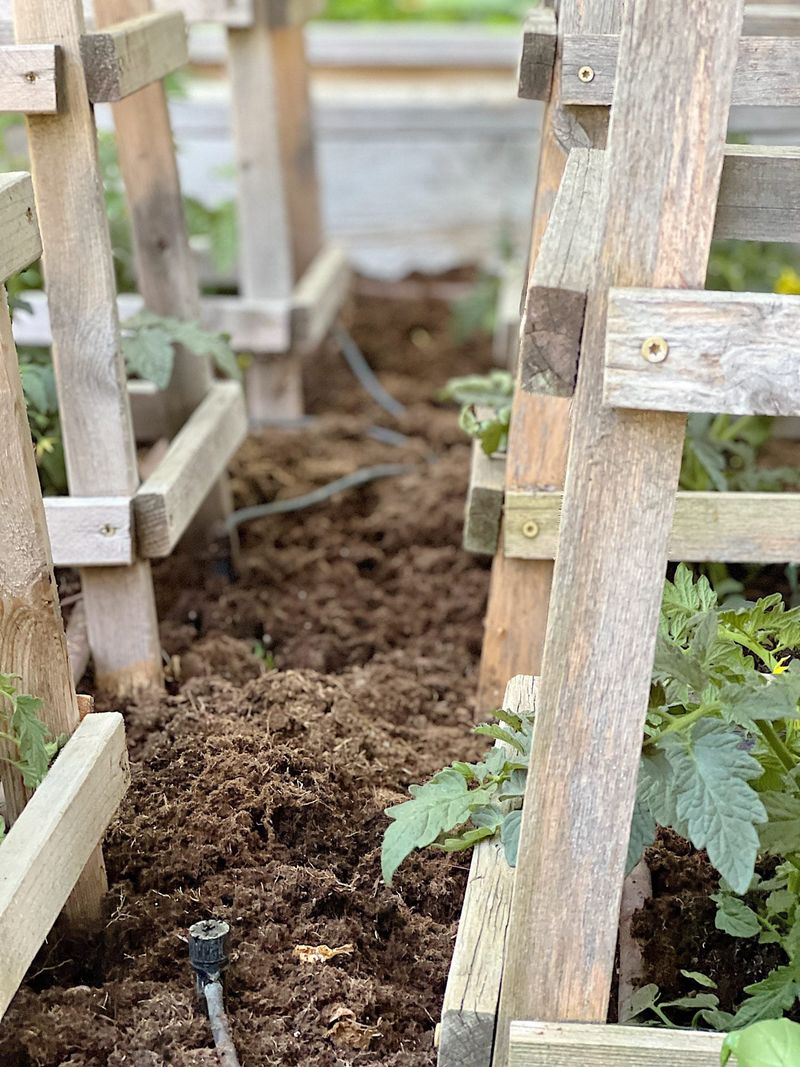
Ask any old-timer what fed their best tomato year, and you will probably hear one word: compost. Dark, crumbly, and earthy-smelling, finished compost is the foundation every other fertilizer on this list builds on.
Work 2 to 4 inches into the top 6 to 8 inches of soil about four to six weeks before planting. It releases nitrogen, phosphorus, and potassium slowly, so your tomatoes and cucumbers get a steady meal instead of a sugar rush.
Compost also fixes soil texture. Clay loosens up, sandy soil holds water better, and helpful microbes move in to keep feeding roots all season.
If you only add one thing this fall, make it this.
2. Well-Rotted Manure
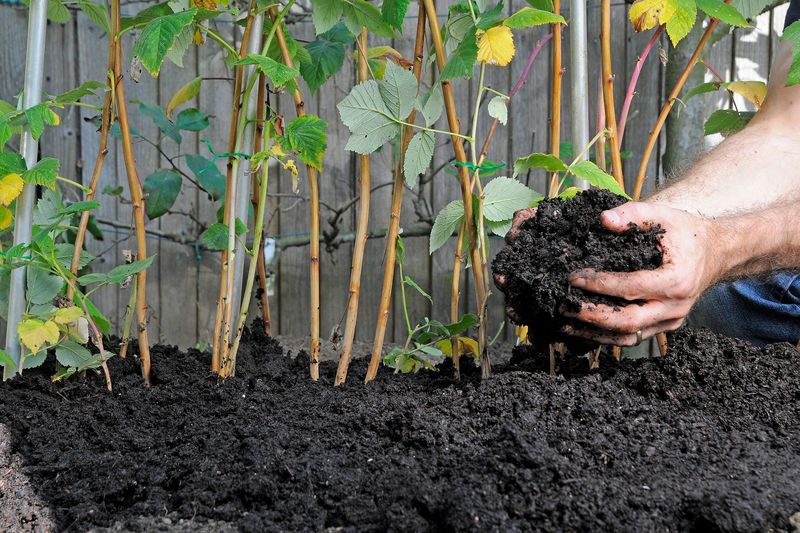
Grandparents with giant cucumber patches often had one secret parked behind the barn. Well-rotted cow, horse, or chicken manure is loaded with organic matter and nutrients that hungry vines love.
Chicken manure runs especially rich in nitrogen and phosphorus, so a little goes a long way. Cow and horse manure are milder and great for bulking up tired beds.
The key word is rotted. Fresh manure can burn roots and may carry germs, so let it age several months or spread it in fall to mellow over winter.
By spring, your bed will be ready to feed tomatoes from the first day.
3. Worm Castings
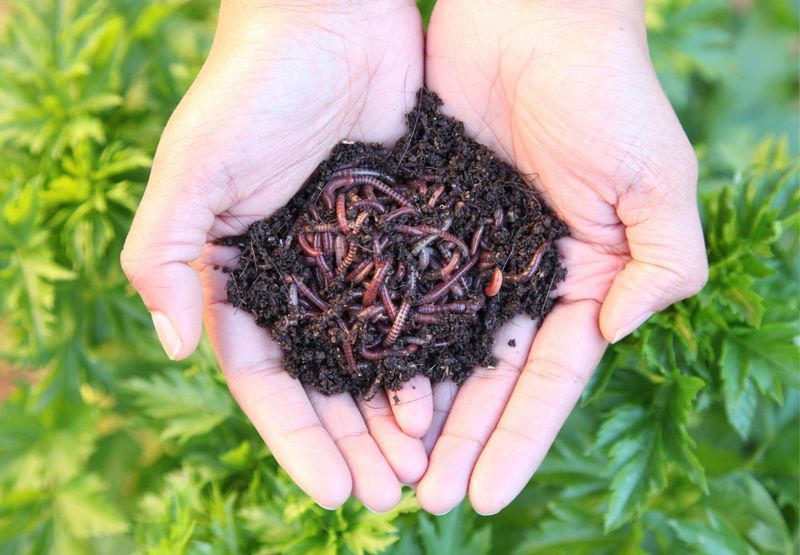
Earthworms are tiny fertilizer factories, and what they leave behind might be the gentlest plant food you can buy. Worm castings have no smell, will not burn roots, and are packed with slow-release nutrients.
Toss a handful into each planting hole when you set out tomato transplants or cucumber seedlings. You can also side-dress plants midseason by scratching a thin layer into the soil surface.
Fun fact: castings carry beneficial microbes that may help roots take up nutrients more easily. They cost more than compost, so save them for where roots start, right in the hole.
4. Bone Meal
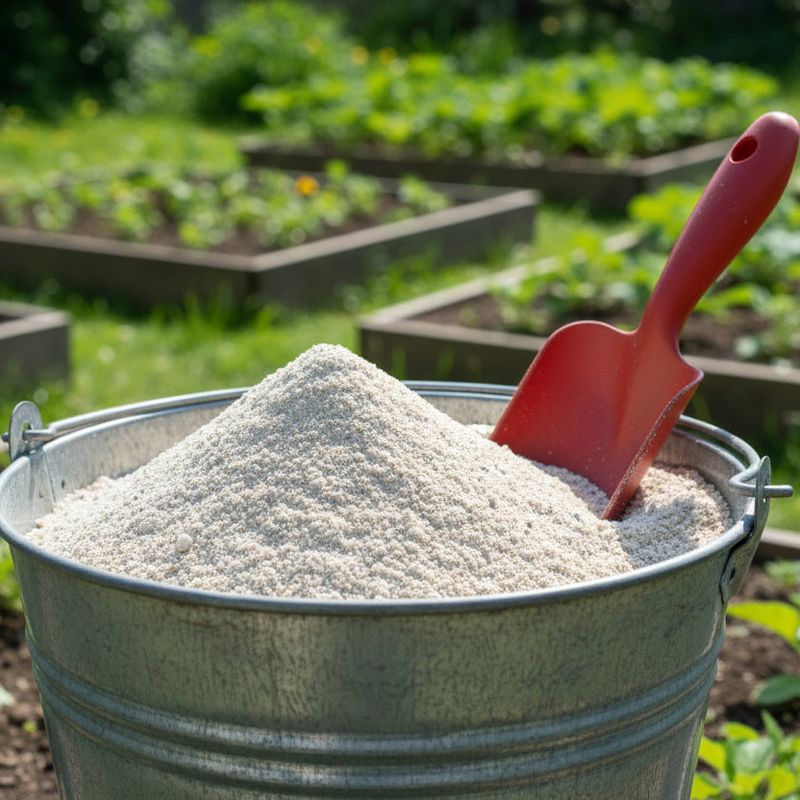
Flowers that drop off before becoming fruit can be a sign your plants are short on phosphorus. Bone meal is a classic slow-release fix that supports strong roots and better flowering.
Mix a few tablespoons into each planting hole at transplant time, or work it into the bed if a soil test shows low phosphorus. Watch for tomato leaves with purple undersides, a common clue of shortage.
Since it breaks down slowly, bone meal works best added early. Do a fall soil test first, because many garden soils already have plenty, and more is not always better.
5. Fish Emulsion
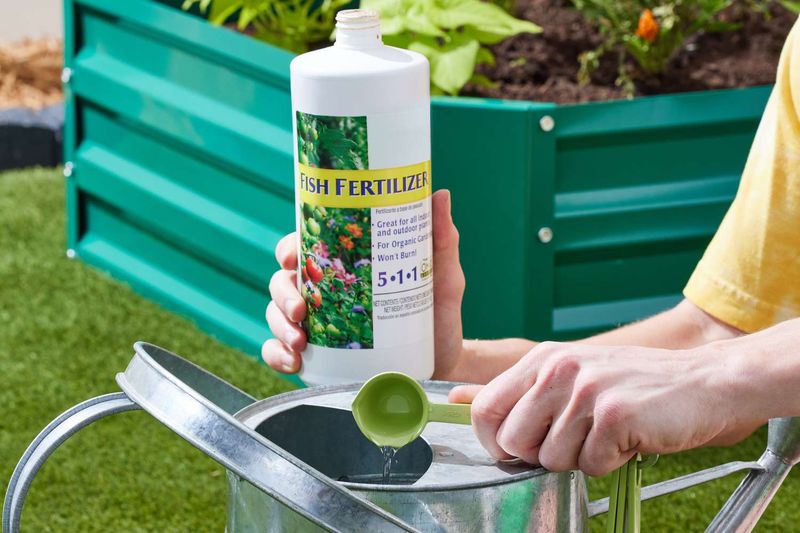
Fair warning: it smells like a bait shop on a hot day. Hold your nose, though, because fish emulsion works fast.
High in nitrogen, this liquid feed is perfect for young tomatoes and cucumbers that look pale or slow after transplanting. Yellowing lower leaves and stunted growth often point to nitrogen hunger, and a diluted dose can green them up within a week or two.
Use it early in the season and ease off once flowers appear. Too much nitrogen later means huge leafy vines and fewer fruits.
Always mix by the label and pour at the base, not over leaves.
6. Crushed Eggshells
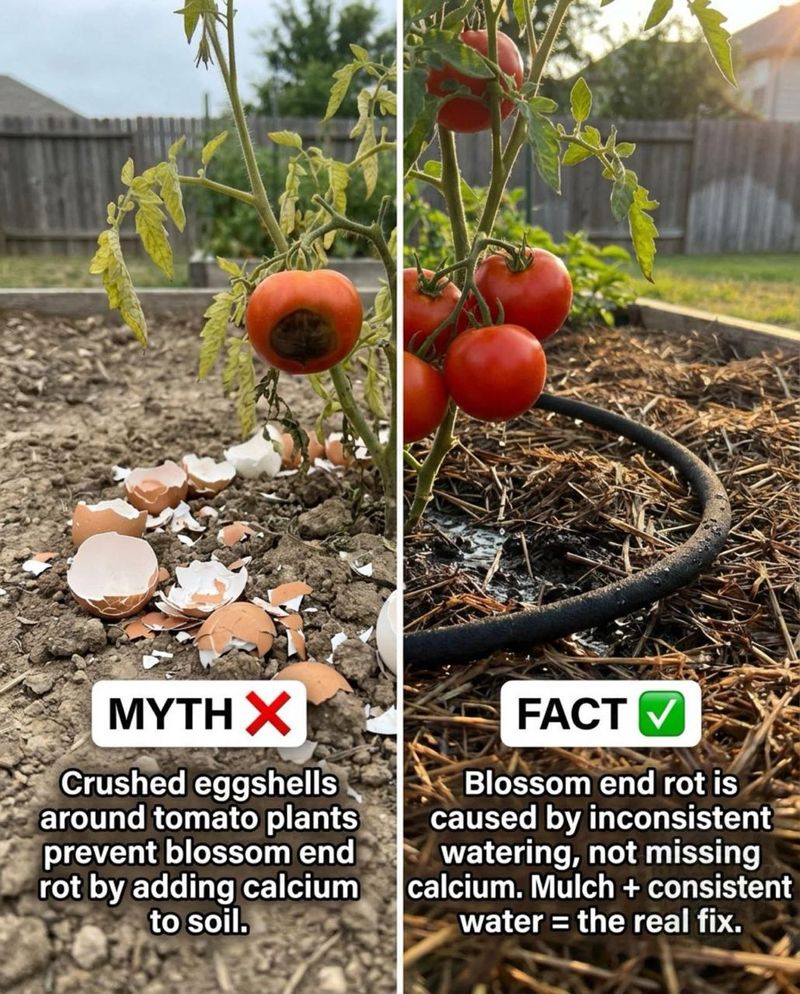
Few sights hurt more than a perfect-looking tomato with a black, sunken bottom. That is blossom end rot, and it ties back to calcium reaching the fruit.
Crushed eggshells release calcium slowly into the soil. Rinse, dry, and grind them fine, then mix them into the bed in fall so they have months to break down.
Here is the honest part: eggshells work slowly, and uneven watering is often the real trigger. Pair them with steady, deep watering and mulch, and you may see far fewer ruined fruits next summer.
7. Banana Peels
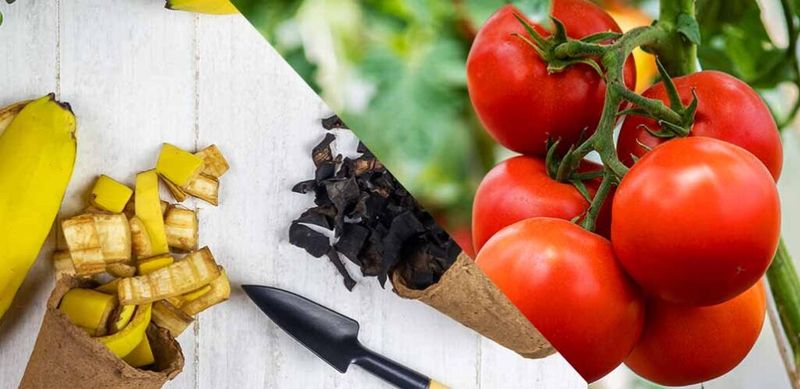
Your morning snack can do double duty. Banana peels contain potassium, along with some calcium and magnesium, the nutrients that help fruit size up and taste sweet.
Chop peels into small pieces and bury them a few inches deep near plants, or add them to your compost pile. Whole peels on top of soil mostly attract fruit flies and critters.
Think of peels as a helpful bonus, not a full meal. They break down slowly and supply small amounts, so use them alongside a proper fruiting fertilizer when tomatoes start blooming.
8. Coffee Grounds
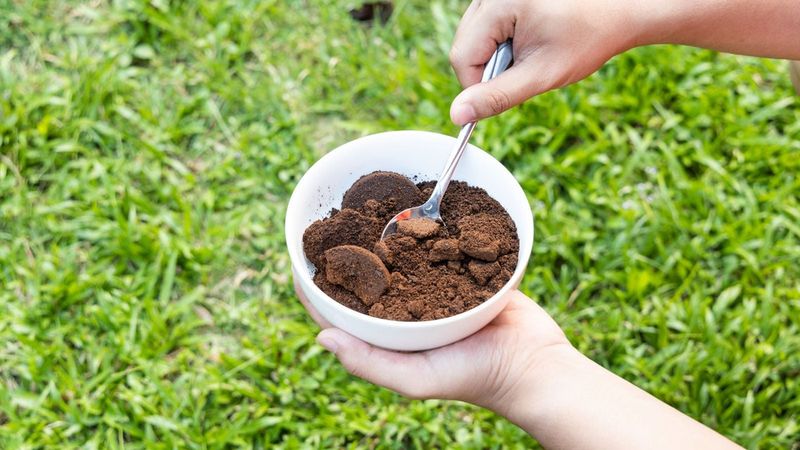
Coffee lovers, your daily habit leaves a garden gift behind. Used grounds add a modest amount of nitrogen plus organic matter that improves soil texture.
Mix them into compost or scratch a thin layer into the soil. Avoid thick piles, which can form a crust that blocks water from reaching roots.
Many coffee shops give away bags of grounds for free. That makes them a budget-friendly way to keep your soil fed between seasons without buying anything at all.
9. Seaweed Liquid Feed
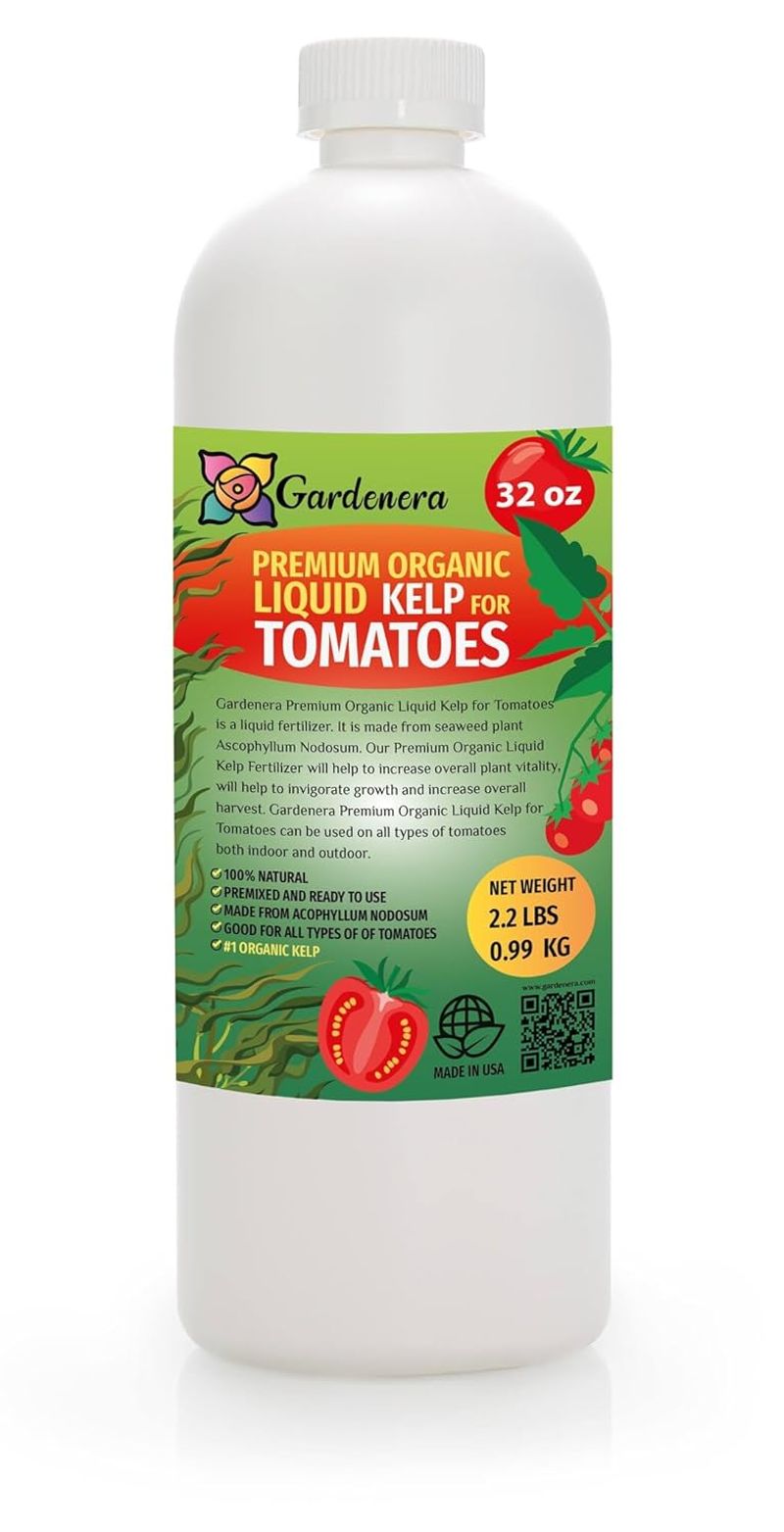
Ocean kelp grows fast in tough conditions, and some of that toughness seems to pass along to your plants. Seaweed feed is rich in trace minerals and potassium.
Use it every two weeks once tomatoes and cucumbers are maturing and setting fruit. Many gardeners notice greener leaves and plants that seem to handle summer heat stress a bit better.
Seaweed is low in the big three nutrients, so treat it as a vitamin rather than the main course. Combine it with compost or a fruiting fertilizer for the best results.
10. Comfrey Leaf Tea
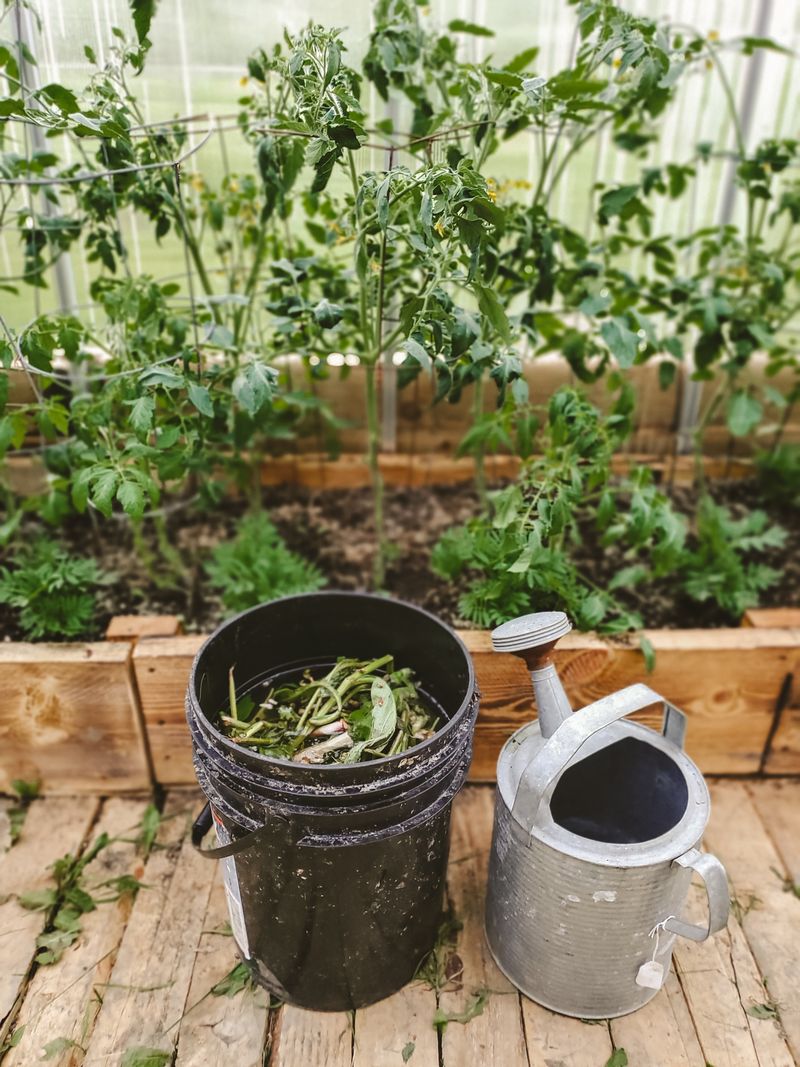
Old English cottage gardeners swore by a weedy-looking plant with fuzzy leaves. Comfrey roots dig deep, pulling up nutrients that end up stored in its leaves.
Stuff a bucket with chopped leaves, cover with water, and let it steep for three to four weeks. The brown liquid stinks, but diluted about one part tea to ten parts water, it makes a potassium-rich drink for fruiting plants.
Grow one comfrey plant in a corner and you have free fertilizer for years. Just plant it where you want it to stay, because it spreads stubbornly.
11. Balanced Granular Fertilizer (10-10-10)
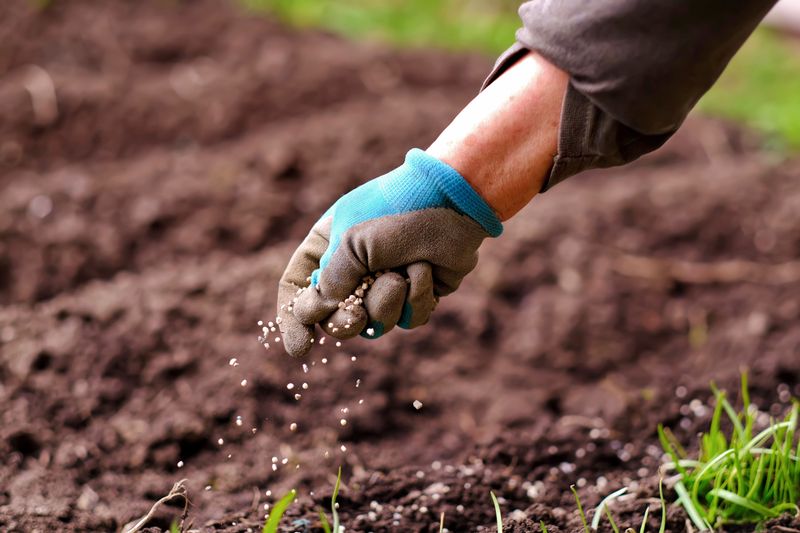
Simple, cheap, and easy to find at any garden center, balanced granular fertilizer is the steady starter for the early season. Equal parts nitrogen, phosphorus, and potassium give young plants a bit of everything.
Work it into the bed before planting or scatter it around transplants, about six inches from the stem. Water the soil first, then water again after applying to prevent burned roots.
Once flowers show up, switch to something lower in nitrogen. A 10-10-10 is excellent for building plants, but it is not the best choice for loading them with fruit.
12. High-Potassium Fertilizer for Cucumbers (5-10-10)
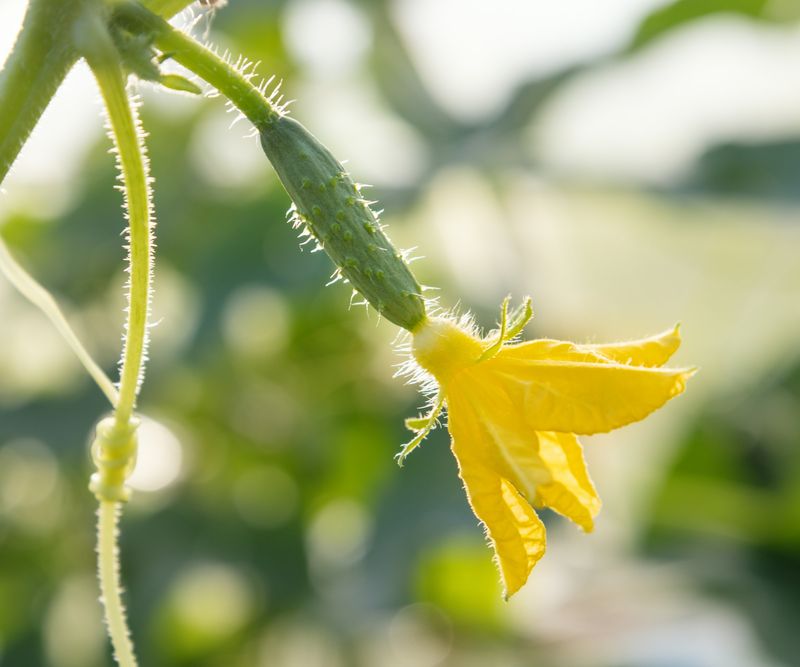
Lots of leaves but barely any cucumbers? Your vines may be eating too much nitrogen and not enough potassium.
A 5-10-10 or 5-10-15 formula shifts energy from vines to flowers and fruit. Start once cucumbers begin blooming and feed every two weeks through harvest.
Cucumbers grow incredibly fast, sometimes gaining inches a day in warm weather. That speed burns through food quickly, which is why steady feeding during fruiting can make such a big difference in how many you pick.
13. Tomato-Specific Fruiting Fertilizer (3-4-6)
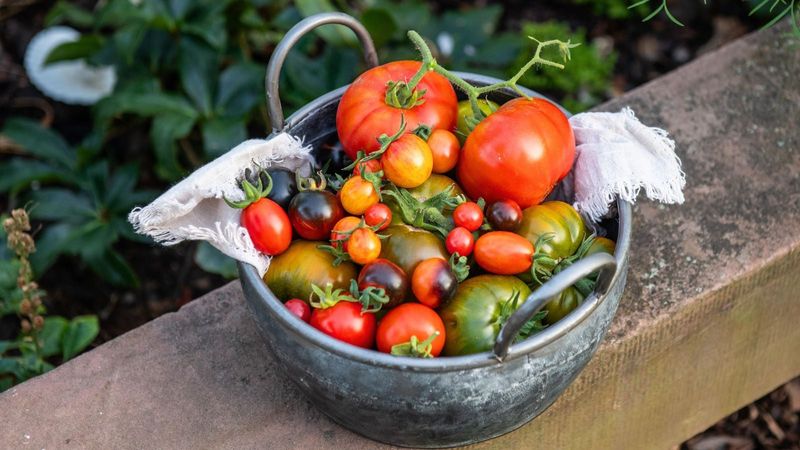
Picture a tomato plant six feet tall with only three fruits on it. Classic case of feeding for leaves instead of tomatoes.
Low-nitrogen, high-potassium formulas like 3-4-6, or stronger mixes such as 4-18-38, tell plants to focus on flowers and fruit. Many gardeners give a tomato feed weekly once the first blossoms open.
Potassium also helps with flavor, firmness, and even ripening. If your fruits ripen with blotchy yellow patches or taste bland, this is the fertilizer to try next season.
14. Water-Soluble Fertilizer
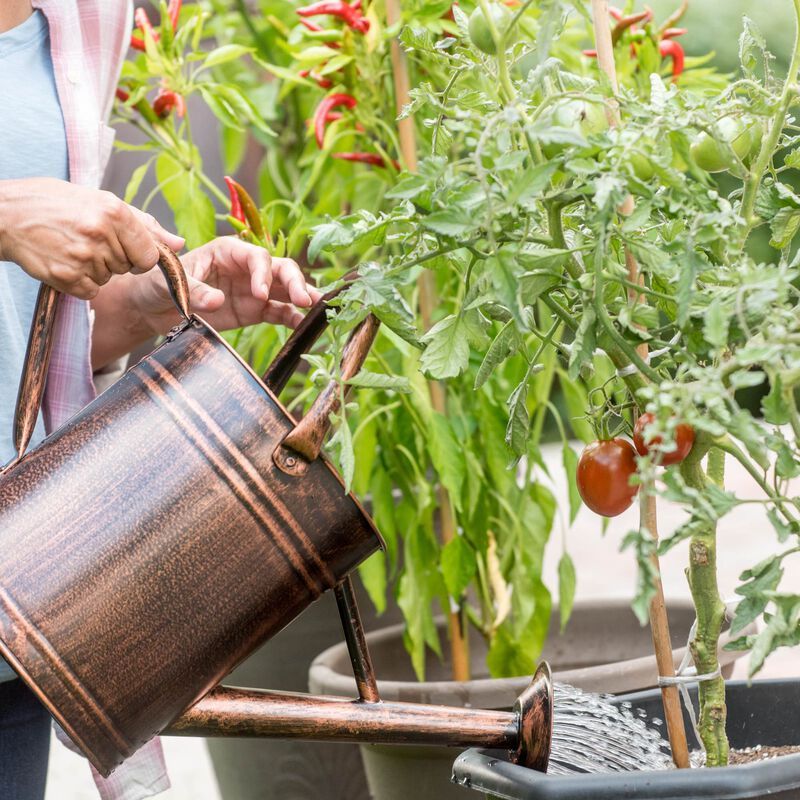
Sometimes plants just look sad, and you need help now rather than in a month. Water-soluble fertilizers, like the popular blue tomato mixes, deliver nutrients roots can take up right away.
Mix by the label and pour at the base every one to two weeks while plants are fruiting heavily. They are especially handy for container tomatoes and cucumbers, which lose nutrients each time you water.
Quick results come with a catch: these feeds wash away fast and do nothing for soil health. Use them as a booster alongside compost, not as a replacement.
15. Organic Tomato & Vegetable Plant Food
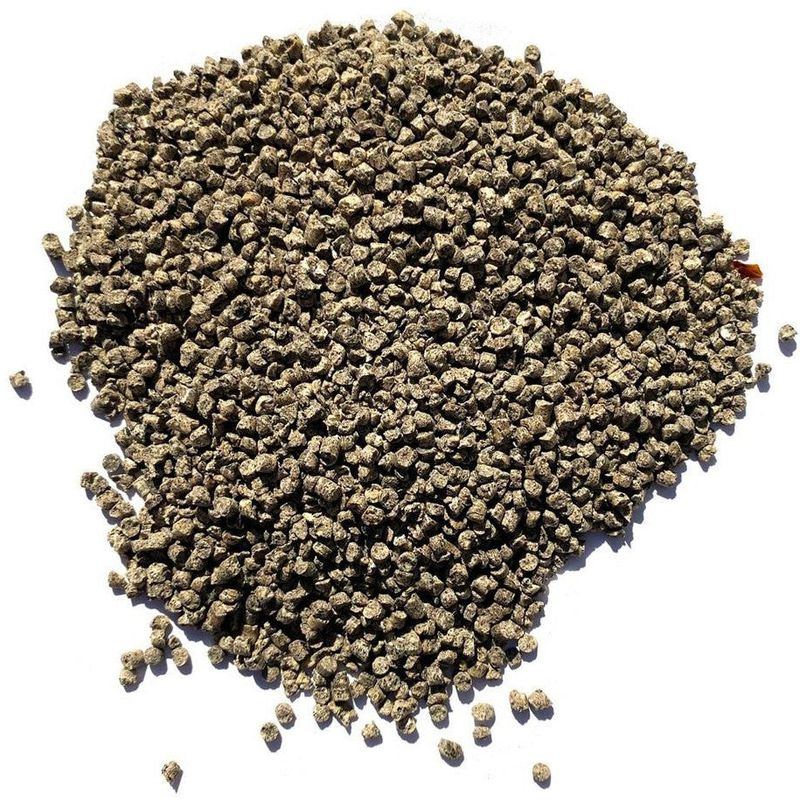
Want something you can scatter and mostly forget? Bagged organic vegetable foods, often around 4-4-4 or 2-5-3, are blended from ingredients like feather meal, bone meal, and kelp.
Microbes break them down gradually, feeding plants for several weeks per application. Mix some into the bed at planting, then side-dress about once a month.
They are a nice middle ground for busy gardeners. You get slow, gentle feeding plus a boost to soil life, without making your own compost tea.
16. Epsom Salt
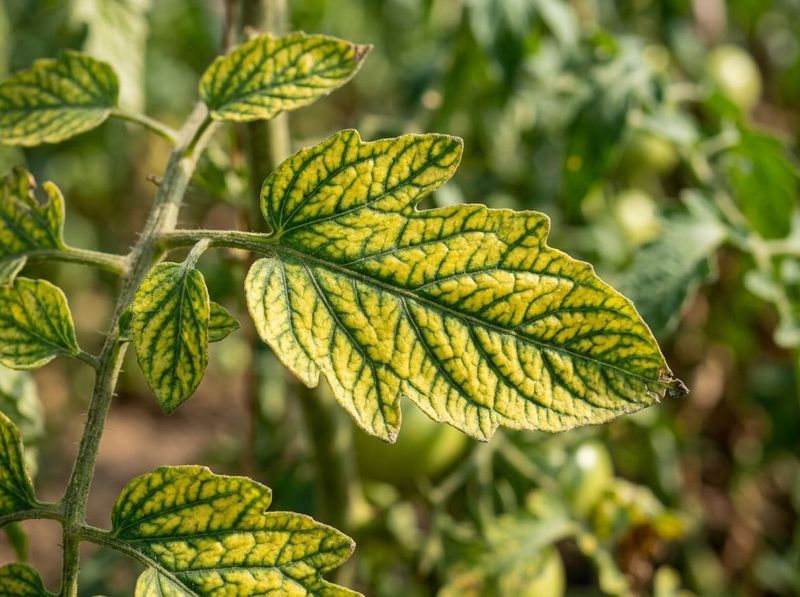
Yellow between the veins of older leaves, while the veins stay green, can point to a magnesium shortage. Epsom salt supplies magnesium, which plants need to make chlorophyll.
One tablespoon dissolved in a gallon of water, given now and then, may help if a deficiency is real. Get a soil test first, though.
Extra magnesium can actually block calcium uptake and make blossom end rot worse. Use it only as a targeted fix, never as a routine dose for tomatoes and cucumbers.