
Chinquapin: The North Carolina Native Shrub or Small Tree With Fall Nuts for People and Wildlife
Some of North Carolina’s best backyard plants are ones that grew here long before our neighborhoods did. Native chinquapin, Castanea pumila, makes edible nuts each fall that people and wildlife both like to eat.
It is a shrub or small tree, and it comes with a few real challenges, like prickly burs and a need for a partner plant. Here is how to decide if it fits your yard.
Chinquapin is a native shrub or small tree
Meet Castanea pumila, the native chinquapin. NC State’s plant profile lists it for the Coastal Plain, Piedmont, and Mountains, so it has a home in every part of the state.
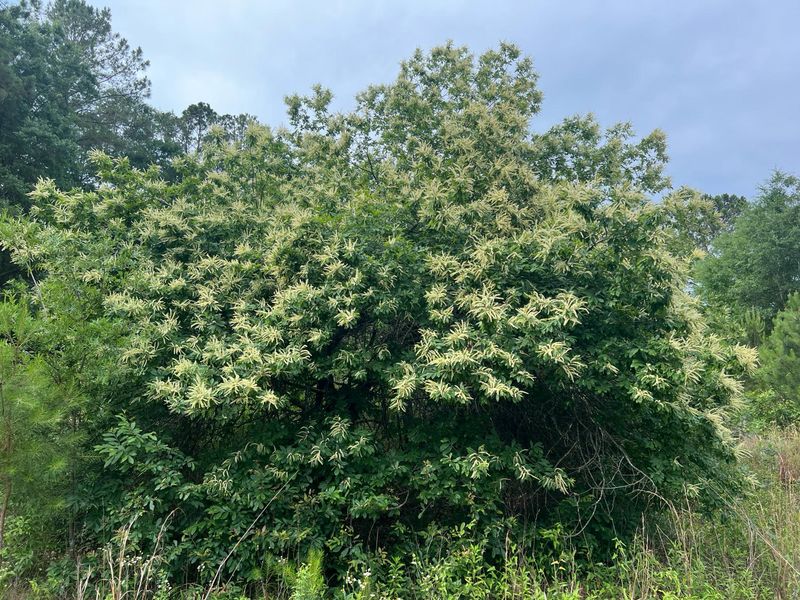
Do not picture a tall, single-trunk shade tree. Chinquapin is a deciduous, multi-stemmed shrub or small tree, and NC State’s tree and nut handbook says it grows more like a shrub than a tree.
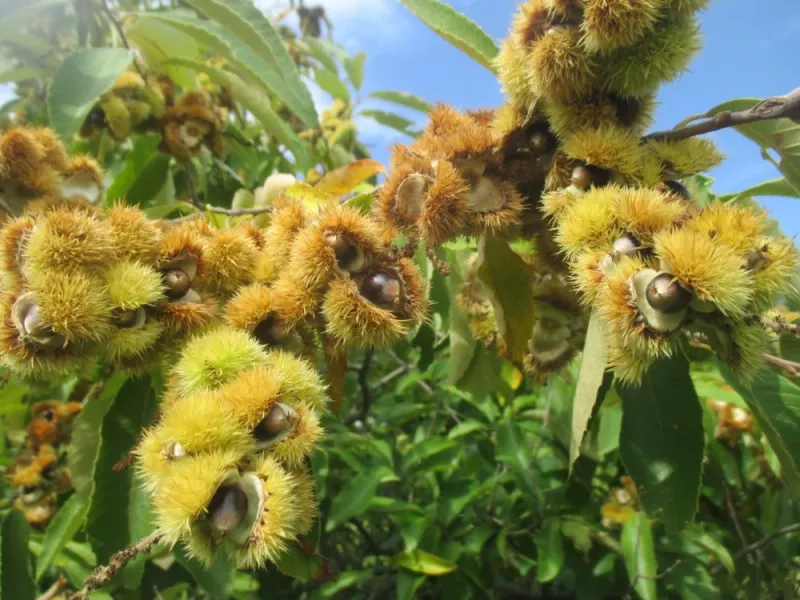
In fall it makes a single shiny brown nut inside a spiny bur.
Using the scientific name matters here. Several different plants go by the common name chinquapin, so Castanea pumila is the reliable way to be sure you are talking about the right one.
Never eat nuts from a plant that you have only identified by that common name.
It also helps to keep chinquapin apart from American hazelnut. American hazelnut is Corylus americana, a different plant that USDA describes as a colony-forming shrub about 1 to 3 meters tall.
NC State’s native plant table lists hazelnut for the Mountains and Piedmont, while chinquapin is listed for all three regions.
This article is about chinquapin only. Both are worthy native nut producers, but they are not interchangeable, and their needs and nuts are different.
Give it room and well-drained soil
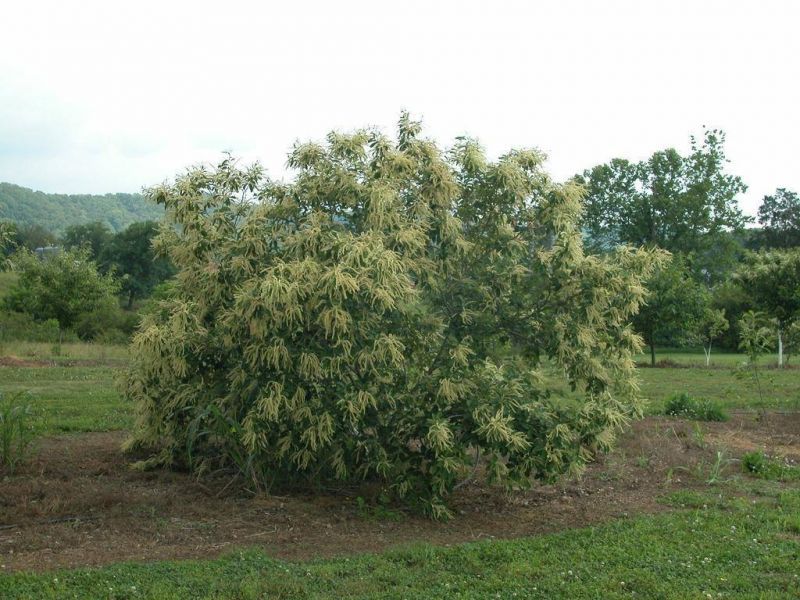
Before you buy anything, walk your yard with a tape measure. NC State gives a typical height of 15 to 30 feet and a width of 10 to 20 feet, which is a lot of plant for a small lot.
Spread is the other thing to plan for. The Forest Service describes chinquapin as rhizomatous, meaning it can send out underground stems and form colonies.
A spot away from the septic line, the driveway edge, and tidy flower beds will save you headaches.
Light and soil narrow the choices fast. NC State recommends full sun to partial shade and dry, acidic-to-neutral, well-drained soil.
A low spot where water stands after a storm is a poor match, while a sandy or gravelly slope in the Piedmont or Coastal Plain may be a better one.
Think about where you want the plant to wander. A back corner, a hedgerow edge, or a wild border near other natives gives it space to spread without crowding walkways.
Choosing the right spot now matters more than any care you give later.
Why one plant may not be enough
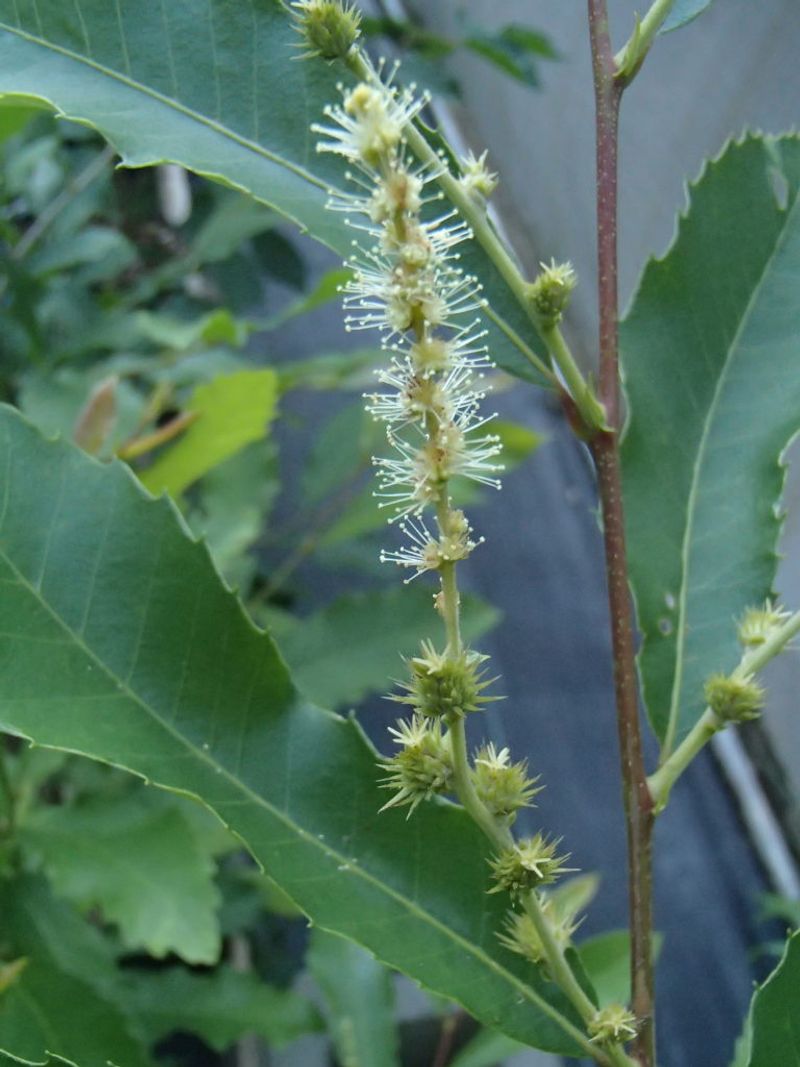
Here is the catch that surprises many gardeners. Chinquapin is wind-pollinated and self-incompatible, so a single plant cannot fertilize itself, according to the Forest Service review.
The practical fix is to plant at least two genetically distinct individuals. Two plants grown from different seeds make a better pair than one plant and a cutting from it, because clones share the same genetics and may not be able to pollinate each other.
Since the pollen travels on the breeze, spacing matters. Keep your plants fairly close together, and think about which way the wind usually blows across your yard.
Remember that chinquapin can spread into colonies, and stems from the same colony are likely the same genetic individual.
A pair of unrelated plants improves the odds of fruit set, but it does not guarantee a crop. Weather, plant health, and wildlife all play a part in whether any nuts are left for you.
Treat the second plant as a good-faith investment, not a promise.
Fall nuts can serve people and wildlife
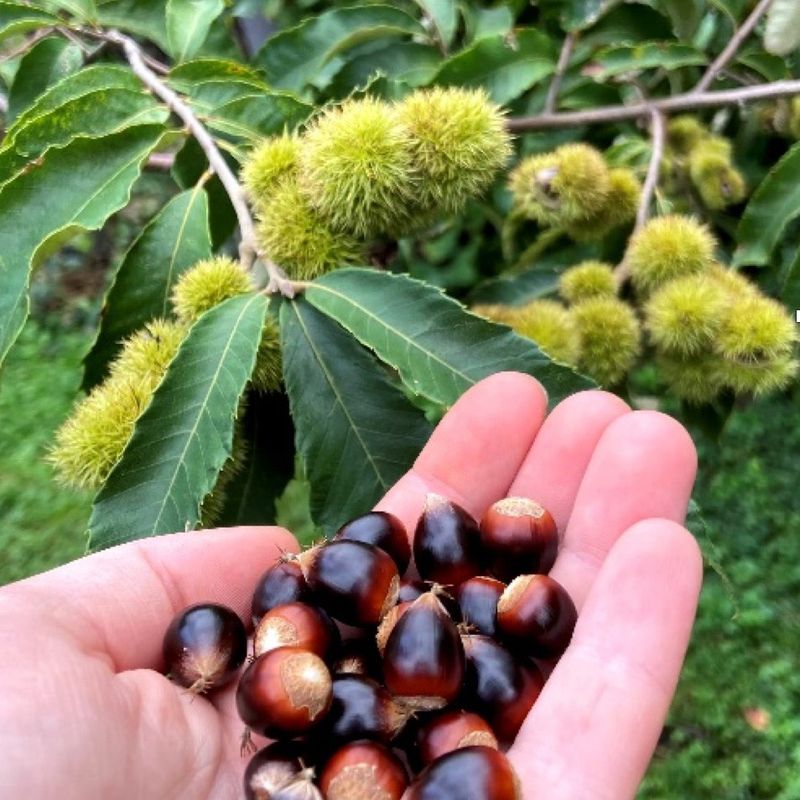
September through November is nut season. The Forest Service reports that chinquapin nuts ripen in that window, and they are described as sweet or palatable.
NC State also lists the nuts as edible, with fall and winter as the harvest and display seasons.
You will not be the only one watching the shrub. Squirrels, chipmunks, opossums, deer, blue jays, and woodpeckers all eat chinquapin nuts, so a patch near your feeder area can add real food for the neighborhood critters.
Do not expect a neat split between your family and the squirrels. Wildlife may take most of what falls, and nobody can promise you an equal share or any share at all.
The Forest Service also cautions that chinquapin is usually not a primary wildlife food, mostly because it occurs scattered across the landscape. In your yard, think of it as a bonus course in a native planting that already feeds birds and mammals, not the main meal.
Prickly burs make gathering a challenge
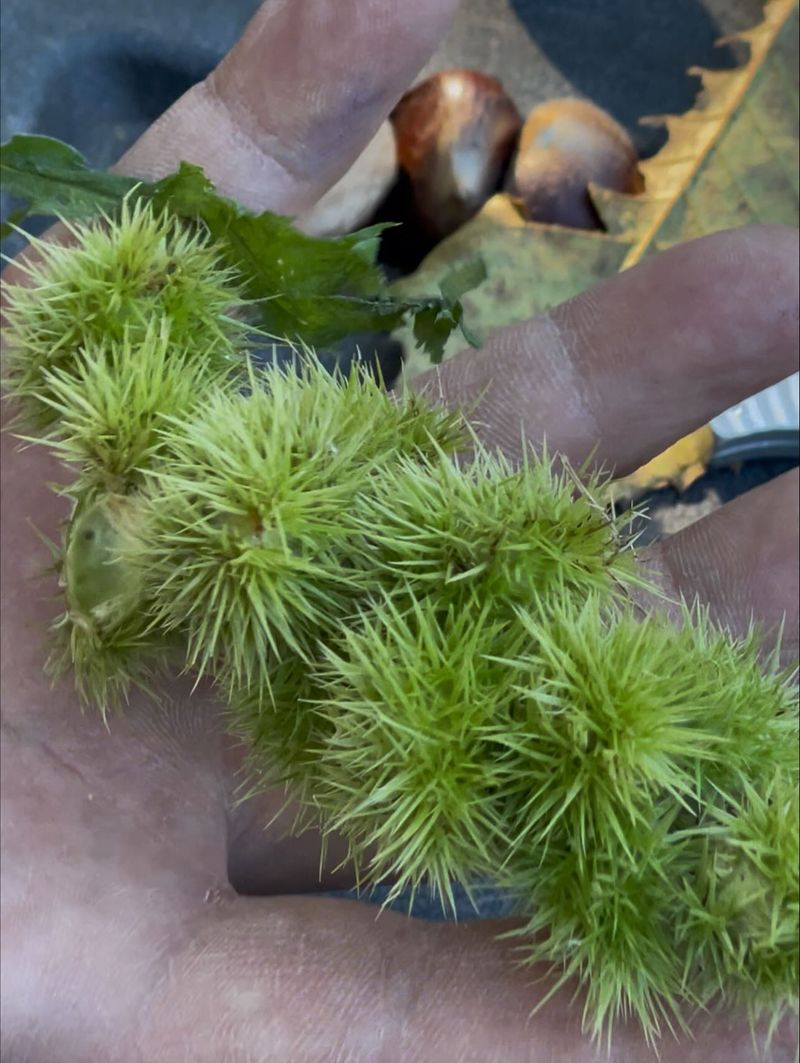
Each chinquapin nut sits alone inside a spiny bur, a bit like a tiny porcupine wrapped around a treat. NC State’s plant profile describes a single shiny brown nut in a spiny bur.
That armor is why gathering is tough. NC State’s gardener handbook notes that the burs make harvesting difficult, so go in with modest hopes.
Sturdy gloves are a sensible precaution when you handle burs, and so is keeping kids and pets clear of the ground under the shrub in fall. Beyond that, no source reviewed lays out a proven home method for harvesting or preparing the nuts, so this article will not invent one.
Remember that squirrels and other wildlife are working the same crop, and they do not mind the spines. If you do find nuts, confirm the plant is Castanea pumila before eating anything.
Some years the best reward may simply be watching who shows up to collect.
Nut production takes time, but decades are not promised
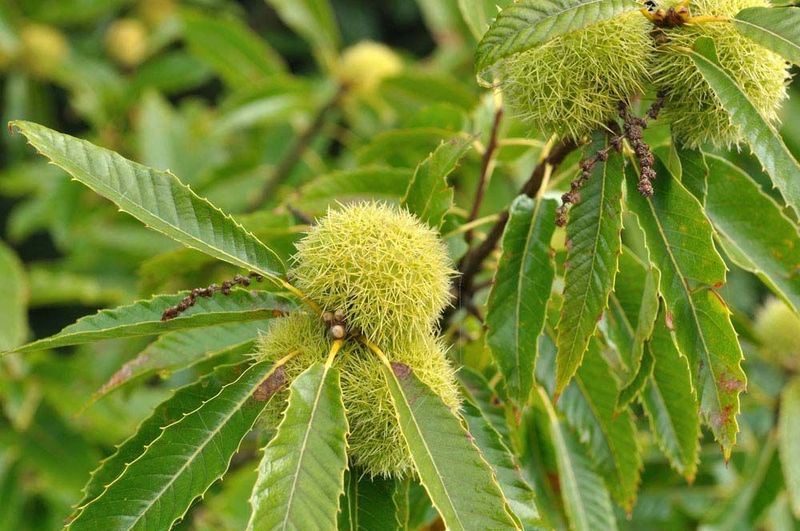
Patience is part of the deal. A Forest Service review reports that seedlings of the ‘Golden’ cultivar may produce nuts in their second or third growing season.
The same report says larger crops did not arrive until the fourth or fifth year. Those numbers describe ‘Golden’ seedlings specifically, so they are not a schedule for every plant or every yard.
A wild-type chinquapin, a plant in shade, or one in poor soil could take longer, and some may never bear much. If you want to track progress, keep a simple notebook with the planting date, the first bur you notice, and the weather that year.
It is also tempting to assume a native shrub will keep producing for decades. The sources reviewed do not give a reliable lifespan or promise uninterrupted nut years, so plan for a few good seasons and be pleasantly surprised by more.
Chinquapin remains vulnerable to chestnut blight
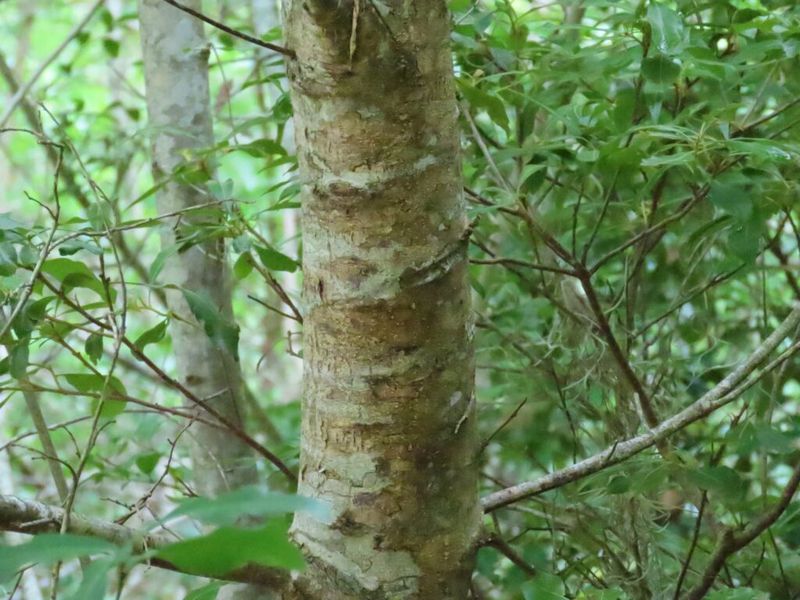
Chinquapin belongs to the same genus as the American chestnut, and that family has a serious disease problem. NC State calls chinquapin moderately resistant to chestnut blight but also reports that the fungus has reduced its numbers.
Reports on how susceptible it is vary widely. The Forest Service review records that range of findings and says blight has reduced some populations.
In plain terms, moderate resistance is not immunity. A plant may survive for a while, resprout from the base, or decline, and you cannot know in advance which will happen in your yard.
To learn more about the disease itself, including what it does to bark and stems, see NC State Extension’s chestnut blight page. Keep an eye on your plants each season, and ask your county Extension office if something looks wrong.
Plant for potential food, not a guaranteed crop
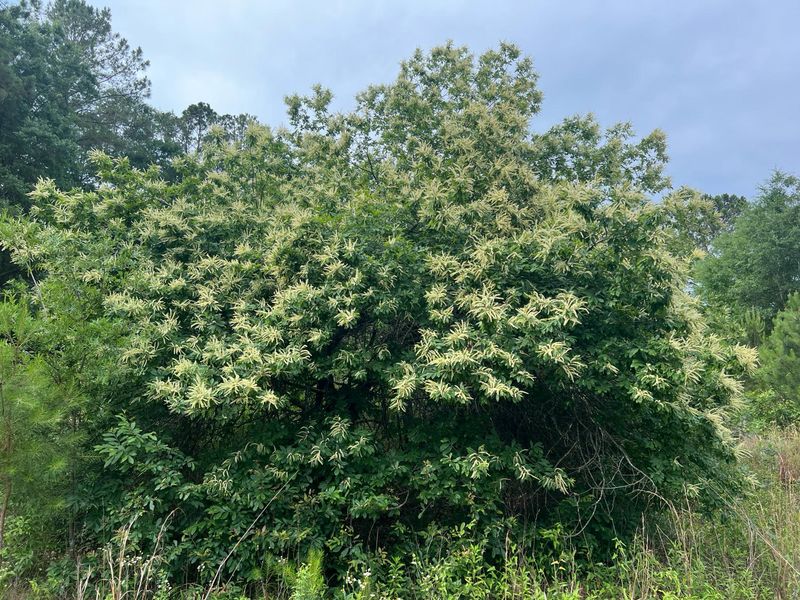
Chinquapin can bring edible fall nuts and real wildlife value to a suitable North Carolina yard. Plan for two unrelated plants, because the Forest Service notes the species needs cross-pollination, and expect wildlife to take their share.
Spiny burs, as NC State’s handbook says, make gathering hard, and long-term production is unknown.
Plant it for the native habitat first, and count any nuts you gather as a bonus.