
13 August Tomato Tips That Work Wonders (And 2 That Are A Total Waste Of Time)
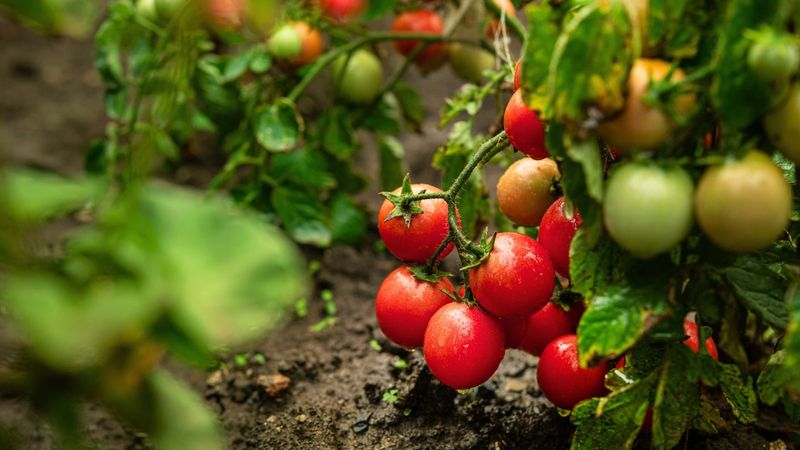
August is make-or-break time for your tomato plants. The heat is intense, the fruit is heavy, and one wrong move can mean split skins, rotten bottoms, or a plant that quits early.
The good news is that a handful of simple habits can keep your tomatoes healthy and pumping out fruit right through the end of summer. Below are 13 tips that actually pay off, plus 2 popular ones that just waste your afternoon.
1. Water Consistently and Deeply
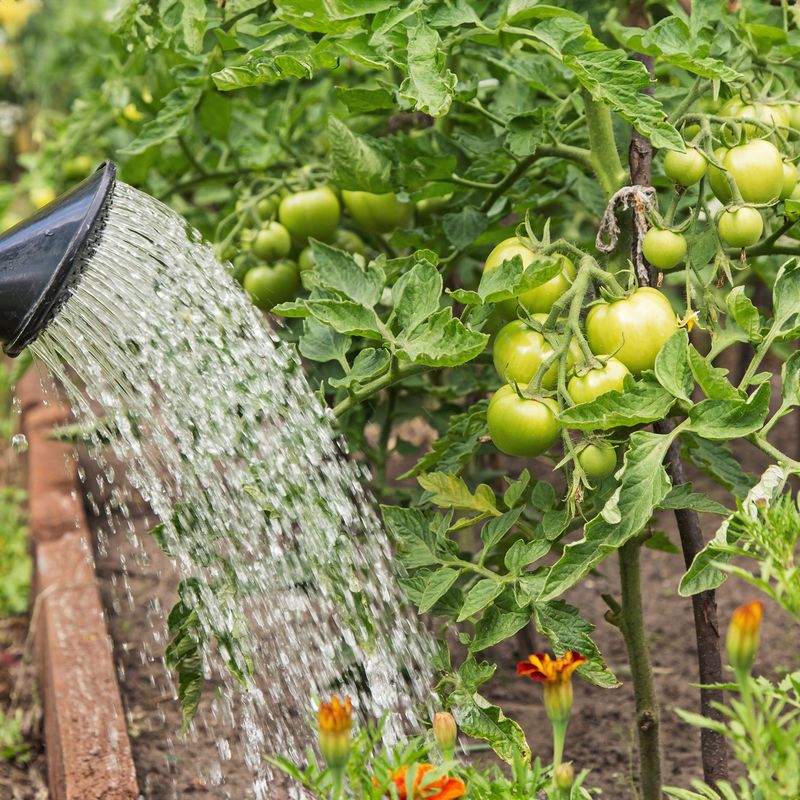
If you only fix one thing this month, make it your watering rhythm. Tomatoes hate surprises, and August is full of them – a scorcher one day, a downpour the next.
When the soil swings from bone-dry to soaked, your fruit responds by splitting or developing that ugly sunken spot on the bottom.
Aim for steady moisture instead of feast-or-famine soakings. Potted tomatoes may need a drink every single day when temperatures climb, since containers dry out fast.
Plants in the ground or in raised beds usually do well with a few deep waterings each week, enough to keep the root zone moist without turning it into a swamp.
Poke a finger a couple inches into the soil before you reach for the hose. If it feels dry down there, water slowly and thoroughly so the moisture reaches deep roots rather than just splashing the surface.
Consistency here quietly prevents half the problems the rest of this list tries to fix.
2. Apply a Generous Layer of Mulch
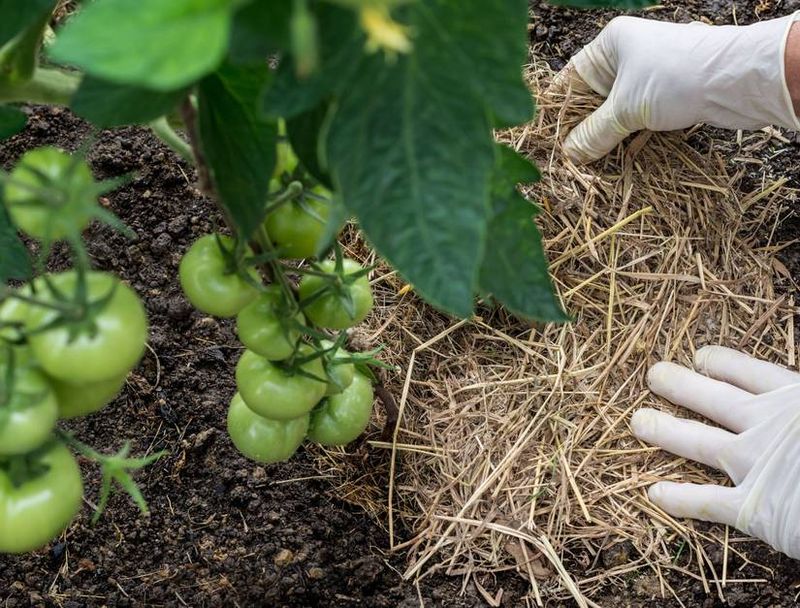
Think of mulch as a comfort blanket for your tomato roots during the hottest stretch of the year. A 2 to 3 inch layer of straw, shredded leaves, or dried grass clippings spread around the base does a surprising amount of heavy lifting.
The main win is moisture control. Mulch slows evaporation so the soil stays evenly damp between waterings, which directly cuts down on the wet-dry swings that cause cracking and blossom end rot.
It also keeps root-zone temperatures from spiking during afternoon heat waves.
Weeds get smothered as a bonus, so your tomatoes stop competing for water and nutrients. Keep the mulch pulled back an inch or so from the main stem to avoid trapping moisture against it.
Once it is down, you will notice your plants sailing through hot days that used to leave them drooping by noon.
3. Prune Dead or Diseased Lower Leaves
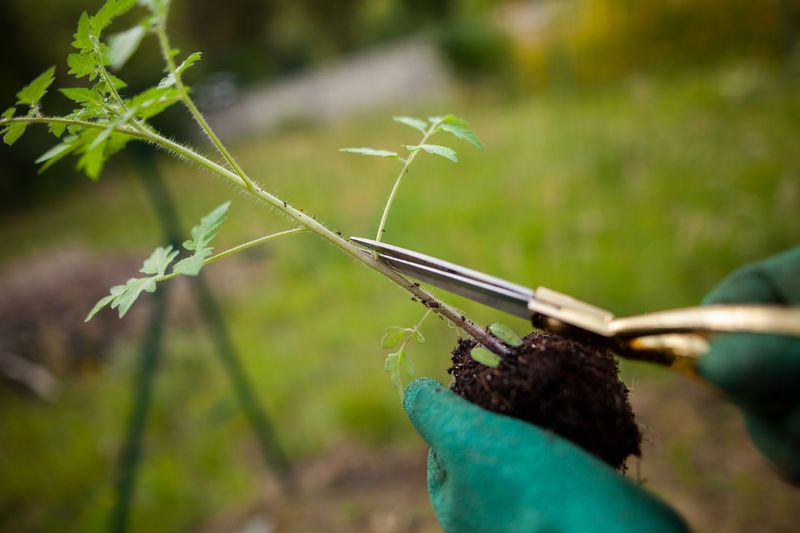
Yellowing, spotted, or crispy leaves near the bottom of the plant are not doing you any favors. Those lower leaves often touch the soil, where fungal spores splash up and settle in, so leaving them there is basically handing disease an invitation.
Grab a clean pair of snips and remove any damaged, dead, or diseased foliage as you spot it. Better airflow through the middle of the plant means leaves dry faster after rain or dew, and that alone discourages a lot of common tomato problems.
For tall indeterminate varieties, you can gradually strip the lower leaves up to about the halfway point as harvest season peaks. Doing this lets sunlight reach the ripening fruit and keeps the plant’s energy focused higher up where it counts.
Just avoid going overboard, because leaves still have an important job to do further up the vine.
4. Provide Adequate Plant Support
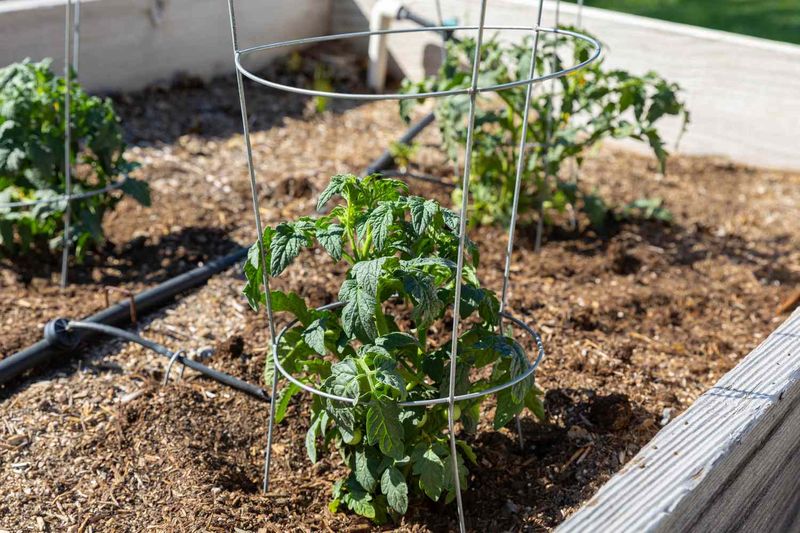
By August, your tomato plants are carrying real weight, and gravity is not on their side. Branches loaded with fruit will flop, snap, or bend right down to the dirt if nothing is holding them up.
Sturdy cages, stakes, or a trellis keep everything upright and off the ground. That matters for more than tidiness – fruit resting on soil invites rot, slugs, and other pests looking for an easy meal.
Keeping the plant elevated also improves airflow and makes harvesting a whole lot easier on your back.
Good support can even shield fruit from the worst of the afternoon sun by keeping foliage positioned to cast a little shade. If your cages are looking overwhelmed, add an extra stake or tie up the heaviest limbs with soft plant ties.
A few minutes of reinforcement now saves you from finding a cracked, broken branch after the next storm.
5. Fertilize with the Right Nutrients, if Necessary
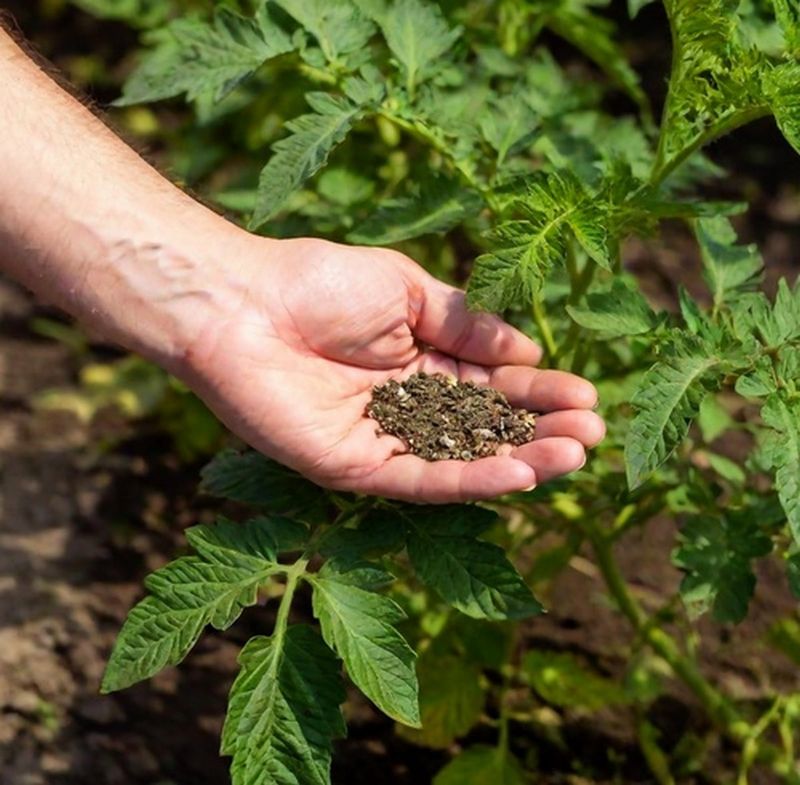
Tomatoes eat like teenagers, and a mid-season boost can help – but only the right kind. If your plants show small fruit, yellowing lower leaves, or dropping blossoms, they may be telling you they are running low on fuel, especially in containers where nutrients wash out quickly.
The trick in August is switching your focus. Reach for a low-nitrogen fertilizer that is rich in phosphorus and potassium, which nudges the plant toward developing and ripening fruit instead of pushing out more leafy growth you do not need this late.
Ease off the intensity as the month goes on. Starting around mid-August, gradually reduce the strength of your feed so the plant naturally shifts its energy toward finishing the fruit it already has.
Feeding smart, not just feeding more, is what separates a strong late-season harvest from a jungle of leaves with little to show for it.
6. Actively Monitor and Control Pests
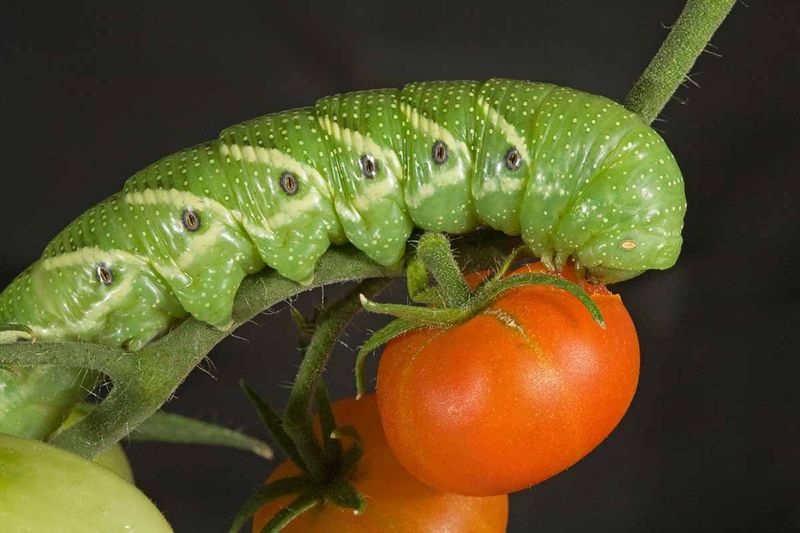
Late summer is basically a buffet for garden pests, and your tomatoes are on the menu. Aphids cluster on tender new growth, hornworms can strip a plant nearly bare overnight, and cutworms lurk near the soil line waiting to do damage.
Make a habit of flipping leaves and scanning stems every few days. Hornworms are big enough to handpick, so pluck them off and relocate them far from the garden.
For soft-bodied aphids, a firm blast of water from the hose knocks them loose without any chemicals.
Catching trouble early is the whole game here. A small aphid colony is easy to handle, while an ignored one balloons into a real problem within a week.
Quick, regular check-ins mean you spend a minute now instead of mourning a chewed-up plant later.
7. Address Blossom End Rot Effectively
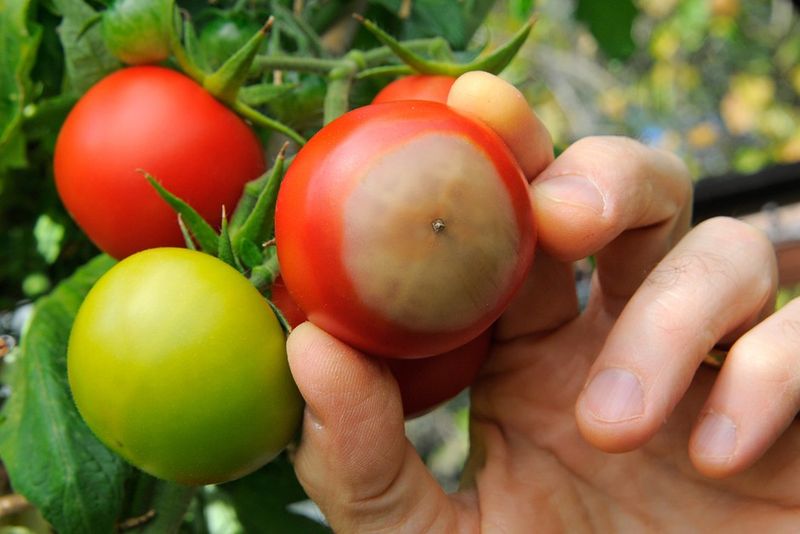
Few things are as disappointing as flipping over a beautiful tomato to find a dark, sunken, leathery patch on the bottom. That is blossom end rot, and gardeners often chase the wrong cure for it.
The real culprit is usually inconsistent watering, not a lack of calcium in your soil. When moisture levels bounce around, the plant cannot move calcium into the developing fruit even when there is plenty in the ground.
Dumping more calcium on top rarely fixes anything.
Steady, even watering is your best defense, which is exactly why consistency keeps coming up on this list. Pull off any affected fruit so the plant can redirect its energy toward healthy tomatoes instead of wasting it on the damaged ones.
Once your watering evens out, new fruit typically comes in clean.
8. Harvest Regularly and at the Breaker Stage
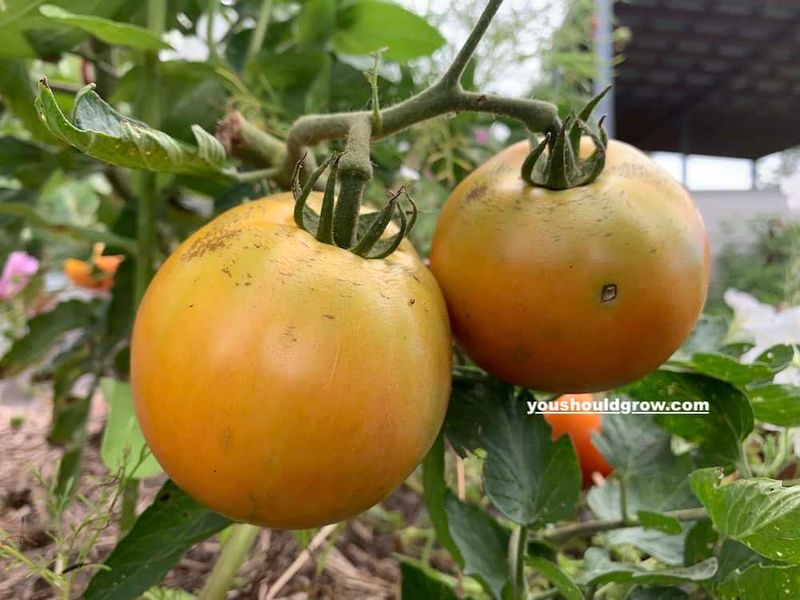
Here is a little secret: picking tomatoes actually makes your plant produce more of them. When you keep harvesting, the plant keeps setting flowers and pushing out new fruit instead of pouring everything into a few overripe stragglers.
You do not even have to wait for full, dead-ripe color. Many varieties do beautifully when picked at the breaker stage, meaning they are about 40 to 60 percent colored up.
Bring them indoors to finish ripening in a cool, shaded spot on the counter.
Harvesting a touch early has real advantages in August. Fruit left on the vine during heat and heavy rain is far more likely to crack or get discovered by pests and birds first.
Ripening a few days indoors gives you the same great flavor with a lot less loss.
9. Strategically Top Indeterminate Vines in Colder Climates
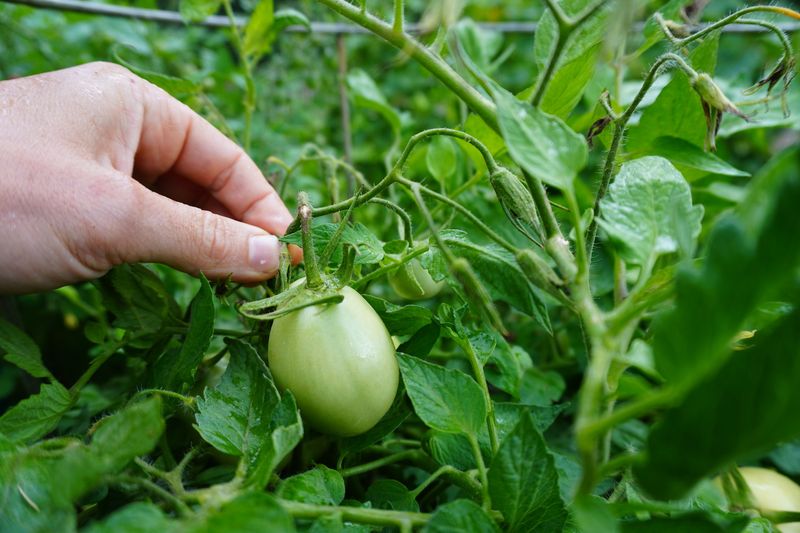
Gardeners in short-season regions face a ticking clock as August winds down. Frost is not far off, and tall indeterminate vines will happily keep growing new tips that will never have time to produce ripe fruit.
Topping is the fix. You simply cut off the main growing tip along with any new flowers or tiny green tomatoes near the top.
It feels a little brutal the first time you do it, but there is method to the madness.
By removing that upward growth, you force the plant to stop chasing new fruit and instead funnel all its energy into ripening the tomatoes already on the vine. In cooler northern gardens, this simple cut can be the difference between a bowl of ripe tomatoes and a bucket of green ones when frost arrives.
Warm-climate growers can skip it entirely.
10. Remove New Flowers and Small Fruits in Colder Climates
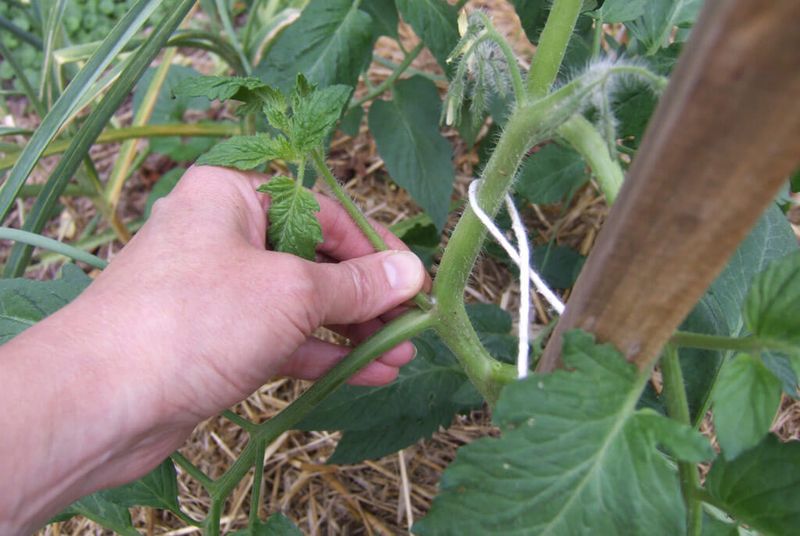
Once you have topped your plants up north, there is a companion move worth making. Any fresh flowers or very small green fruits appearing late in August simply will not have enough warm days left to mature before autumn frost shuts things down.
Pinching those late arrivals off might feel wasteful, but they are quietly stealing resources. Every bit of sugar and energy a plant spends on a tomato that can never ripen is energy taken away from the fruit that actually has a shot.
Clearing the hopeless newcomers lets the plant concentrate on sizing up and coloring the larger tomatoes already set. You end up with better-quality fruit and a plant that is not spread thin trying to finish everything at once.
Gardeners in warmer states with long autumns can leave those flowers be and keep harvesting later.
11. Provide Temporary Shade During Extreme Heat
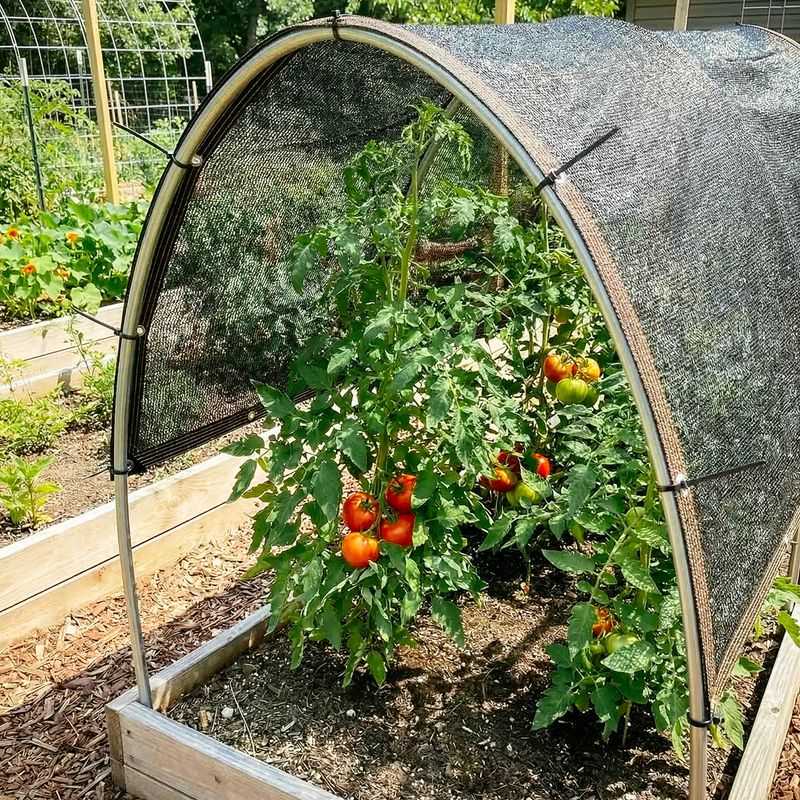
Tomatoes love sun, but there is such a thing as too much of a good thing during an August heat wave. Blistering afternoon rays can scorch fruit with sunscald, leaving pale, papery, sunken white patches, and extreme heat can even stop the plant from setting new fruit altogether.
A little temporary relief goes a long way. Draping shade cloth that blocks around 30 to 40 percent of the light over your plants during the hottest part of the day takes the edge off without starving them of energy.
The shade does double duty by helping the soil hold moisture longer, so your watering stretches further. You do not need anything fancy – an old sheet on stakes or a simple cloth clipped to your cages works fine.
Pull it off once the heat wave breaks and let your plants soak up the sun again.
12. Water at the Base of the Plant in the Morning
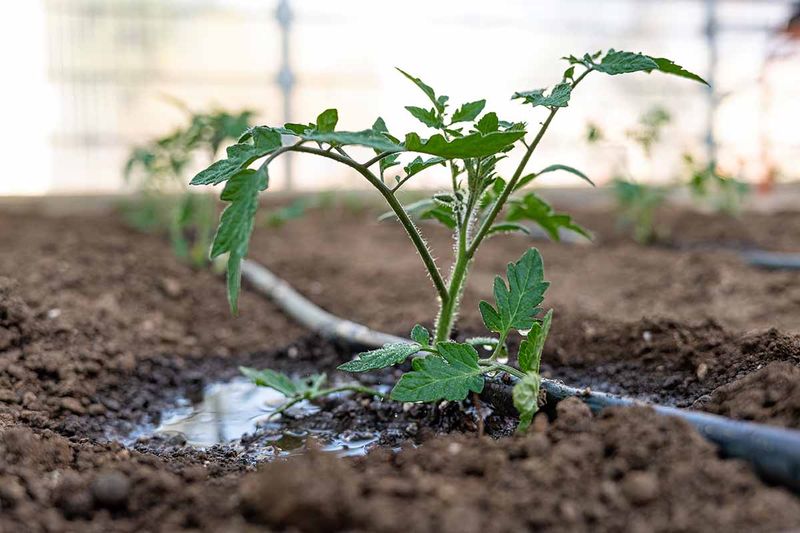
How and when you water matters just as much as how much. Fungal diseases love wet leaves, so spraying your tomatoes overhead in the evening is like setting the table for problems that thrive in damp, cool conditions overnight.
Direct your water down at the base of the plant where the roots are, keeping the foliage as dry as you can. Morning is the sweet spot for timing.
Any stray droplets that do land on leaves get plenty of daylight and warmth to dry off quickly.
Pathogens simply have a harder time getting a foothold on dry leaves in a well-aired plant. Pairing this small change with consistent, deep watering gives you the best of both worlds: hydrated roots and foliage that stays healthy.
It is one of those tweaks that costs nothing and pays off all season.
13. Gradually Rehydrate Dry Soil Before Expected Heavy Rain
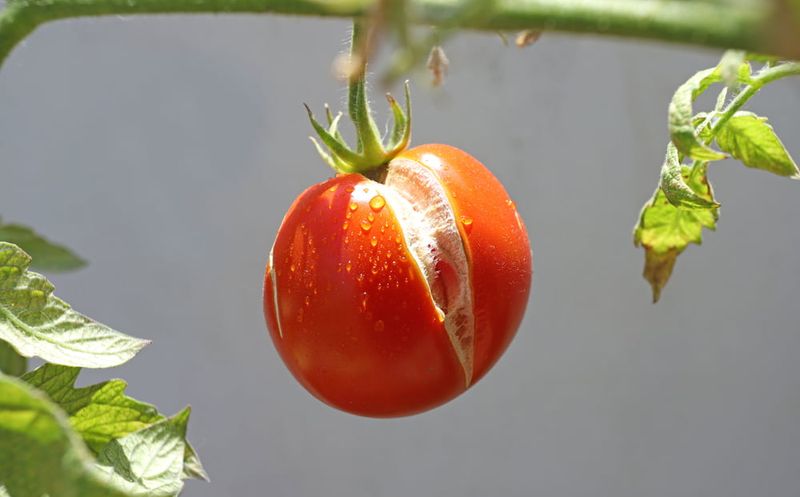
Picture this common August heartbreak: your plants go through a dry spell, then a big rainstorm rolls in and suddenly your gorgeous tomatoes are splitting wide open. The culprit is a sudden flood of water rushing into thirsty fruit that expands faster than its skin can handle.
You can head this off with a little forecasting. When you know heavy rain is on the way after a dry stretch, start reintroducing water gradually over a couple of days beforehand.
Easing the soil back to a moist state means the fruit is not desperately gulping water the moment the storm hits. That slow, steady approach keeps skins from stretching too quickly and cracking.
It takes a bit of planning, but checking the weather and adjusting your watering can save you a whole harvest of split tomatoes.
14. Aggressively Over-Pruning Upper Leaves to Sun-Ripen Fruit
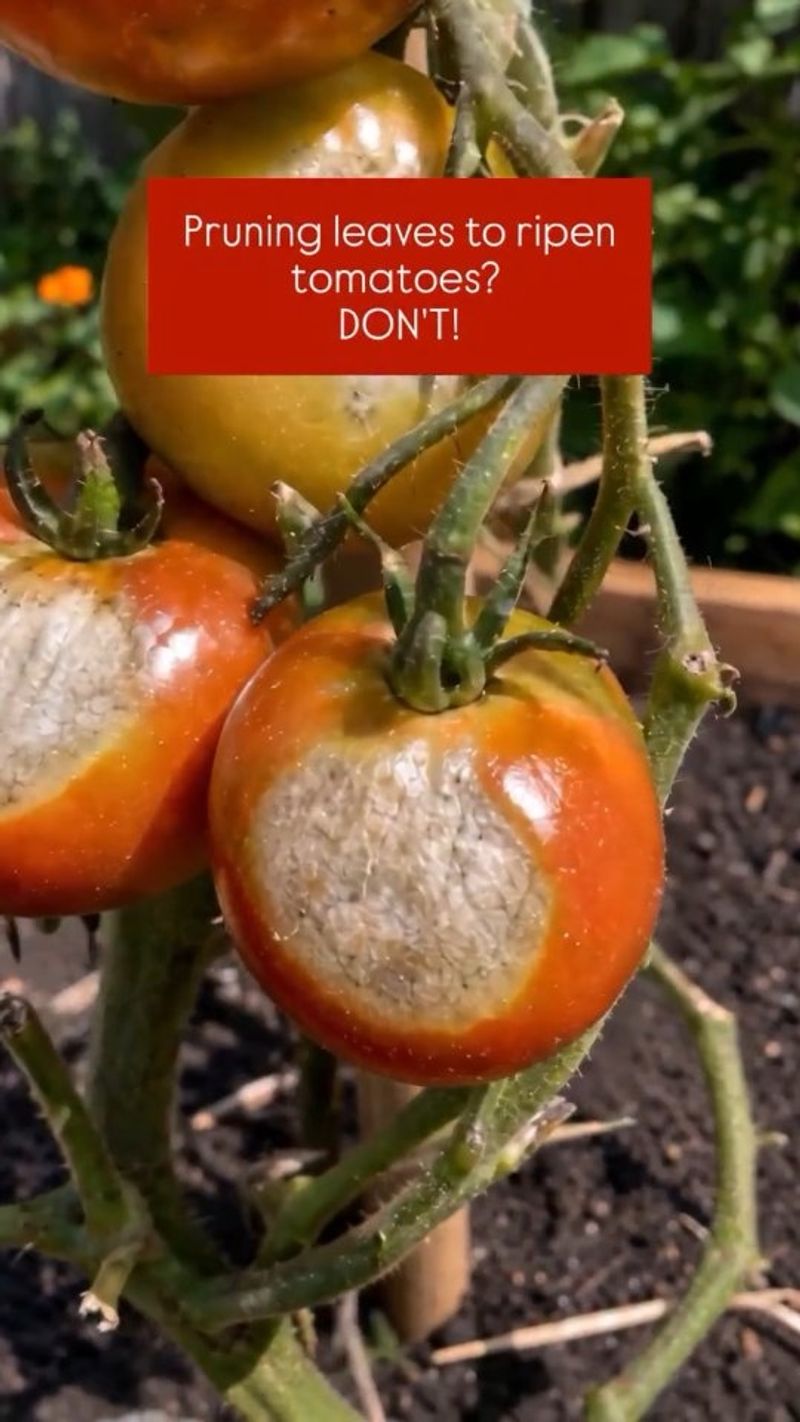
Now for the first big waste of time, and it is a stubborn myth. Plenty of gardeners strip away the upper leaves believing that blasting the fruit with direct sunlight will speed up ripening.
It sounds logical, but it backfires.
Tomatoes do not actually need sun hitting the fruit to ripen; that job is handled by internal processes and temperature. What those upper leaves really do is shield the fruit from harsh rays and run the photosynthesis that produces the sugars behind good tomato flavor.
Rip too many off and you invite sunscald, those ugly white leathery patches, while also robbing the plant of energy. Over-pruned plants can stall, sulk, and hand you baked, bland fruit instead of the sweet, juicy tomatoes you were after.
Leave the upper canopy alone and let those leaves earn their keep.
15. Continuously Applying High-Nitrogen Fertilizer in August
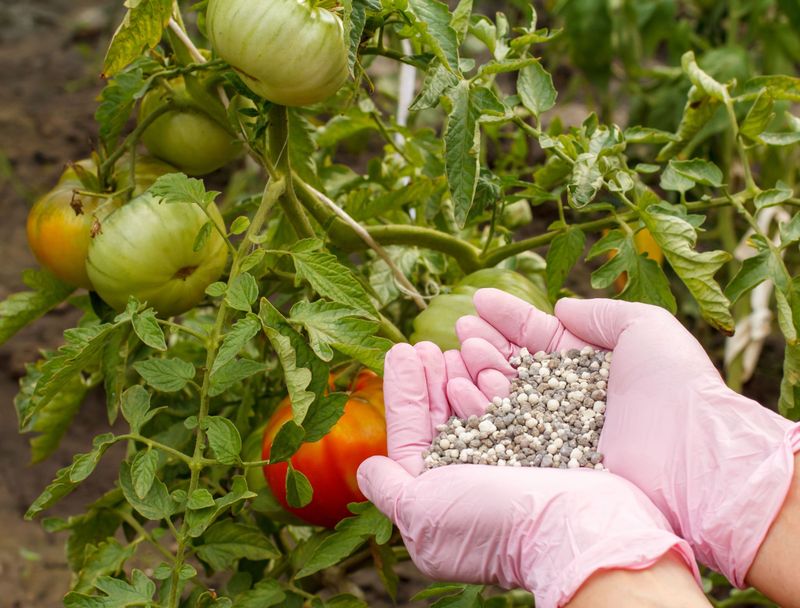
Rounding out the wasted effort is the urge to keep pouring on the same high-nitrogen fertilizer you used back in spring. In August, this does more harm than good, even though feeding feels productive.
Nitrogen is the growth nutrient, and dosing your plants with it late in the season screams grow more leaves rather than ripen fruit. All that lush green foliage looks impressive but pulls energy straight away from the tomatoes you actually want to eat.
The result is a smaller, later harvest full of watery, flavorless fruit that never quite develops its sugars. By this point in the year your plants should be finishing, not sprinting to grow taller.
Swap over to a fertilizer higher in potassium and phosphorus if you feed at all, and let the plant put its remaining energy into flavor and ripening.