
15 Reasons Your Potted Hydrangeas Are Wilting-And How To Bring Them Roaring Back
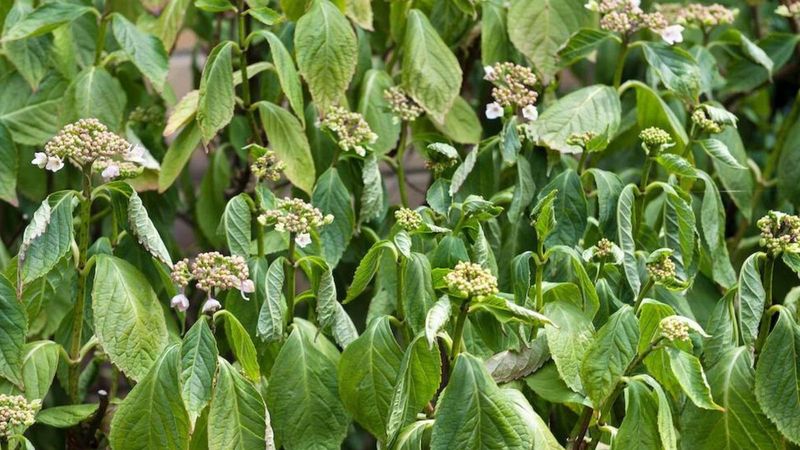
A droopy hydrangea in a pot can make your whole porch look sad, even when the blooms are still trying their best. The tricky part is that wilting isn’t always about thirst, so grabbing the watering can might actually make things worse. Once you learn to read the small clues your plant leaves behind, the fix is usually simpler than you think. Let’s walk through the fifteen most common reasons your container hydrangea is sulking, and exactly how to help it bounce back full and happy.
1. The Pot Is Too Small for the Root Ball
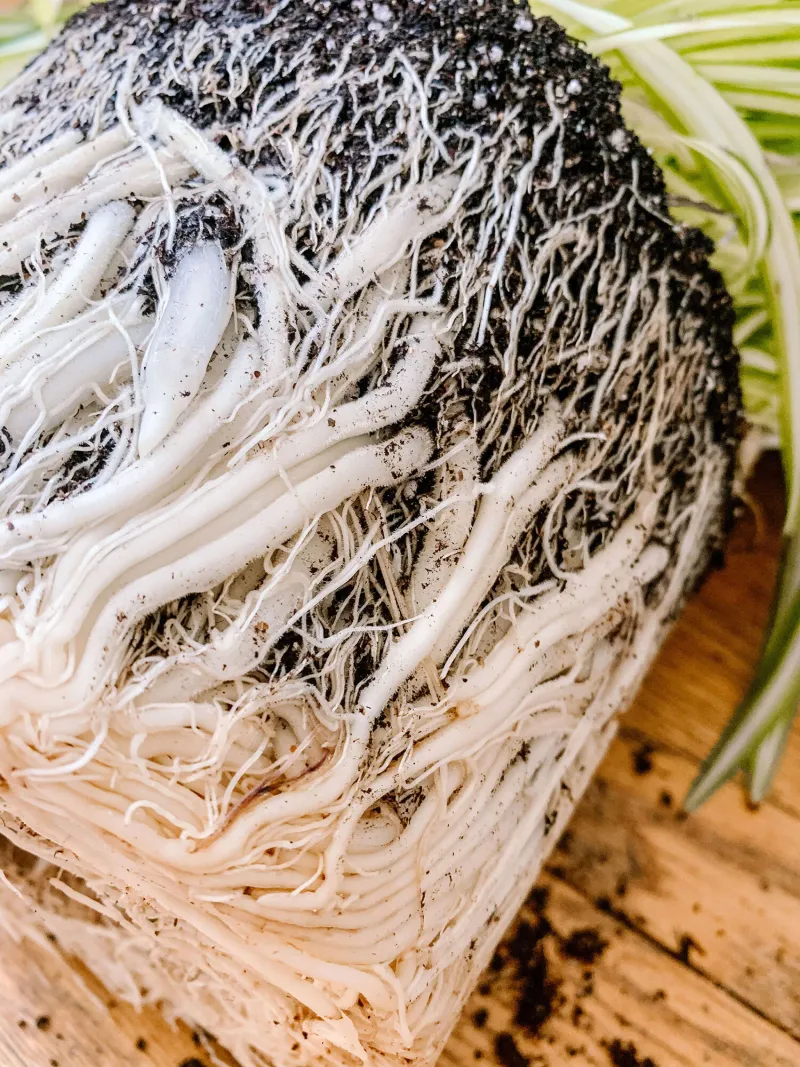
Picture a grown adult trying to sleep in a toddler bed, and you’ve basically got a root-bound hydrangea. When roots circle the inside of a cramped pot, they run out of room to grab water and food, so the plant droops even when the soil looks damp.
Slide the plant out and check the roots. If you see a dense, tangled web wrapped around the shape of the container, it’s time to size up. Move it into a pot that’s two to three inches wider in diameter, tease the outer roots loose with your fingers, and backfill with fresh mix.
Bigger is not automatically better here, though. Jumping to a giant pot can leave too much soggy soil around a small root system, which invites rot. A modest upgrade gives the roots breathing room without drowning them.
2. Your Watering Rhythm Is All Over the Place
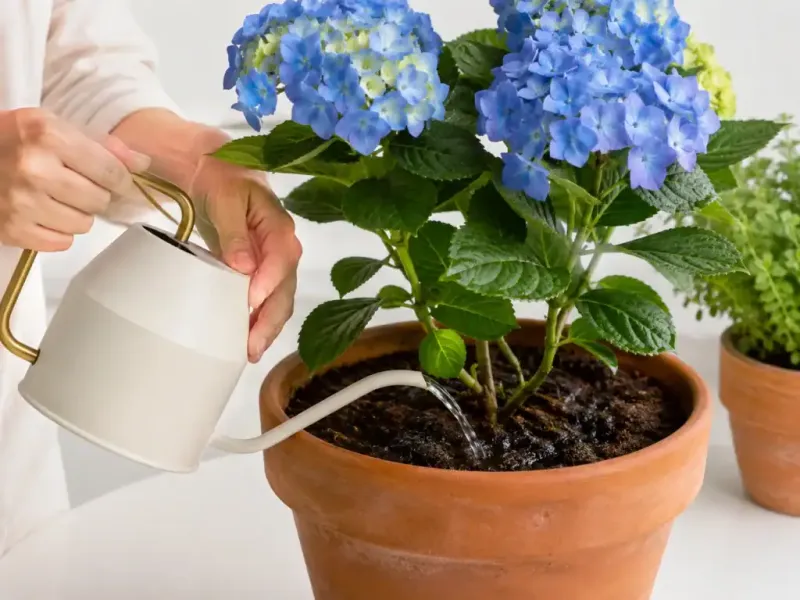
Hydrangeas are famous drama queens about moisture, and inconsistent watering is their favorite thing to complain about. A pattern of bone-dry soil followed by a sudden flood stresses the roots and shows up as wilting leaves within hours.
Stick your finger two inches into the soil each morning. If it feels dry at your fingertip, water slowly until it drains from the bottom holes. If it still feels cool and damp, wait and check again later.
During hot summer stretches, container hydrangeas may need a drink every single day, while in mild weeks they might go two or three days. Learning your specific plant’s thirst, rather than watering on autopilot, is what smooths out those daily droop-and-recover cycles.
3. The Afternoon Sun Is Cooking the Leaves
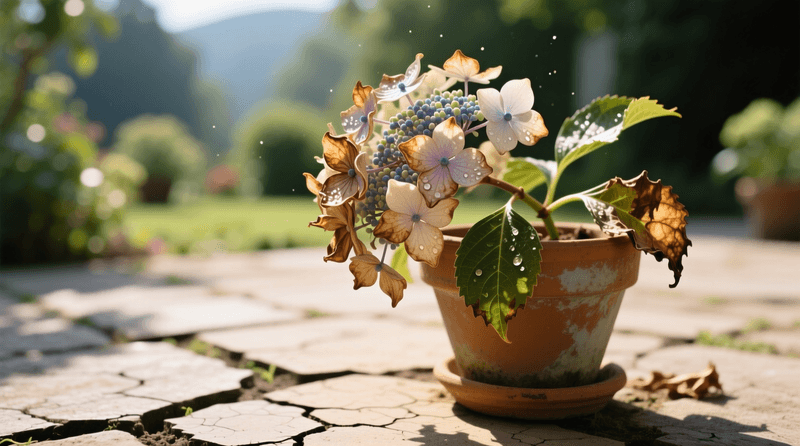
Ever notice your hydrangea looks perky at breakfast and completely flattened by three in the afternoon? Blazing direct sun is often the culprit, especially when a dark pot heats up and bakes the roots inside like an oven.
Most bigleaf and mophead hydrangeas want gentle morning light and a break from harsh afternoon rays. A spot that catches the eastern sun and then falls into shade after noon usually keeps them relaxed and hydrated.
If moving the pot isn’t practical, you can shade it with a nearby chair, a taller plant, or a light cloth during the worst hours. Wrapping the container itself in a lighter-colored sleeve or grouping pots together also keeps the root zone cooler, which cuts down on that dramatic midday flop.
4. Drainage Holes Are Clogged or Missing
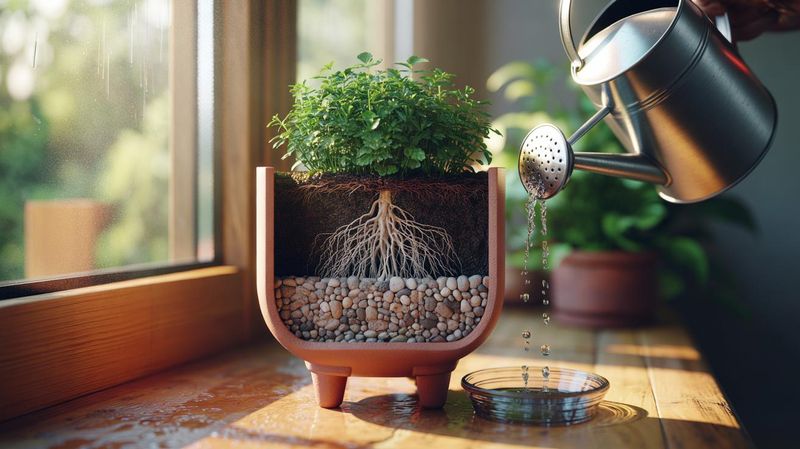
Here’s a sneaky one that fools a lot of well-meaning gardeners: the plant wilts, so you water more, but the real problem is water that can’t escape. Roots sitting in a swampy pot suffocate, and suffocating roots can’t lift water to the leaves, so the top wilts even though the bottom is drowning.
Tip the pot and look for holes. If there are none, drill some. If they’re there but plugged with compacted soil, roots, or a saucer full of standing water, clear them out and dump the saucer after every watering.
A layer of coarse material near the base and a chunky, well-draining potting mix help water move through instead of pooling. When drainage flows freely, roots get the oxygen they need and the wilting often reverses within a day or two.
5. The Potting Mix Has Gone Hydrophobic
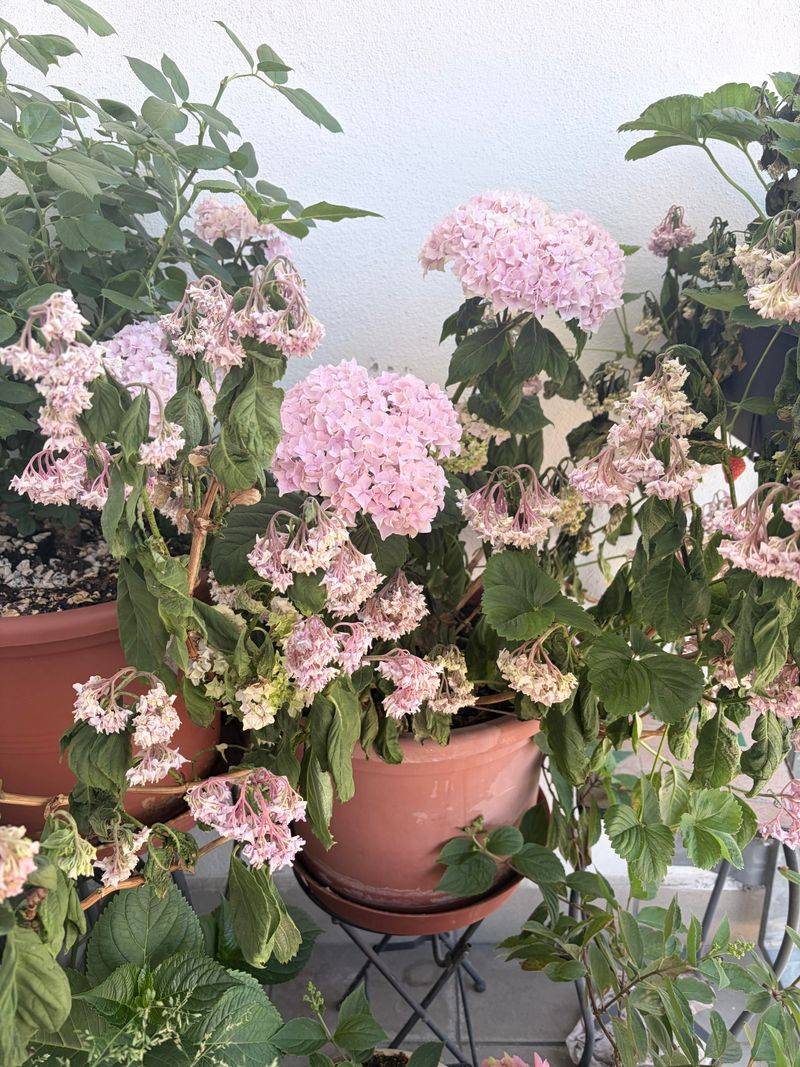
Old, peat-heavy soil that has fully dried out can turn weirdly waterproof. When you pour water on, it beads up and runs straight down the sides and out the bottom, leaving the root ball in the middle bone dry while you swear you just watered it.
To test, water your pot and watch. If it drains suspiciously fast and the soil in the center is still dusty, you’ve got a hydrophobic mix on your hands.
The fix is a slow soak. Set the whole pot in a tub or bucket of water and let it sit for twenty to thirty minutes so moisture can seep back in from the bottom up. Adding a bit of compost or a splash of a wetting agent to the surface also helps future waterings actually reach the roots.
6. Transplant Shock After a Recent Repotting
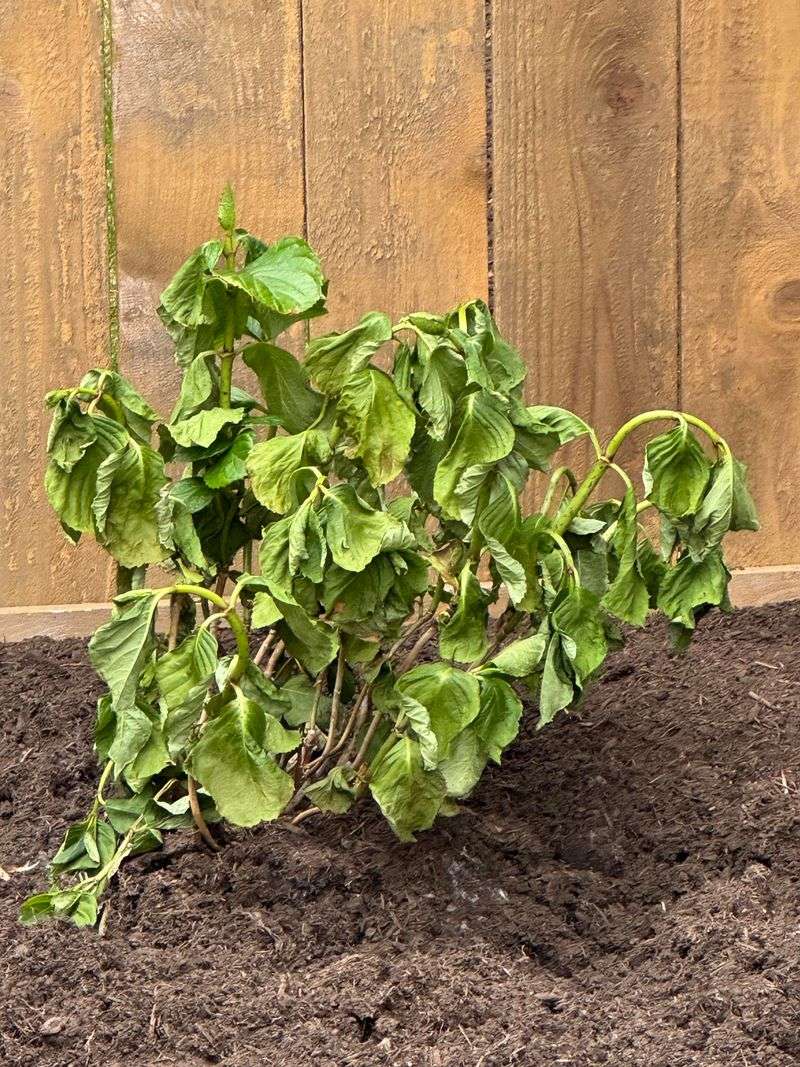
Just moved your hydrangea into a new home and now it looks like it’s giving up? Don’t panic yet. Roots that get disturbed during repotting temporarily lose their grip on water, and a big flop in the first few days is a very normal complaint.
The best thing you can do is resist the urge to fuss. Water it well once, set it in bright shade out of harsh sun and wind, and leave it alone for a week.
Skip the fertilizer during this recovery window, since fresh feed on stressed roots can burn them. Most hydrangeas perk back up as new feeder roots establish, and within a week or two you’ll usually see the leaves firm up and the plant settle into its container.
7. Wind Is Stealing Moisture Faster Than Roots Can Replace It
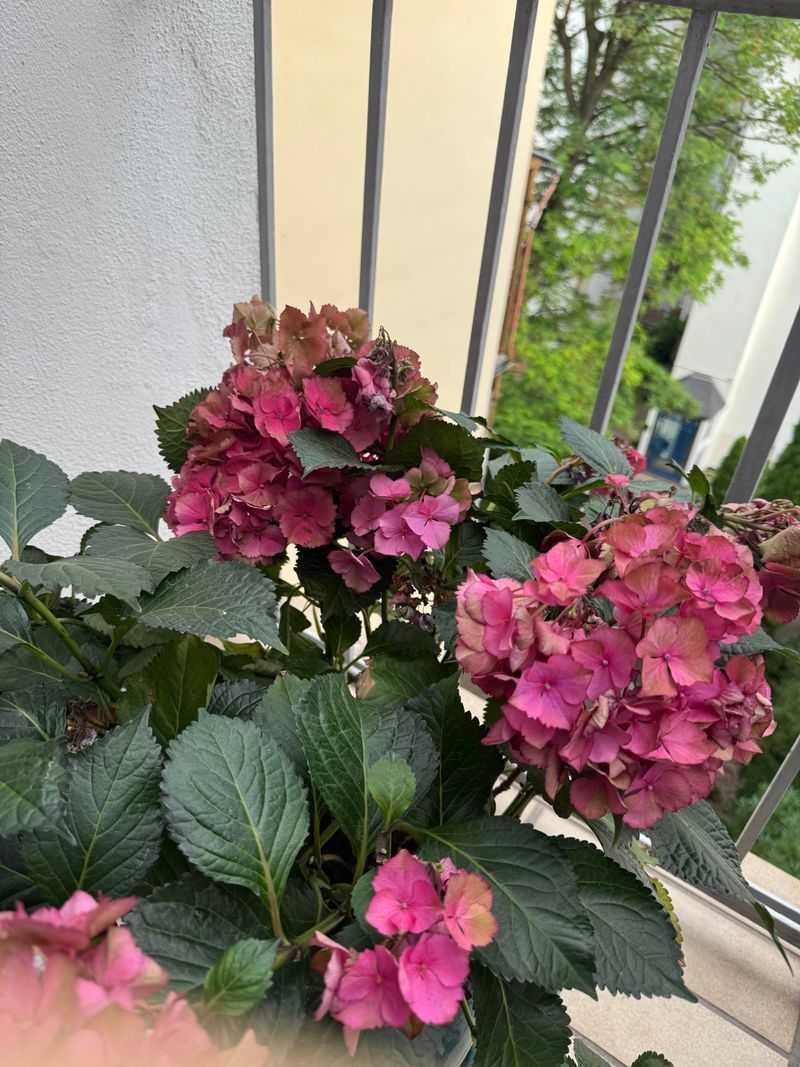
A breezy balcony or an exposed corner of the deck can dry out a hydrangea shockingly fast. Wind pulls moisture off those big, thin leaves quicker than the roots can pump it back up, and the result is a plant that wilts even in mild temperatures.
Big leaves are basically the whole reason hydrangeas struggle in exposed spots. Their large surface area is beautiful, but it loses water like a sail loses shape in a gust.
Tuck the pot against a wall, a fence, or a cluster of other containers that block the prevailing wind. A more sheltered pocket in your yard cuts down evaporation dramatically, and you’ll often find the same plant needs far less water once it’s out of the constant draft.
8. You’re Feeding It Too Much Fertilizer
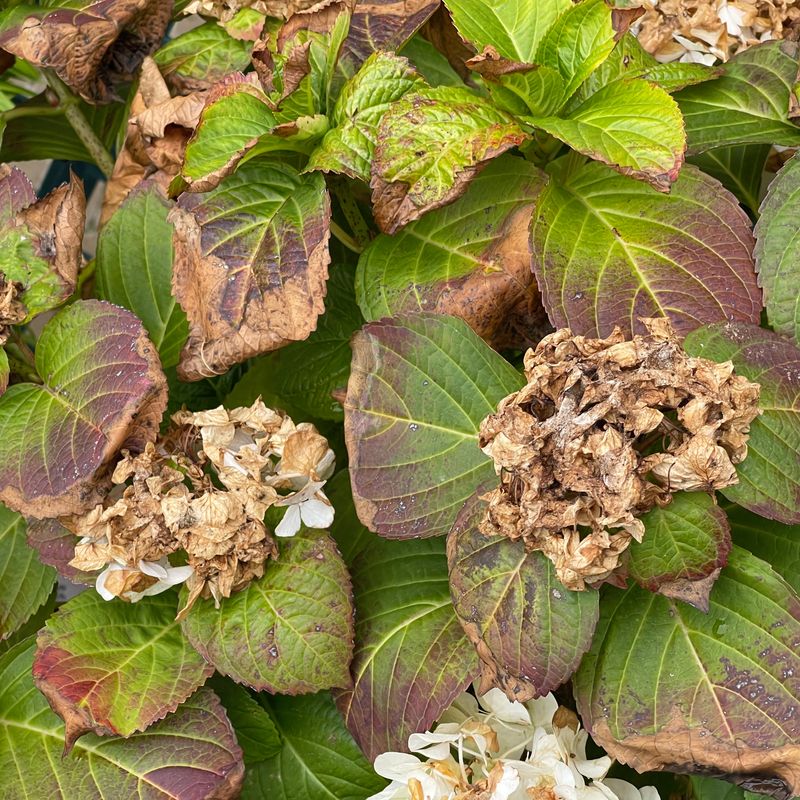
More food does not equal more flowers, and hydrangeas will happily prove it. Overdoing the fertilizer builds up salts in the soil that pull water away from the roots, a cruel little trick that leaves the plant thirsty in soggy soil.
Watch for scorched, brown leaf edges alongside the wilting, plus maybe a white crust on the soil surface or pot rim. Those are classic signs you’ve been a little too generous with the plant food.
Flush the pot by running plenty of plain water through it several times to rinse out the excess salts. Going forward, feed lightly with a slow-release or diluted fertilizer during the growing season only, and always water the plant before you feed so the roots aren’t drinking concentrated stuff on an empty stomach.
9. Root Rot From Chronically Soggy Conditions
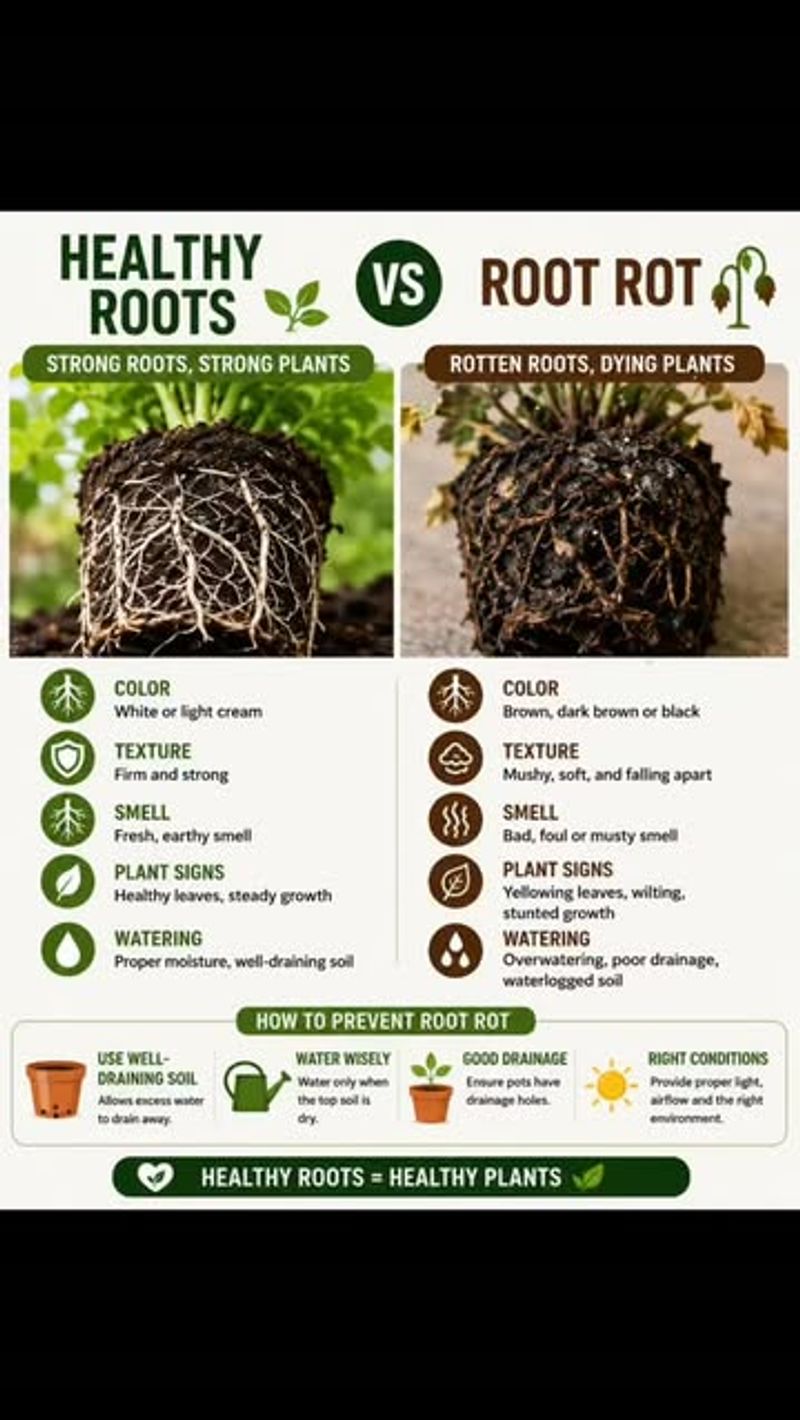
When wilting sticks around no matter how carefully you water, and the soil always feels wet, root rot may have moved in. Constantly waterlogged roots turn brown and mushy, and rotten roots simply can’t do their job of feeding the leaves.
Gently lift the plant and sniff the roots. Healthy roots are firm and pale with an earthy smell, while rotting ones are dark, slimy, and sour.
Trim away any mushy roots with clean scissors, rinse off the old sludgy soil, and repot into fresh, well-draining mix in a clean container. Then ease way back on watering while the plant rebuilds. Catching rot early gives your hydrangea a real shot at a full comeback.
10. The Pot Is a Heat Trap in Dark Material
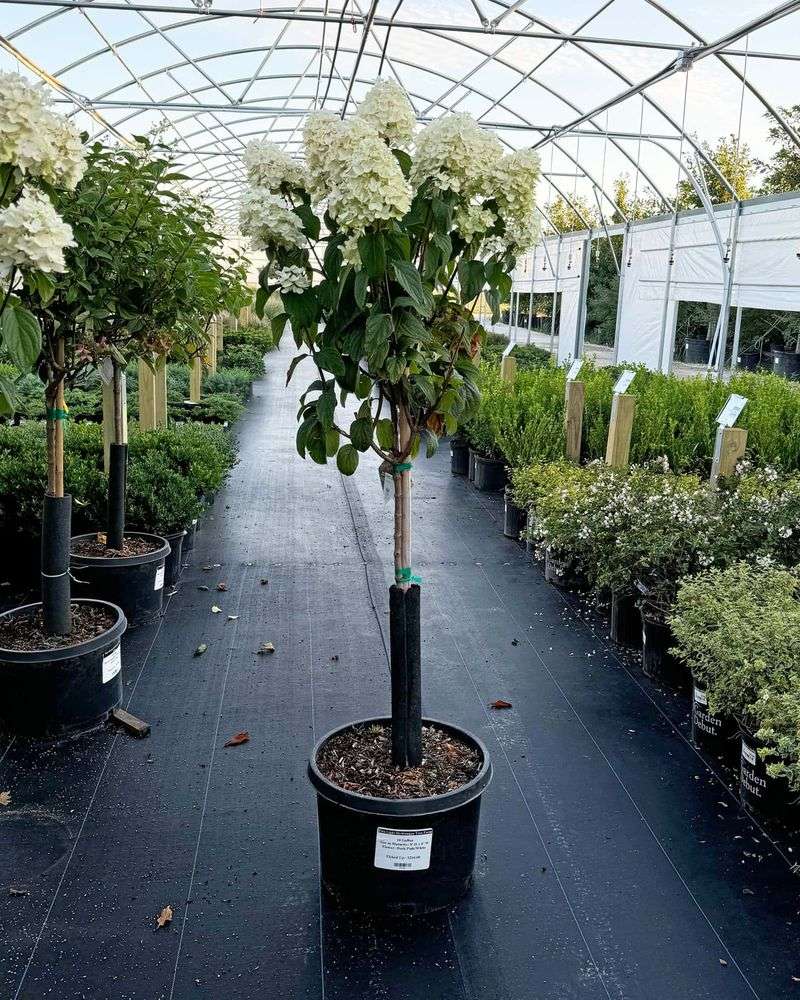
Black plastic and dark metal pots look sleek, but under summer sun they turn into little ovens. Root-zone temperatures can climb high enough to stress the plant, and heat-shocked roots respond by letting the whole plant sag.
Slip your hand against a dark pot on a hot afternoon and you’ll feel the problem instantly. That warmth is soaking straight into the soil where the roots live.
Switch to a lighter-colored, thicker-walled, or glazed ceramic container that stays cooler, or double-pot by nesting the grower pot inside a bigger decorative one with an air gap. Even setting the pot up on feet so air can circulate underneath helps shed some of that trapped heat and keeps roots comfortable.
11. Reading the Leaves Wrong and Overwatering a Natural Midday Flop
Not every droop is a distress signal. On very hot afternoons, healthy hydrangeas sometimes let their leaves sag on purpose to reduce water loss, then bounce back on their own once the sun dips. This is called wilting to conserve, and it’s totally normal.
The tell is timing and recovery. If the plant looks fine in the cool morning, flops at peak heat, and perks up again by evening without any watering, the soil is probably fine.
Rushing to water this natural rhythm every afternoon can tip you straight into soggy-soil trouble. Before you reach for the hose, check the soil moisture with your finger. Dry means water; still damp means your plant is just being dramatic and will recover on its own.
12. Spider Mites and Aphids Draining the Plant
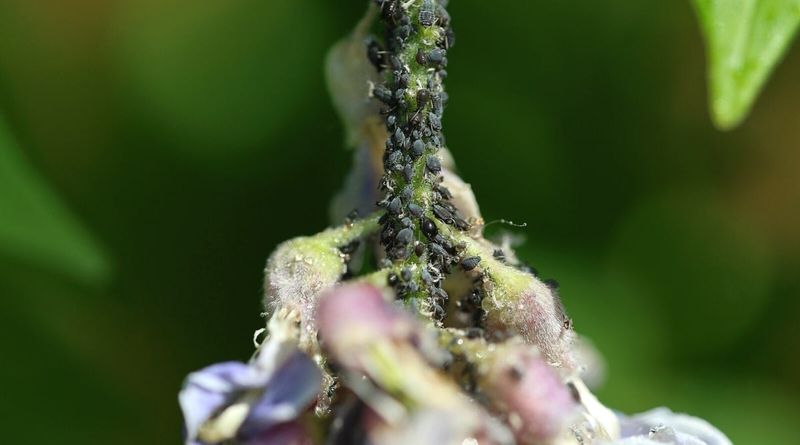
Tiny pests can bleed a hydrangea dry from the underside where you rarely look. Spider mites and aphids pierce the leaves and sip sap, and a heavy feeding session leaves the foliage speckled, sticky, and limp.
Flip a few leaves and inspect the backs. Fine webbing and pinprick yellow dots point to spider mites, which love hot, dry container conditions, while clusters of soft green or black bugs mean aphids.
A strong spray of water knocks many of them off, and insecticidal soap or neem oil applied to the undersides can help bring the population down. Certain scents like rosemary, mint, and marigolds planted nearby may also help deter aphids from settling in. Rinse the leaves regularly and the plant usually firms right back up.
13. Cold Snaps and Sudden Temperature Swings

Warmth isn’t the only thing that makes hydrangeas flop. A surprise late-spring cold night or a chilly draft can shock tender new growth, and cold-damaged leaves go limp and darken almost overnight.
Containers are especially vulnerable because the roots sit above ground with far less insulation than plants tucked into garden soil. What a mild bed shrugs off, a pot really feels.
When a cold night is forecast, move the pot into a garage or against the house, or drape it loosely with a frost cloth or old sheet. During the day, uncover it and let it warm gradually. Protecting your hydrangea from those sharp swings keeps the leaves firm and prevents that sad, blackened wilt.
14. Chlorine and Hard Tap Water Buildup
The water straight from your hose might be quietly working against you. Heavily chlorinated or very hard tap water can leave mineral deposits in container soil over time, and that buildup makes it harder for roots to absorb moisture properly.
You may spot chalky white residue on the soil or pot, along with leaves that yellow and wilt despite a faithful watering routine. Containers show this faster than garden beds because there’s nowhere for the salts to wash away to.
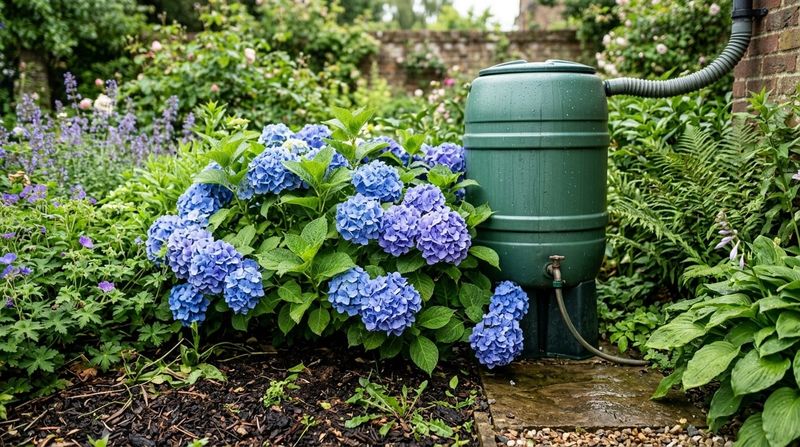
Letting tap water sit out overnight allows some chlorine to dissipate, and collecting rainwater in a barrel gives your hydrangea a softer, cleaner drink. Flushing the pot thoroughly with extra water now and then also rinses accumulated minerals down and out through the drainage holes.
15. It Never Got Time to Harden Off
A hydrangea that spent its early life in a cozy greenhouse or garden-center tent is basically a plant that’s never seen the real world. Move it straight outdoors into full conditions and the sudden shock of sun, wind, and temperature swings can flatten it fast.
Hardening off is the slow introduction that greenhouses skip. Without it, tender leaves grown under soft light simply aren’t ready for your actual patio.
Give a new plant a gradual break-in period. Start with a few hours of shade outside, then add a little more sun and time each day over a week to ten days. Easing your hydrangea into its new environment builds tougher leaves and roots, and that patience pays off with a plant that stops wilting every time the weather changes.