
16 Care Mistakes That Leave Your Clematis Flowerless (And The Fixes That Turn It Around)
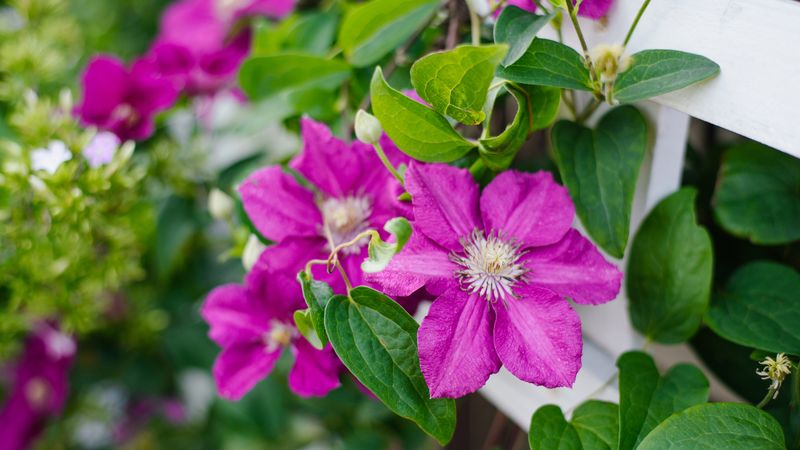
Your clematis climbs and climbs, covered in healthy green leaves, yet not a single flower shows up to reward you. It’s one of the most frustrating things a gardener can face, especially with a plant nicknamed the Queen of Climbers.
The good news is that a flowerless clematis almost always points to a fixable care slip, not a doomed plant. Below are 16 mistakes that quietly rob you of blooms, along with the simple changes that get those colorful flowers back.
1. Pruning Without Knowing Your Group
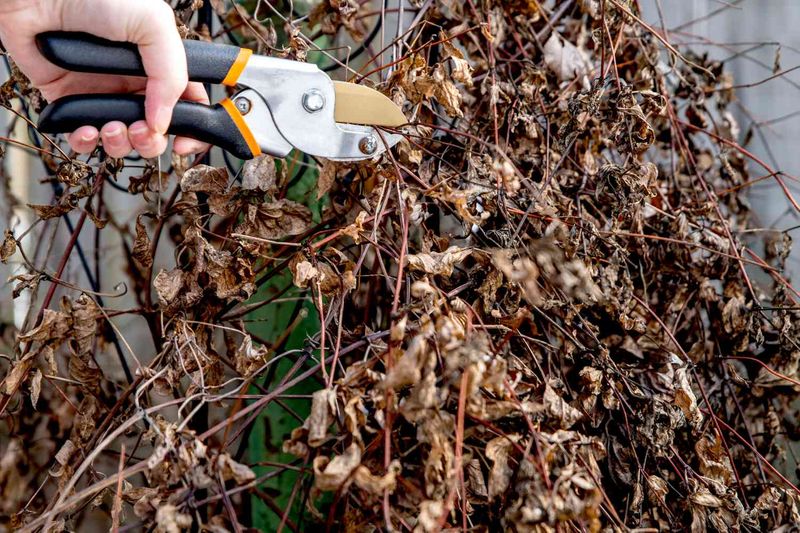
Grab your pruners at the wrong moment and you can snip away an entire season of flowers in a single afternoon. Cutting off the buds that were about to open is the number one reason gardeners end up staring at a leafy, bloomless vine.
Clematis fall into three pruning groups, and each one has its own rulebook. Group 1 blooms early on old wood, so leave it mostly alone and only tidy up dead stems after flowering.
Group 2 flowers on both old and new wood, so prune lightly in late winter and deadhead spent blooms back to the first pair of healthy leaves for a second show.
Group 3 is the forgiving one that blooms late on new wood, so cut it hard down to 6 to 24 inches in late winter or early spring. If you have no idea which group you own, watch when it blooms this year and prune almost nothing until you know.
That single season of patience protects the buds you would have accidentally removed.
2. Too Little Sunlight
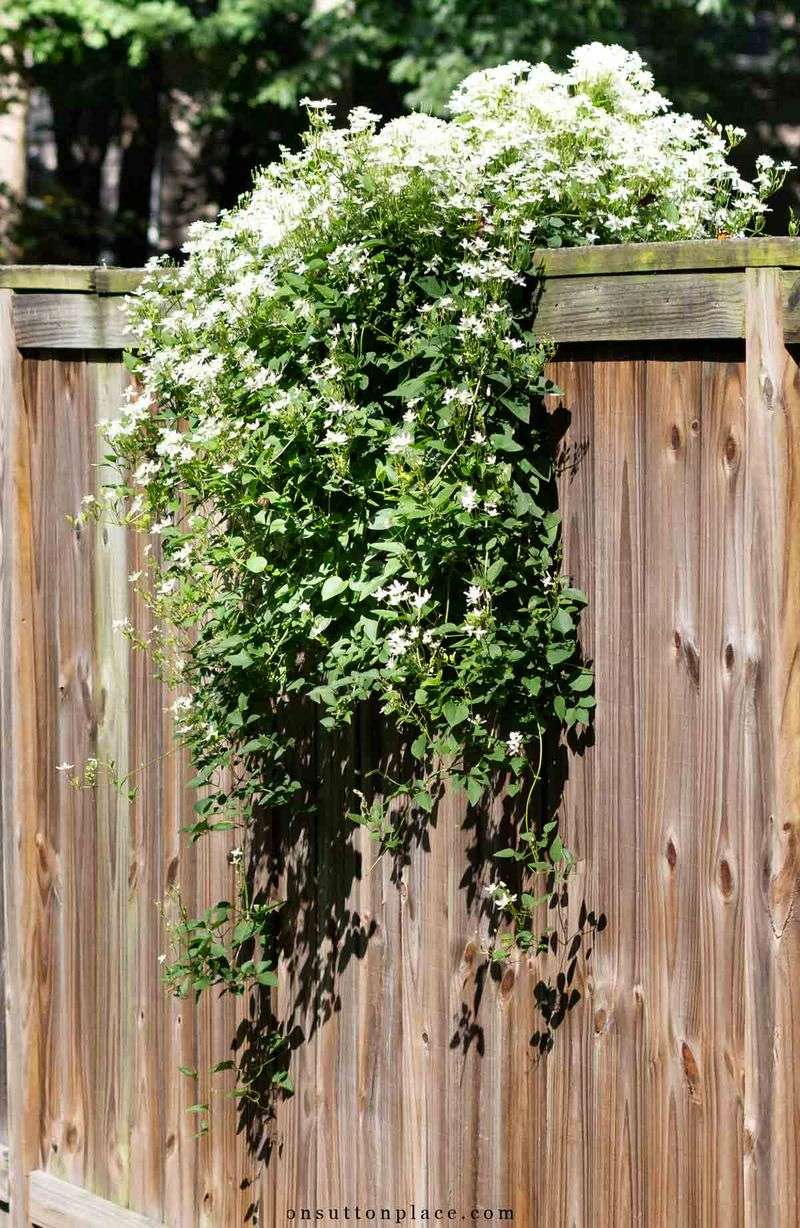
A clematis tucked into a shady corner will happily grow leaves for you, but flowers are another story. Without enough light, the plant simply doesn’t have the energy to form buds, so it stretches and stalls instead of blooming.
Most varieties want at least six hours of direct sun each day to really put on a show. A few types tolerate partial shade, yet as a rule, the more sun those top vines soak up, the more blossoms you get in return.
Take a quiet look at what has changed around the plant. A tree or shrub that has quietly grown taller over the years can throw new shade across a spot that used to be bright.
A quick trim of the offending branches often opens things back up and gets your clematis blooming like it used to.
3. Hot, Dry Roots
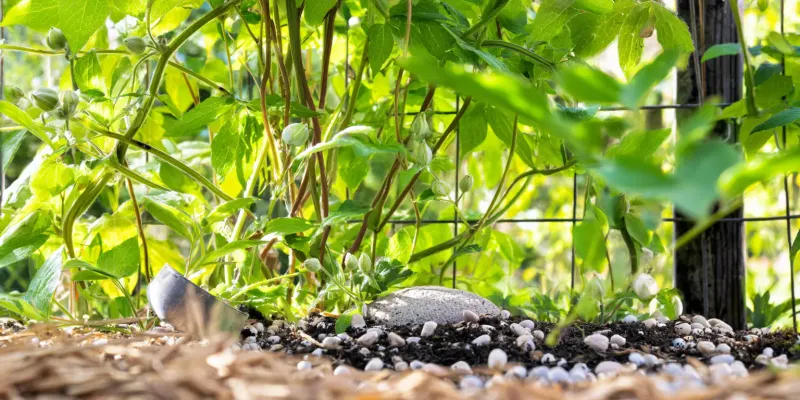
Old gardening wisdom says clematis likes its head in the sun and its feet in the shade, and there’s real truth behind the saying. When the root zone bakes in hot, dry soil, the whole plant weakens, wilts, and puts flowering on the back burner.
Cooling those roots is easier than it sounds. Spread a 2 to 3 inch layer of organic mulch around the base, leaving a little gap around the stems so they don’t rot.
Another charming trick is to plant shallow-rooted perennials or annuals at the foot of the vine, letting their leaves cast shade over the soil. A few flat stones or pebbles work too, shielding the ground and holding in precious moisture.
Keep that root zone cool and evenly damp, and your clematis will thank you with buds instead of droopy stems.
4. Watering the Wrong Way
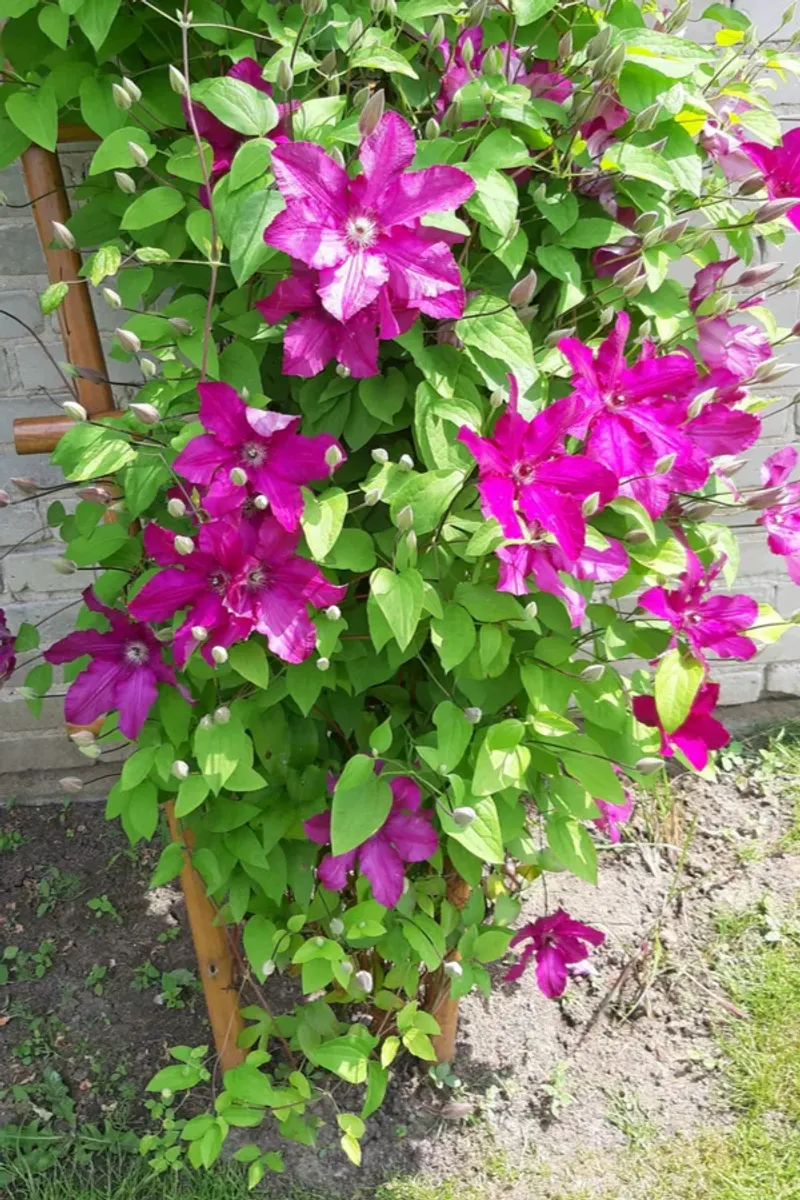
Water is a balancing act with clematis, and tipping too far in either direction shuts down flowering. Soggy, waterlogged soil invites root rot and the dreaded clematis wilt, while thirsty roots during a dry spell simply can’t fuel bud formation.
Aim for steady, even moisture rather than feast or famine. About an inch of water a week is a solid target, bumping it up during hot, dry stretches when the ground dries out fast.
Before you reach for the hose, do the finger test: push a couple inches into the soil, and if it feels dry down there, it’s time to water deeply. If it’s still damp, hold off.
Watering slow and deep encourages roots to grow down where the soil stays cooler and more stable, which sets the stage for a stronger bloom season.
5. Feeding It the Wrong Food
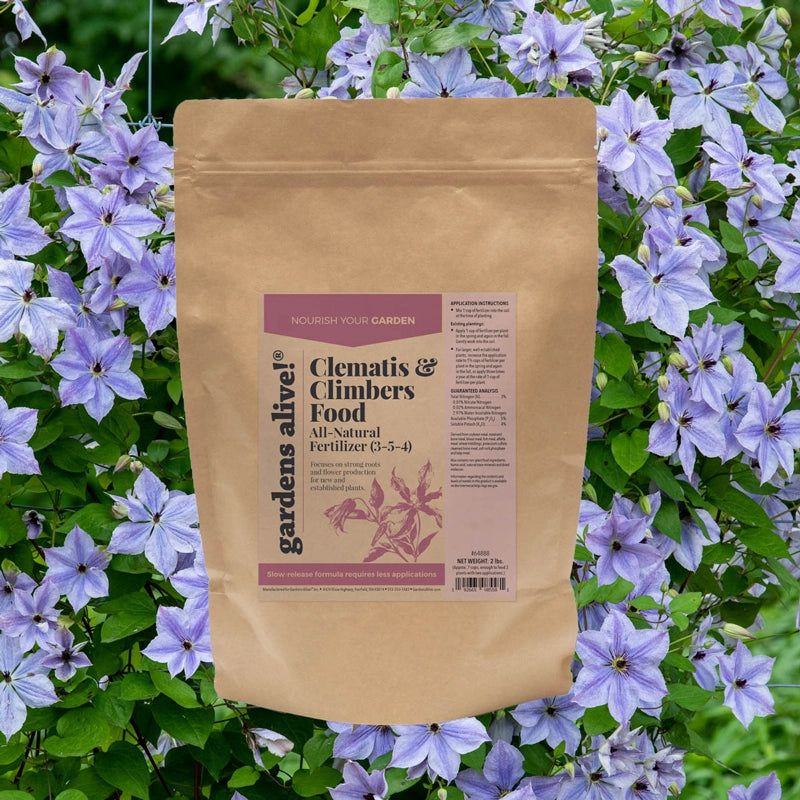
Reach for a high-nitrogen fertilizer and you’ll grow a jungle of gorgeous leaves with barely a flower in sight. Nitrogen pushes foliage, but clematis needs phosphorus and potassium to actually set buds.
These vines are hungry feeders, so starving them backfires too. The sweet spot is a balanced formula like 10-10-10, or something lower in nitrogen and higher in phosphorus such as 5-10-10.
Timing matters as much as the mix. Start with a low-nitrogen feeding in early spring once the buds are about two inches long, then alternate with a balanced liquid feed every four to six weeks through late summer.
A scoop of organic compost improves the soil while you’re at it. If blooms still lag, a simple soil test can reveal exactly what your ground is missing and whether the pH needs adjusting.
6. It’s Simply Too Young
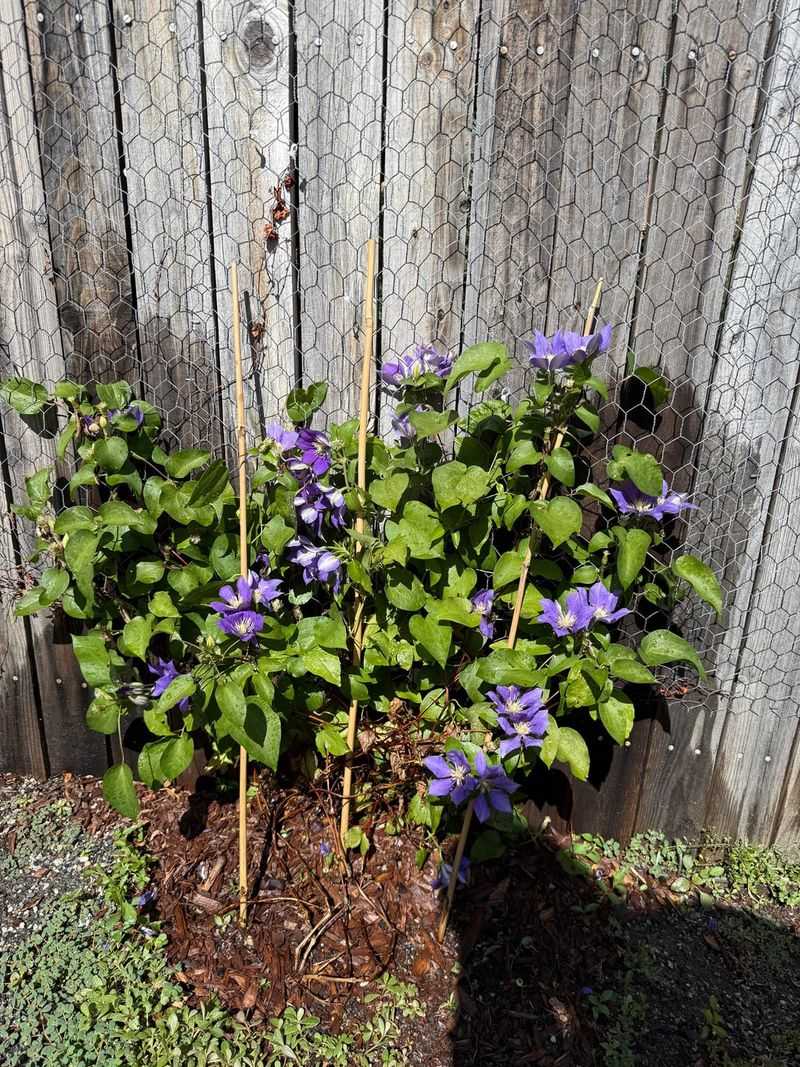
Sometimes the plant isn’t doing anything wrong at all, it’s just a youngster. A clematis planted last year or the year before often produces only a handful of flowers, if any, and that can send new owners into a worried panic.
Behind the scenes, a young clematis is busy building an underground network of roots before it spends energy on a big flower display. That quiet groundwork usually takes one to three years.
There’s an old gardener’s rhyme about clematis: the first year it sleeps, the second it creeps, and the third it leaps. Keep giving it good care, cool roots, and steady water in the meantime, and resist the urge to fuss.
Patience is the whole fix here, and the leaping year is worth the wait.
7. Planting It Too Shallow
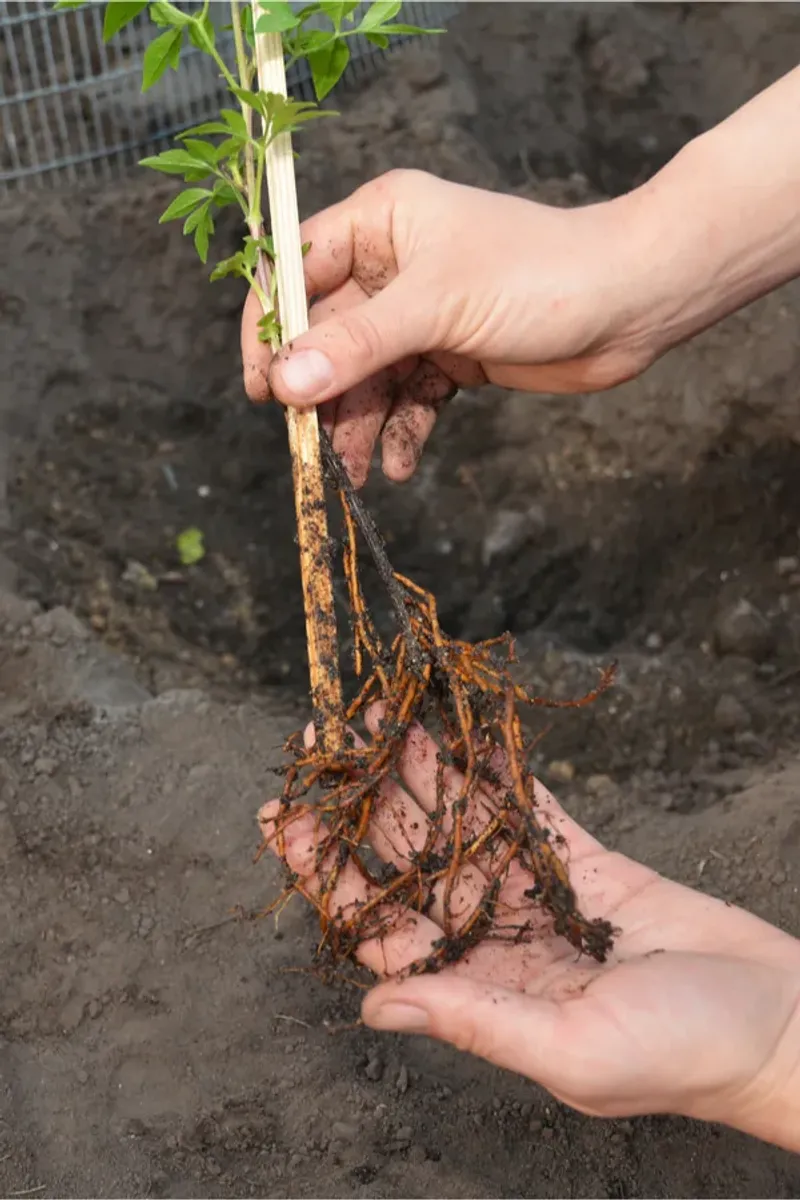
Most plants hate having their crown buried, which makes clematis the rebellious exception. Setting it in at the same depth it came in the pot leaves it vulnerable and slow to send up fresh, flowering shoots.
Plant it deep on purpose. Bury the crown, the point where the roots meet the stems, a good 2 to 3 inches below the soil surface, and 3 to 4 inches is even better for many varieties.
Going deep does two valuable things. It encourages a stronger root system that supports more top growth and flowers, and it tucks away dormant buds underground.
If clematis wilt strikes and kills the stems above, those buried buds can push out entirely new shoots and rescue the whole plant. It’s cheap insurance that pays off in blooms.
8. Poor Soil and Bad Drainage
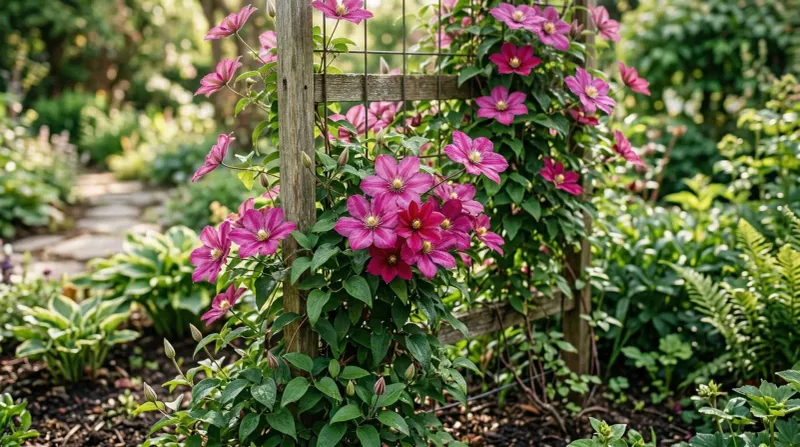
Heavy clay that holds water like a bathtub is quietly working against your clematis. Waterlogged soil suffocates roots and invites rot, and root rot means a struggling plant with no energy left for flowers.
Rich, well-draining soil is what these vines crave. If your ground is dense and sticky, work in plenty of compost and organic matter to loosen it up and improve both drainage and fertility.
Soil chemistry plays a role too. Clematis prefers a pH that runs slightly acidic to slightly alkaline, roughly 5.5 to 7.0.
If a soil test shows your ground is too acidic, a bit of garden lime can nudge it into the happy range. Get the soil right and you remove one of the sneakiest reasons a healthy-looking vine refuses to bloom.
9. No Sturdy Support to Climb
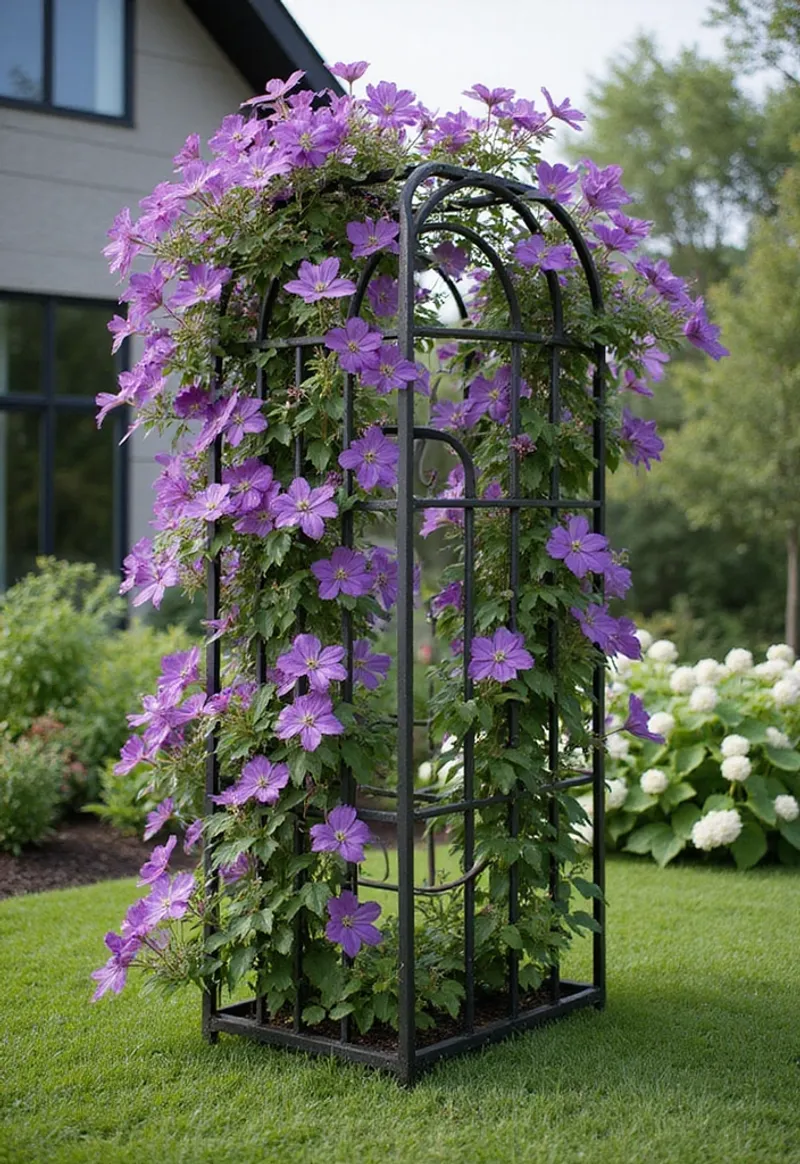
Give a clematis nothing to grab and you get a sad heap of tangled stems flopping on the ground. It won’t kill the plant, but the flowers that do form stay hidden in the jumble, and the exposed vines get damaged more easily.
A good support turns that mess into a vertical showpiece. A trellis, arbor, fence, or even a length of wire mesh all work, giving the plant a frame to show off its blooms at eye level.
Here’s a helpful quirk: clematis climbs by wrapping its leaf stalks, almost like tiny curling fingers, around whatever it touches. Because those leaf stalks are short, they cling best to thin supports rather than thick posts.
Set the support in place at planting time so you never have to disturb those sensitive roots later.
10. Pests Nibbling Your Buds
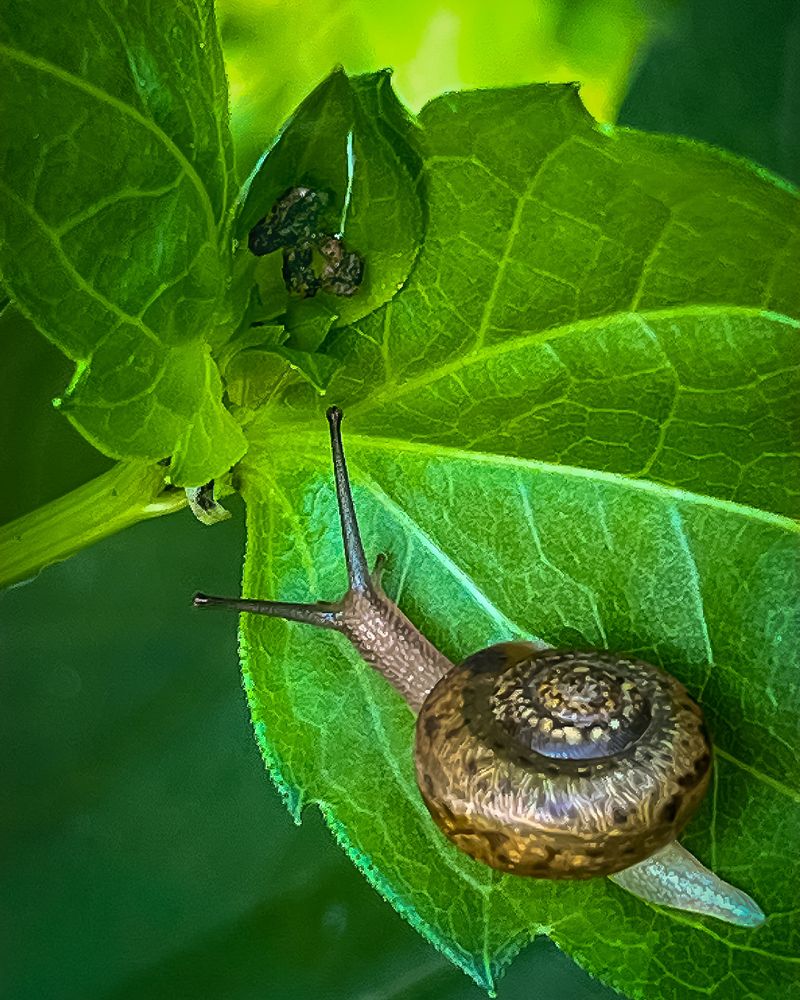
Slugs, snails, and earwigs treat tender clematis shoots and flower buds like a buffet. They rarely wipe out a whole plant, but a night of munching can strip away the very buds you were waiting on.
Regular inspection is your best defense. Peek under leaves and around the base, especially in the cool evening hours when slugs and snails come out to feed, and hand-pick or trap the culprits you find.
Keeping the area around the base tidy removes the damp hiding spots these pests love. Simple barriers like crushed eggshells or copper tape near the stems can discourage the slimy crowd.
Catch the nibblers early and you protect those precious young buds long enough for them to open into flowers.
11. Clematis Wilt and Root Rot
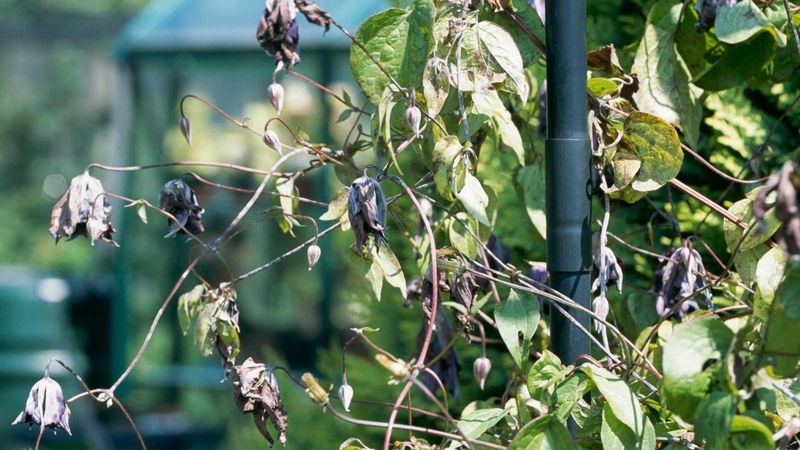
Few things spook a gardener like watching a thriving clematis collapse overnight. Clematis wilt, a fungal problem, can blacken and flatten healthy stems in a hurry, while root rot from soggy soil slowly saps the plant’s strength and its ability to flower.
The response to sudden wilt is quick and decisive. Cut affected stems right back to healthy tissue, or even down to ground level, and clear away the debris so the fungus doesn’t linger.
Remember those deeply buried crowns from earlier? This is exactly when they earn their keep, since a plant cut to the ground can regrow from below the soil.
Preventing root rot comes down to good drainage and sensible watering, so you never leave the roots sitting in a puddle. Healthy roots and clean stems give your clematis the foundation it needs to bloom again.
12. Late Frost Nipping the Buds
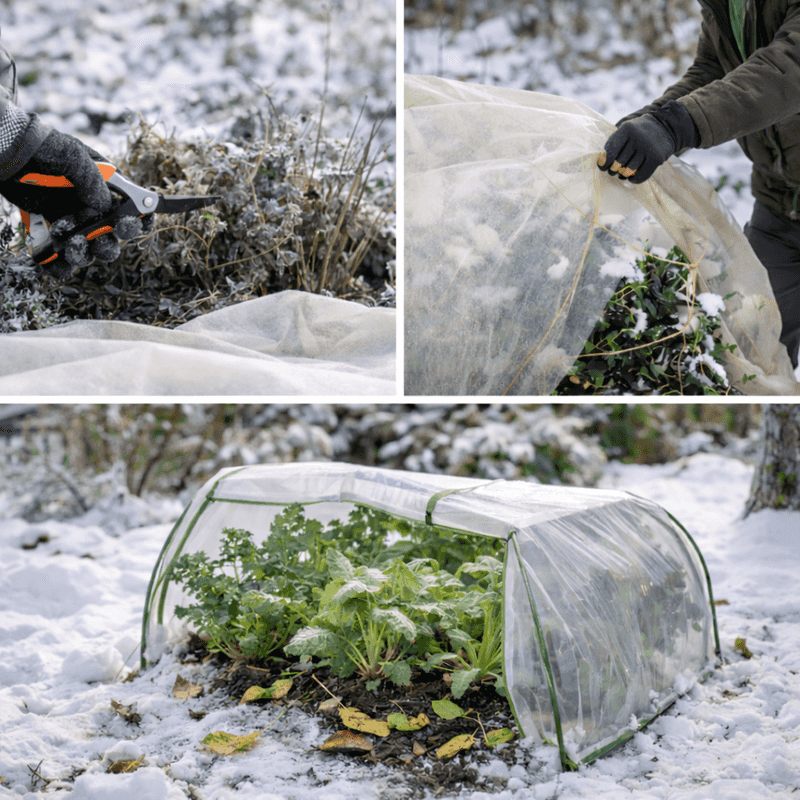
A surprise cold snap in spring can undo weeks of promise in one chilly night. When frost creeps in, it can nip off developing flower buds, and buds that get frozen simply never open.
Gardeners at the colder edges of their zone feel this most, roughly USDA zones 3 through 9 depending on the species. If a late frost is in the forecast, drape the plant with burlap or frost cloth in the evening and remove it once things warm up.
A layer of insulating leaves or extra mulch around the base adds another blanket of protection for the crown. For a clematis that gets nipped year after year, moving it to a more sheltered spot next to a warm wall or fence can make all the difference.
A little frost defense keeps this season’s buds safe and blooming.
13. Skipping the Deadheading
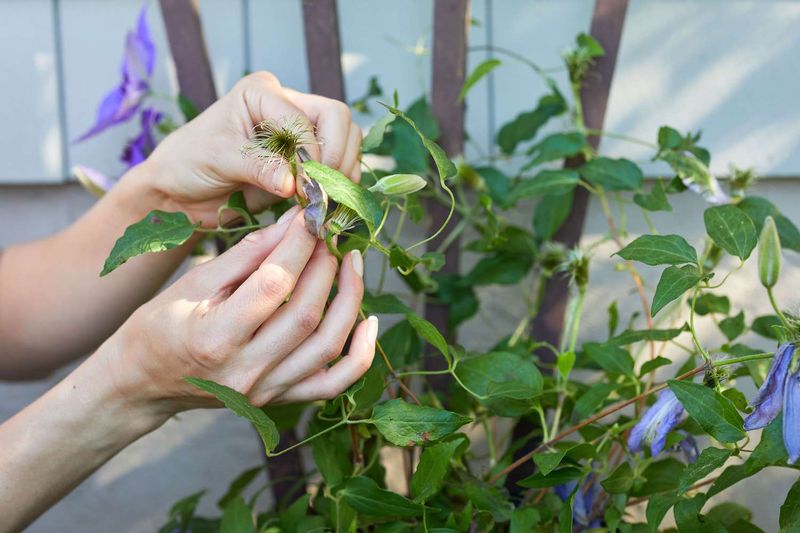
Snapping off faded flowers feels like a fussy little chore, yet skipping it can quietly cut your blooms short. Once a clematis flower fades and starts setting seed, the plant shifts its energy toward those seeds instead of making more buds.
Deadheading flips that switch back to flowering. For repeat-blooming Group 2 varieties especially, clipping spent blooms back to the first pair of healthy leaves nudges the plant to send out a fresh flush later in the season.
It only takes a few minutes with a pair of snips as you stroll past the vine. The reward is a longer, fuller show rather than one early burst followed by a tired, seed-heavy plant.
Make deadheading a regular habit and you stretch the flowering window well into summer.
14. Letting Weeds Steal the Show
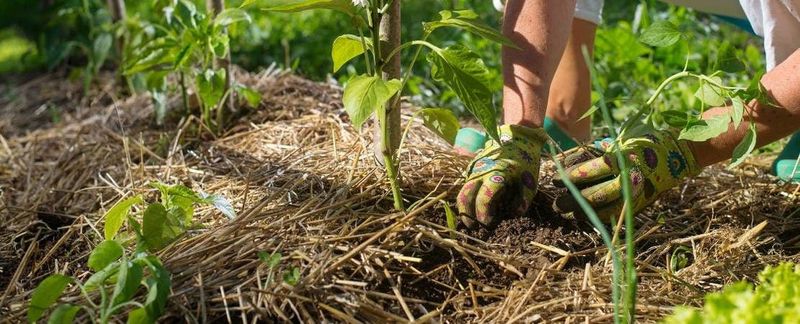
Weeds crowding the base of a clematis do more than look messy, they quietly compete for the water and nutrients your vine needs to bloom. A hungry, thirsty clematis fighting for resources rarely has much left over for flowers.
Clearing that space makes a real difference. Pull weeds gently by hand around the base so you don’t disturb the shallow feeder roots, and stay away from aggressive hoeing right next to the crown.
Once the ground is clean, a fresh layer of mulch does double duty, smothering new weeds while keeping those precious roots cool and moist. A tidy, well-fed root zone lets your clematis pour its energy where you want it, straight into buds and blossoms instead of a turf war with weeds.
15. Moving It Around Too Often
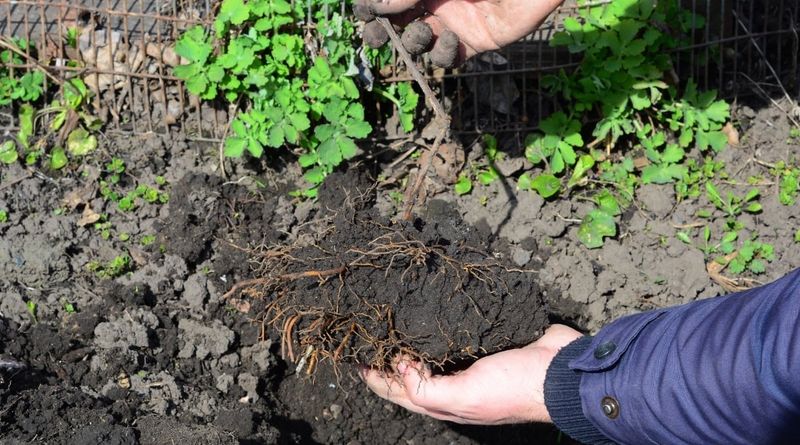
Impatience with a slow-starting clematis tempts many gardeners to dig it up and try a new spot. Trouble is, clematis hates having its roots disturbed, and every move resets the clock on its establishment, pushing flowers even further away.
Each transplant sends the plant back into survival mode, rebuilding roots instead of forming buds. What looks like a fix often becomes the very reason it stays bloomless year after year.
Choose the planting spot carefully from the start, with good sun up top, cool shade at the roots, and sturdy support in place. Then leave it be and let it settle in.
If you truly must relocate one, do it while the plant is dormant and take a generous root ball. Otherwise, trust that a well-placed, undisturbed clematis will reward your restraint with the blooms you’ve been waiting for.
16. Ignoring the Bloom Calendar
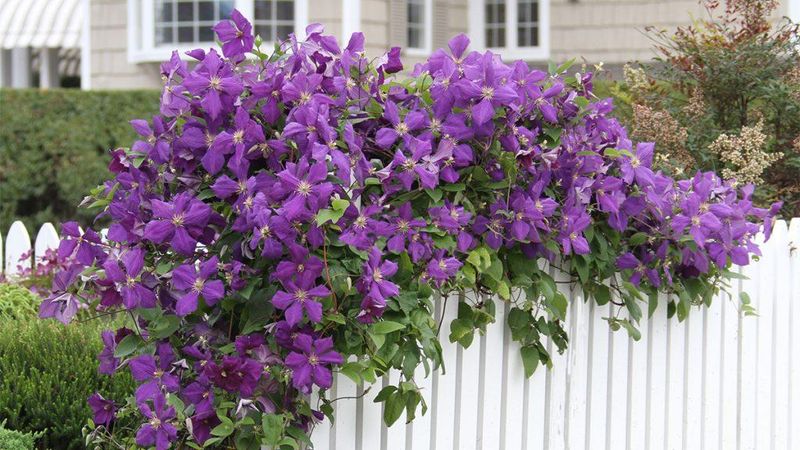
Worry sets in fast when a neighbor’s clematis is covered in flowers and yours looks bare, but the two plants may simply run on different schedules. Different varieties bloom at wildly different times, and expecting flowers in the wrong month can send you chasing a problem that isn’t there.
Early types put on their show in late winter to mid-spring, mid-season varieties peak in late spring with a summer encore, and late bloomers save their display for late summer and fall. Knowing which one you have tells you exactly when to expect color.
Before assuming your plant has failed, learn its variety and its natural bloom window. Sometimes the vine is perfectly healthy and just hasn’t reached its moment yet.
Matching your expectations to the real calendar saves you from panic pruning or overfeeding a plant that was on track all along.