
17 Houseplants That Quietly Clean Up Your Air Once The Windows Stay Shut For Winter
Once the cold sets in and the windows stay locked tight, the air inside your home starts to feel stale and dry. Cooking smells, furniture fumes, and dust have nowhere to go.
A few hardworking houseplants can help freshen things up a little while adding green life to gray months. Here are 17 that pull their weight, plus simple ways to keep each one happy until spring.
1. Peace Lily
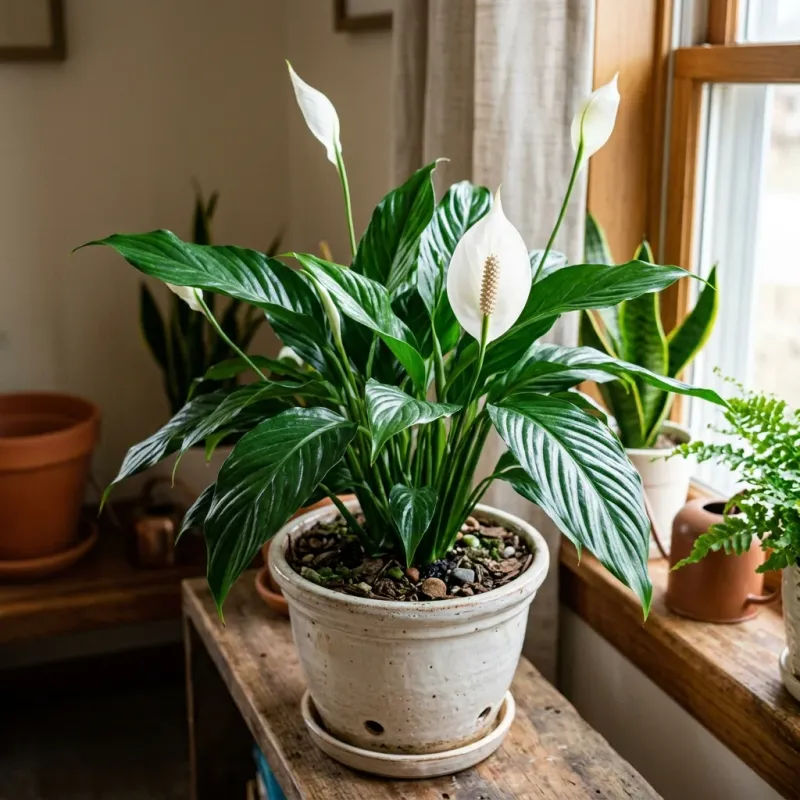
Few plants tell you so plainly when they need a drink. A thirsty peace lily droops dramatically, then perks right back up within hours of watering.
Studies have linked it to removing benzene, formaldehyde, and ammonia, and it may help reduce some mold spores in damp rooms. That makes a bathroom with filtered light a smart winter home for it.
The most common winter mistake is watering on a schedule instead of checking the soil. Push a finger an inch down, and only water when it feels dry.
Brown leaf tips usually point to dry heated air or tap water minerals, so try filtered water and a pebble tray.
2. Pothos
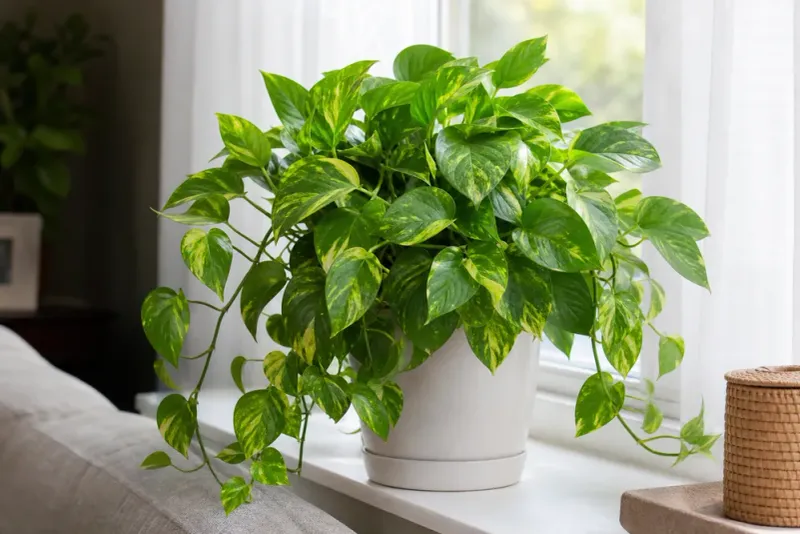
If you have ever been gifted a cutting in a jar of water, odds are it was pothos. It is the plant people swear they cannot kill, and they are mostly right.
Pothos is known for filtering formaldehyde, benzene, xylene, and toluene, the kinds of compounds that build up from paint, cleaners, and new furniture. It handles low light, though its variegation fades without some brightness.
Yellow leaves in winter almost always mean too much water. Let the top two inches dry out, and trim leggy stems to root new plants for free.
3. English Ivy
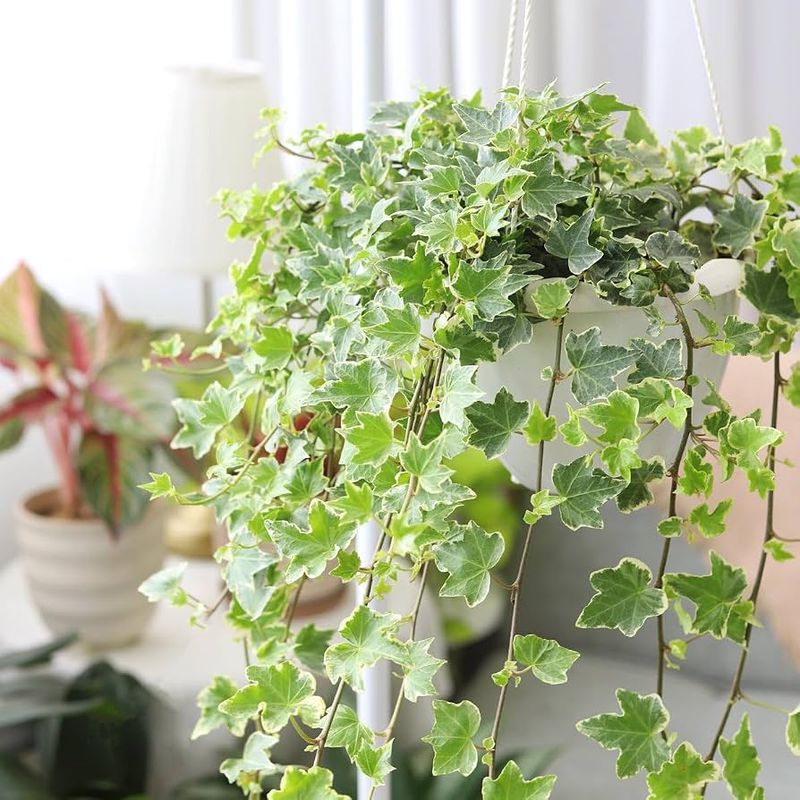
Grandmothers grew it on brick walls, but English ivy also earns a spot indoors. It has been studied for reducing benzene, formaldehyde, and some airborne particles.
Here is the catch: ivy loves cool rooms and hates hot, dry air blasting from a vent. Spider mites show up fast in those conditions, leaving fine webbing and speckled leaves.
Keep it in a cooler spot with medium indirect light, rinse the leaves in the shower once a month, and keep it away from pets and kids since it can irritate if chewed.
4. Spider Plant
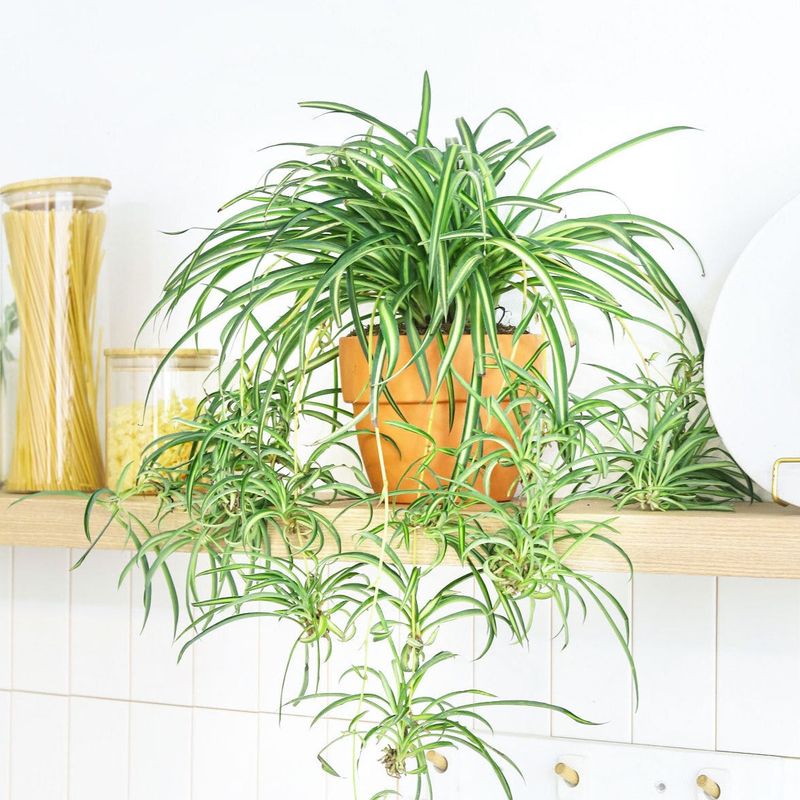
Think of the spider plant as the generous neighbor of the houseplant world. Give it decent care and it hands you dozens of baby plants to share.
It has a reputation for helping with formaldehyde and xylene, and it is safe around cats and dogs, which matters a lot when everyone is stuck inside together.
Brown, crispy tips are the classic complaint. Fluoride in tap water and dry air are usually behind it, so switch to rainwater or distilled water and snip the brown ends at an angle.
5. Snake Plant
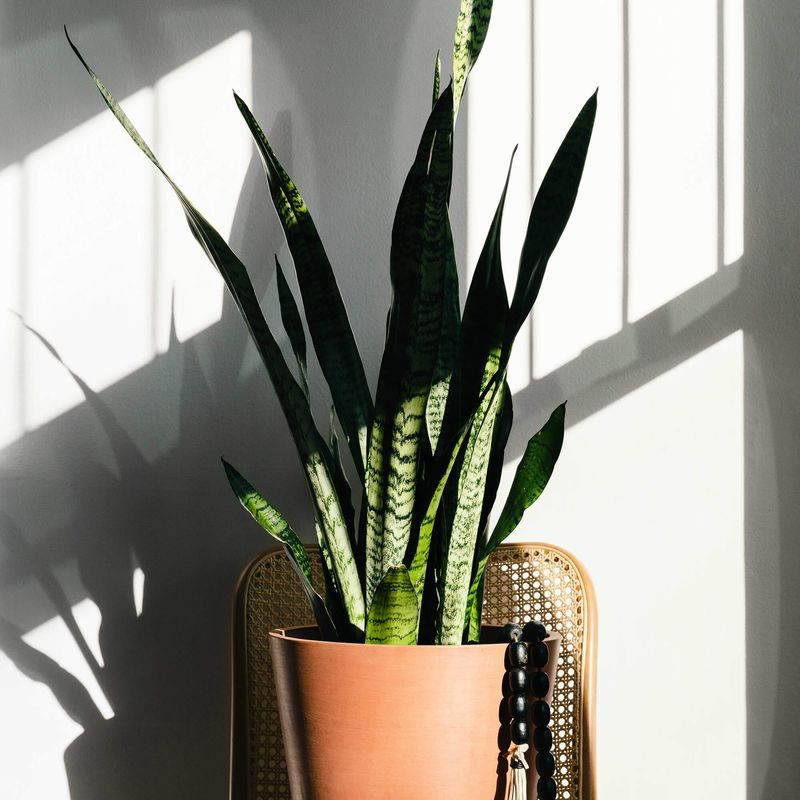
Neglect is practically a care strategy here. A snake plant can go weeks without water and barely notice.
It made NASA’s famous clean-air list for formaldehyde, benzene, xylene, and trichloroethylene. It also opens its pores at night, so it takes in carbon dioxide while you sleep, making it a quiet bedroom pick.
Winter rot is its one real enemy. If the base turns mushy, cut away soft parts, let it dry, and repot into gritty cactus mix.
Water about once a month until spring.
6. Chinese Evergreen
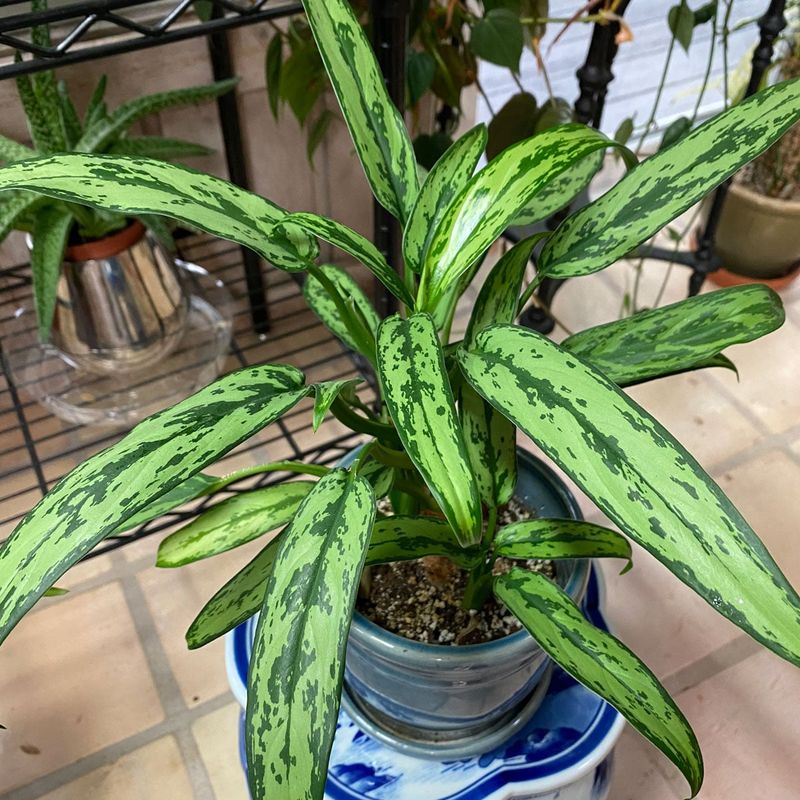
Patience pays off with this one. Chinese evergreen is said to become a better air cleaner as it matures and fills out.
Those silver, green, and even pink leaves brighten a dim hallway or office where most plants would sulk. It handles low to medium light without fuss.
Cold drafts are the trouble spot. Below about 60 degrees, leaves can get dark patches, so keep it away from drafty doors and chilly glass.
7. Philodendron
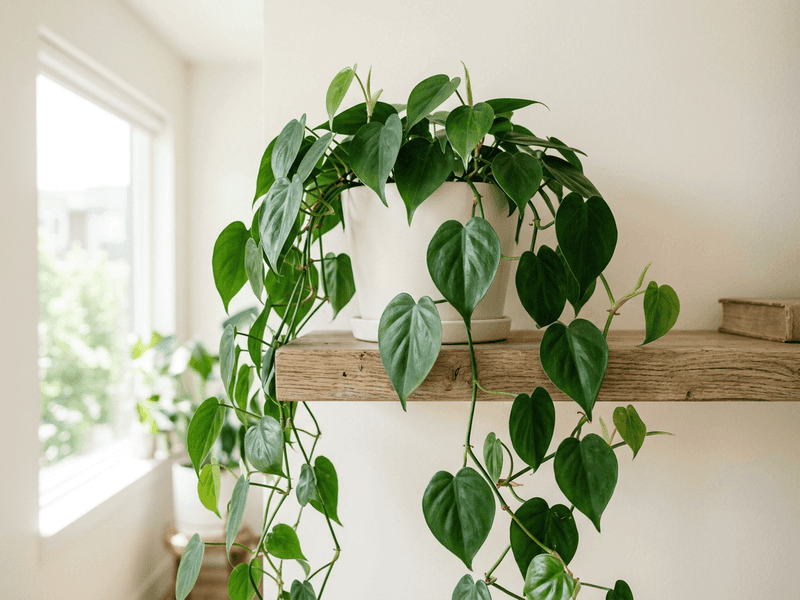
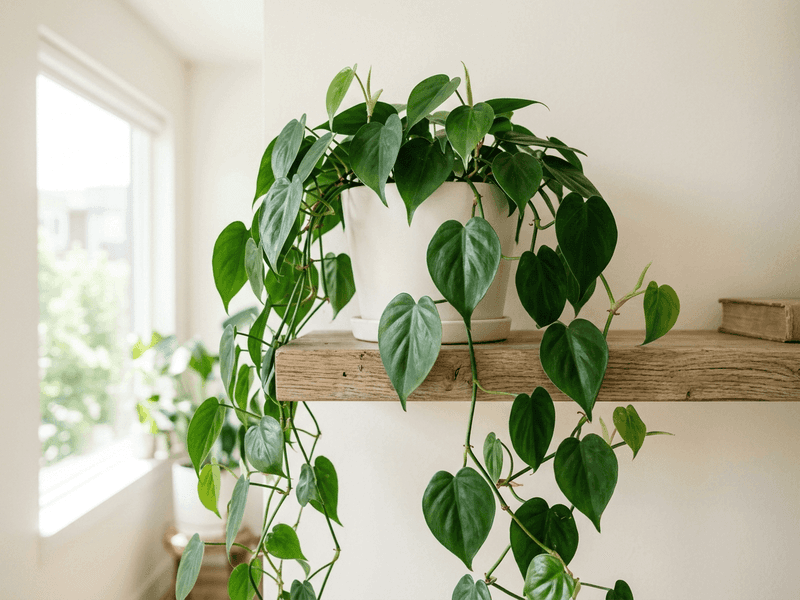
Heart-shaped leaves spilling off a bookshelf feel like a small dose of summer in January. Heartleaf philodendron is the easy starter, while Birkin and Selloum bring bolder looks.
Philodendrons are linked to absorbing formaldehyde, the fume that drifts from fabric and pressed-wood furniture. They also release moisture, which can soften dry winter air a little.
Small new leaves and long gaps between them mean the plant wants more light. Scoot it closer to a bright window.
8. ZZ Plant
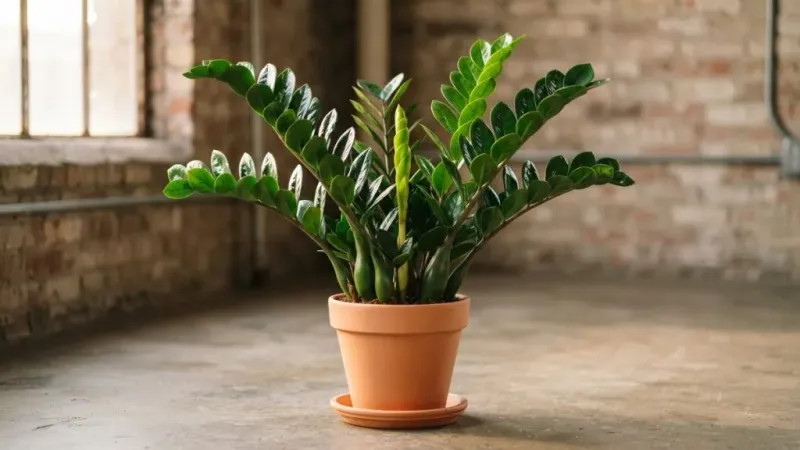
Travel a lot over the holidays? The ZZ plant stores water in potato-like roots, so it simply waits for you.
Its waxy leaves look almost fake, and it is credited with helping remove xylene, toluene, and benzene. It tolerates dim corners where little else survives.
Overwatering is the only way most people lose one. Water every three to four weeks in winter, and wipe dust off the leaves so they keep working.
9. Aloe Vera
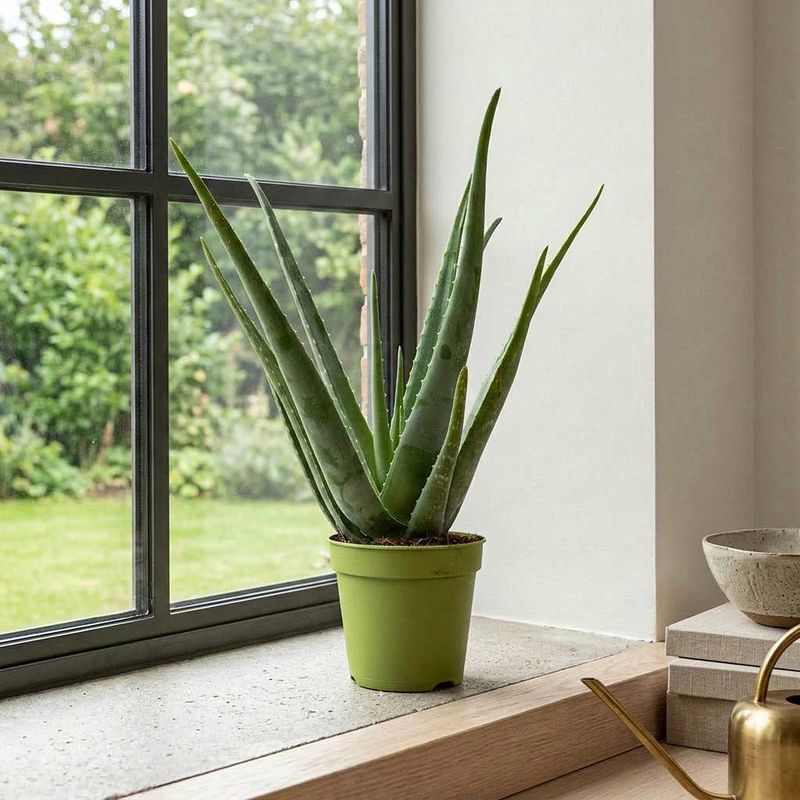
It burns its way into kitchens for a reason. Aloe soothes minor burns, and it may help with formaldehyde and benzene too.
Like the snake plant, it releases oxygen at night. It needs your brightest window, though, and winter sun is weak.
Thin, floppy leaves signal low light. Mushy leaves mean too much water.
Use a terracotta pot and water only when the soil is fully dry.
10. Areca Palm
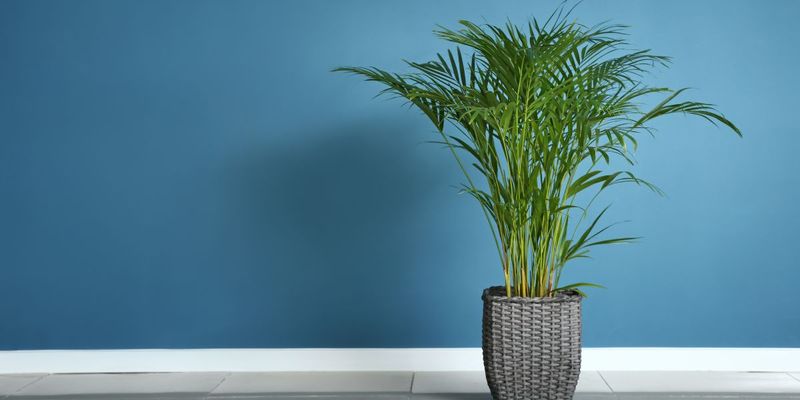
Picture a little tropical getaway in your living room. The areca palm scored high in NASA testing for formaldehyde, benzene, xylene, and trichloroethylene.
It also pushes out a lot of moisture through its fronds, which can help when your furnace makes skin and throats feel scratchy.
Yellowing lower fronds usually come from dry soil or salt buildup. Keep soil lightly moist and flush the pot with plain water every couple of months.
11. Rubber Plant
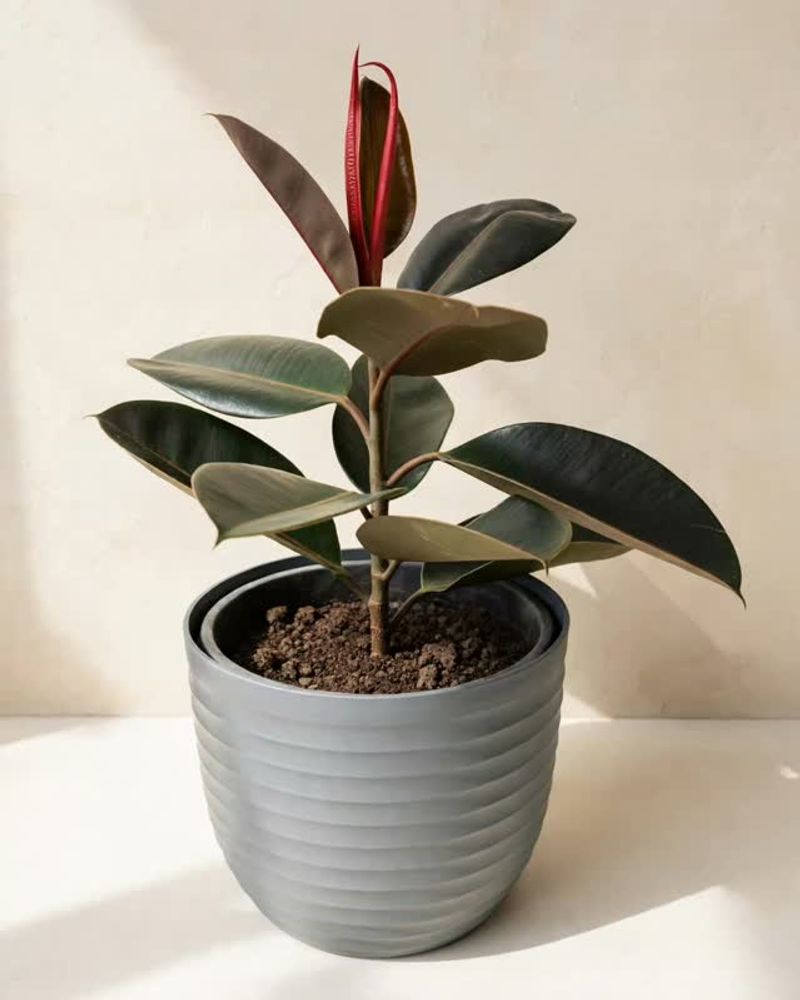
Big leaves mean big surface area, and the rubber plant has some of the broadest around. It is known for absorbing formaldehyde and other indoor toxins.
Those glossy leaves collect dust fast with windows closed, so wipe them with a damp cloth every few weeks. Clean leaves look better and breathe better.
Sudden leaf drop often follows a move or a cold draft. Pick a bright spot and leave it there.
12. Weeping Fig
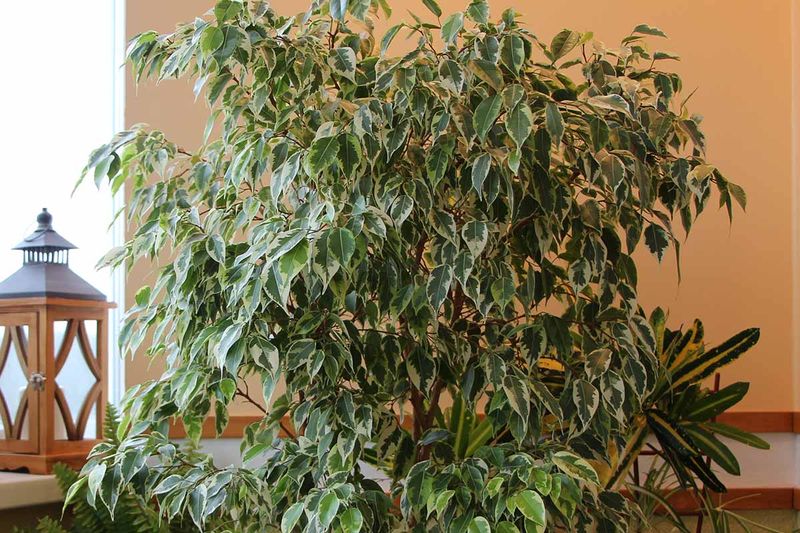
Moody is the polite word for a weeping fig. Move it six inches and it may drop a shower of leaves in protest.
Once settled, it is linked to filtering formaldehyde, benzene, and trichloroethylene while adding moisture to dry rooms.
Choose a bright corner away from heat vents, water when the top inch dries, and resist moving it. Leaves usually regrow in a few weeks.
13. Boston Fern
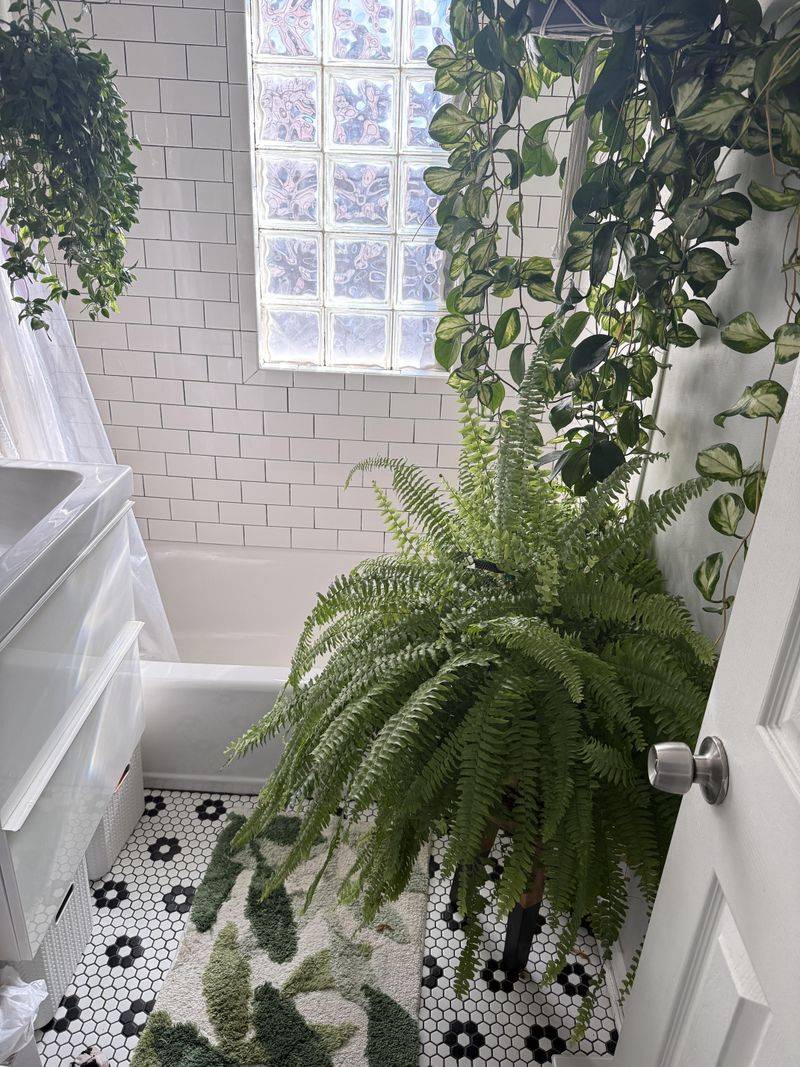
Old porches across the South were never complete without one. Bring it inside for winter and it keeps working, filtering formaldehyde and adding humidity.
This fern asks more than most on this list. Dry air turns fronds crispy and shedding.
A bathroom with a window is ideal. Keep soil evenly moist, mist often, and trim brown fronds at the base.
14. Dracaena
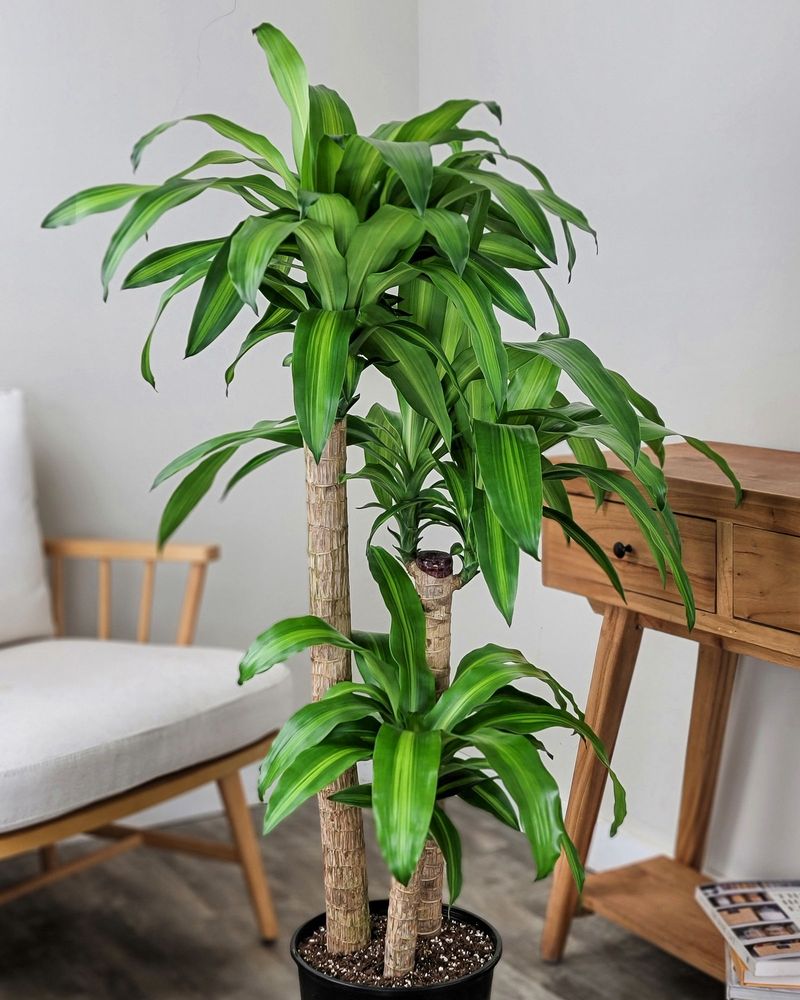
Tall and tidy, dracaenas fill a bare corner without stealing floor space. Corn plant and Warneckii are the classic picks.
They are credited with filtering xylene and other compounds. Brown tips are common and usually come from fluoride in tap water, so use filtered water.
Keep away from pets, since dracaena can upset cats and dogs.
15. Gerbera Daisy
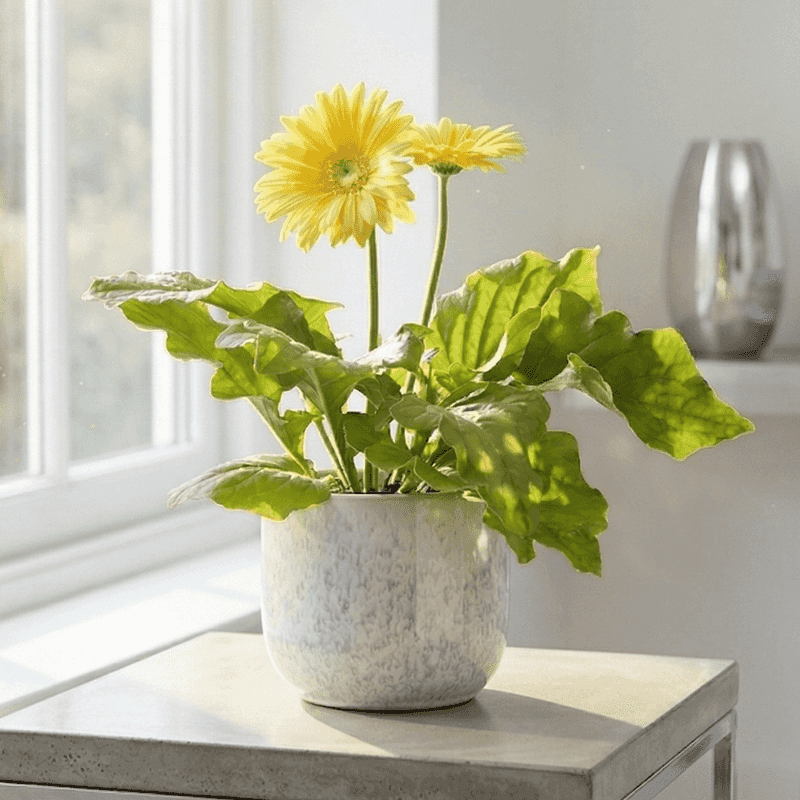
Most air-cleaning plants are all leaves, but the gerbera brings real color. Cheerful blooms in February can lift your whole mood.
It appears on many lists for removing certain VOCs. Indoors it needs lots of light, so give it your sunniest window or a grow light.
Crown rot is the danger. Water at the soil edge, never into the center, and let the top dry between drinks.
Pinch faded flowers to encourage more.
16. Bamboo Palm
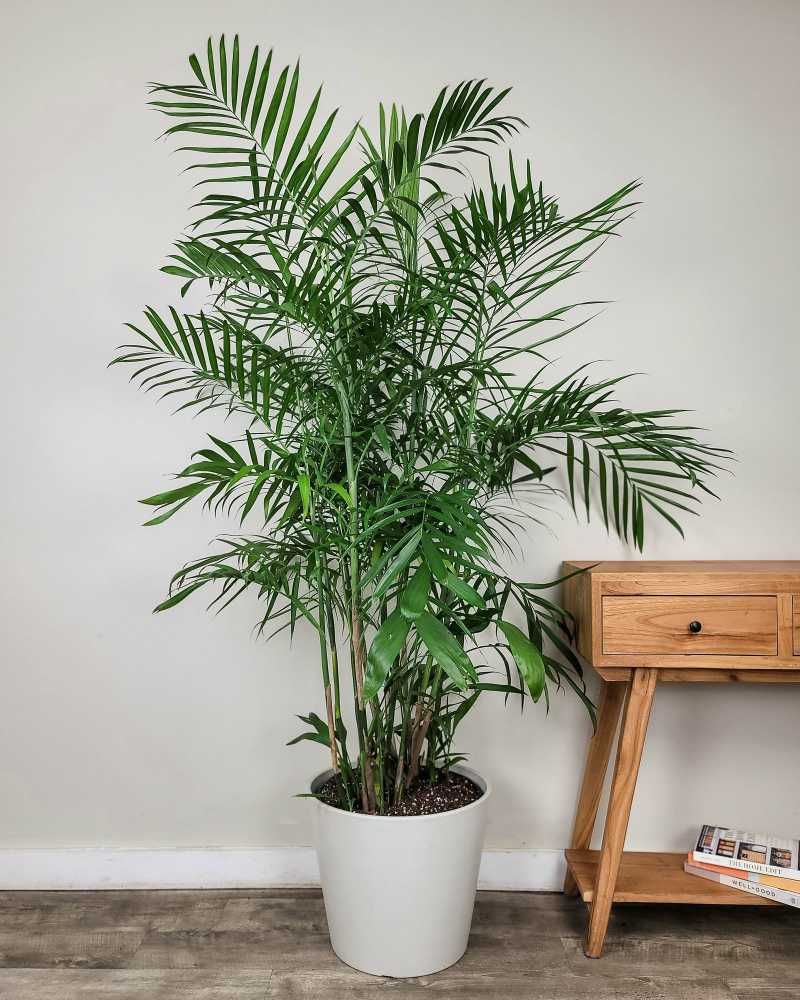
Low light and a tropical look rarely go together, yet the bamboo palm manages both. It tolerates shadier rooms better than the areca.
NASA testing noted it for removing VOCs, and it is pet safe.
Spider mites love it in dry heat. Shower the fronds monthly and check undersides for webbing.
17. Money Plant in Water
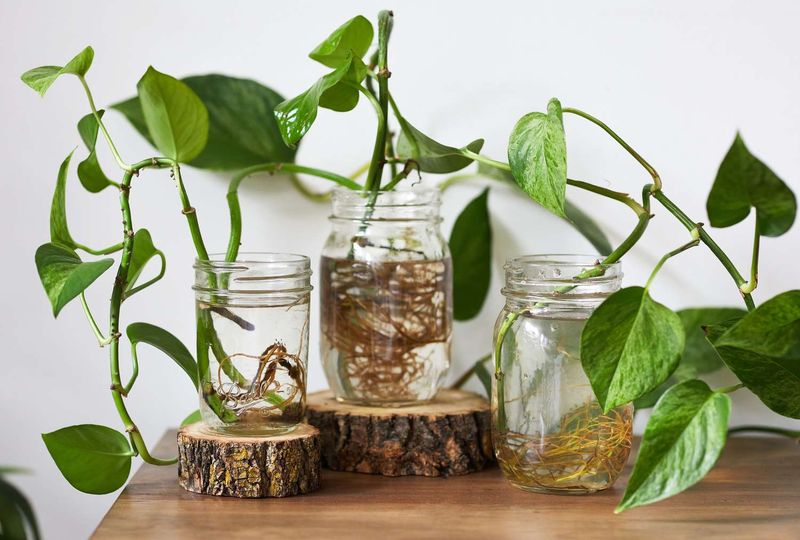
No soil, no mess, no guessing about watering. Money plant cuttings grow happily in a jar of water on a shelf.
It is the same species as pothos, so it shares the reputation for filtering formaldehyde and benzene. Growing it in water is a fun winter project with kids.
Change the water weekly so it stays clear, and keep at least one leaf node underwater. Cloudy water or slimy roots mean it is overdue for a refresh.
A fair reminder for the whole list: plants help a little, but opening a window on a mild afternoon still does more for stale air.