
Herbs You Bring Indoors For Winter Need These 13 Tweaks To Keep Growing Until Spring
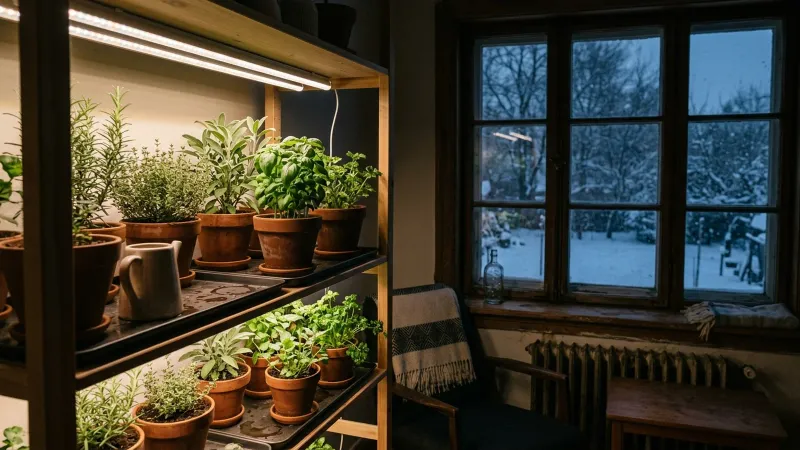
Your rosemary looked great on the patio all summer, but a few weeks inside and it starts dropping needles. Herbs brought indoors for winter often struggle because a house is nothing like a garden bed.
The good news is that a handful of small changes can keep your basil, thyme, mint, and parsley green and snippable until spring. Here are 13 simple tweaks that make the move a lot less stressful for your plants and for you.
1. Ease Them In Slowly
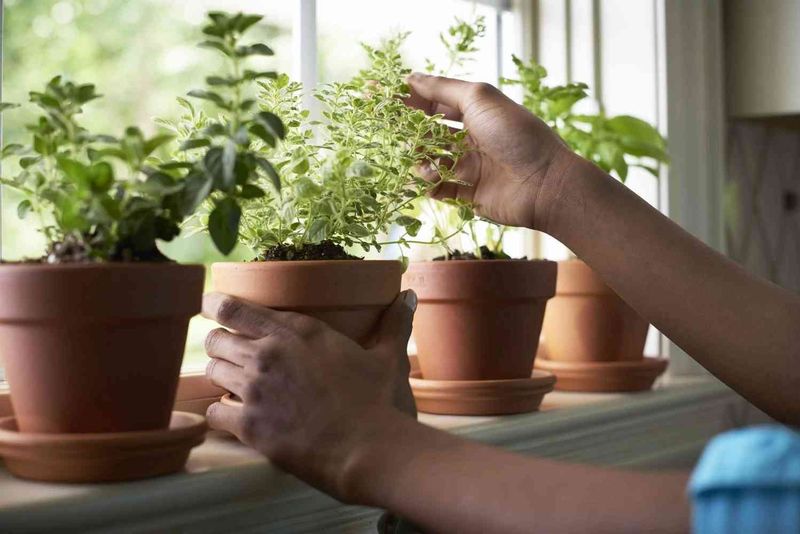
Picture going from a breezy backyard straight into a stuffy room with dim lamps. Your herbs feel that same jolt, and it often shows up as yellow leaves or sudden drop within days.
About 7 to 10 days before your first expected frost, move pots to a shadier, sheltered spot outdoors. That softer light gets them ready for the lower levels they will face inside.
When nights dip below 50°F, carry the pots in for the evening and set them back out in the morning. After a few days of this back-and-forth, they can stay inside for good with far less shock.
2. Check Every Leaf For Hitchhikers
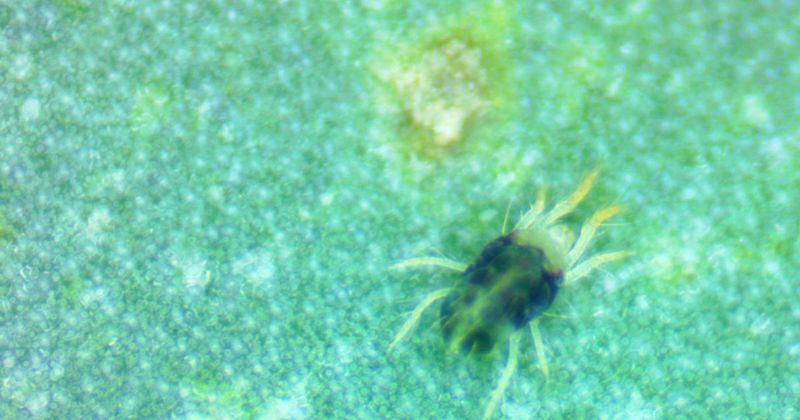
Aphids, spider mites, and whiteflies love a free ride into a warm house. Once inside, with no ladybugs around to eat them, they can multiply fast and spread to your houseplants.
Before moving anything, flip leaves over and look closely at stems and the soil surface. Tiny webbing, sticky spots, or clusters of little dots are red flags.
Trim off damaged or leggy growth, then rinse the foliage with a mild soap solution or spray with insecticidal soap. A quick shower now may save you weeks of battling bugs on your kitchen windowsill.
3. Repot Into Containers That Drain
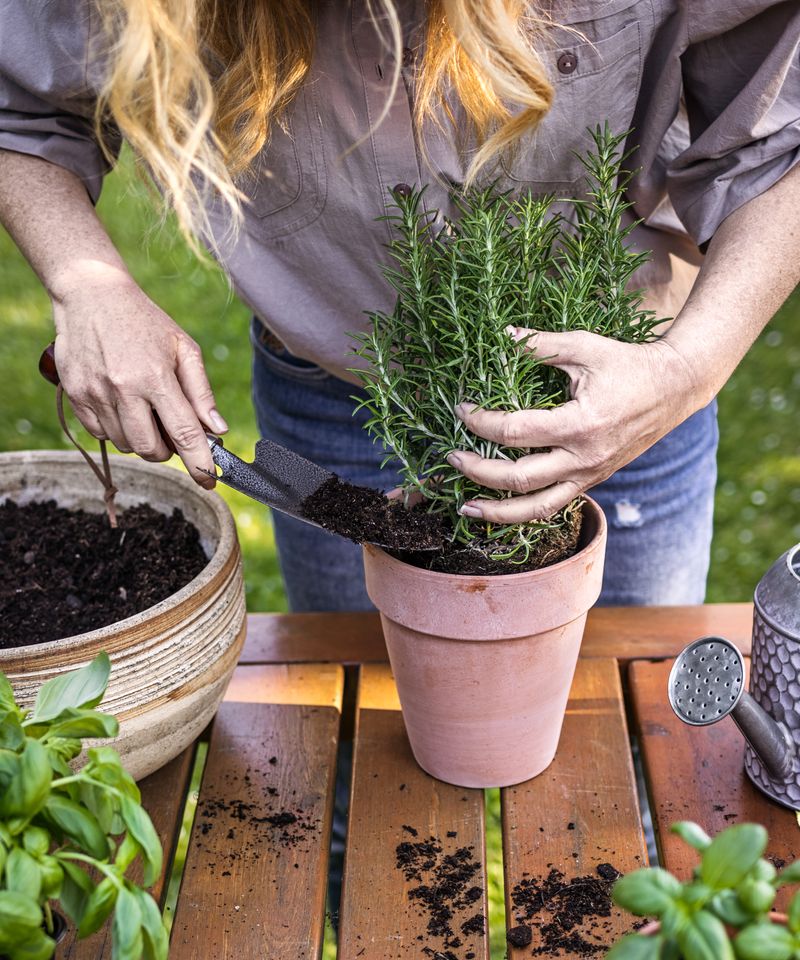
Root rot is the quiet killer of indoor herbs, and it usually starts with a pot that holds water like a bucket. If water has nowhere to go, roots sit soggy and start to decay.
Every pot needs drainage holes, no exceptions. For herbs dug from the garden, choose a container at least one size bigger than the root ball.
Clay or terracotta is a smart pick because the walls breathe and help soil dry out between waterings. Rosemary and thyme, which hate wet feet, especially appreciate that extra help.
4. Pick The Herbs That Actually Like Living Inside
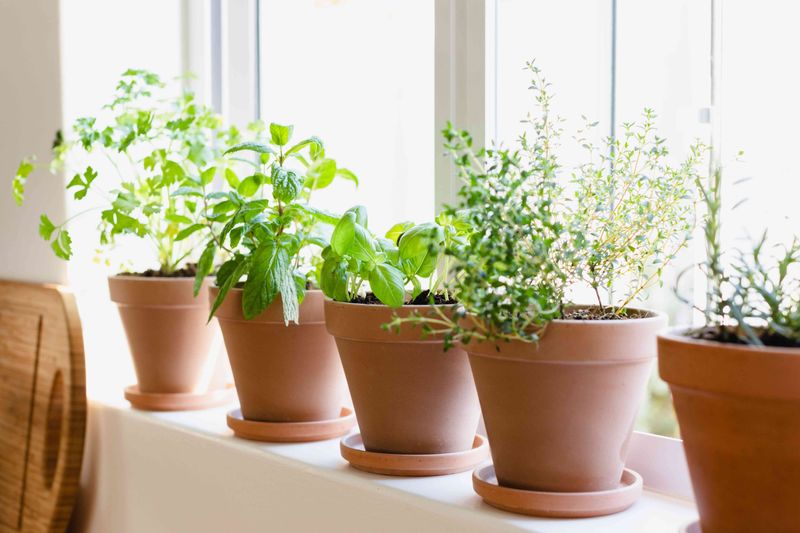
Not every herb is cut out for apartment life, and that is not your fault. Some simply refuse to cooperate once they lose full sun and fresh air.
Rosemary, sage, thyme, oregano, mint, chives, and parsley tend to adapt well indoors. Basil can work too, but it is fussy and demands steady warmth and lots of light.
Cilantro and dill usually struggle inside because they bolt or flop quickly. If those two fade, consider sowing fresh seeds in spring instead of fighting them all winter.
Focusing your space on the easy keepers sets you up for success.
5. Give Them The Brightest Spot, Then Add Light
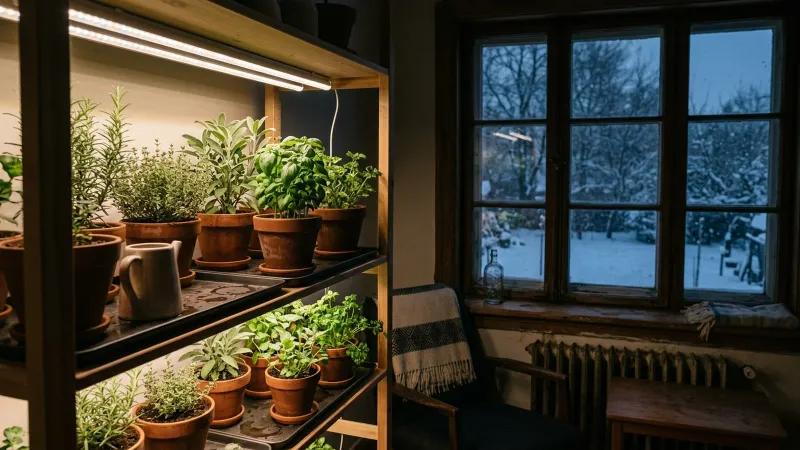
Leggy, pale stems stretching toward the window? That is your herb begging for more light.
A south-facing window offering six to eight hours of direct sun is ideal. In much of the US, though, short winter days make that hard to reach.
Full-spectrum LED grow lights fill the gap nicely. Run them 12 to 16 hours a day, hanging 6 to 12 inches above the plants.
Basil, rosemary, and thyme respond especially well, and you may notice tighter, greener growth within a couple of weeks.
6. Water Less Than You Think
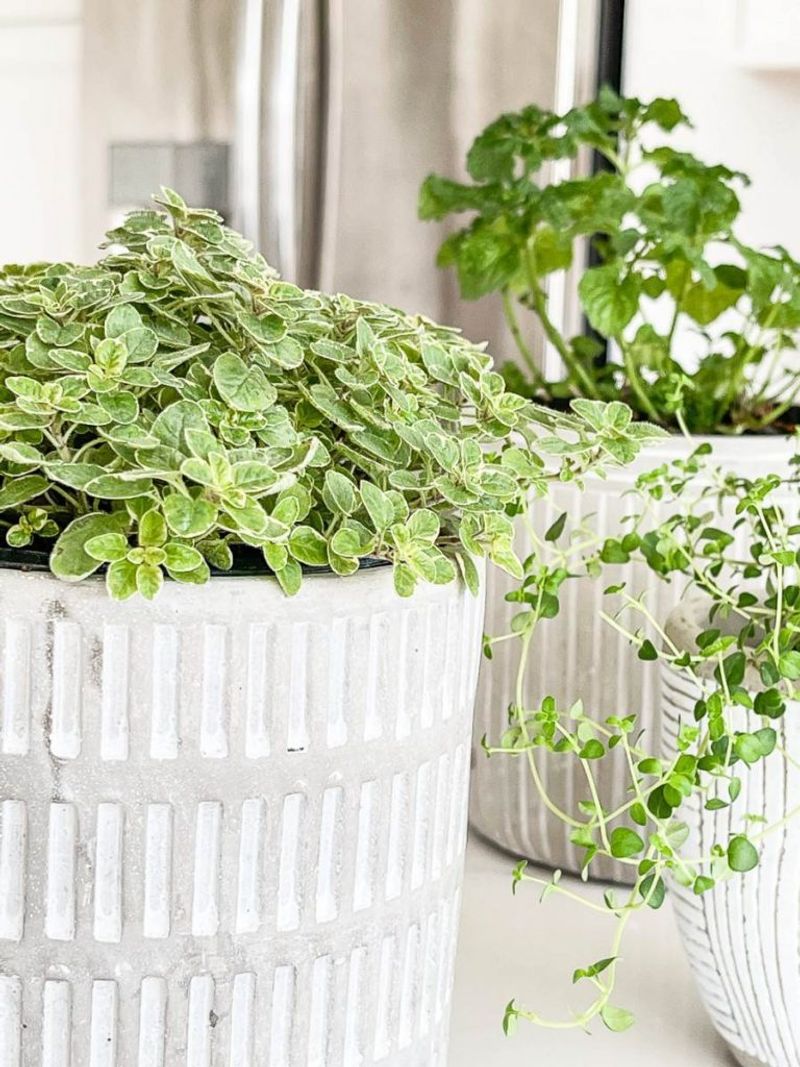
Here is a tough truth: kindness kills more indoor herbs than neglect does. With weak winter light, plants drink far less, so a summer watering routine quickly drowns the roots.
Skip the calendar. Push your finger one to two inches into the soil, and water only when it feels dry at that depth.
Let excess water run out the bottom, then empty the saucer. Leaving pots in standing water is like making roots wear wet socks all day, and rot often follows.
7. Raise The Humidity Around Them
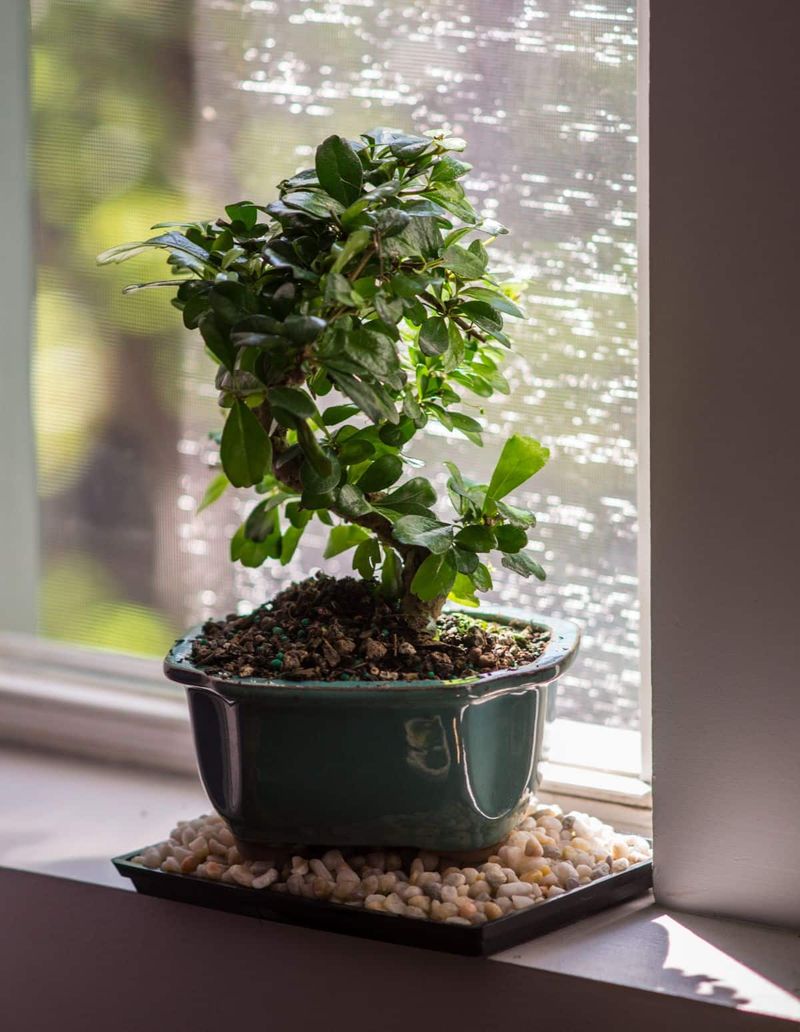
Crispy brown leaf edges often trace back to your furnace. Heated indoor air can be as dry as a desert, and leafy herbs feel it fast.
A pebble tray is a cheap fix. Fill a shallow tray with pebbles and water, then set pots on top so they sit above the waterline, not in it.
Grouping plants together also builds a small pocket of moisture. Occasional misting helps parsley and mint, but skip it for rosemary, which can be prone to powdery mildew.
A small room humidifier works well if your air is extra dry.
8. Keep Temperatures Steady
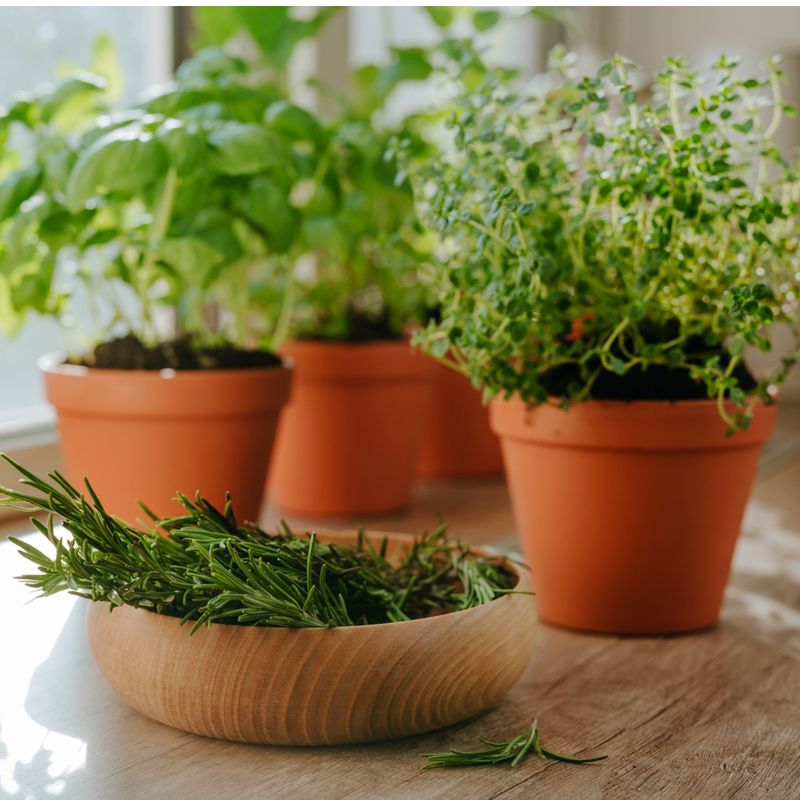
Basil is a bit of a drama queen about the cold. Let it touch chilly glass or sit below 50°F, and you may see black spots and droopy leaves overnight.
Most herbs are happiest at 60 to 70°F during the day and a slightly cooler 55 to 60°F at night. Pull pots a few inches back from window glass on frosty nights.
Hot air vents cause the opposite problem by drying plants out quickly. Find a spot that stays comfortable for you, and your herbs will likely agree.
9. Ease Up On Fertilizer
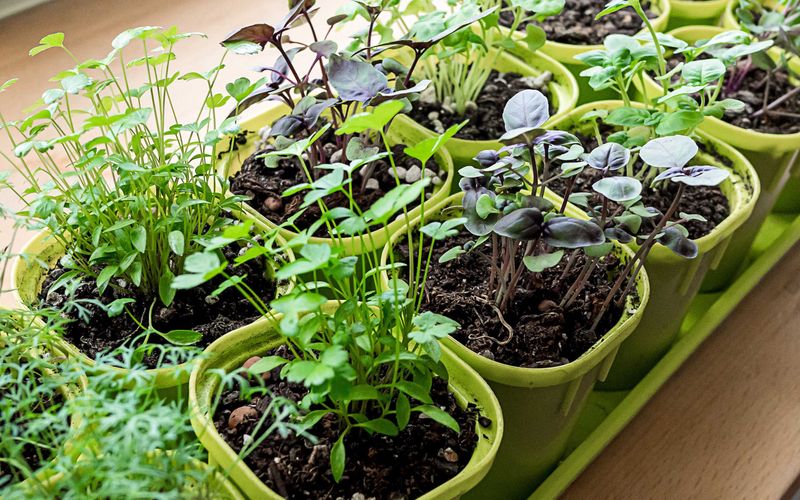
Feeding a resting plant is like serving a big dinner to someone who is half asleep. Most herbs slow down in winter and need little or no fertilizer.
Skip feeding entirely for the first few weeks after the move. Too much can cause weak, floppy growth, salt buildup, and even duller flavor.
If plants are actively growing under grow lights, use a diluted liquid fertilizer like fish emulsion at quarter to half strength every 3 to 8 weeks. Herbs that are clearly dormant can wait until mid-January or early spring.
10. Snip Often For Bushy Plants
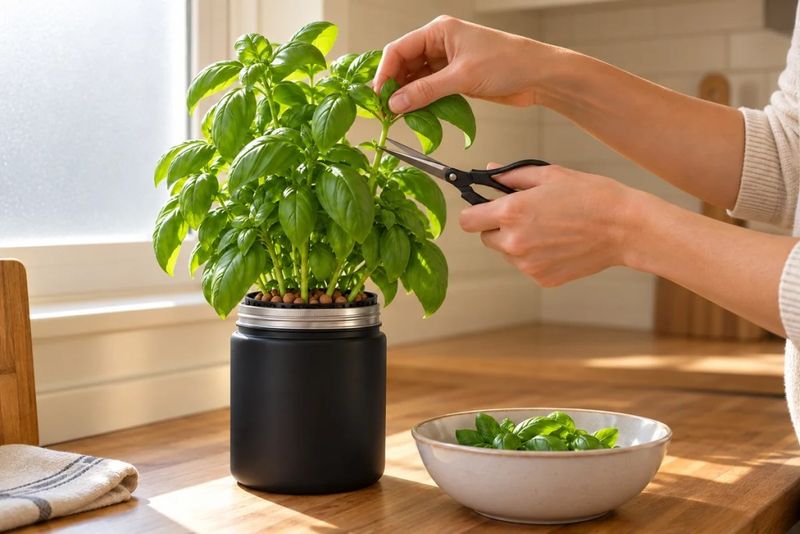
Good news for cooks: using your herbs is one of the best ways to keep them healthy. Regular harvesting tells the plant to branch out instead of growing tall and thin.
Always cut just above a leaf node, the spot where leaves meet the stem. New shoots sprout from there, making the plant fuller.
Fun fact: pinching basil this way can also delay flowering, which keeps leaves tasting sweeter. Never take more than about a third at once, so the plant has enough left to recover.
11. Keep The Air Moving
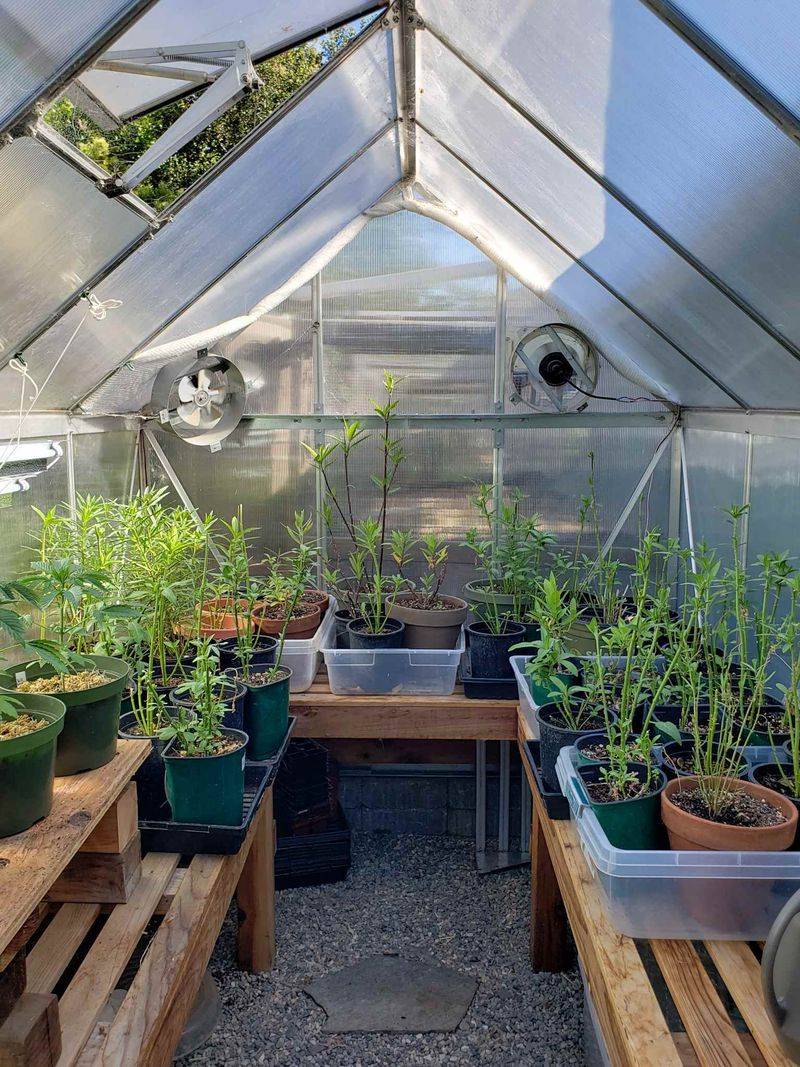
White, powdery dust on leaves usually signals stale, damp air. Indoors, there is no breeze to dry foliage the way there is outside.
Space pots about 2 to 5 inches apart so air can flow between them. In a crowded corner or under grow lights, a small fan on its lowest setting can make a real difference.
Gentle airflow can reduce fungal trouble and helps soil dry after watering. As a bonus, light movement may help stems grow a little sturdier.
12. Use Light, Fluffy Potting Mix
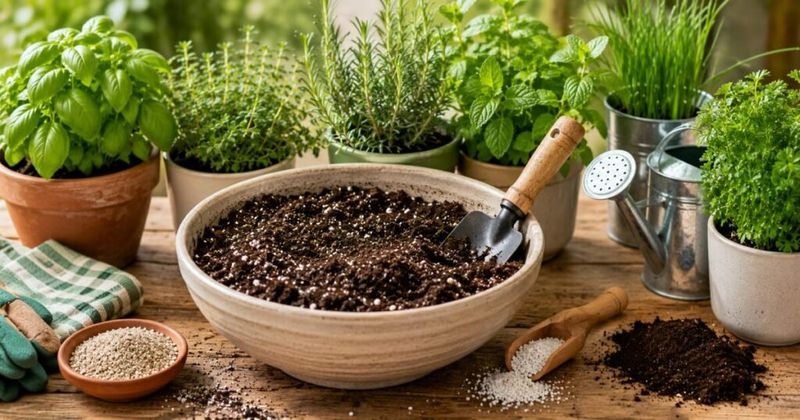
Garden soil works fine in the ground, but in a pot it packs down like brick. Roots end up starved of air and soaking in moisture.
Choose a quality, well-draining potting mix instead. Blending in perlite or coarse sand boosts drainage, which Mediterranean herbs like sage and oregano love.
When you repot, shake off as much heavy garden dirt as gently as you can. A fresh, airy mix gives roots room to breathe all winter long.
13. Turn Pots Every Few Days
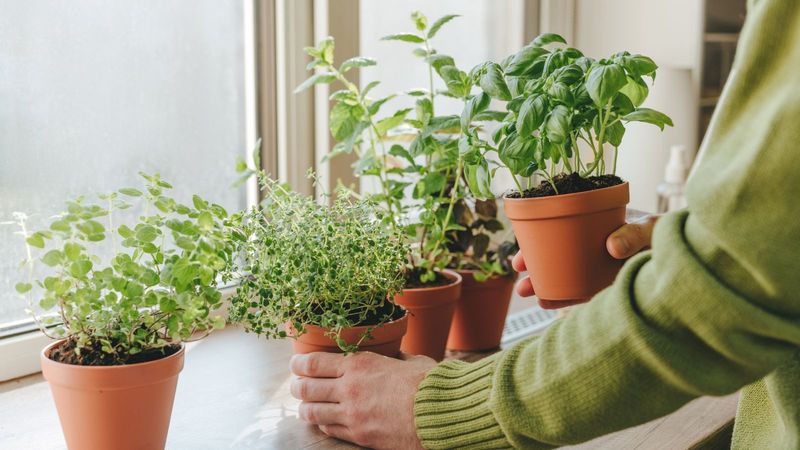
Ever notice your herbs leaning like they are trying to peek outside? Plants naturally bend toward light, and windowsill herbs get lopsided fast.
Give each pot a quarter turn every few days. All sides get their share of sun, and the plant grows evenly.
Making it part of your watering check keeps it easy to remember. By spring, you will have balanced, bushy herbs ready to head back outdoors once frost danger passes.