
Planting a Serviceberry in Your North Carolina Yard This Fall Could Feed Your Birds in Late Spring
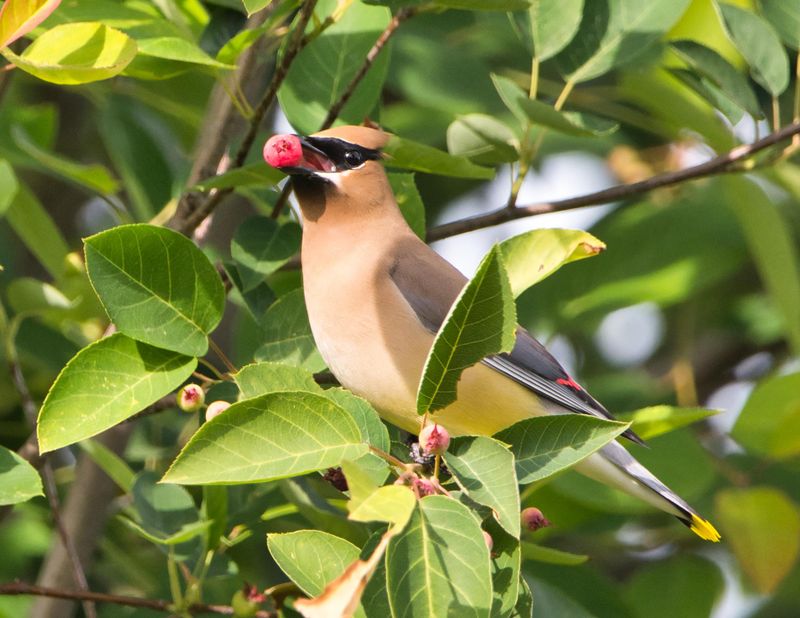
A serviceberry tree covers itself in white flowers in early spring, then makes small purple-red fruit that birds love. Fall is a good time to put one in the ground, and the tree will use the cool months to grow roots.
Berries will not show up the very next spring, though, so patience is part of the deal. Here is how to pick the right species, plant it well, and give it a fair shot at becoming a bird favorite.
Choose a serviceberry suited to your part of North Carolina
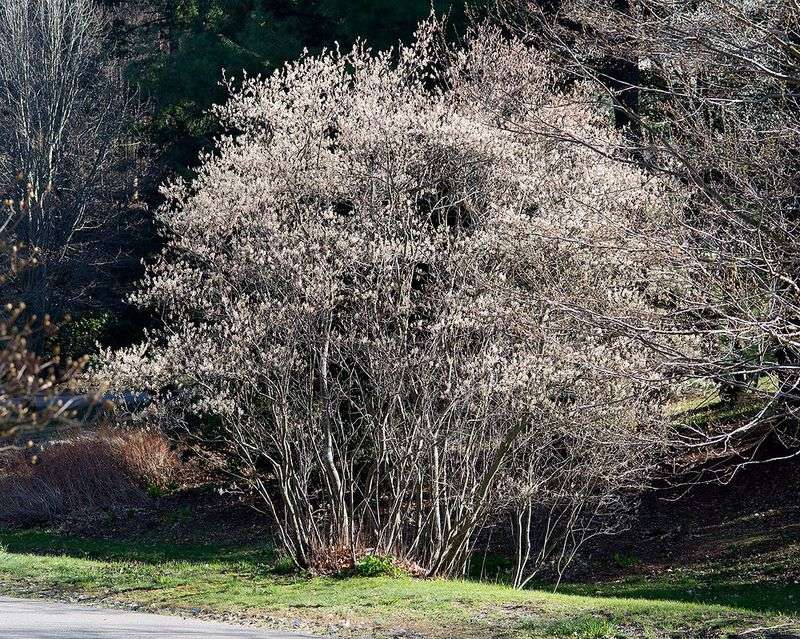
A tag that just says serviceberry is not enough information. Several species carry that common name, and they differ in range, size, and habitat.
Look for the Latin name on the label, then match it to where you live.
Downy serviceberry (Amelanchier arborea) is the better-supported pick for the Piedmont and Mountains. NC State Extension lists it for those two regions, which makes it a natural starting point for gardeners in Charlotte, Raleigh, Asheville, and the towns around them.
Canadian or shadblow serviceberry (Amelanchier canadensis) is a second option. The Vascular Plants of North Carolina flora records it as native in the Coastal Plain and Piedmont, but it also says the plant is much less common across much of the state than downy serviceberry.
Coastal Plain gardeners can look for it, though it may take some searching.
Do not assume every plant sold as serviceberry is a good local fit. Some nursery stock is a hybrid or an unnamed selection, and it may not behave like the native species described here.
Ask the staff which species the plant is, and walk away if nobody can say. For site details on shadblow, the NC State plant profile is a handy reference to bring along.
Give the tree room and a suitable place to grow
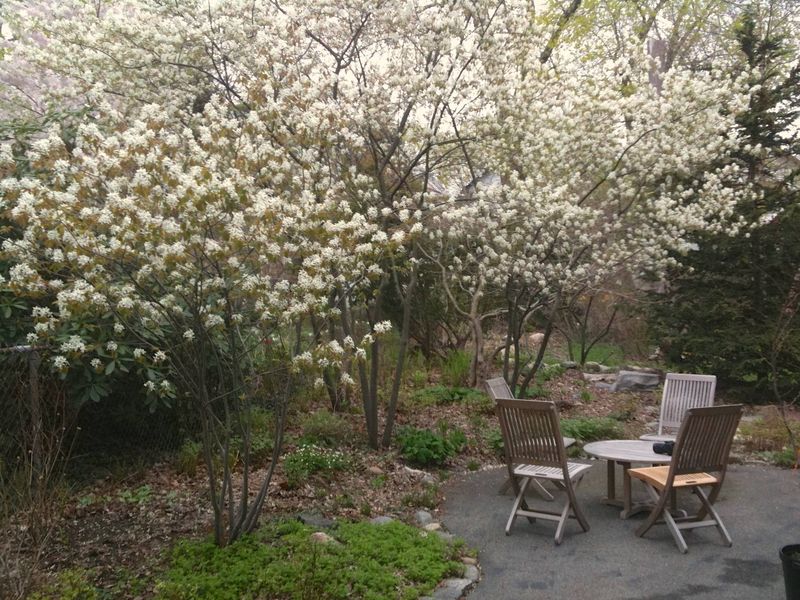
Picture the tree at full size before you pick a spot. For shadblow serviceberry, NC State Extension gives a typical height of 15 to 25 feet.
That is a lot of tree for a tiny sapling in a one gallon pot.
Measure the space overhead and to the sides. Keep it clear of power lines, the roofline, and the foundation of your house.
A spot near the edge of the yard or beside a patio often works well.
The same source says shadblow prefers part shade and moist, well-drained soil. Full sun is possible, but a sunnier site may need more attention to moisture, especially in dry stretches.
Think of a place that gets morning light and some afternoon shade, or the filtered light beneath taller trees.
These conditions describe shadblow specifically. If you are planting downy serviceberry or another species, check its own profile instead of assuming the numbers carry over.
Walk the yard after a heavy rain and notice where water pools or drains away. Soggy spots and bone-dry spots are both poor choices.
Plant in fall with the root flare at the soil surface
Autumn is a sound planting window in North Carolina. N.C.
Cooperative Extension in Beaufort County explains why fall works well for trees and shrubs. A fall planting still does not promise berries or bird visits next spring, so treat it as the start of a long project.
Begin by calling 811 before you dig, so buried utility lines are marked. It is free and it prevents a dangerous surprise.
Dig a broad hole, but no deeper than the root flare, the spot where the trunk widens at the base. Set the tree so that flare sits right at the soil surface.
Planting too deep is a common mistake that can stress a young tree.
Take the tree out of its pot and look at the roots. If they circle the root ball, loosen them gently with your fingers so they can spread outward.
Backfill with the native soil you dug out, rather than a rich mix that may discourage roots from reaching beyond the hole. Water deeply once the hole is filled.
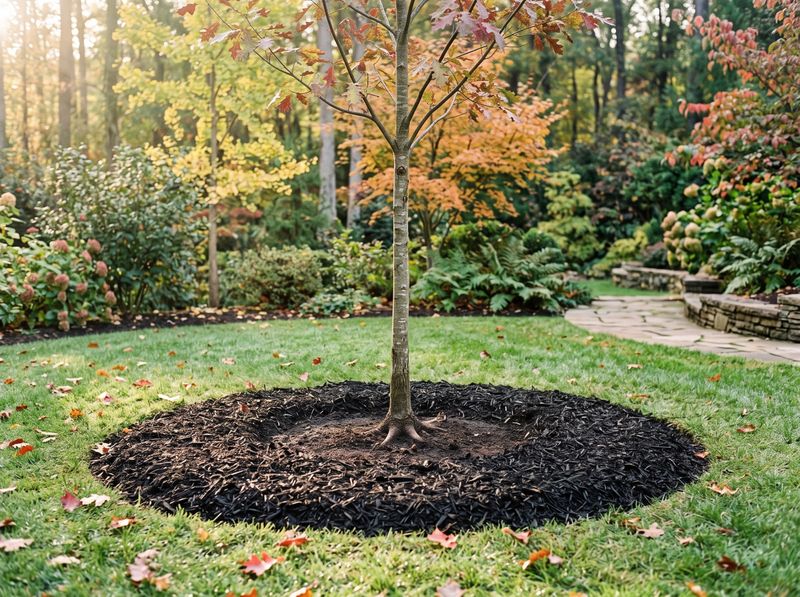
Finish with 2 to 3 inches of mulch. Pull it back so it does not touch the trunk.
A mulch ring that looks like a doughnut, not a volcano, is what you want.
Help the young serviceberry establish through dry spells
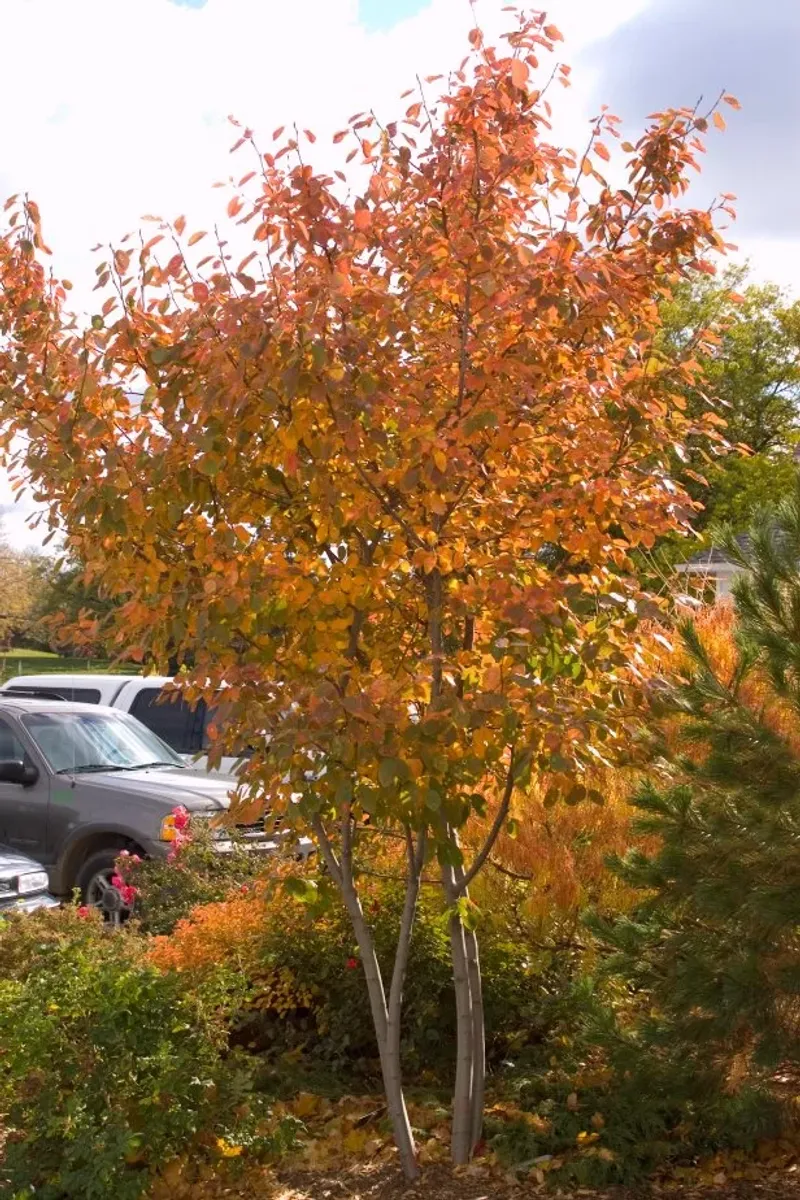
Planting day is only the first step. The weeks and seasons after it decide whether the tree settles in.
North Carolina often has dry spells in fall and even in winter, and a young tree with a small root system feels them quickly.
Make soil checks a habit. Push a finger a couple of inches into the soil near the root ball, or use a trowel to peek below the mulch.
If it feels dry, give the tree a slow, deep drink. The Beaufort County Extension guidance points to monitoring moisture during dry periods instead of watering on autopilot.
That means there is no magic calendar to follow here. A rainy November may need nothing from you, while a dry December might call for a hose.
Let the soil tell you.
Keep that mulch layer topped up and away from the trunk. Be patient too.
A new tree spends its first seasons building roots, and careful watering helps it get there but does not guarantee fruit next spring.
Expect fruit later than the early-spring bloom
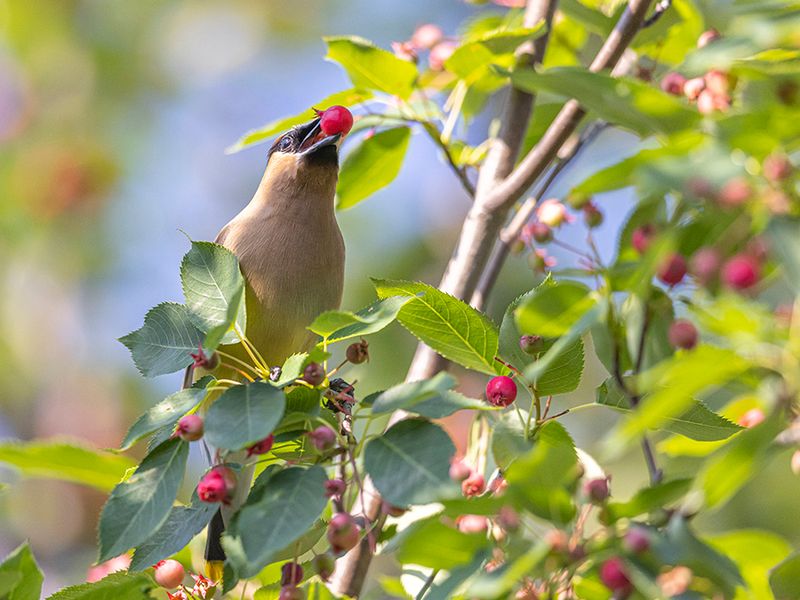
Serviceberries bloom early, often before many other trees leaf out, and that is where the idea of a spring feast comes from. Flowers are not fruit, though.
For downy serviceberry, NC State Extension lists fruit availability in May and June. So the berries are a late spring to early summer food, and only once the tree is established and fruiting.
Birds that use them have good backing. The Cornell Lab of Ornithology notes Cedar Waxwings eating serviceberries in summer.
University of Maryland Extension also lists American Robins among the birds that use the fruit.
Eastern Bluebirds are a different story. They may sample fruit, but the North Carolina Wildlife Resources Commission describes their diet as primarily insects.
Nothing here shows they are dependable serviceberry visitors, so do not plant one just for bluebirds.
Whether birds show up in any given year depends on the tree’s age, how much fruit it sets, which birds live nearby, and what else is available to eat. NC State’s backyard bird habitat guide stresses variety for this reason.
The sources support serviceberry as potential food, not a guaranteed visit or an immediate crop.
Make one serviceberry part of a varied, wildlife-friendly yard
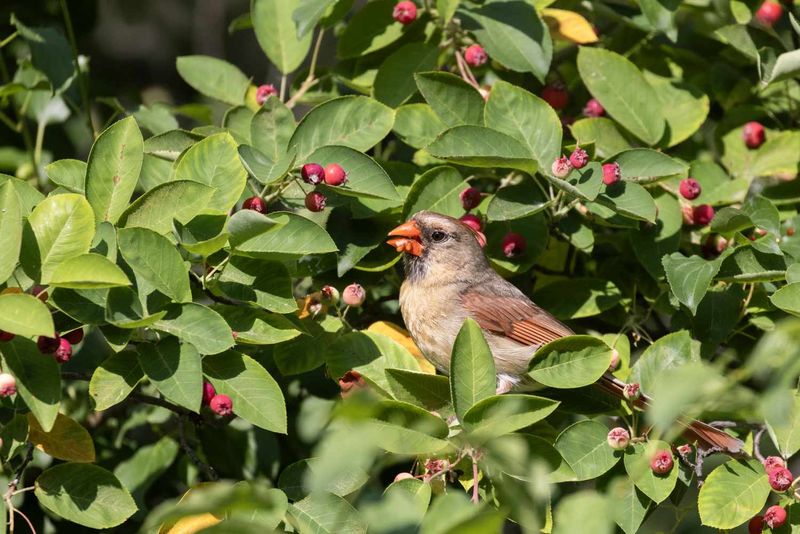
One tree will not run a bird buffet by itself. NC State Extension recommends a mix of food-producing plants with different fruiting seasons, so something is ripe for hungry birds across the year.
Let the serviceberry cover May and June, and add other native plants for other months.
Watch for one possible issue. University of Maryland Extension notes serviceberries can be susceptible to cedar-quince rust, and severity varies.
Not every plant gets it, and it is no reason to remove native eastern redcedars.
Choose the right species, plant it well, and keep it watered. Some year, a waxwing will land on those branches and you will have earned it.