
17 Low-Growing Perennials That Fill Bare Beds Before Spring and Come Back Every Year
Bare soil in late winter looks sad, and it also invites weeds to move in before your favorite plants wake up. The good news is that some tough little perennials bloom or green up early, cover the ground, and return on their own year after year.
You plant them once, and they do the hard work of filling gaps while your hydrangeas and tomatoes are still waking up. Here are 17 easy, low plants that can turn an empty bed into a carpet of color.
1. Creeping Phlox
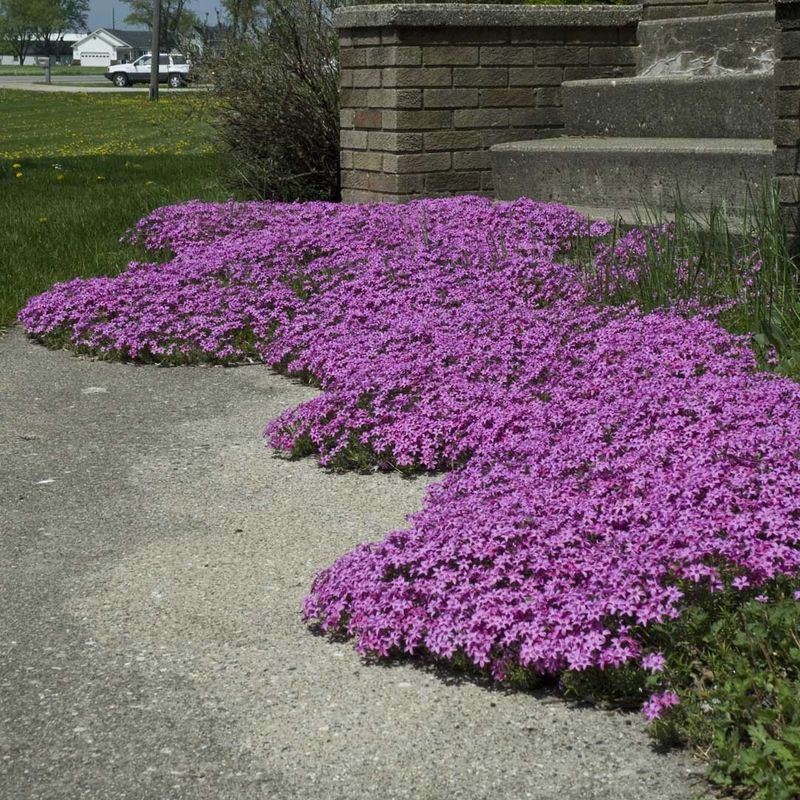
Picture a hillside that looks like someone spilled a bucket of pink paint. That is creeping phlox in April, and it stops traffic on suburban streets every year.
Phlox subulata forms a tight mat of needle-like leaves that stay green through winter, so the bed never looks fully bare. Starry flowers in pink, lavender, white, or blue open right alongside tulips and daffodils.
Give it full sun and soil that drains well. Soggy ground is the one thing that can rot it, so slopes and rock edges are ideal spots.
After blooming, a light shearing keeps the mat tidy and thick. Bonus points: it is native to North America and deer usually walk right past it.
2. Primrose
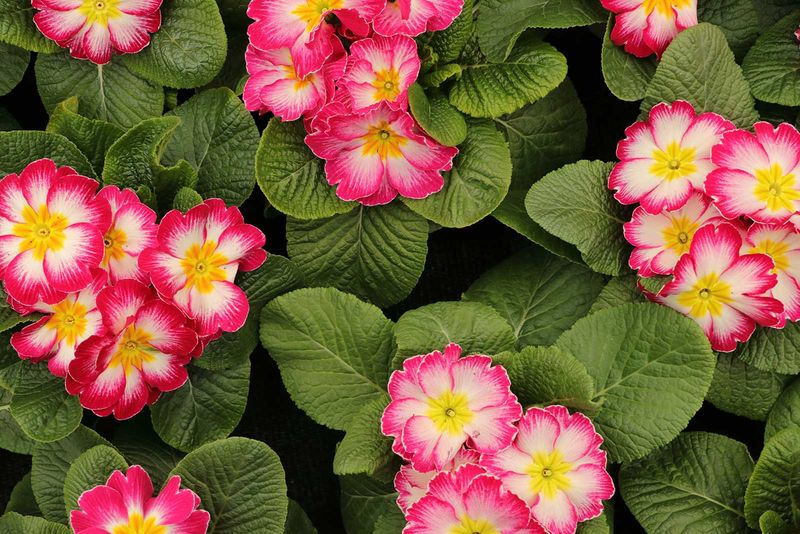
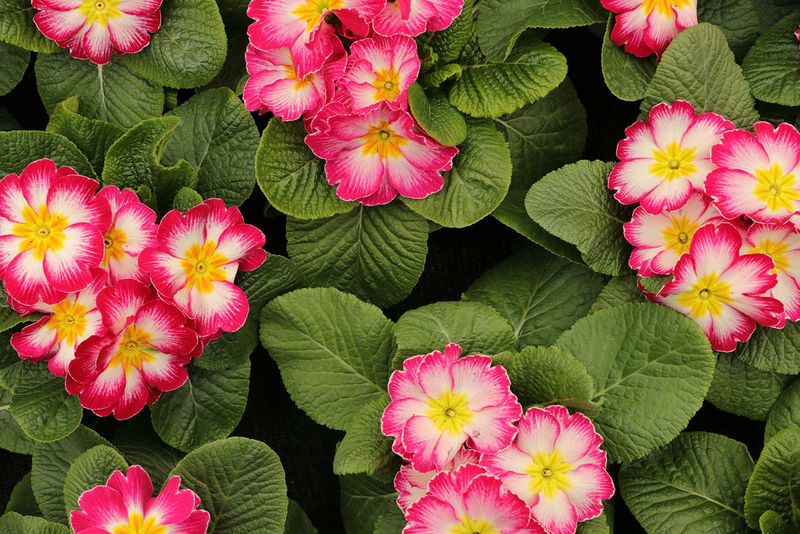
Grandma’s porch pots often held a few cheerful primroses, and there is a good reason they stuck around for generations. Few flowers shrug off chilly mornings with such bright faces.
Primula plants stay compact, usually under 8 inches tall. Their ruffled blooms come in yellow, pink, purple, red, and blue, often with a sunny eye in the center.
They like part shade and soil that stays slightly moist. If leaves flop in summer heat, that is normal stress, so water deeply and they usually perk back up by evening.
Divide crowded clumps every few years after bloom to keep them vigorous and to get free plants for other bare spots.
3. Candytuft
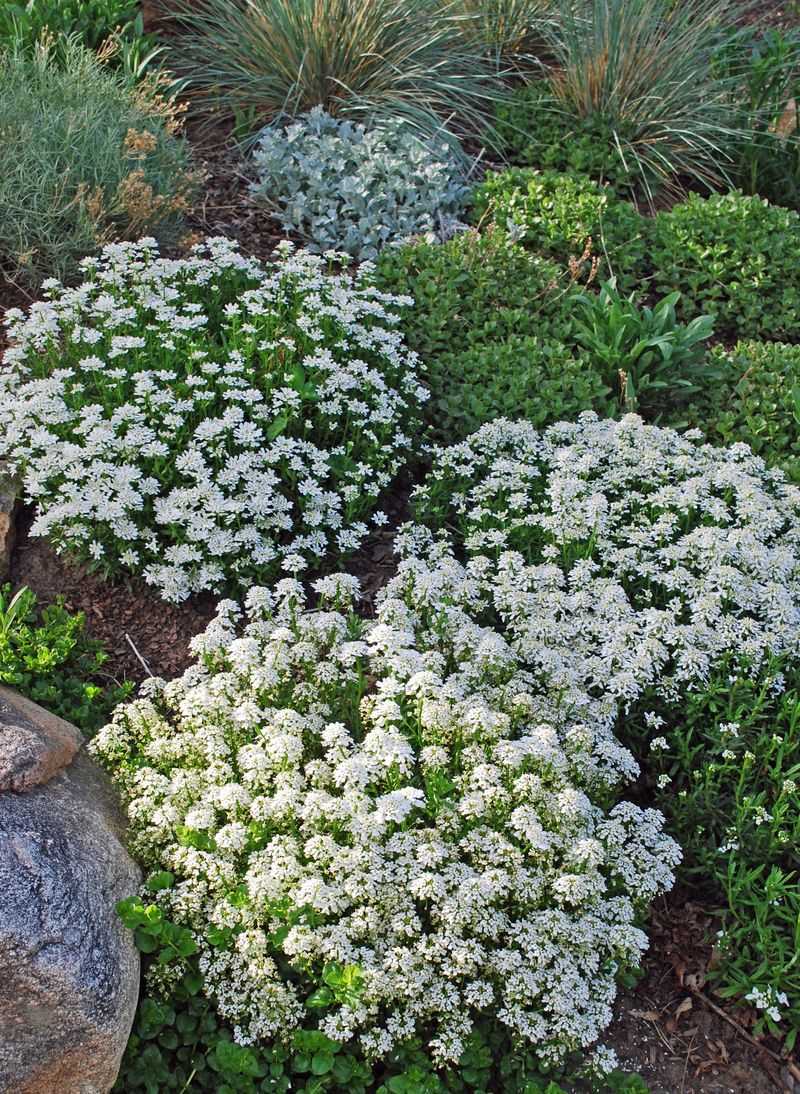
Snow in April? Not quite.
Candytuft covers itself in so many white blooms that neighbors sometimes do a double take.
Iberis sempervirens grows about 6 to 12 inches tall with glossy, dark green leaves that hold their color all winter. That evergreen backbone makes it a strong pick for edging paths and the front of borders.
Plant it in sun with good drainage. Once the flowers fade, trim the stems back by about a third to prevent woody, leggy growth.
It pairs beautifully with purple tulips or blue muscari, giving crisp contrast without much effort.
4. Spotted Dead Nettle
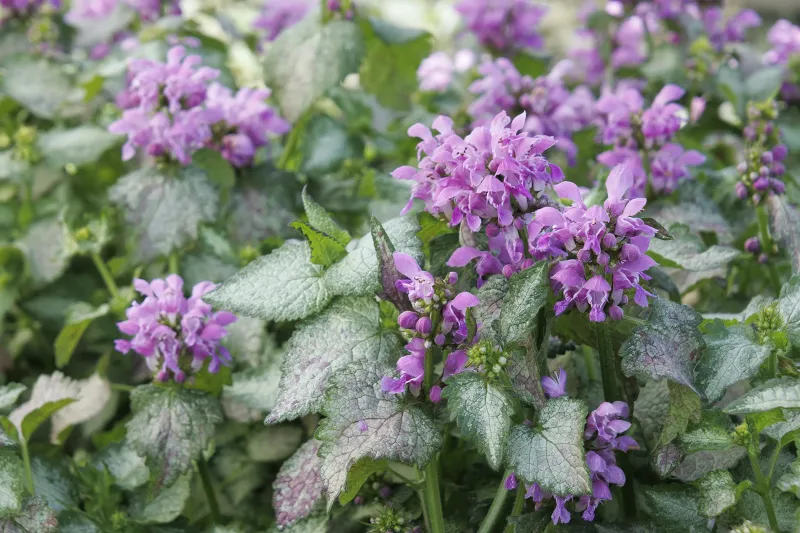
Got a dark corner where grass gives up? Spotted dead nettle practically glows in shade thanks to its silvery leaves.
Lamium maculatum blooms from mid-spring into fall with little hooded flowers in pink, magenta, or white. Despite the name, it does not sting at all.
It spreads quickly in humus-rich, moist soil that still drains well. Deer and rabbits tend to skip it, which is a relief if they munch everything else.
If patches turn brown in a hot dry spell, cut them back and water. Fresh leaves usually return within a few weeks.
5. Ajuga
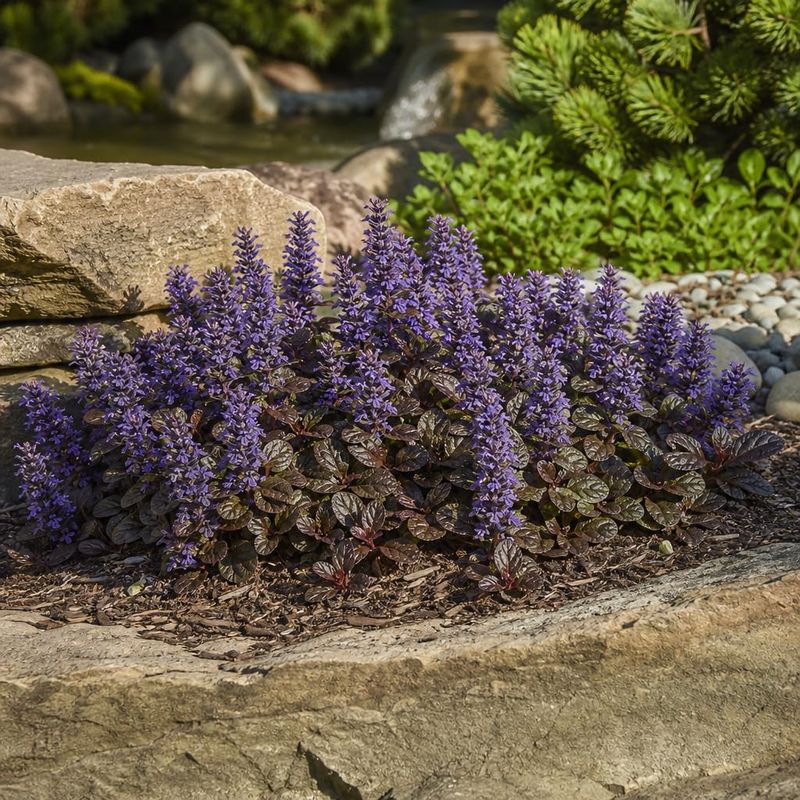
Some plants are all about flowers. Ajuga brings the drama with its leaves first, in shades of bronze, burgundy, and green splashed with cream.
Also called bugleweed, Ajuga reptans hugs the ground at just a few inches tall. In spring it sends up short spikes of blue-violet flowers that bees love.
It handles sun to shade and fills in fast by runners. Keep it away from lawns, since it can creep into grass.
Crown rot can happen in heavy, wet soil, so thin crowded patches to let air move through.
6. Heuchera
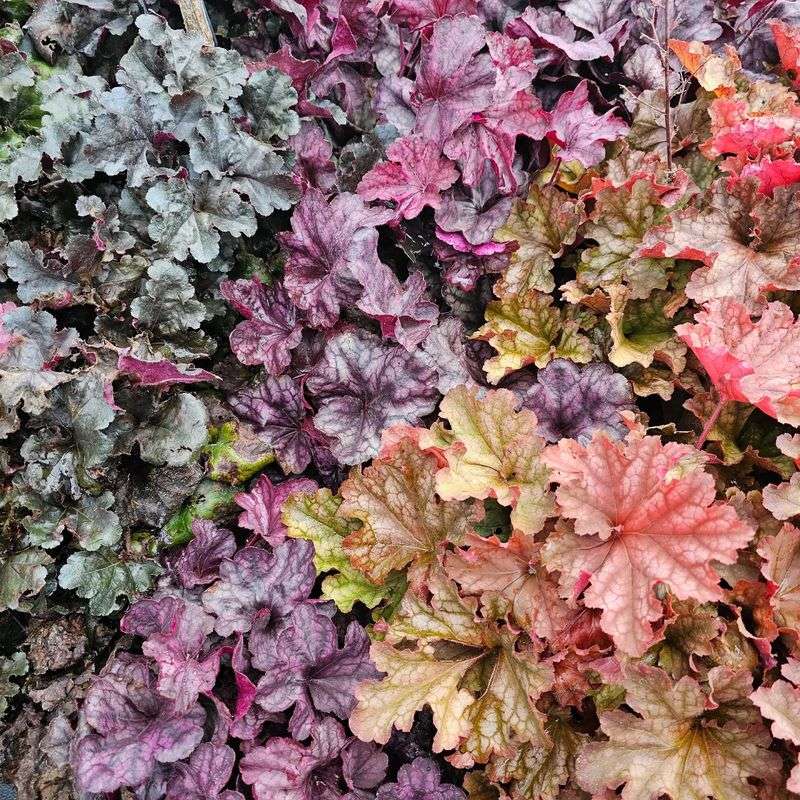
Think of heuchera as the paint chip aisle of the garden. Leaves come in lime, caramel, near-black purple, silver, and peach.
Coral bells form neat low mounds and often keep some foliage through winter in milder areas. Tall wands of tiny bell flowers rise in late spring and draw hummingbirds.
Part shade suits most varieties best. If crowns heave up after a freeze, press them back down and add a bit of mulch around them.
Mixing two or three colors fills a bare bed with texture long before summer flowers show up.
7. Pulmonaria
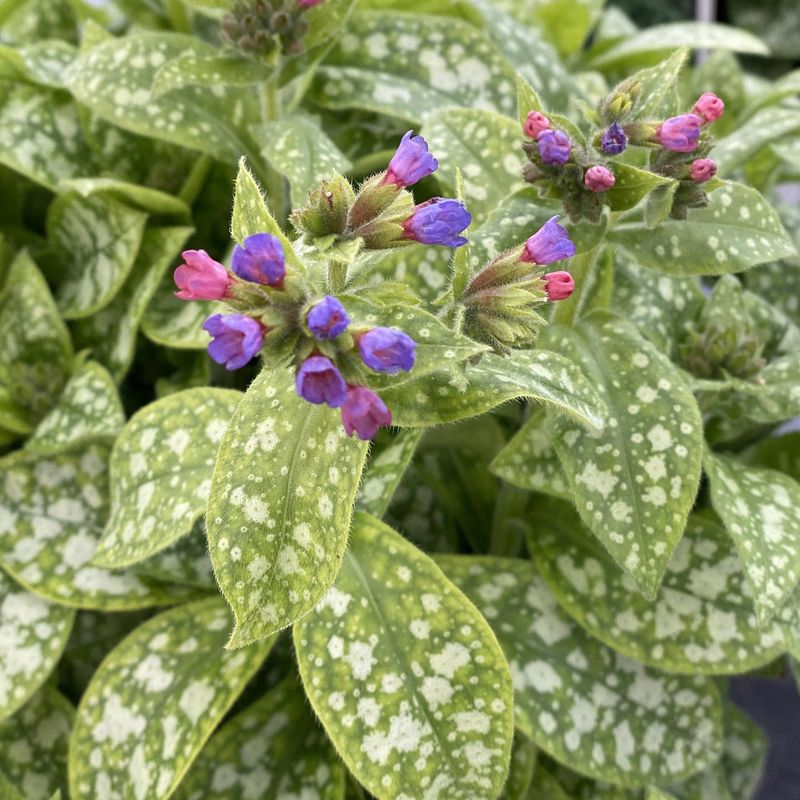
Old herbalists thought the spotted leaves looked like lungs, which is how lungwort earned its odd name. Gardeners today love it for a happier reason.
Pulmonaria is one of the first perennials to bloom, often in March. Flowers open pink and age to blue, so one clump shows both colors at once.
Plant it in shade with rich, moist soil. Powdery mildew can appear in dry summers, so water at the base and remove tired leaves.
After flowering, fresh speckled foliage keeps the bed attractive for months.
8. Foamflower
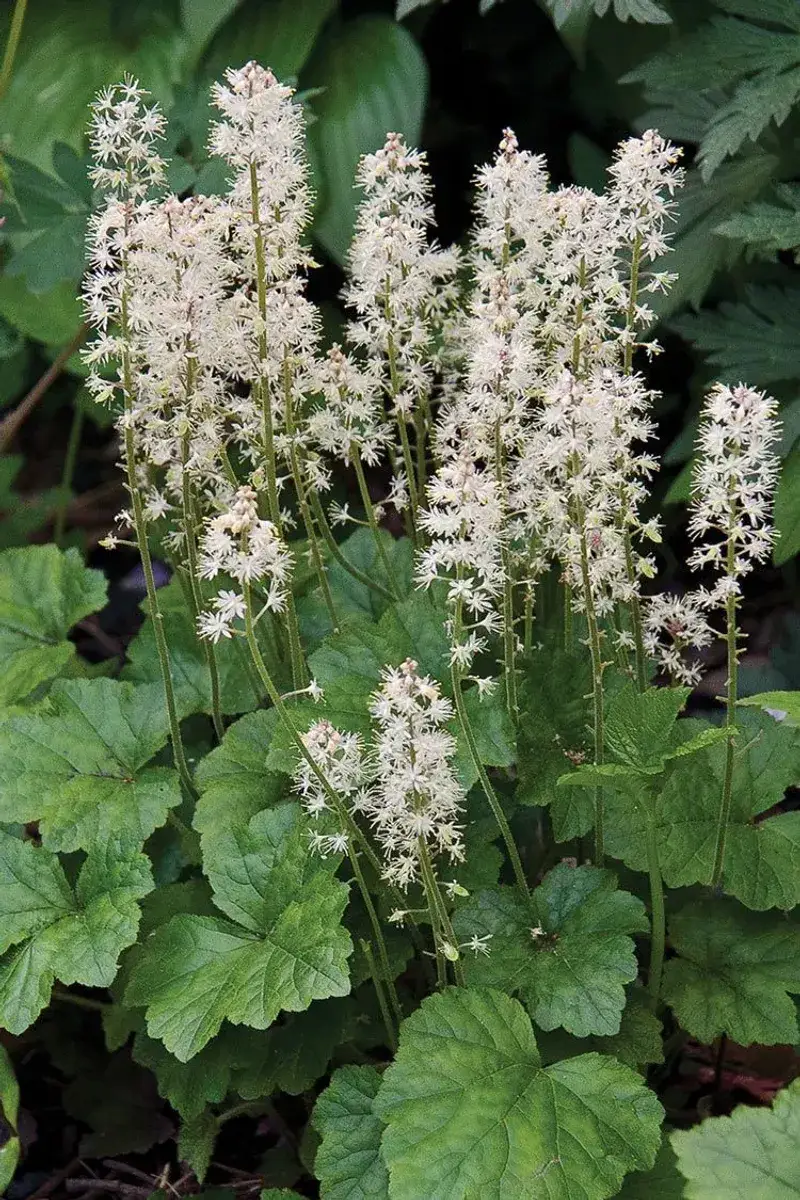
Walk through an eastern woodland in spring and you might spot frothy white spires rising from the forest floor. That is foamflower doing its thing in the wild.
Tiarella cordifolia is native, low, and spreads gently by runners. Its lobed leaves often carry dark markings and turn bronze in fall.
It wants shade and moist soil rich in leaf litter. Native bees visit the blooms, so you get pollinator support along with a filled-in bed.
9. Basket of Gold
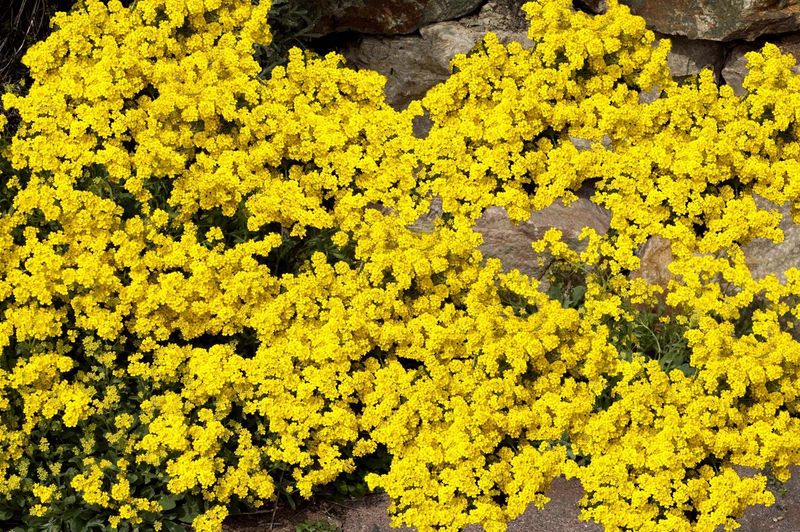
Sunshine in plant form. Basket of gold spills bright yellow blooms over walls and rock edges in mid to late spring.
Aurinia saxatilis has soft gray-green leaves that look good even when the flowers are gone. It loves full sun and lean, gritty soil.
Rich soil or too much fertilizer actually makes it floppy. Shear it after bloom to keep it compact.
It pairs well with purple creeping phlox for a classic spring color combo.
10. European Wild Ginger
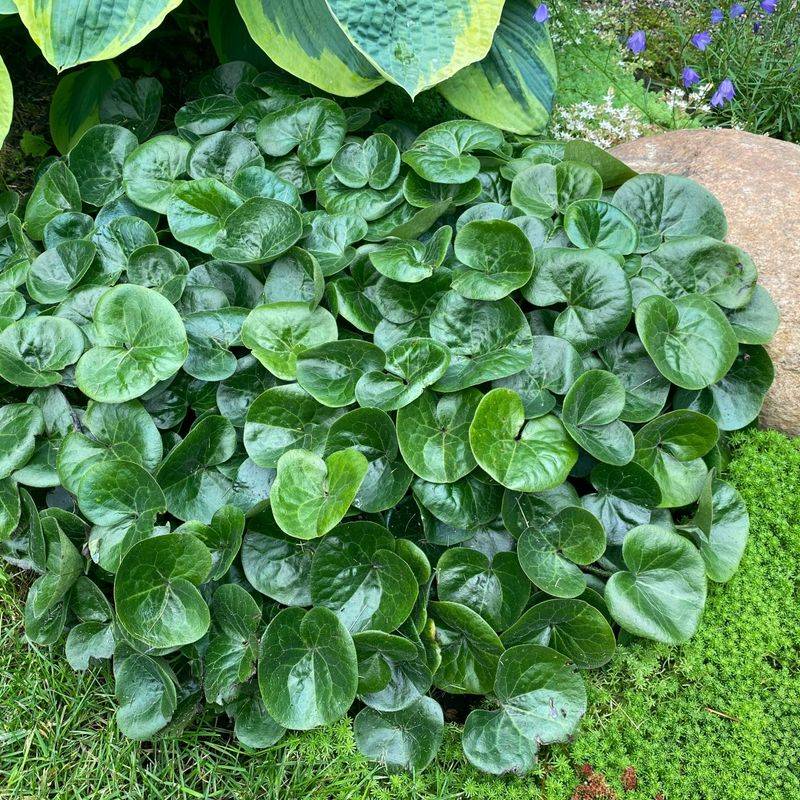
Glossy, round, and almost leathery, European wild ginger leaves look polished even in deep shade. It is the plant you add when you want calm, not fireworks.
Asarum europaeum forms a dense mat just a few inches high. Tiny dark red flowers hide beneath the leaves, so most people never notice them.
Give it humus-rich, moist, well-draining soil. Deer and rabbits generally leave it alone.
Growth is slow at first, so plant a little closer together for faster coverage.
11. Creeping Speedwell
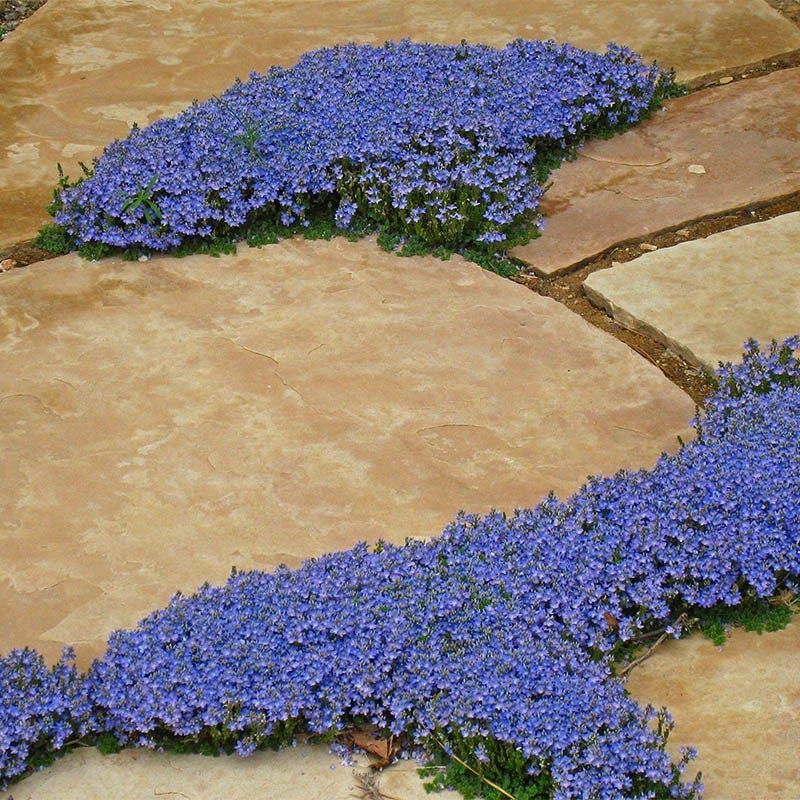
Weeds love the cracks between pavers. Creeping speedwell claims that space first.
Veronica umbrosa forms a low mat that may help suppress early spring weeds. In late spring it opens tiny flowers in blue, lavender, or white.
It works in sun or light shade with average soil. Deer and rabbits tend to avoid it.
Trim edges once a year to keep it neat along borders.
12. Dianthus
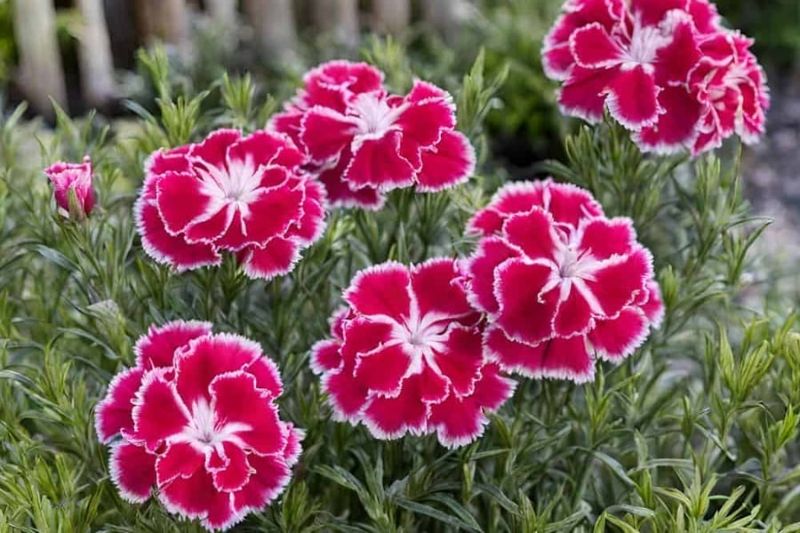
Lean in close. Many dianthus smell like cloves, a spicy scent that has charmed gardeners for centuries.
Garden pinks are very cold-hardy, with blue-gray grassy foliage that often stays visible in winter. Fringed flowers come in pink, red, white, and bicolors.
Plant in sun with sharp drainage, and avoid burying the crown. Deadheading can extend bloom.
13. Vinca
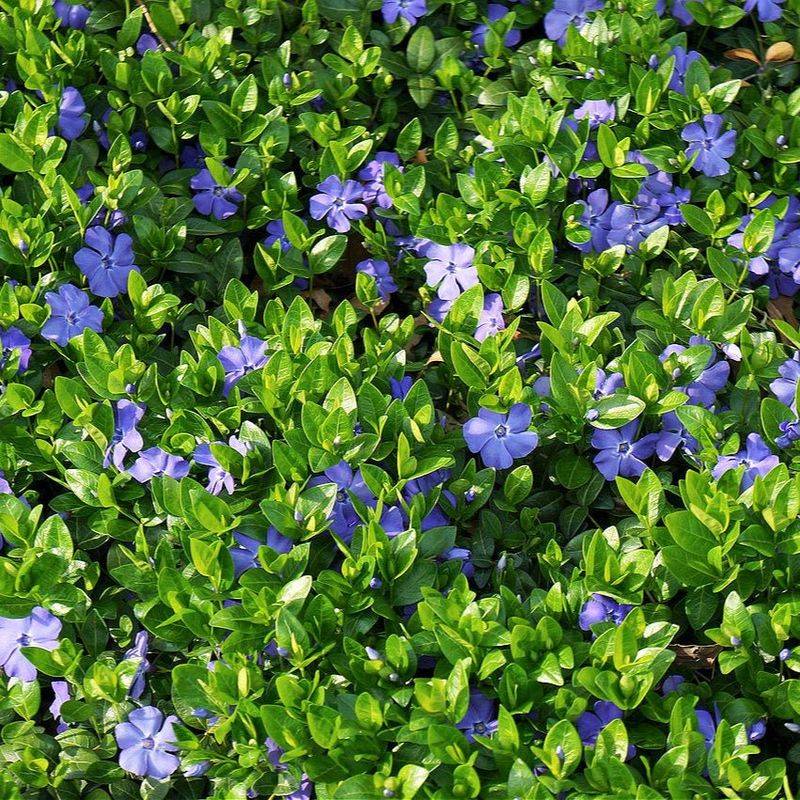
Ever seen a shady slope stay green all winter? There is a decent chance vinca is responsible.
Periwinkle has glossy evergreen leaves and periwinkle-blue spring flowers. It spreads quickly and handles tough spots.
That vigor comes with a caution. In some states it escapes into woodlands, so check local guidance and plant it where it can be contained.
Edge it with a border and trim runners yearly.
14. Sedum
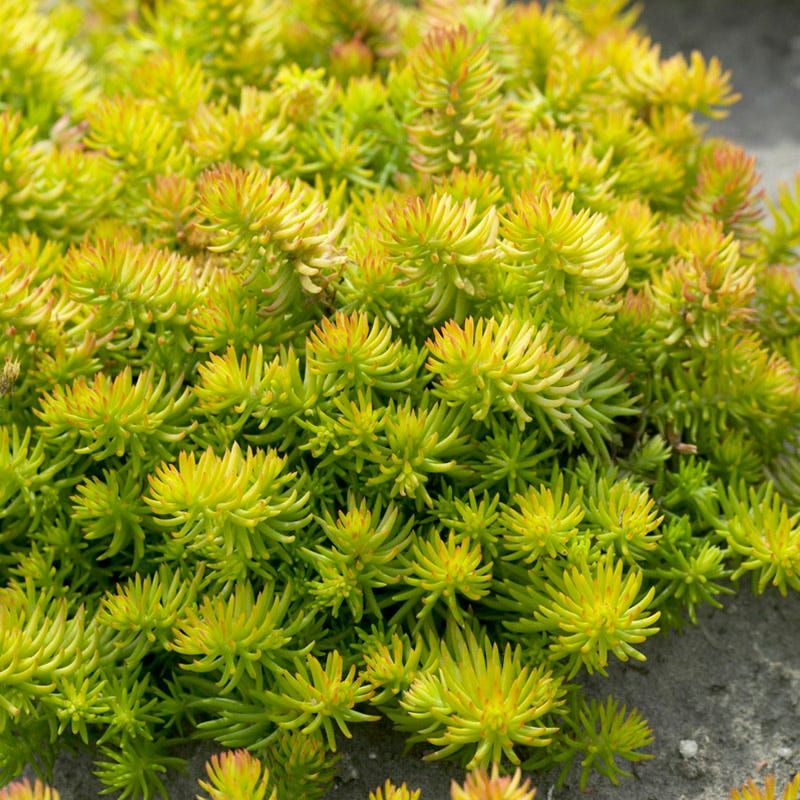
Forget to water? Sedum forgives you.
Low creeping sedums store water in fleshy leaves and thrive in hot, sunny, dry spots where other plants fade. Colors range from chartreuse to deep red.
The key is drainage. Too much water can rot them.
Break off a piece and press it into soil, and it usually roots in weeks.
15. Creeping Thyme
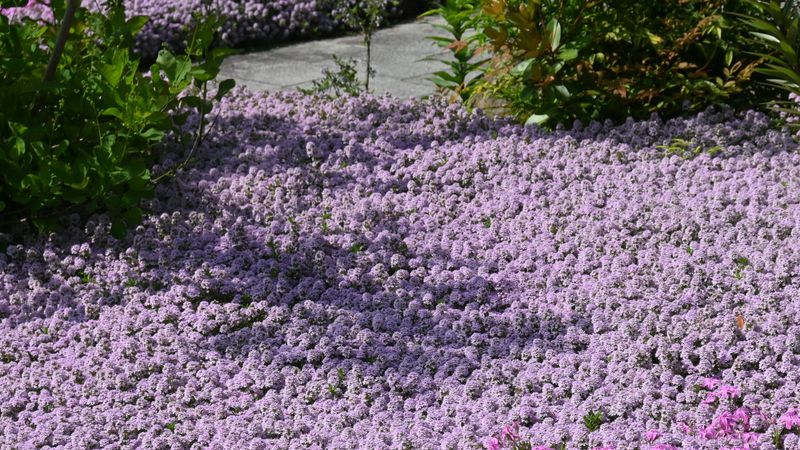
Step on it and smell the reward. Creeping thyme releases a fresh herbal scent underfoot.
This carpeting herb stays an inch or two tall and fills gaps fast. Tiny pink or purple flowers attract bees in early summer.
Give it full sun and well-drained soil. It tolerates light foot traffic.
16. Woodland Phlox
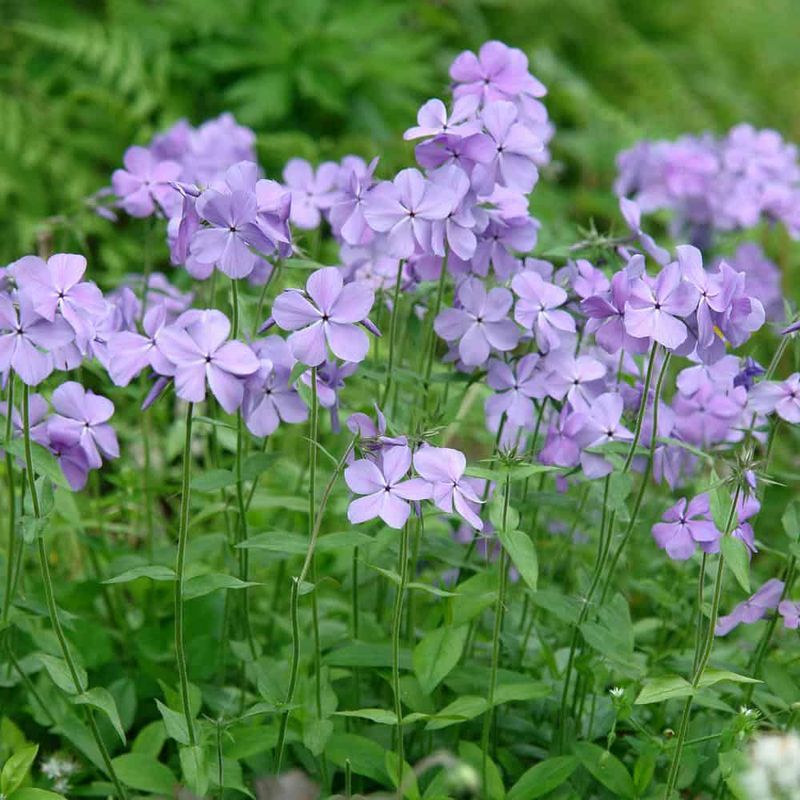
Here is the gentler cousin of creeping phlox. Woodland phlox forms a looser mat, reaching up to a foot tall.
Phlox divaricata opens fragrant lavender-blue, white, or purple flowers in spring. It thrives in dappled shade.
Keep soil moist and rich. Cut back stems after bloom.
Native and loved by butterflies.
17. Crocus
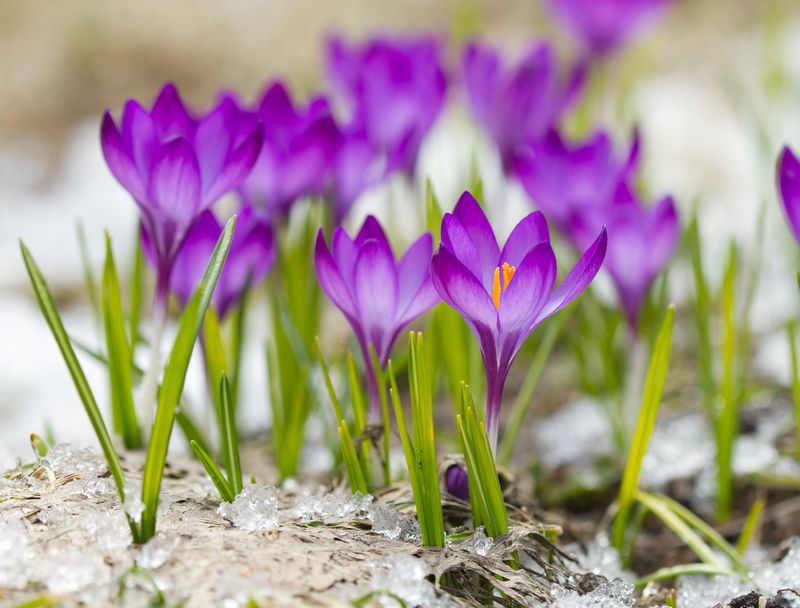
Nothing says winter is losing like crocus poking through snow. These are often the very first blooms of the year.
Technically bulbs, crocuses naturalize and return every year. Plant them in fall, 3 to 4 inches deep.
Let the leaves die back naturally so bulbs recharge for next spring.
Squirrels sometimes dig them, so a layer of chicken wire can help.