
What Do Eastern Fence Lizard Push-Ups on a North Carolina Woodpile Mean?
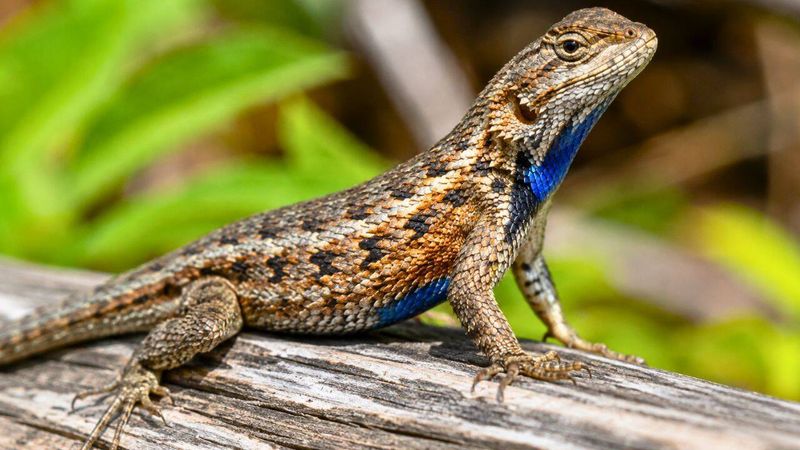
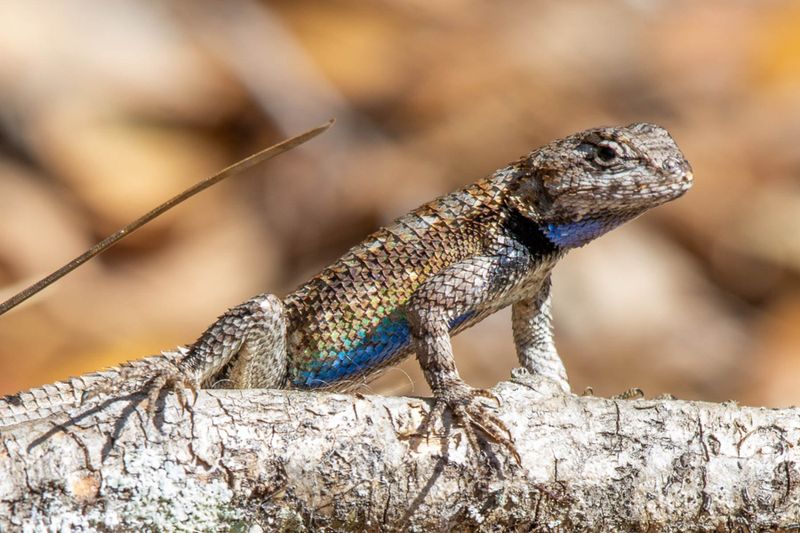
You step outside, and a small gray-brown lizard on the woodpile is bobbing up and down like it is doing exercises. That little show has a real purpose, and it is easy to misread.
Knowing what it means, and what it does not mean, helps you offer better habitat for the wildlife that shares your North Carolina yard.
A push-up is a social signal, not a yard score
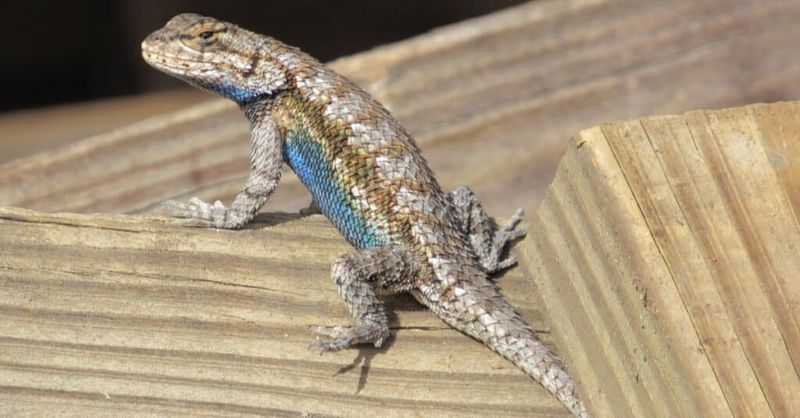
Those bobbing push-ups are a social display. According to the North Carolina Wildlife Resources Commission species profile, males use the movement to defend breeding areas against other males.
That is only part of the story. Research on male responses to within- and between-sex encounters shows that males also display in interactions with females, and the responses change with the season.
So not every push-up is a challenge to a rival, and not every one is courtship. A home-range study of this species also documented social displays in the post-breeding season, so a display does not have to happen in spring.
You may also never see the other lizard. It could be behind the log, up the fence post, or just out of view.
Here is the part that matters for your yard. The display is communication between lizards.
It is not a grade for your property, and it does not prove your yard is healthy.
What the sighting does tell you is smaller but still useful: a lizard is using a spot nearby that offers a perch, cover, or both. Treat it as a friendly clue and a reason to look more closely at what your yard offers, not as a gold star.
Sunny, open edges make useful lizard habitat
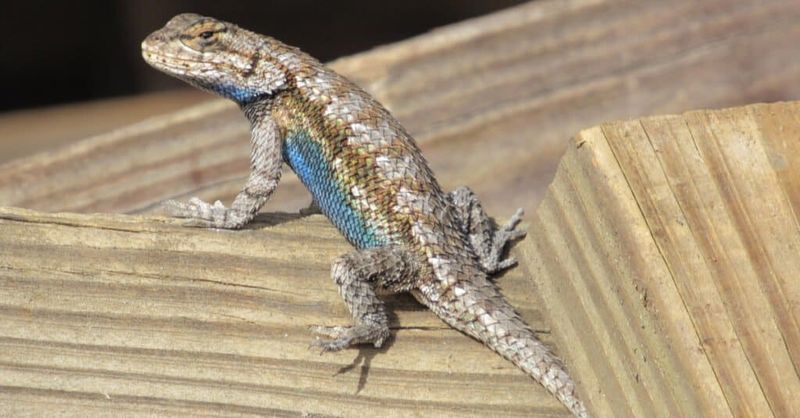
Picture where fence lizards actually turn up: a sunny stump, a stone wall, a fence post, the sunny side of a shed. The NC Wildlife Resources Commission describes them as animals of relatively dry, open habitat that use trees, logs, stumps, rock outcrops, buildings, and rock or brush piles.
They are active by day and bask on sunny days. Basking is a different behavior from the push-up.
A lizard doing push-ups is signaling to other lizards, so the display alone does not show that it is warming up. The sunny surfaces nearby are what give the lizard a place to do that.
The Reptiles of North Carolina species account notes that the species occurs across much of the state, from the Blue Ridge to the Lower Coastal Plain. It is unrecorded on barrier islands and thinner in some tidewater areas and at high mountain elevations.
Suburban populations have also shrunk in some places where habitat was lost.
That means your yard is not guaranteed to suit them. A dark, damp stack of wood in deep shade is not what these lizards favor.
A sunny log or rock edge with cover close by is a much better bet.
The insect connection is real—but limited
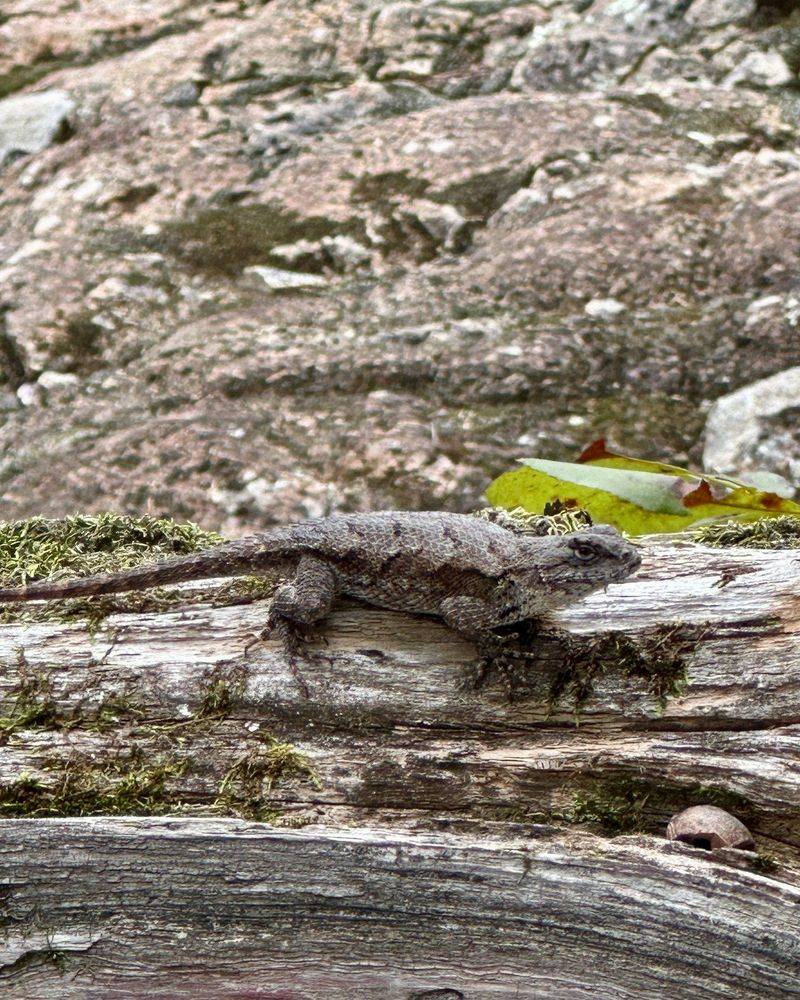
Fence lizards eat small arthropods, and that is a genuine link in the yard food web. The North Carolina species account lists ants, caterpillars, beetles, and spiders among commonly eaten prey.
A lizard that hunts in your yard is eating some of the small creatures living there, and it may become a meal for birds or snakes in turn. That is a nice thing to know when you watch one patrol a fence rail.
Now the limits. One lizard does not tell you that your yard holds a bumper crop of insects.
Lizards eat what they find, and a single sighting says nothing about how rich or balanced the insect community is.
Many homeowners hope lizards will help with ticks or other pests. The sources reviewed for this article do not support that, so it is best not to count on them for pest control.
Enjoy them as neighbors and part of the web, and use proven tick-safe yard practices separately.
A useful refuge pairs sun with shelter
Start with what you may already have. A flat rock or log edge that catches morning sun, with cover within a quick dash, is the core of lizard-friendly habitat.
NC State Extension, in its guide to backyard reptiles and amphibians, recommends sunny rocks as basking sites.
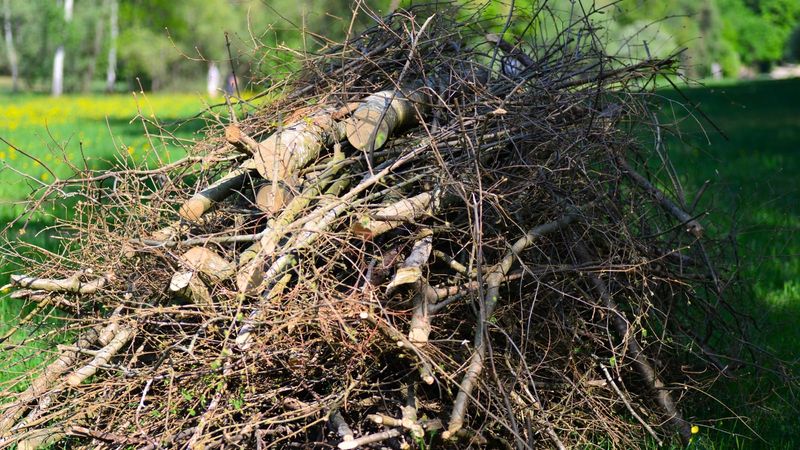
If you want to build more, a log or brush pile can offer shelter. Set larger logs on the bottom so they leave hiding spaces, then lay smaller branches on top.
Choose dry ground near a tree, bush, or thicket rather than a low spot where water collects.
This is a wildlife feature, not a spare stack of firewood. Plan it as a permanent corner of the yard that you will leave alone, ideally with a sunny edge nearby.
The NCWRC species page lists brush piles, logs, stumps, and rocks among the structures fence lizards use.
Skip the idea that any old pile will do. A shaded, soggy heap is not ideal for lizards, and a pile in the wrong spot may simply go unused.
Pairing sun with nearby cover gives you the best chance.
Wildlife shelter should not double as firewood storage
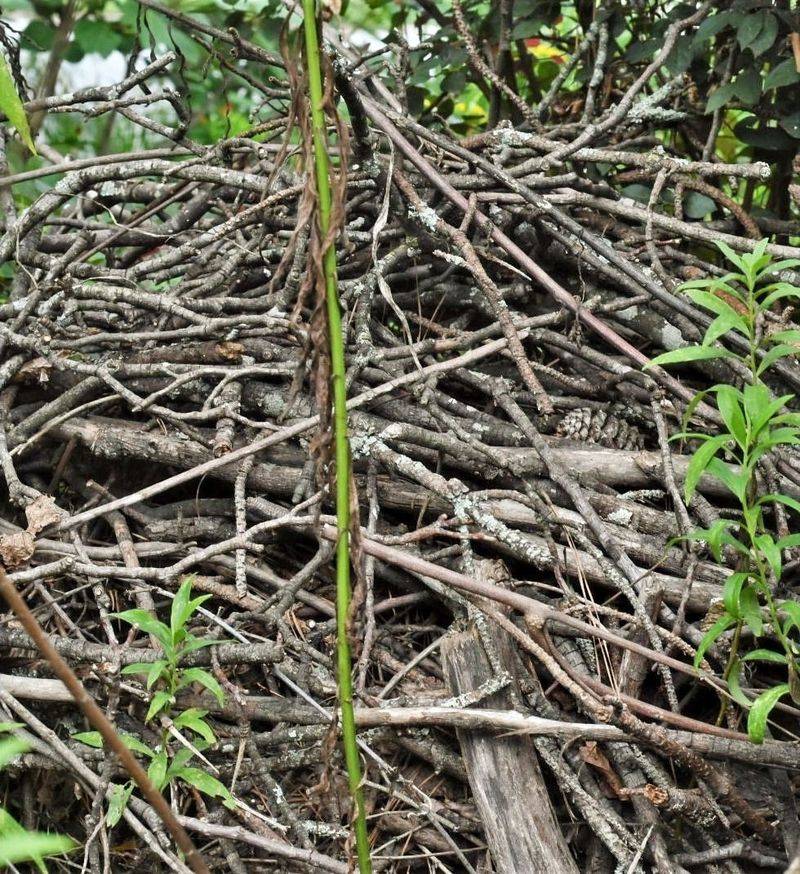
Keep the habitat pile and the household firewood in two different places. NC State Extension advises against stacking firewood on a porch or deck, against the house, or in a garage, and suggests keeping it raised so you can inspect it.
Its guidance on carpenter ants also recommends wearing gloves when handling firewood.
For the wildlife feature, avoid chemically treated wood. Use pesticides sparingly, only when needed and by the label directions, as the Extension backyard guide advises.
It also suggests keeping pets, especially outdoor cats, away from reptile and amphibian habitat.
Wood and rock piles can shelter snakes too, and North Carolina has venomous species. NC State Extension notes that snakes may use downed wood and piles for hiding or warming up.
Never reach blindly into gaps, and do not handle animals you cannot see. Move wood slowly, with gloves, and look first.
As for the lizards, watch them. They are harmless to people, but the NCWRC notes that a captured one may bite, and its tail can break if you grab it.
Binoculars or a quiet seat on the patio work better than a net or bare hand.
Fall is an invitation, not a guarantee
Leaving sunny rock edges and a sheltered brush pile in place through fall is a stewardship choice. It gives wildlife options, but it cannot promise that the lizard you watched in summer will still be around, or active, on a cool October morning.
Activity depends on local conditions, and a field study from another state is not a North Carolina calendar. The home-range research is a reminder that these lizards have their own territories and routines, which you will only glimpse.
So keep up the habitat, follow the Extension tips on cover and sunny basking spots, and watch from a distance. Some days you will see a visitor, and some days you will not.
The woodpile may keep its secrets, but a patient neighbor with a cup of coffee gets the best view.