
17 Plants You Can Still Sow In November For A Head Start On Next Spring’s Garden
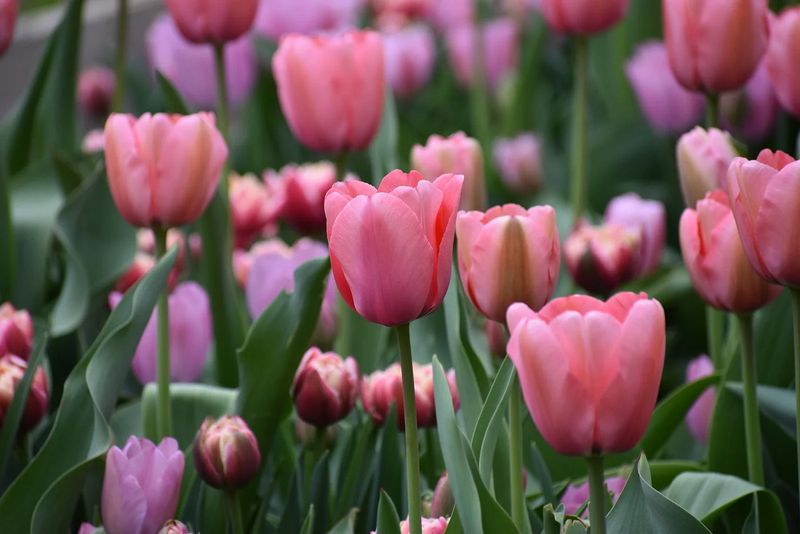
Most gardeners hang up their trowels when the leaves fall, but November is a sneaky good time to plant. Cold soil and winter weather actually help many seeds and bulbs wake up stronger in spring.
If you sow now, you can enjoy earlier harvests and blooms while your neighbors are still flipping through seed catalogs. Here are 17 plants that are happy to go in the ground right now.
1. Hardy Peas
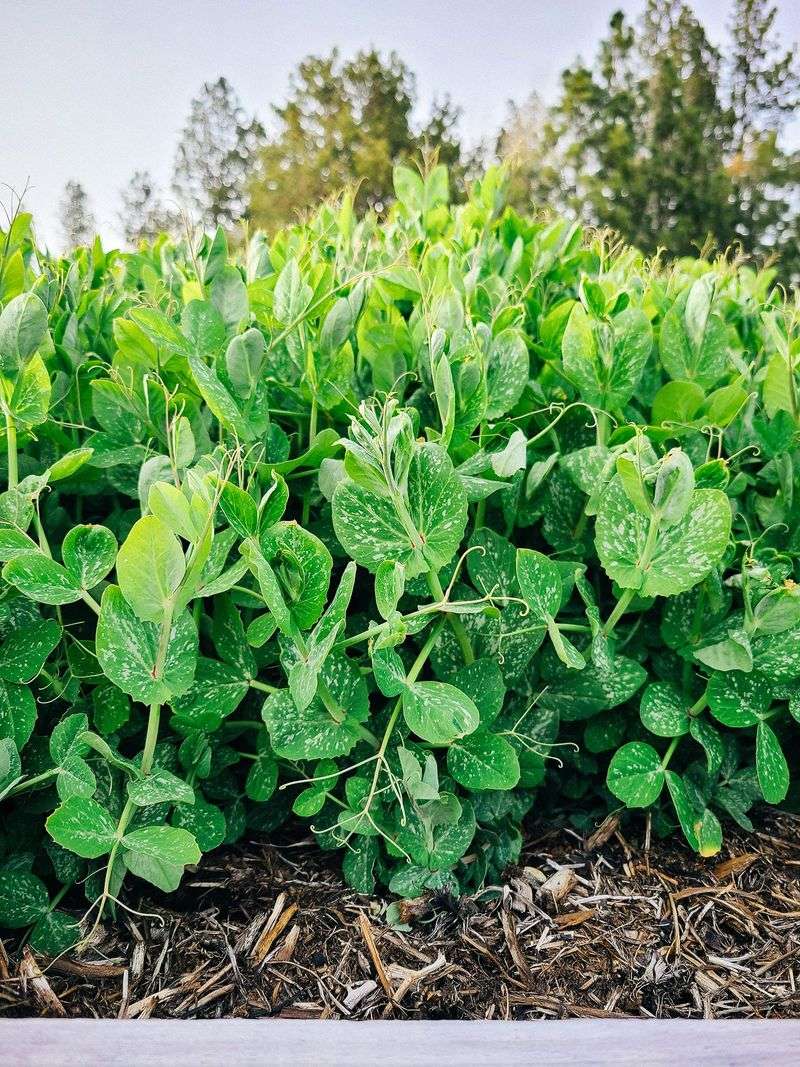
Picture yourself picking sweet peas weeks before anyone else on your street. Hardy varieties like ‘Douce Provence’ and ‘Meteor’ were bred to shrug off cold, so a November sowing gives them a quiet head start.
Plant seeds about an inch deep in well-drained soil. Soggy ground is the real danger here, since peas tend to rot in puddles more often than they freeze.
A raised bed or a slightly mounded row helps a lot.
Seedlings may sprout a few inches and then sit still all winter. Don’t panic if they look paused.
They are building roots, and once spring warms up they usually take off fast.
In colder zones, a light layer of straw or a simple cloche can protect the young shoots from harsh winds. Add a short trellis early so you aren’t disturbing roots later.
2. Spinach
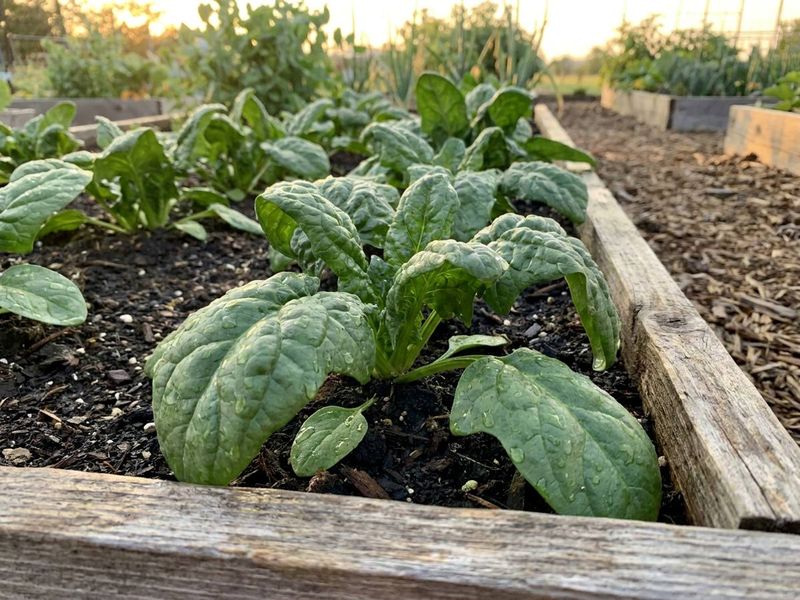
Frost turns spinach into candy. Well, almost.
When temperatures drop, the plant stores extra sugars to protect its cells, and that makes the leaves taste noticeably sweeter.
Sow seeds half an inch deep in loose soil, then water once and let nature handle the rest. In many parts of the US, November-sown spinach will germinate slowly, overwinter as small rosettes, and burst into growth in early spring.
Covering the bed with a row cover or old bedsheet on the coldest nights can keep leaves from getting battered. Once March arrives, you may be harvesting salad greens before your tomato seeds have even sprouted indoors.
3. Loose Leaf Lettuce
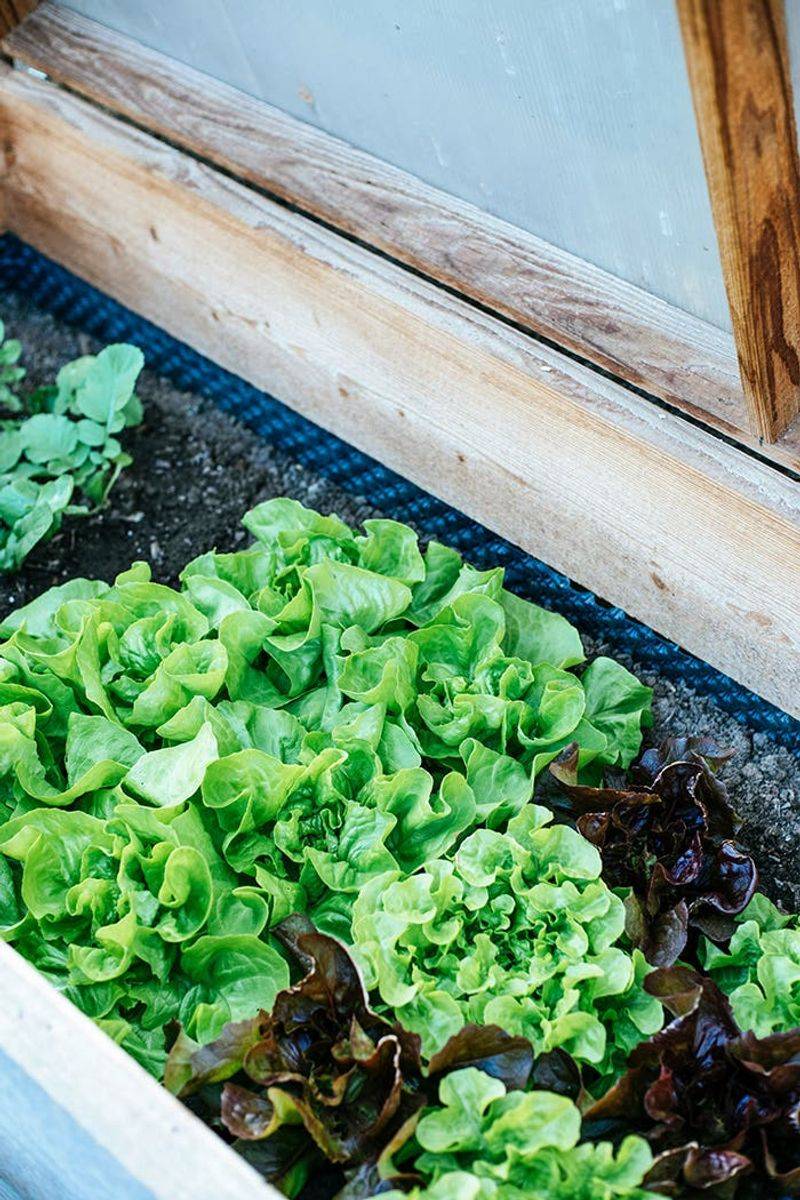
Ever had lettuce turn bitter and shoot up a flower stalk overnight in June? That’s bolting, and it’s the reason cool-season sowing makes so much sense.
Loose leaf types like ‘Black Seeded Simpson’ or ‘Red Sails’ grow quicker than heading lettuces. Sprinkle the tiny seeds on the soil surface and press them in gently, since lettuce likes a bit of light to germinate.
In mild winter areas, you could be snipping leaves by late winter. Colder regions will want a cold frame or cloche, which can turn a chilly corner into a small salad factory.
Harvest outer leaves only, and the plant keeps producing for weeks.
4. Arugula
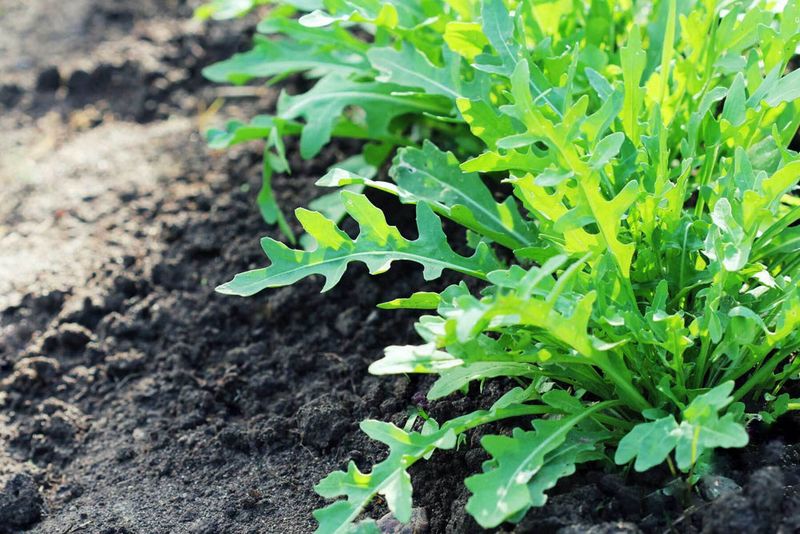
Arugula is the speed demon of the salad world. Give it cool air and a patch of soil, and it will hand you peppery leaves faster than nearly anything else on this list.
Warm weather makes arugula harsh and quick to flower. Cold weather keeps it mellow and leafy, which is exactly why a November sowing works so well.
Scatter seeds thinly and cover with a quarter inch of soil. Some will pop up this fall, while others may wait until the first warm spell in late winter.
Either way, you get an early spring crop with almost zero effort.
5. Kale
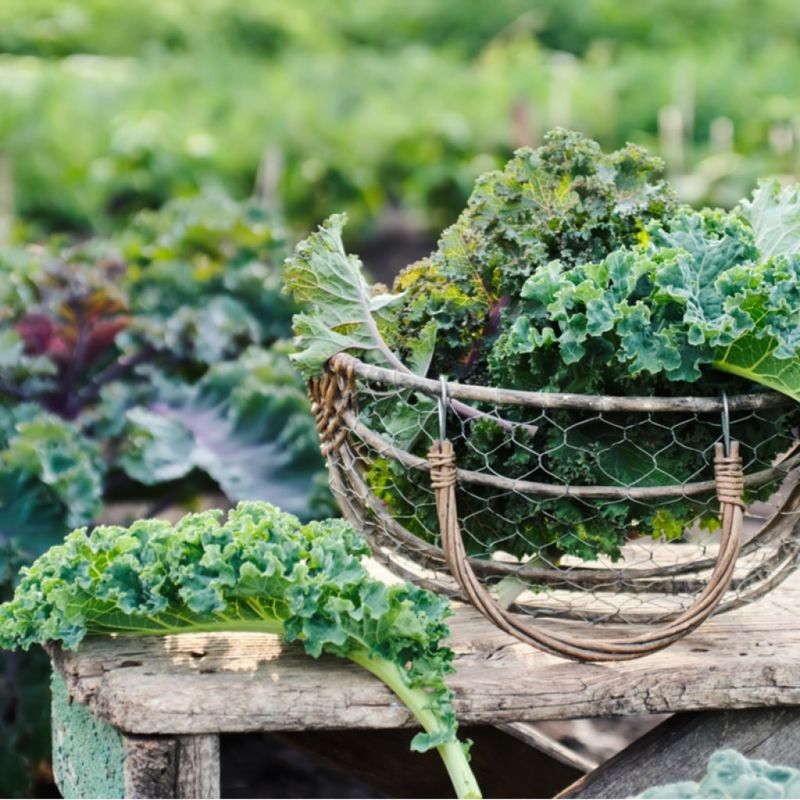
Some plants sulk in the cold. Kale throws a party.
It’s one of the toughest vegetables you can grow, and a few frosts tend to make the leaves sweeter and less bitter.
A November sowing works best in mild-winter regions or under protection like a cold frame. Seeds sown now develop slowly, then leap into growth as days lengthen in late winter.
If you’ve grown kale in summer and battled cabbage worms, here’s a bonus. Pests are far less active in cold months, so your early spring leaves may come out cleaner and healthier.
Varieties like ‘Winterbor’ and ‘Red Russian’ are known for strong cold tolerance.
6. Carrots
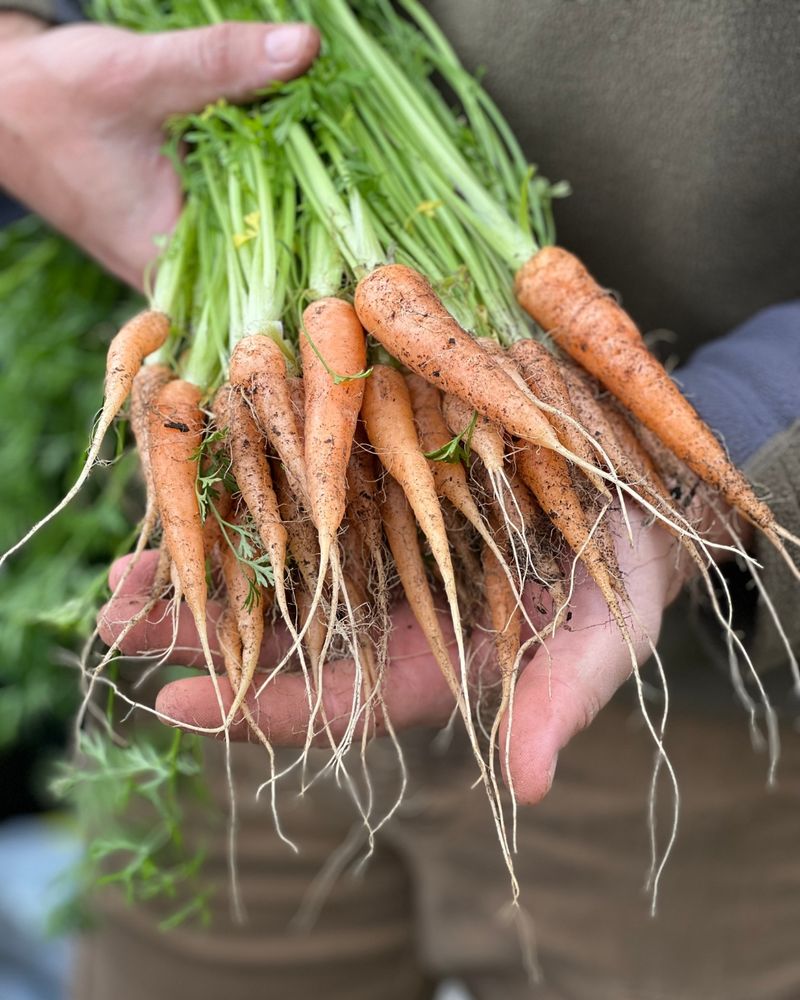
Gardeners who have tasted a carrot pulled from cold soil rarely go back. The chill encourages the roots to convert starches into sugar, giving them a crunchy sweetness store-bought carrots can’t match.
Carrot seeds are tiny and slow to sprout, which is actually helpful for late fall sowing. In mild areas, sow now and they’ll establish before winter.
In colder regions, sow just before the ground freezes so the seeds wait patiently and germinate as soon as spring warms the soil.
Keep the bed free of rocks and clumps, since crooked or forked carrots usually come from hard soil. A light mulch of straw helps hold moisture and keeps the surface from crusting over.
7. Garlic
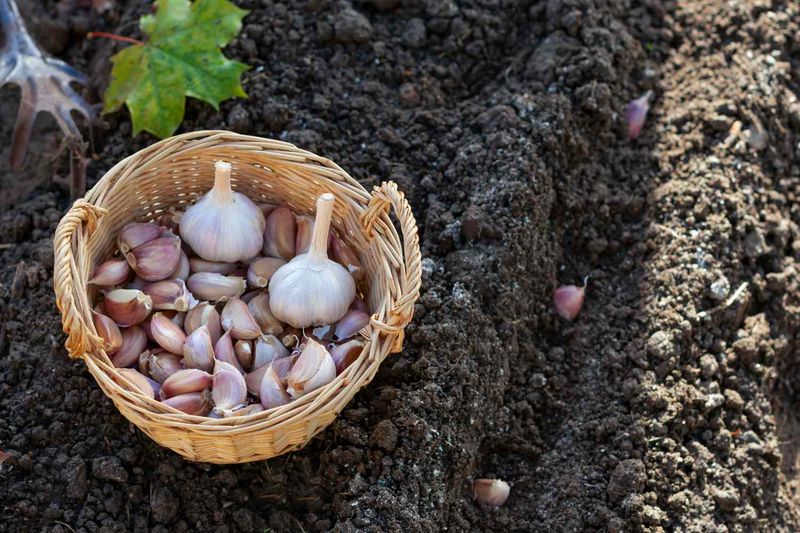
If you only plant one thing this month, make it garlic. It’s the classic fall crop for good reason, and spring-planted garlic almost always produces smaller bulbs.
Break a bulb into cloves and plant each one pointy end up, about two inches deep and six inches apart. Choose firm, healthy cloves from a garden center or seed supplier, since grocery store garlic may be treated to prevent sprouting.
Cloves need a few weeks of cool weather to grow roots before the ground freezes hard. Finish with three to four inches of straw or shredded leaves to protect them.
Green shoots in early spring are a good sign, not a mistake. You’ll be harvesting fat bulbs by early summer.
8. Radishes
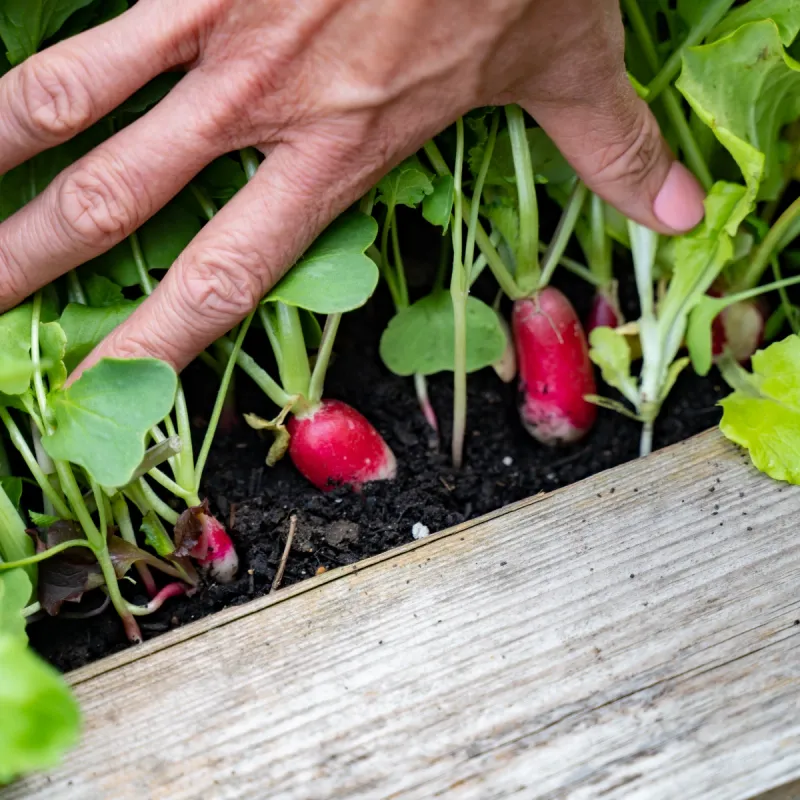
Impatient gardeners, meet your new best friend. Many radish varieties can go from seed to harvest in about 30 days when conditions are right.
In warmer parts of the country, a November sowing could deliver a crop before the holidays. Farther north, seeds sown late may wait in the soil and sprout at the first hint of spring.
Radishes also make great row markers for slow crops like carrots. They pop up quickly, show you where you planted, and get harvested long before the carrots need the room.
Thin seedlings to about two inches apart so the roots have space to swell.
9. Fava Beans
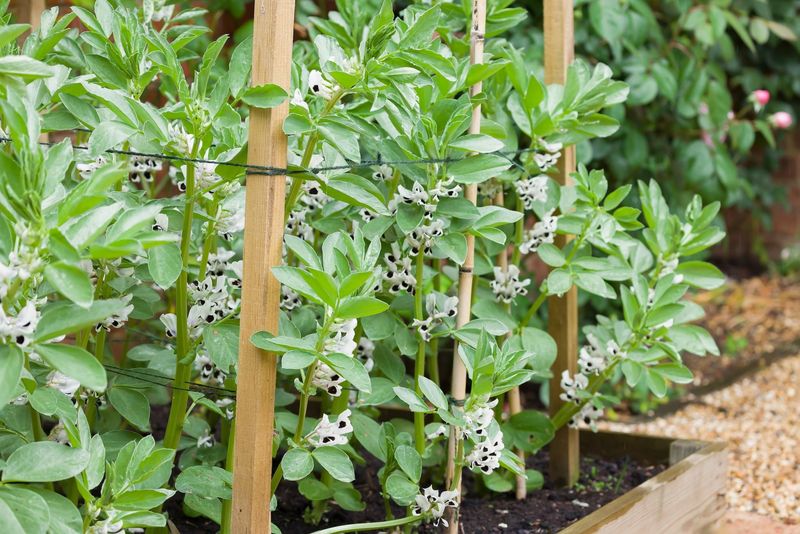
Here’s a crop that feeds you and your soil at the same time. Fava beans are legumes, which means they work with soil bacteria to pull nitrogen from the air and store it in their roots.
They handle light frost and even a little snow in mild regions, making them a favorite for fall sowing in the South and along the West Coast. Plant the large seeds two inches deep and four to six inches apart.
By spring, you’ll have sturdy plants covered in pretty black-and-white flowers, followed by plump pods. After harvest, cut the plants at the soil line and leave roots in place to enrich the bed for your summer tomatoes.
10. Daffodils
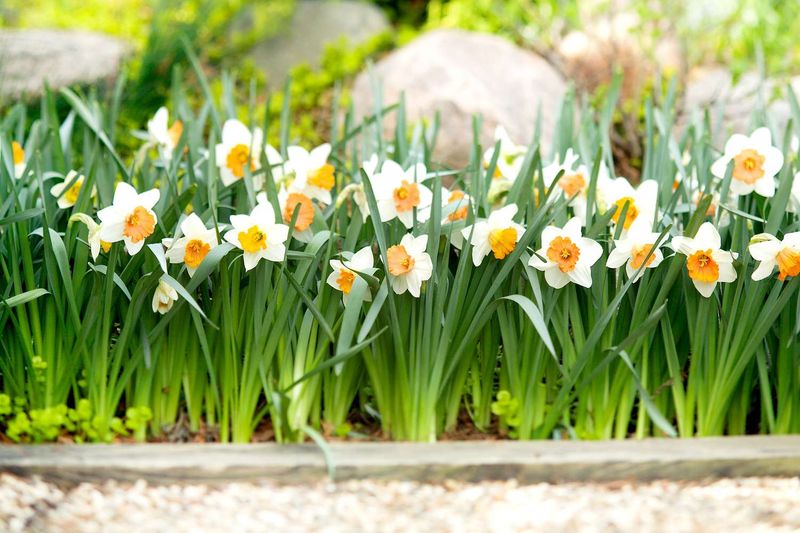
Nothing says winter is over quite like the first daffodil. Those sunny trumpets only happen, though, if bulbs go into the ground in fall.
Plant bulbs about six inches deep with the pointed tip facing up. November still works in most of the US as long as the soil isn’t frozen solid.
Bulbs need that time to grow roots before winter sets in.
Daffodils have a handy bonus. They contain compounds that make them unappealing to deer, squirrels, and voles, so they tend to survive where tulips get eaten.
Plant them in groups of seven or more for the most natural look.
11. Tulips
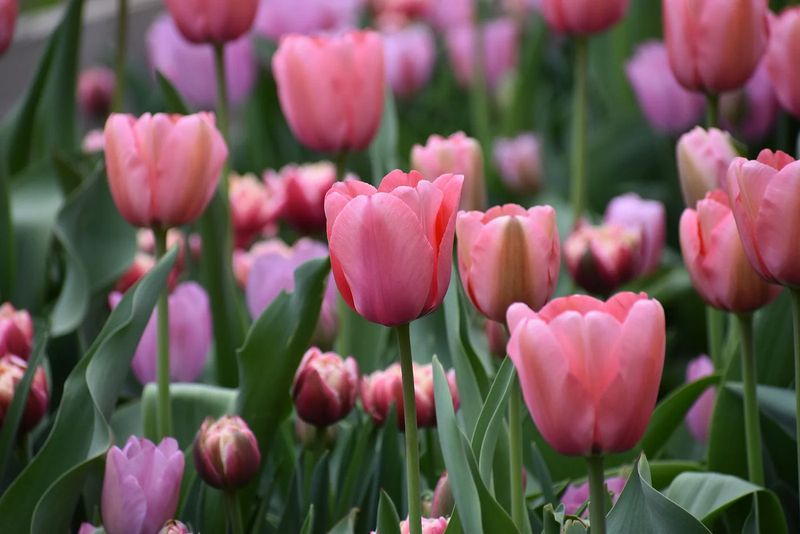
Tulips are a little dramatic. They demand a long, cold rest before they’ll put on their show, which is why fall planting isn’t optional.
In fact, November is often the sweet spot. Planting too early in warm soil can encourage disease, while cooler soil keeps bulbs safe.
Set them six to eight inches deep, pointy end up.
If squirrels dig up your bulbs every year, try laying chicken wire over the bed before mulching. It may help deter digging without stopping shoots from pushing through.
Gardeners in warm southern zones often chill bulbs in the fridge for six to eight weeks first, away from fruit.
12. Purple Coneflower
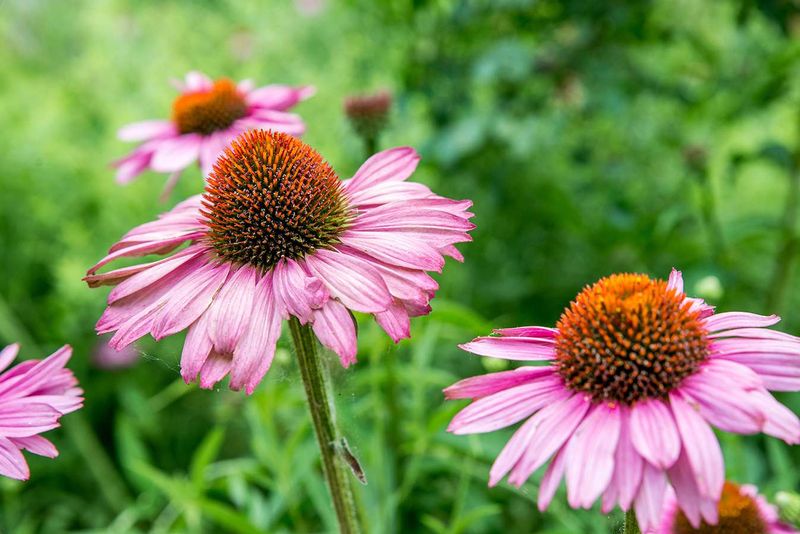
Did you know coneflower seeds basically need a winter vacation? In the wild, they fall to the ground in autumn and sit through months of cold before sprouting.
Gardeners call this cold stratification, and you can let nature do it for free. Scatter seeds on bare soil in November and press them in lightly.
Freezing and thawing over winter helps break down the seed’s natural dormancy.
Come spring, you should see a crop of seedlings that are tougher than indoor-raised ones. Many will bloom in their first or second year, filling your yard with bees and butterflies.
13. Black-Eyed Susan
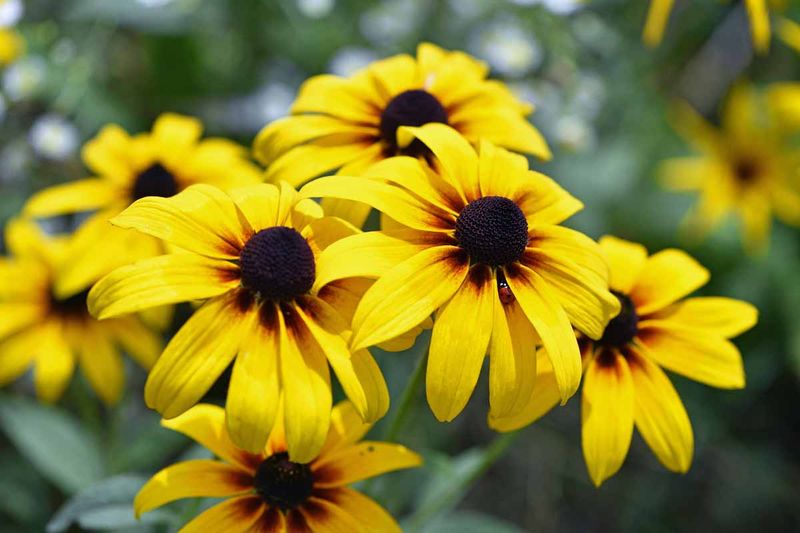
Golden petals, dark centers, and a habit of blooming through summer heat when petunias start to fade. Black-eyed Susans earn their spot in almost any sunny yard.
Their seeds carry built-in inhibitors that stop them from sprouting too soon. Winter’s freeze-thaw cycles wear those down, which is why seeds sown in November often germinate more evenly than spring-sown ones.
Just sprinkle the seeds over loosened soil and don’t bury them deep, since they need light. Mark the spot so you don’t mistake seedlings for weeds next spring.
14. Columbines
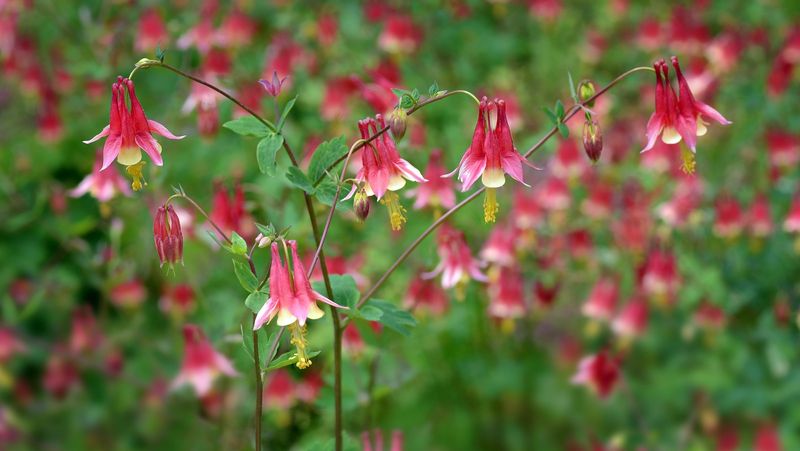
Columbines look like tiny fairy lanterns, and they’re just as fussy about timing. The seeds need several weeks of cold, damp conditions before they’ll even consider sprouting.
That makes November an ideal window. Sow seeds on the surface of the soil in a spot with morning sun and afternoon shade, and press gently.
Winter rain and snow keep them moist exactly the way they like.
Hummingbirds adore columbine flowers, and the plants often reseed themselves. Plant once and you may have them for years.
15. Larkspur
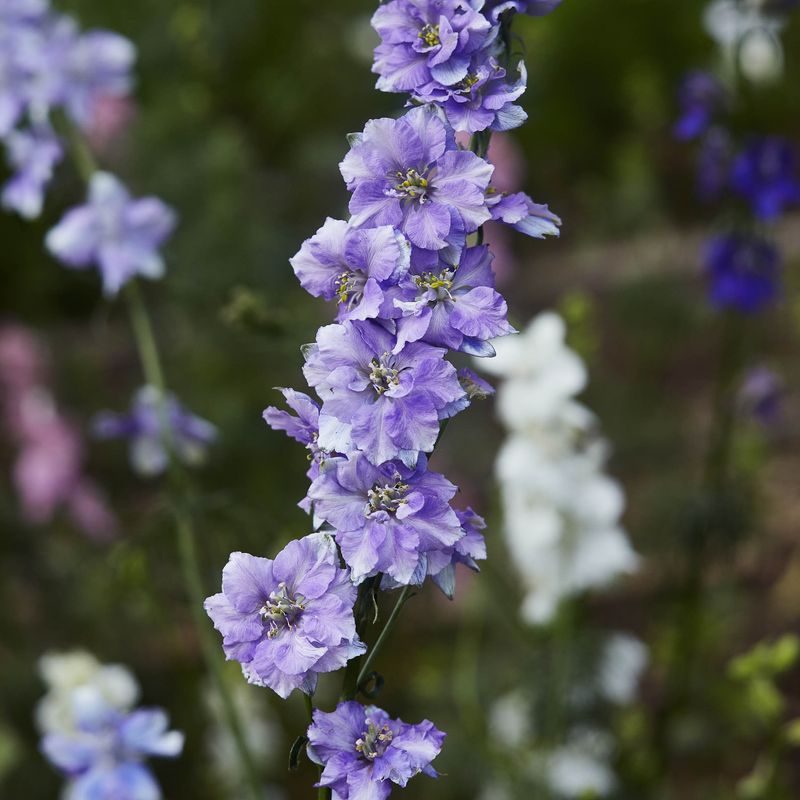
Ask any cut-flower farmer about larkspur, and you’ll probably hear the same advice: sow it in fall. Spring sowing often leads to weak plants and spotty germination.
Larkspur actually prefers cold to sprout. Direct sowing in November lets it grow strong roots over winter, and fall-sown plants may bloom about a month ahead of spring-sown ones.
Choose a sunny spot and sow where you want plants to grow, since larkspur hates being moved. Cover seeds lightly, because they germinate best in darkness.
One caution: all parts of the plant are toxic if eaten, so keep it away from curious pets.
16. Pansies and Violas
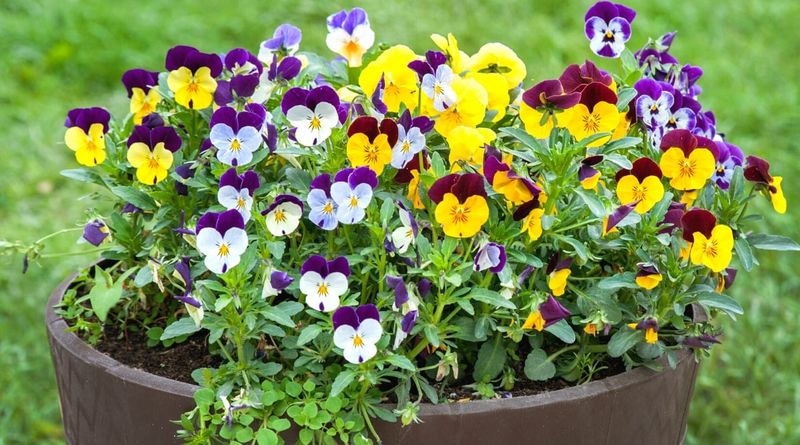
Those little smiling faces are tougher than they look. Pansies and violas handle chilly nights and light frosts, and they’ll often keep blooming right through mild winters.
Seeds can be sown now in protected spots or containers, though many gardeners plant small transplants instead for faster color. Either way, plants set out in fall build roots and tend to bloom heavier in early spring.
If blooms droop after a hard freeze, don’t toss them. They usually perk back up once temperatures rise.
Pinch off faded flowers to keep fresh ones coming.
17. Shasta Daisy
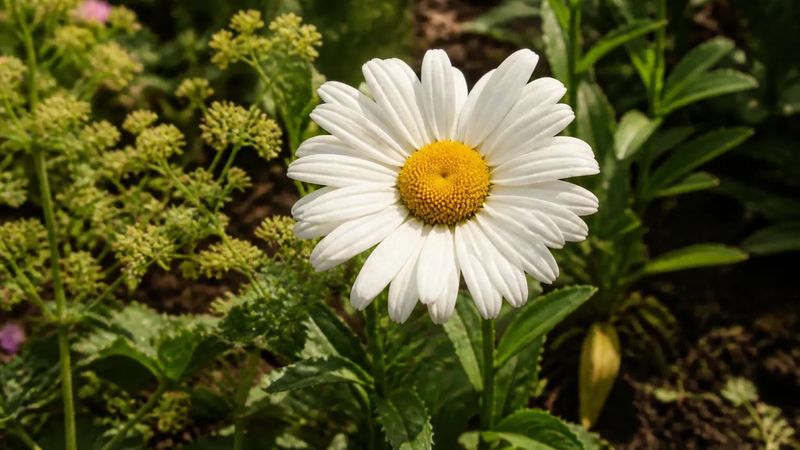
Created by famed plant breeder Luther Burbank in California over a century ago, the Shasta daisy has been a backyard classic ever since. Its crisp white petals look fresh from late spring well into summer.
Seeds tend to germinate more consistently after a good winter chill. Sow them in November on prepared soil, barely covering them, and let the weather handle the rest.
Shastas like full sun and well-drained ground. Wet winter soil is their biggest enemy, so avoid low spots where water collects.
Once established, divide clumps every few years to keep them blooming strong.