
Before Your First Hard Freeze, 15 Things To Do So Your Roses Come Back Stronger In Spring
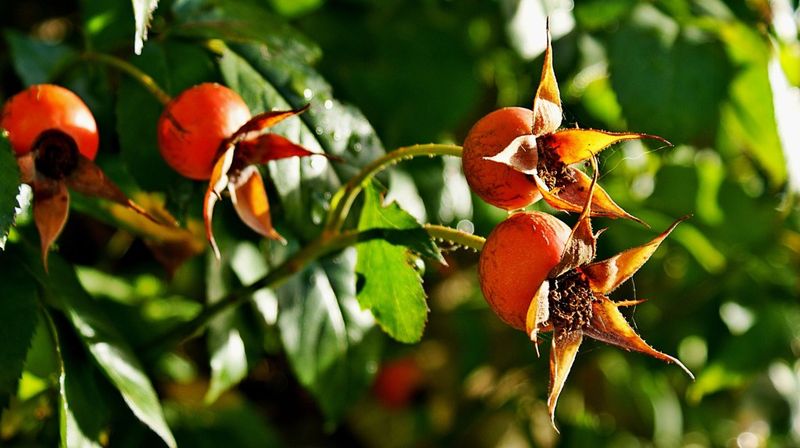
A single hard freeze can undo a whole summer of rose care if your bushes are not ready for it. The good news is that most winter rose damage is easy to prevent with a few simple chores done at the right time.
Many of these steps cost little or nothing and take less than an afternoon. Get them done now, and your roses can wake up in spring with healthy canes and plenty of buds.
1. Stop Fertilizing Six to Eight Weeks Early
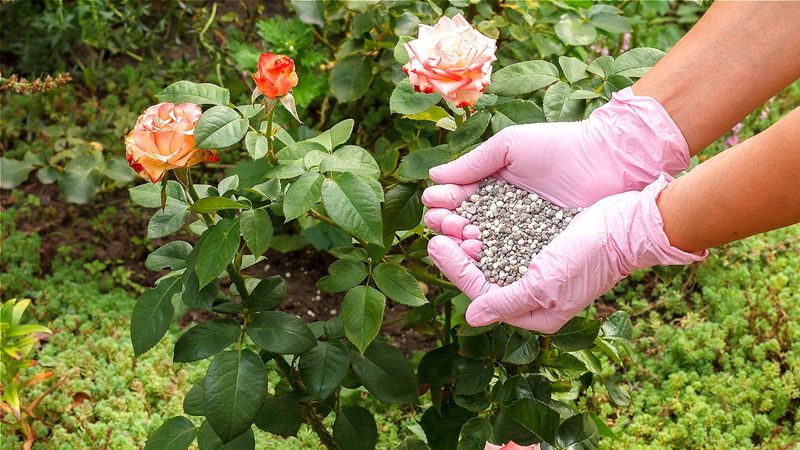
Picture a rose pushing out soft, bright red shoots in October. It looks cheerful, but those tender stems are the first thing a hard freeze will kill.
Fertilizer tells your rose to keep growing, and late growth never gets the chance to harden off. Put the feed away about six to eight weeks before your average first hard frost date.
Not sure when that is? Your local extension office or a quick search for your zip code and frost date will tell you.
Mark it on the calendar now, and count backward so next year you do not have to guess.
2. Let Rose Hips Form
Here is a chore you get to skip. Around Labor Day, put down the pruners and stop deadheading.
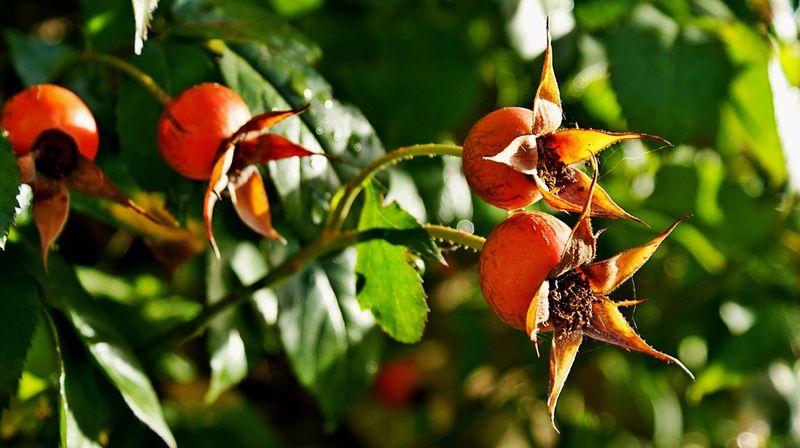
When spent flowers stay on the plant, they swell into round seed pods called rose hips. Those hips send a chemical signal that the season is ending, which nudges the bush to slow down and prepare for dormancy.
Fun fact: rose hips are packed with vitamin C, and birds love them in winter. So you get a calmer, cold-ready rose and a little snack bar for your feathered visitors.
3. Water Deeply Before the Ground Freezes
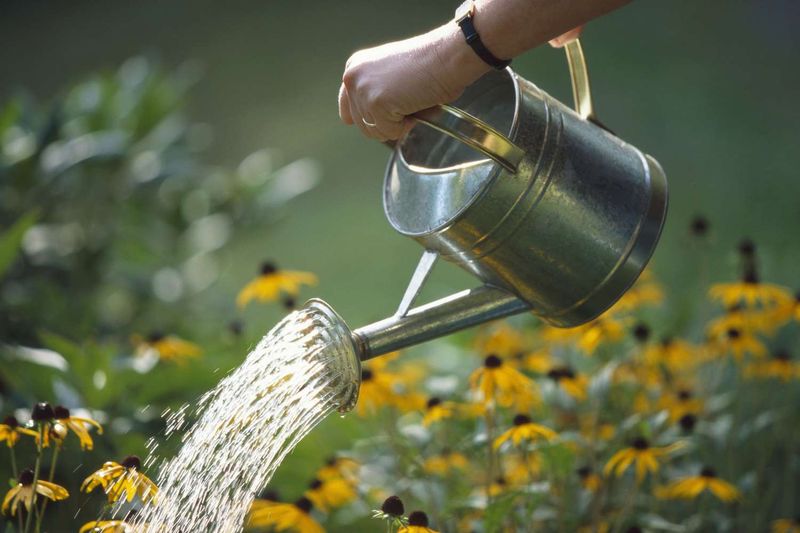
Dry soil gets colder, faster. Moist soil holds heat much better, which acts like a blanket for the roots when temperatures drop overnight.
Before your first hard freeze, give each rose a long, slow soak at the base. Aim for water that reaches several inches down, not a quick splash on top.
The job does not end once fall arrives, either. If winter turns dry and the ground is not frozen, water every two to three weeks.
Winter winds pull moisture from canes, and a thirsty rose is far more likely to show brown, dead stems in spring.
4. Rake Up Fallen Leaves and Debris
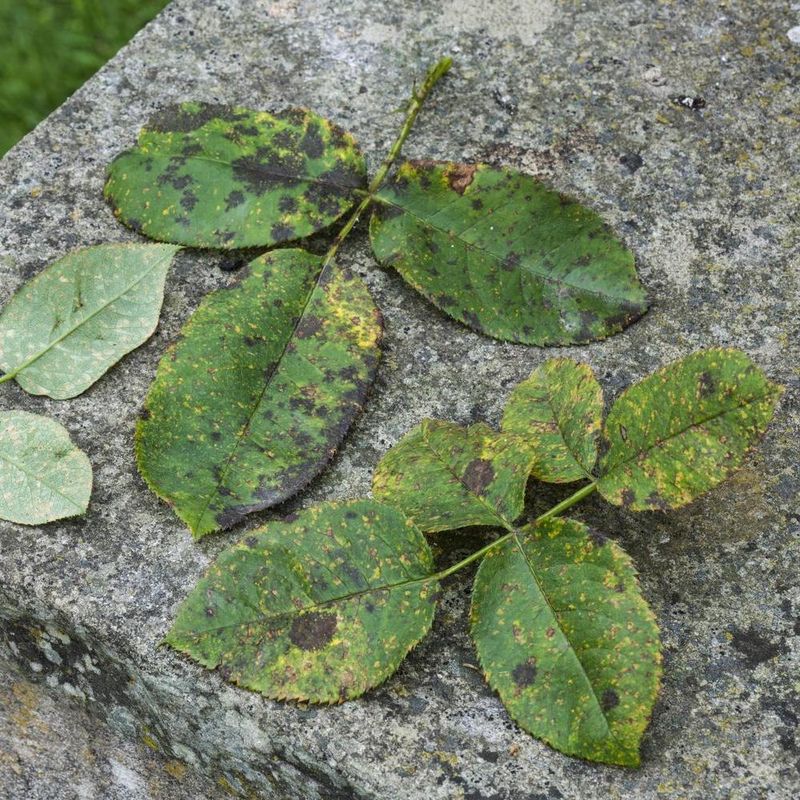
Those yellow leaves with black spots lying under your bush? They are not harmless.
Black spot and powdery mildew spores can spend all winter hiding in that litter, then splash right back onto new leaves in spring.
Rake up every fallen leaf, old petal, and twig around the base. Pull off any spotted leaves still hanging on the plant too.
Bag the debris and toss it in the trash instead of your compost pile. Most home compost does not get hot enough to kill disease spores, so this one step can mean a much cleaner start next year.
5. Prune Only Broken or Diseased Canes
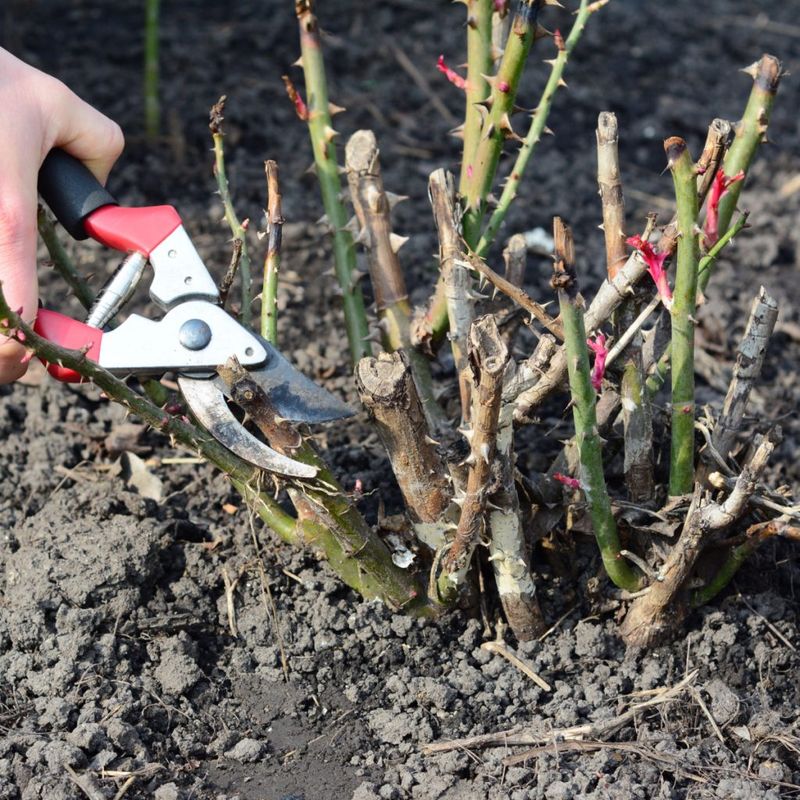
Resist the urge to give your roses a big haircut in fall. Fresh cuts may not heal before winter, and heavy pruning can trigger new growth that freezes.
Instead, do light cleanup. Snip out canes that are broken, dead, or clearly diseased, cutting back to healthy wood.
Tall bushes and climbers catch a lot of wind, which can whip canes and loosen roots. Loosely tie long canes together with soft twine so they ride out storms as one bundle.
Save the real shaping for early spring, when forsythia blooms.
6. Mound Soil or Mulch Over the Graft
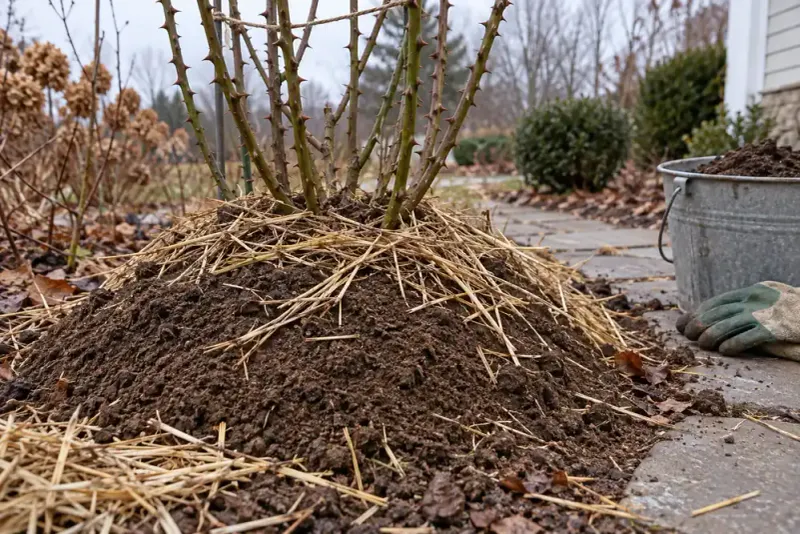
If you do only one thing on this list, make it this. Hilling protects the graft union, that knobby bump near the base where most modern roses were joined to their rootstock.
After a few nights below freezing, pile soil, compost, or shredded leaves 6 to 12 inches deep around the base. Bring the material in from somewhere else.
Never scrape soil from around the rose to build the mound, because that exposes the very roots you are trying to protect. In spring, gently pull the mound away once hard freezes are over.
7. Use Rose Collars for Grafted Roses
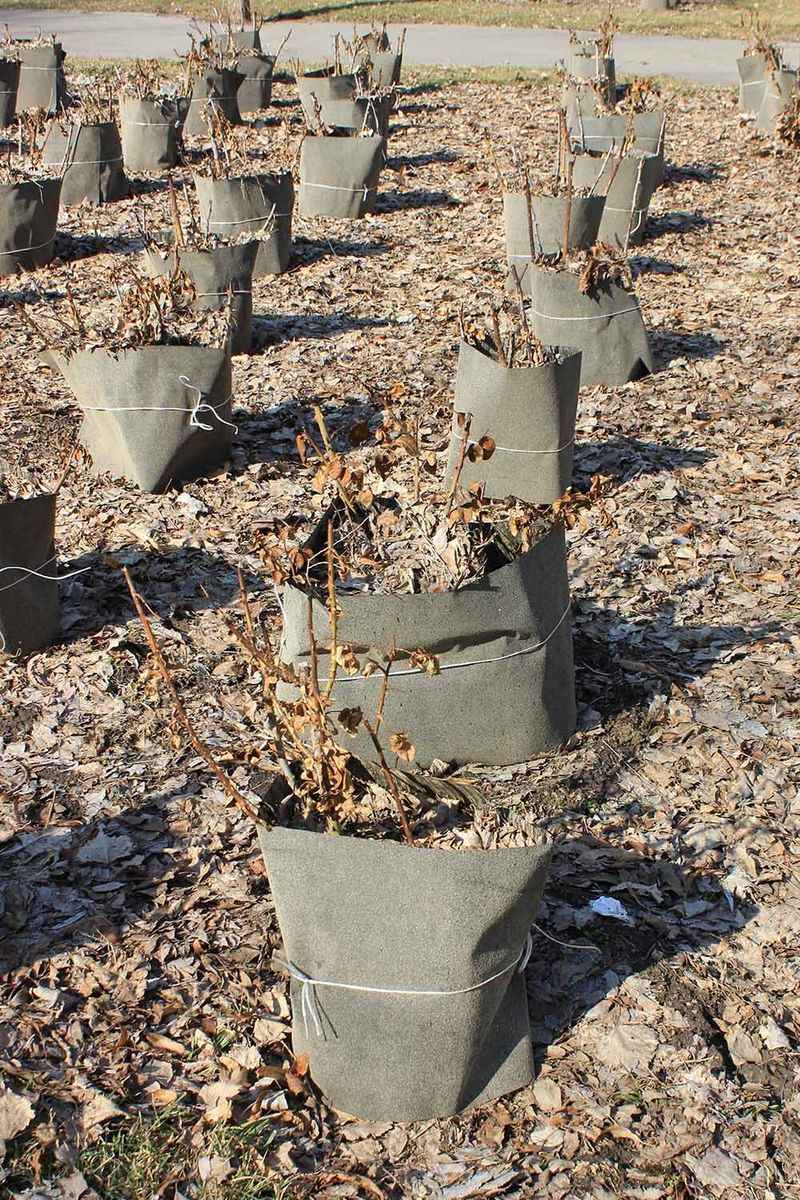
Ever built a perfect mulch mound, only to find it scattered across the lawn after a windy night? Rose collars fix that.
These are simple plastic or wire cylinders that circle the base of the plant. You fill them with soil or mulch, and they hold everything in place all winter.
They are especially helpful for Hybrid Teas, Floribundas, and Grandifloras, which tend to be the most cold-tender. No collar handy?
A ring of chicken wire or a bottomless bucket works in a pinch.
8. Bend Down or Wrap Climbing Roses
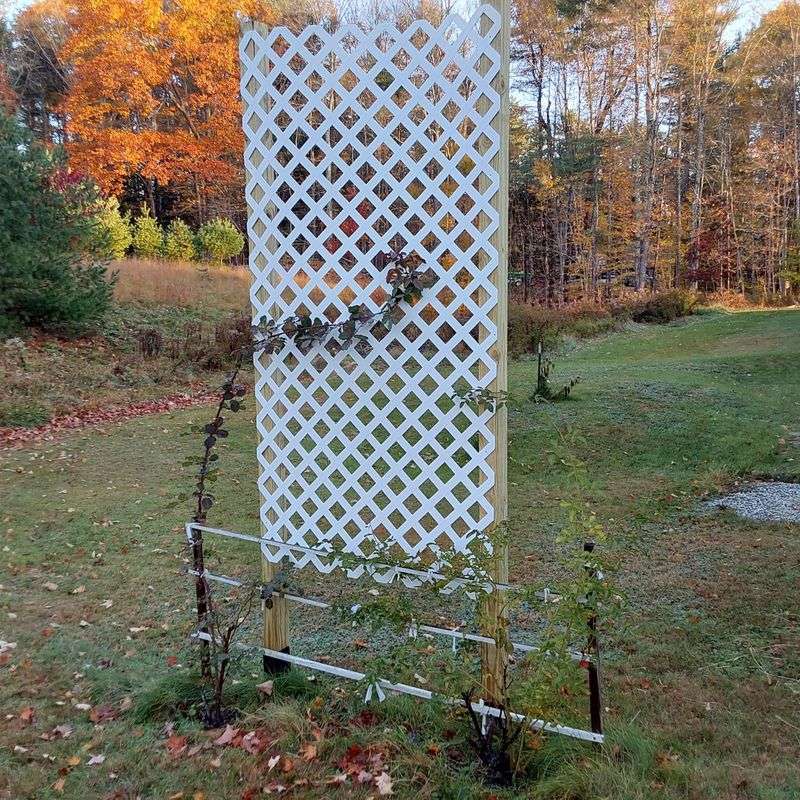
Climbing roses stand tall all winter, which leaves their long canes exposed to icy wind. In cold areas, that is how a climber ends up blooming only at knee height.
One option is to untie the canes, bend them gently to the ground, and cover them with a few inches of soil and mulch. Go slowly, since cold canes snap easily.
If yours are too stiff to lay down, tie them together on the support and wrap them in straw, then burlap. Either way, the flowering wood you protect now is what blooms next summer.
9. Move Container Roses to Shelter
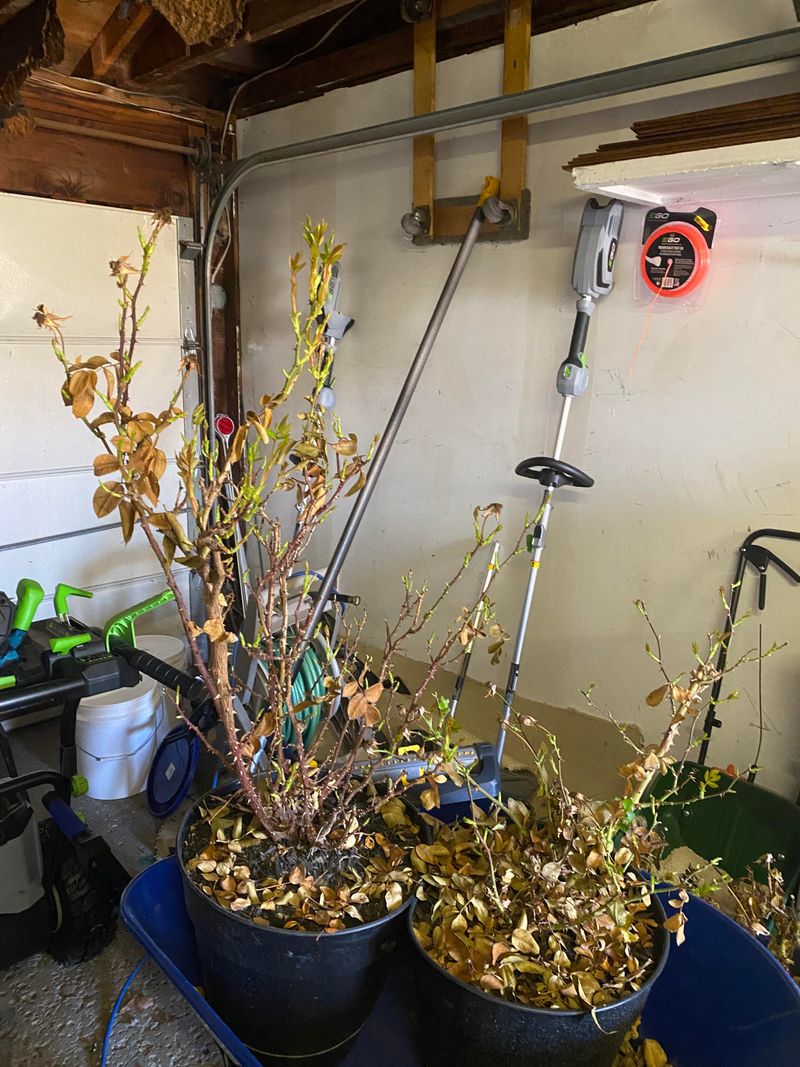
Roots in a pot are only separated from freezing air by a thin wall. That makes container roses much more vulnerable than the same plant in the ground.
After a few light frosts have helped them go dormant, move pots into an unheated garage, shed, or basement. Wrapping the pot in burlap or bubble wrap adds extra insulation, and some gardeners simply bury the whole pot in the garden.
Check the soil once a month. If it is bone dry, give it a light drink, but do not keep it soggy.
10. Give Tree Roses Extra Care
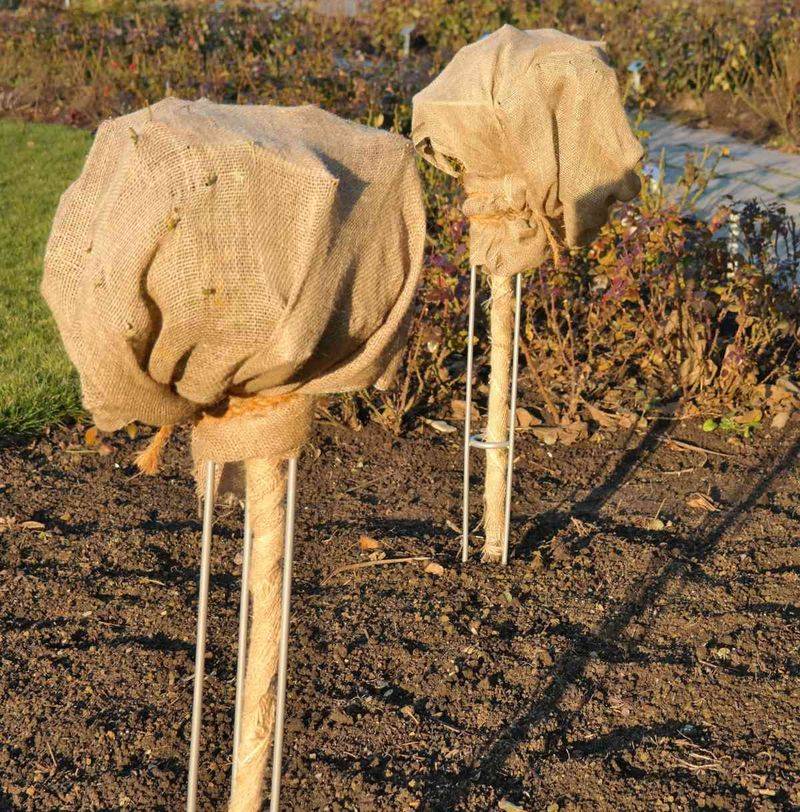
Tree roses look elegant, but they have a weak spot most people never notice. Their graft sits high up at the top of the trunk, right in the coldest air.
Wrap that area and the canes with burlap or a frost cover, tied snugly with twine. Stuffing straw inside the wrap adds even more protection.
In very cold zones, gardeners go further. They loosen the roots on one side, tip the whole plant into a trench, and bury it under soil and mulch until spring.
It sounds dramatic, but it often saves a pricey plant.
11. Keep Winter Sun on Your Roses
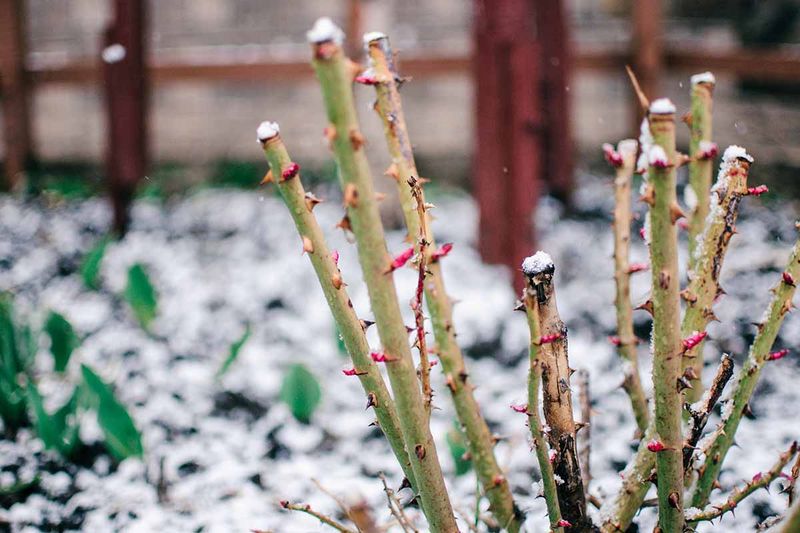
Sun still matters in December. Roses do best with at least six hours of direct light a day, even while they rest.
Sunshine dries off canes after rain and frost, which helps keep fungal problems from settling in. It also supports a healthy, steady dormancy.
Take a quick look at what might shade your bushes this winter. Stacked firewood, a stored grill, or an overgrown shrub can block light, so shift what you can.
12. Skip the Styrofoam Rose Cones
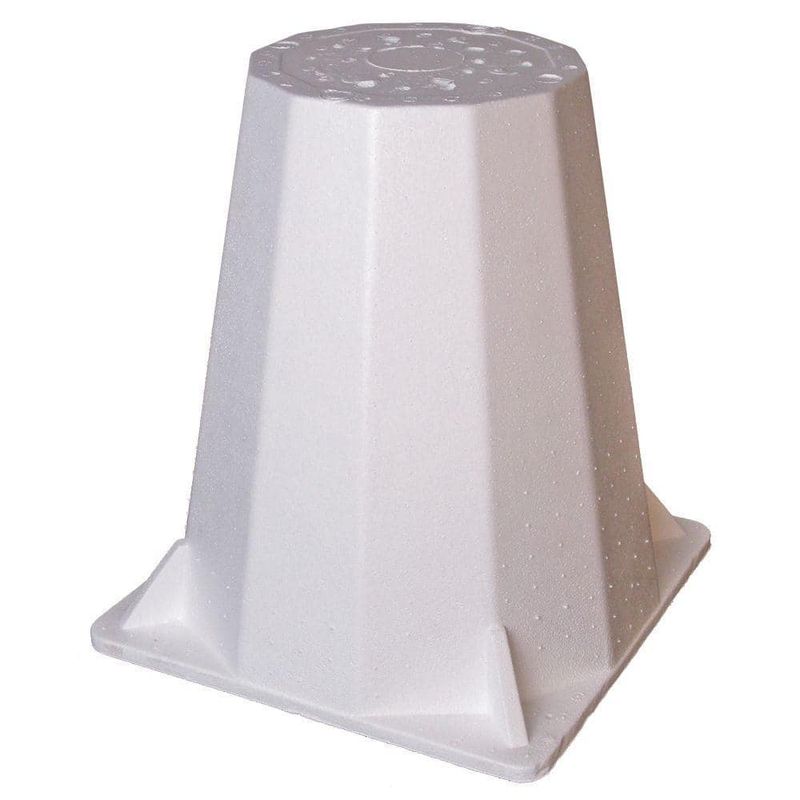
Styrofoam cones seem like the obvious answer, and garden centers stack them high every fall. Many rose growers actually avoid them.
On sunny winter days, the inside can heat up fast, then freeze again at night. Those big temperature swings stress canes, and the trapped moisture can lead to mold.
Cones also force you to cut your bush down short to fit inside, which is exactly the heavy fall pruning you want to avoid. A good mulch mound usually does a better job for less money.
13. Try an Anti-Desiccant Spray
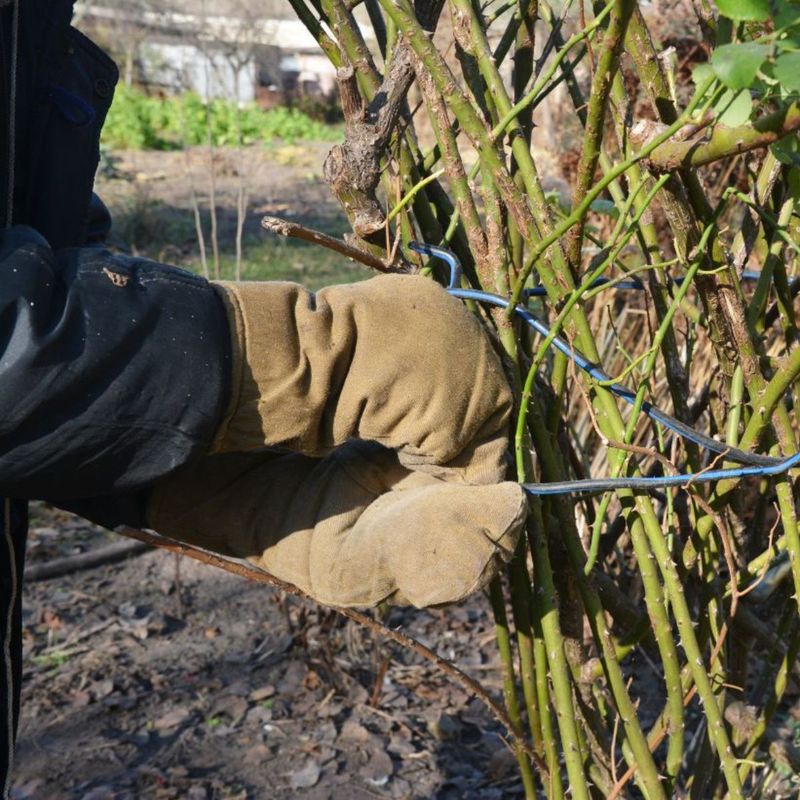
Winter wind is sneaky. It can dry out canes until they shrivel and turn brown, even when the cold alone would not have hurt them.
An anti-desiccant spray leaves a thin, waxy coating that can reduce moisture loss. It is optional, but it may help in windy, open yards or dry winter regions.
Spray on a calm day when temperatures are above freezing. Follow the label closely and reapply if the directions say so.
14. Plan a Dormant Spray for Pests
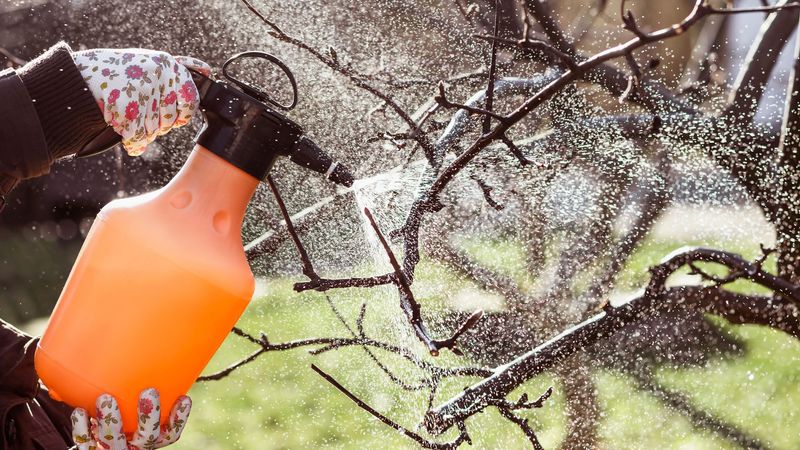
Spider mites and other pests do not vanish in winter. Their eggs sit tucked on canes, waiting for warm weather.
A dormant oil spray in mid-winter, on a mild day above freezing, can smother many of those eggs before they hatch. Some gardeners with stubborn black spot also apply a fungicide to stems after fall cleanup and before mounding.
Be realistic, though. A spray will not cure a disease-prone rose overnight, but paired with good cleanup, it can lower the pressure your plant faces in spring.
15. Check Soil pH This Fall
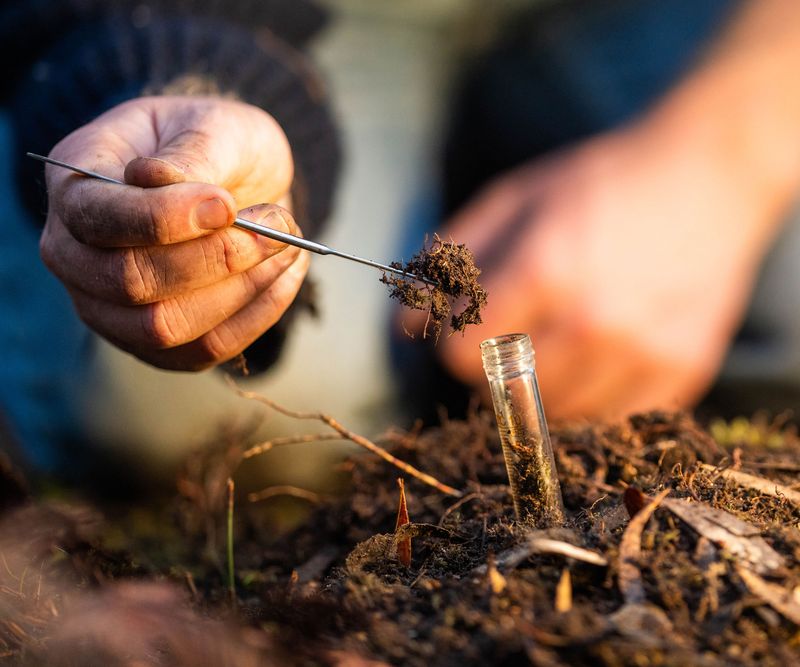
A rose growing in the wrong soil pH can look hungry even when you feed it well. Roses take up nutrients best when pH sits around 6.5 to 7.0.
Fall is a smart time to test, since lime works slowly. Rain and snow help carry it into the soil over winter, so your rose is ready to use nutrients in spring.
Inexpensive home kits work, but your extension office can run a more detailed test. Only add lime if results show your soil is too acidic.
Finish these fifteen steps before the first hard freeze, and you give your roses the best chance to return with strong canes and loads of buds.