
18 Tough Perennials That Come Back Every Single Year Once You Plant Them—No Replanting Ever Again
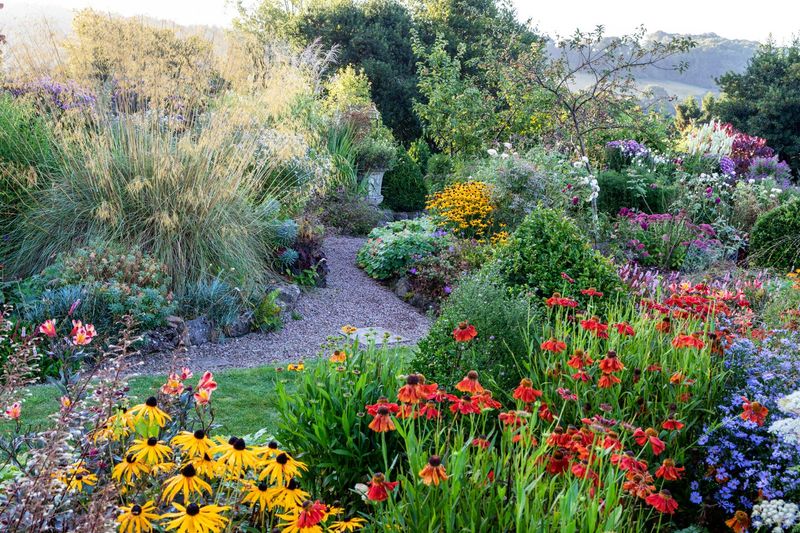
Planting something once and watching it show up faithfully every spring feels a little like magic, but it is really just smart plant choice. Tough perennials do the heavy lifting for you, filling your beds with color and greenery year after year without another trip to the garden center. Below you will find 18 hardy plants that shrug off cold winters, dry spells, and busy gardeners who forget to fuss over them. Pick a few that suit your yard, and you can spend future seasons enjoying blooms instead of digging holes.
1. Coneflower (Echinacea)
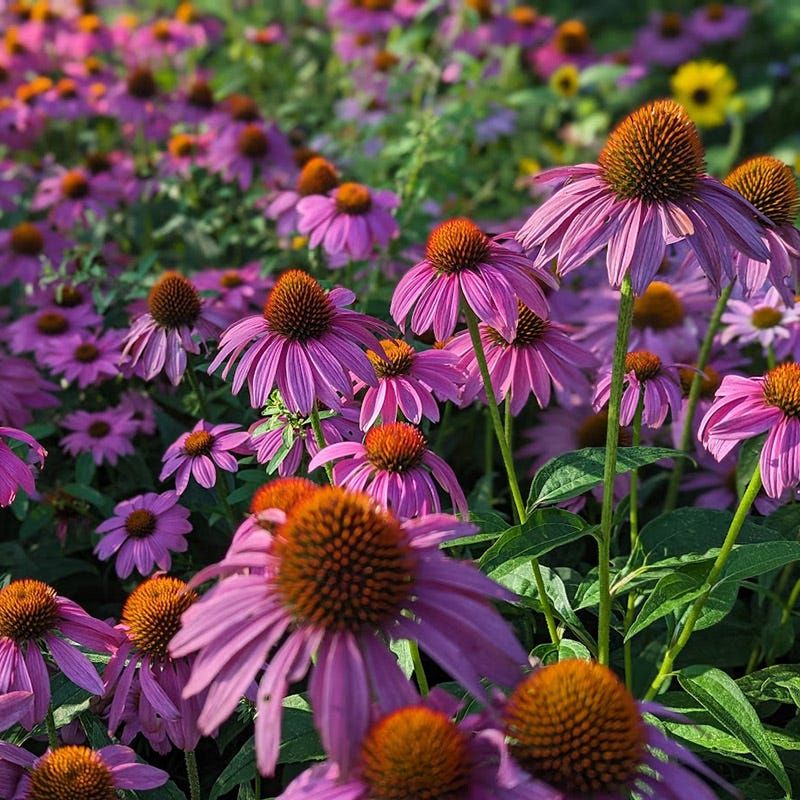
Bees and butterflies treat a patch of coneflowers like a favorite diner, and that constant buzz of visitors is half the fun of growing them. The daisy-shaped blooms sit on sturdy stems that stay upright through summer storms and August heat.
Native to the American prairie, Echinacea comes hardwired for drought once it settles in. Its deep taproot pulls moisture from far below the surface, so a missed watering rarely fazes it.
Leave the spent seed heads standing through fall and winter, and you get two bonuses at once. Goldfinches feast on the seeds, and many of those seeds drop and sprout fresh plants nearby. In most US zones from 3 through 9, a small clump quietly expands into a dependable colony you never planted twice.
2. Daylily (Hemerocallis)
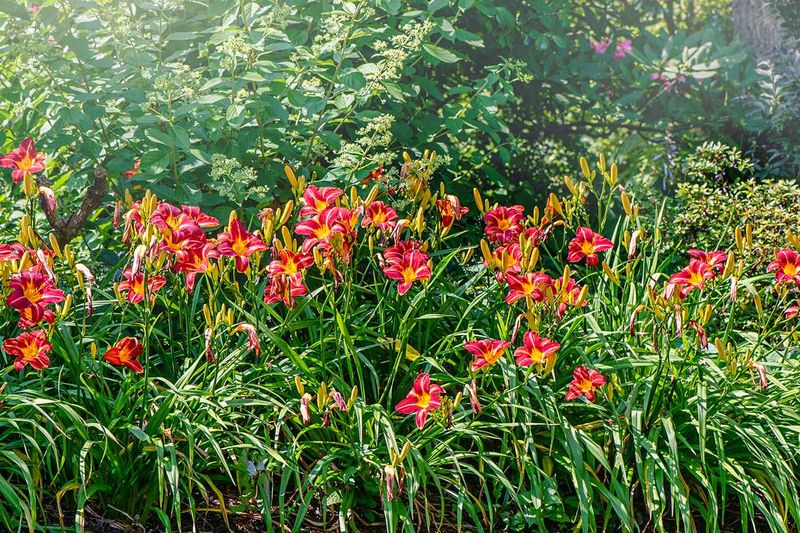
Gardeners jokingly call the daylily the plant you cannot kill, and honestly, they are not exaggerating by much. Roadside ditches across the eastern US prove the point, where old orange varieties thrive with zero human help.
Each trumpet bloom lasts only a single day, but a healthy clump throws out so many buds that the show rolls on for weeks. Newer reblooming types like Stella de Oro flower on and off from early summer into fall.
Clay soil, sandy soil, sun, part shade, neglect, it barely matters to a daylily. Every few years the clumps grow so thick you can dig one up, split it into three or four, and spread free plants around your yard.
3. Black-Eyed Susan (Rudbeckia)
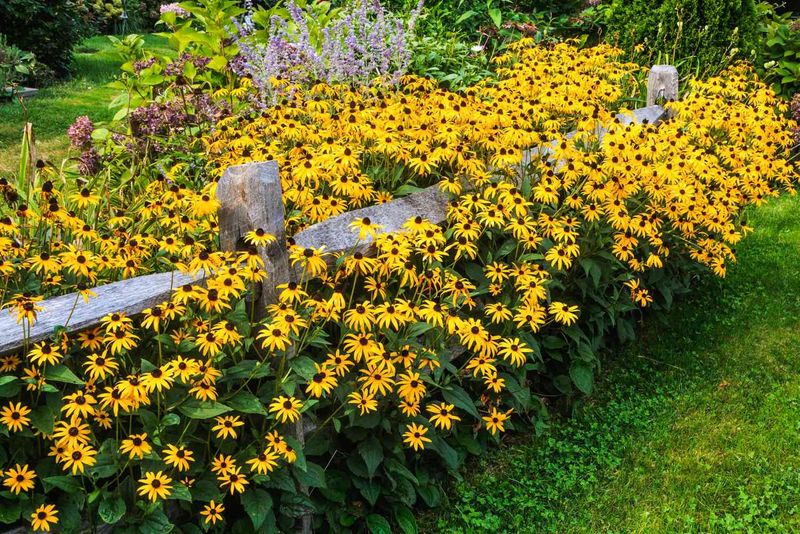
Few flowers say late summer quite like the golden glow of black-eyed Susans lining a fence or filling a meadow strip. Their dark button centers and bright petals seem to soak up the sun and hand it right back.
Rudbeckia asks for almost nothing beyond a sunny spot. It laughs off heat, tolerates poor soil, and keeps blooming when fussier flowers have given up for the season.
A single plant tends to self-sow generously, so a modest start becomes a cheerful drift within a couple of years. Leave a few seed heads and the birds will thank you all winter long. Hardy through zones 3 to 9, it is one of the most reliable comeback stars in the American garden.
4. Sedum (Stonecrop)
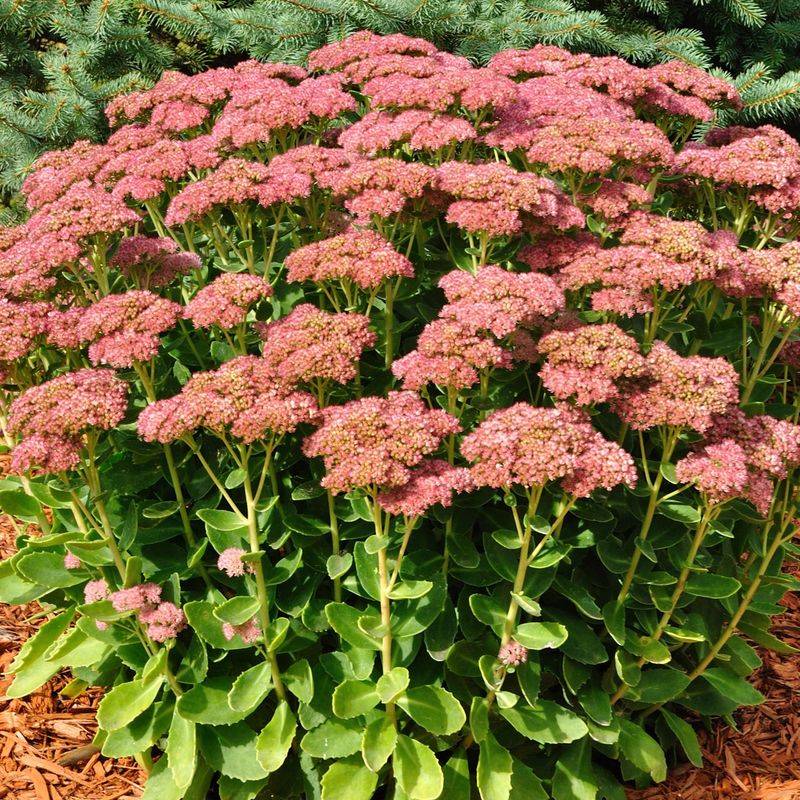
Run your fingers over a sedum leaf and you feel that thick, rubbery texture that tells you this plant stores its own water. That built-in reservoir is exactly why stonecrop can go weeks without a drink and never flinch.
Upright kinds like Autumn Joy build up rosy flower clusters that deepen to bronze as fall arrives, giving the garden a color boost when most things are fading. Creeping types spread into living carpets over rock walls and between stepping stones.
Poor, gritty soil actually suits it better than rich ground. Give sedum full sun and good drainage, then step back and let it multiply. Snap off a stem, poke it in the dirt, and it roots into a whole new plant with almost comic ease.
5. Hosta
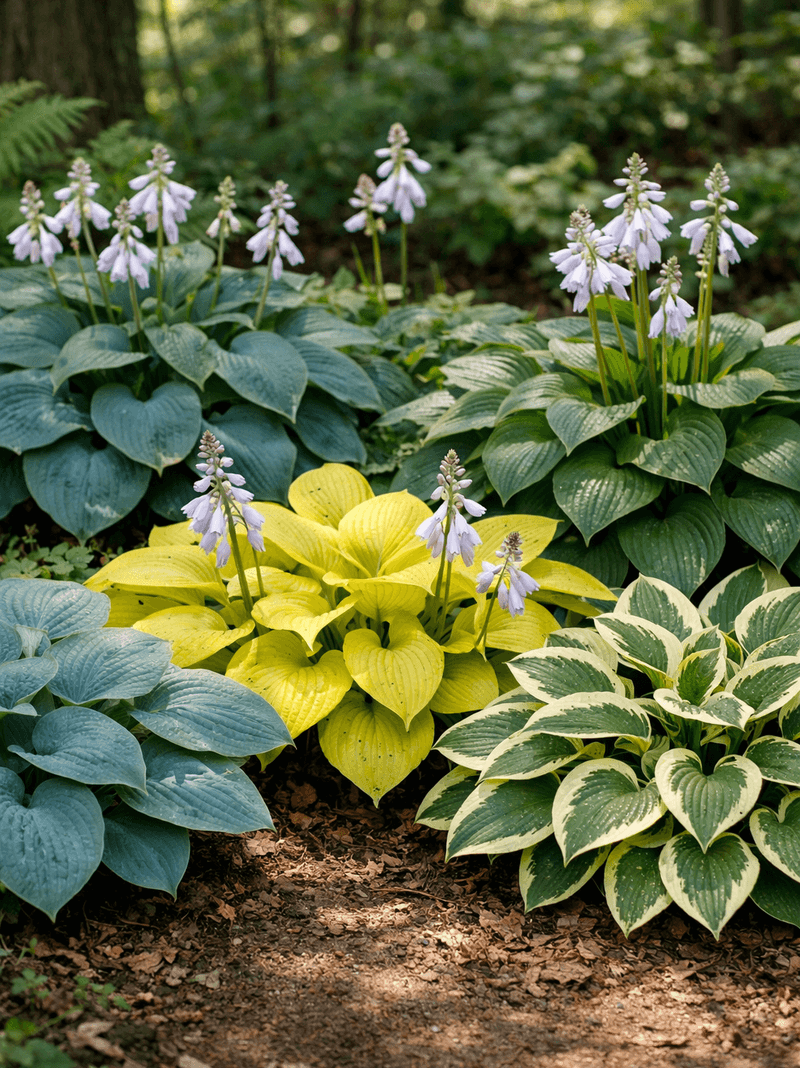
Shady corners where grass sulks and flowers refuse to bloom are exactly where a hosta hits its stride. Those broad, layered leaves come in greens, blues, golds, and crisp variegated stripes that brighten the darkest bed.
Grown mostly for foliage, hostas still push up slender stalks of lavender or white blooms in summer that hummingbirds enjoy. The real value, though, is that mound of leaves returning bigger each spring.
Winter cold does not bother them one bit, and they thrive through zones 3 to 9. One caution worth knowing: deer and slugs find them tasty, so a sprinkle of crushed eggshells or a strong-smelling repellent may help keep the leaves looking sharp. Split a mature clump in spring and you instantly own several hostas for free.
6. Peony
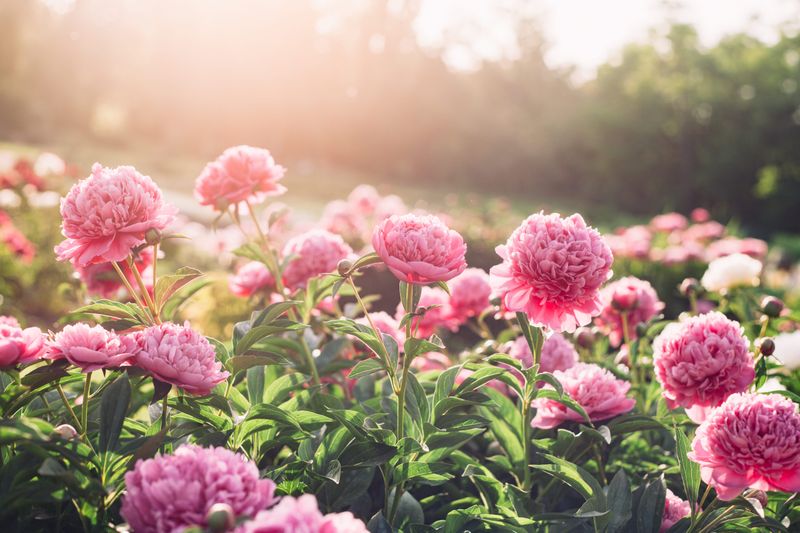
Grandma’s peony bush is often older than the people admiring it, and that longevity is no accident. A well-sited peony can bloom faithfully for fifty years or more, outliving fences, sheds, and sometimes the house itself.
Those enormous, ruffled flowers release a perfume that drifts across the whole yard in late spring. Ants crawling on the buds look alarming but do no harm, they are simply after the sweet coating.
Plant the roots shallow, with the eyes just an inch or two below the soil, and give them a sunny spot they can keep for good. Peonies dislike being moved, which is fine, because you will never need to. Once established, they demand nothing more than a stake to hold up their heavy heads.
7. Russian Sage (Perovskia)
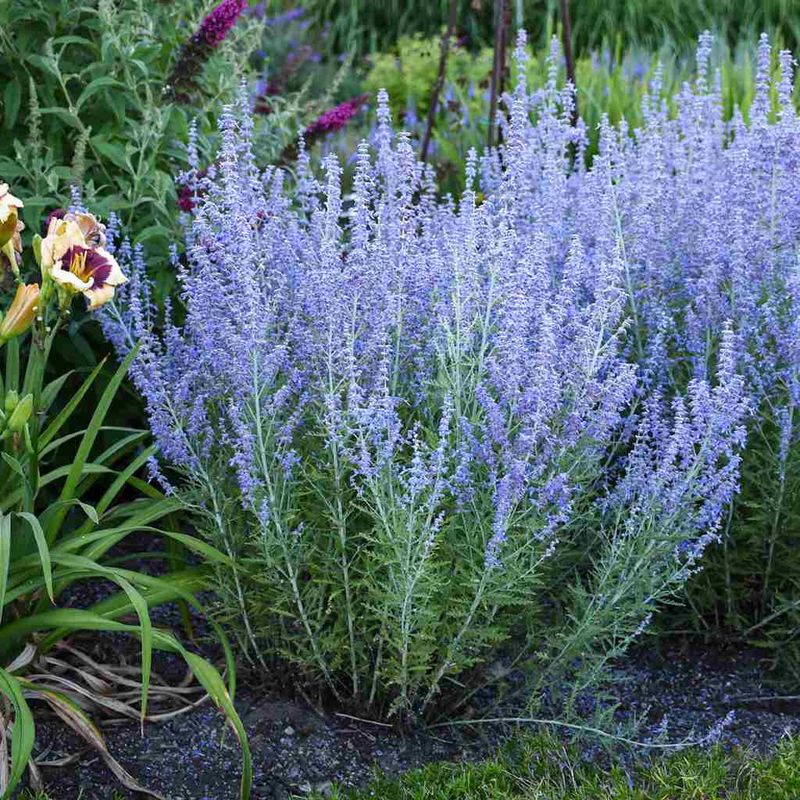
Picture a hazy purple-blue cloud floating three feet above your flower bed all summer, and you have got Russian sage. The airy spires catch the slightest breeze and hum with pollinators from morning to dusk.
Heat and drought are where this plant genuinely shines. Once its roots take hold, it wants dry, lean soil and full sun, making it a natural for hot spots that fry other perennials.
The silvery, aromatic foliage carries a scent that pests tend to avoid, so it can double as a subtle deterrent near vegetables or roses. Cut it back hard in early spring and it bounces up fuller than ever. Rabbits and deer usually give it a wide berth, another reason it earns its keep with zero replanting.
8. Coreopsis (Tickseed)
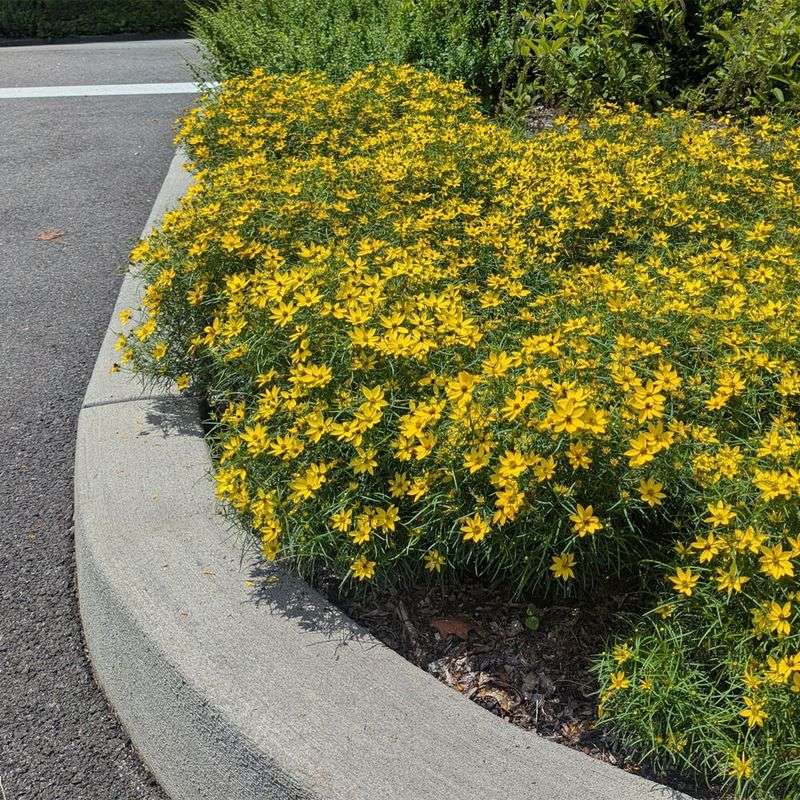
Sunshine seems to pour right out of a coreopsis in bloom, its little golden daisies scattering across the plant like confetti. From early summer well into fall, it barely takes a break.
Tickseed is remarkably forgiving. Sandy soil, rocky soil, blazing sun, salty coastal air, it handles conditions that send other flowers into decline.
Give the plant a quick shear when blooming slows, and a fresh wave of flowers rewards you within weeks. Native varieties spread by both roots and seed, gently filling gaps without becoming a nuisance. Compact and tidy, coreopsis fits containers, borders, and wildflower patches alike, coming back reliably across zones 4 through 9 with no help from you.
9. Bearded Iris
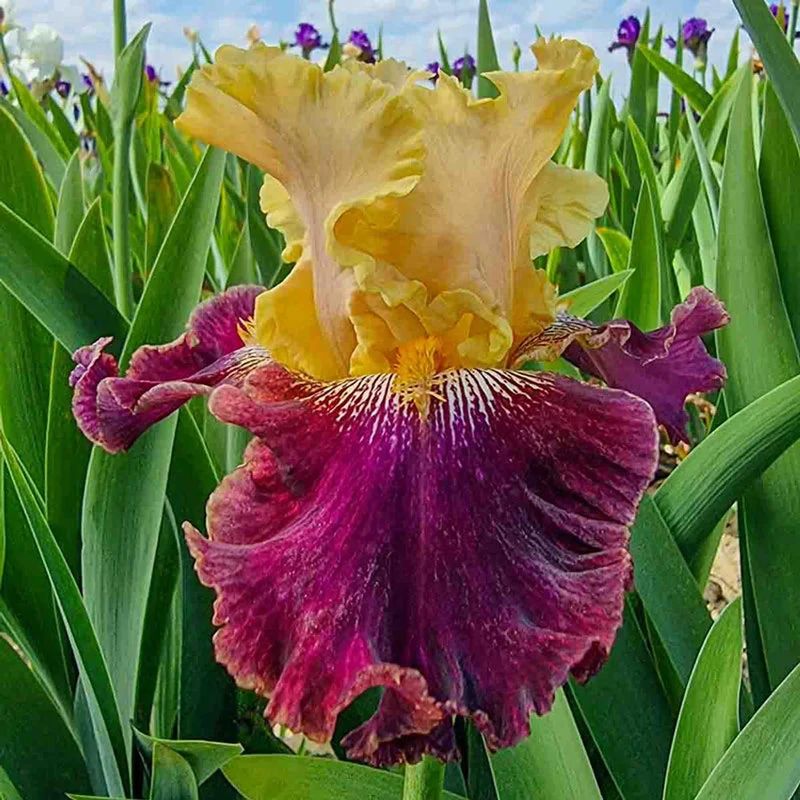
There is something almost old-fashioned and elegant about a row of bearded iris nodding in the May breeze, their petals looking like folded silk. Colors run the full rainbow, from inky purple to buttery yellow to bronze.
The secret to their toughness sits right on top of the soil. Iris grow from fat rhizomes that store energy and shrug off drought, and they actually prefer to be planted shallow where the sun can bake them.
Every three or four years the rhizomes crowd together and blooming slows down. Dig them up in mid to late summer, snap them apart, and replant the healthiest pieces to keep the show going strong. Do that and one starter fan becomes a whole flowerbed of free iris.
10. Yarrow (Achillea)
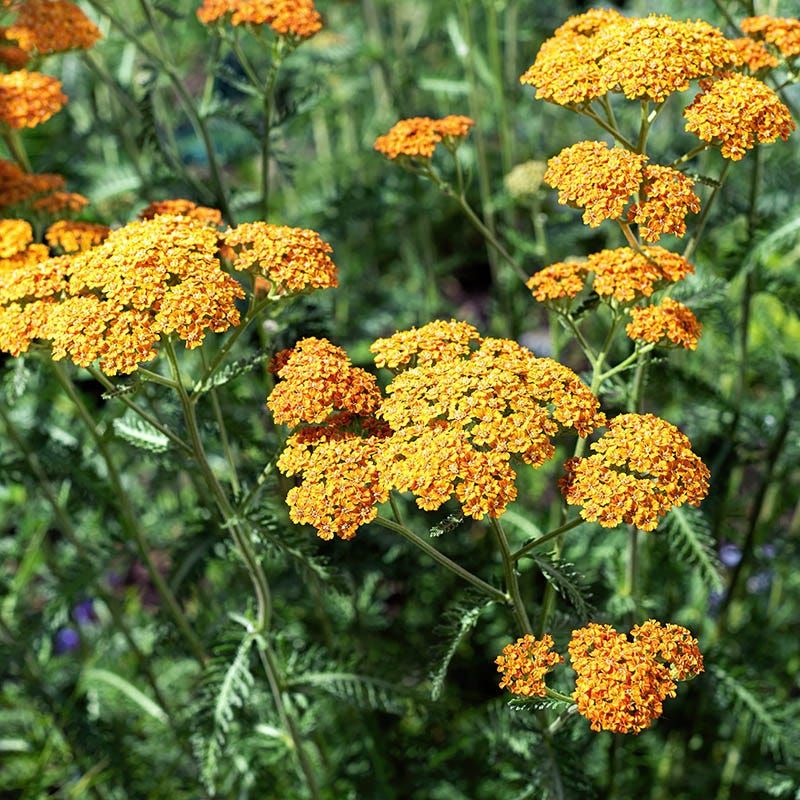
Ancient soldiers carried yarrow to battle to help stop bleeding, which hints at just how tough this feathery herb really is. Modern gardeners grow it for the flat-topped flower clusters in yellow, red, pink, and creamy white.
Drought does not scare yarrow in the slightest. It prefers poor, dry soil and full sun, and rich pampering actually makes it flop over.
The fernlike, aromatic leaves carry a scent that can help deter certain nibbling insects, while the blooms pull in ladybugs and hoverflies that hunt garden pests. Cut the flowers for long-lasting bouquets, fresh or dried, and the plant just keeps producing. Spreading steadily by underground runners, yarrow returns thicker each year across zones 3 to 9.
11. Catmint (Nepeta)
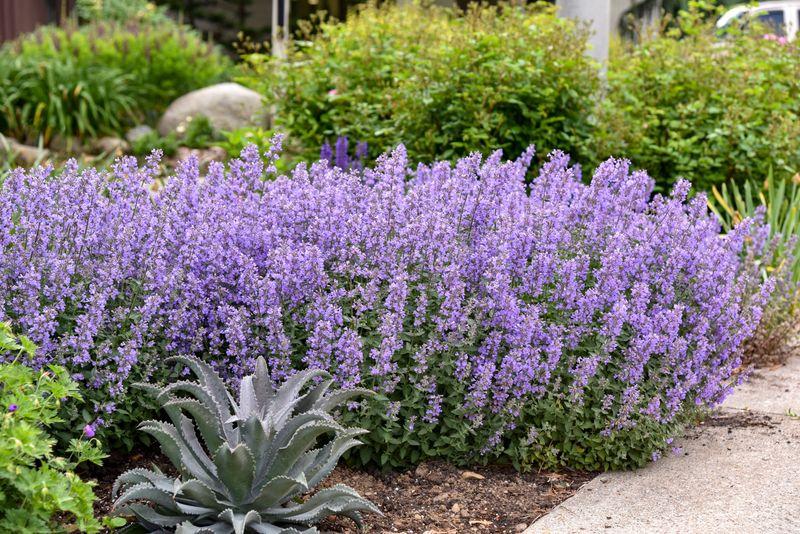
If you love the look of lavender but keep killing it, catmint is your low-drama stand-in. The soft mounds of gray-green leaves and lavender-blue flowers spill gracefully over path edges from late spring onward.
Nepeta thrives on neglect, tolerating drought, heat, and lousy soil without complaint. The aromatic foliage carries a minty scent that rabbits and deer tend to steer clear of, a handy trait in browsed yards.
Shear the whole plant back by half after the first flush of bloom, and it rebounds with a second round of flowers in no time. Bees adore it, buzzing through the blossoms all day. Unlike its cousin catnip, most ornamental catmints stay put and behave, returning as tidy clumps year after year.
12. Hardy Geranium (Cranesbill)
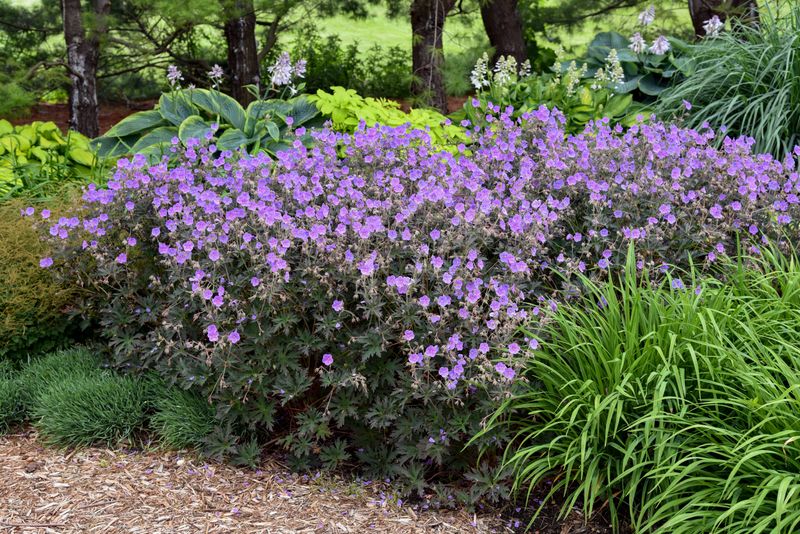
Do not confuse this workhorse with the potted red geraniums sold every spring, because hardy cranesbill is a different, far tougher creature. Low mounds of lobed leaves disappear under saucer-shaped blooms in blue, pink, and magenta.
Filling space is what cranesbill does best. It weaves happily between shrubs and taller perennials, smothering weeds while asking for very little in return.
Sun or part shade both suit it, and the foliage often turns fiery red in autumn for a bonus season of color. A quick trim after flowering encourages a fresh flush of leaves and sometimes more blooms. Cold hardy and long-lived, it settles in and returns dependably without any coddling from the gardener.
13. Salvia (Perennial Sage)
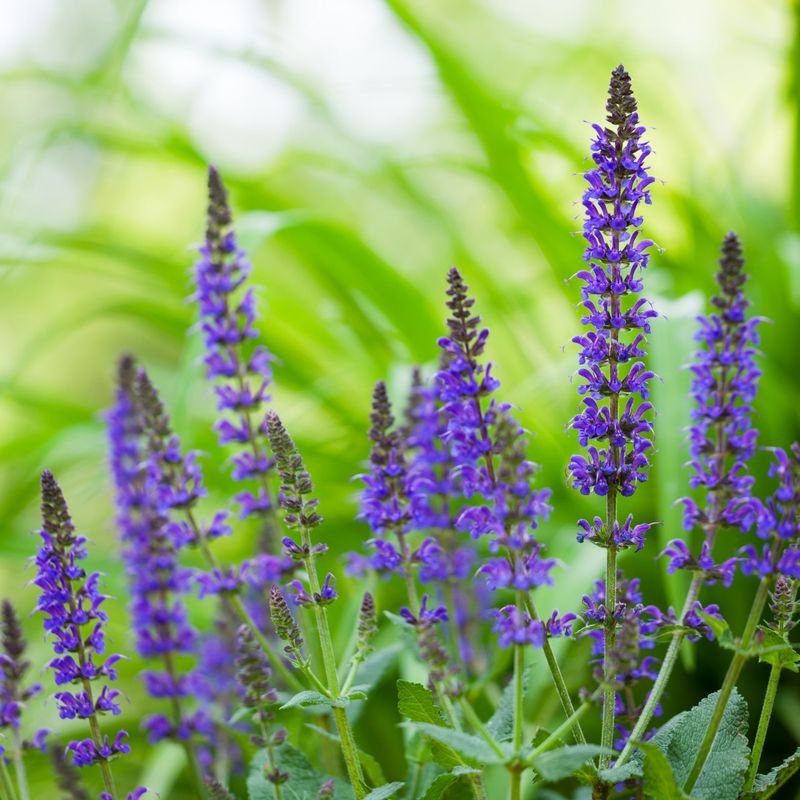
Spiky wands of violet, blue, or magenta shooting up in early summer make perennial salvia one of the first big color shows in the border. Hummingbirds arrive almost the moment the flowers open.
Built for heat and dry conditions, salvia keeps its cool while the thermometer climbs. Its aromatic leaves give off a scent that many browsing critters and insects dislike, so deer and rabbits usually pass it by.
Snip off the faded spikes and a whole new set pushes up within a couple of weeks, stretching the display into fall. The plant forms a neat woody base that returns bigger each spring. Reliable, pollinator-friendly, and nearly indestructible, salvia earns a permanent spot with no replanting ever needed.
14. Shasta Daisy
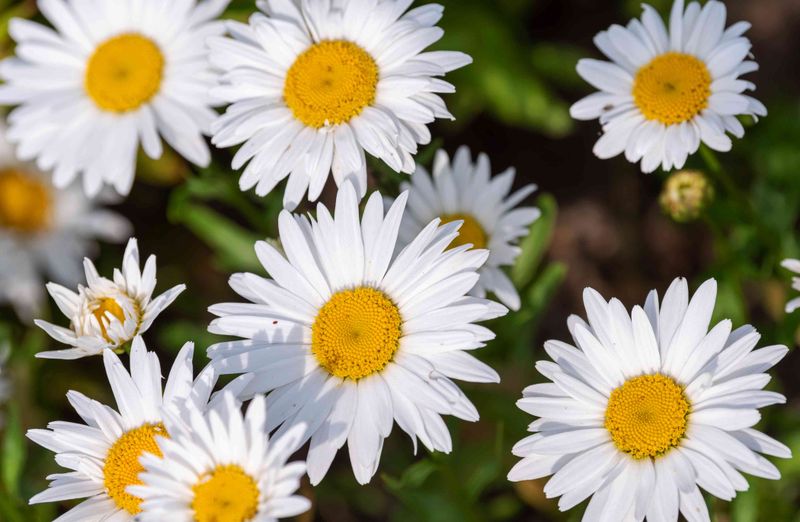
Nothing feels more cheerfully classic than a clump of Shasta daisies, all crisp white petals circling sunny yellow centers. They look like the flower a child would draw, and that simple charm never goes out of style.
Bred by the famous horticulturist Luther Burbank over a century ago, the Shasta was designed to be hardy and free-flowering. It delivered on both counts and then some.
Full sun and average soil are all it asks. Deadhead the spent flowers and blooming stretches through much of the summer, giving you endless material for a kitchen-table bouquet. Every few years the clumps benefit from division, which means more daisies to plant elsewhere at no cost. Dependable across zones 4 to 9, it comes back like clockwork.
15. Baptisia (False Indigo)
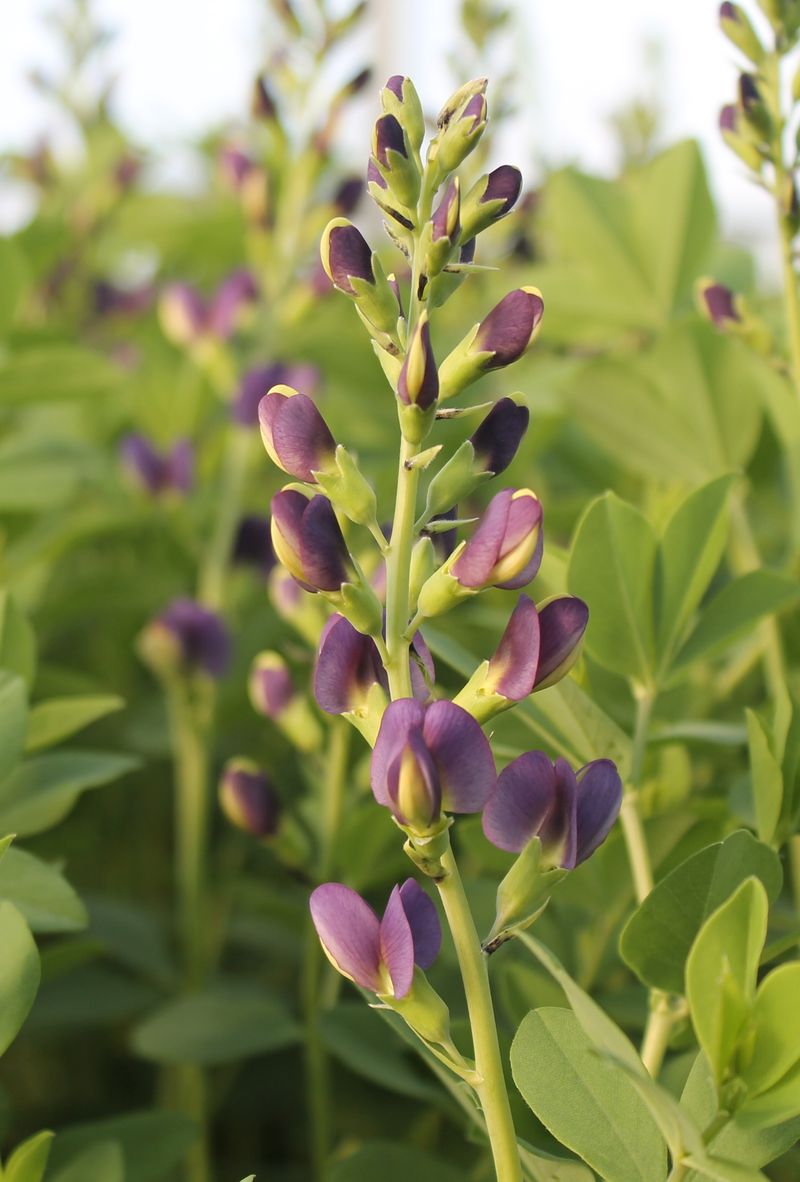
Slow to start but nearly immortal once grown, baptisia rewards patience like few other perennials can. Give it two or three years and it becomes a shrub-sized mound covered in lupine-like spires of blue, yellow, or purple.
Roots that plunge deep make false indigo tremendously drought tolerant and long-lived, sometimes outlasting the gardener who planted it. Those same roots dislike being disturbed, so pick the spot carefully and leave it be.
After the flowers fade, charcoal-black seed pods form and rattle in the wind, adding interest right through winter. Deer and rabbits leave it alone, pests barely touch it, and disease is rare. Plant it once, and baptisia quietly anchors your garden for decades with almost no attention.
16. Phlox (Garden Phlox)
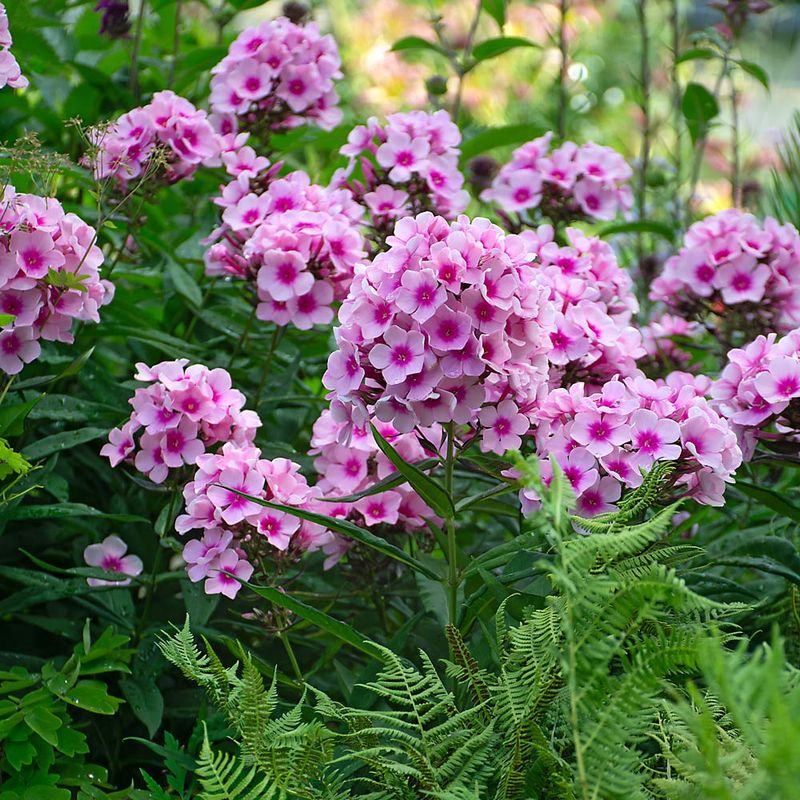
Late summer air thick with a sweet, honeyed fragrance usually means garden phlox is in full swing. The big rounded flower heads in pink, white, purple, and salmon crown tall stems that fill the back of a border beautifully.
Butterflies and hummingbird moths cannot resist those clusters, drifting in for the nectar at dusk. The color arrives just when many spring bloomers have called it quits.
Look for mildew-resistant varieties such as David or Jeana, since older types can get a dusty white coating on their leaves in humid regions. Give the plants room for air to move, and they stay clean and vigorous. A tough, clumping grower, phlox returns faithfully every year and slowly widens into an ever more generous show.
17. Lily of the Valley (Convallaria)
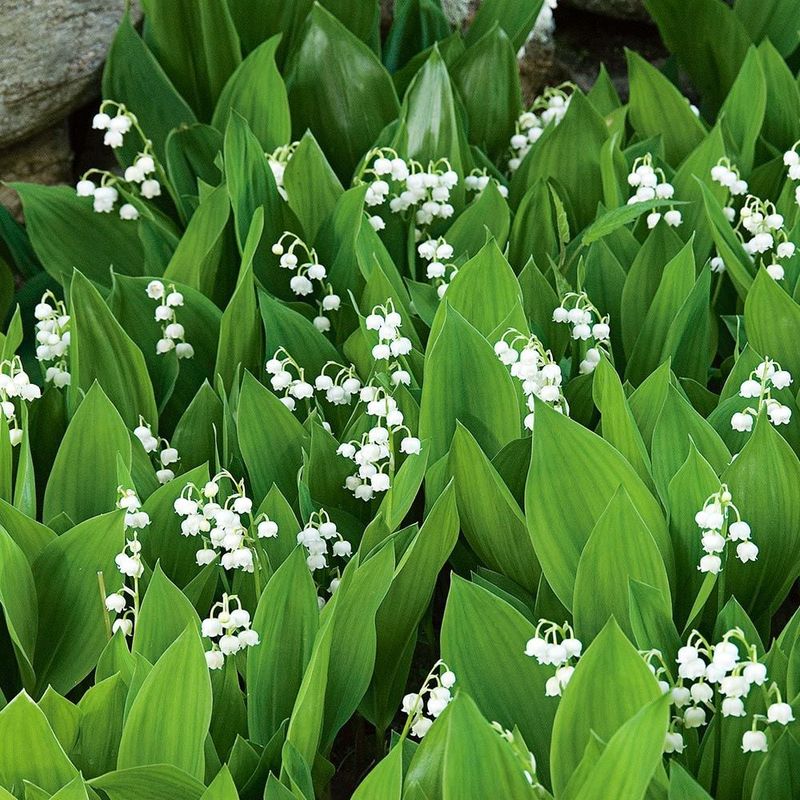
Tucked into a shady spot where little else wants to grow, lily of the valley spreads a carpet of tiny white bells with a fragrance far bigger than the flowers themselves. That perfume alone has earned it a place in gardens for centuries.
Deep shade, tree roots, poor soil, these are the exact conditions where it feels at home. Once the roots, called pips, settle in, they multiply steadily and knit into a dense green groundcover.
A word of caution: every part of the plant is poisonous if eaten, so keep it away from spots where kids or pets graze. Its spreading habit means you may want to give it boundaries. Left alone, though, it returns thicker each spring and asks for absolutely nothing.
18. Hardy Chrysanthemum (Garden Mum)
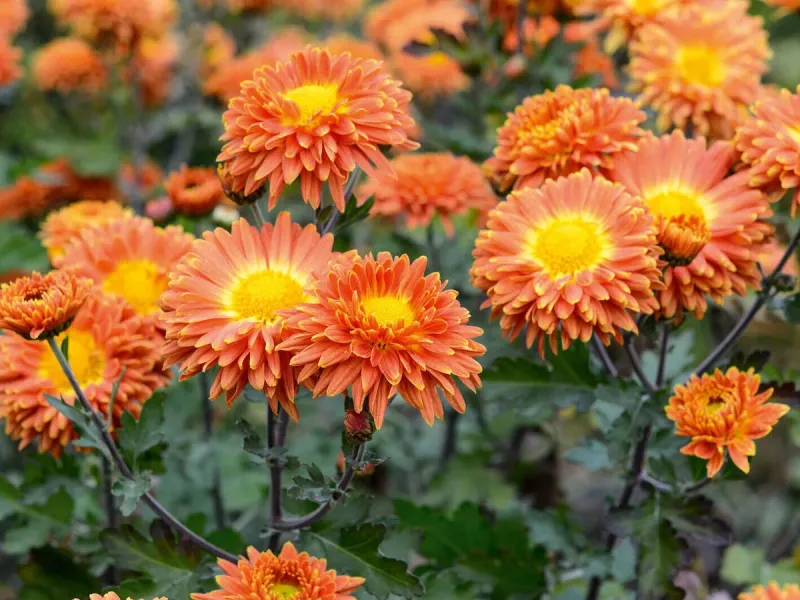
Most folks buy potted mums as one-season fall decorations and toss them after the frost, never realizing the garden types are true perennials. Plant a hardy mum in spring instead of fall, and it settles in to return year after year.
The trick is timing and placement. Spring planting gives the roots months to establish before winter, and a spot with good drainage keeps them from rotting in soggy soil.
Pinch the stems back a couple of times through early summer, and by autumn you get a rounded mound smothered in bronze, gold, rust, or burgundy blooms. It flowers exactly when the rest of the garden is winding down, closing out the season with a bang. Choose garden-hardy varieties and you get instant fall color with no yearly replacement.