
7 Fast-Growing North Carolina Native Trees That Throw Real Shade Over Your Yard Within A Few Summers
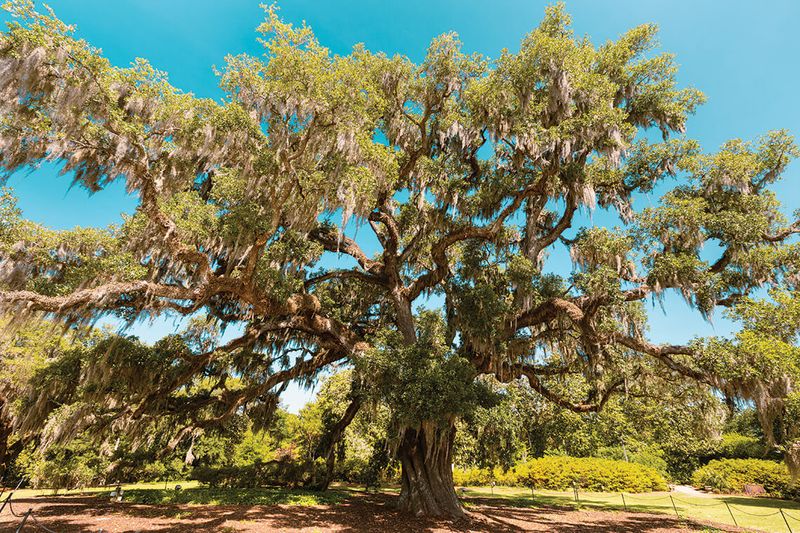
Waiting decades for a tree to shade your patio can feel like a lifetime, but some North Carolina natives grow fast enough to cool your yard in just a handful of summers. The best part is that these trees do double duty, feeding birds, butterflies, and box turtles while they stretch toward the sky.
Swapping out invasive troublemakers like the Bradford pear for one of these homegrown heroes helps your whole backyard ecosystem thrive. Here are seven fast-growing natives that bring real shade and real wildlife value to Piedmont, Coastal Plain, and mountain yards alike.
1. Red Maple (Acer rubrum)
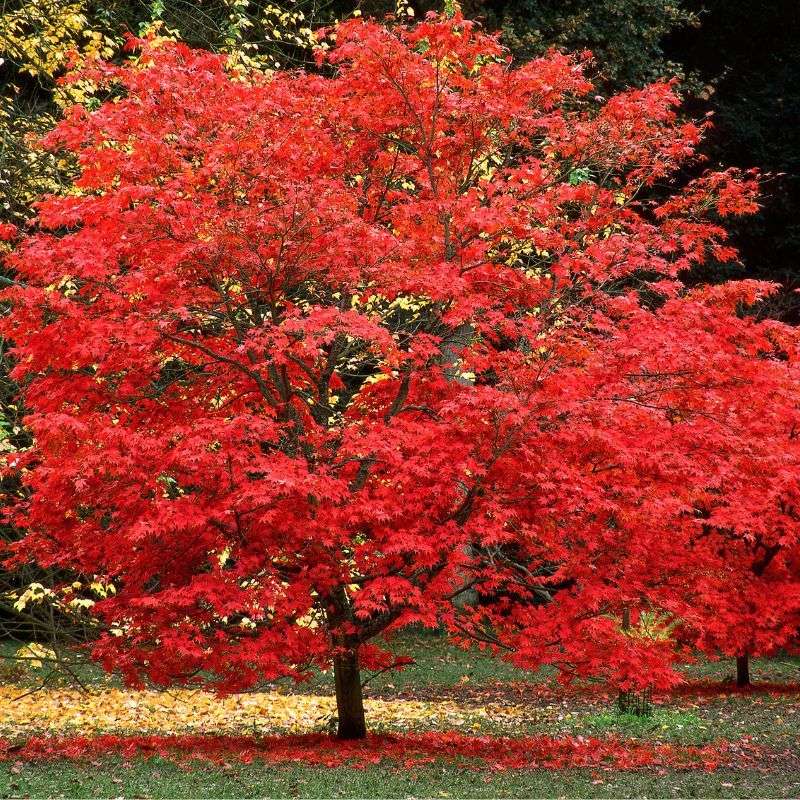
Few native trees can claim they grow happily in every corner of North Carolina, but the red maple pulls it off from the mountains to the coast. It shoots up quickly and can top out anywhere from 40 to 70 feet, giving you a solid canopy in only a few seasons.
What makes it a wildlife champion is its timing. When it blooms in late winter and early spring, it hands out some of the very first nectar of the year to pollinators waking up hungry.
Its leaves also feed caterpillars that later become native butterflies.
Red maple is tough where it counts. It shrugs off compacted soil, city air pollution, and summer heat, so it fits right into a busy residential yard without fussing.
And come October, that fiery red color is hard to beat.
2. Tulip Poplar (Liriodendron tulipifera)
If speed is your goal, the tulip poplar is the sprinter of the group. It races upward faster than almost any other native tree in the state and can eventually reach a jaw-dropping 80 to 100 feet.
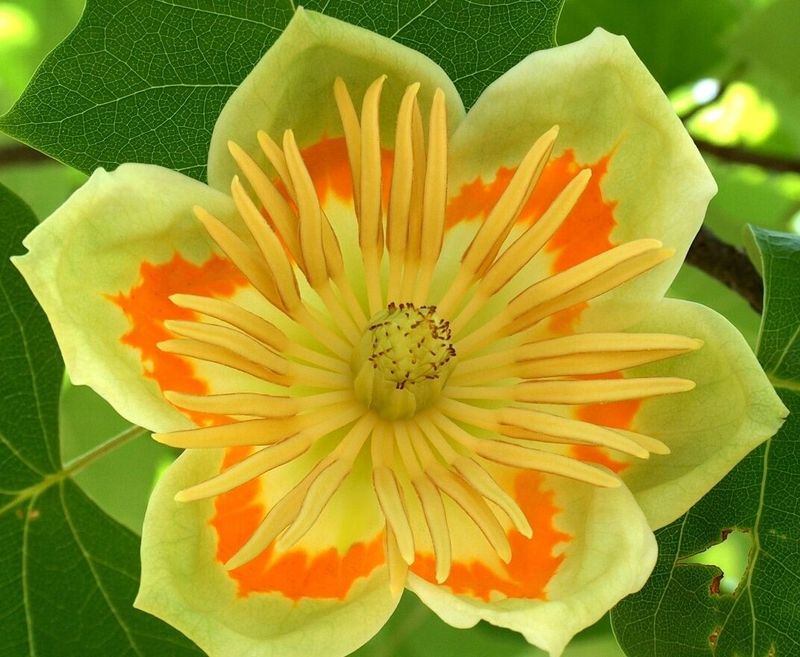
Its neat, pyramid-like shape throws generous shade, and in late spring it surprises you with flowers shaped like little tulips. Those blooms are loaded with nectar that pollinators can’t resist, especially bees working the treetops.
Beyond the shade, this tree quietly builds a food web in your yard. The insects it supports become meals for songbirds raising their chicks.
Give it plenty of room and rich, well-drained soil, and it will reward you for generations. Fun bit: the tulip poplar is not a true poplar at all, but a member of the magnolia family.
3. River Birch (Betula nigra)
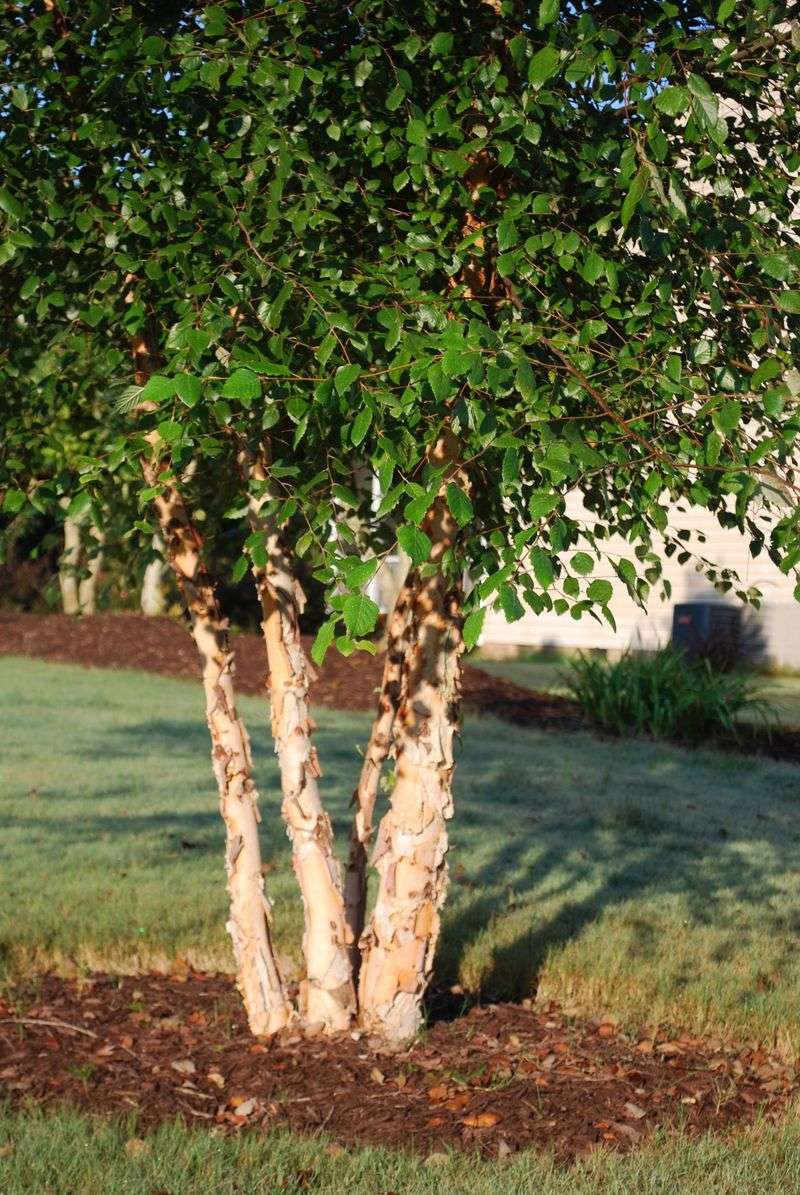
Peeling, papery bark in shades of cinnamon and cream makes the river birch a standout even before you notice its shade. That texture alone earns it a spot in the yard, but there’s plenty more going on.
Wet spot in your yard that stays soggy? Dry patch that bakes in the sun?
River birch handles both without complaint, adapting to a wide range of soils that would stress other trees. It builds a tall canopy fairly quickly, spreading cool shade where you need it.
Storms don’t scare it either. River birch holds up well against strong winds and ice, which is a real relief during North Carolina’s rougher weather.
Along the way, it offers food and cover for local birds and insects, making it a resilient, wildlife-friendly pick for tricky sites.
4. Black Gum (Nyssa sylvatica)
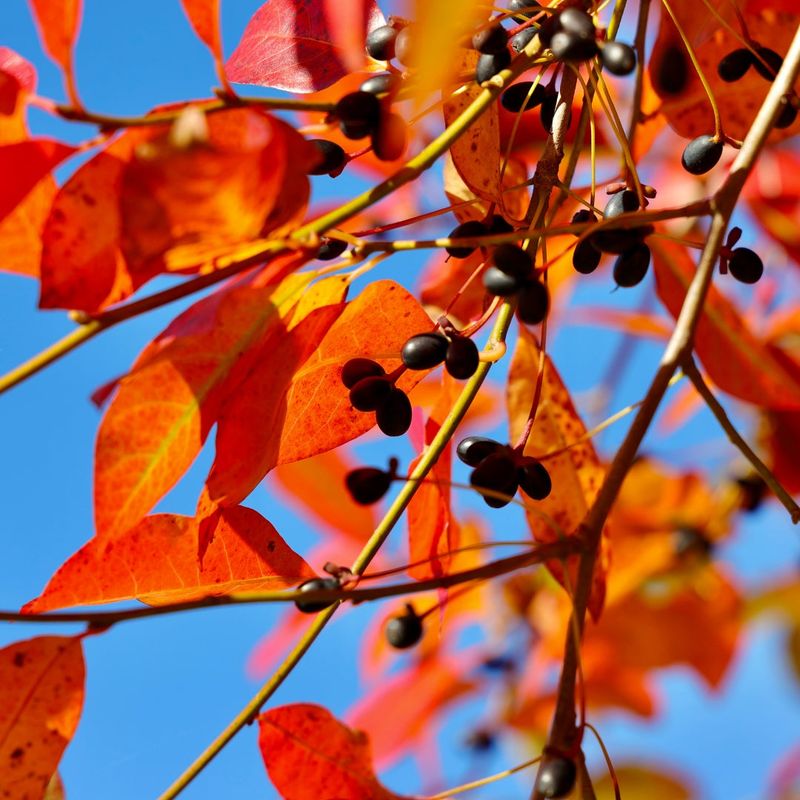
Ask any birdwatcher which tree earns its keep, and black gum belongs high on the list. Its small, dark berries are a feast for robins, cedar waxwings, woodpeckers, and bluebirds, turning your yard into a busy dining hall each fall.
The show doesn’t stop with the birds. Black gum lights up with red-burgundy fall foliage that ranks among the most striking colors of any native tree, glowing long before many neighbors change.
It’s flexible about where it grows, too. Whether your soil floods now and then or dries out on a sunny hillside, black gum settles in once established.
That combination of beauty, toughness, and pure wildlife value makes it a quiet backyard workhorse.
5. Shumard Oak (Quercus shumardii)
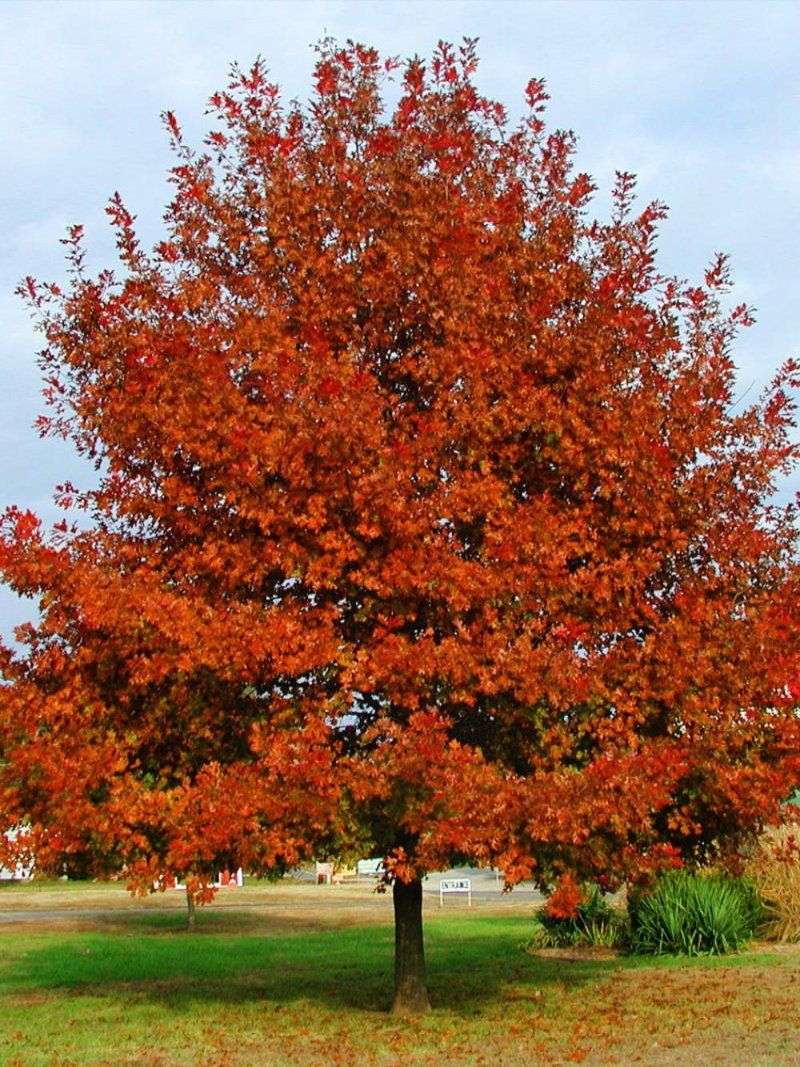
Oaks are the undisputed MVPs of the backyard ecosystem, and the Shumard oak brings that superstar power without the usual slow pace. It grows faster than most of its oak cousins, climbing to 50 to 70 feet with a wide, shady crown.
The numbers behind this tree are genuinely staggering. A single Shumard oak can host more than 500 species of caterpillars, and its acorns feed over 100 kinds of animals, including box turtles, deer, and a parade of birds.
Planting one is like opening a wildlife buffet in your own yard.
It handles urban stress with ease, tolerating pollution and compacted soil that would defeat pickier trees. Add in the deep red fall foliage, and you get a tree that feeds wildlife, cools your home, and looks gorgeous doing it.
If you want the biggest ecological bang for your buck, this is it.
6. American Sycamore (Platanus occidentalis)
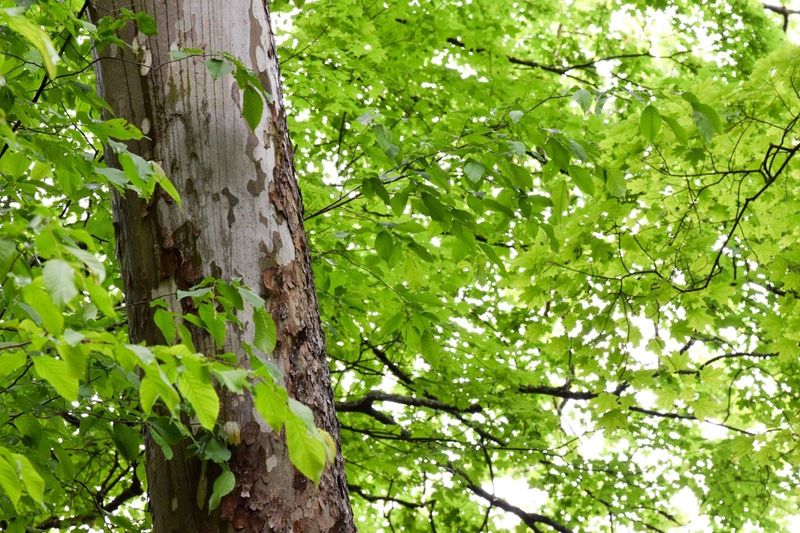
Go big or go home could be the American sycamore’s motto. Among the largest trees you can plant in the state, it grows fast and spreads dense, cooling shade over a wide stretch of yard in short order.
Low fuss is part of its charm. Sycamores are easy to grow and forgiving of many soil types, happily soaking up full sun and tolerating wet ground that would drown other trees.
Once their roots take hold, they even ride out dry spells.
The ghostly white and gray patchwork of its peeling bark makes it easy to spot from across the neighborhood, especially in winter. For homeowners with the space to spare, this gentle giant delivers serious shade with very little babysitting.
7. Live Oak (Quercus virginiana)
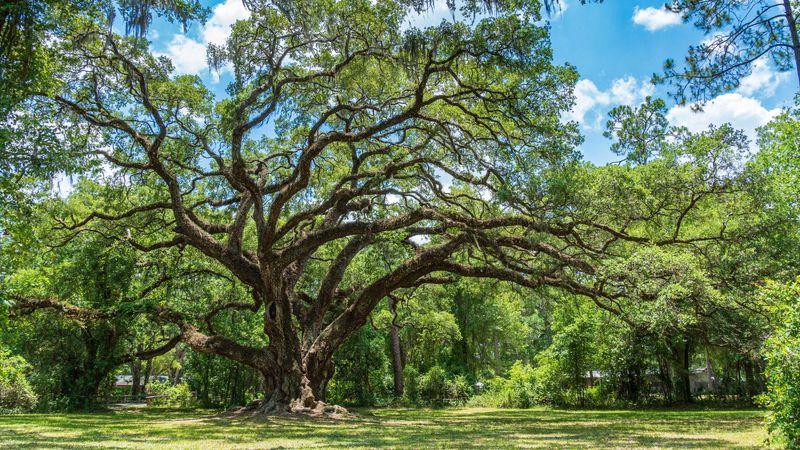
Picture those iconic Southern trees with branches spreading wider than they are tall, and you’re picturing a live oak. As a fast-growing evergreen, it keeps its leaves year-round, so the shade never takes a winter break.
It’s a natural fit for the Piedmont and Coastal Plain, though it won’t survive the coldest mountain elevations, so gardeners up high should choose one of the other trees on this list. Everywhere else, its dramatic, sprawling form becomes a landmark.
Wildlife leans on it hard. Live oaks serve as host plants for many pollinators, and their acorns feed woodpeckers, blue jays, small mammals, wild turkeys, and ducks.
Plant one where it can stretch out, and you’ll hand generations of backyard creatures a home. Quick tip: swap a struggling Bradford pear for a native like this and your whole yard benefits.