
8 Tricks North Carolina Gardeners Use To Keep Zinnias Blooming Right Up To The First Frost
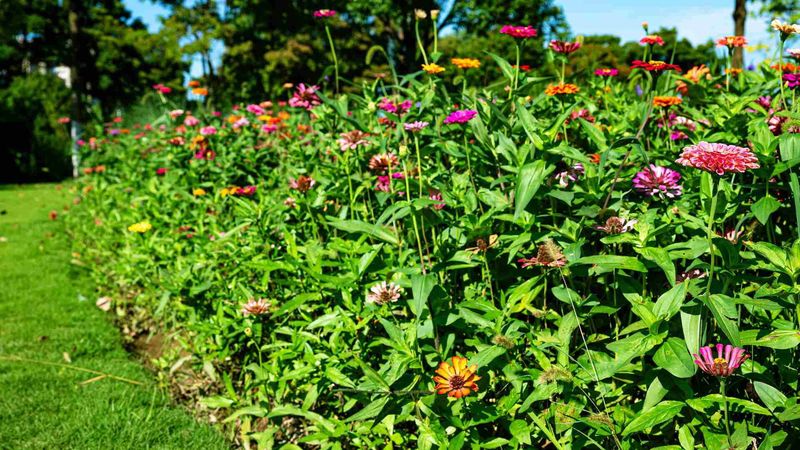
Zinnias are one of the easiest ways to fill a North Carolina yard with color from summer until the first cold snap. But keeping them flowering that whole stretch takes a few smart moves that local gardeners have figured out over the years.
The best part is that these tricks also help pollinators, goldfinches, and other backyard wildlife thrive. Here are eight ways to keep your zinnias popping right up to frost.
1. Provide Abundant North Carolina Sunshine

Zinnias practically drink up sunlight, and skimping on it is the fastest way to end up with leggy plants and stingy blooms. Give them a spot that soaks in at least six to eight hours of direct sun each day, and they will reward you with sturdy stems and flowers that keep coming.
Across North Carolina, from the Piedmont to the Coastal Plain, the summer sun is strong enough to power a serious flower show. Pick your brightest bed, the one that bakes in the afternoon, and let your zinnias have it.
Sun-drenched blooms also become a magnet for native bees and butterflies, turning your flower patch into a busy little pollinator diner. A healthy, full-sun zinnia bed is doing double duty, feeding your eyes and your local pollinators at the same time.
2. Ensure Excellent Air Circulation
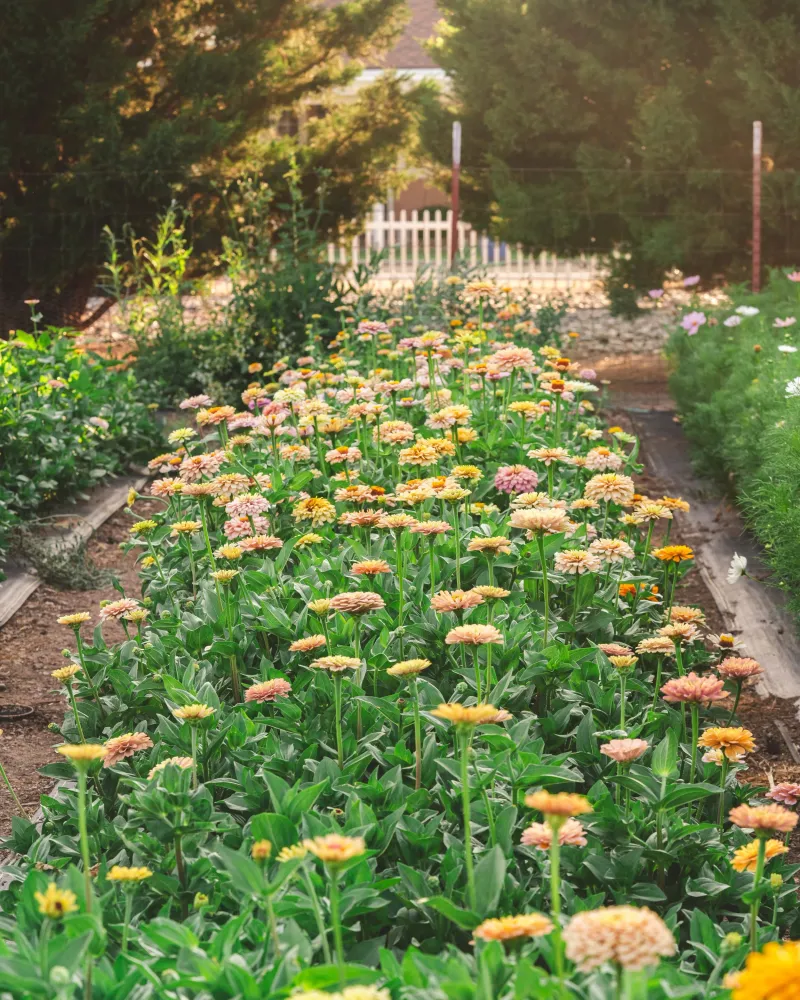
Humidity is a fact of life in North Carolina summers, and it is exactly what fungal troublemakers like powdery mildew and leaf spot love. Crowded zinnias trap damp air around their leaves, and that stale pocket of moisture is where disease gets a foothold.
Give each plant elbow room. Space them according to the seed packet, usually around 9 to 12 inches apart, so breezes can move freely through the foliage and dry the leaves after morning dew or a summer storm.
Good airflow keeps plants healthier without a single spray, which is a win for the beneficial insects and songbirds that visit your beds. Think of proper spacing as free, invisible disease prevention that also protects the wildlife you value.
3. Water Consistently and at the Base
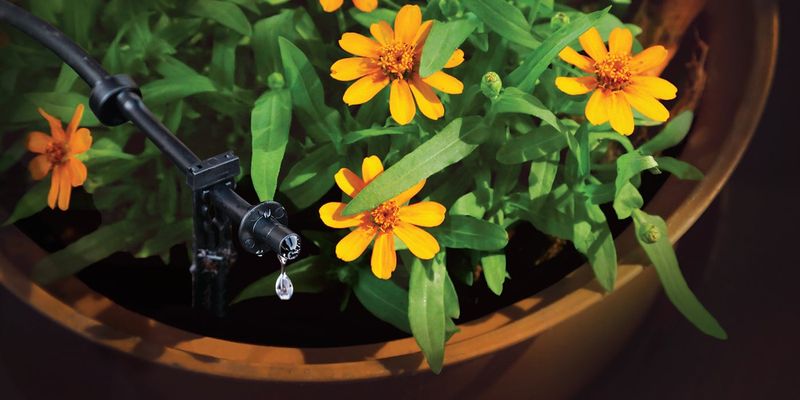
Steady moisture makes all the difference during those bone-dry NC stretches in July and August. Zinnias like about an inch of water a week, and they perform best when that water comes on a reliable schedule rather than in feast-or-famine bursts.
Here is the key part though: aim your water at the soil, not the flowers. Wet leaves invite fungal disease, so a soaker hose or a careful pour at the base of each plant keeps foliage dry and healthy.
Watering low and slow also lets more water soak deep instead of evaporating off the leaves, which conserves a resource that matters for your whole yard’s ecosystem. Deep roots mean tougher plants that shrug off dry spells and keep blooming.
4. Pinch Young Plants for Bushier Growth
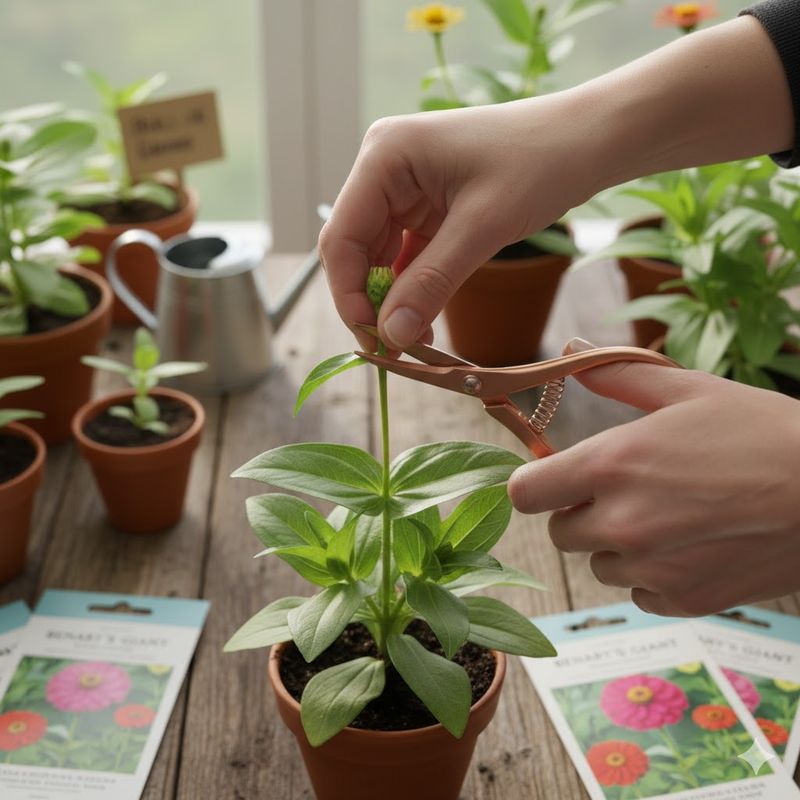
It feels almost wrong to snip a young, healthy plant, but pinching is one of the best-kept secrets for a fuller flower harvest. When your zinnia seedlings hit 8 to 12 inches tall, or grow three sets of true leaves, snap off the top few inches of the main stem.
That single cut tells the plant to branch out sideways instead of shooting straight up. The result is a bushier plant loaded with many flowering stems rather than one lonely bloom on a tall stalk.
Niki Irving, a florist and farmer in Asheville, has pointed out that pinching can lead to 10 or more stems per plant. More stems means more flowers, more cuttings for the vase, and more nectar for the pollinators working your beds all season.
5. Deadhead Relentlessly or Harvest Regularly
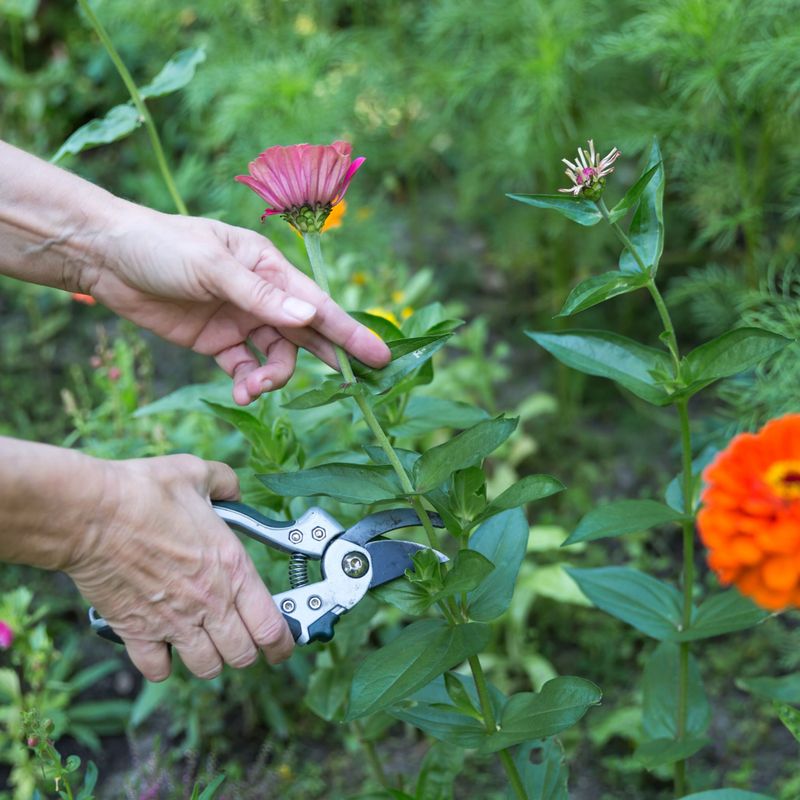
If you want one habit that keeps zinnias flowering the longest, this is it. Zinnias are classic cut-and-come-again flowers, meaning the more you remove spent or fresh blooms, the harder the plant works to make new ones.
When a flower fades, snip it off before it sets seed. Left alone, the plant assumes its job is done and slows way down, but a quick trim redirects all that energy back into fresh buds.
Cutting long stems for a kitchen-table bouquet does the same thing while brightening your home, so grab your snips often. Every faded bloom you remove is a nudge toward another wave of color that keeps feeding bees right up to frost.
6. Apply Appropriate Fertilization
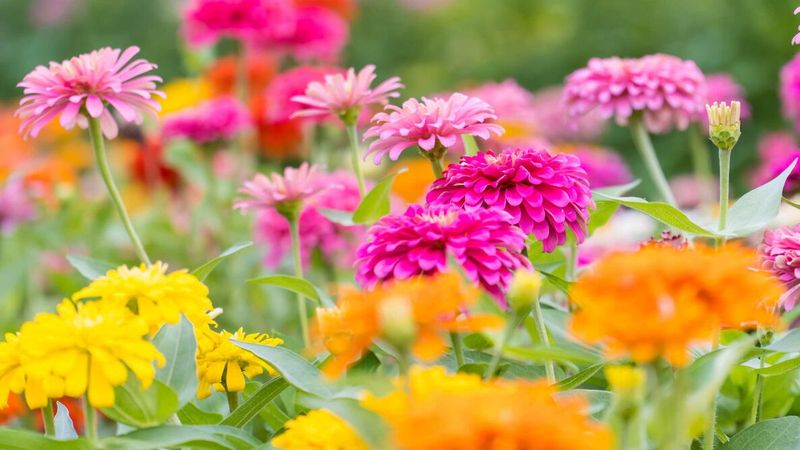
Zinnias are moderate eaters, so they appreciate a little food but not a buffet. A balanced fertilizer like 10-10-10, or one leaning higher in phosphorus such as 5-10-5, nudges the plant toward making flowers instead of just leaves.
Feed them every four to six weeks through the growing season, or reach for a slow-release granular option and let it do the work over time. Consistency beats a single heavy dose.
Watch the nitrogen though. Pile on too much and you will grow a jungle of lush green leaves with hardly a bloom in sight, which defeats the whole purpose.
Steady, balanced feeding keeps the flowers, and the pollinators, coming.
7. Practice Succession Planting
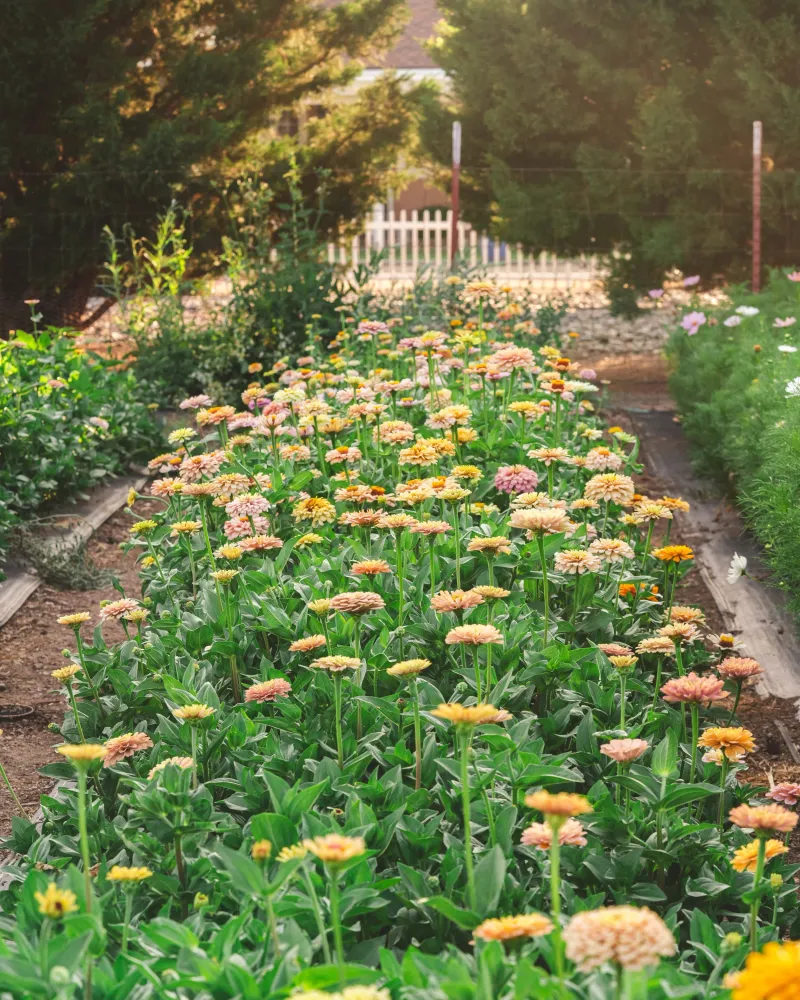
Even the best-tended zinnia eventually gets tired and slows its flowering. Smart NC gardeners get around that by planting fresh batches of seed every two to three weeks until about mid-summer.
The payoff is a garden that never really takes a break. As your first plants start to wane, a younger generation is coming into full bloom, keeping the color rolling clear up to the first frost.
In much of North Carolina, wait until mid-April or later to direct-sow so the soil has warmed enough for good germination. A little planning with a calendar turns a short bloom window into months of nonstop flowers and a steady food source for wildlife.
8. Employ Wildlife-Friendly Pest and Disease Management
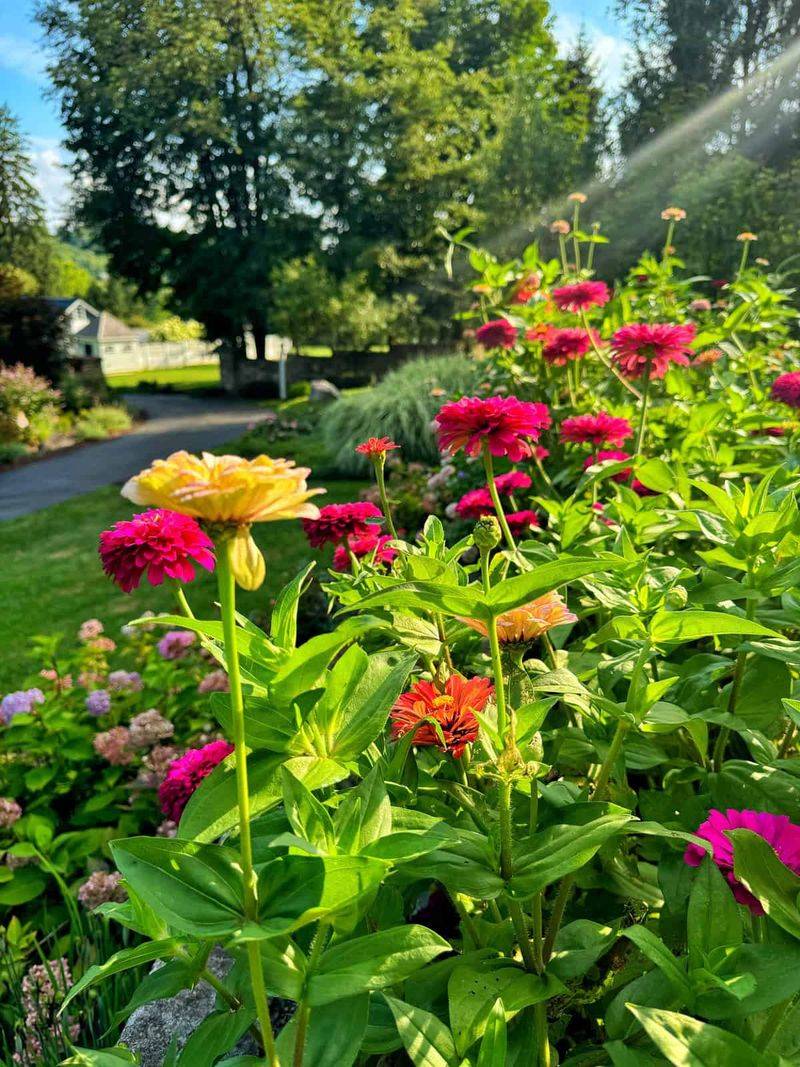
Reaching for a harsh chemical spray might knock back pests, but it can also harm the bees, fireflies, and beneficial bugs that make your NC yard hum with life. Local gardeners lean on gentler, smarter methods that protect the whole ecosystem.
Start with prevention: good air circulation and base watering already head off most fungal problems like powdery mildew. For aphids or spider mites, a firm blast of water from the hose knocks them right off the leaves.
Bigger nuisances like Japanese beetles can be hand-picked in the cool of the morning and dropped into soapy water. Tucking dill or marigolds alongside your zinnias invites ladybugs and other helpful predators that keep pests in check naturally, so your blooms and your backyard wildlife both stay healthy.