
The North Carolina Native Ground Covers That Lock Down A Bare Slope Where Mulch Just Washes Away
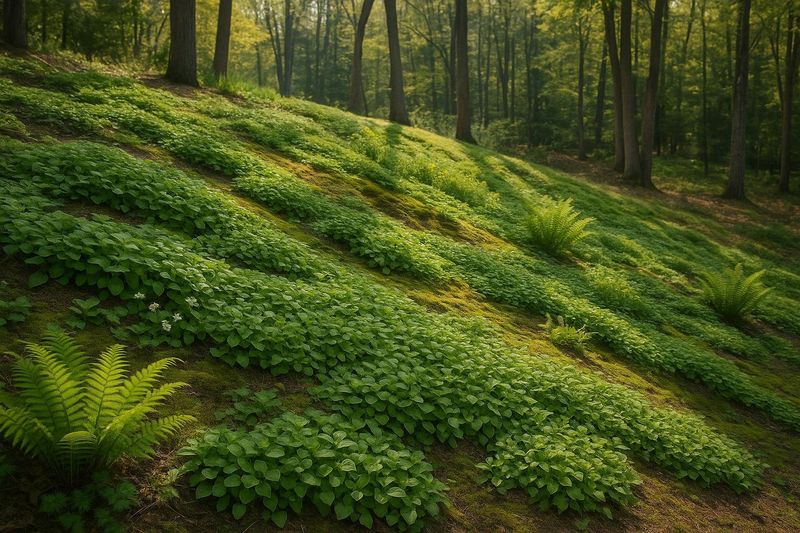
If you have ever dumped mulch on a hillside only to watch it slide into the driveway after one hard rain, you already know how stubborn a bare slope can be. The good news is that North Carolina has native plants whose roots grip the soil like a net, holding your hill in place year after year.
Even better, these plants feed box turtles, fireflies, goldfinches, and native bees while they work. Here are seven NC natives that stop erosion and give your yard’s wildlife a real home.
1. Allegheny Spurge (Pachysandra procumbens)
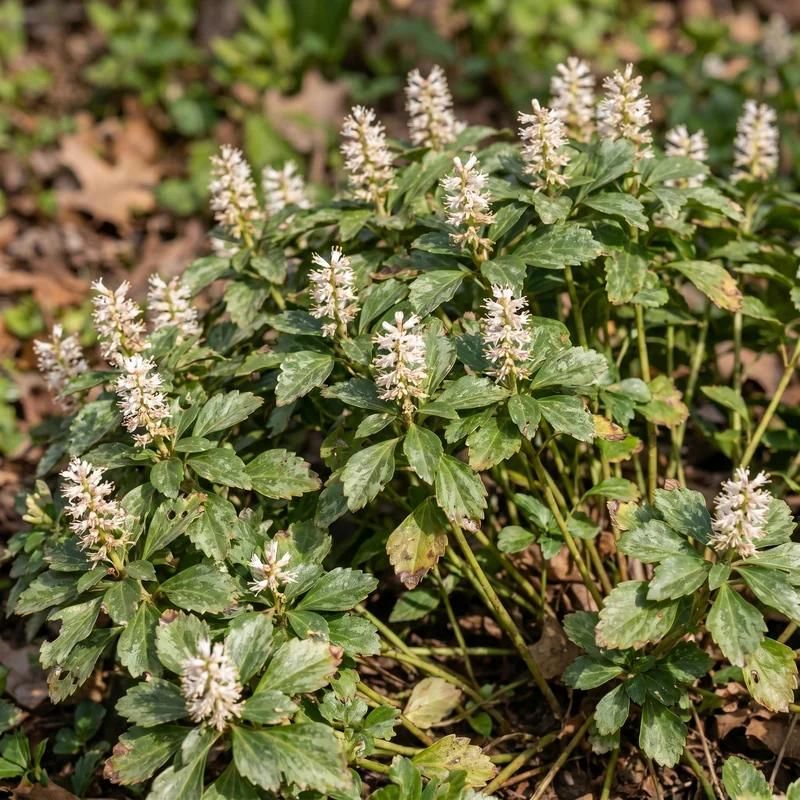
Here is a plant that fixes two problems at once: it holds a shady bank in place and it lets you kick invasive Japanese pachysandra to the curb. Allegheny spurge is the homegrown cousin that belongs here, and its mottled, quilt-like leaves look far prettier than the store-bought imposter.
It creeps slowly but surely, weaving a thick mat that chokes out weed seeds before they ever get a foothold. That living carpet keeps your slope from washing away without you reaching for a single bag of mulch.
Plant it in shade across the Piedmont, Coastal Plain, or mountains and it will settle in nicely. By swapping in this native instead of its aggressive look-alike, you keep the local food web humming along the way it should.
2. Wild Ginger (Asarum canadense)
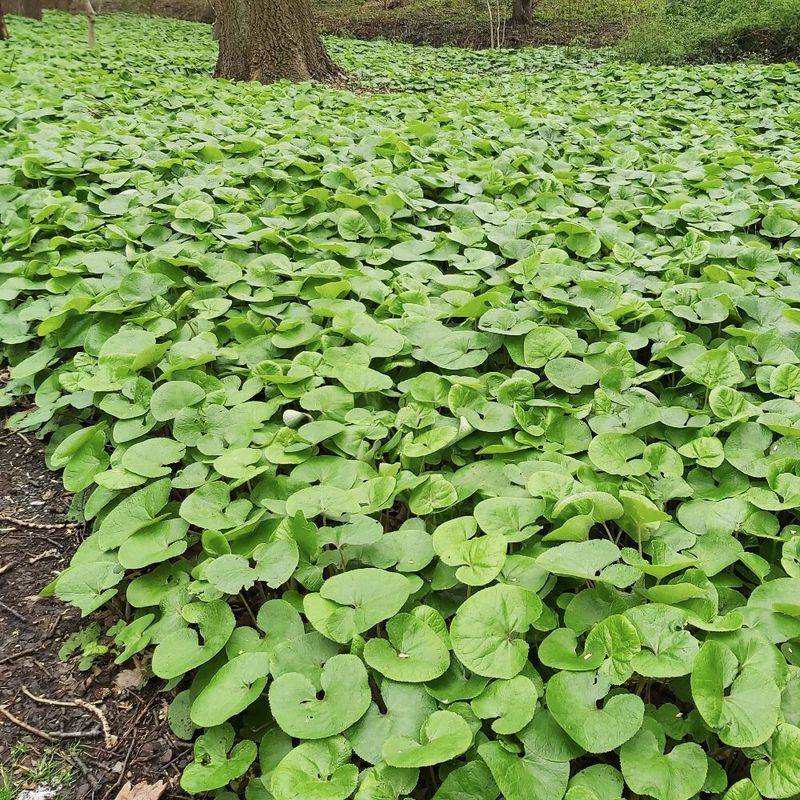
Big heart-shaped leaves that overlap into a lush green quilt, that is wild ginger, and it is one of the best allies you can have on a damp, shady hill. The leaves lie so close together that weed seeds barely see daylight, and the roots knit the soil into place.
There is a wildlife bonus you will love. Wild ginger is a larval host for the pipevine swallowtail butterfly, so you are basically planting a nursery.
The cool, leafy conditions it creates also make cozy shelter for box turtles moving through your yard. If you want an evergreen option, look for our native Hexastylis heartleaf gingers, which hold their leaves through winter.
Give it part to full shade and steady moisture, and it will reward you for years.
3. Foamflower (Tiarella cordifolia)
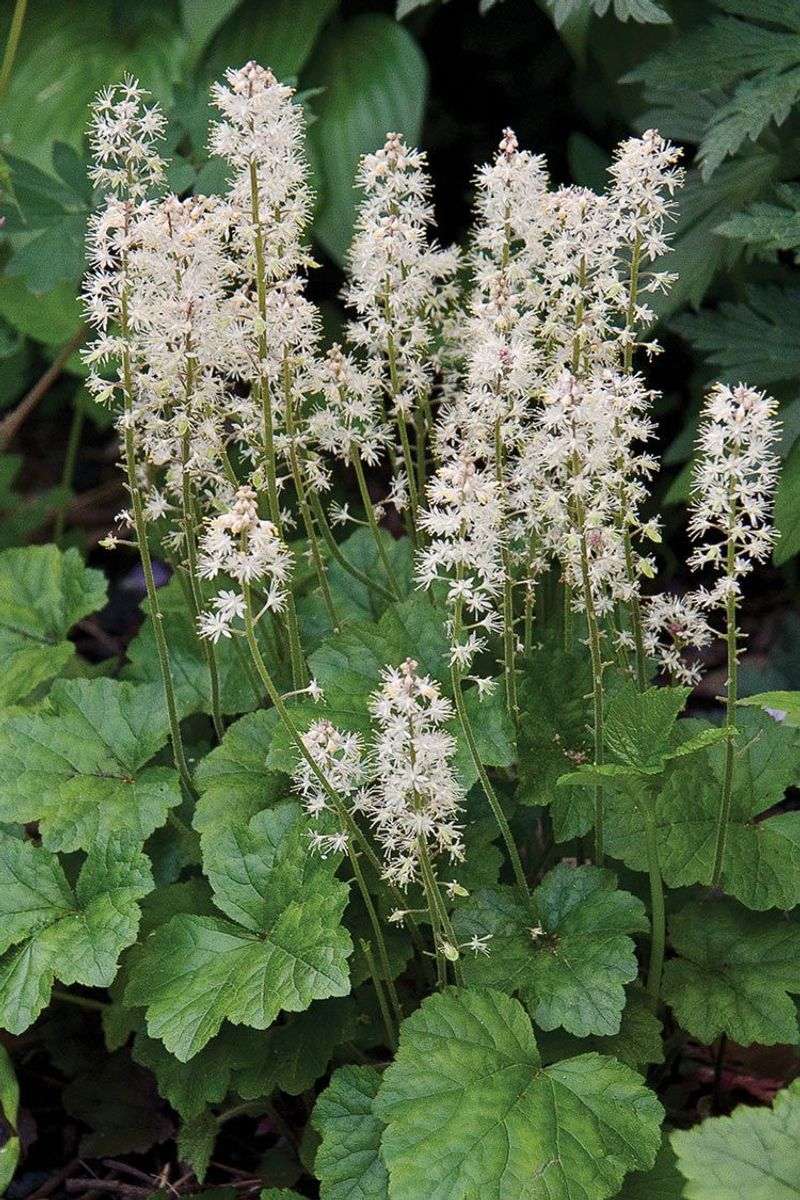
Come spring, foamflower sends up airy white spikes that look like little puffs of sea foam floating above lobed leaves. It is a showstopper, but its real job is happening down at soil level.
Spreading by runners, foamflower knits together dense colonies in moist, shaded spots, and that thick foliage does double duty. Underneath the leaves, ground-dwelling insects find shelter, and those insects are exactly what firefly larvae hunt for.
So a slope planted in foamflower is quietly setting the table for those summer-evening light shows every NC kid remembers. Tuck it into a shady bank where mulch never seems to stay put, keep it damp while it establishes, and let the runners do the erosion control for you.
4. Partridgeberry (Mitchella repens)
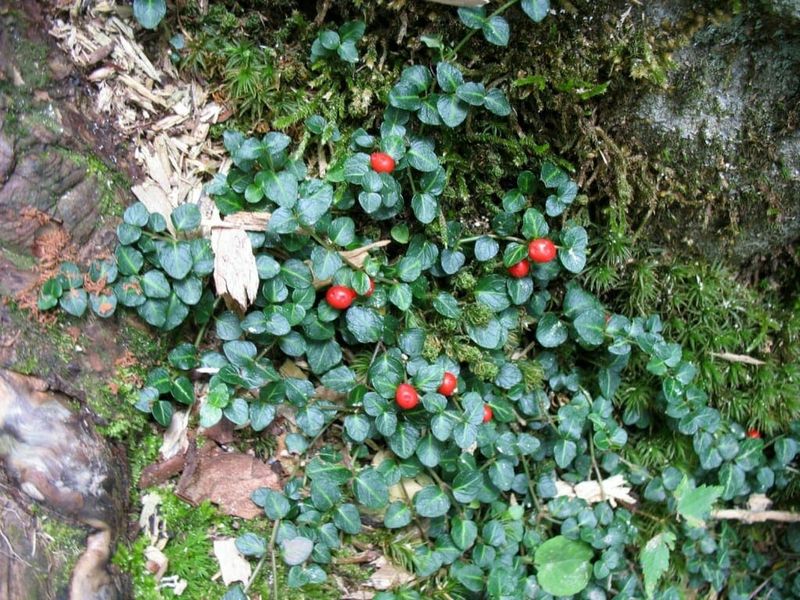
Barely an inch tall and utterly charming, partridgeberry is the quiet little creeper that hugs the ground under your oaks and pines. Do not let its small stature fool you, because those fine roots grip acidic slope soil and refuse to let it wash away.
It flowers white in warm months, then produces cheerful red berries that can hang on for a full year. Those berries feed wildlife, and the low evergreen mat gives overwintering critters a place to hide when the weather turns cold.
Fun bit of trivia: it takes two flowers to make one berry, so each little red fruit is a tiny team effort. If you have a shady, pine-strewn hillside where nothing else seems happy, this delicate native is worth a try.
5. Wild Strawberry (Fragaria virginiana)
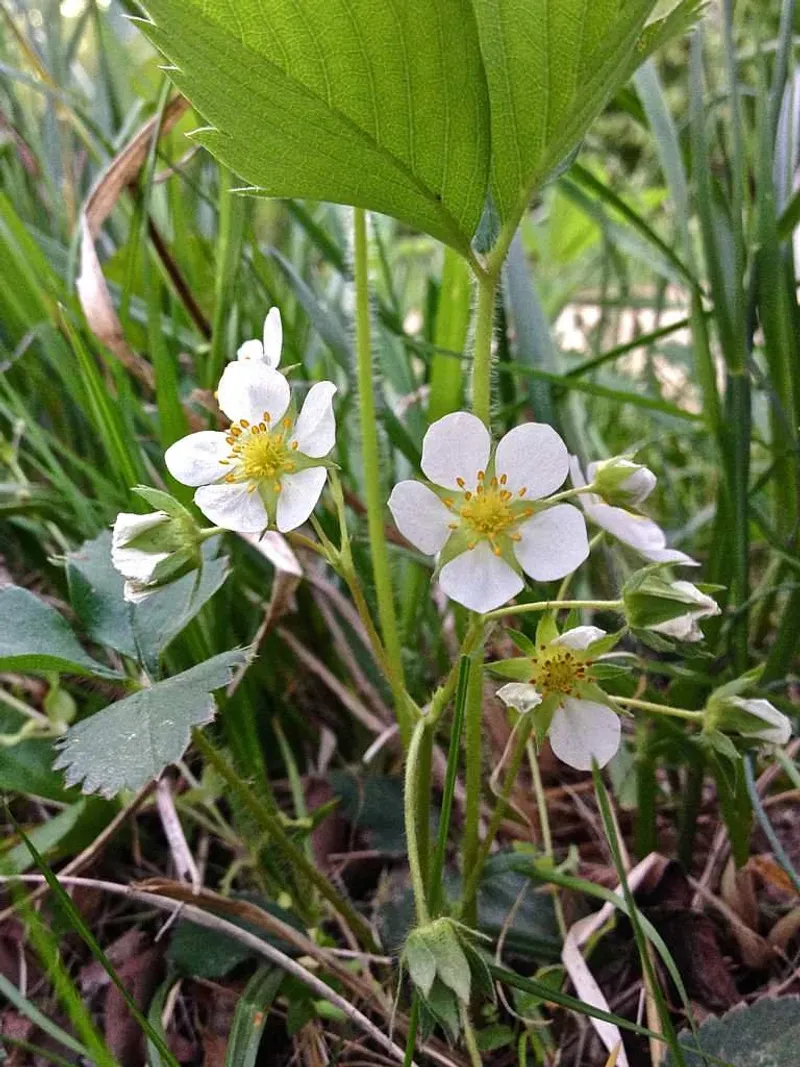
Imagine a slope that stabilizes itself and hands out snacks to box turtles at the same time. Wild strawberry does exactly that, racing across sunny banks on runners until it forms a tight green blanket.
The white spring blooms pull in native bees, and the small red berries feed box turtles, birds, and small mammals alike. Even the foliage gets nibbled by turtles, so this one plant supports a whole cast of backyard characters.
Because it spreads so fast, it covers bare ground before erosion gets a chance to start. Give it sun, plant it densely, and stand back while it fills in.
It is one of the friendliest natives you can put on a hot, open slope, and yes, the berries are edible for you too if the wildlife leaves any behind.
6. Lobed Tickseed (Coreopsis auriculata)
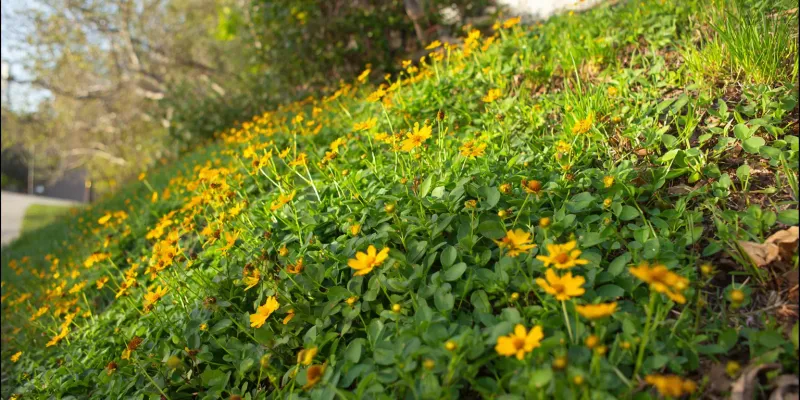
Cheerful yellow-orange blooms that seem to smile back at you, that is lobed tickseed, a dwarf coreopsis that spreads into a dense, sunny carpet. It thrives in the kind of average, drying soil that makes other plants sulk.
Because it fills in thickly, it locks down the surface of a sunny slope and keeps stormwater from carving little gullies through your dirt. The flowers are pollinator magnets, so expect native bees and butterflies to come visiting.
It works across all NC regions, from the Piedmont to the mountains to the sandy Coastal Plain. If your problem hillside bakes in full sun and drinks up water fast, this tough little native is right at home.
Plant it and let its runners stitch the bank together while the blooms brighten your summer.
7. Little Bluestem and Native Grasses (Schizachyrium scoparium)
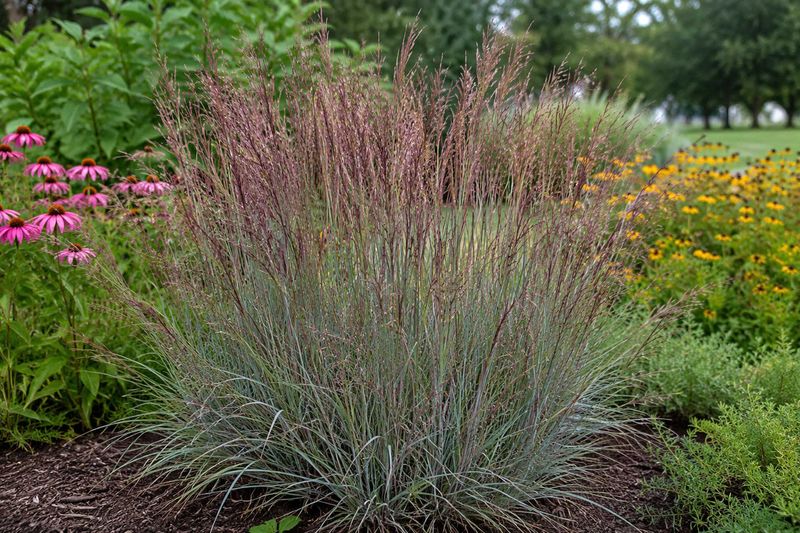
When it comes to raw soil-holding power, few things beat the fibrous, deep-reaching roots of native grasses. Little bluestem leads the pack, forming tidy clumps that turn blue-green in summer and glow coppery-red in fall.
Those roots plunge deep and spread wide, anchoring even the loosest bank and slowing runoff before it can strip your soil. Pair little bluestem with friends like purple lovegrass for sandy Coastal Plain sites, switchgrass for drought and salt-spray tolerance, or river oats for part-shade, moister slopes.
River oats is especially neat because its leafy cover shelters the insects firefly larvae rely on. A mix of grasses and sedges also gives goldfinches seed to feast on come fall.
Combine a few of these and you get a slope that grips hard, sways beautifully in the breeze, and feeds birds and pollinators all season long.