
9 Flowering Shrubs That Bring Color With Far Less Drama Than Hydrangeas
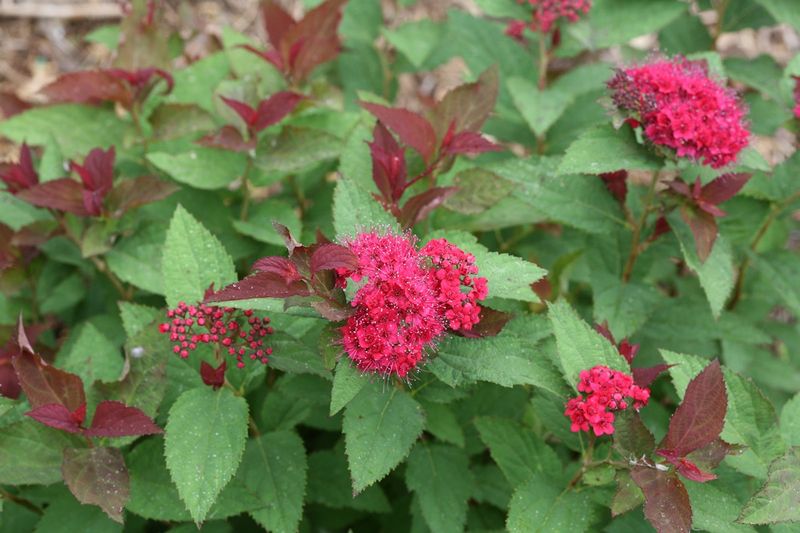
If your hydrangeas keep wilting, refusing to bloom, or turning brown the moment summer heat rolls in, you are not alone. The good news is that plenty of flowering shrubs give you just as much color without all the babysitting.
These nine picks handle heat, dry spells, and neglect far better than a fussy hydrangea ever could. Swap in a few of them and you can trade your worry for weeks of easy, reliable blooms.
1. Plumbago (Cape Leadwort)
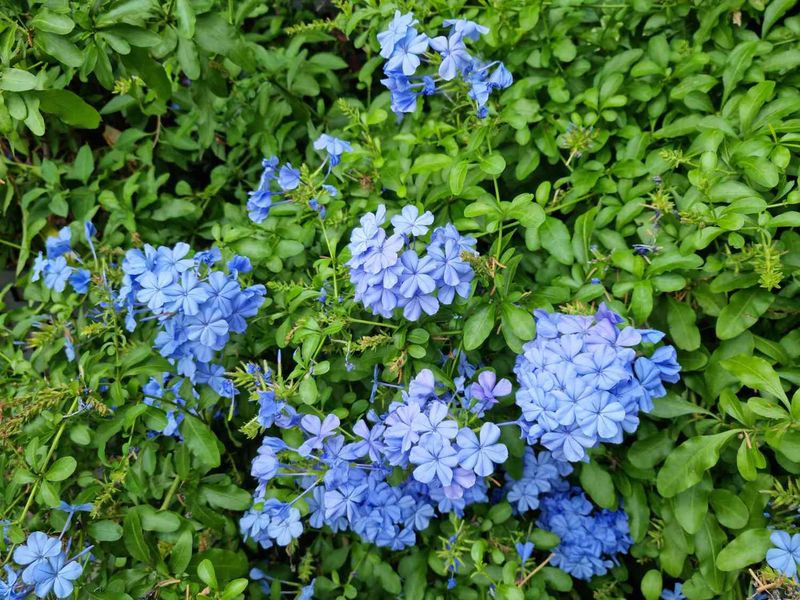
Sky-blue is a rare color in the garden, and plumbago hands it to you with almost no effort. While a hydrangea sulks and droops during a heat wave, this shrubby perennial keeps pushing out soft, phlox-like clusters of powder-blue flowers as if nothing is wrong.
Heat and humidity are exactly the conditions that make it happy. Give it full sun and it settles in fast, becoming fairly drought-tolerant once its roots take hold.
In frost-free zones it can bloom nearly year-round, and elsewhere it flowers heavily from late summer into fall.
Because it shrugs off the same heat that scorches thirsty shrubs, plumbago is a smart pick for that baked spot along a fence or wall. Prune it back after a cold snap and it bounces right back.
If you have been babying a hydrangea in a hot corner and losing the battle, this is the calm, cheerful replacement.
2. Agapanthus (African Lily)
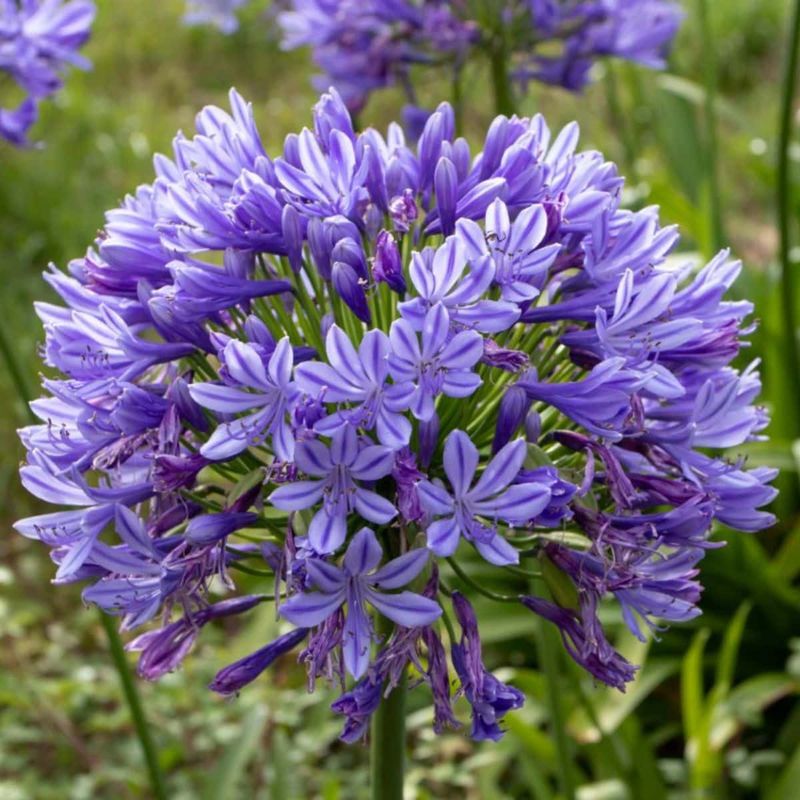
Want drama in the flowers but not in the care? Agapanthus is your plant.
It fires off big, globe-shaped bursts of rich purple or crisp white on tall stalks, the kind of showstopping display people expect to be difficult, but is not.
Dry, baked earth is where this one truly shows off. It is a backbone of Mediterranean-style gardens precisely because it tolerates the sun-blasted, low-water spots that would leave a hydrangea crispy at the edges.
Plant it, water it while it establishes, then mostly leave it alone. Clumps thicken over the years and reward you with more of those firework blooms each summer.
Snip the spent flower stalks and the tidy strappy foliage still looks good long after the show ends. For gardeners who love a bold statement without the fussing, few swaps feel this rewarding.
3. Sedum
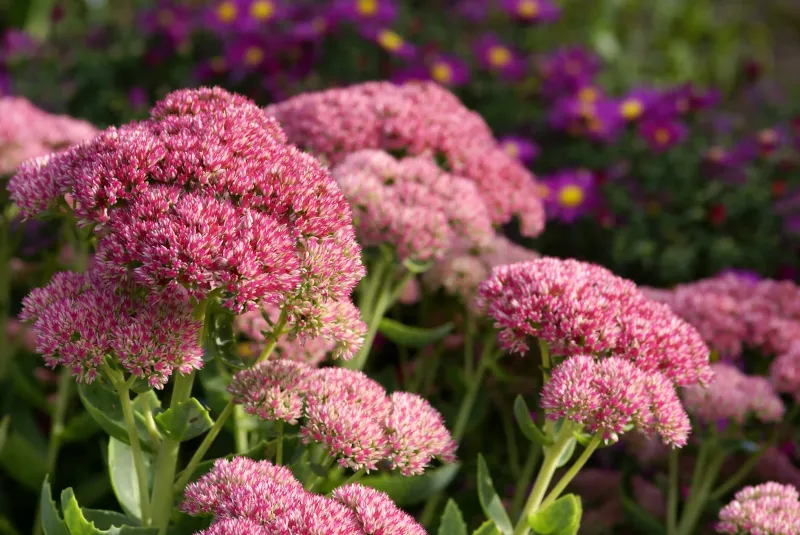
Those thick, rubbery leaves are not just for looks. Sedum stores water right inside its foliage, which is why it laughs off the same blazing sun that leaves hydrangea leaves scorched and papery.
Come late summer, the plant crowns itself with big, flat clusters of star-shaped pink flowers that slowly deepen to rusty red. Bees and butterflies love them, so a single clump doubles as a busy little pollinator station.
Full, direct sunlight is the goal here, and skimping on water actually keeps the plant sturdy rather than floppy. Overwatering is one of the few ways to disappoint a sedum, which makes it a forgiving pick for anyone who has ever loved a plant a little too hard.
Fun bonus: the dried flower heads hold their shape into winter, giving you structure and interest long after most blooms have quit for the year.
4. Euphorbia
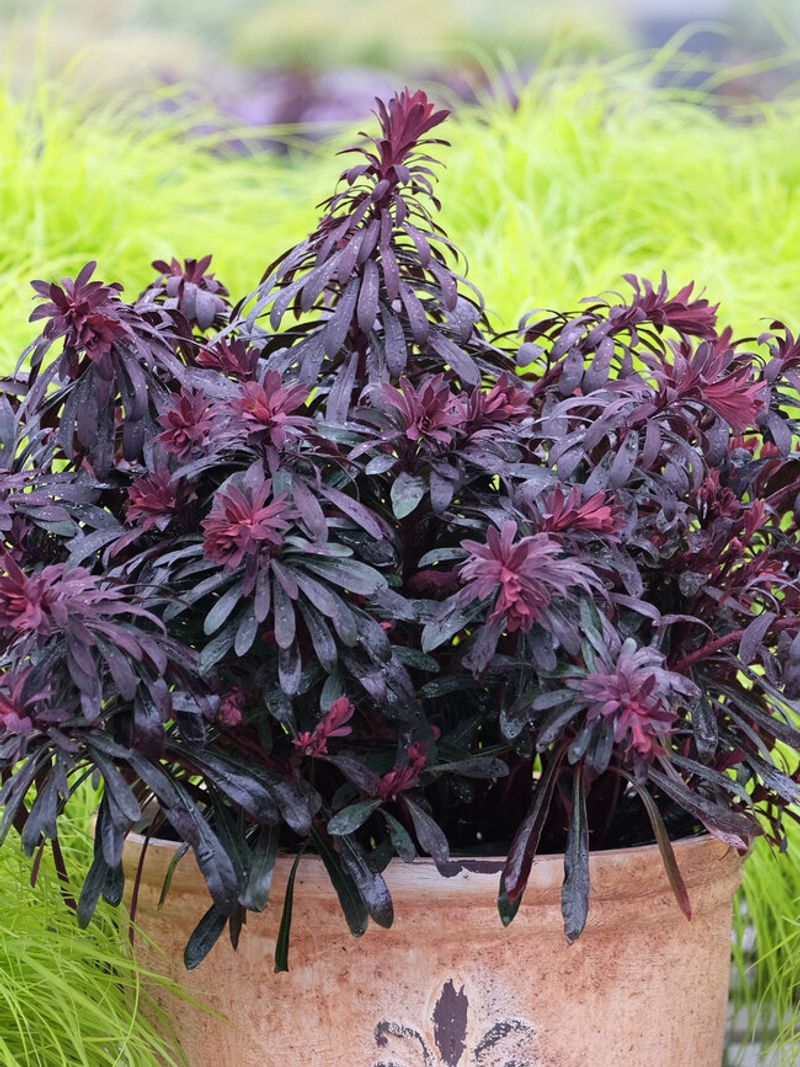
Slugs take one look at euphorbia and keep moving. That built-in pest resistance means you get all the height and structure without the chewed-up, holey leaves that plague softer plants.
Color is where it really earns its spot. The foliage shifts from cool green to moody burgundy, then erupts into fiery red by late summer, so the plant is doing something interesting through most of the growing season instead of peaking for two weeks and quitting.
A resilient perennial by nature, it wants sun and well-drained soil and asks for very little beyond that. One friendly heads-up: the milky sap can irritate skin, so wear gloves when you trim.
Handle that one small thing and you have a tough, colorful anchor that stands tall while nearby plants flop, and it never once demands the fussy watering routine a hydrangea insists on.
5. Escallonia
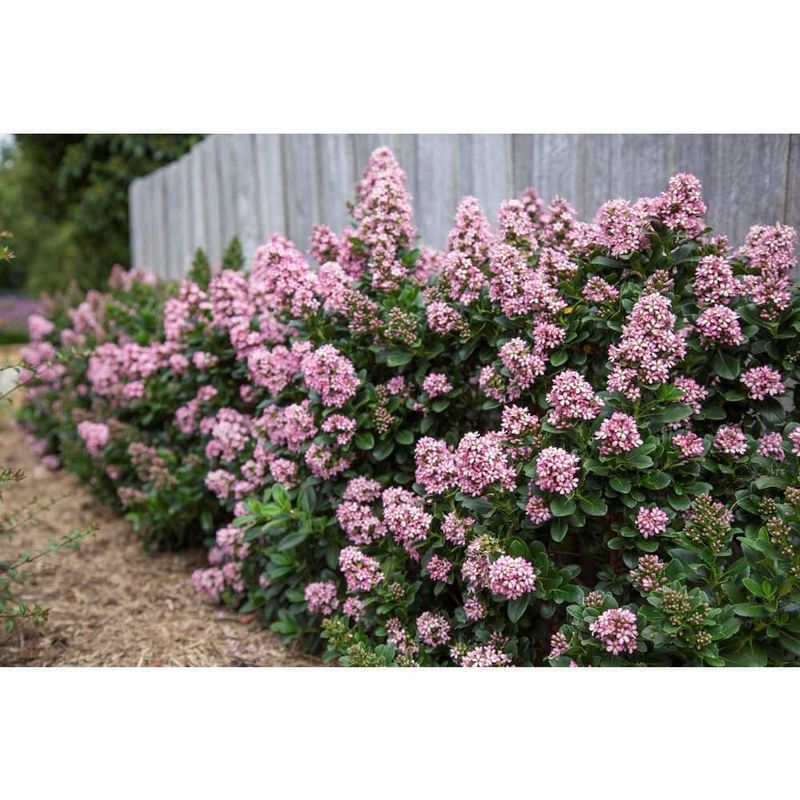
Some plants reward attention. Escallonia rewards ignoring it.
This fast-growing evergreen shrub actually seems to thrive on neglect once it has settled in, which is music to the ears of anyone tired of coddling a temperamental hydrangea.
All summer long it covers itself in glossy dark leaves and dainty clusters of pink and white flowers. Because it holds its foliage year-round, it also works as a living privacy screen or an informal hedge when you are not in the mood to prune constantly.
Give it sun, a bit of water while it roots in, and then step back. It tolerates coastal conditions and wind better than most flowering shrubs, so tricky, exposed spots that stump other plants are no problem.
When minimal effort earns you months of blooms plus year-round greenery, that is a trade worth making.
6. Viburnum
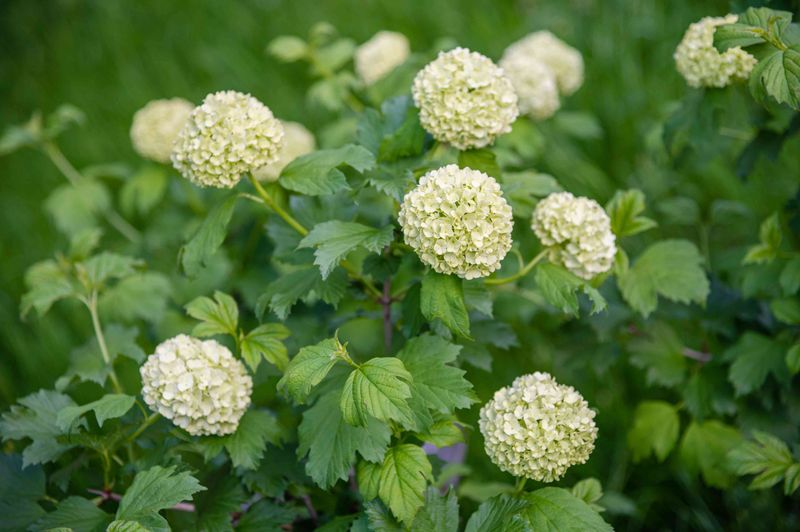
If reliability had a mascot in the shrub world, viburnum would be a strong contender. Many varieties are famous for shrugging off neglect while still delivering a full, satisfying flush of flowers, a rare combination of tough and pretty.
Depending on the type, you might get rounded snowball clusters, flat lacecap-style blooms, or fragrant spring flowers that later give way to berries the birds adore. That range means there is a viburnum for nearly every yard and climate across the US.
Adaptable is the word gardeners use again and again. It handles different soils, tolerates sun or part shade, and rarely throws the kind of tantrum that has you googling symptoms at midnight.
Plant one where you were tempted to squeeze in another needy hydrangea, and you will likely spend a lot less time worrying and a lot more time enjoying the blooms.
7. Yarrow
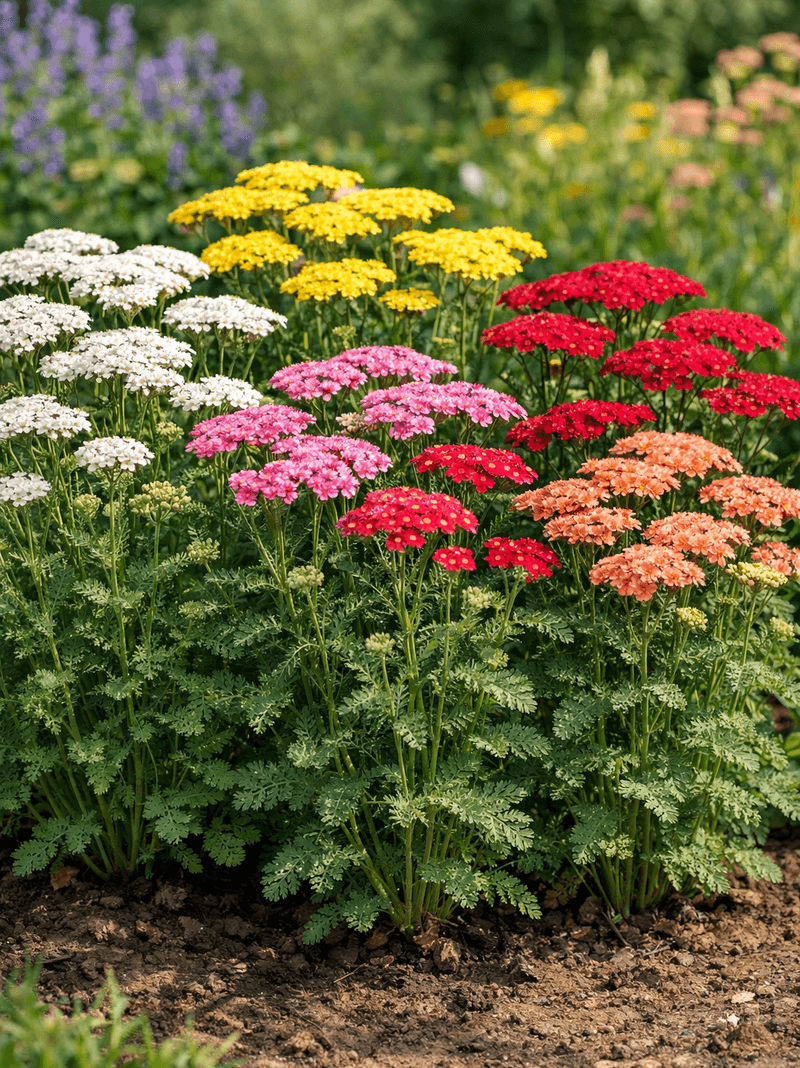
Peach, white, yellow, pink, red, take your pick. Yarrow comes in a paintbox of colors, so you can build an entire palette without ever leaving one plant family.
Drought is no obstacle for this tough performer. Its ferny, feathery foliage and flat-topped flower clusters keep going strong right up until fall, thriving in the lean, dry soil where fussier plants give up.
Here is the trick that keeps the show running: snip off the spent blooms, and the plant responds by pushing out fresh flowers instead of coasting. Deadheading takes seconds and can reward you with weeks of extra color.
Pollinators flock to those landing-pad flower heads too, so a patch of yarrow buzzes with life. For a plant that asks almost nothing and gives back all season, it is hard to beat.
8. Spirea
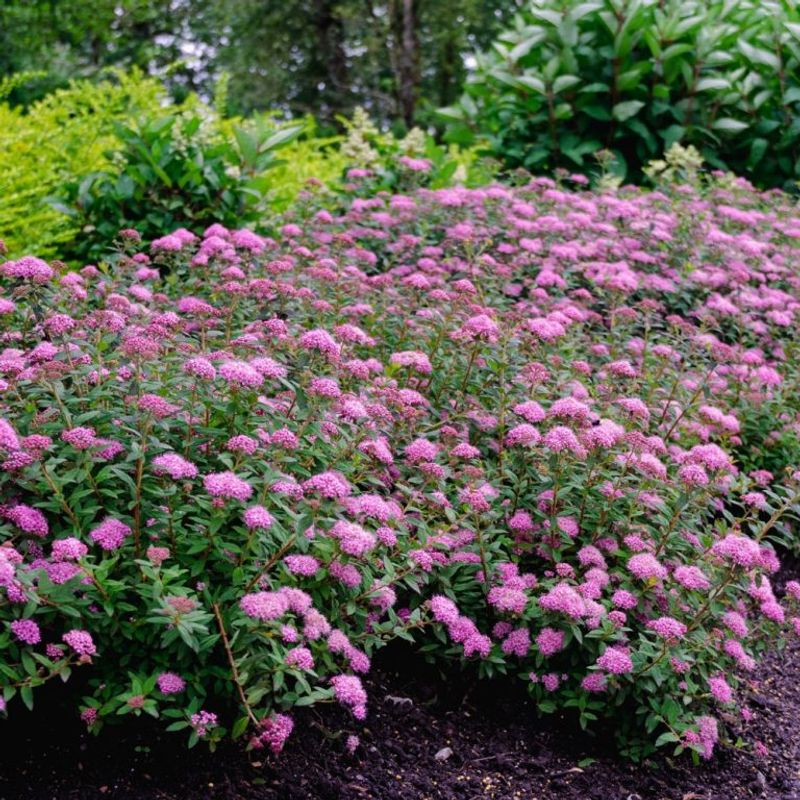
Ask a nursery worker for a foolproof flowering shrub and spirea comes up fast. It has a well-earned reputation as one of the easiest, most forgiving bloomers you can plant, which is exactly what a recovering hydrangea worrier needs.
Most varieties bury themselves in frothy pink flowers, and many toss in bonus foliage color, lime-gold in spring or orange-red in fall, so the plant carries its weight even between bloom cycles.
It adapts to a wide range of garden conditions without complaint and keeps flowering with very little fuss from you. A light trim after the first flush often coaxes a second round of blooms later in the season.
Compact types fit tidily into small beds and borders, while larger ones fill space fast. Whatever your yard throws at it, spirea tends to just keep going.
9. Russian Sage
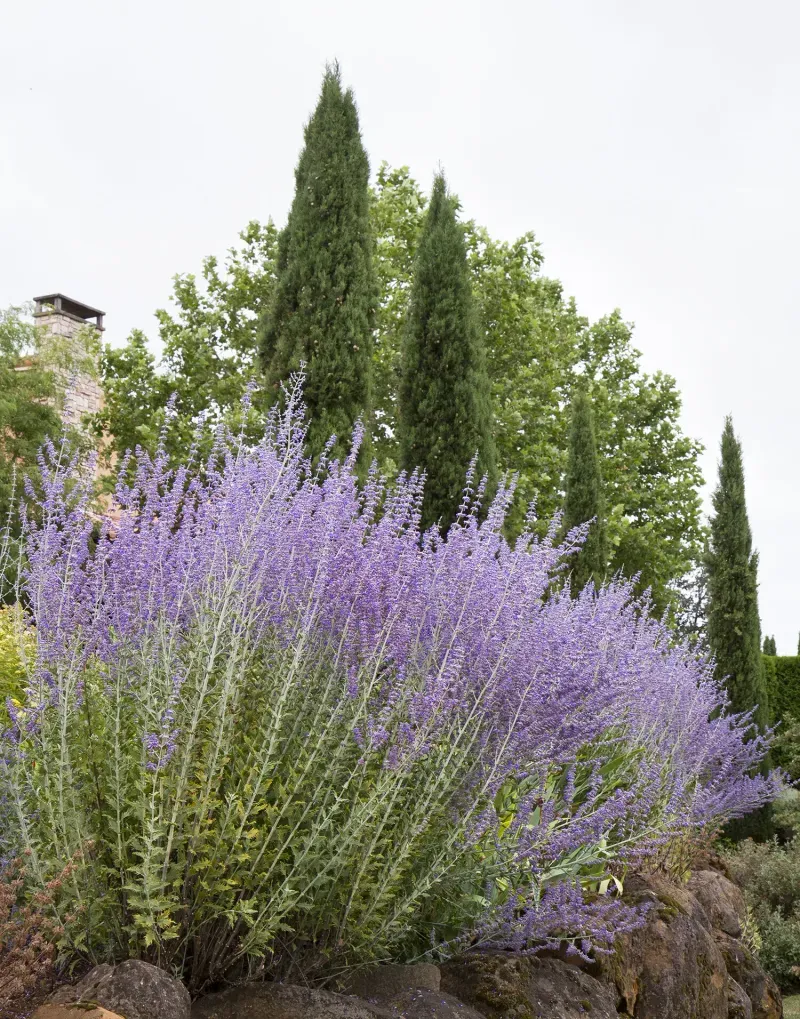
Brush past Russian sage on a warm afternoon and you will catch a clean, herbal scent with a whisper of lavender. That fragrance is a bonus on top of the real headliner: tall spikes of purple-blue flowers that hover over silvery foliage in a soft, airy haze.
Those blooms hold their color for weeks, giving you a long stretch of that cool, dreamy purple when a lot of the garden has already faded. It is the kind of effortless color that looks fancy but truly is not.
Drought suits it just fine once it is established, and it actually prefers to be left mostly alone in hot, sunny, well-drained spots. Cut it back hard in early spring and it returns fuller than before.
Low-maintenance, deer-tend-to-skip-it, and impossibly pretty in a breeze, Russian sage is a fitting finale for a lineup built on easy color without the drama.