
9 Places North Carolina Gardeners Should Never Hang A Hummingbird Feeder If They Want Birds All Summer
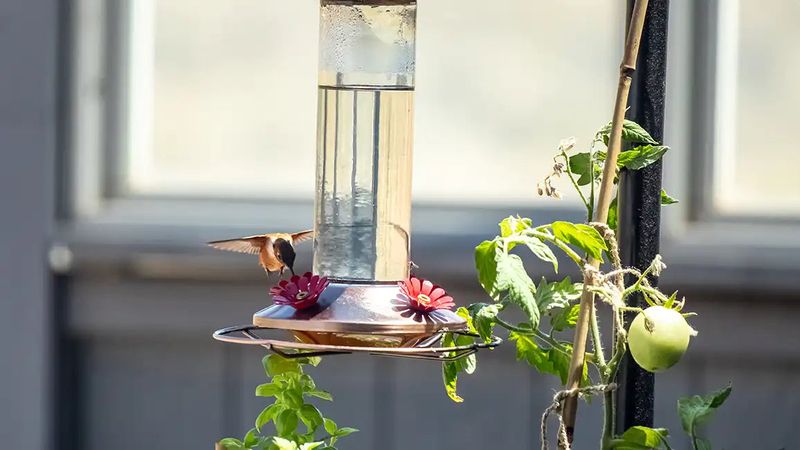
Hummingbirds are some of the most exciting visitors a North Carolina yard can host, but where you hang their feeder matters just as much as what you fill it with. Put it in the wrong spot and you might spoil the nectar, scare the birds off, or even put them in danger.
From our hot Piedmont afternoons to the hawks and cats that patrol our yards, small placement mistakes add up fast. Here are nine spots to avoid so your tiny visitors keep coming back all summer long.
1. In Direct, Harsh Afternoon Sun
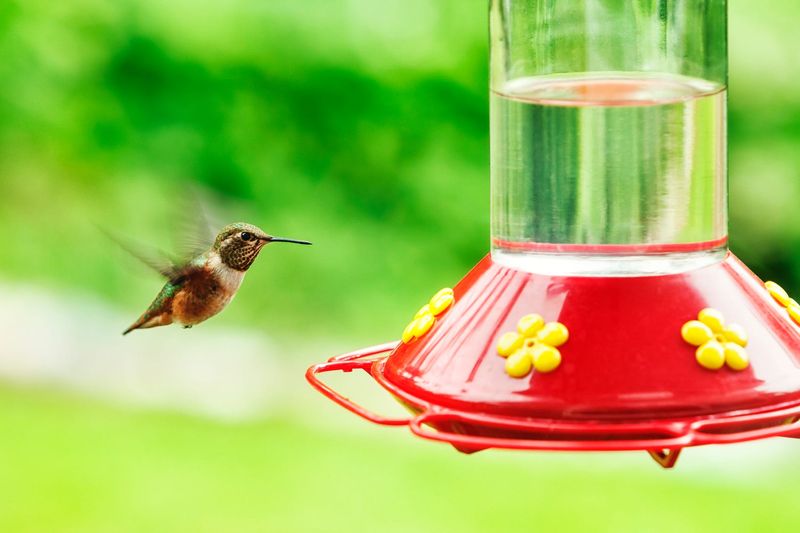
Our summers here don’t play around. When July temperatures push past 90 degrees, a feeder baking in full afternoon sun turns sugar water into a science experiment, and not the good kind.
Heat speeds up bacterial and mold growth, souring the nectar in as little as a day. Cloudy or fermenting nectar can make hummingbirds sick, and they’ll skip a feeder that smells off.
You’ll also find yourself scrubbing and refilling far more often than you’d like.
A shaded spot, especially one that catches morning light but escapes the punishing afternoon rays, keeps nectar fresher longer. Under a leafy dogwood or on the east side of the house works beautifully in most NC yards.
Fresh nectar means healthier birds and fewer chores for you.
2. Too Far from Natural Shelter
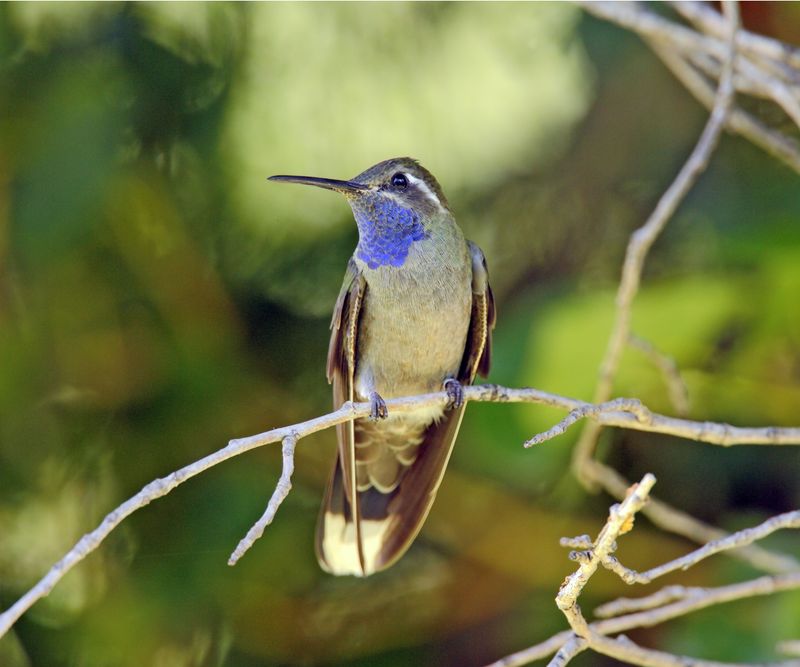
A hummingbird weighs about as much as a nickel, so a wide-open lawn feels like a danger zone to them. Without cover close by, they have nowhere to duck when a Cooper’s hawk swings through.
These birds like to perch, rest, and keep watch between sips. Trees or thick shrubs placed roughly 10 to 15 feet from the feeder give them a safe launch pad and a quick escape route from predators like hawks, climbing rat snakes, and even praying mantises that lurk in NC gardens.
If your feeder sits in the middle of nowhere, consider adding a native shrub nearby. Something like American beautyberry or a serviceberry offers both shelter and future berries for other wildlife.
The birds will feel safer, and you’ll see them linger instead of darting off.
3. Within a Middle Distance from Windows
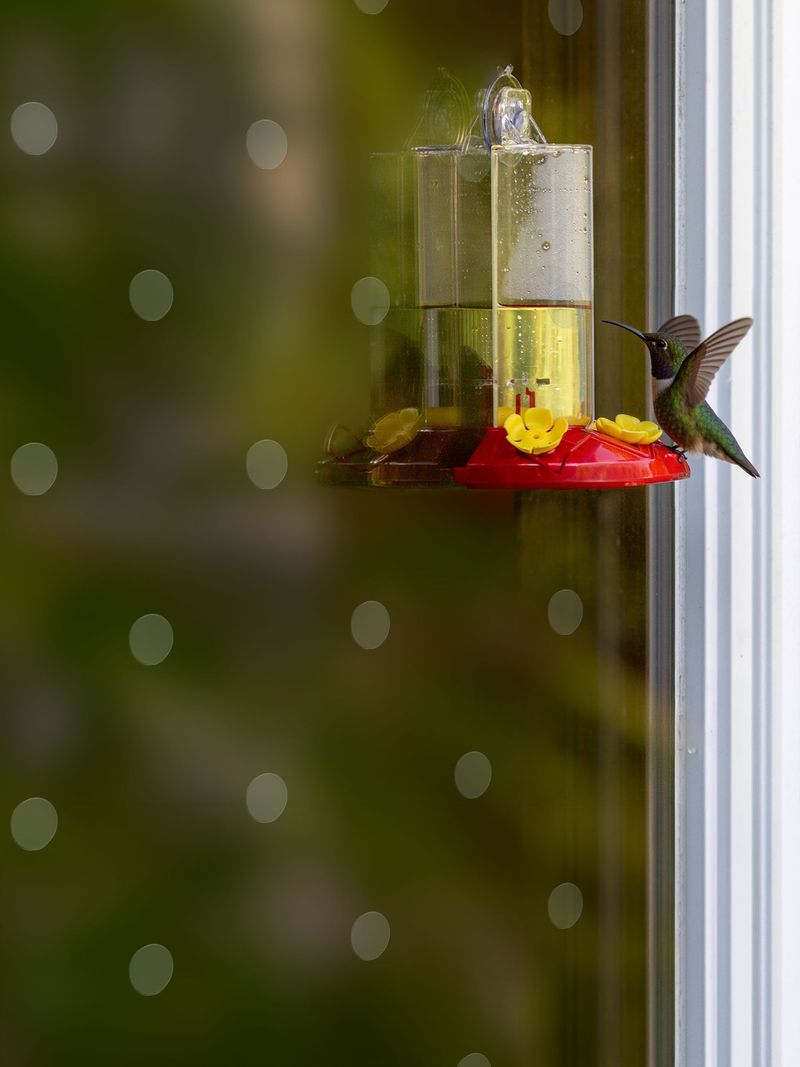
Reflections in glass fool birds into thinking they see open sky or more garden. For hummingbirds, that illusion can be deadly.
The riskiest range is roughly 4 to 29 feet from a window. At that distance, a hummingbird can build up real speed before it hits the glass, and collisions at that pace are often fatal.
These little fliers get hurt by windows far more than their size would suggest.
Play it safe by hanging the feeder either very close to the glass, within about 3 feet so birds can’t gather momentum, or well past 30 feet away. Adding window decals or screens gives extra insurance.
A few thoughtful feet of placement can spare a bird its life.
4. Low to the Ground or Easily Reached by Cats
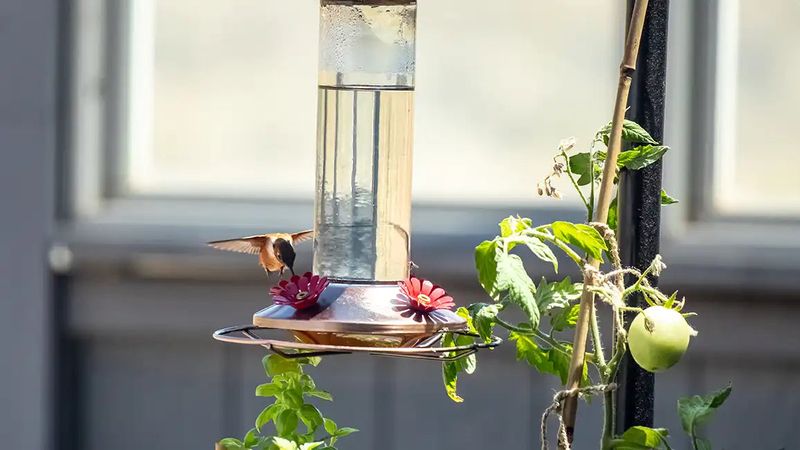
Few backyard threats are as serious as a patient cat. Domestic and feral cats take a staggering toll on birds across North Carolina, and a hovering hummingbird makes a tempting target.
Hang a feeder too low, or somewhere a cat can pounce from a fence, deck rail, or shrub, and you’ve basically set an ambush. A distracted bird feeding at eye level never sees it coming.
Raise the feeder high enough that no cat can swat a hovering hummingbird, and keep the area beneath it clear of launch pads. If a neighborhood cat prowls your yard, keeping your own cats indoors and adding height to your setup protects the birds you worked hard to attract.
5. Right Next to Other Bird Feeders
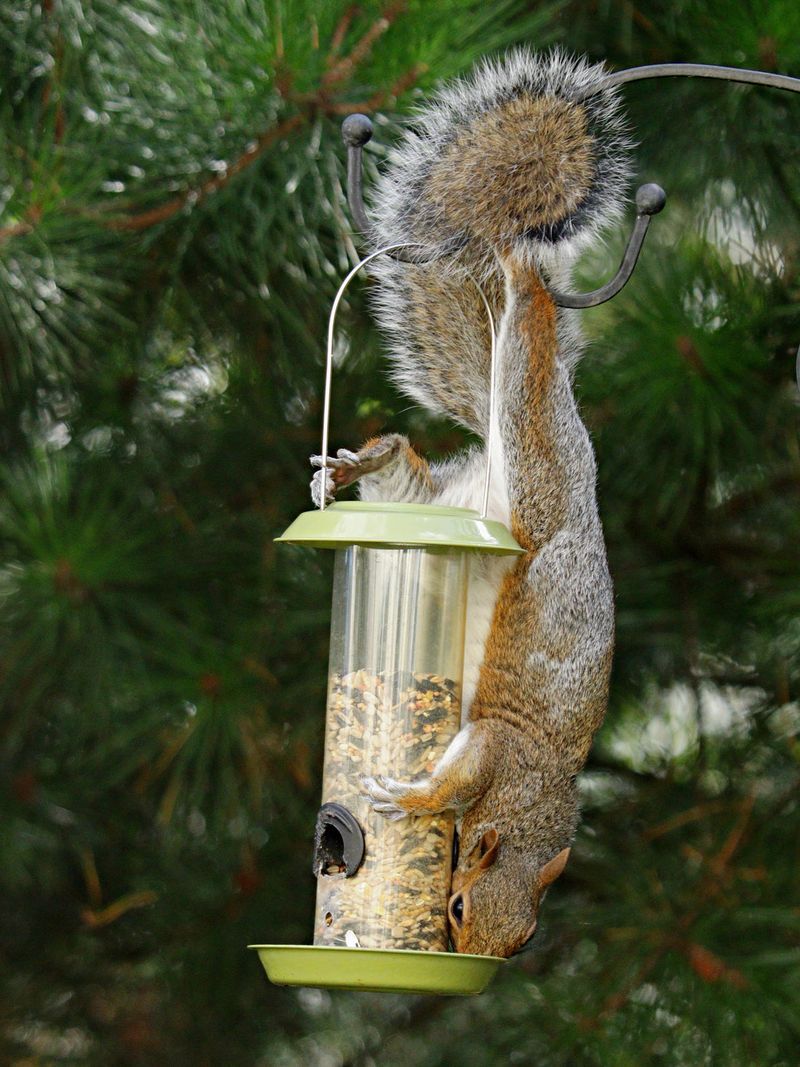
Hummingbirds have a bold streak that outsizes their bodies. They’ll aggressively guard a food source, chasing off rivals and even much bigger birds.
Crowd their feeder next to a seed feeder and you invite chaos. Seed stations pull in larger birds, squirrels, raccoons, and in parts of NC, even bears.
All that bustle intimidates hummingbirds, and the bigger visitors can foul the nectar or spread disease.
Give your hummingbird feeder its own quiet corner, well away from the seed buffet. A little separation lowers the territorial squabbles too, sometimes letting more than one hummingbird share the space.
Peace and quiet keeps them coming back.
6. In Areas Prone to High Wind
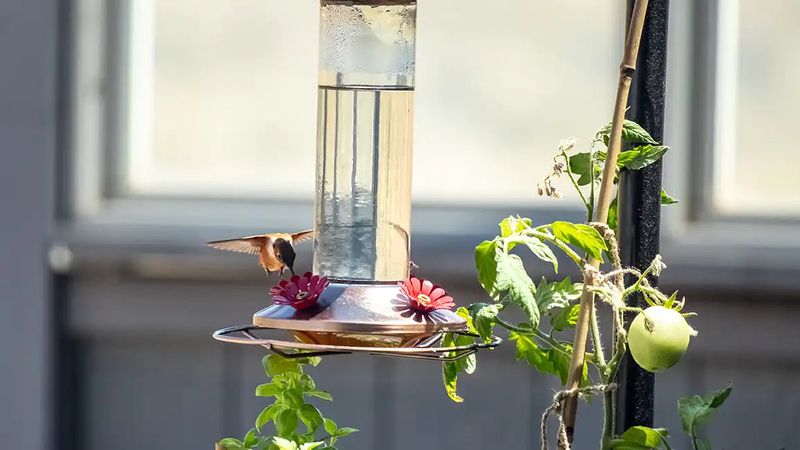
Picture trying to sip from a cup that keeps swinging away from you. That’s what a windy spot feels like to a feeding hummingbird.
Gusty corners cause feeders to sway and spill precious nectar, wasting your sugar water and frustrating the birds. Strong storms, which we get plenty of, can knock feeders down entirely, cracking them and dumping the contents.
Tuck the feeder into a sheltered spot near the house or under a tree canopy where the breeze is calmer. A protected location keeps the nectar in the bottle and the feeder on its hook.
Steady footing makes for happy, frequent feeders.
7. Directly in Areas with Ant or Wasp Problems
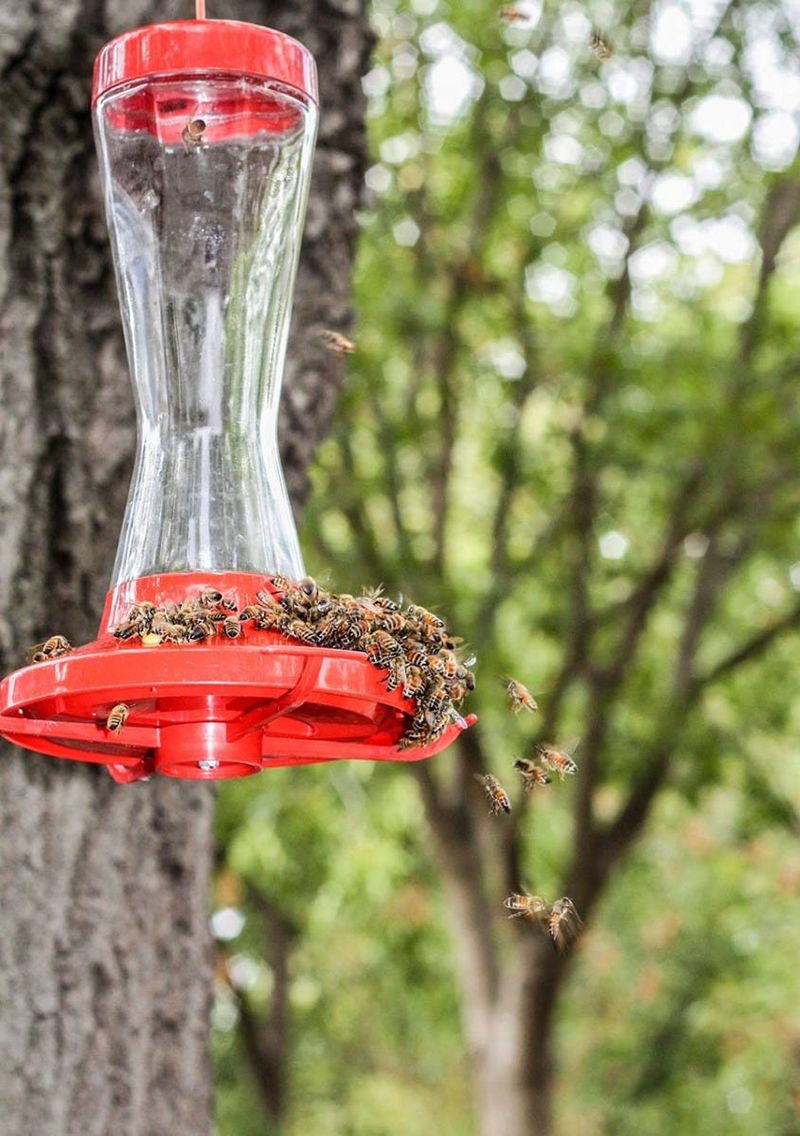
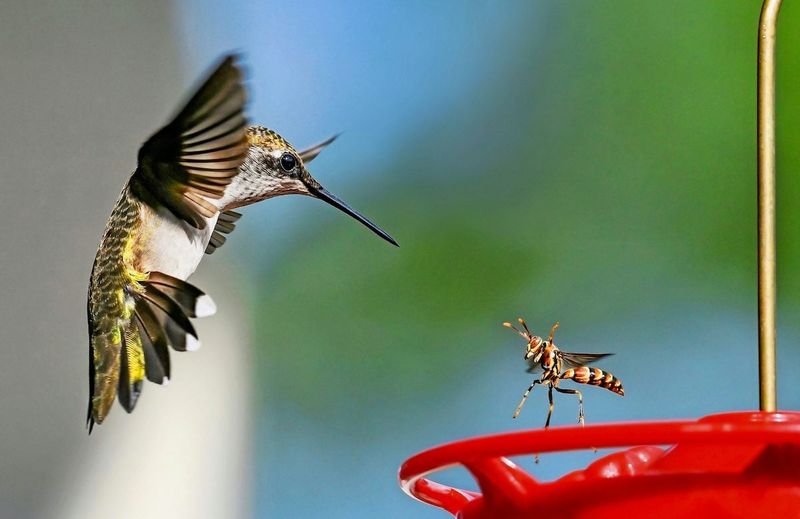
Sweet nectar is a dinner bell for more than just hummingbirds. Ants, wasps, and hornets home in on the sugar, and once they move in, the birds move out.
Insects crawling over the ports contaminate the nectar and turn hummingbirds away for good. Hanging a feeder right over an anthill or beside a wasp nest practically guarantees the problem.
Ant moats filled with water block crawling insects, and saucer-style feeders with bee guards help fend off the flyers. Still, the smartest move is choosing a spot that isn’t already a pest highway.
Scout the area first, and relocate the feeder if the bugs discover it.
8. Where Insecticides or Pesticides Are Used
Here’s something that surprises a lot of folks: hummingbirds don’t live on nectar alone. They rely on tiny insects for protein, especially when they’re feeding hungry chicks.
Spray insecticides or pesticides near a feeder and you wipe out that essential bug buffet. Worse, the chemicals can directly poison the birds that visit, harming the very wildlife you set out to help.
Keep the feeder and the plants around it chemical-free. Leaning on native flowering plants that support natural insect populations gives hummingbirds both nectar and protein without any risk.
A pesticide-free yard is a healthier yard for every creature in your patch of North Carolina.
9. Too Close to a Hummingbird Nest
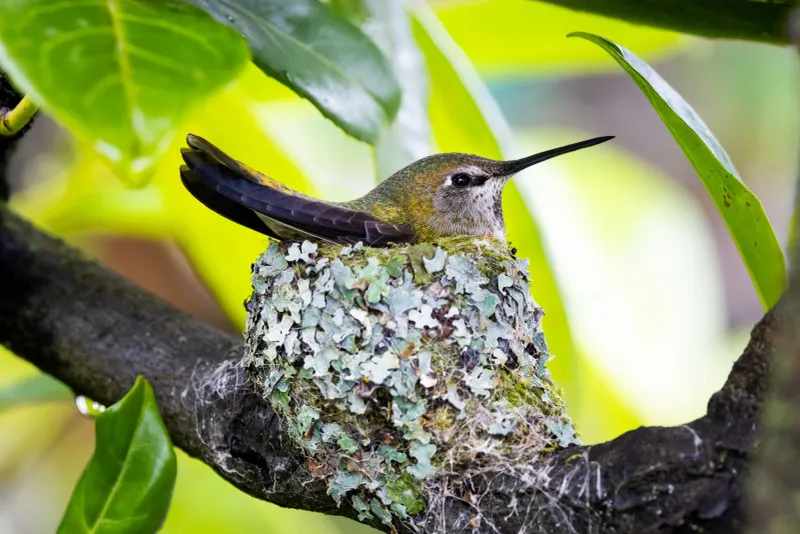
It seems like the kindest thing in the world, hanging a feeder right by a nest so the mother has food within reach. Good intentions, tricky results.
A feeder draws constant traffic, and all that activity can tip off predators to the nest’s location. That extra attention puts fragile eggs and chicks at greater risk than if the food source sat farther away.
If you’re lucky enough to spot a nest, admire it from a distance and keep the feeder well removed. The mother will happily travel to feed.
Giving her babies a low-profile home is the real gift, and it means more hummingbirds gracing your yard in seasons to come.