
These 9 Birds Will Make Your Backyard Their Favorite Spot (And Why They Pick Some Yards Over Others)
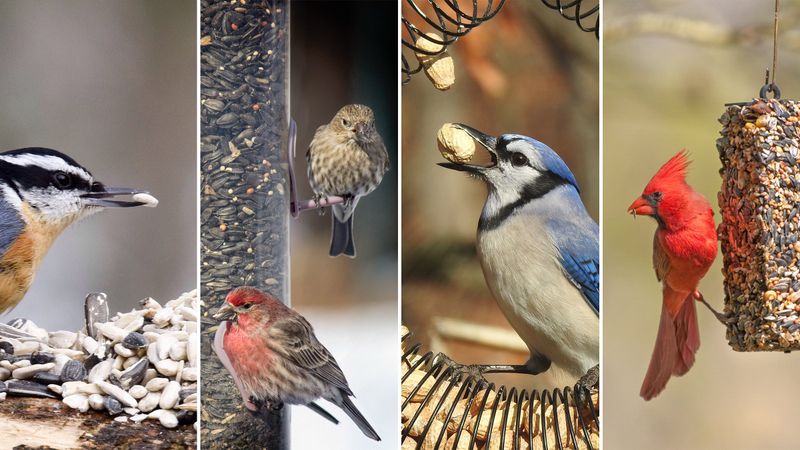
Ever wonder why some backyards buzz with birdsong while others stay quiet? It usually comes down to a few simple things: the right food, safe cover, clean water, and native plants that make birds feel at home. Once you learn what each species is hunting for, you can turn even a small yard into a favorite hangout. Here are nine backyard birds across the United States and the reasons they pick one yard over the next.
1. Northern Cardinal
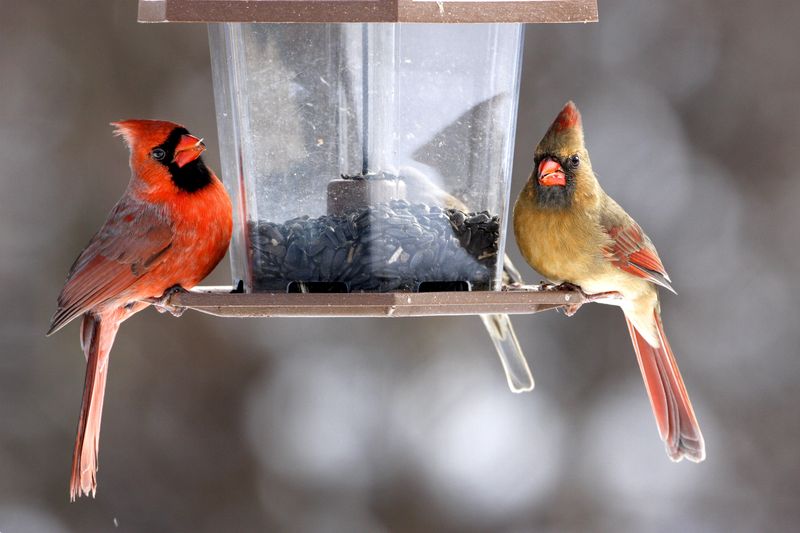
Few birds make a yard feel special like a flash of scarlet against a green hedge. The Northern Cardinal shows up in yards that offer dense shrubs and small trees, because those thick branches give the male a safe perch to sing from and a spot to duck into when a hawk cruises overhead.
Cardinals love sunflower seeds, especially black-oil sunflower, and they favor platform or hopper feeders with room to sit rather than tiny perches that force them to cling. A yard with evergreen cover along the edges often wins over a wide-open lawn every single time.
Fun fact: unlike most songbirds, female cardinals sing too, sometimes right from the nest. If you plant dogwood, sumac, or wild grape, you give them natural berries and seeds that keep them coming back long after the feeder runs dry. They tend to feed at dawn and dusk, so a quiet yard at those hours becomes their preferred dining room.
2. American Goldfinch
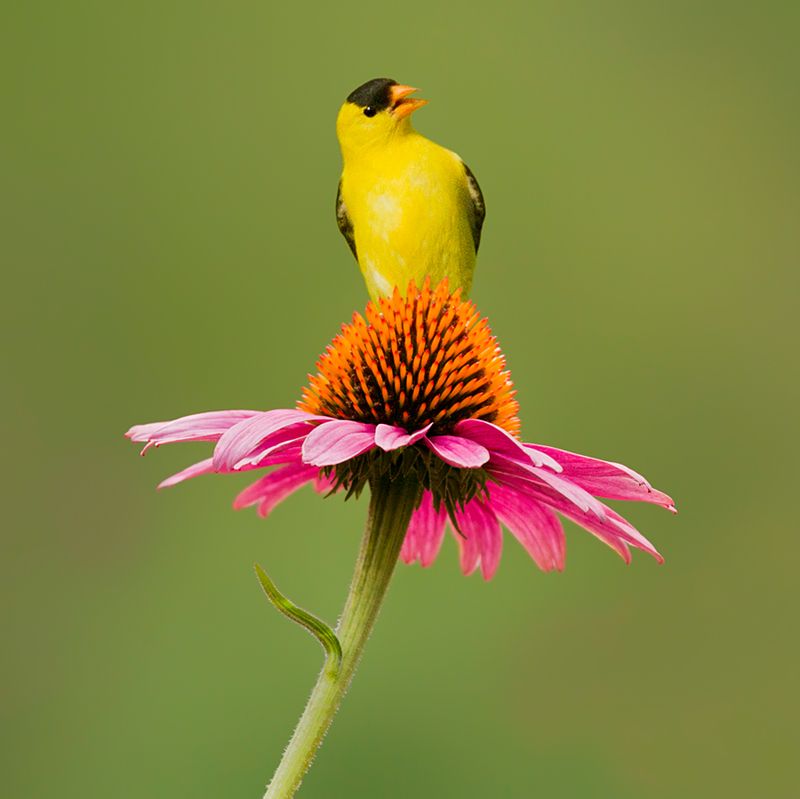
Picture a tiny lemon-yellow bird bouncing through the air like it is riding invisible waves. American Goldfinches are drawn to yards packed with seed-heavy plants, and they go wild for coneflowers, sunflowers, and especially thistle left standing into fall.
Nyjer seed in a mesh or tube feeder is the fastest way to invite them in, since their small beaks are built for tiny seeds. What sets goldfinches apart is timing. They nest later than almost every other backyard bird, waiting until midsummer when thistle and milkweed fluff is ready to line their nests.
A yard that leaves a few flower heads uncut instead of a spotless trimmed garden will pull them in reliably. They also travel in cheerful little flocks, so once one finds your feeder, a whole group often follows. Skip the pesticides on your flowers and you protect both the seeds they eat and the insects their chicks need.
3. Black-capped Chickadee
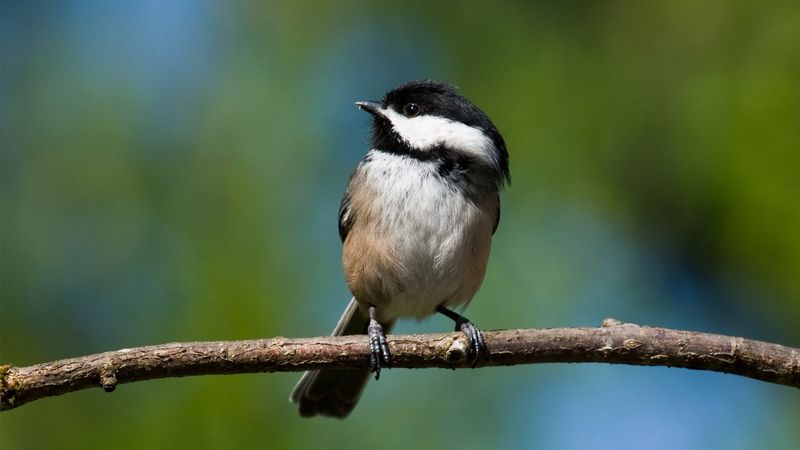
Curious, bold, and almost impossibly cute, the chickadee is often the first bird to investigate a brand-new feeder. Black-capped Chickadees choose yards with a mix of trees and shrubs, because they need both open branches to dart between and natural nooks for nesting.
They are cavity nesters, so a yard with a small nest box or a dead limb left standing gives them a huge reason to stay. At the feeder, they grab one sunflower seed, fly off to crack it open, then zip right back, a habit that makes them fun to watch all day.
Here is a neat trick: chickadees add more calls to their famous “chick-a-dee-dee” alarm when a bigger threat appears, so more “dees” can mean a more dangerous predator. They also stash food in bark and remember hundreds of hiding spots. A yard with peanuts, suet, and a little clutter of branches often beats a manicured one.
4. Ruby-throated Hummingbird
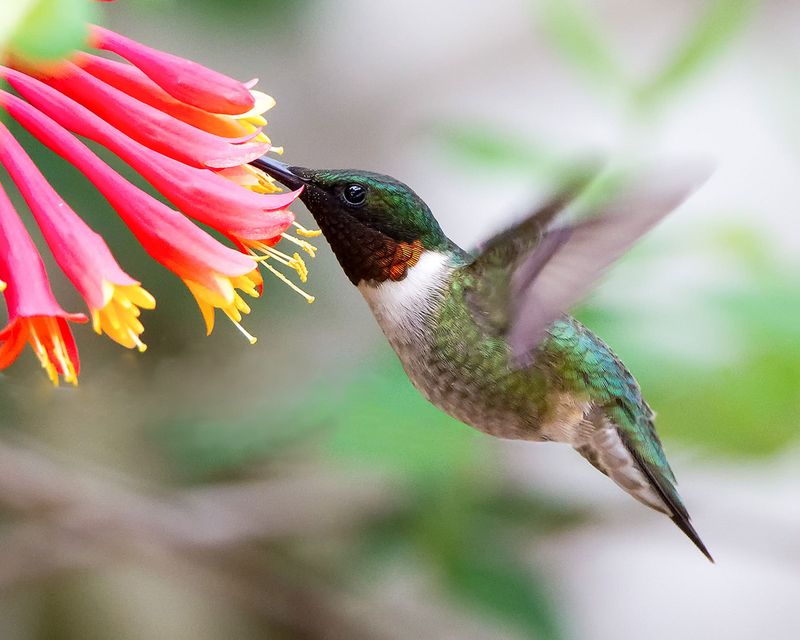
Weighing less than a nickel, this jeweled speedster can hover, fly backward, and drink from a flower in under a second. Ruby-throated Hummingbirds pick yards bursting with tubular red and orange blooms, since those shapes fit their long tongues and bright colors catch their eye from far away.
Trumpet vine, bee balm, salvia, and cardinal flower turn a yard into a magnet. A sugar-water feeder helps, but the recipe matters, one part plain white sugar to four parts water, with no dye and no honey.
What makes them different from every other bird on this list is how much they burn. Their hearts can beat over a thousand times a minute, so they need constant fuel and revisit the same reliable spots all day. They are also fiercely territorial, and a single male may guard one feeder like a knight. Keeping the nectar fresh in summer heat, changing it every few days, keeps them loyal to your yard.
5. Blue Jay
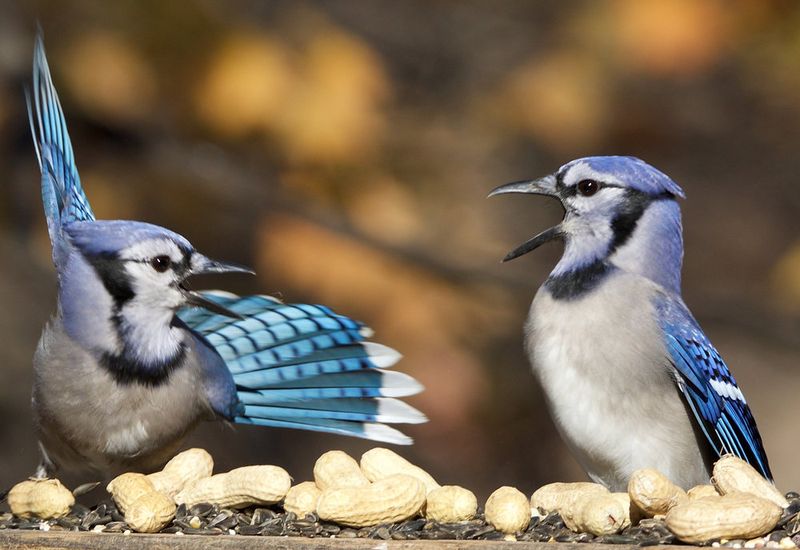
Loud, smart, and impossible to ignore, the Blue Jay struts into a yard like it owns the place. These bold birds favor yards with oak trees, because acorns are one of their absolute favorite foods, and they will bury hundreds of them in a single autumn.
Whole peanuts in the shell on a platform feeder are practically a love letter to a jay. What earns them their own spot on the list is their brainpower. Jays can mimic the scream of a red-tailed hawk, sometimes to scare other birds away from food they want for themselves.
They also act as backyard alarm systems, screeching loudly when a cat or hawk appears, which quietly protects the smaller birds nearby. A yard with tall trees for lookout perches and a sturdy feeder that can handle their size will keep a jay family coming back. Plant an oak and you may be feeding jays for decades.
6. American Robin
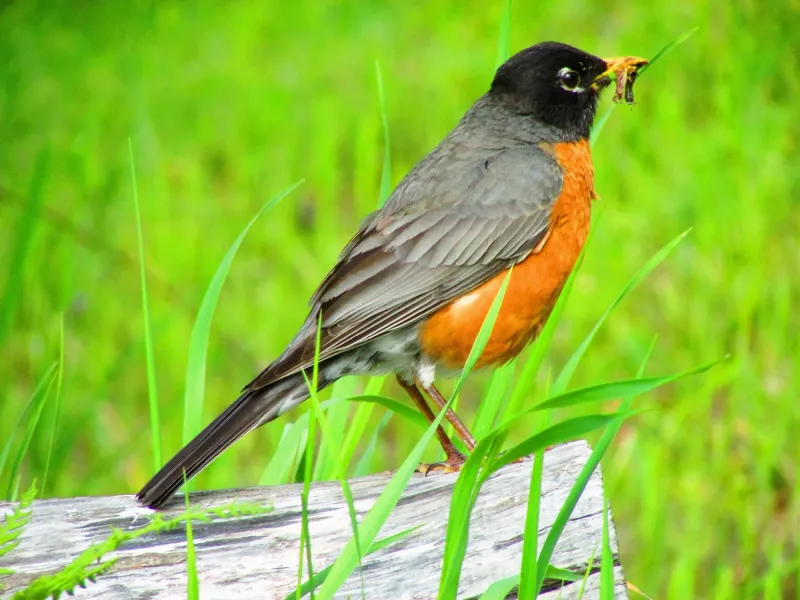
That familiar orange-breasted bird tugging worms out of the lawn is the American Robin, and it plays by rules most feeder birds ignore. Robins rarely visit seed feeders at all, so a yard wins them over with a healthy, chemical-free lawn full of earthworms and soft, damp soil to probe.
Berry bushes seal the deal in fall and winter. Plant serviceberry, holly, or crabapple and robins will strip the branches clean. A birdbath is another big draw, since they love to splash and drink, and moving water is even better.
They tilt their heads not to listen but to spot worm movement with their sharp eyes. Robins also raise two or three broods a season, so a safe yard becomes a nursery they return to year after year. Skip the lawn pesticides and you keep their food supply, and their trust, intact.
7. Downy Woodpecker
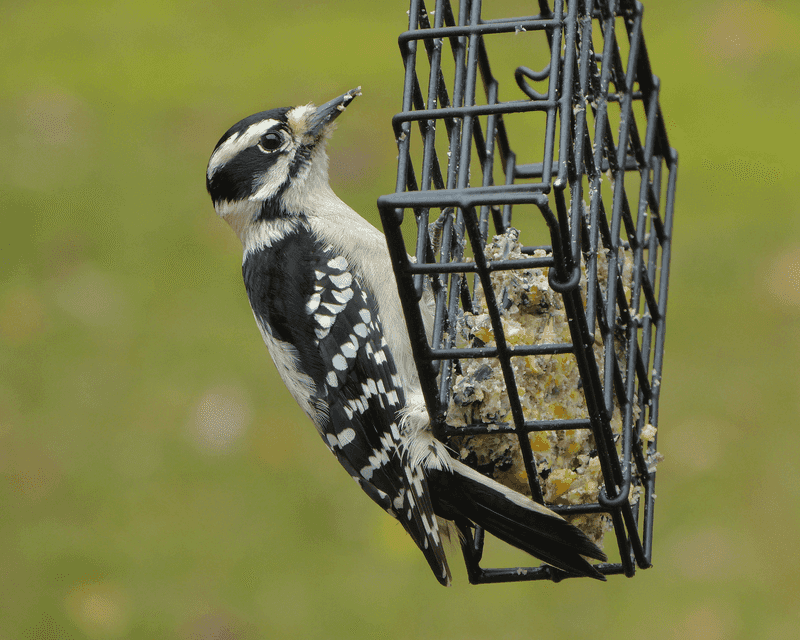
Tap, tap, tap goes the smallest woodpecker in North America, hitching its way up a tree trunk like a feathered climber. Downy Woodpeckers pick yards that keep some dead wood around, because standing dead limbs and old trunks are full of the insects they dig out.
Suet is the golden ticket. A suet cage tucked against a tree trunk mimics how they naturally feed and keeps them visiting through the cold months when bugs are scarce.
Unlike bigger woodpeckers, downies are light enough to feed on weed stems and even goldenrod galls, reaching food others cannot. They also drum on hollow branches, and sometimes metal gutters, not to find food but to announce their territory in spring. A yard with native trees, a suet feeder, and a tolerance for a little natural mess gives them everything they want. Leave that dead limb if it is safe, and you may gain a year-round resident.
8. Eastern Bluebird
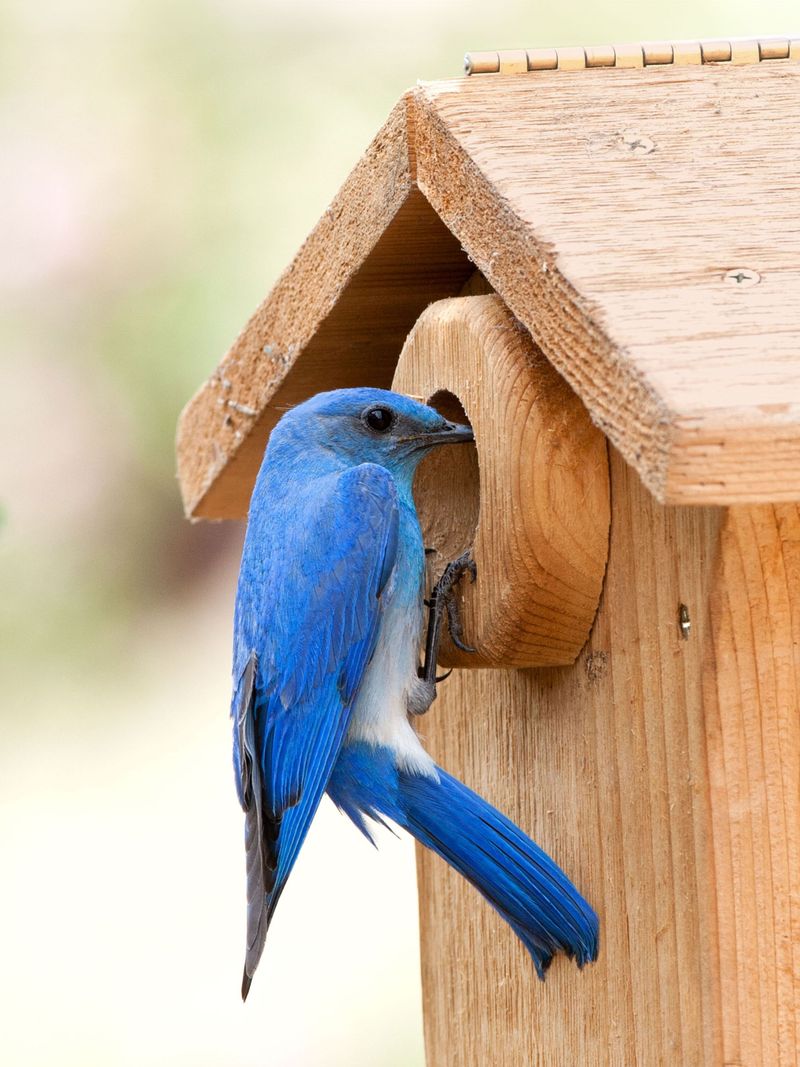
A splash of sky-blue and rusty orange, the Eastern Bluebird feels like a small miracle when it lands in a yard. Bluebirds are picky in one big way, they need open space with short grass to hunt insects, plus a nest box placed just right to raise their young.
Mealworms, offered live or dried in a small dish, are the surest way to win their hearts, since they eat far more bugs than seeds. A yard with a proper bluebird box, mounted on a pole with a predator guard and facing an open field or lawn, can turn a passerby into a resident.
Their numbers dropped hard last century as nest sites disappeared, and backyard boxes played a real role in bringing them back. A birdbath and a few berry shrubs for winter round out the offer. Give them open ground and a safe cavity, and you provide exactly what fancy feeders cannot.
9. Mourning Dove
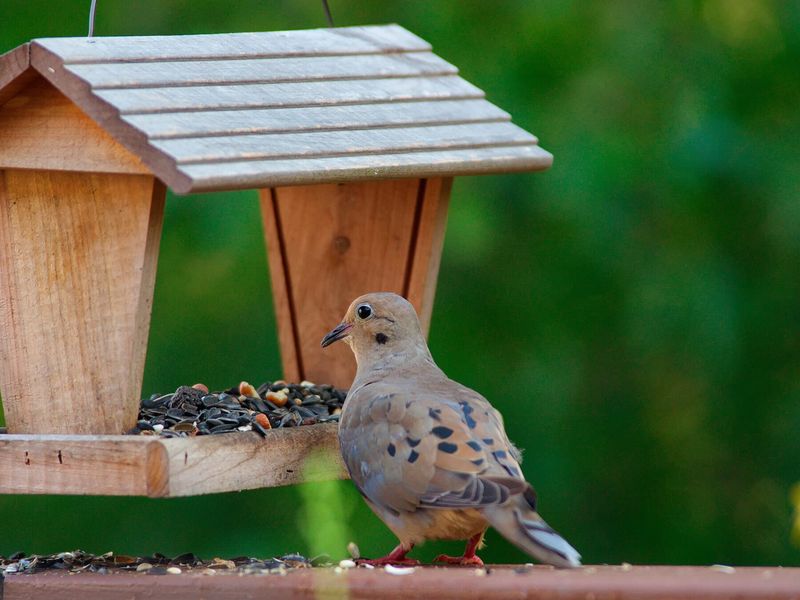
Soft cooing at sunrise often comes from the Mourning Dove, a gentle ground-feeder that adds a calm, peaceful vibe to any yard. Doves prefer yards with open, seed-scattered ground rather than crowded hanging feeders, because their bodies are built to feed while walking, not clinging.
Scatter millet, cracked corn, or sunflower seed on a low platform or bare patch of ground and they will settle right in. What sets doves apart is how they feed and rest. They gulp seeds quickly into a storage pouch called a crop, then fly to a safe perch to digest at their leisure.
They are also among the most widespread birds in the country and often raise several broods a year in a spot they trust. A birdbath is a big plus, since doves are one of the few birds that can sip water without tipping their heads back. Keep the feeding area open and predator-safe, and their morning song becomes part of your daily routine.