
17 Single-Ingredient Fertilizers That Power A Bigger Tomato Harvest From One Simple Feeding
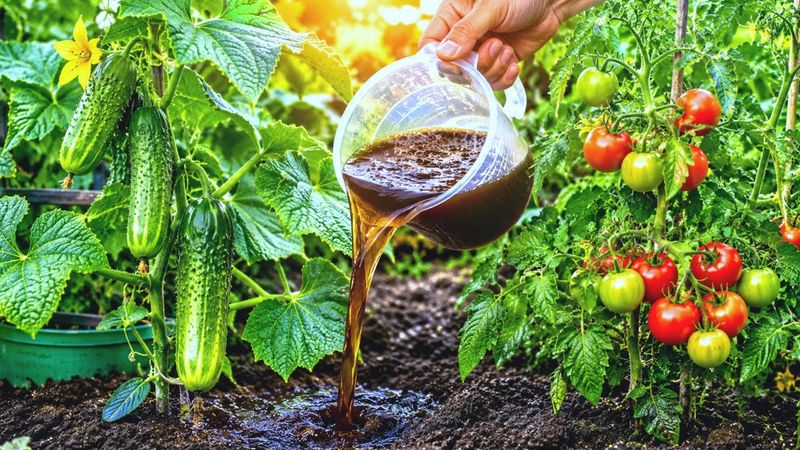
Tomatoes are hungry plants, and sometimes the best food for them is sitting right in your kitchen or pantry. Instead of buying a fancy bottle with a long ingredient list, you can grab one simple thing and feed your plants for a bigger harvest. Each item on this list works on its own, so you can pick what you already have and skip the guesswork. Let’s look at 17 single-ingredient feeders that backyard growers across the US swear by for more tomatoes.
1. Epsom Salt
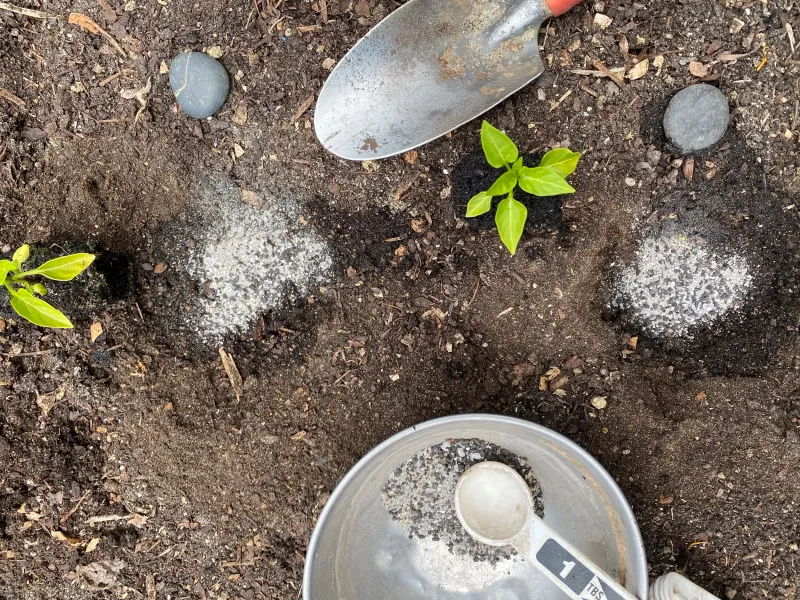
Yellowing leaves with green veins are often a plant’s way of asking for magnesium, and Epsom salt answers that call fast. Tomatoes lean heavily on magnesium to build chlorophyll and keep photosynthesis humming through a long growing season.
Mix about one tablespoon into a gallon of water and pour it around the base of each plant, or spray it lightly on the leaves for a quicker fix. Many backyard growers repeat this every couple of weeks once flowering starts.
Fun fact: Epsom salt got its name from a town in England where the mineral-rich water was first collected. Just remember it may help magnesium-starved plants, but it will not fix a calcium problem like blossom end rot.
2. Crushed Eggshells
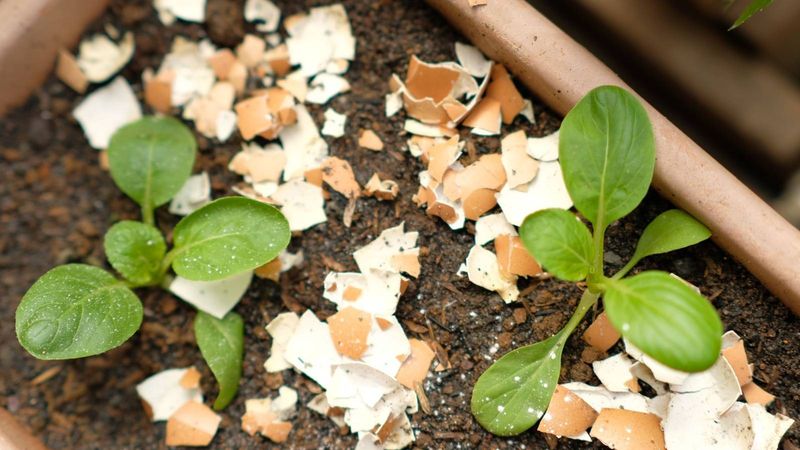
Before you toss those breakfast shells in the trash, know that they are packed with calcium your tomatoes crave. Calcium builds strong cell walls and helps prevent the sunken brown patches of blossom end rot that ruin so many almost-ripe fruits.
Rinse the shells, let them dry, then crush or grind them into a coarse powder. Work a handful into the planting hole or sprinkle it across the soil around established plants.
The calcium releases slowly as the shells break down, so this is more of a season-long investment than an overnight rescue. Save shells all winter in a jar and you will have a free supply ready by spring planting.
3. Banana Peels
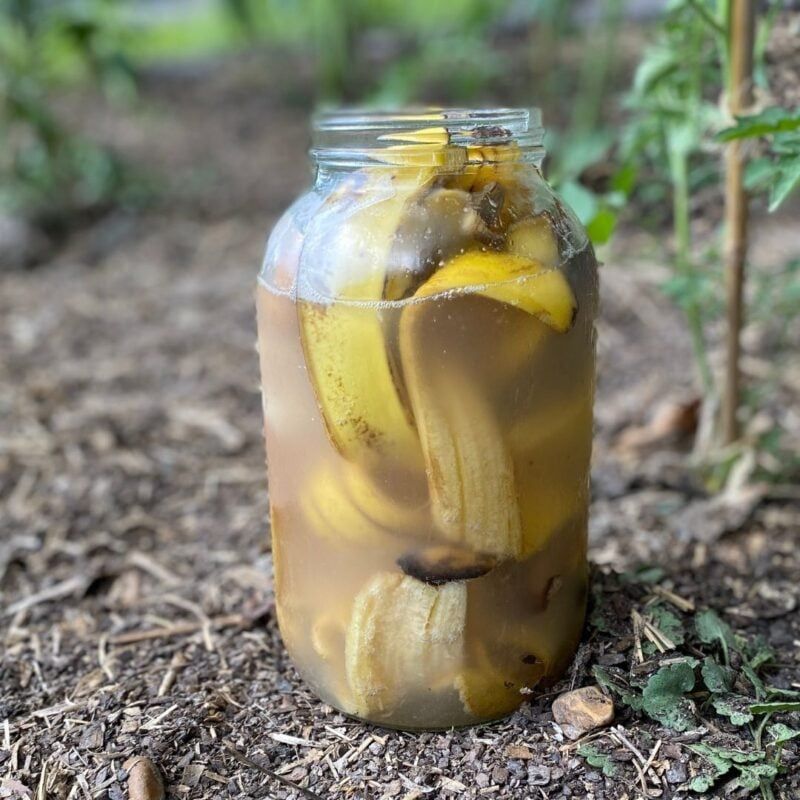
Potassium is the nutrient behind fat, flavorful fruit, and banana peels are loaded with it. When tomato plants shift from leafy growth to setting and swelling fruit, that potassium boost really earns its keep.
Chop the peels into small pieces and bury them a few inches deep near the roots, or soak them in water for a day or two to make a quick nutrient tea. Both methods let the goodness seep into the soil where roots can grab it.
Some gardeners dry and grind peels into a powder for easy storage. It breaks down quietly underground and feeds your plants without any smell if you bury it deep enough.
4. Used Coffee Grounds
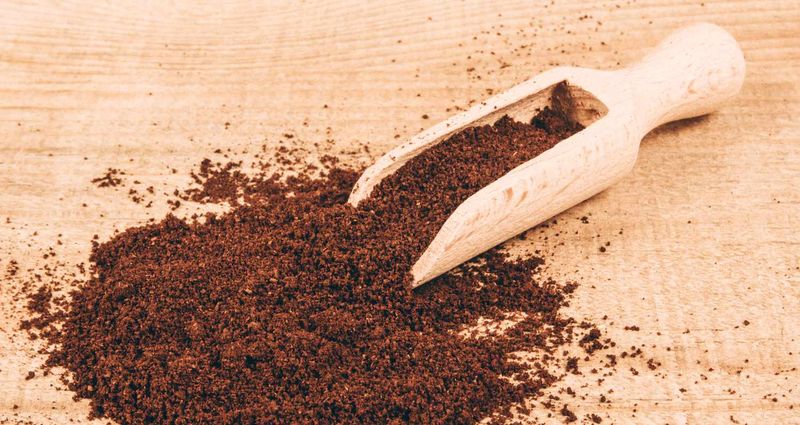
Your morning brew leaves behind more than an empty cup. Spent coffee grounds carry a modest dose of nitrogen plus trace minerals that give leafy growth a gentle nudge.
Sprinkle a thin layer over the soil and scratch it in lightly, or add the grounds to your compost pile first for a more balanced result. A thin layer is the key word here, since a thick clump can cake up and block water.
Worms happen to love coffee too, and more worms means better aerated soil around your tomato roots. Local coffee shops often give away used grounds by the bucket, so this feeder can cost you nothing at all.
5. Wood Ash
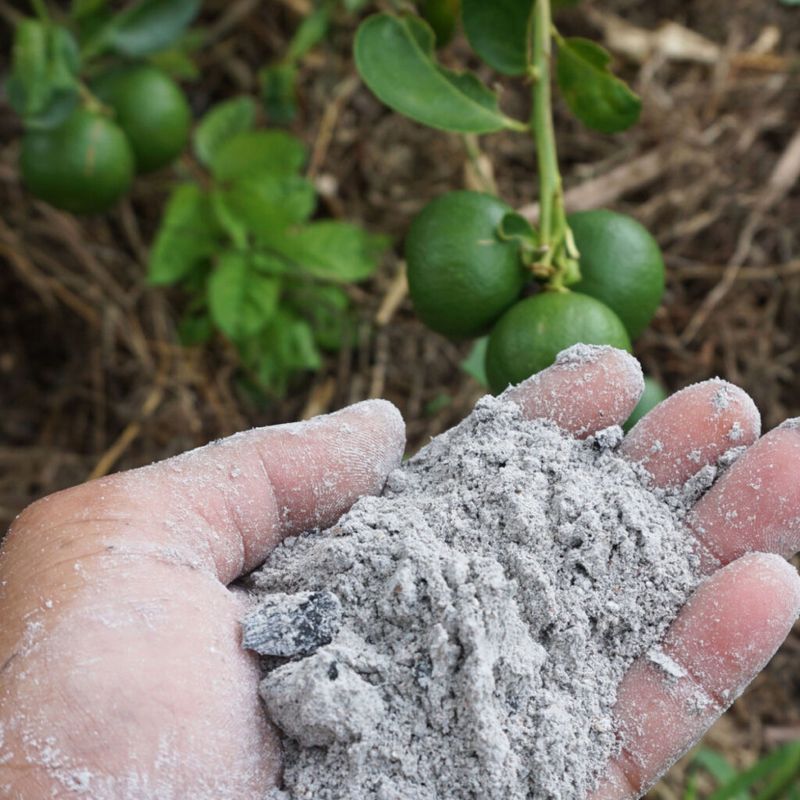
Straight from the fireplace or fire pit, cooled wood ash delivers a surprising punch of potassium and calcium. It also raises soil pH, which can be a real gift if your ground runs too acidic for happy tomatoes.
Scatter a light dusting around your plants and rake it into the top layer of soil, keeping it away from the stems. A little goes a long way, so think teaspoons per plant rather than shovelfuls.
Only use ash from clean, untreated wood, never from charcoal briquettes or painted lumber. Test your soil first if you can, because too much ash can push pH higher than tomatoes like.
6. Fish Emulsion
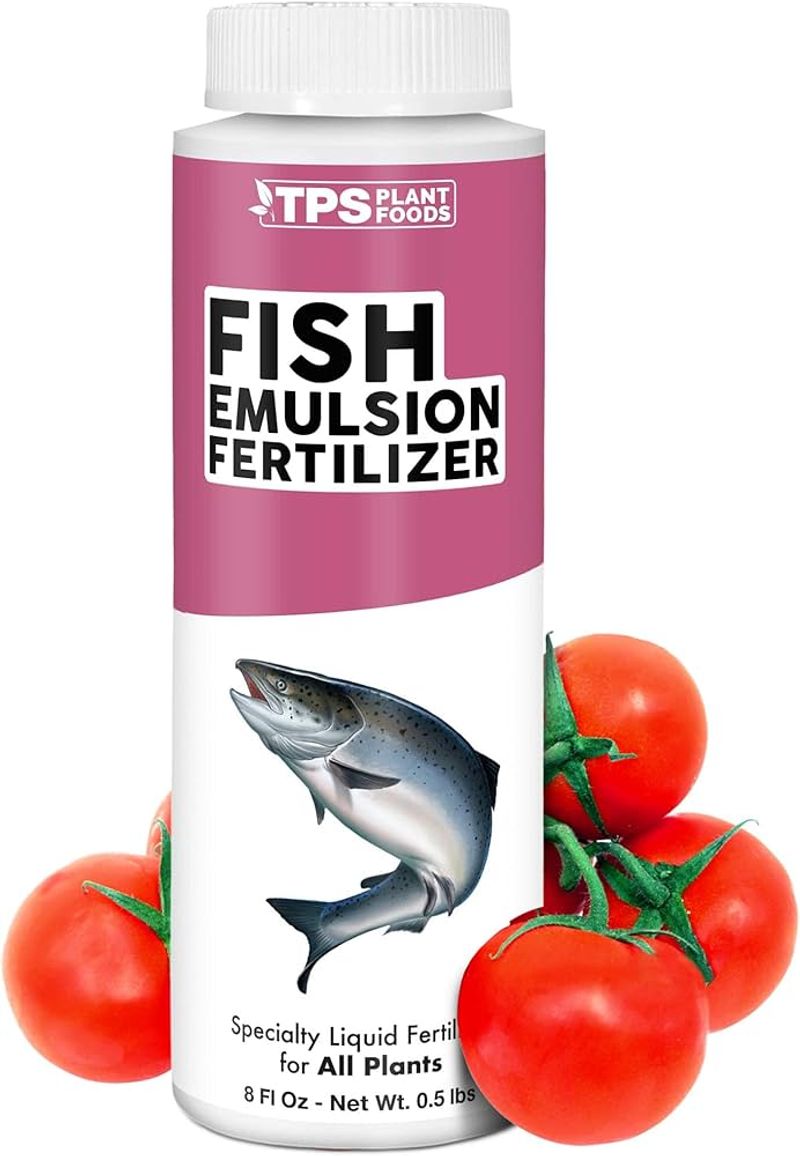
Gardeners who want fast green growth often reach for fish emulsion, a liquid feed made from processed fish. It is rich in nitrogen and delivers a broad mix of nutrients that plants can drink up almost immediately.
Dilute it according to the label, usually a tablespoon or two per gallon of water, then pour it at the base of your tomatoes every couple of weeks. The results show up quick as leaves deepen in color and new growth pushes out.
Yes, it smells like the ocean on a hot day, so save your application for a time when you will not be hosting a backyard barbecue. The odor fades within a day, and your plants will thank you for the meal.
7. Blood Meal
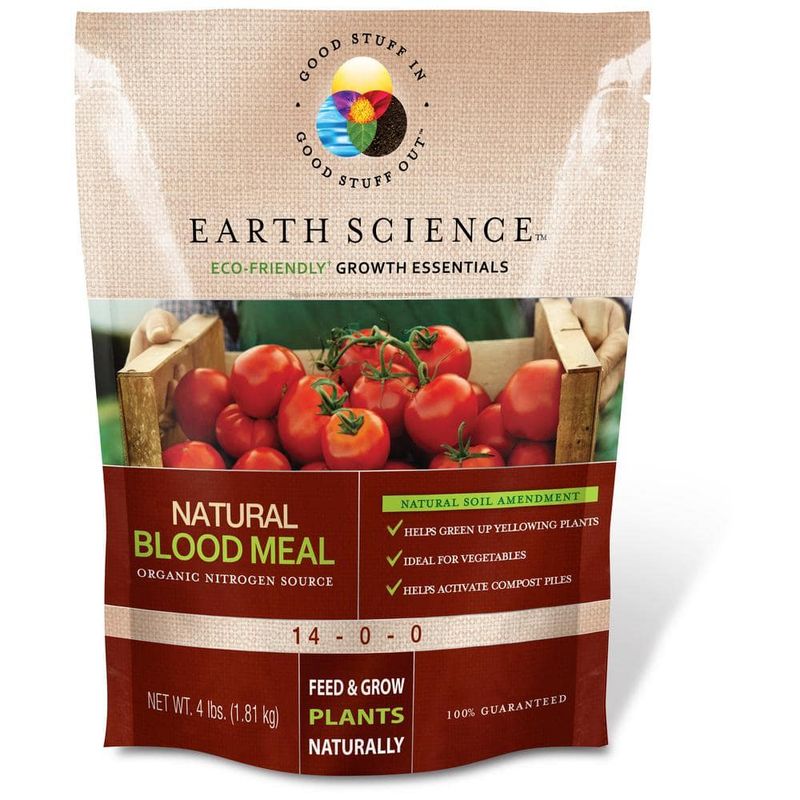
When tomato leaves look pale and growth stalls, a shot of blood meal can wake things back up. Made from dried animal blood, it is one of the most concentrated natural sources of fast-acting nitrogen you can find.
Sprinkle a small amount onto the soil surface and water it in, following the package rate carefully since too much can burn tender roots. A single feeding early in the season fuels that big burst of leafy growth young plants need.
Bonus perk: the scent tends to keep rabbits and deer from nibbling your seedlings. Skip it late in the season though, because too much nitrogen then gives you jungle-like foliage and fewer tomatoes.
8. Bone Meal
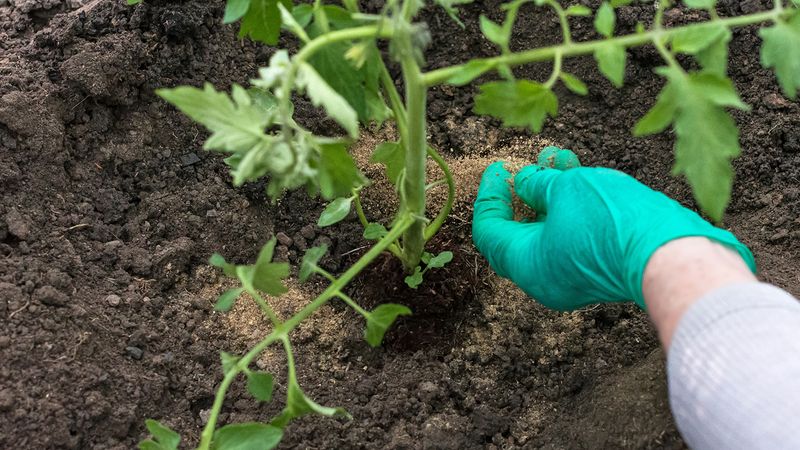
Root systems and flower production run on phosphorus, and bone meal is basically a phosphorus powerhouse ground from animal bones. Working it into the planting hole gives transplants a sturdy underground start.
Mix a couple of tablespoons into the soil where each seedling will sit, letting the roots find it as they spread. Because it breaks down slowly, one application often carries a plant through much of its life.
More flowers eventually mean more fruit, so this feeder pays off later in the season even though you add it early. Pair it with a calcium source and you cover two of the biggest tomato needs at once.
9. Molasses
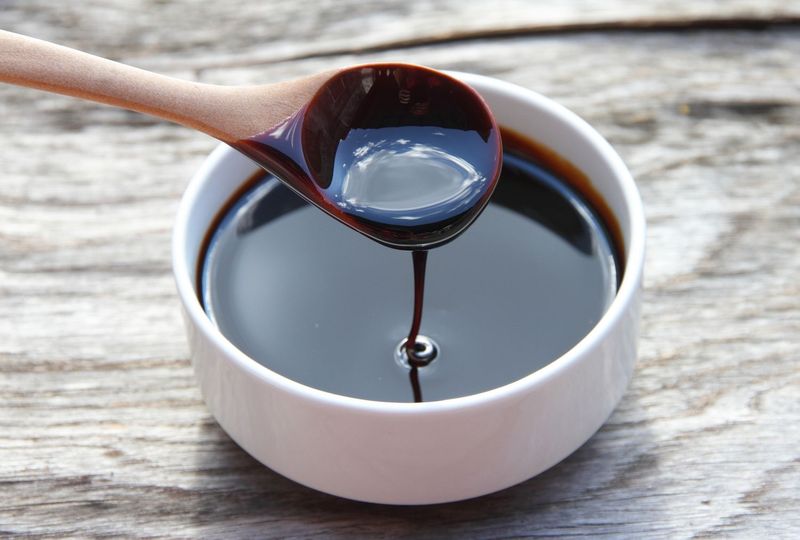
Sweet, sticky molasses is not just for baking, it feeds the tiny living things that keep soil healthy. The sugars in it fire up beneficial microbes, which in turn help unlock nutrients already sitting in your dirt.
Stir one to two tablespoons of unsulfured molasses into a gallon of water and pour it around your plants. The microbe boom that follows creates a lively, nutrient-rich zone right where roots need it.
Choose unsulfured molasses, since the sulfured kind can harm the very organisms you are trying to feed. Gardeners often mix it with other liquid feeds to give the whole brew extra staying power.
10. Compost
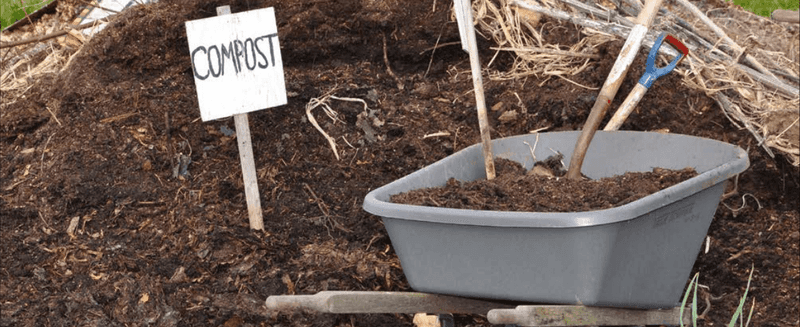
Nothing beats a scoop of finished compost for all-around plant nutrition, and it costs nothing but your kitchen scraps and time. Dark, crumbly, and earthy-smelling, it delivers a gentle, balanced buffet of nutrients no bottle can match.
Spread a one to two inch layer around the base of each tomato as a top dressing, then let rain and watering carry the goodness down. Roots get fed slowly while the soil structure itself improves.
Because it releases nutrients over weeks, you almost cannot overdo it the way you can with concentrated feeds. Think of compost as the steady, dependable friend in your fertilizer lineup.
11. Worm Castings
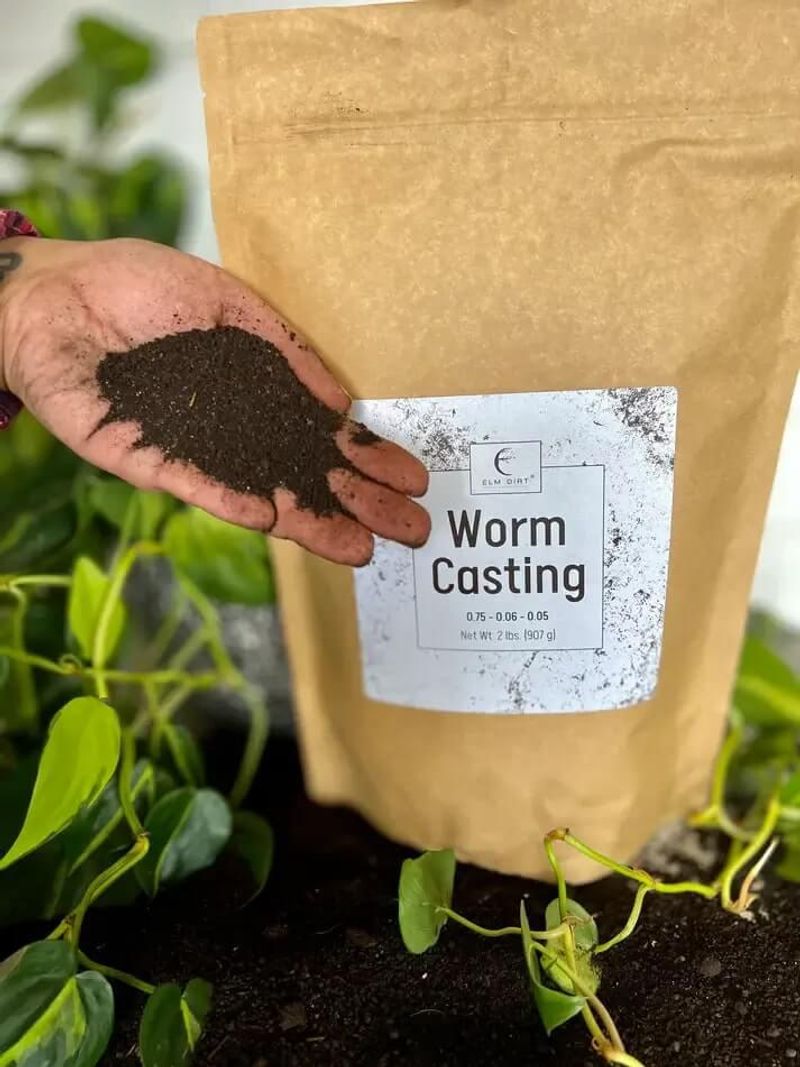
Often called black gold by gardeners, worm castings are simply the nutrient-rich waste left behind by earthworms. Gentle enough that they never burn roots, they pack plant food and helpful microbes into every dark crumb.
Mix a handful into the planting hole or sprinkle it as a top dressing around growing plants. You can also steep castings in water to brew a mild tea for foliar spraying or root watering.
The slow, steady release means your tomatoes get a low-and-steady stream of nutrients rather than a sudden jolt. A little goes far, so even a small bag stretches across a whole bed of plants.
12. Kelp Meal
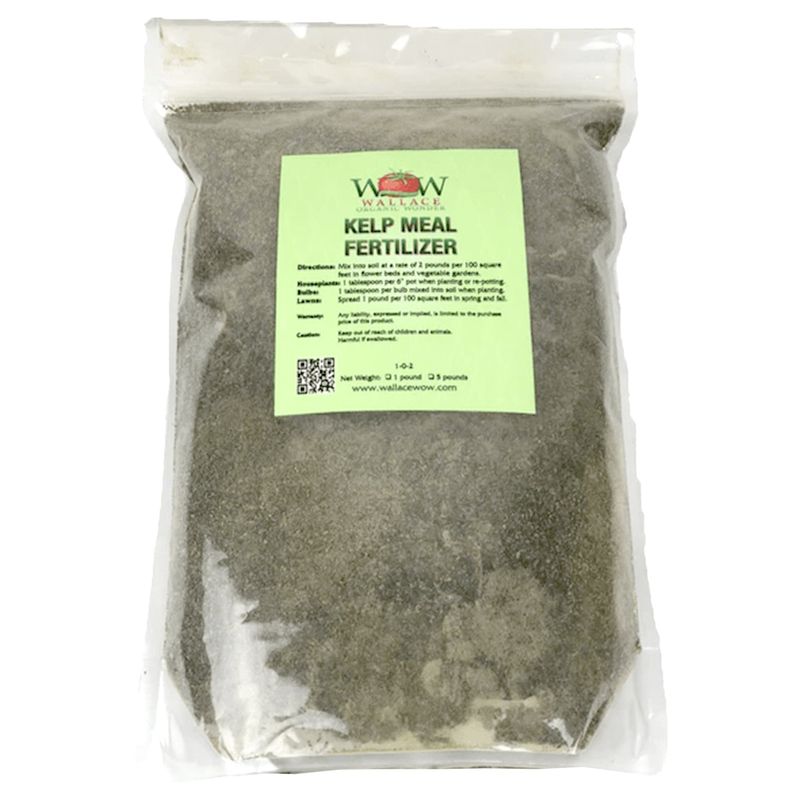
Harvested from the sea, kelp meal brings dozens of trace minerals and natural growth hormones to the table. Those micronutrients fill in the gaps that big-name nutrients like nitrogen leave behind.
Work a couple of tablespoons into the soil around each plant, or dissolve kelp in water for a quick drink. Plants fed with kelp often shrug off stress from heat and transplant shock a little better.
The growth hormones in seaweed can encourage stronger roots and more flower set over time. Coastal gardeners have used seaweed on their crops for centuries, long before anyone bottled it.
13. Alfalfa Meal
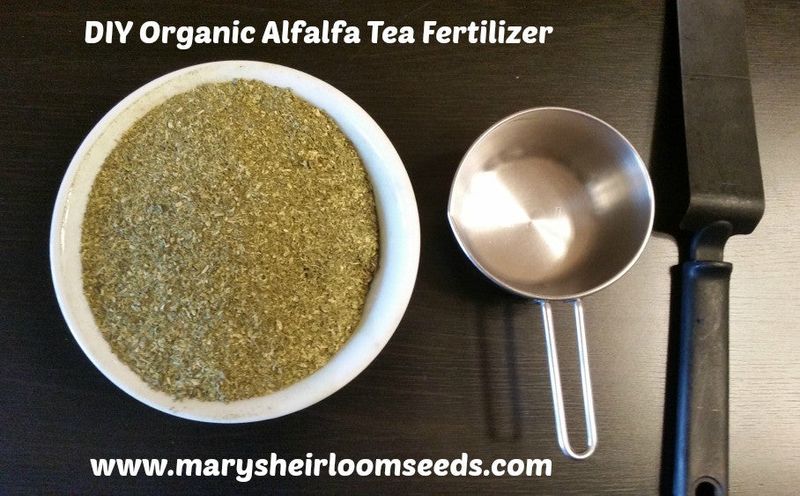
Ground from a common hay crop, alfalfa meal quietly delivers nitrogen along with a natural growth stimulant called triacontanol. That little-known compound can spur faster, healthier growth in ways plain nitrogen cannot.
Scatter a handful around each plant and scratch it into the topsoil, or soak it to make a rich alfalfa tea. As it breaks down, it also feeds soil microbes and improves the ground over time.
Rose growers have leaned on alfalfa for years, and tomato lovers are catching on fast. It offers a gentle, well-rounded feeding that rarely risks burning your plants.
14. Aspirin
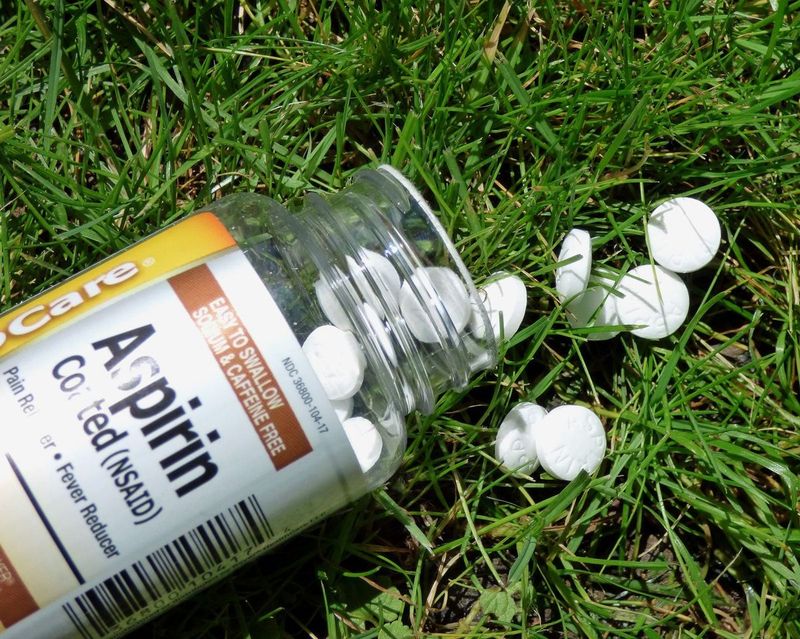
It might sound odd, but a plain aspirin tablet can help your tomatoes defend themselves. Aspirin contains salicylic acid, a compound plants naturally make when fighting off disease and stress.
Dissolve one uncoated 325 milligram tablet in a gallon of water and spray it lightly on the leaves every few weeks. The spray may help plants ramp up their own immune response and shrug off common fungal troubles.
Keep the dose gentle, since too much can stress the very plants you are trying to protect. Studies on this trick are still growing, so treat it as a helpful experiment rather than a guaranteed cure.
15. Powdered Milk

That box of powdered milk in the pantry doubles as a quiet source of calcium for your tomatoes. Calcium keeps fruit firm and helps head off the dreaded blossom end rot that spoils so many harvests.
Sprinkle a few tablespoons of the dry powder into the planting hole, or mix it with water for a milky drink you pour at the base. The calcium releases as soil life breaks the milk down.
Some gardeners believe the milk also feeds beneficial soil organisms, adding a second small benefit. Use it in moderation, because too much can invite unwanted mold on the soil surface.
16. Blackstrap Molasses Water
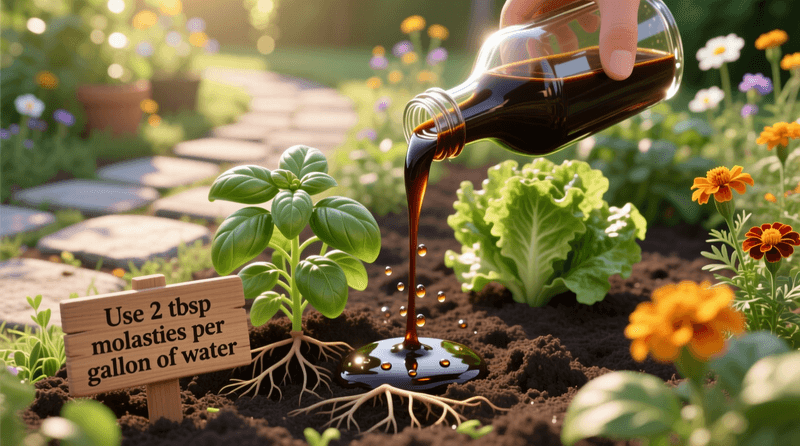
Richer and darker than regular molasses, blackstrap is the thick syrup left after sugar refining, and it carries extra iron, calcium, and magnesium. That mineral punch makes it a heavier-hitting cousin to standard molasses feeding.
Blend a tablespoon into a gallon of warm water until it fully dissolves, then water it around your plants. The combination of sugars and minerals feeds both the soil microbes and the plant itself.
Because blackstrap is so concentrated, a single bottle lasts a long time across many feedings. Gardeners who want soil biology and trace minerals in one pour tend to keep a jar on hand all season.
17. Cottonseed Meal
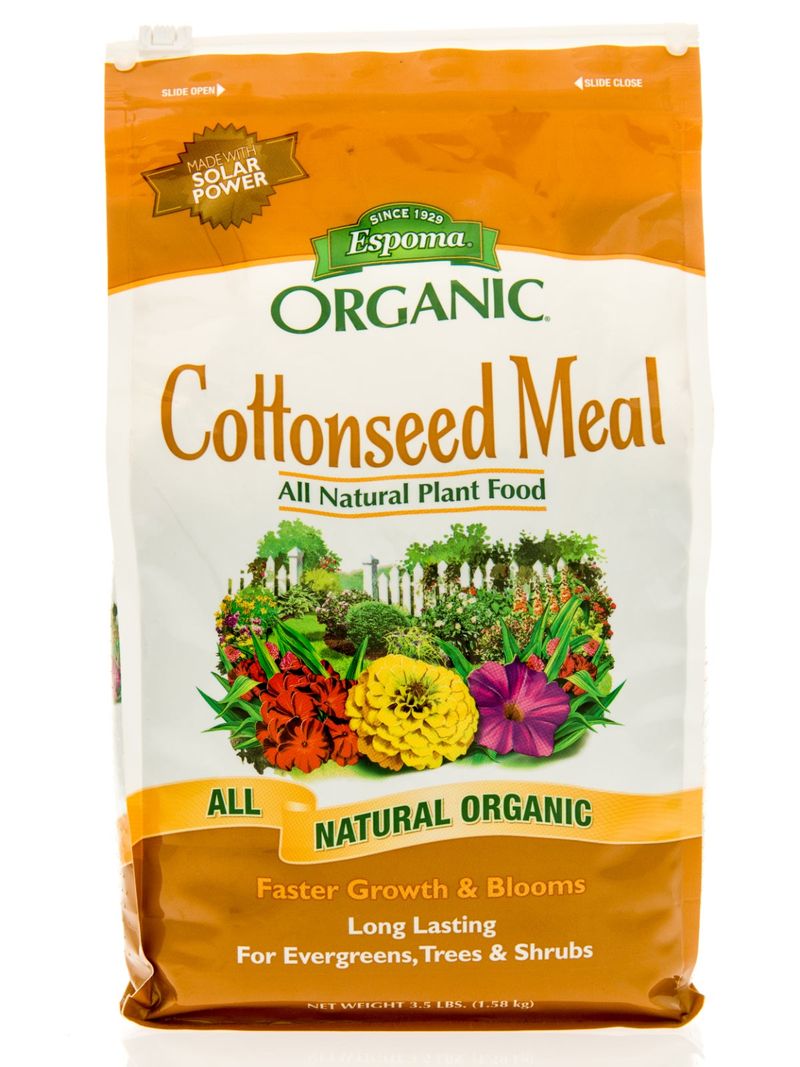
Left over after cotton is pressed for oil, cottonseed meal is a slow-release feeder with a nice balance of nitrogen leaning toward leafy growth. It also gently lowers soil pH, which suits tomatoes that prefer slightly acidic ground.
Mix a couple of tablespoons into the soil around each plant and let it break down gradually over the weeks ahead. The slow release means steady feeding without the sudden surge that can burn roots.
Because it acidifies as it works, it pairs especially well with soils that run alkaline. Keep a bag around and you have a dependable, long-lasting boost that quietly works in the background all season.