
These 7 Pruning Mistakes Are The Real Reason Your Hydrangeas Look Healthy But Barely Bloom
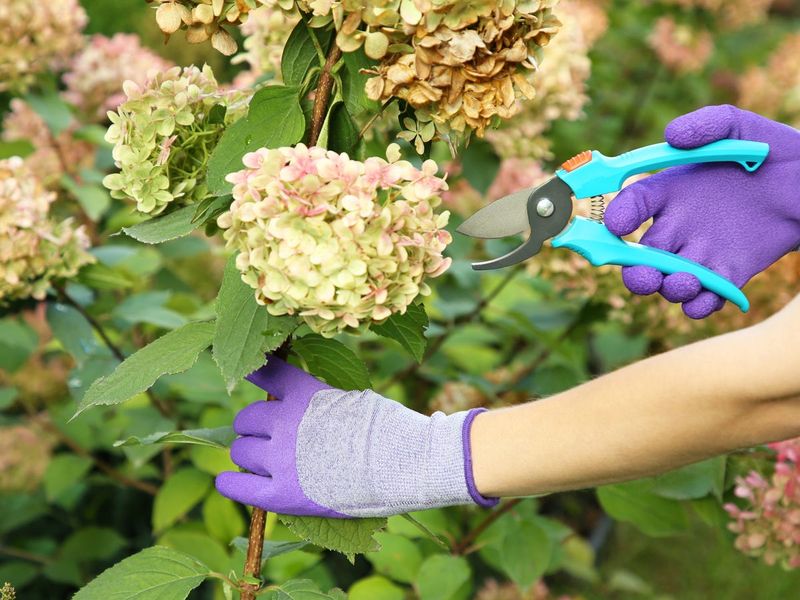
You water your hydrangeas, feed them, and watch the leaves grow big and green, yet the flowers just never show up. The plant looks perfectly healthy, so what gives? Nine times out of ten, the culprit is your pruning shears, not your soil or sunlight. Once you learn which cuts kill the blooms, you can fix the problem this season and finally get the flower show you have been waiting for.
1. Cutting Old Wood Hydrangeas at the Wrong Time
Picture yourself tidying up the garden on a crisp fall afternoon, snipping back your bigleaf hydrangea so it looks neat for winter. Feels satisfying, right? Unfortunately, you may have just clipped off next summer’s entire flower display.
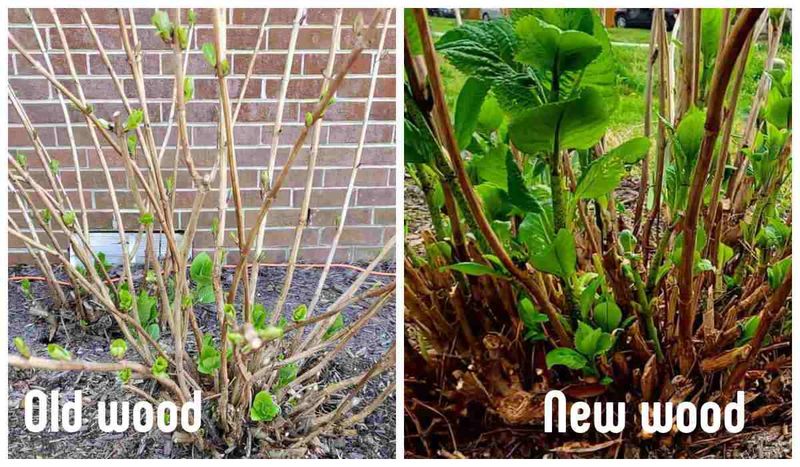
Bigleaf and oakleaf hydrangeas bloom on old wood, which means they form their flower buds on stems that grew the previous year. Those buds are quietly sitting on the branches all through fall and winter. If you prune in fall, winter, or early spring, you are slicing away the very buds that would have opened into blooms.
The fix is simple once you know it. Wait until right after the plant finishes flowering in mid to late summer, then do any shaping you need. That short window lets the shrub set fresh buds for the following year without you accidentally removing them.
If you are ever unsure which type you have, hold off on cutting entirely for a full season and just watch. A hydrangea that blooms in early summer on last year’s growth is almost always an old-wood variety that hates a spring haircut.
2. Confusing New Wood Types and Chopping Them Too Late
Here is the flip side of the old-wood trap, and it trips up just as many gardeners. Panicle and smooth hydrangeas, like the popular Annabelle and Limelight, bloom on new wood, meaning they flower on stems that grow during the current season.
These varieties actually reward a good cutback, but timing still matters. If you wait until late spring or early summer to prune them, you interrupt the fresh growth that carries the blooms, and you end up with a stunted, flower-shy shrub for the year.
Aim for late winter or very early spring, while the plant is still dormant and before new shoots push out. That gives the hydrangea plenty of runway to grow vigorous new stems topped with flowers.
Mixing up these two groups is one of the most common reasons a healthy plant stays stubbornly bare. Learn whether yours blooms on old or new wood, and you have basically solved half the pruning puzzle right there.
3. Cutting Back Too Hard and Removing Healthy Framework
Enthusiasm can be a hydrangea’s worst enemy. When folks decide the shrub is too big, they often go at it with the shears and reduce it to a sad little stub, expecting it to bounce back bushier and better.
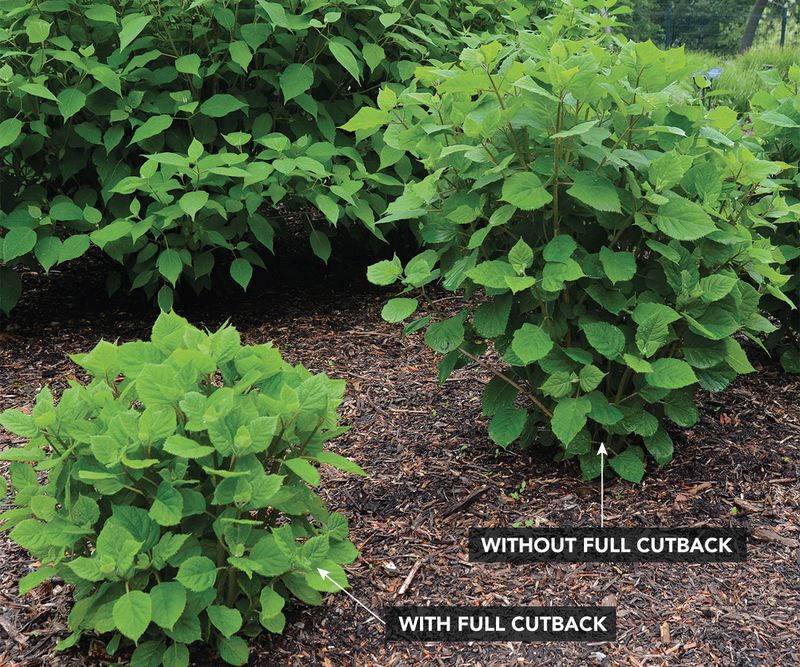
Old-wood types especially need their established branches to carry buds, so a severe chop leaves you with a plant that spends the next year just rebuilding stems instead of making flowers. Even new-wood varieties can be weakened if you constantly hack them down to the ground without leaving a bit of sturdy base.
A gentler approach works far better. Remove no more than about a third of the plant in any single season, and focus your cuts on shaping rather than shrinking.
If your hydrangea has genuinely outgrown its spot, reduce it gradually over two or three years. Slow and steady keeps the framework intact, and an intact framework is what holds all those future blooms.
4. Deadheading Deeper Than the Spent Flower
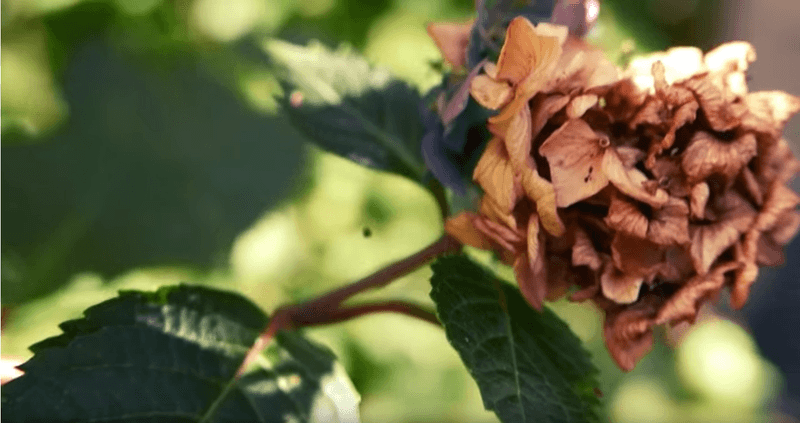
Snipping off faded blooms feels like harmless housekeeping, and it can be. The trouble starts when the shears travel too far down the stem and take healthy buds along for the ride.
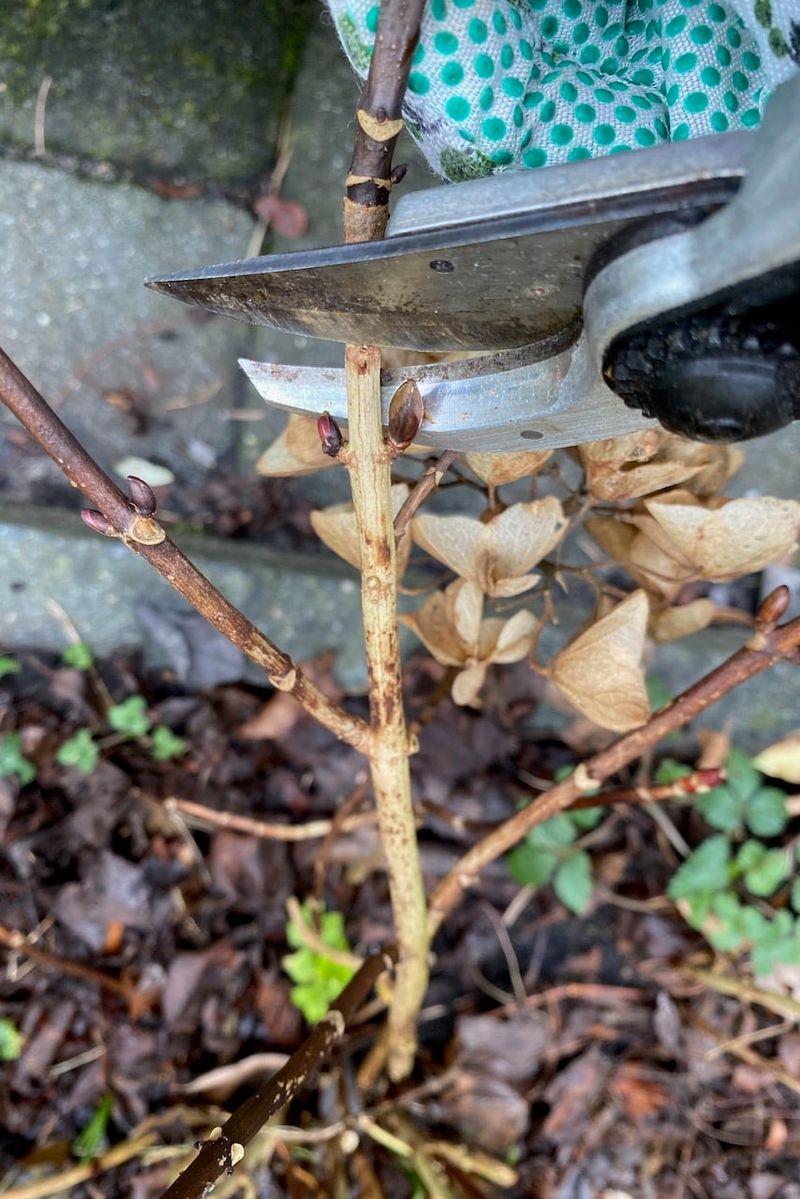
On old-wood hydrangeas, the buds for next year often sit just below where this year’s flower faded. Cut a few inches too low and you have removed tomorrow’s blossoms while thinking you were only removing yesterday’s.
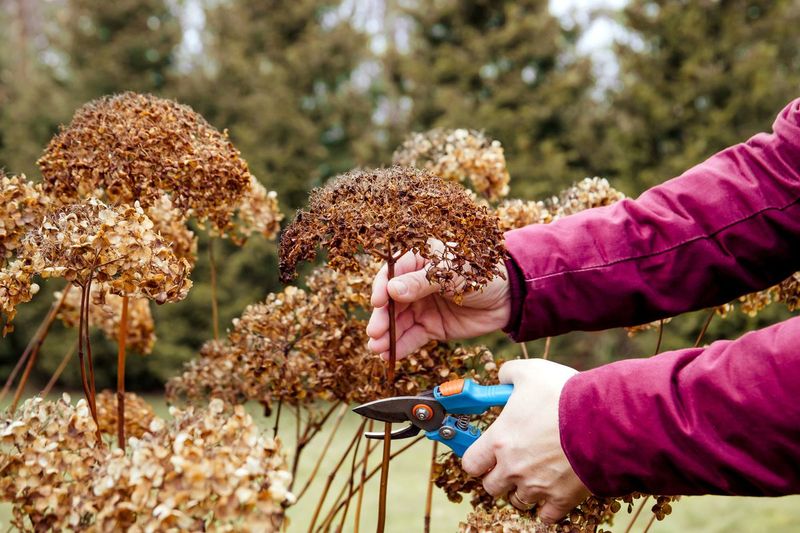
When you deadhead, snip right below the spent flower head and just above the first pair of plump, healthy buds. That keeps the plant looking tidy without robbing it of future color.
Some gardeners skip deadheading old-wood types altogether and simply enjoy the dried flower heads through winter, which also gives the branches a little frost protection. Either way, the golden rule is to stay shallow and let those lower buds ride out the season.
5. Removing Every Bit of Old Growth During Cleanup
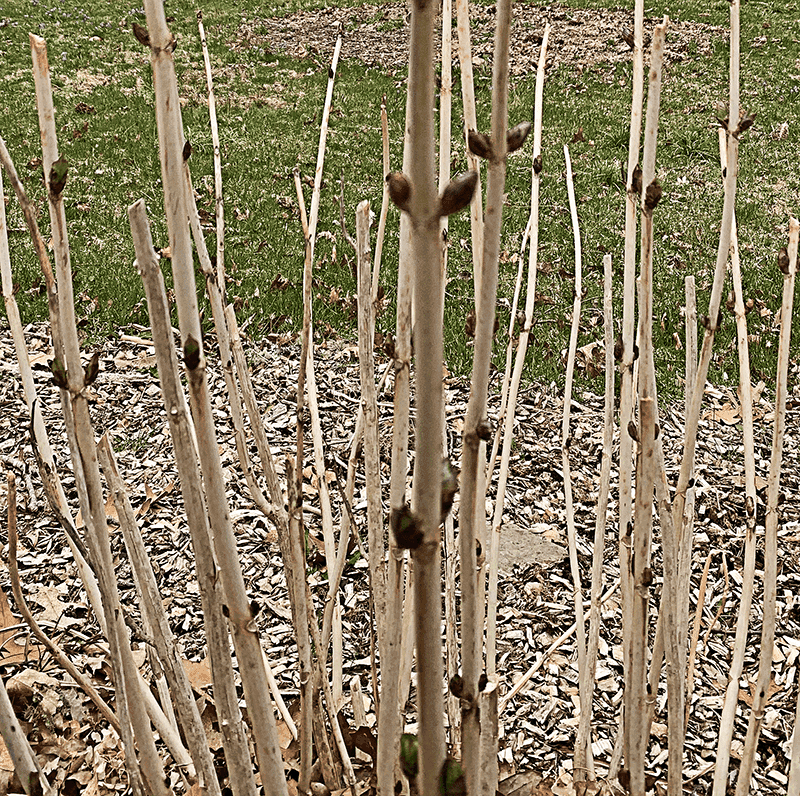
Spring cleanup fever is real, and hydrangeas often become collateral damage. Staring at a tangle of gray, seemingly lifeless stems, it is tempting to clear the whole thing out and start fresh.
The catch is that many of those dull-looking branches are very much alive and loaded with buds. Old wood on a hydrangea can look dead in early spring even when it is packed with the makings of a full flush of flowers.
Before you cut anything, do the scratch test. Gently scrape a bit of bark with your thumbnail, and if you see green underneath, that stem is alive and worth keeping.
Only remove branches that are truly dead, showing brown, brittle, hollow centers all the way through. Patience in spring pays off in July, when the stems you almost tossed are the ones covered in blooms.
6. Ignoring Winter Damage and Cutting Off Live Buds
Cold snaps play a sneaky role in the no-bloom mystery. After a harsh winter, the tips of old-wood hydrangeas can be killed back while the lower portions of the stems survive with viable buds.
Many gardeners assume the whole stem is finished and prune it down low, unknowingly discarding the healthy buds that made it through the freeze. The plant then leafs out beautifully but has nothing left to flower with.
Wait until you see buds actually swelling in spring before you make any cold-damage cuts. Once new growth appears, you can clearly tell where the living wood ends and the dead tips begin.
Trim only back to the highest healthy bud on each stem, and no lower. In colder US zones, a layer of mulch or a wrap of burlap over winter can also protect those buds, so you have more of them to keep in the first place.
7. Using Dull or Dirty Tools That Stress the Plant
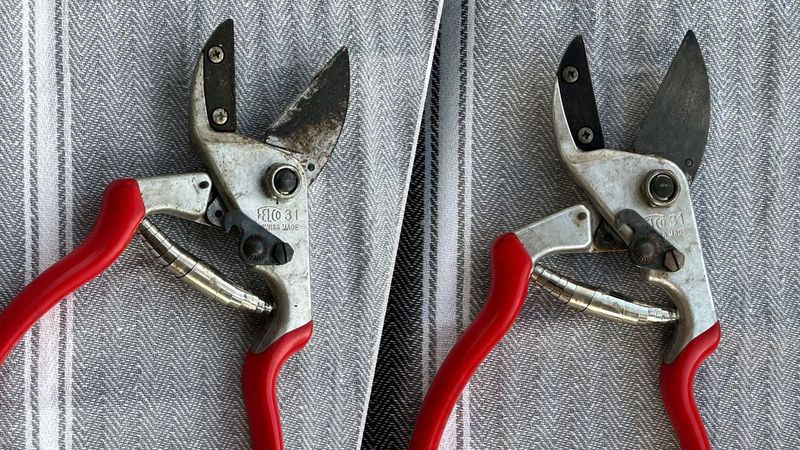
It is easy to overlook the shears themselves, but a bad tool can quietly sabotage all your careful timing. Dull blades crush and tear stems instead of slicing cleanly, leaving ragged wounds that heal slowly.
Those ragged cuts become open doors for disease and pests, and a plant busy fighting infection puts its energy into survival rather than flowers. Dirty blades make it worse by carrying fungal spores or bacteria straight from one shrub into the fresh cut of the next.
Keep a sharp pair of bypass pruners on hand and wipe the blades with rubbing alcohol between plants. A clean, crisp cut seals over fast and keeps the hydrangea’s energy where you want it.
Little habit, big payoff. Sharp and sanitized tools may seem like a small detail, but combined with correct timing, they can be the difference between a leafy green bush and one bursting with blooms.