
16 Clematis Care Mistakes That Leave It Flowerless-And The Easy Overlooked Fix Behind Each
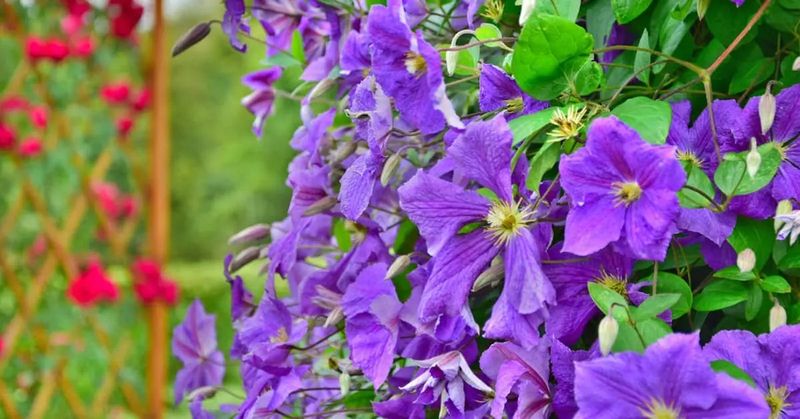
A clematis covered in blooms can turn a plain fence into something that stops neighbors mid-walk. But when the vine grows lush and green yet refuses to flower, it feels like a mystery with no answer. Most of the time, the culprit is a small habit that is easy to fix once you know what to look for. Walk through these sixteen common slip-ups, and you may spot the exact reason your clematis is holding back its show.
1. Pruning the Wrong Group at the Wrong Time
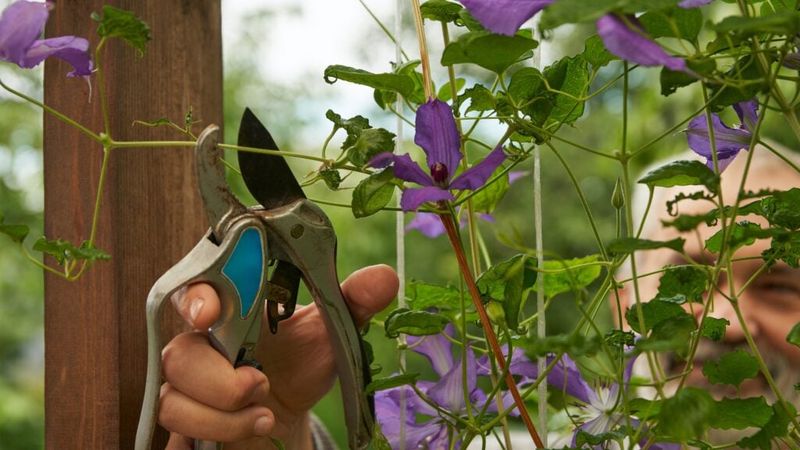
Here is the surprise that trips up almost every clematis grower: not all clematis want the same haircut. These vines fall into three pruning groups, and cutting a spring bloomer down in late winter means slicing off the exact stems that were about to flower.
Group 1 flowers on old wood and needs barely any pruning. Group 2 blooms on both old and new growth, so a heavy chop erases the early show. Group 3 flowers on fresh new growth and actually rewards a hard cut in late winter.
If you do not know your variety, watch when it blooms for a full season before you touch the pruners. A plant that flowers in April or May is almost certainly old-wood dependent, so leave those stems alone. Matching your cut to the group is often the single change that flips a green vine into a flowering one.
2. Too Much Nitrogen Fertilizer
Ever notice how a clematis fed too generously turns into a leafy monster with zero blooms? That thick, jungle-green growth is a red flag that nitrogen has taken over the driver’s seat.
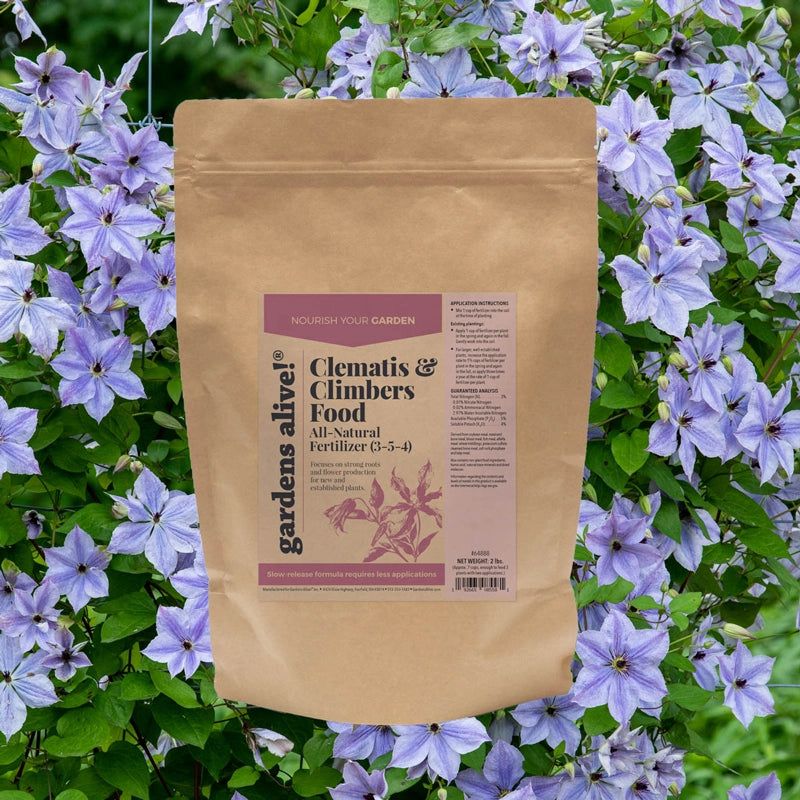
Nitrogen pushes leaves and stems, while phosphorus and potassium are the nutrients that fuel flower buds. Lawn fertilizer or a high-nitrogen blend spilling into a nearby bed can quietly sabotage the whole plant.
Switch to a fertilizer higher in phosphorus, something with a middle number larger than the first, and feed lightly in early spring and again after the first flush of blooms. Tomato fertilizer works well because it is formulated to encourage flowering and fruiting rather than foliage. Ease off the nitrogen, and the plant can finally shift its energy from growing leaves to opening buds.
3. Roots Baking in Hot Sun

Clematis carries an old gardener’s saying: heads in the sun, feet in the shade. That quirky rule exists because the roots hate being cooked, even when the vine itself loves bright light overhead.
When the soil around the base heats up and dries out, the plant gets stressed and drops flowering off its to-do list. Bare, sun-blasted soil at the crown is a common reason a well-placed vine still sulks.
Tuck a low, leafy perennial like a hardy geranium or hosta in front of the base, or lay a flat stone over the root zone to keep it cool. A two-inch layer of mulch, kept a few inches back from the stems, holds moisture and steadies the temperature. Shade the feet, and the vine repays you by pointing its blooms toward the sun.
4. Planting It Too Shallow
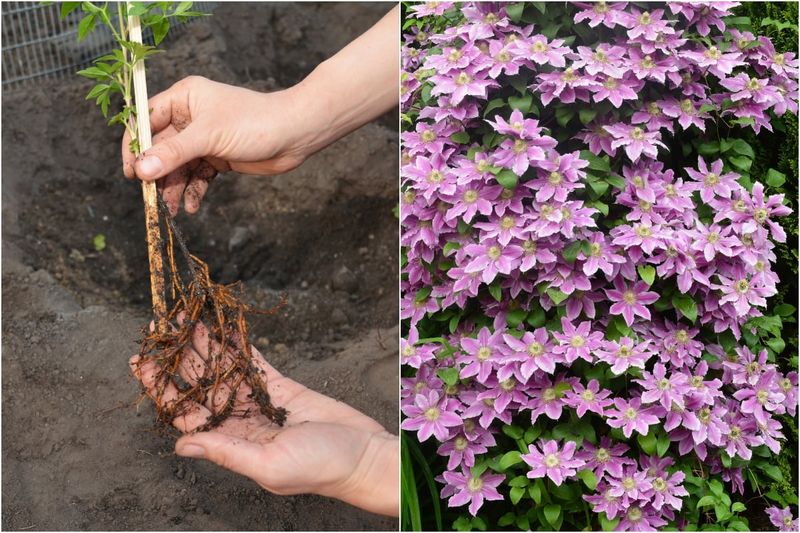
Most vines want their crown right at soil level, but clematis breaks that rule on purpose. Setting the plant too high leaves it fragile and slow to build the strong root system that flowering depends on.
Bury the crown about two to three inches below the soil surface when you plant. That deeper placement protects hidden buds along the buried stem, giving the plant a backup supply of growth points if the top gets damaged by wind, pests, or the dreaded clematis wilt.
A well-anchored, deeply planted clematis grows more vigorous each year, and vigor is what fuels an abundant bloom. If yours was planted shallow, you can gently mound soil around the base to mimic the effect without digging the whole thing up. Deeper roots mean a tougher plant, and a tougher plant flowers far more freely.
5. Not Enough Sunlight Overhead
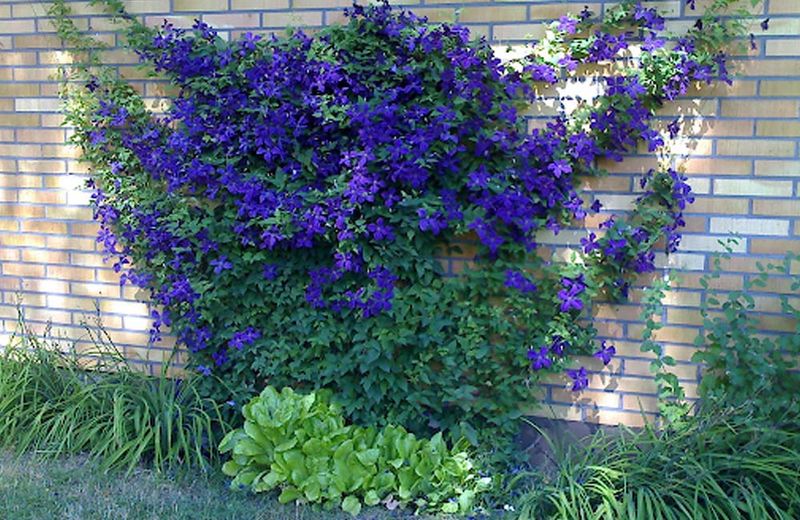
A clematis crammed against a shady north wall will happily grow vines and stubbornly withhold flowers. Light is the fuel for bud production, and most varieties need a solid six hours of sun a day to put on a real display.
Dappled morning light against a fence might feel like plenty, but if the canopy of a tree shifts overhead through the season, the vine can end up starved for energy. Fewer flowers, or none at all, is the quiet result.
Track where the sun actually falls across a full day before blaming the plant. If the spot has grown too dim because a nearby shrub filled in, thin the offending branches or move the clematis in early spring to a brighter location. Give the top of the plant real sun while keeping the roots cool, and the flowering usually follows.
6. Overwatering and Soggy Soil
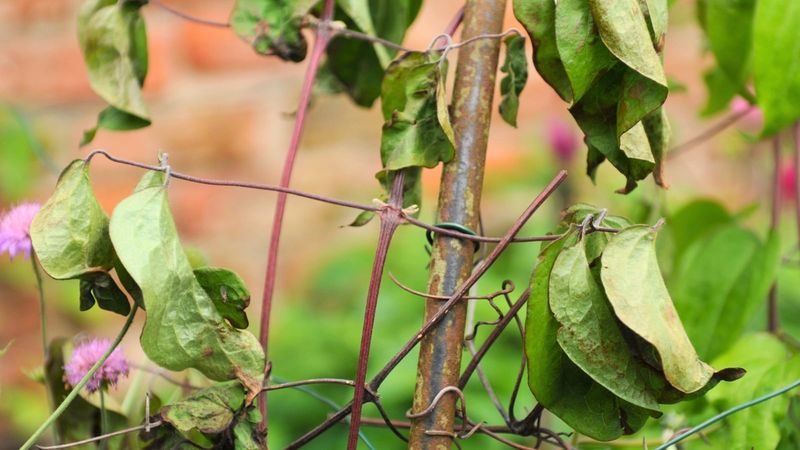
Drowning kindness is real when it comes to clematis. These vines like steady moisture, but roots sitting in waterlogged soil suffocate, rot, and stop producing the healthy growth that buds rely on.
Yellowing lower leaves paired with a sad, stalled vine often point to a crown parked in a puddle. Heavy clay that holds water long after a rain is a frequent hidden offender in backyard beds.
Check the soil a few inches down before watering, and only add water when it feels dry at that depth. If drainage is the problem, dig in compost or coarse grit to loosen the soil, or plant on a slight mound so water drains away from the crown. Balanced moisture without the swamp lets the roots breathe and get back to the business of blooming.
7. Letting the Soil Go Bone Dry
Swing too far the other way and a thirsty clematis also skips the flowers. Right when buds are forming, a stretch of dry soil signals the plant to conserve energy and abort those tender buds before they open.
Container-grown clematis dry out fastest, sometimes needing a drink every single day during a warm US summer. In-ground plants near a wall or fence can also miss rainfall because the structure blocks it, a spot gardeners call a rain shadow.
Aim for consistently moist but never soggy soil, checking the finger-depth test regularly through the growing season. A generous mulch layer helps hold that moisture between waterings. Keep the supply steady during bud season especially, and the plant will trust it has enough resources to finish what it started.
8. Ignoring Soil pH
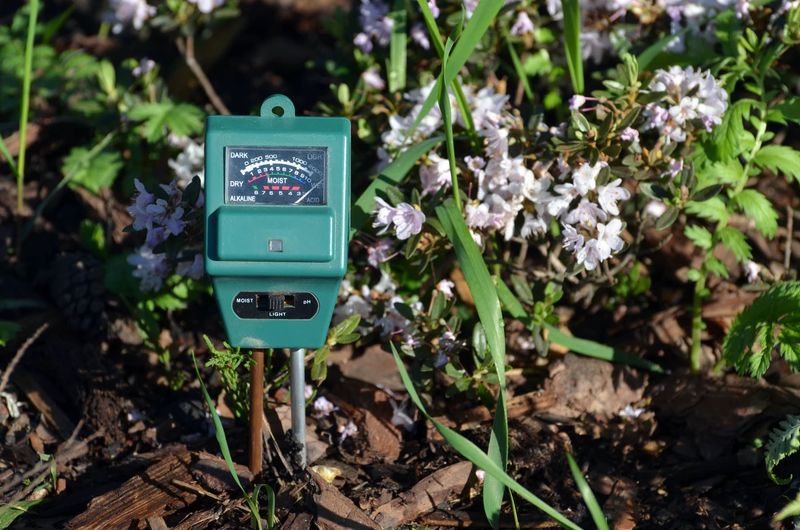
Fun fact many gardeners miss: clematis leans toward slightly alkaline soil, unlike acid-lovers such as azaleas and blueberries. When the ground turns too acidic, the plant struggles to pull nutrients it needs for strong flowering.
Stunted growth and poor blooming despite good care can trace back to a pH that quietly drifted out of range. Rainwater and certain fertilizers slowly acidify soil over the years without any obvious warning.
A cheap soil test kit from a garden center reveals the number in minutes. If the reading dips below neutral, work in a handful of garden lime or crushed eggshells around the root zone to nudge it back toward a comfortable range near neutral or slightly above. Getting the chemistry right unlocks the nutrients already sitting in your soil, and the flowers respond.
9. Skipping the First-Year Patience
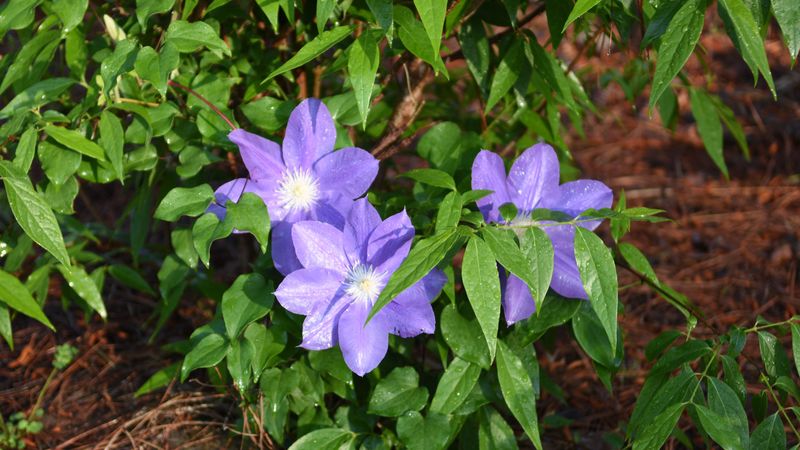
There is an old rhyme about clematis: first year it sleeps, second year it creeps, third year it leaps. New plants often spend their opening season building roots below ground instead of flaunting flowers above it.
Expecting a full curtain of blooms from a fresh nursery plant sets you up for disappointment and, worse, tempts you into overfeeding or overpruning to force it. Both moves can backfire and delay flowering even more.
Give a young clematis time, water it steadily, and pinch back the growing tips lightly in the first year to encourage bushier, stronger stems. That early restraint builds the framework for the explosion of blooms that arrives once the roots are established. Patience here is not a fix so much as a mindset, and it pays off dramatically by year three.
10. No Support to Climb On
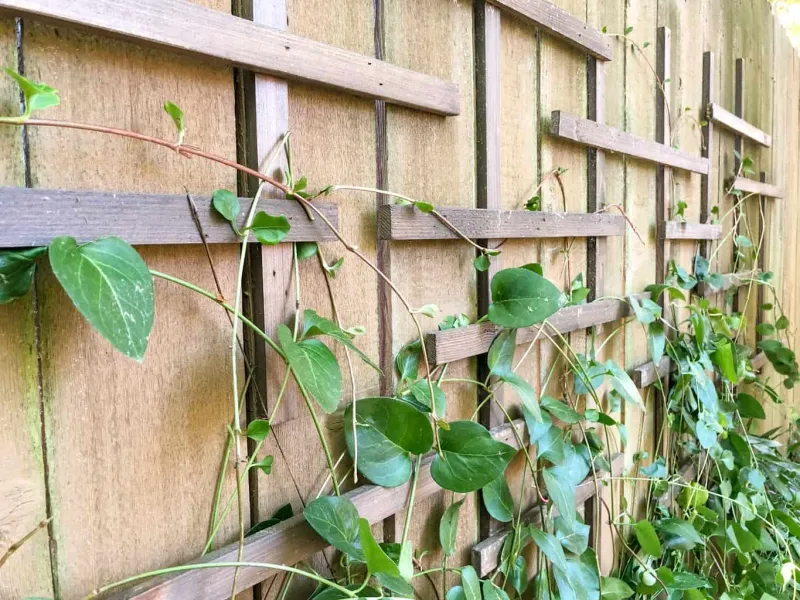
A clematis without something to grab onto is a frustrated plant. These vines climb by wrapping their leaf stalks around thin supports, and they cannot cling to a smooth wall or a thick post the way ivy does.
Left sprawling on the ground, the vine tangles, gets stressed, and directs energy into survival rather than flowers. Tangled, shaded stems also bloom poorly because light cannot reach them evenly.
Offer a trellis, netting, or thin wires spaced so the slender leaf stems can twine around them. Gently tie the young growth in the right direction until it takes hold on its own. Spread the vine out so light and air reach every stem, and you spread the flowers out too, all across the structure instead of in one crowded knot.
11. Reading the Leaves Too Late
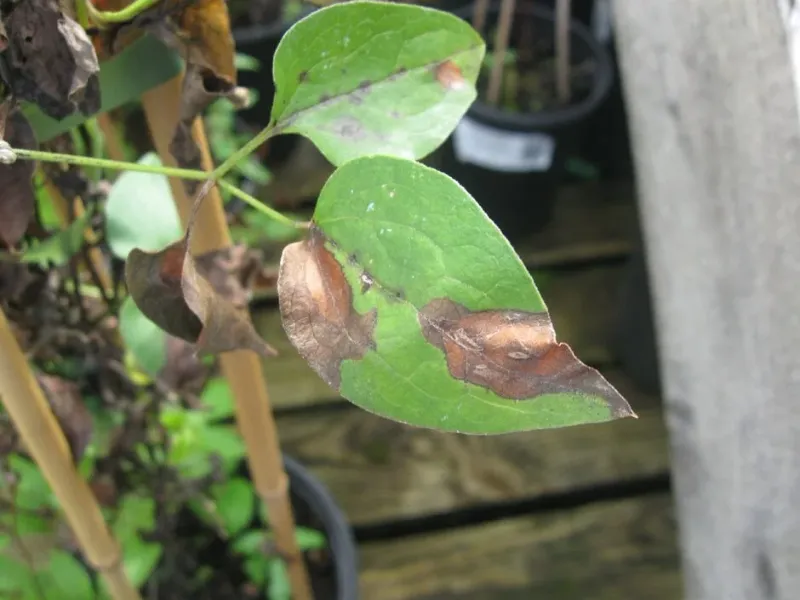
Your clematis often warns you long before it stops blooming, if you know how to read the leaves. Pale, washed-out foliage can signal a hungry plant, while dark spots or sudden brown blotches may point to a fungal problem creeping in.
Silvery or mottled patches sometimes betray spider mites, and curled or sticky leaves hint at aphids feasting on new growth. Each of these leaf clues means energy is being diverted away from making flowers.
Walk your vine once a week and actually look at the undersides and new tips, not just the pretty top layer. Catching a color shift or a suspicious spot early lets you act with a rinse, a snip of the affected stem, or a mild treatment before the trouble spreads. Treating leaves as an early-warning dashboard keeps the plant strong enough to prioritize blooms.
12. Clematis Wilt Left Unchecked
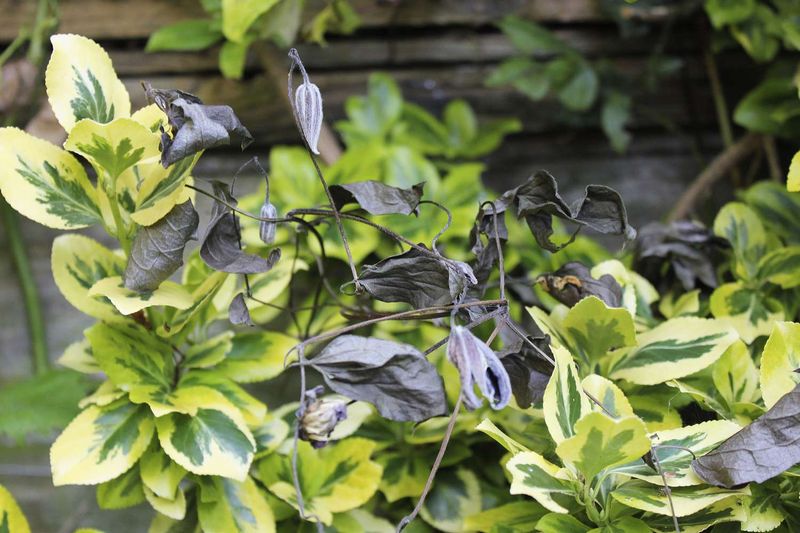
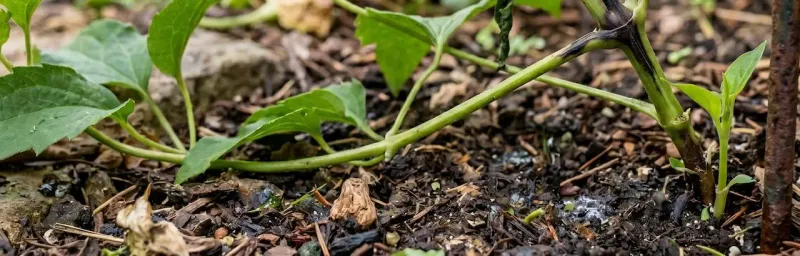
Few things rattle a gardener like watching a healthy clematis collapse overnight, whole stems going limp and black for no obvious reason. That dramatic scene is usually clematis wilt, a fungal disease that hits large-flowered types hardest.
Panicked owners sometimes dig up the entire plant, assuming it is dead, when the roots are often perfectly fine. Doing nothing, though, lets the fungus spread and knocks out the whole season’s flowers.
Cut the affected stems all the way back to healthy tissue, or right down to soil level, and clear away the fallen debris so spores do not linger. A deeply planted clematis has those buried buds ready to send up fresh, clean growth. Many wilt-struck plants bounce back and bloom later the same season once the diseased parts are removed.
13. Crowding It Against Competing Roots
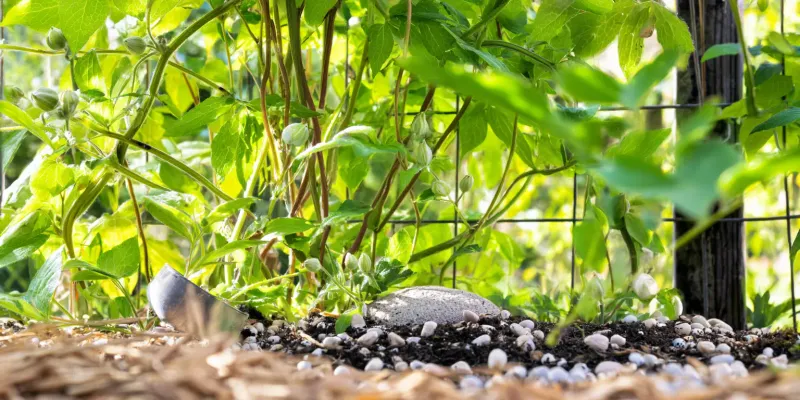
Squeeze a clematis in beside a greedy shrub or under a mature tree, and it fights a losing battle for water and nutrients underground. All that hidden competition leaves little energy for the luxury of flowering.
The struggle stays invisible above the soil, so gardeners keep watering and feeding while the neighboring roots grab most of it first. A vine that gets weaker each year instead of stronger is often a vine losing this quiet tug-of-war.
Plant your clematis with a clear zone of its own soil, ideally a foot or more from thirsty competitors. If it is already crowded, dig a wide planting pocket and refresh it with compost, or relocate the vine in early spring to open ground. Give the roots room to claim their own share, and the plant finally has fuel to spare for blooms.
14. Deadheading and Pinching Neglect
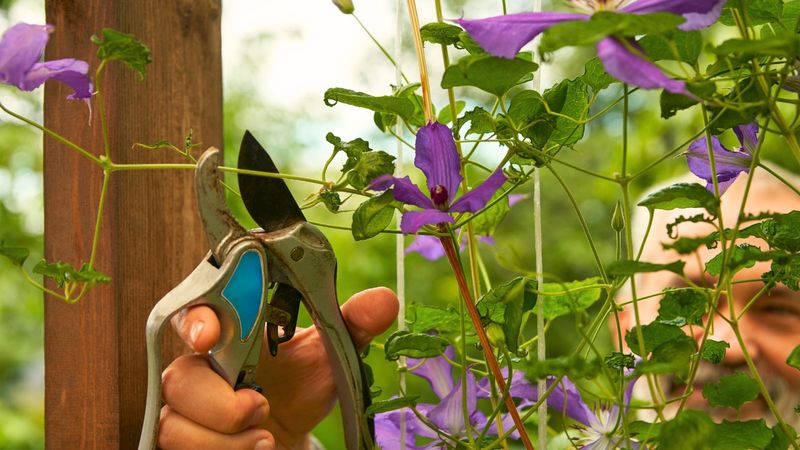
Snipping spent flowers feels optional, but for many clematis it directly steers the plant toward a second act. When old blooms are left to set seed, the vine pours energy into seed heads instead of pushing out a fresh round of buds.
Repeat-blooming varieties especially reward you for tidying up after the first flush fades. Skipping this step can mean one modest show instead of two full ones.
Pinch or clip off faded flowers just behind the bloom, and on younger plants pinch the growing tips to encourage branching and more flowering stems. The plant redirects its resources from seed-making back to bud-making. A little routine snipping through the season keeps the display coming instead of stopping after a single burst.
15. Wrong Variety for Your Zone
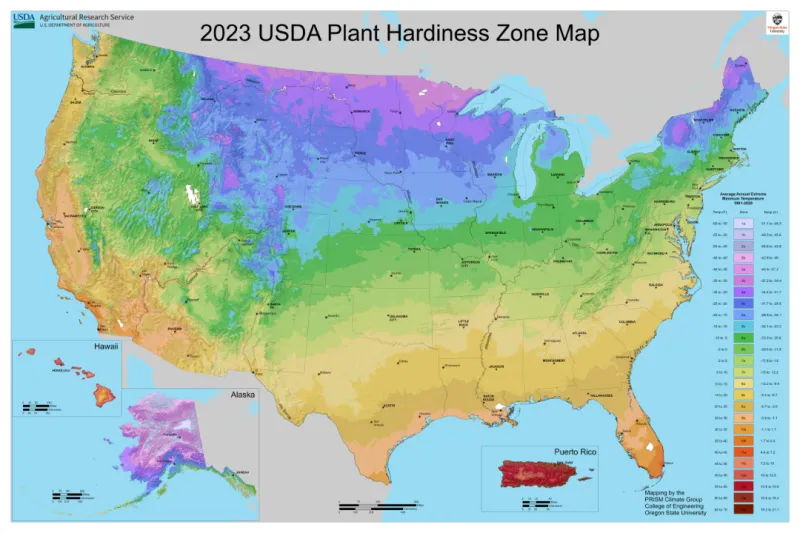
Sometimes the plant is doing everything right and the mistake happened at the garden center. A clematis rated for milder winters can survive the cold in a tougher US zone yet lose its flower buds to a hard freeze every single year.
Late spring frosts are especially cruel to varieties that bloom on old wood, nipping the buds just as they form. The vine looks alive and healthy, but the flowers vanish before they open.
Check your USDA hardiness zone and match it to the plant’s tag before buying, and lean toward reliably hardy, new-wood bloomers if your area sees unpredictable spring cold. For a beloved tender variety, mulch heavily over winter and be ready to protect early buds on frosty nights. Matching the plant to your actual climate removes a frustration no amount of care can fix.
16. Forgetting to Refresh Tired Soil
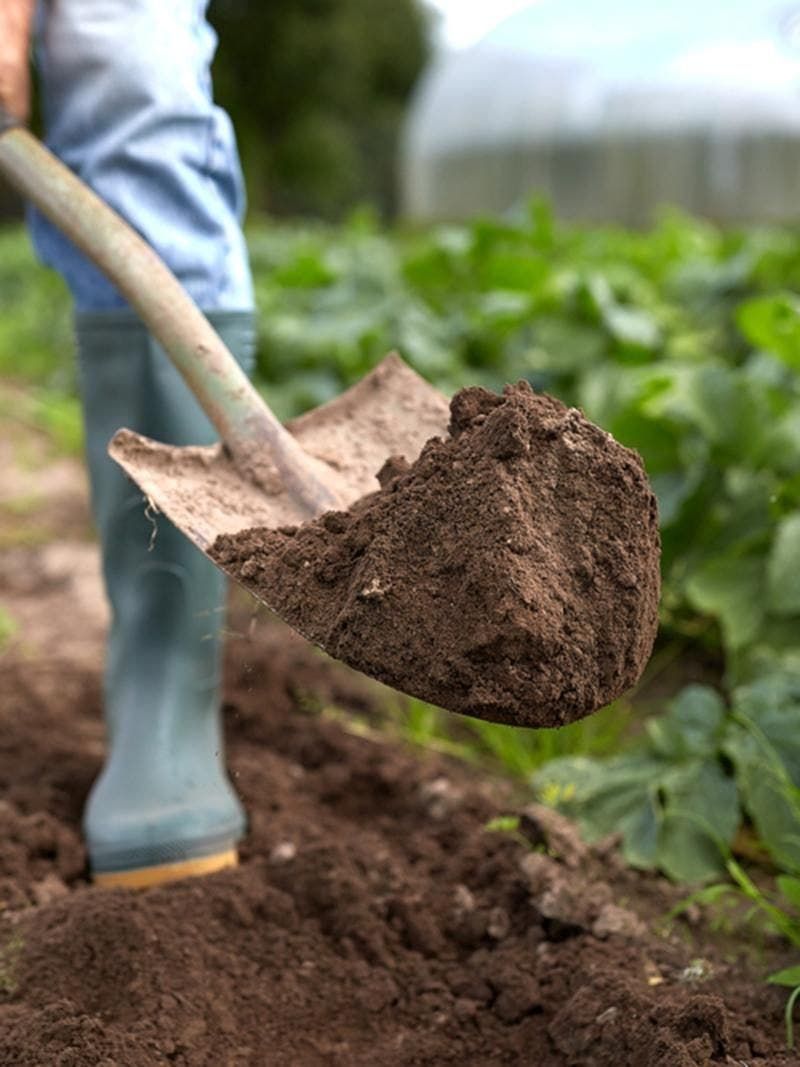
Year after year in the same spot, even a well-loved clematis can slowly deplete the ground it lives in. Once the soil runs low on organic matter and nutrients, blooming quietly tapers off despite everything else being fine.
Container clematis face this fastest, since a pot holds only so much soil and the roots exhaust it within a couple of seasons. A vine that used to flower well and now underperforms may simply be sitting in worn-out ground.
Top-dress in-ground plants each spring with a couple of inches of compost or well-rotted manure spread around the root zone. For pots, replace the top few inches of potting mix annually and repot into fresh soil every two or three years. Feeding the soil rather than just the plant restores the foundation that abundant flowering is built on.