
18 Low-Water Perennials That Keep Blooming Through The Hottest Weeks Of Summer
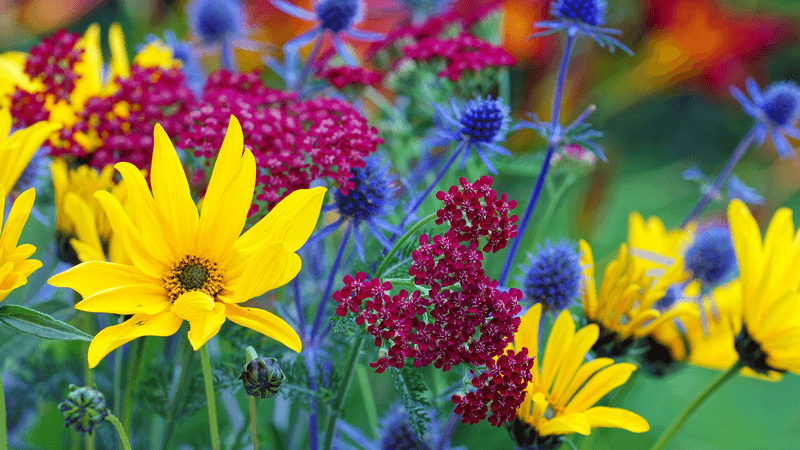
When July heat cranks up and the water bill climbs, most flowers throw in the towel. But a handful of tough perennials shrug off drought and keep pumping out color week after week, no daily hose required. These are the plants that reward you for planting once and mostly walking away. Here are 18 low-water champions that stay in bloom when the thermometer refuses to quit.
1. Coneflower (Echinacea)
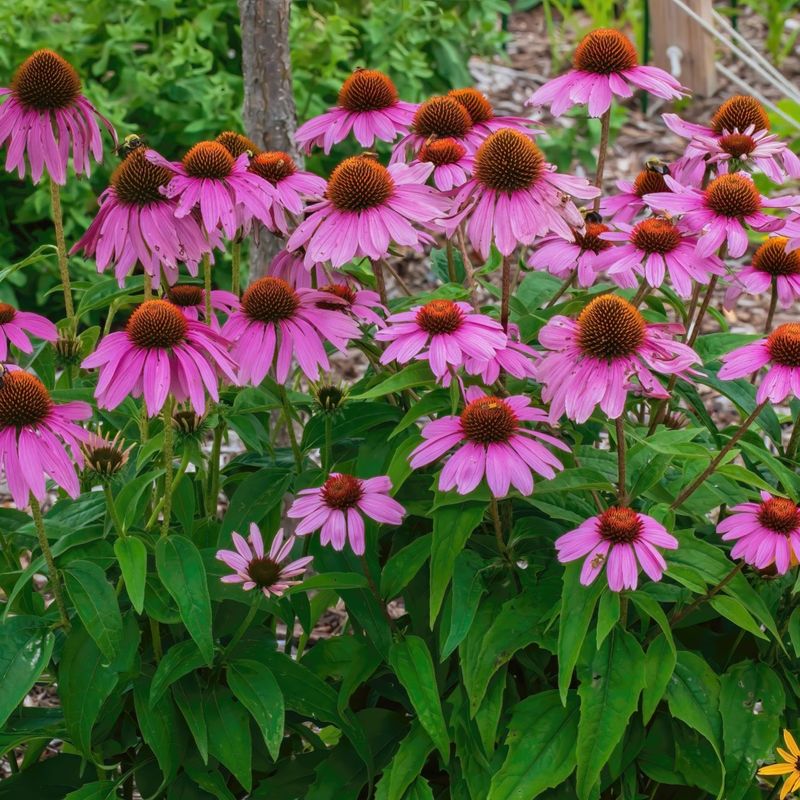
Prairies handed us this one, and it shows. Coneflowers grew up on open grassland with baking sun and long dry stretches, so a scorching backyard barely registers as a challenge.
The daisy-shaped blooms sit on stiff stems that do not flop when the soil dries out. Purple, orange, coral, and white varieties all pull the same weight, flowering from early summer straight into fall.
Skip the deadheading in autumn and the seed heads become a diner for goldfinches. A single established clump can go a week or more between drinks once its roots settle in, which is exactly why it earns the top spot.
2. Black-Eyed Susan (Rudbeckia)
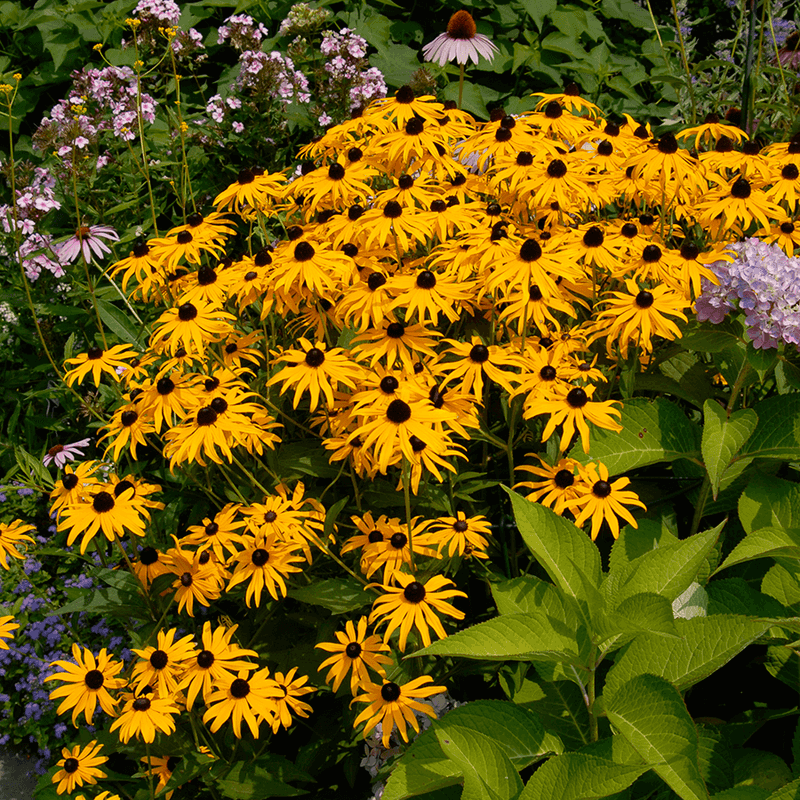
Golden petals ringing a dark chocolate center make this the poster child of a low-effort summer bed. Rudbeckia asks for almost nothing and hands back weeks of cheerful color.
It spreads politely on its own, filling gaps where fussier plants have given up in the heat. Once the roots go down, rainfall alone often keeps it happy through a normal US summer.
Cut a handful for a jar on the kitchen table and they last for days. Leave a few standing and the seed heads feed birds well past the first frost.
3. Russian Sage (Perovskia)
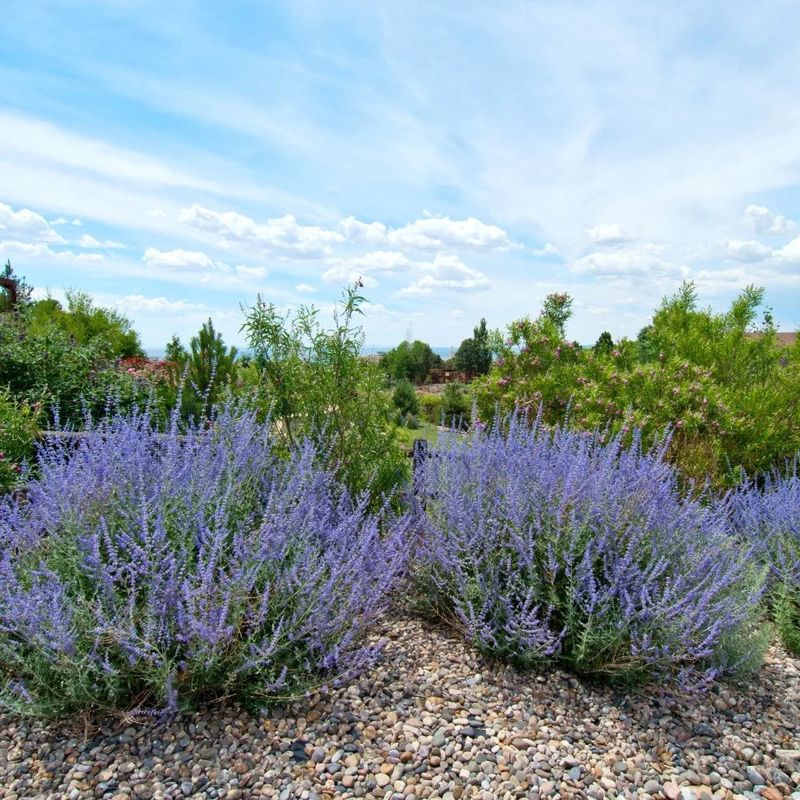
Run your hand through the silvery foliage and you get a whiff of sage and lavender rolled together. That aromatic oil is part of how Russian sage survives brutal heat, and deer tend to leave it alone because of the smell.
Hazy spikes of lavender-blue flowers hover over the plant like a purple cloud from midsummer well into September. The airy structure lets it sway rather than snap in dry wind.
Plant it in gritty, lean soil and it thrives, while rich damp ground actually makes it flop. Water it too much and you kill the very toughness that makes it shine.
4. Yarrow (Achillea)
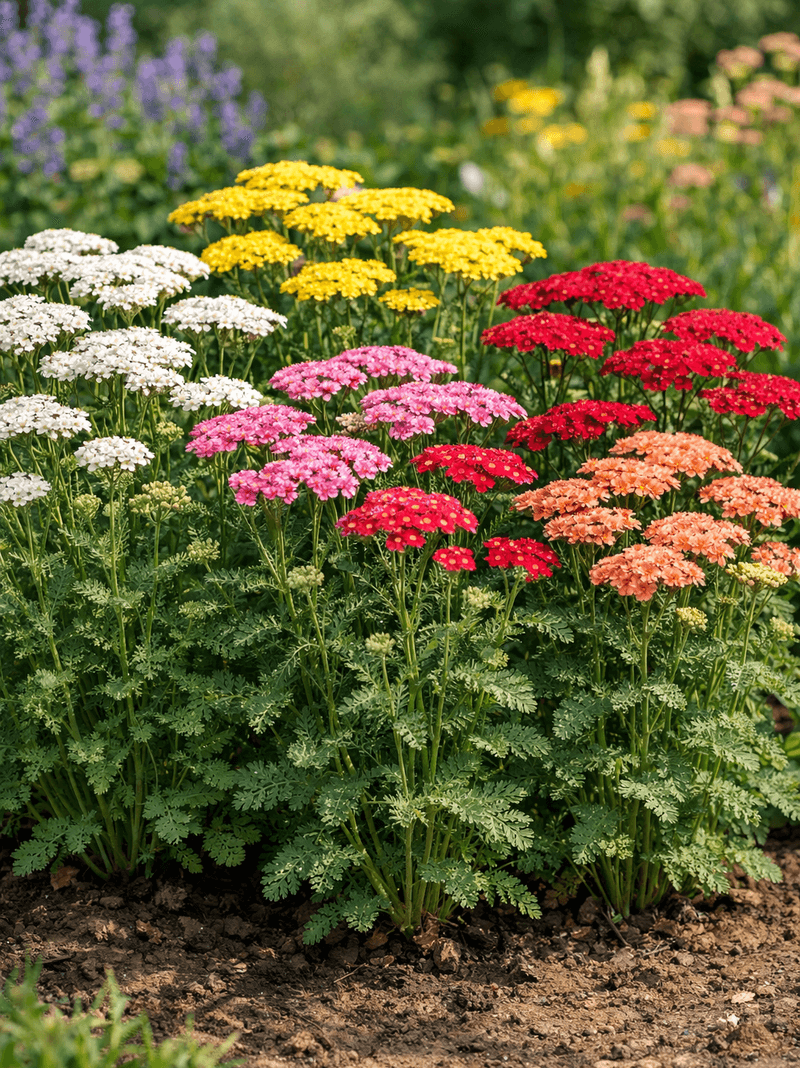
Flat-topped flower clusters in mustard yellow, red, or soft peach make yarrow look like a landing pad for butterflies, and that is precisely what it becomes. The fern-like leaves handle drought without a hint of drama.
Ancient soldiers reportedly packed the crushed leaves onto wounds, which is where the Latin name Achillea comes from, tied to Achilles himself. History aside, it just refuses to quit in a hot bed.
Shear the spent blooms and you often get a fresh flush before summer ends. It thrives in poor soil, so resist the urge to pamper it with fertilizer or extra water.
5. Lavender
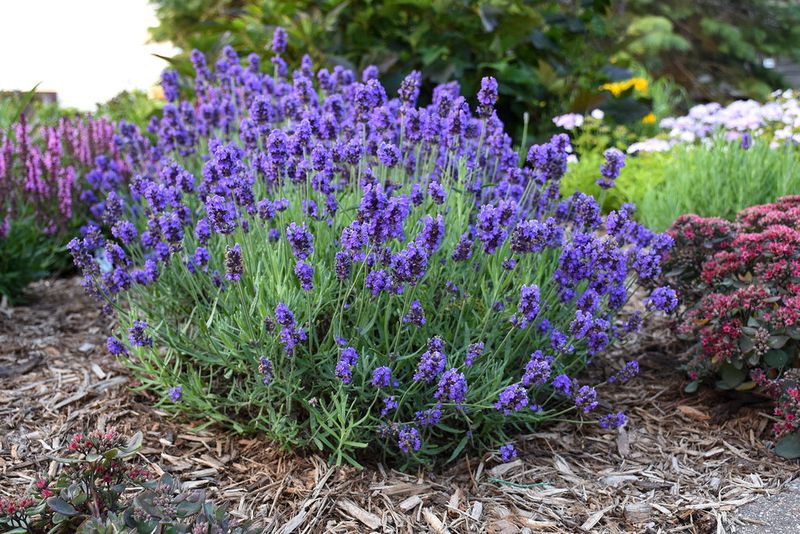
Few plants pack this much scent into something so unbothered by heat. Lavender evolved on rocky Mediterranean hillsides, so a sun-blasted corner of the yard feels like home.
The purple wands draw honeybees by the dozen and keep flowering for weeks if you clip them back after the first show. Dry the stems and your linen closet gets a free upgrade.
Sharp drainage matters more than water here. Sitting in soggy soil rots the roots faster than any drought ever could, so a gravelly spot on a slope suits it perfectly.
6. Coreopsis (Tickseed)
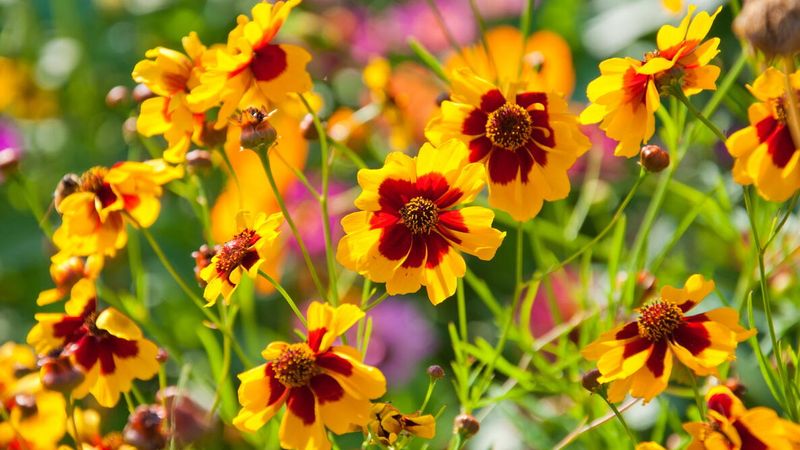
Think of a plant that acts like a string of tiny suns and rarely takes a day off. Coreopsis carpets itself in gold, red, or bicolor blooms from June until frost with barely a sip of water.
The threadleaf types have such fine foliage they almost look like green mist between the flowers. That delicate look hides a genuinely rugged constitution.
Give it a light shearing when blooming slows and it bounces right back. Native across much of the US, it slides into wildflower beds and tidy borders alike without complaint.
7. Sedum (Autumn Joy)
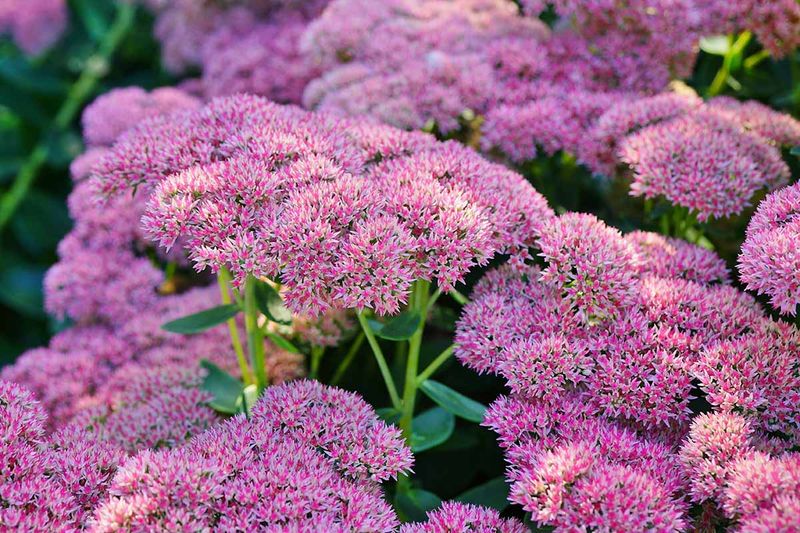
Squeeze a leaf and you feel it: fat, juicy, and packed with stored water. Sedum is basically a camel disguised as a flower, hoarding moisture in its succulent foliage for the dry stretches.
Broccoli-like flower heads start out pale green, deepen to dusty pink, then turn coppery rust as fall arrives, so the show keeps changing. Bees swarm it in the peak of the season.
It practically refuses to die. Snap off a stem, stick it in the ground, and you often get a whole new plant with zero fuss.
8. Blanket Flower (Gaillardia)
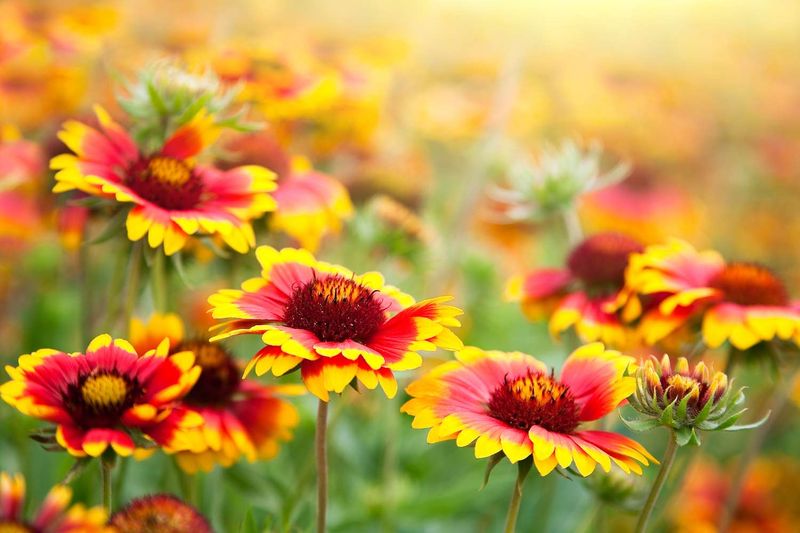
Fiery red centers bleeding out to yellow tips give this bloom the look of a tiny sunset, and it earned its name from the warm color patterns woven into old blankets. The heat only makes those colors burn brighter.
Native to the sandy soils of the American plains, it laughs off drought, poor dirt, and salty coastal air alike. Deadheading keeps the pinwheel flowers coming right up to frost.
Butterflies treat it like a buffet all season. It is short-lived compared to some perennials, but it reseeds so freely that fresh plants keep the display going year after year.
9. Salvia (Perennial Sage)
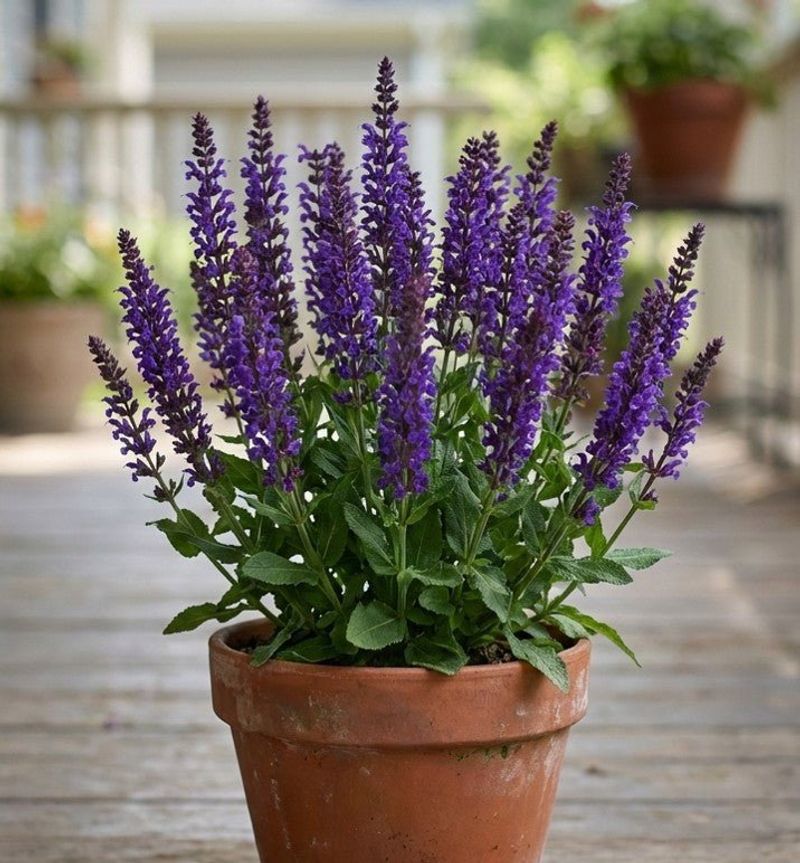
Spikes of violet, blue, or hot pink shoot up like little candelabras and hummingbirds cannot resist them. Perennial salvia keeps that vertical color going through the worst of the heat without begging for water.
The slightly fuzzy, aromatic leaves discourage deer and rabbits from browsing. That built-in defense means less fencing and fewer chewed stems for you.
Cut it back hard after the first bloom wave and a second round usually follows within weeks. Pair it with yellow coreopsis and the contrast lights up an entire bed.
10. Daylily (Hemerocallis)
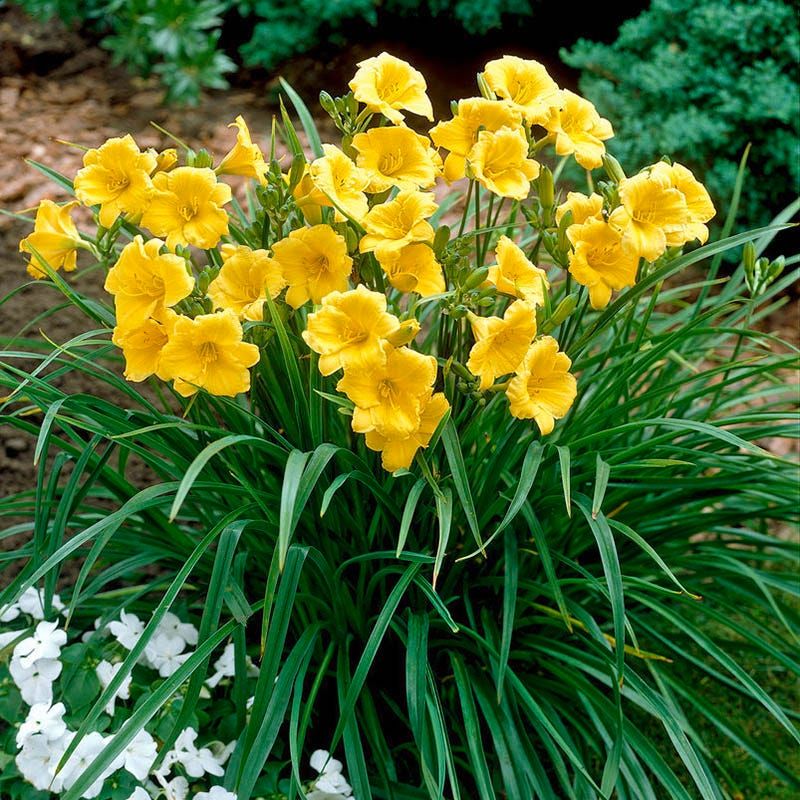
Each trumpet-shaped bloom lasts a single day, which sounds sad until you realize the plant fires off a new one every morning for weeks. That relay race of flowers is where the name comes from.
The thick, fleshy roots store water and energy, so an established clump shrugs off dry spells that flatten thinner plants. Colors run from lemon to burgundy to near-black.
Reblooming varieties like Stella de Oro barely pause all summer. Tough enough for a roadside ditch yet pretty enough for the front border, the daylily bridges both worlds effortlessly.
11. Catmint (Nepeta)
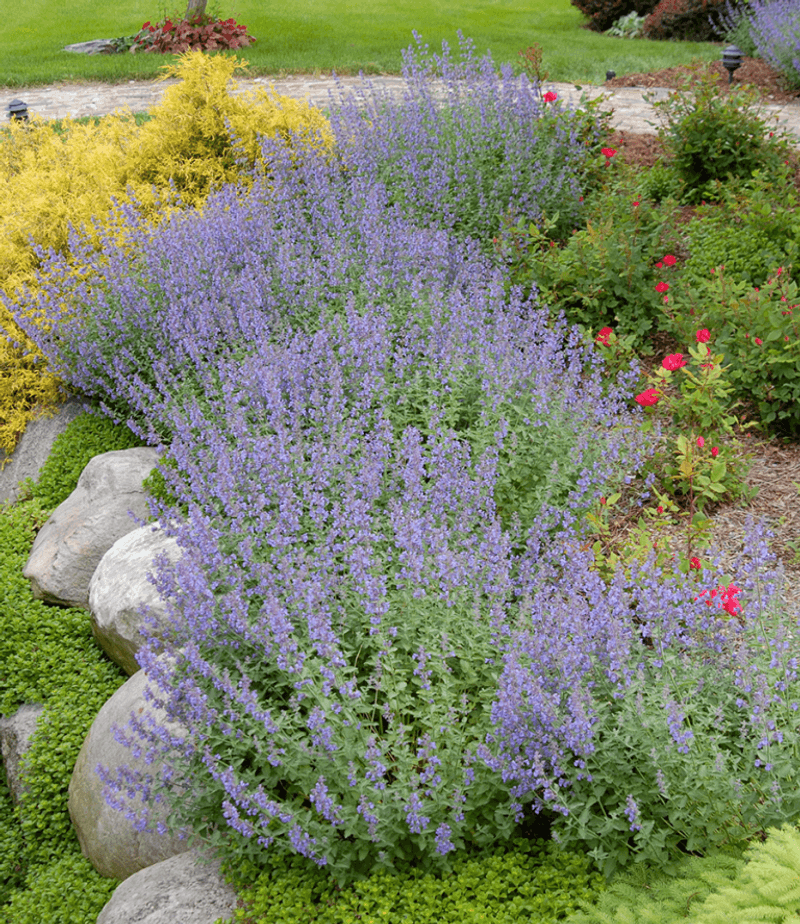
A soft haze of blue-purple flowers spilling over a path edge, that is catmint in full swing. It blooms for months and asks for almost nothing in return once its roots take hold.
The gray-green leaves carry a minty scent that most pests dislike, though your cat might roll in a patch of the related catnip. Bees adore the flowers even in blistering sun.
Give it a haircut halfway through summer and it rebounds fuller and fresher. Unfussy about soil and genuinely drought-hardy, it makes a gorgeous low hedge along a hot walkway.
12. Lantana
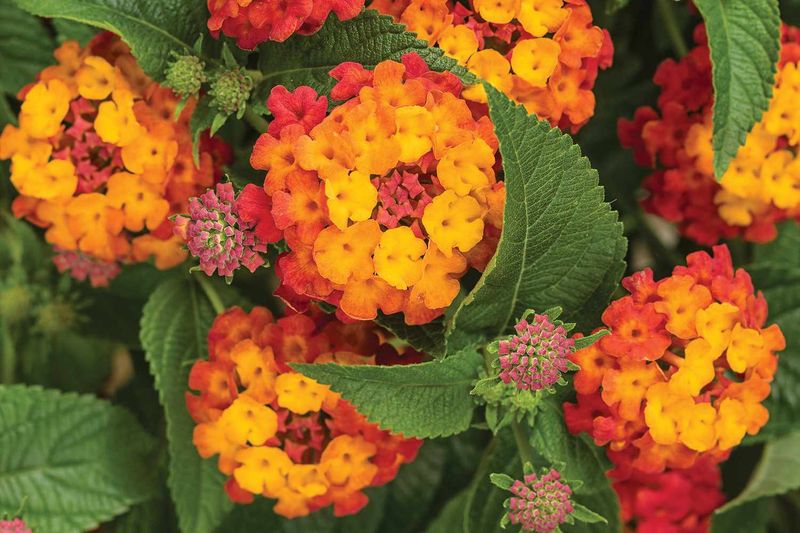
Clusters of tiny florets that shift color as they age, from yellow to orange to pink, make each lantana bloom look like a little bouquet. Butterflies flock to it as if summoned.
The hotter and drier it gets, the harder this plant seems to work. In warm US zones it comes back year after year, while cooler gardeners grow it as a heat-loving annual.
It tolerates reflected heat off pavement and walls that would fry most flowers. Just note the berries are toxic, so keep it out of reach of nibbling toddlers and pets.
13. Agastache (Hummingbird Mint)
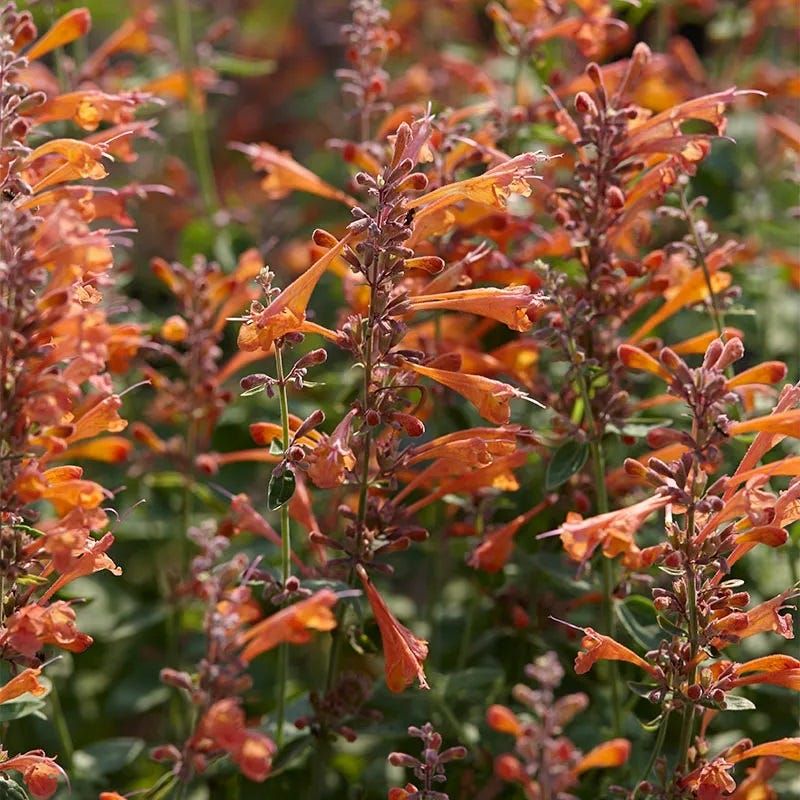
Crush a leaf and you get anise, licorice, or root beer depending on the variety, an aroma that keeps deer at a distance. Agastache turns that fragrance into a magnet for hummingbirds and bees.
Tall spikes in orange, purple, and coral wave for months on end, thriving in the kind of hot, well-drained spot that stresses other plants. Overwatering is the surest way to lose it.
Cold, wet winter soil hurts it more than any summer drought. Plant it high and dry, and it rewards you with one of the longest bloom windows on this entire list.
14. Gaura (Whirling Butterflies)
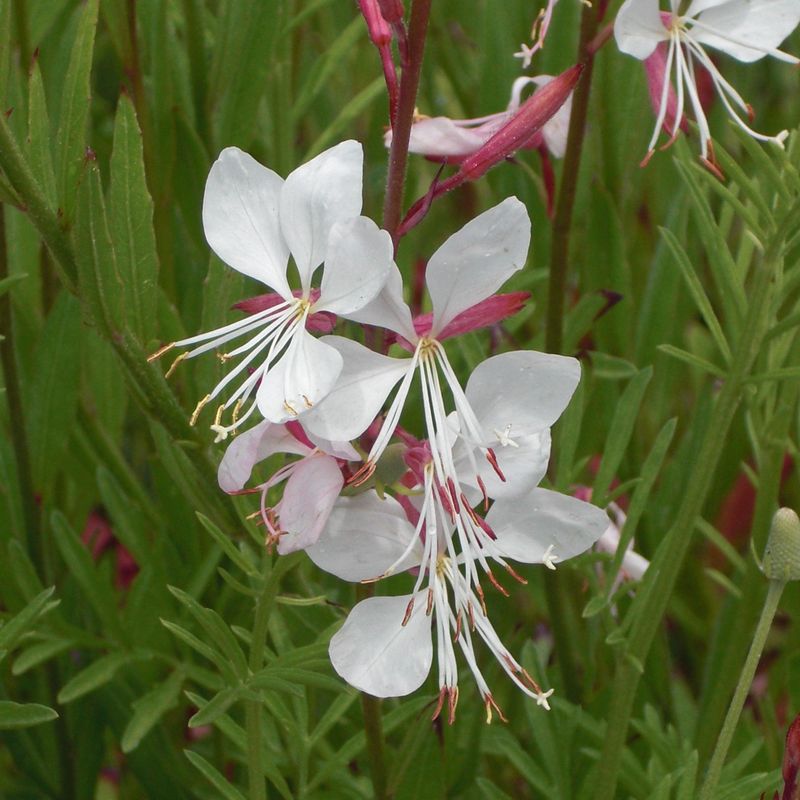
Watch this one on a breezy afternoon and the delicate pink-white blooms flutter on wiry stems like a swarm of tiny moths. The nickname whirling butterflies fits it perfectly.
Beneath that airy, romantic look sits a deep taproot that mines water far below the surface. That is the secret to how gaura keeps dancing through weeks without rain.
It weaves beautifully between stiffer plants, softening a bed with constant motion. Blooming from late spring into fall, it adds a graceful lightness that few tough perennials can match.
15. Verbena (Verbena bonariensis)
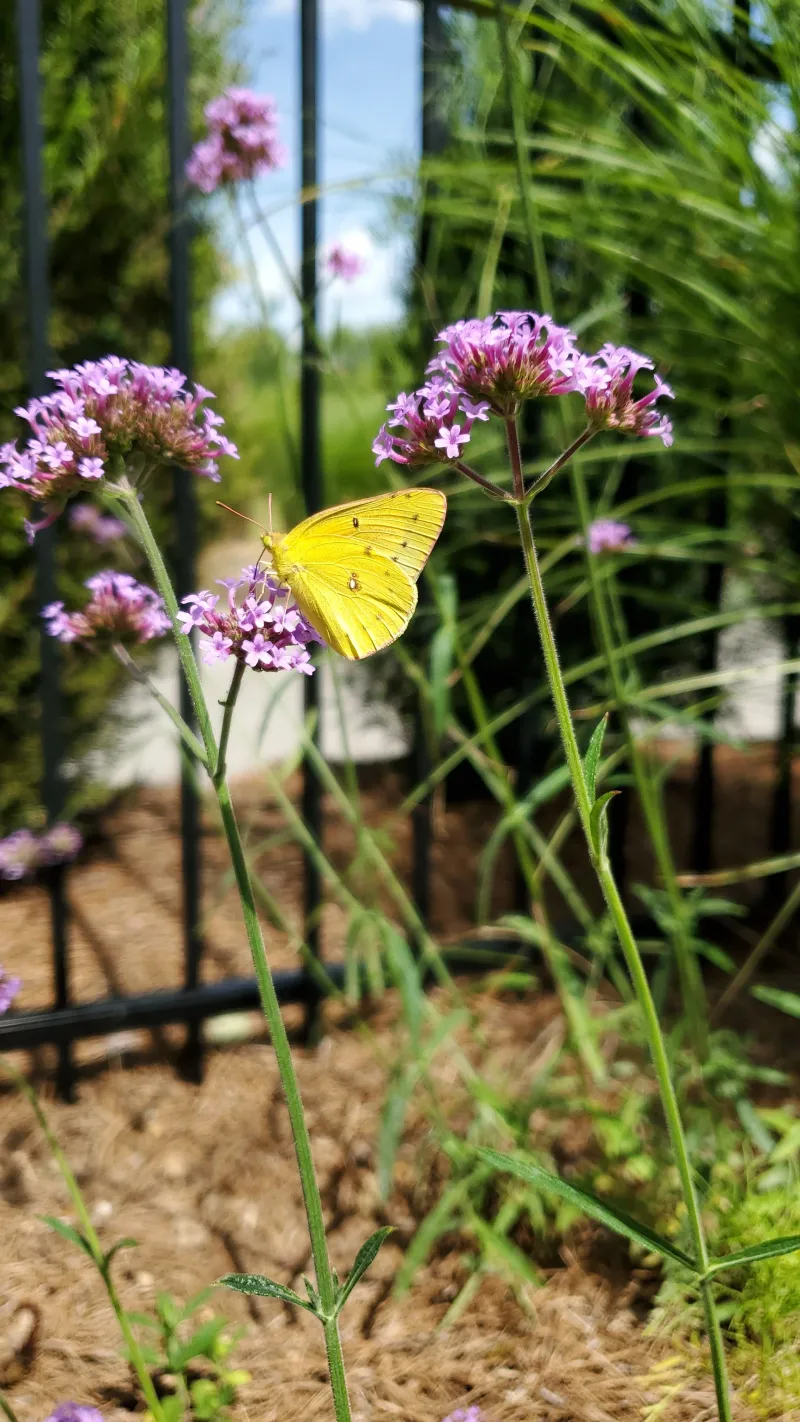
Picture flat purple flower clusters floating on tall, almost leafless stems, giving a see-through screen you can plant right at the front of a bed. Verbena bonariensis has that rare architectural charm.
Despite the airy build, it powers through heat and drought like a champ and reseeds itself where it is happy. Butterflies practically camp on the blooms all summer.
The low-growing trailing verbenas work the same magic in containers and along hot edges. Both types keep flowering long after the water-hungry annuals around them have surrendered.
16. Red Hot Poker (Kniphofia)
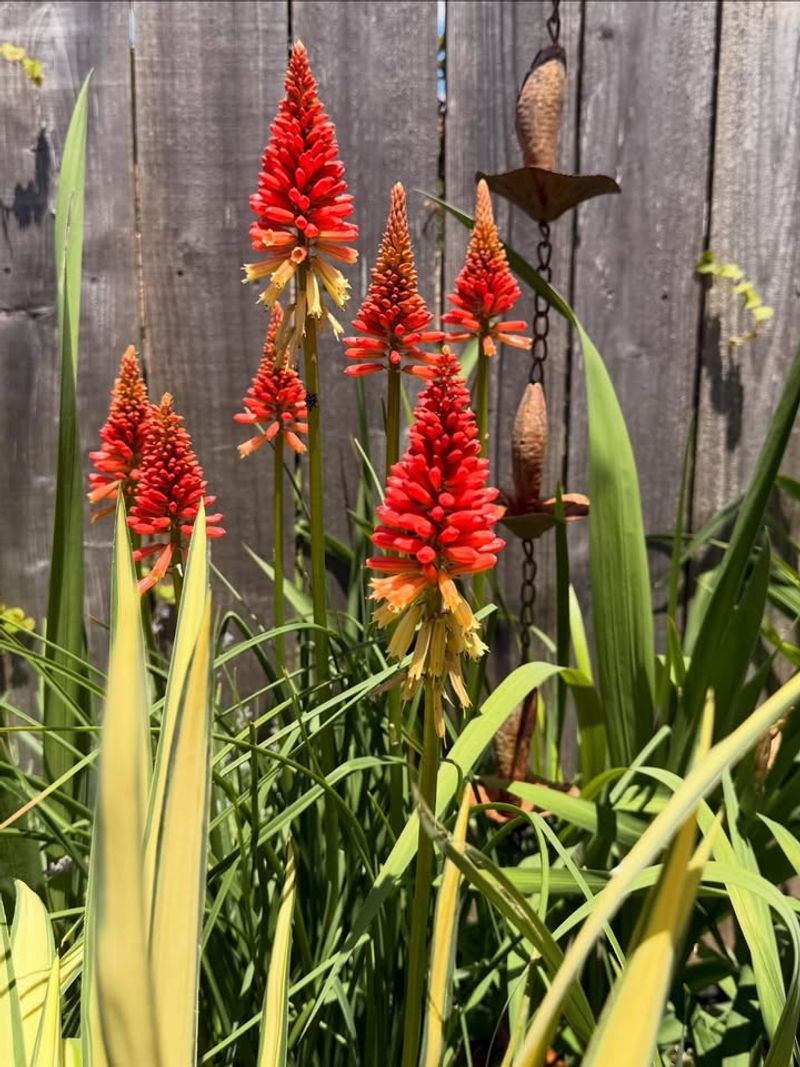
Torch-shaped spikes that glow orange at the top and fade to yellow below look like flames rising out of a clump of grassy leaves. No wonder folks also call it the torch lily.
Hailing from the dry grasslands of South Africa, it handles heat, poor soil, and drought without flinching. Hummingbirds line up for the nectar-rich tubular flowers.
The bold vertical shape adds instant drama to a flat, sun-baked bed. Give it room and sharp drainage, and those flaming pokers will keep lighting up the border for weeks.
17. Coreopsis-companion Rock Rose (Helianthemum)
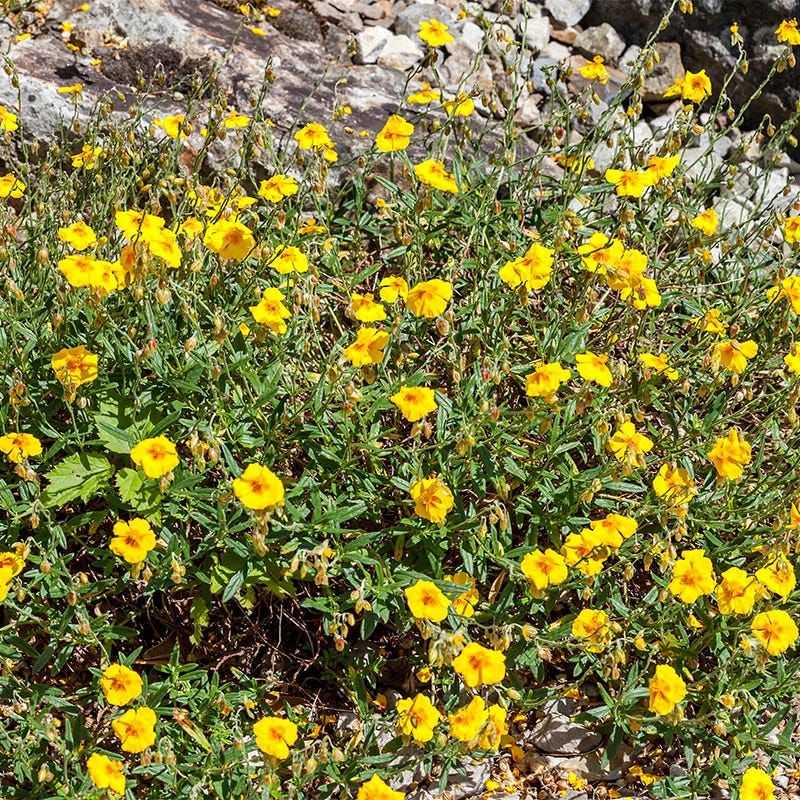
Low and sprawling, rock rose scatters papery little blooms across a sunny slope like confetti dropped on gravel. Each flower lasts a day, but the plant produces so many you never notice.
True to its name, it actually prefers rocky, lean ground and bakes happily where turf would burn to a crisp. Watering it heavily does more harm than good.
The evergreen or gray-green foliage keeps the spot looking alive even between bloom flushes. For a hot rockery or the edge of a dry wall, few groundcovers hold up as gracefully.
18. Sea Holly (Eryngium)
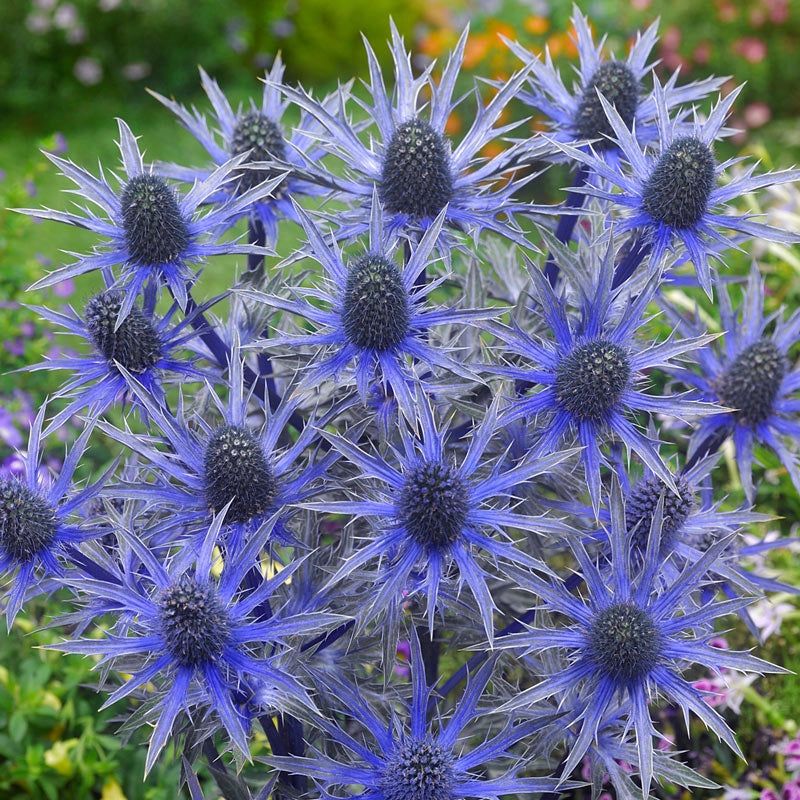
Steel-blue, thistle-like flowers with a spiky metallic sheen make sea holly look almost otherworldly, more sculpture than blossom. Nothing else in the garden quite matches that color.
Its deep taproot pulls moisture from far below, letting it thrive in sandy, salty, drought-prone spots where softer flowers collapse. Coastal gardeners lean on it for exactly that reason.
The stiff blooms dry beautifully and hold their blue for indoor arrangements long after cutting. Bees and beneficial insects work the flowers hard while they last, so it earns its keep twice over.