
15 Care Habits That Keep Echinacea Blooming Right Through A July Heatwave
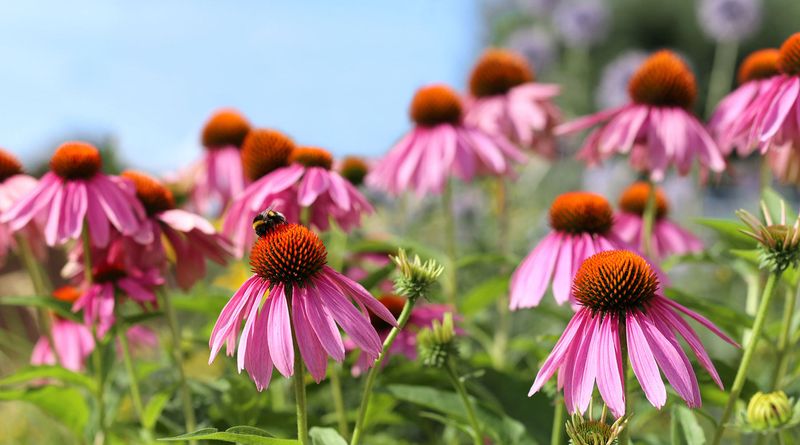
Echinacea, also called coneflower, is one of those tough prairie plants that can look tired and floppy when a July heatwave rolls in. The good news is that a handful of smart habits will keep those daisy-like blooms standing tall and colorful even when the thermometer climbs. None of these tricks are complicated, and most take just a few minutes of your weekend. Here are 15 things you can start doing right now to keep your coneflowers happy through the hottest stretch of summer.
1. Water Deep and Early, Not Often
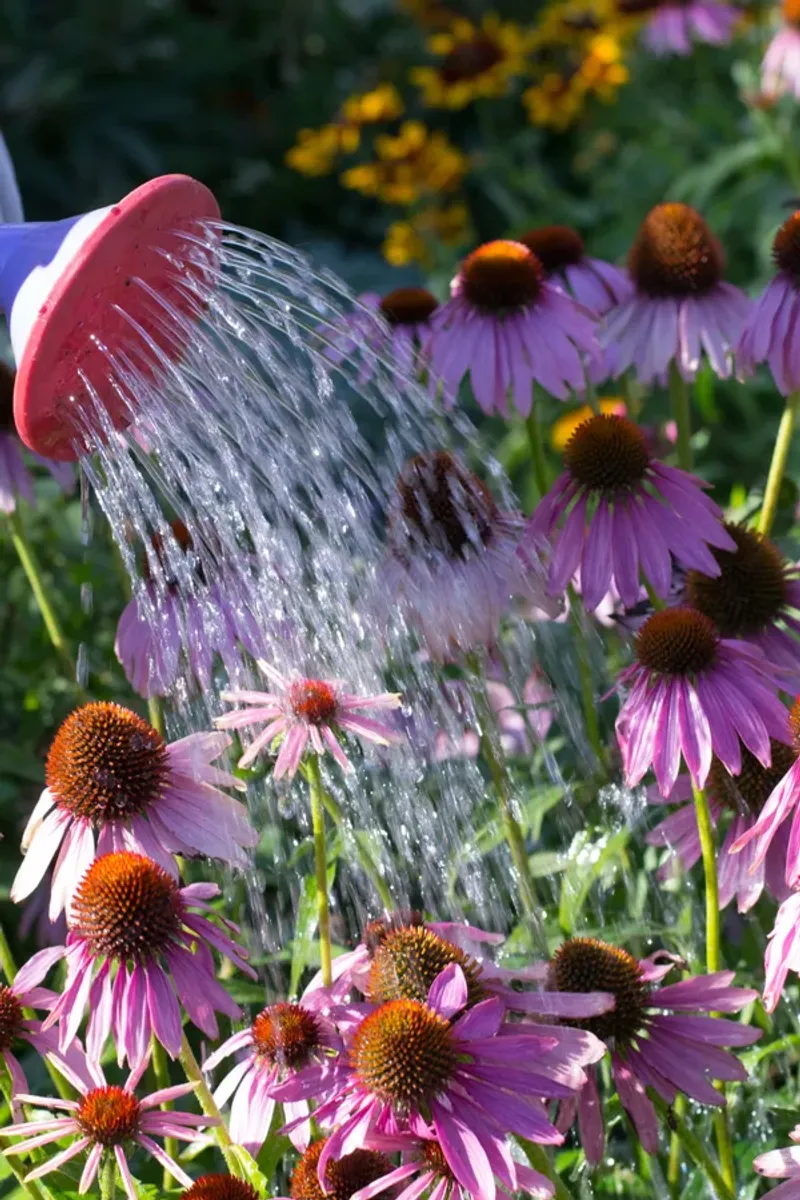
Coneflowers grow the strongest roots when you soak the soil deeply once or twice a week instead of sprinkling a little every day. Shallow watering keeps roots near the surface where the July sun can bake them, while a slow, deep drink pushes roots down to cooler ground.
Try watering in the early morning so the plant fills up before the heat peaks. Aim the hose at the base, not the leaves, and let the water sink in for a good five to ten minutes per clump.
Once established, echinacea handles dry spells like a champ. Deep watering builds that drought toughness instead of babying it into a needy plant.
2. Mulch the Root Zone With a Cool Blanket
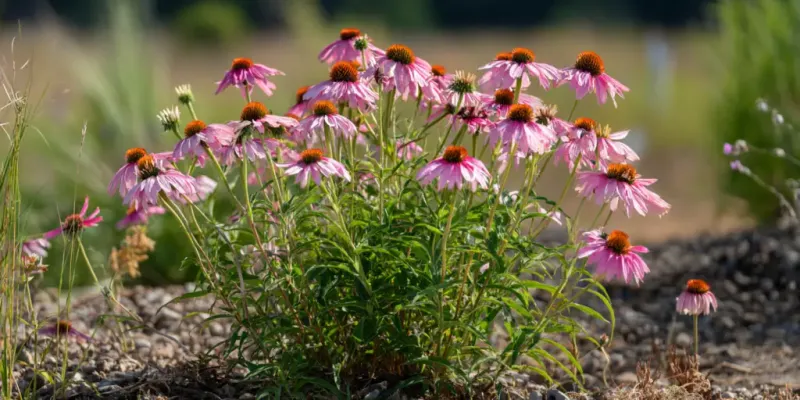
A two to three inch layer of shredded bark or straw over the soil acts like sunscreen for coneflower roots. Bare dirt can hit surprising temperatures in a heatwave, and mulch keeps that zone several degrees cooler and holds moisture longer.
Leave a small gap around the crown of the plant so the stems do not sit against wet mulch, which can invite rot. Think of it as tucking a light sheet around the roots, not smothering the whole plant.
Bonus: as organic mulch breaks down, it feeds the soil and cuts down on the weeds that would otherwise steal water during the hottest weeks.
3. Deadhead Spent Blooms to Trigger New Ones
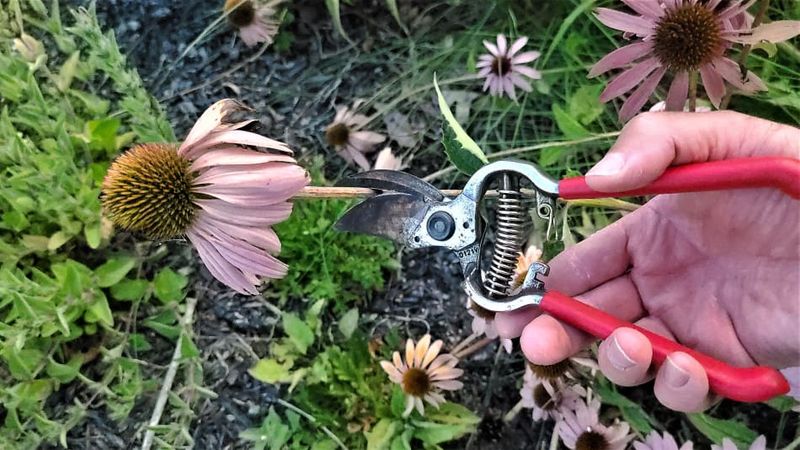
When a coneflower bloom fades and the petals droop, snipping it off tells the plant to make more flowers instead of seeds. That simple pinch redirects the plant’s energy back into new buds right when heat is trying to slow everything down.
Follow the stem down to the first set of healthy leaves or a side bud, then cut cleanly with clean scissors or pruners. You will often see fresh flower stalks pop up within a couple of weeks.
One thing to remember: if you want the plant to reseed itself or feed goldfinches later, leave a few late blooms alone. It is a balance between fresh color now and free seedlings for next year.
4. Read the Leaves for Early Heat Signals
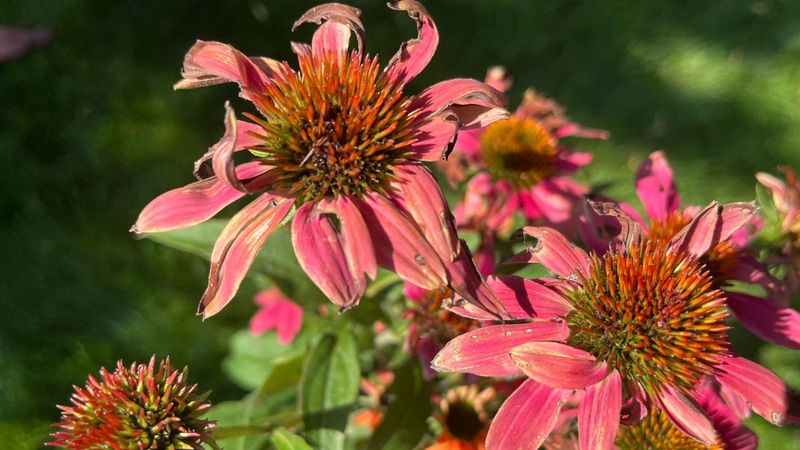
Coneflower leaves are little status reports if you know how to read them. Slightly curled or cupped leaves in the afternoon often just mean the plant is conserving water and will perk up by evening, so no panic needed.
Crispy brown edges, on the other hand, hint that roots are running dry and it is time for a deep soak. Yellowing lower leaves can point to overwatering or poor drainage, which is the opposite problem.
Pale, washed-out leaves with fine speckling may signal spider mites, which love hot, dusty conditions. Checking your foliage every few days lets you catch trouble while it is still an easy fix instead of a rescue mission.
5. Skip the Heavy Nitrogen Feeding
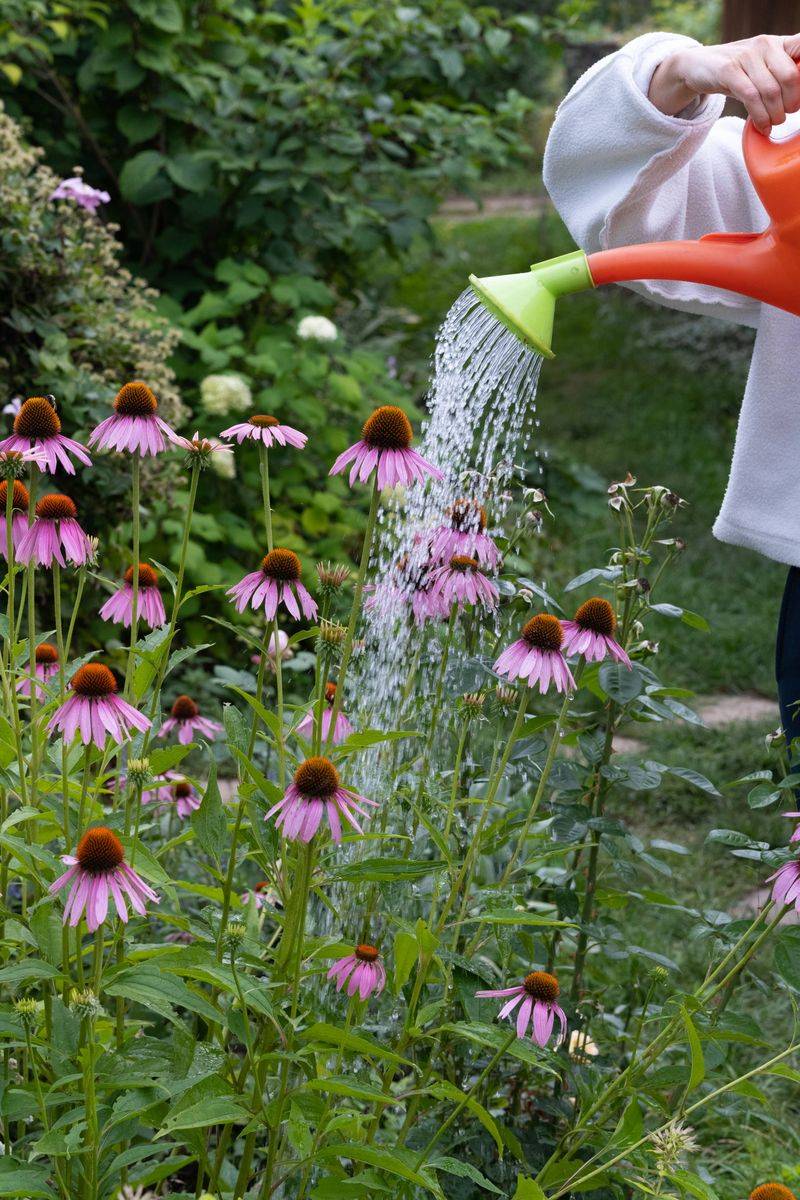
It is tempting to reach for a strong lawn-style fertilizer to green things up, but coneflowers actually bloom worse with too much nitrogen. Extra nitrogen pushes soft, leggy leaf growth that flops in the heat and produces fewer flowers.
These prairie natives are used to lean soil, so a light hand wins. A single dose of a balanced or bloom-focused fertilizer in late spring is usually plenty for the whole season.
If your plants are all leaf and no flower during a heatwave, overfeeding is a likely culprit. Backing off the fertilizer often does more good than adding anything at all.
6. Give Afternoon Shade to Container Plants
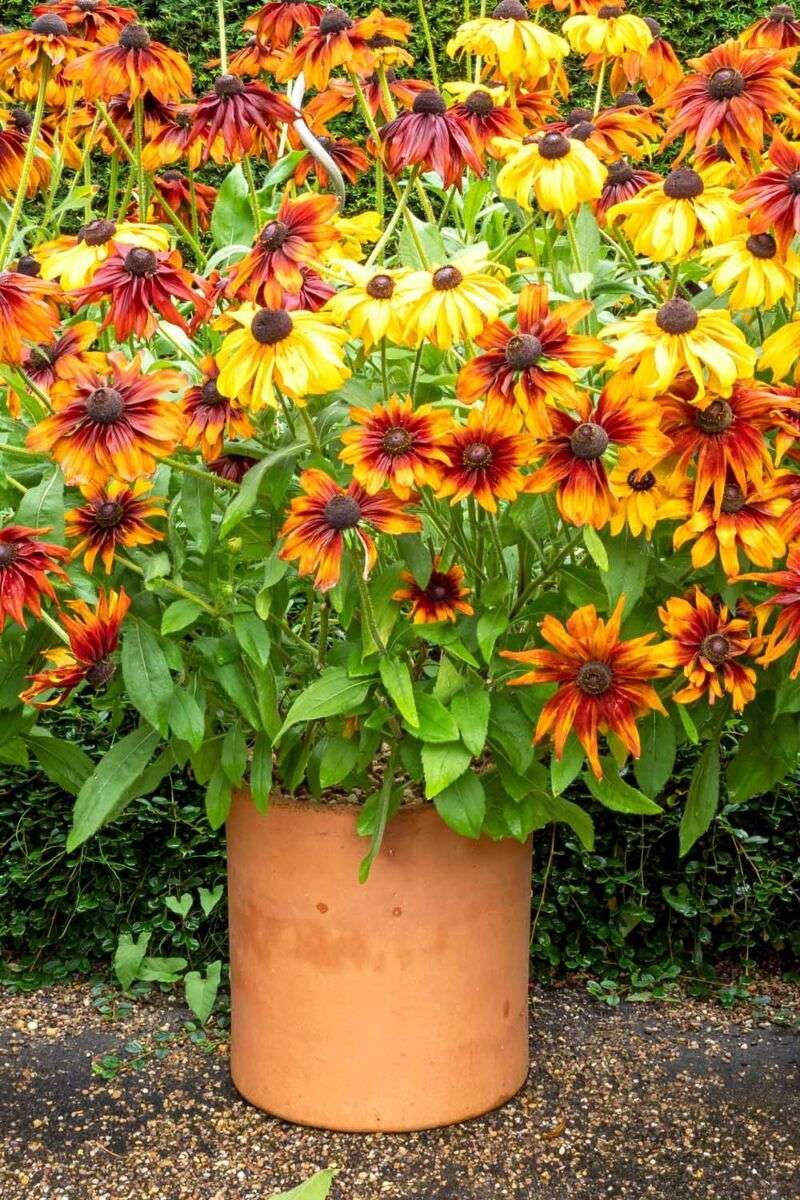
Coneflowers in pots heat up far faster than those in the ground because the whole root ball is exposed on all sides. During a July heatwave, a black plastic container can turn into an oven that cooks roots by mid-afternoon.
Moving pots so they catch morning sun but sit in light shade from about 2 p.m. onward can save them real stress. A patio umbrella, a taller plant, or the east side of the house all work.
Grouping containers together also helps, since the plants shade each other’s pots and hold humidity between them. Light-colored or glazed pots stay cooler than dark ones, so keep that in mind next time you shop.
7. Keep Air Moving to Prevent Fungal Spots
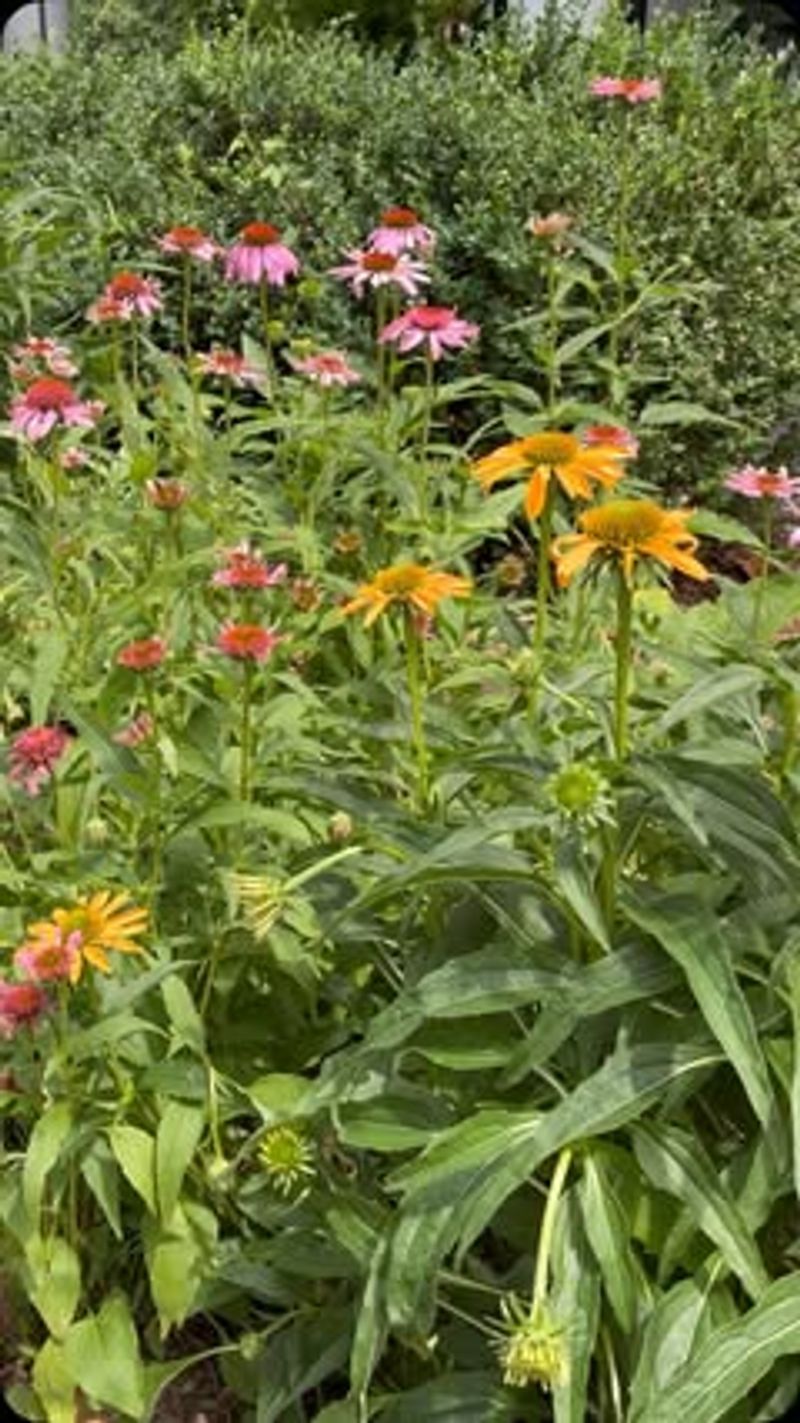
Hot, humid, still air is a playground for fungal diseases like powdery mildew and leaf spot on coneflowers. When plants are crammed together, moisture lingers on the leaves and spores spread fast.
Thin out crowded clumps and pull nearby weeds so a breeze can flow through the foliage and dry the leaves quickly after rain or watering. Spacing plants about eighteen inches apart gives them breathing room.
Watering at the base rather than overhead keeps leaves drier and less inviting to fungus. A little airflow may reduce disease pressure enough that you never have to reach for a spray.
8. Stake Tall Varieties Before They Flop
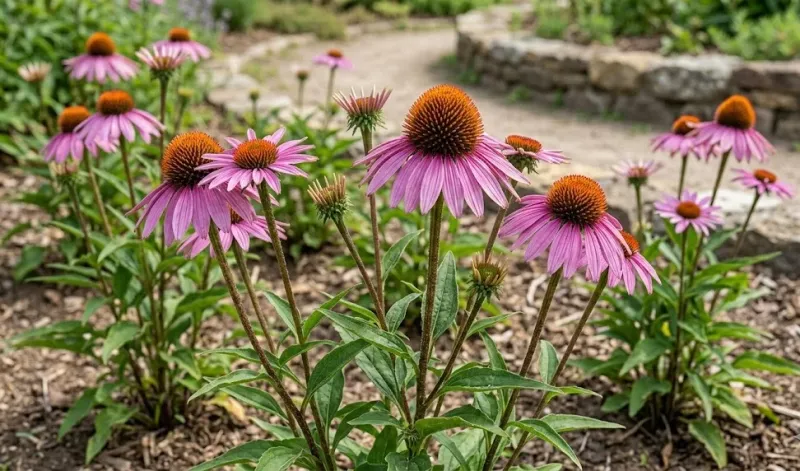
Some of the taller and double-flowered echinacea cultivars get top-heavy, and a heatwave storm can knock them flat overnight. Once a stem bends, it rarely stands back up on its own.
Slipping a discreet grow-through support or a few thin bamboo stakes around the clump early in the season lets the plant grow up through it naturally. By July the leaves hide the supports completely.
Staking early beats trying to rescue a collapsed plant after the fact. Standing stems also get better airflow and sunlight, which keeps blooms coming instead of rotting on the ground.
9. Mist-Cool the Air Around Spider-Mite Hotspots
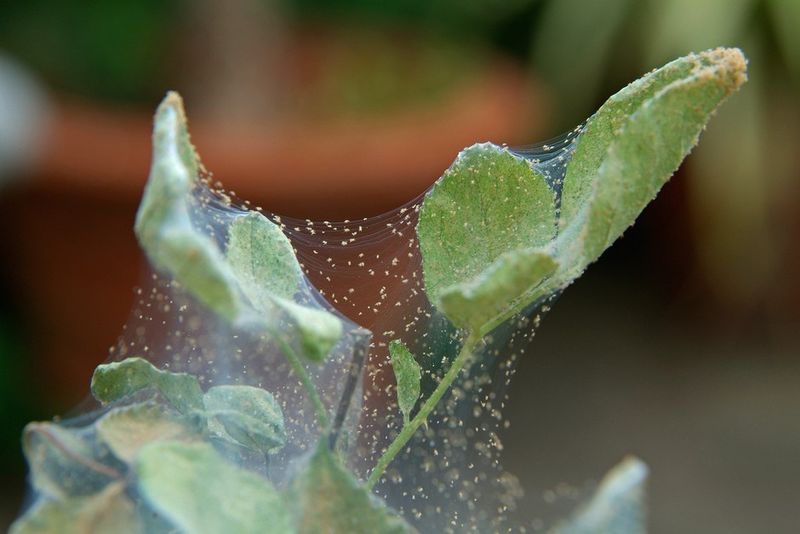
Spider mites thrive in the exact hot, dry conditions a July heatwave creates, and coneflowers are a favorite target. You will spot fine webbing and stippled, dusty-looking leaves before you ever see the tiny mites themselves.
A firm spray of plain water on the undersides of the leaves in the early morning knocks mites off and raises humidity enough to slow their breeding. Doing this a few mornings in a row can break the cycle.
Because mites hate moisture, keeping the area around your plants from getting bone-dry may reduce outbreaks. Skip the harsh insecticides, which often kill the helpful predators that eat mites for you.
10. Plant Aromatic Companions That Repel Pests
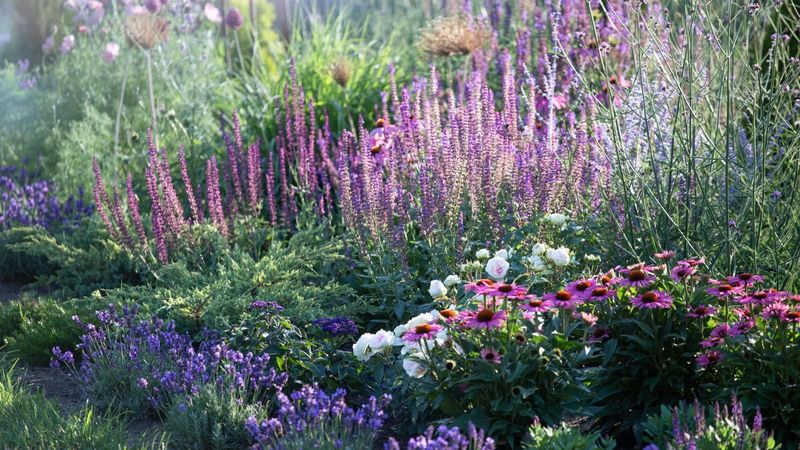
Tucking strong-smelling herbs and flowers near your coneflowers is a quiet way to keep chewing pests confused and moving along. Aphids, beetles, and even some hungry critters rely on scent to find dinner, and a wall of competing smells throws them off.
Good neighbors include lavender, catmint, alliums, and marigolds, all of which shrug off heat as well as echinacea does. Their scents may help deter aphids and beetles while their flowers pull in pollinators and ladybugs.
The look is a bonus. Purple coneflowers rising above silvery lavender and blue catmint make a heat-proof combo that photographs as well as it performs.
11. Let the Soil Drain Fast
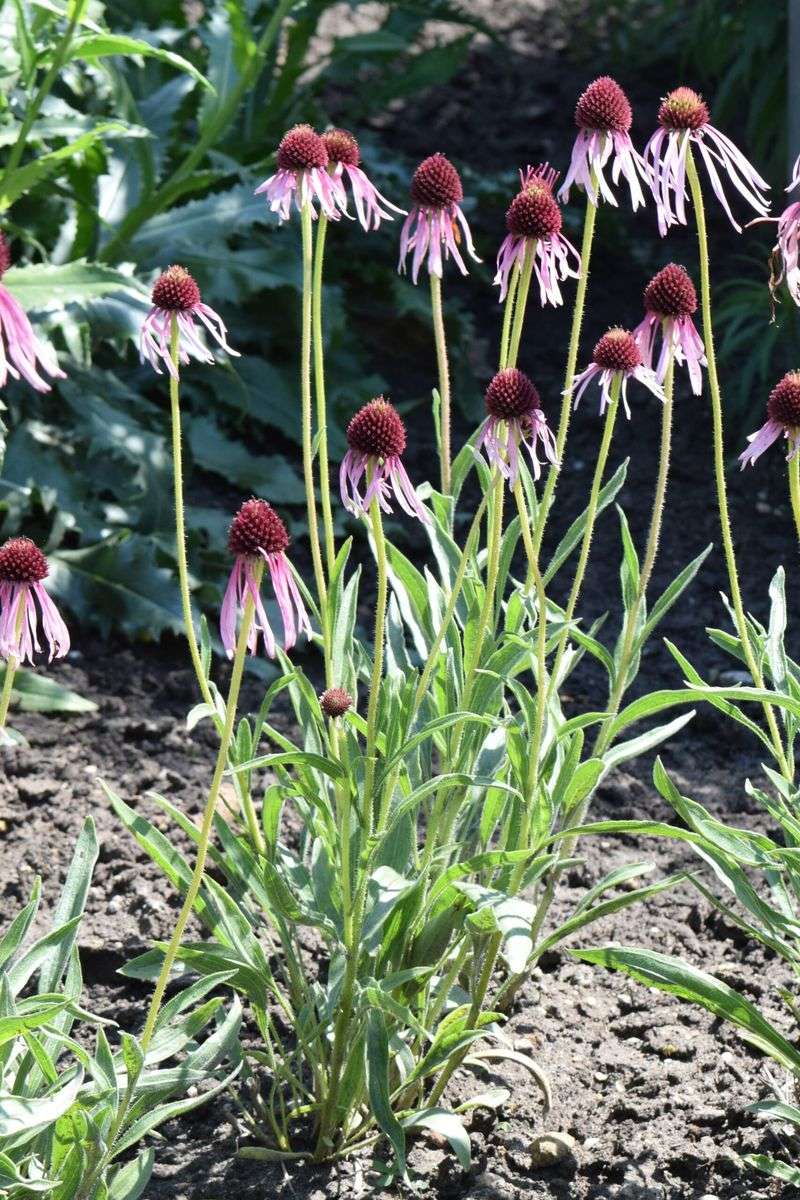
Prairie plants like coneflowers evolved in gritty, well-drained ground, so soggy soil during a humid heatwave stresses them more than drought ever could. Roots sitting in warm, wet clay can rot in a matter of days.
If water puddles and sits after you soak the bed, mix in some coarse sand, fine gravel, or compost to loosen it up. Raised beds and gentle slopes also help excess water move away from the crown.
Good drainage means you can water deeply without fear of drowning the roots. It is one of those set-it-once habits that pays off every single summer.
12. Cut Back Leggy Stems for a Second Flush
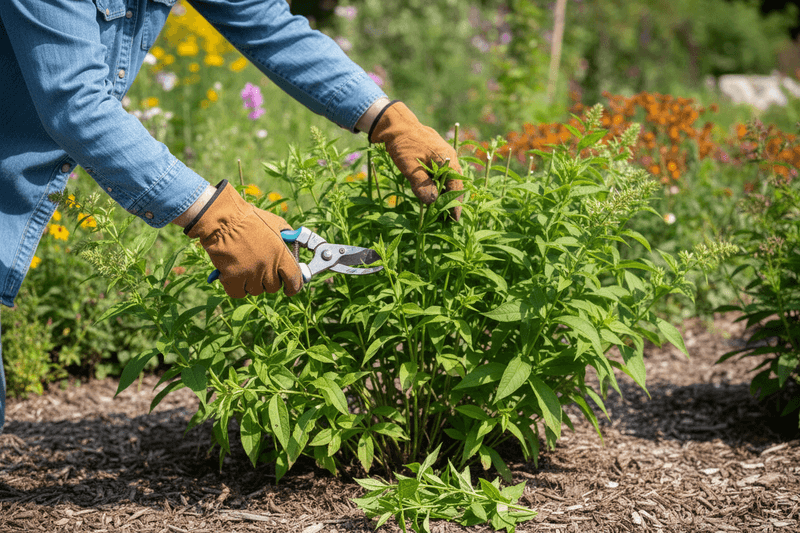
By the time a heatwave hits, some coneflowers get tall, sparse, and floppy with just a few blooms clinging to the top. A bold trim called the Chelsea chop can reset the whole plant.
Cutting the stems back by about a third forces the plant to branch out lower down and produce a fresh, bushier round of flowers later in summer. It feels drastic, but coneflowers bounce back fast.
Do this on part of a clump rather than all of it if you are nervous, so you always have some blooms showing. The trimmed plants will reward you with sturdier stems that stand up to hot-weather storms.
13. Leave Fallen Leaves and Debris Cleared
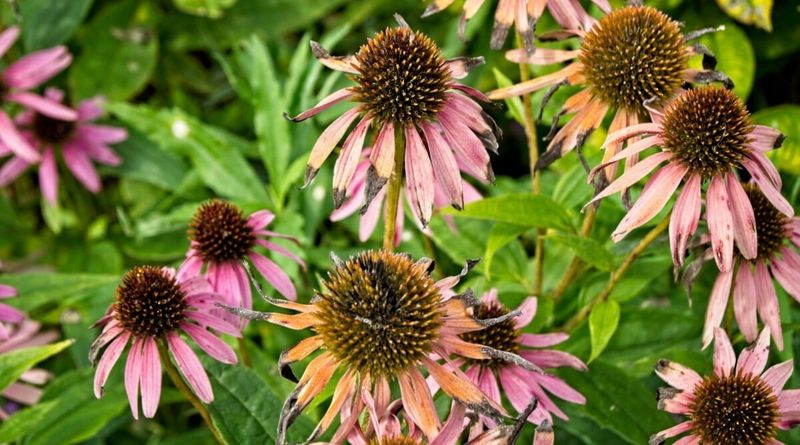
Old petals, dead leaves, and plant litter piling up at the base of coneflowers become hiding spots for slugs, earwigs, and disease spores during muggy heat. A tidy base is a healthier base.
A quick sweep every week or two keeps moisture from getting trapped against the stems and stops fungal problems before they start. It takes two minutes and makes a real difference.
Toss diseased debris in the trash rather than the compost pile so you are not saving problems for next season. Clean ground around the crown also lets you spot pests early while they are still easy to handle.
14. Choose Heat-Tough Varieties From the Start
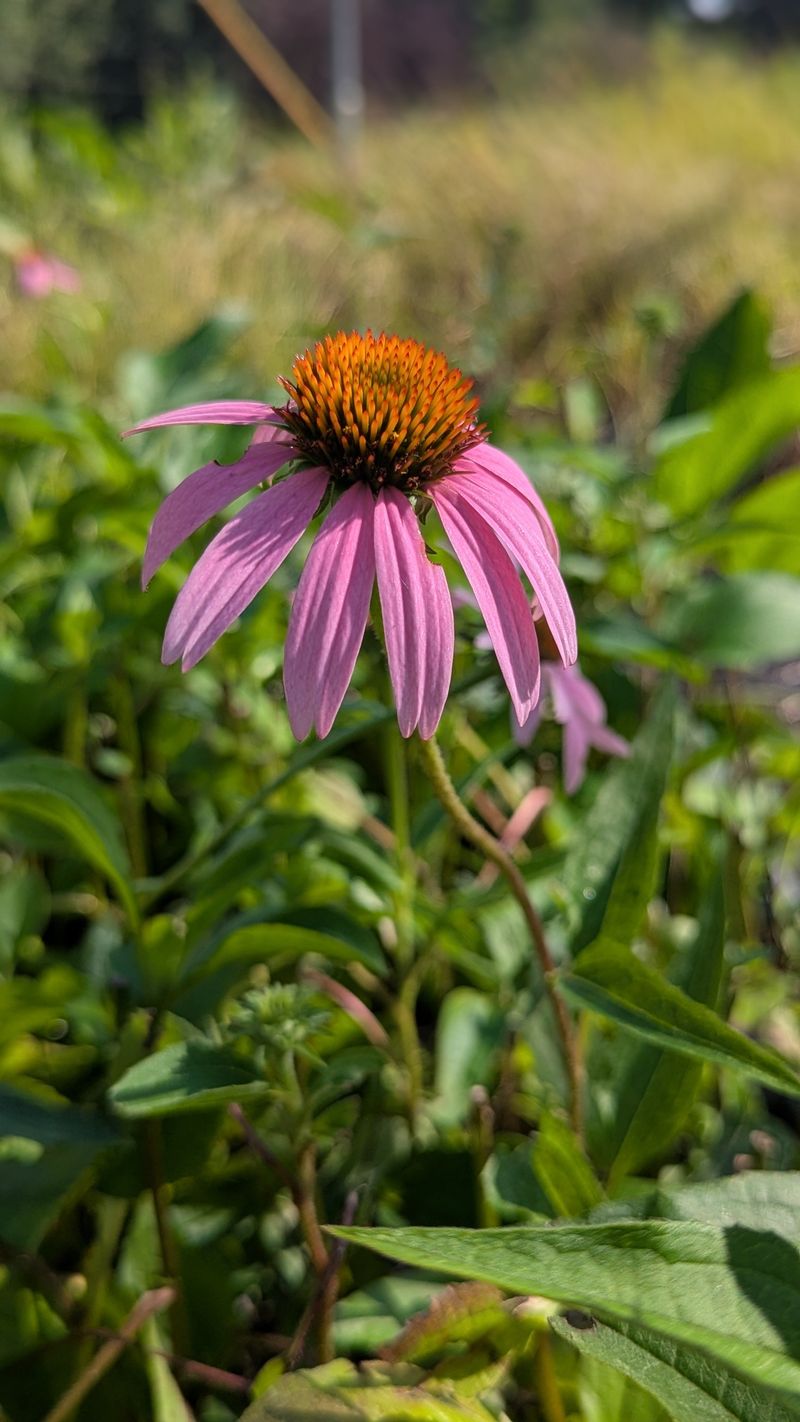
Not every coneflower handles a scorching July the same way, and the fancy new colors are sometimes less rugged than the old reliable types. The classic purple Echinacea purpurea and native prairie species tend to be the toughest performers.
Did you know coneflowers are true North American natives, growing wild across the central plains long before they were garden stars? That prairie heritage is exactly why the straight species shrugs off heat and drought.
When shopping, look for varieties described as heat tolerant or well adapted to your region. Starting with the right plant means far less rescue work when the temperature spikes.
15. Hold Off on Dividing Until Fall
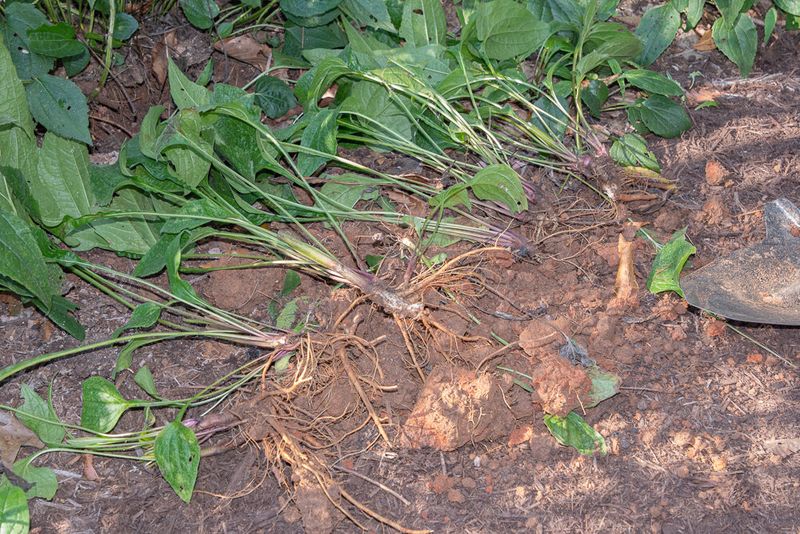
Splitting overgrown coneflower clumps is great for the plant’s long-term health, but doing it in the middle of a heatwave is asking for trouble. Freshly divided roots cannot take up water fast enough to survive the stress.
Mark your calendar for early fall or spring instead, when cooler air and steadier moisture let the divisions settle in gently. Your July self should focus on keeping existing plants comfortable, not disturbing them.
If a clump is clearly struggling from being too crowded, water it well and wait. Patience now means stronger, more heat-ready plants when the right dividing season finally arrives.