
7 Things To Do With Your Peonies Right After They Bloom (Most Gardeners Skip The One That Matters)
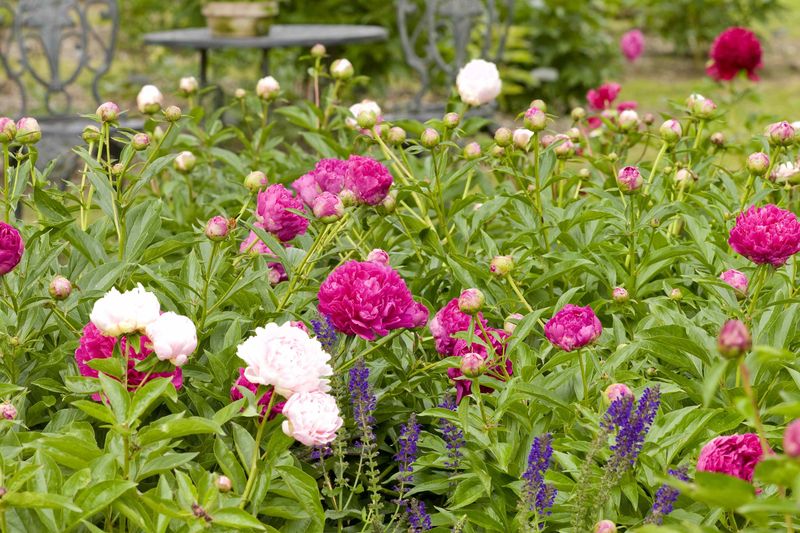
Peonies put on a show for only a week or two, but what you do after those big blooms fade decides how well they come back next spring. Most gardeners just walk away once the petals drop, and that is exactly where they lose out. A few smart moves right now build stronger roots, more buds, and healthier plants for years to come. Here are seven things worth doing the moment your peonies finish blooming, including the one step almost everyone forgets.
1. Deadhead the Spent Blooms
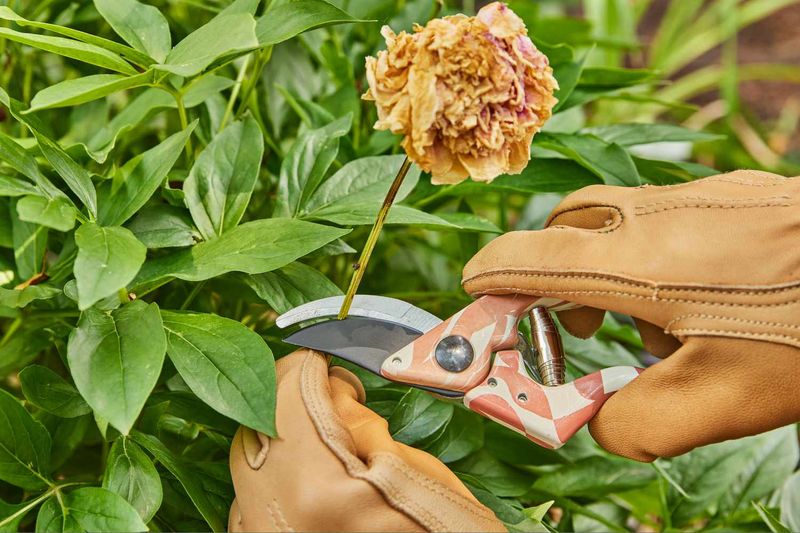
Snip off a faded peony flower and you are doing more than tidying up the bed. Once petals brown and drop, the plant starts pouring energy into making seeds, which is energy it could be sending down to the roots instead.
Cut each spent bloom just above the first healthy set of leaves, not all the way down to the ground. That leaves plenty of foliage in place to keep feeding the crown. A clean pair of pruners or scissors does the job in a couple of minutes across a whole clump.
Skipping this step will not kill your plant, but it quietly shortchanges next year’s flower count. Gardeners who deadhead right after the show ends tend to see fuller, more generous displays the following June. Think of it as redirecting the plant’s paycheck from seeds it does not need into buds you actually want.
2. Leave the Foliage Standing
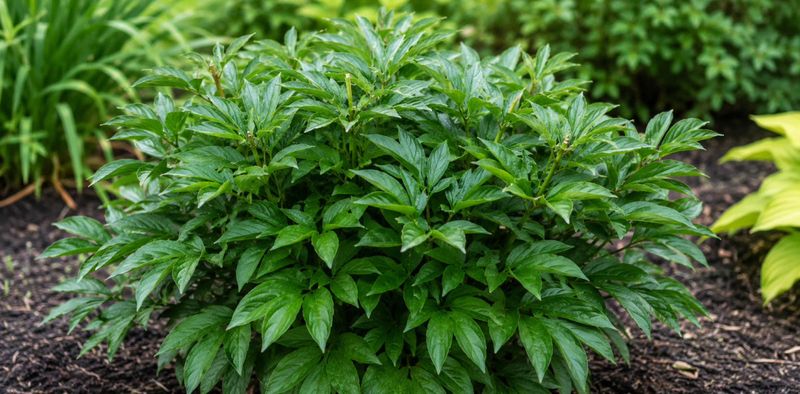
Here is where good intentions backfire. Plenty of folks cut their peony plants down to nubs the second the flowers are gone, thinking they are keeping the garden neat.
Those green leaves are the whole reason next year’s blooms happen. All summer long, the foliage acts like little solar panels, gathering sunlight and packing sugars into the fleshy roots below. Cut them early and you starve the plant right when it is trying to stock up for winter.
Let the leaves stay put until fall, when they naturally yellow and flop. In most US zones that means waiting until the first hard frost in September or October before you cut herbaceous peonies to the ground. Yes, the plant looks a little plain once the flowers fade, but a mound of healthy green leaves is doing important underground work. Patience through summer pays off in spring.
3. Read the Leaves for Trouble
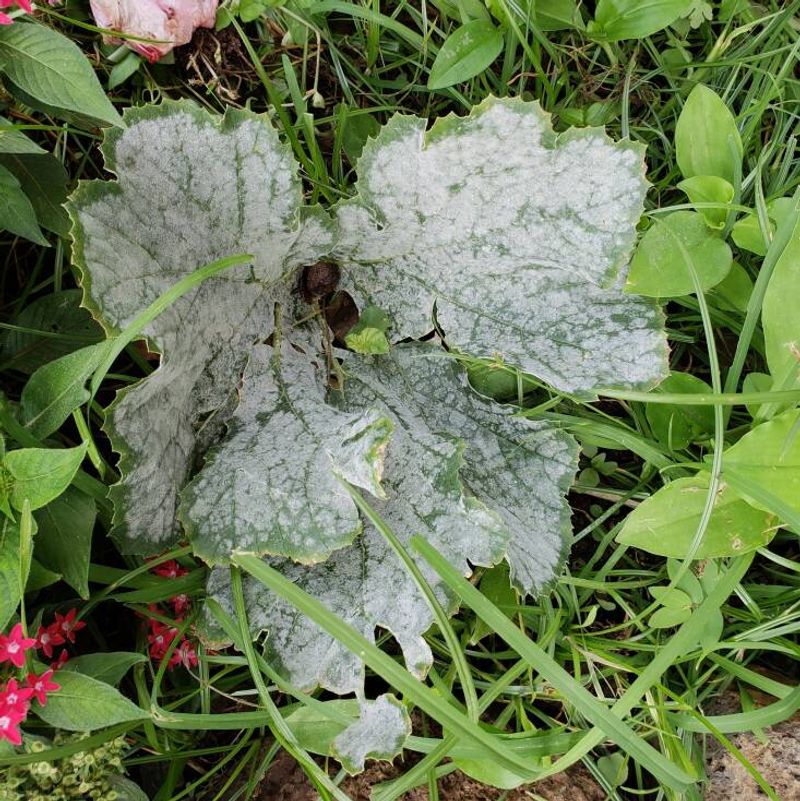
Now that the blooms are gone, your peony’s leaves become the best early-warning system you have. A quick weekly glance can flag problems long before they wreck the plant.
Watch for gray or brown blotches with fuzzy edges, which often point to botrytis blight, a fungus that loves the humid stretches common across the eastern and midwestern US. Powdery white coating on the leaves signals powdery mildew, and it usually shows up as summer humidity climbs. Reddish or purple spotting can mean leaf blotch is setting in.
Catching these clues early means you can act small instead of scrambling later. Pinch off affected leaves, drop them in the trash rather than the compost pile, and improve airflow by thinning crowded stems. Reading foliage like a report card turns a passive plant into something you can actually manage, and it may help you head off diseases that would otherwise spread through the whole clump by August.
4. Feed the Roots With a Low-Nitrogen Boost
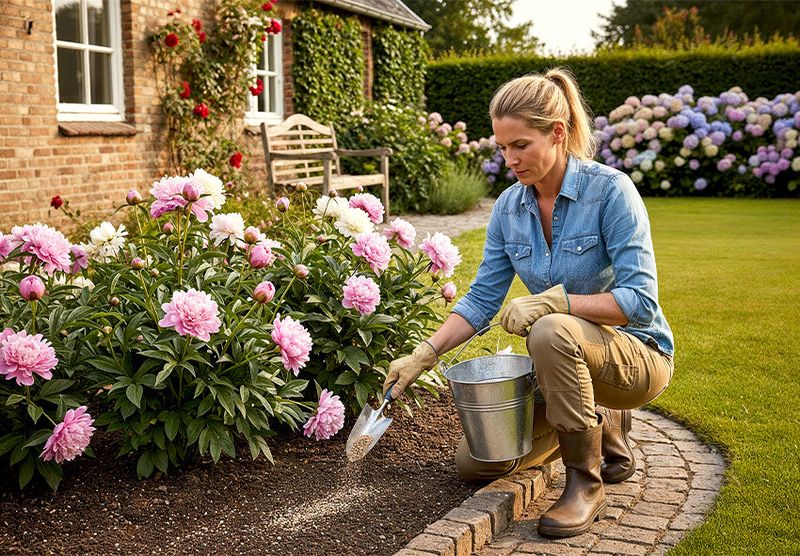
Right after flowering is prime time to give your peony a meal, and the type of food matters more than people expect. Skip the high-nitrogen lawn fertilizers, which push floppy green growth and skimpy blooms.
Reach instead for something balanced or slightly higher in phosphorus and potassium, like a 5-10-10 blend or a scoop of bone meal worked gently into the soil around the crown. Those nutrients support root strength and bud formation, the two things that decide next year’s flower power.
Water it in well so the feed reaches the roots rather than sitting on top of dry soil. Keep the fertilizer a few inches away from the stems to avoid burning the crown. One thoughtful feeding as the blooms fade sets the plant up to bank energy through the rest of the growing season, and it beats a heavy dose applied at the wrong moment.
5. Stake or Support the Floppy Stems
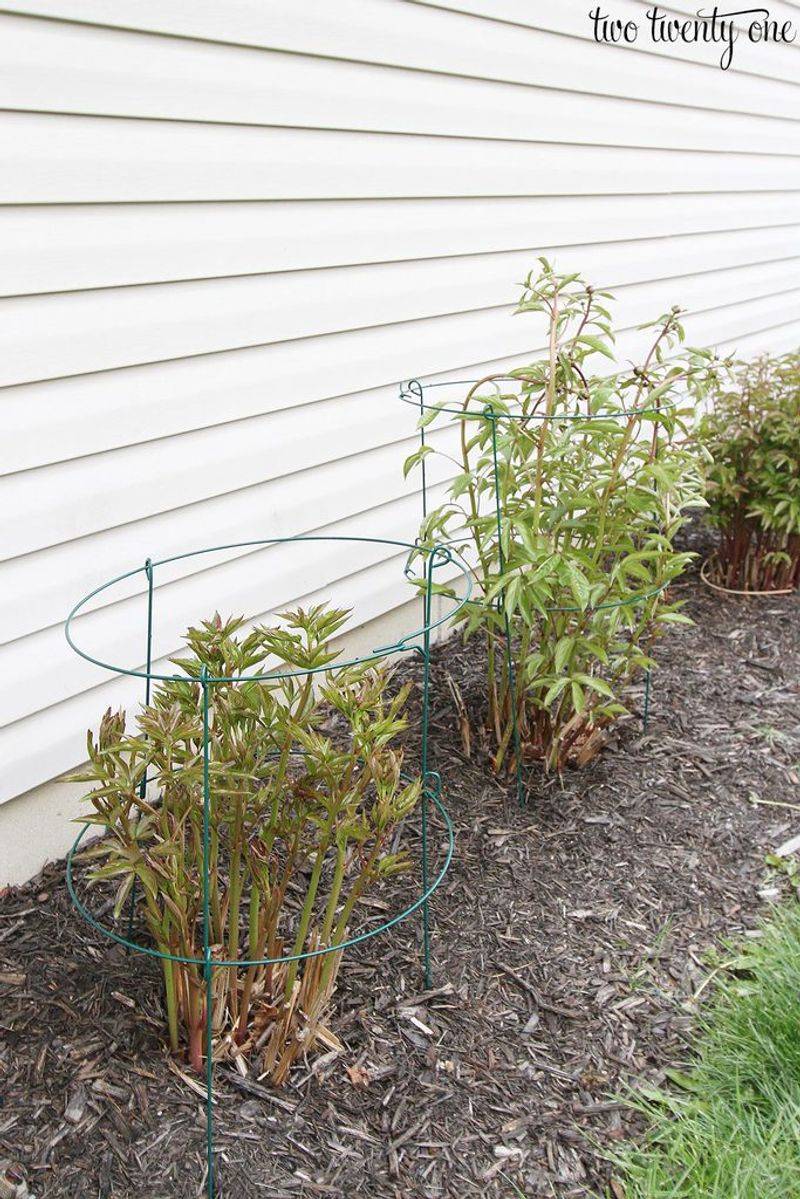
Ever notice how peony stems sprawl sideways after a summer rainstorm, dragging leaves into the mud? The heavy blooms may be gone, but the tall stems still need help staying upright to keep doing their job.
Sprawling foliage that lies flat on wet soil is an open invitation for fungal problems and rot. Keeping stems lifted improves airflow, dries the leaves faster after rain, and protects that valuable summer foliage from disease.
Grow-through grid supports, simple stakes with twine, or a homemade cage all work fine, and installing them now is easier than wrestling with a tangled clump later. Position the support so leaves fan out into the sun instead of collapsing inward. It is a small chore that keeps your plant tidy and healthy right through to fall, and your future self will thank you when the beds still look presentable in August.
6. Refresh the Mulch and Check Soil Moisture
Bare soil around a peony bakes fast once summer heat rolls in, and roots working hard to store energy do not enjoy the stress. A fresh layer of mulch keeps the ground cooler and holds moisture where the plant can use it.
Spread two to three inches of shredded bark, leaf mold, or compost around the plant, but keep it pulled back from the crown itself. Piling mulch against the base can trap moisture and encourage rot, and it may also bury the buds too deep for good blooming next year.
While you are down there, poke a finger into the soil to check how dry it is. Peonies do not want soggy feet, yet a deep drink during dry spells helps them keep photosynthesizing without stalling. Aim for steady, occasional watering rather than daily sprinkles. Mulch plus mindful moisture keeps the whole system humming along without babysitting.
7. Mark and Plan for Fall Division
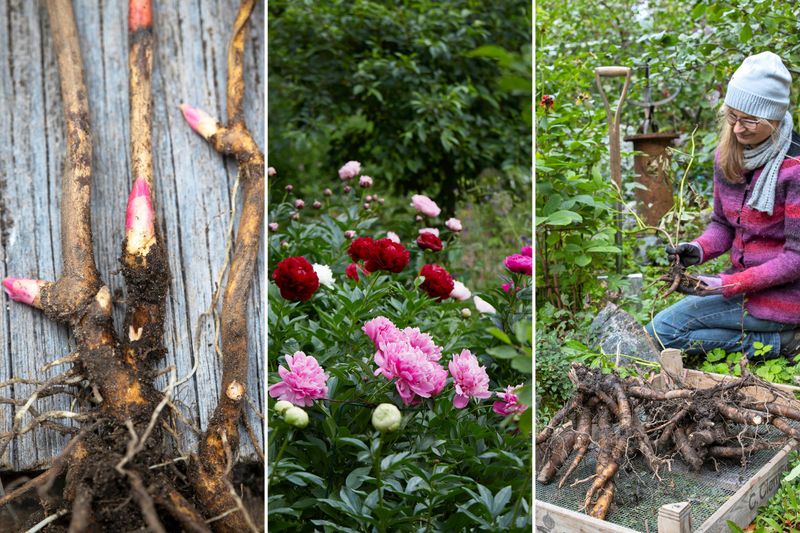
Blooming time tells you everything you need to know about which plants are ready for a change, so grab a plant tag or a garden marker while the memory is fresh. If a clump gave you fewer flowers than usual or has grown into a crowded, woody mass, jot it down as a candidate for dividing come fall.
Fall is the correct season to lift and split peonies across the US, generally September into October once the weather cools. Marking now saves you from guessing later, when the tired-looking clumps all blend together.
Dividing rejuvenates old plants, gives you free new peonies to spread around the yard, and often revives a shy bloomer. Note the flower color and any problem spots too, so you can group or relocate them thoughtfully. A little planning right after the show ends turns a routine chore into a smart upgrade for next season’s display. Did you know peonies can thrive in the same spot for decades, so choosing the right division moment really counts.