
Here Are The 5 Reasons To Pinch Back Your Basil And Exactly When To Make The Cut
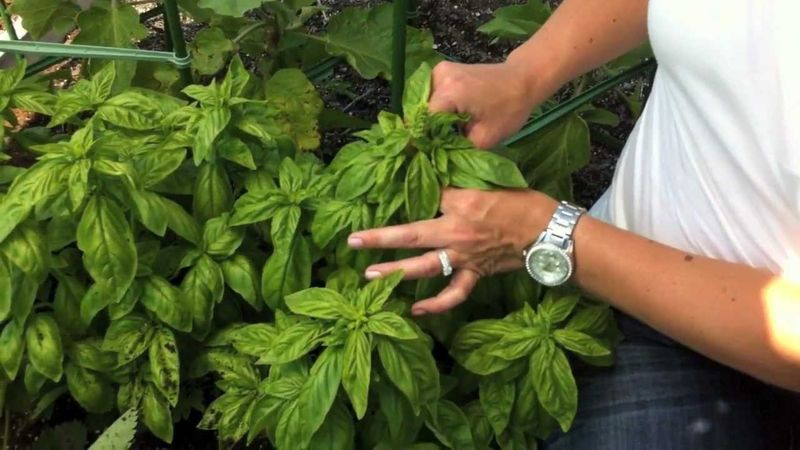
Basil is one of the easiest herbs to grow in a backyard garden, but a lot of people let it grow tall and skinny without ever touching it. The secret to a fuller, tastier plant is pinching, which means removing the top growth so the plant branches out instead of shooting up. It sounds a little scary to snip a healthy plant, but your basil actually loves it. Here are five solid reasons to start pinching, plus the exact timing that makes the biggest difference.
1. It Doubles Your Leaf Production For Bushier Plants
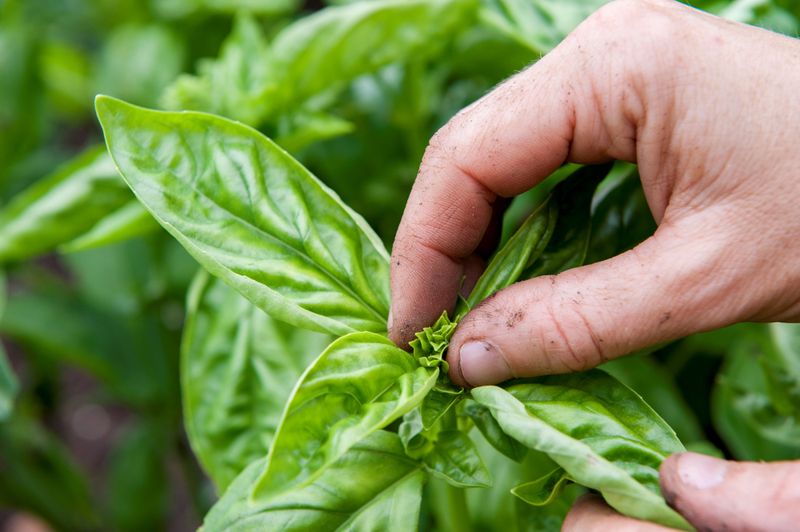
Ever notice how one skinny basil stem seems to give you barely enough leaves for a single pot of pasta sauce? That thin, leggy look is what happens when the plant is left alone to grow straight up.
When you pinch off the top set of leaves, the plant responds by pushing out two new stems from the leaf nodes just below your cut. Do that a few times over the season and one main stem turns into a wide, leafy shrub with far more harvestable growth.
The best time to make your first pinch is once the seedling has three or four sets of true leaves, usually when it stands about six inches tall. Snip right above a lower pair of leaves, leaving those in place so the plant can keep feeding itself. In backyard beds across most US zones, that first pinch happens a few weeks after transplanting in late spring, and you can keep repeating it every couple of weeks all summer. More stems means more leaves, and more leaves means more pesto for you.
2. It Delays Flowering So Leaves Stay Sweet
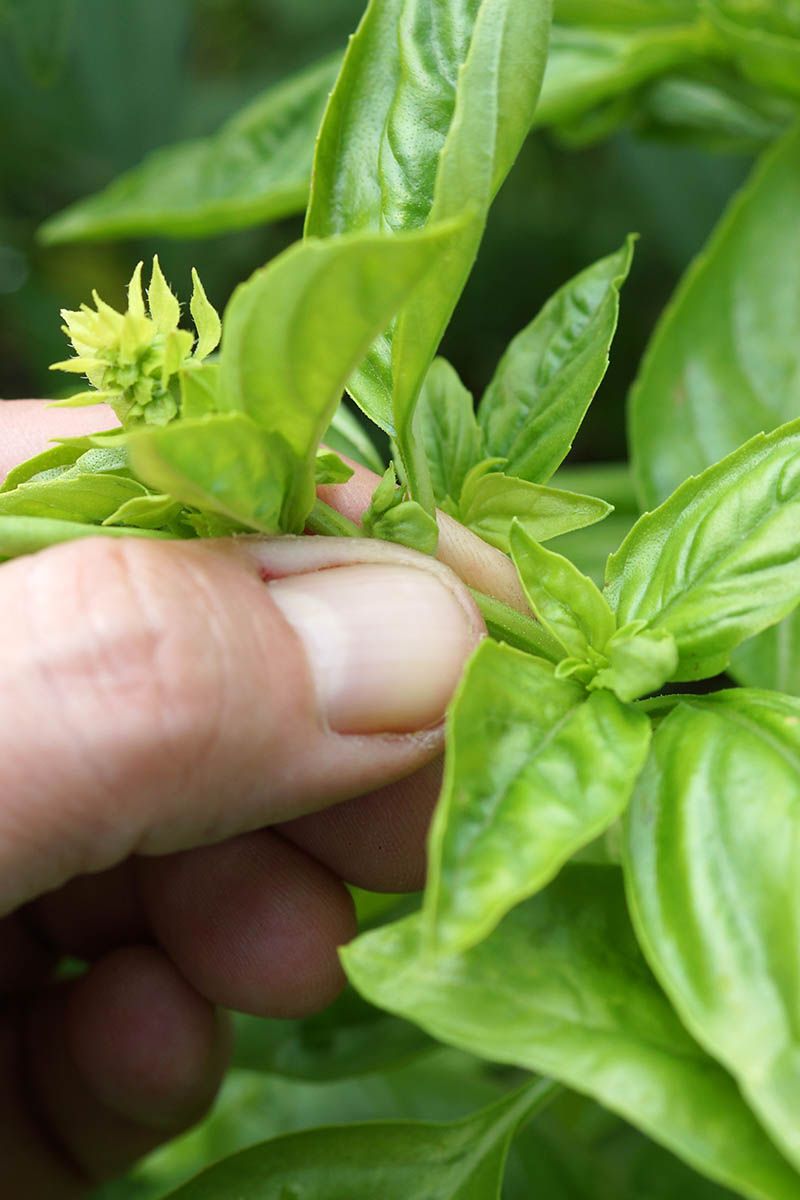
Basil has one goal in life, and that is to flower and set seed. Once it starts sending up those little clusters of buds, the plant shifts its energy away from making tender leaves.
The flavor change is real. As basil bolts toward blooming, the leaves often turn bitter and lose that sweet, peppery punch you want in a Caprese salad. Pinching out the flower buds as soon as you spot them tells the plant to slow down and keep making leaves instead of seeds.
Timing matters here more than anywhere else. Check your plants every few days during the hot stretch of summer, because that is when they are most eager to flower. The moment you see a tiny bud forming at the tip of a stem, pinch it off right above the next pair of leaves. Catching it early keeps the leaves mild and your harvest going strong well into the season.
3. It Extends The Harvest Deep Into The Season
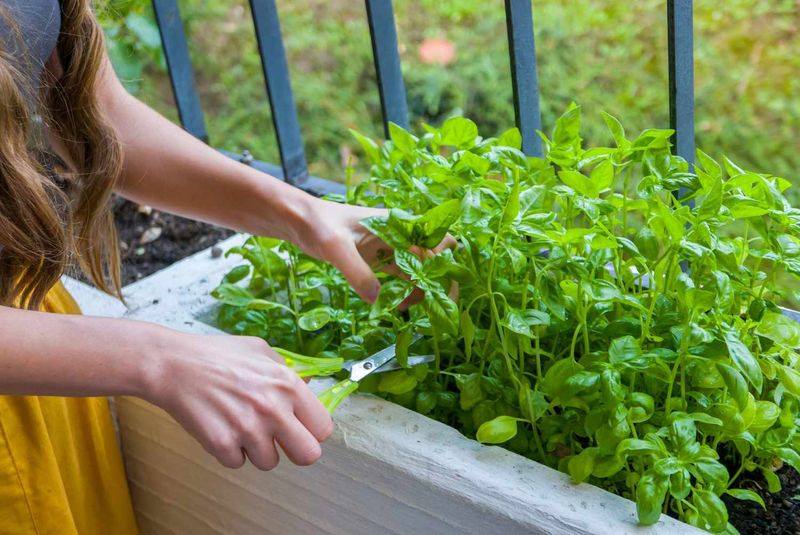
Think of pinching as a way to hit the reset button on your basil over and over. A plant left to flower and go to seed will call it quits early, but a regularly pinched plant keeps producing for months.
Every pinch buys you more time. By steadily removing the tops and any flower buds, you trick the plant into staying in its leafy, vegetative stage instead of racing to finish its life cycle. In much of the US, this can stretch a useful basil harvest from midsummer all the way to the first cool nights of fall.
For the longest run, get into a rhythm of harvesting from the top down about once a week, taking the upper couple of inches from each stem. That gentle, steady trimming keeps new growth coming and stops the plant from ever getting a chance to peak and quit. A little consistency now means fresh basil on the table long after your neighbor’s plants have gone woody and tired.
4. It Improves Airflow And May Help Prevent Disease
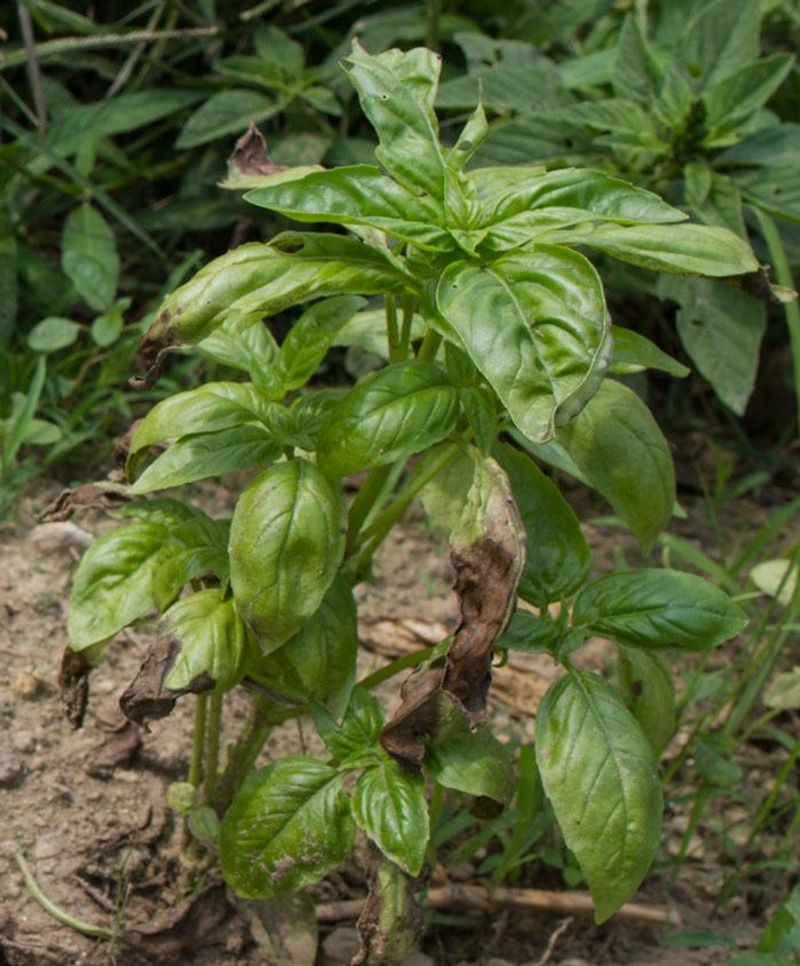
Crowded, dense growth is a quiet invitation for trouble. When basil grows tall and tangled with leaves packed tightly together, air struggles to move through the plant, and that trapped moisture can set the stage for problems.
Fungal issues like downy mildew love damp, still conditions, and they tend to show up on the shaded lower leaves first. Thinning out the plant by pinching opens up the structure so breezes can pass through and leaves dry faster after rain or morning dew. Better airflow can reduce the chances of those pale, fuzzy patches taking hold.
Aim to pinch and thin whenever the center of the plant starts looking crowded, and pay extra attention during humid stretches common in the eastern and southern US. Morning is the smart time to do it, since any cuts you make will seal over during the warm, dry part of the day. A more open plant is simply a healthier plant, and healthier basil rewards you with cleaner, better looking leaves.
5. It Gives You Free Plants From Every Cutting
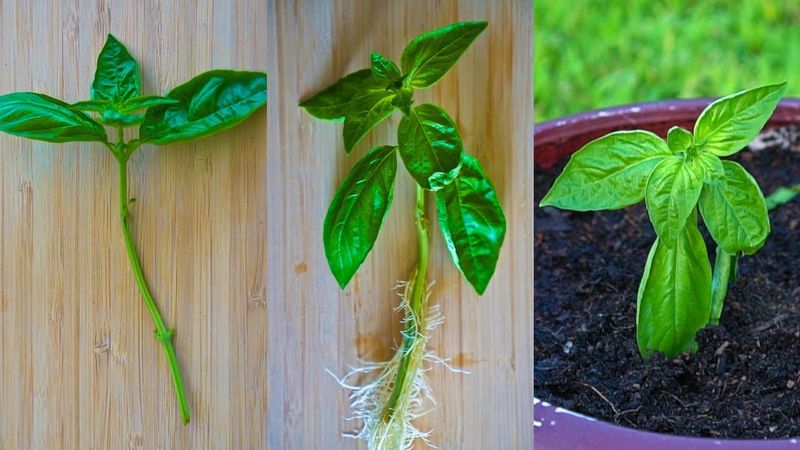
Here is the part that feels like a gardening magic trick: those stems you pinch off do not have to head to the compost. Basil roots incredibly easily, so each cutting can become a brand new plant for zero cost.
Take a pinched stem that is a few inches long, strip the lower leaves, and drop the bare end into a small glass of water on a sunny windowsill. Within a week or two you will usually see little white roots poking out, and once they reach an inch or so, you can plant the cutting in soil.
The ideal cuttings come from healthy, non-flowering stems, so the same tips you pinch to shape the plant are exactly the ones that root best. This is a great trick in late summer, when you can start fresh plants to bring indoors before frost or to hand off to a fellow gardener. One little pinch, and suddenly you have basil to share all over the neighborhood.