
13 Tomato Tips That Actually Boost Your Late-Summer Harvest (And 2 That Are Totally Useless)
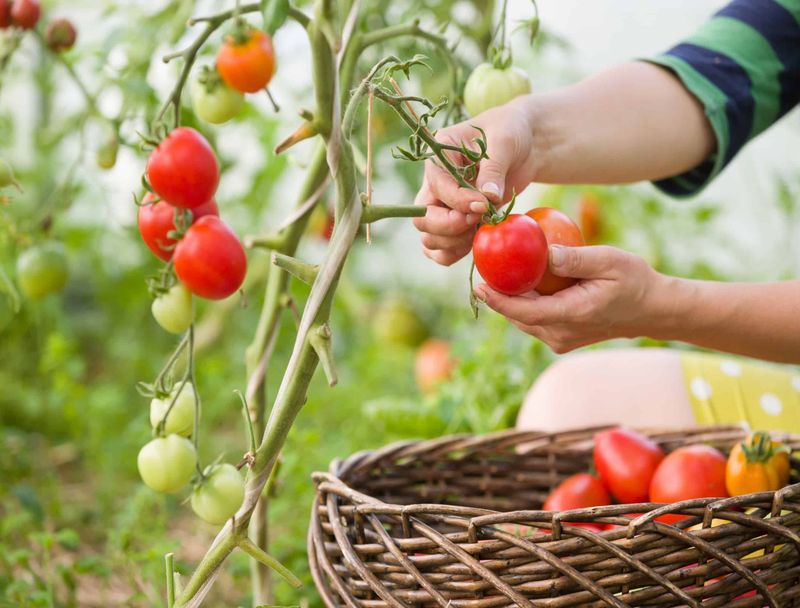
Late summer is make-or-break time for tomato plants, and a few smart moves now can mean baskets of ripe fruit instead of green disappointment. The trouble is, gardening advice gets passed around so much that some popular tricks do nothing at all. In this list you will find thirteen tips that genuinely help your plants push out more tomatoes before the season winds down, plus two well-loved habits you can safely skip. Grab your pruners and let’s sort the useful from the useless.
1. Pinch Off New Flowers in Late August
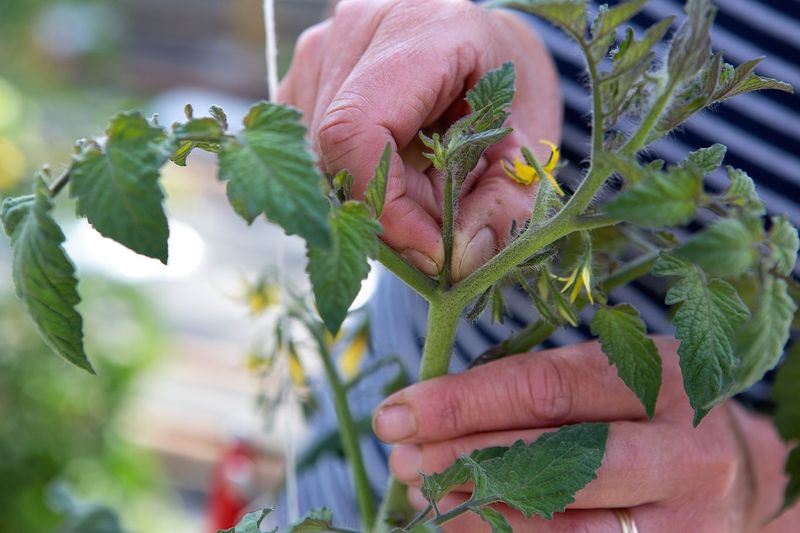
Here is a move that feels backward but pays off. Once late August rolls in, any brand-new blossoms your plant produces simply will not have time to grow into ripe fruit before cool weather arrives.
By pinching those late flowers off, you redirect the plant’s energy toward the tomatoes already hanging on the vine. Think of it as telling your plant to stop dreaming and start finishing what it started.
Gardeners in northern zones like the upper Midwest and New England see the biggest benefit here, since their first frost creeps in early. Give it a try on a couple of plants and watch how the existing fruit fills out faster.
2. Top the Plants to Speed Ripening
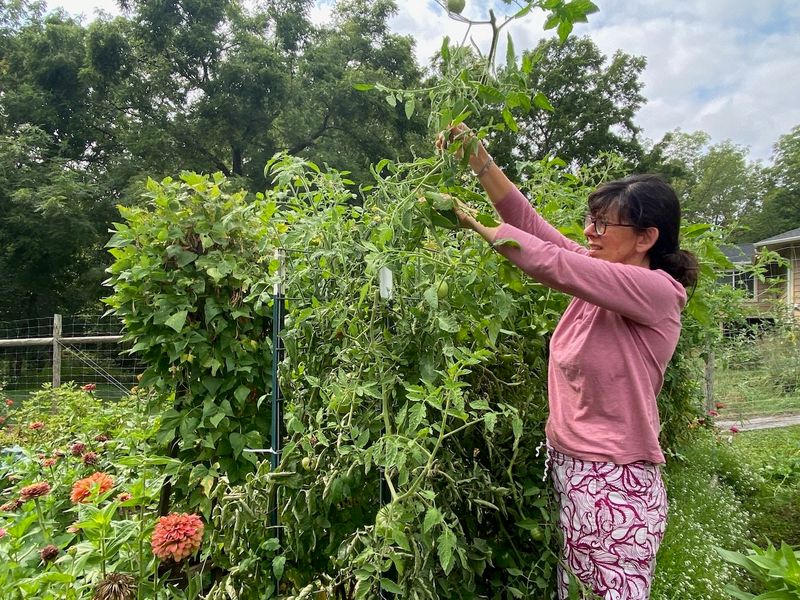
Cutting the very top off a towering tomato plant sounds a little scary, but it works like a charm this time of year. Removing the main growing tip, called topping, stops the plant from climbing higher and forces it to focus on the fruit it already has.
Indeterminate varieties like Big Beef or Sungold love to keep growing until frost, so they need this nudge more than compact bush types. Snip a few inches above the highest cluster of tomatoes you actually expect to ripen.
Within a week or two you will usually notice color creeping into fruit that seemed stuck on green forever. It is one of the simplest late-season tricks around.
3. Read Yellowing Leaves as an Early Warning
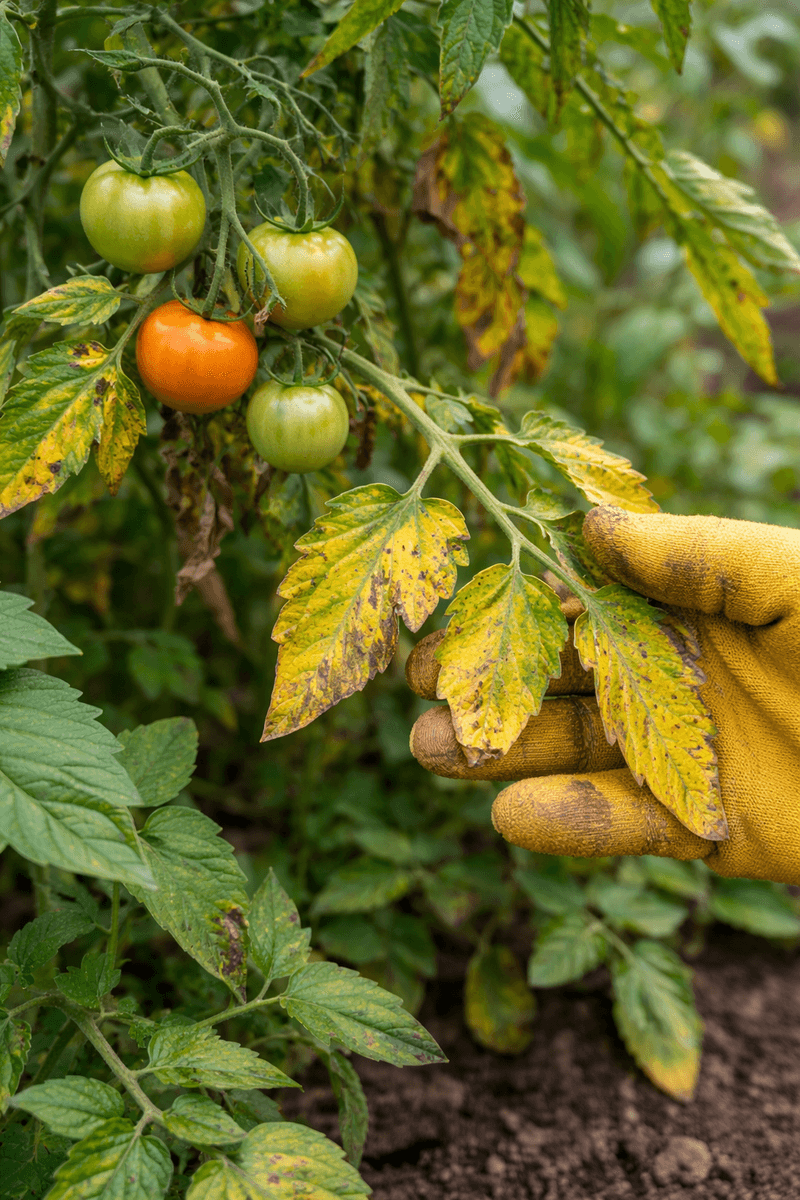
Your tomato leaves are basically a status report, and yellowing ones are trying to tell you something. When lower leaves fade to yellow first, it often points to a nitrogen shortage or simple aging, both easy to manage.
Yellowing that spreads between the veins while the veins stay green usually signals a magnesium gap, which a light dose of Epsom salt may help correct. Spotty yellow patches with brown centers, on the other hand, can hint at early blight sneaking in.
Catching these signals in August lets you act before a small problem swallows your whole harvest. Walk your beds every few days and treat the leaves like a friendly heads-up rather than bad news.
4. Prune the Bottom Leaves for Airflow
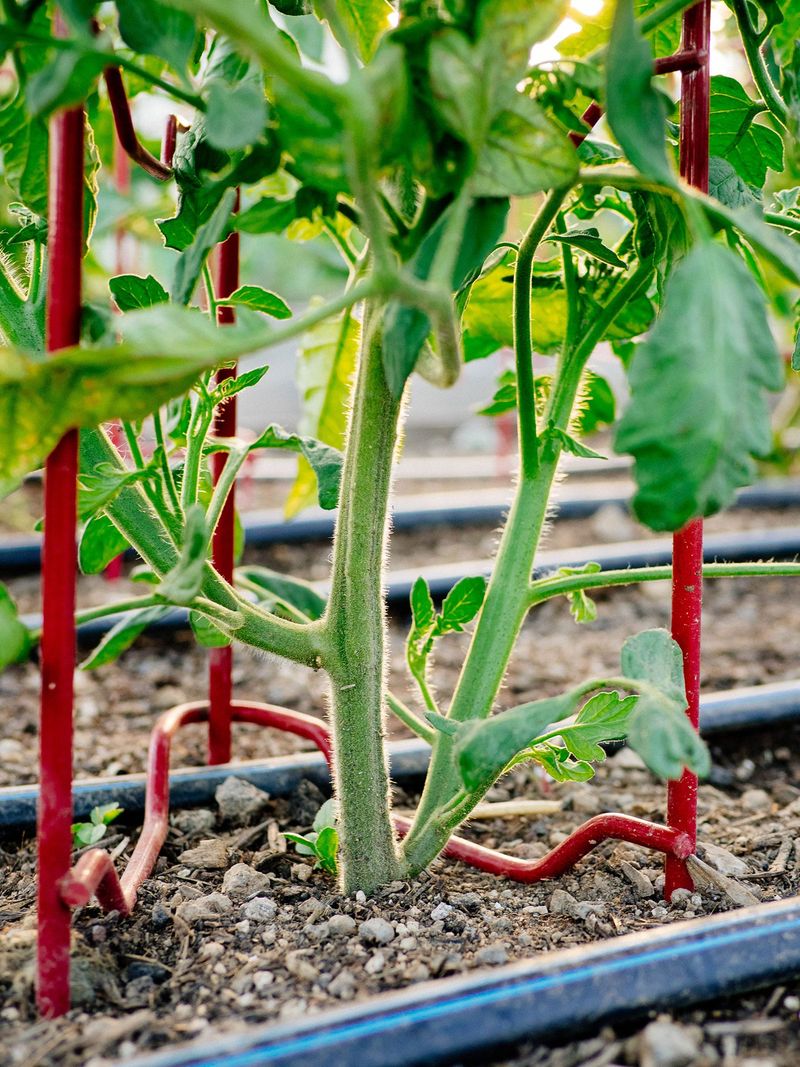
Crowded lower foliage is a playground for fungus, especially during humid late-summer nights across much of the eastern US. Stripping the leaves off the bottom eight to twelve inches of each plant opens up airflow and keeps soil-borne spores from splashing up onto the stems.
Better circulation means leaves dry faster after dew or rain, and drier leaves are far less likely to catch blight. Use clean snips and toss the trimmings in the trash rather than the compost.
Your plants will look a little leggy at the base afterward, and that is exactly the point. A tidy lower stem is a healthier stem.
5. Mulch Deeply to Steady Soil Moisture
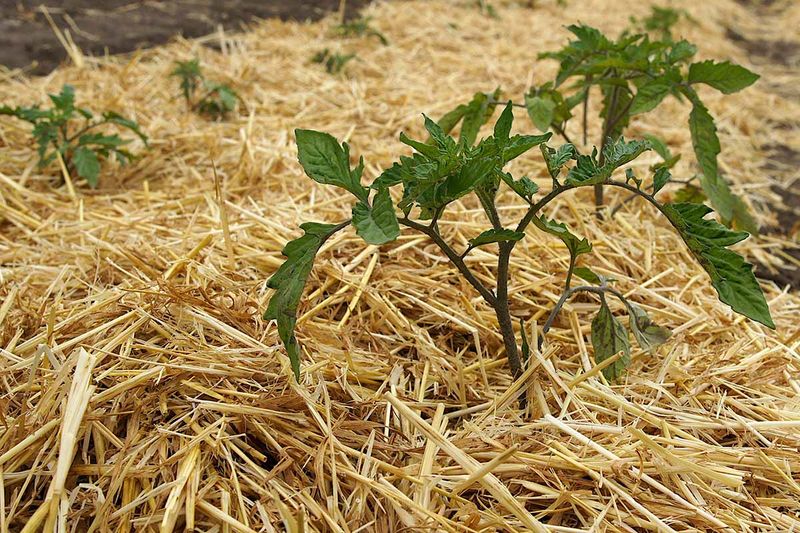
Wildly swinging soil moisture is the fastest route to cracked skins and blossom-end rot, two heartbreaks no tomato grower enjoys. A thick blanket of straw, shredded leaves, or grass clippings keeps moisture steady even when late-summer weather bounces between scorching and stormy.
Aim for two to three inches of mulch spread around the base, leaving a little breathing room right at the stem. The mulch also blocks weeds that would otherwise steal water and nutrients from your fruiting plants.
As a bonus, that layer keeps the soil cooler during hot spells, which tomato roots quietly appreciate. Refresh it if it has thinned out since spring.
6. Feed With Potassium, Not Nitrogen
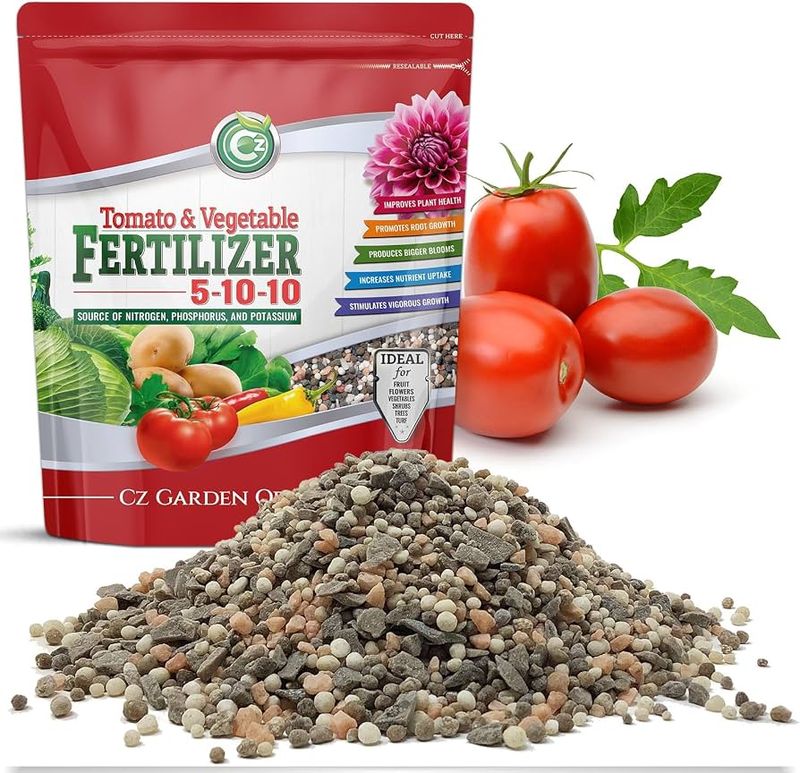
Reaching for the all-purpose fertilizer late in the season is a common slip. Nitrogen pushes lush green leaves, which is the last thing you want when you are trying to ripen fruit instead of grow a jungle.
Switch to a feed higher in potassium, sometimes labeled with a bigger middle or last number on the bag, to support fruit development and flavor. Tomato-specific or bloom-boosting formulas usually fit the bill nicely.
A gardener I know swore his August tomatoes tasted flat until he cut the nitrogen and leaned on potassium instead. The next batch came in noticeably sweeter and firmer.
7. Harvest at the Breaker Stage
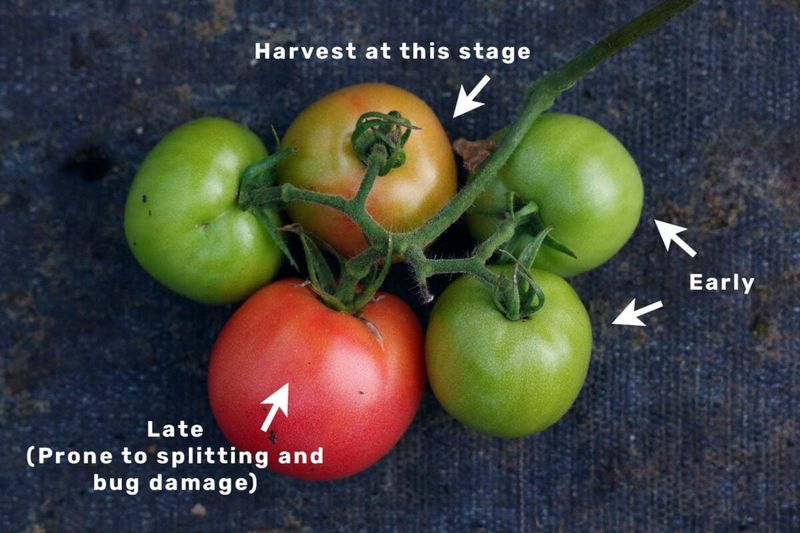
Waiting for tomatoes to turn fully red on the vine feels satisfying, but it can actually cost you fruit. Once a tomato hits the breaker stage, that first blush of color at the blossom end, it has already stopped drawing nutrients from the plant.
Picking at this point and letting them finish on your kitchen counter frees the plant to pour resources into the greener fruit still developing. You also beat the squirrels, birds, and stink bugs that seem to strike the instant a tomato looks ripe.
Counter-ripened tomatoes taste every bit as good as vine-ripened ones, a fact that surprises plenty of longtime growers.
8. Plant a Ring of Basil and Marigolds
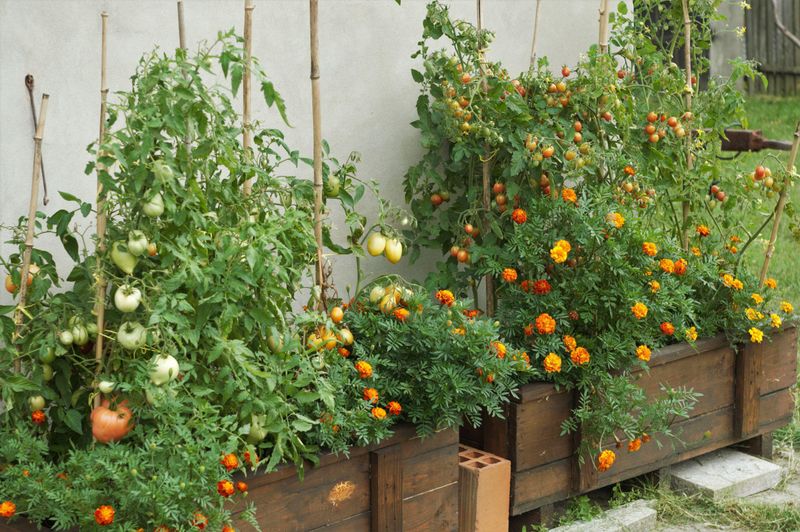
Late summer brings a surge of hungry pests, and a few strongly scented plants can quietly help hold the line. Basil gives off aromatic oils that many gardeners believe confuse hornworms and whiteflies, while marigolds carry a smell that may deter certain beetles and nematodes in the soil.
Tucking these companions around the base of your tomatoes creates a fragrant border that pests find far less inviting. You get the added perk of fresh basil right where you will want it for that first caprese salad.
Did you know marigolds have been used in vegetable plots for generations, long before anyone studied the chemistry? Sometimes grandma’s garden wisdom holds up surprisingly well.
9. Water Deeply at the Roots, Never Overhead
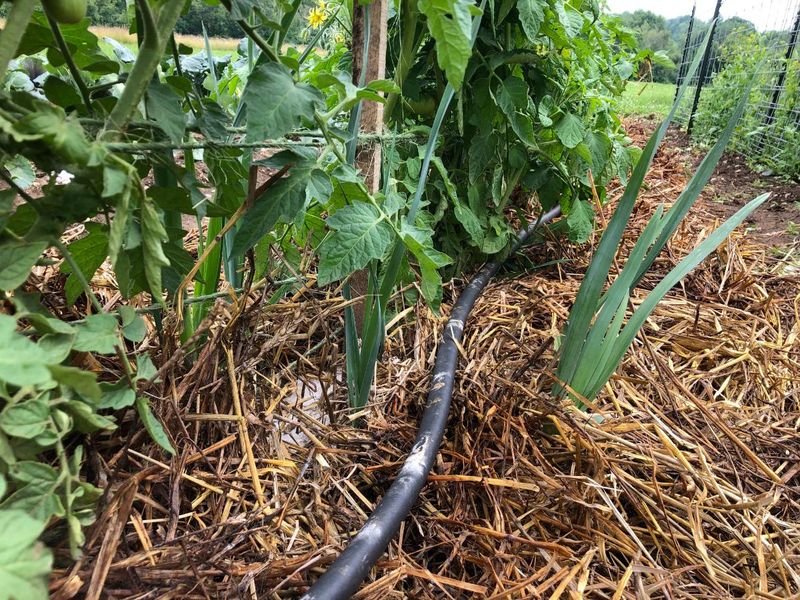
How you deliver water matters just as much as how much you give. Splashing a hose across the whole plant leaves droplets sitting on foliage, and wet leaves in muggy August air are an open invitation for fungal disease.
Aim your water right at the soil, soaking deeply once or twice a week rather than sprinkling lightly every day. Deep watering pushes roots downward, building a sturdier plant that handles heat and drought with less fuss.
A soaker hose or drip line snaked under the mulch does this beautifully and saves you standing around with a hose. Your leaves stay dry and your roots stay happy.
10. Hunt for Hornworms at Dusk
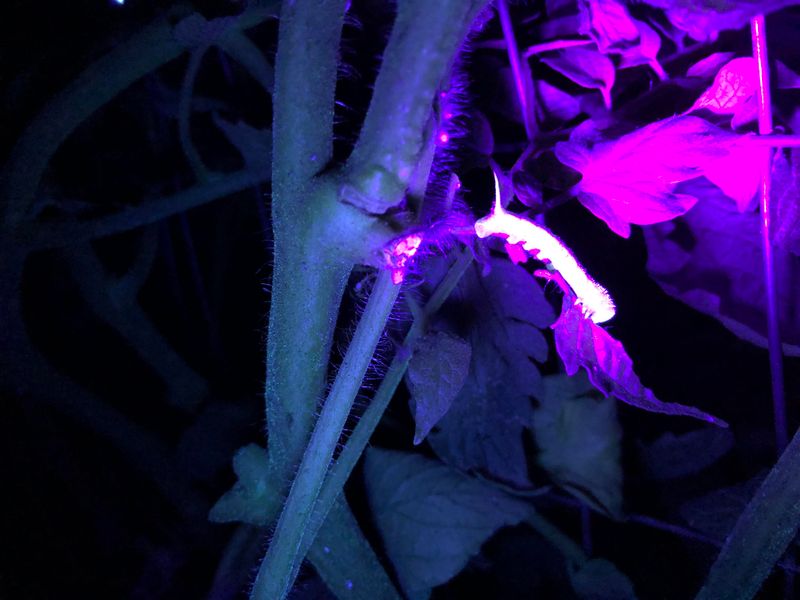
Few things ruin a morning like finding a tomato plant stripped bare overnight. Tomato hornworms are masters of camouflage, blending into stems so well that you can stare right at one and miss it in daylight.
Grab a flashlight with a UV or blacklight setting and head out after sunset, because hornworms glow a ghostly greenish color under that light. Pluck them off by hand and drop them in a bucket of soapy water, or toss them to the chickens if you keep any.
Chewed leaves and dark pellet droppings on the ground are your first clues that one is lurking nearby. A few nights of patrol can save your entire crop.
11. Give Plants a Gentle Root Prune
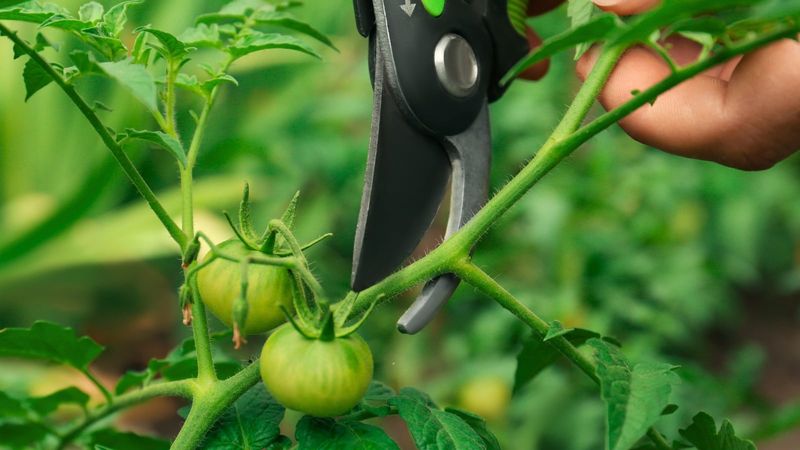
An old-timer’s trick that still turns heads involves slicing the soil about six inches out from the stem with a spade. Cutting a few outer roots gives the plant a mild stress signal, nudging it to ripen fruit faster as a survival response.
Do this sparingly and only on established, healthy plants, since too aggressive a cut can wilt them in the heat. Water well afterward to help the plant settle back down.
The technique shines when frost is looming and you have a stubborn crop of green tomatoes refusing to turn. Consider it a gentle push toward the finish line rather than an everyday habit.
12. Shade Fruit During Extreme Heat Spikes
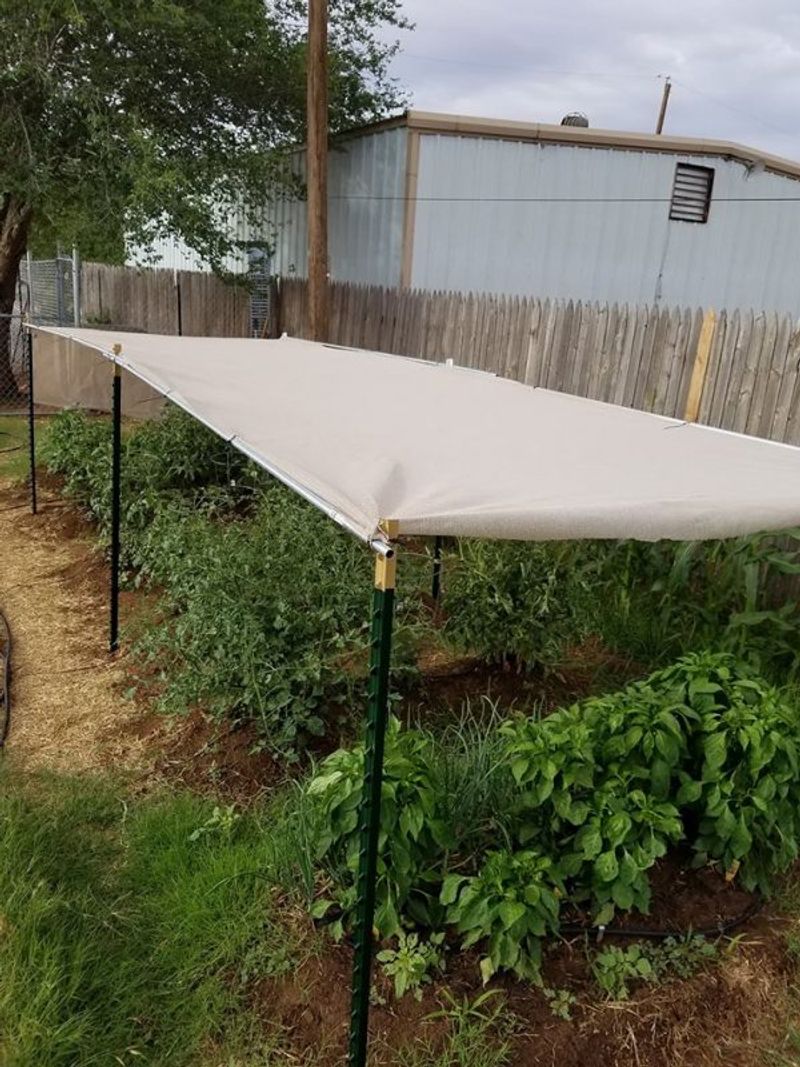
Blistering afternoons in southern and southwestern zones can actually stall ripening, since tomatoes pause color production when temperatures climb past the mid-nineties. Draping a light shade cloth over the plants during the worst heat keeps the fruit cooking along at a comfortable pace.
Sunscald is another risk, showing up as pale, leathery patches on exposed tomatoes that got too much direct blaze. A little afternoon shade prevents those ugly spots without slowing photosynthesis much.
Growers in Texas, Arizona, and the Deep South find this especially handy during August heat waves. Rig the cloth so air still flows underneath and your plants stay cool without suffocating.
13. Rotate Where You Plant Next Year
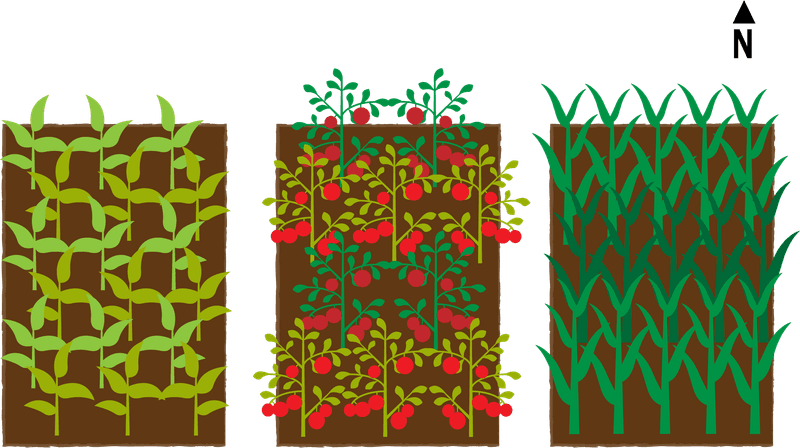
Planning ahead now protects the harvests still to come. Tomatoes pull specific nutrients from the soil and leave behind lingering disease spores, so growing them in the same spot year after year slowly builds up trouble.
Jot down where your tomatoes sit this season and commit to moving them at least a few feet, ideally into a bed that held beans, lettuce, or another unrelated crop last time. This simple shuffle starves soil-borne diseases like verticillium wilt of a steady host.
Even container gardeners can play along by swapping in fresh potting mix each spring. A quick note in your garden journal this week sets up healthier plants next year.
14. Useless: Burying Crushed Eggshells for Instant Calcium
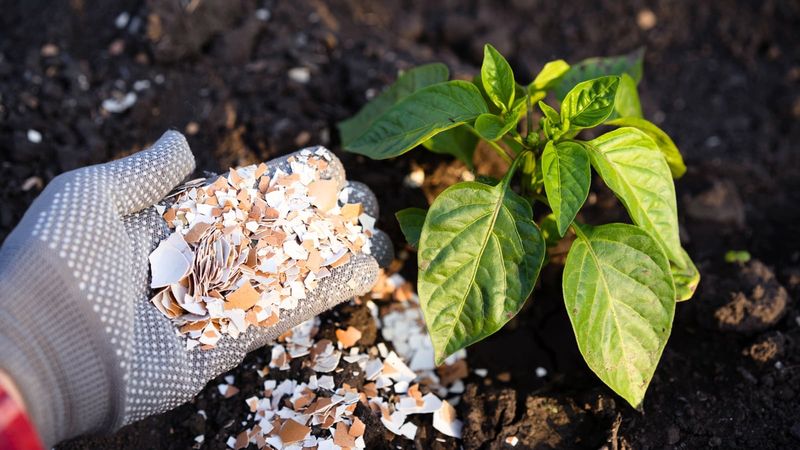
Now for the myths, and this one is a garden classic. Folks toss crushed eggshells into planting holes swearing it stops blossom-end rot by feeding calcium straight to the roots.
The catch is that eggshells break down painfully slowly, taking months or even years to release any usable calcium into the soil. By the time they matter, your season is long over and the rot has already come and gone.
Blossom-end rot is almost always caused by uneven watering blocking calcium uptake, not by a lack of calcium in the dirt itself. Fix your watering rhythm and skip the eggshell ritual. Save the shells for a slow compost contribution instead.
15. Useless: Playing Music to Your Tomato Plants

Someone always brings up the idea that serenading your plants with classical music grows bigger, sweeter tomatoes. It is a charming thought, and gardeners have debated it for decades over the fence.
Trouble is, no solid evidence shows that sound waves from your speaker do anything measurable for tomato growth or yield. Plants respond to light, water, temperature, and nutrients, not to your favorite playlist.
Any benefit likely comes from the fact that people who play music tend to hang around their plants more, spotting pests and dry soil in the process. So enjoy the tunes if you like, just credit your attentive eyes and not the melody for the harvest.