
16 Tough Perennials That Bloom Right Through A Dry Spell Without You Ever Dragging Out The Hose
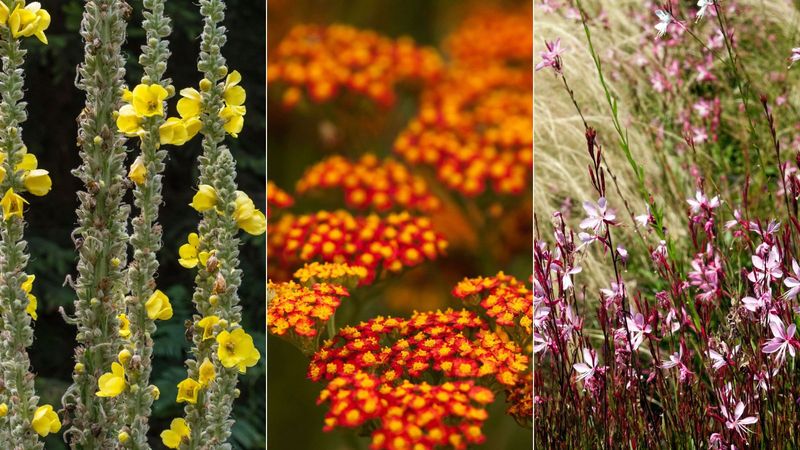
Some plants sulk the moment the rain stops, but others just shrug and keep flowering like nothing happened. If you are tired of babysitting your garden with a hose every evening, these sixteen tough perennials are your new best friends. Each one stores water, sends roots deep, or simply laughs at heat, so you get color all season with almost no fuss. Pick a few that fit your yard, plant them once, and let them prove how little they actually need from you.
1. Coneflower (Echinacea)
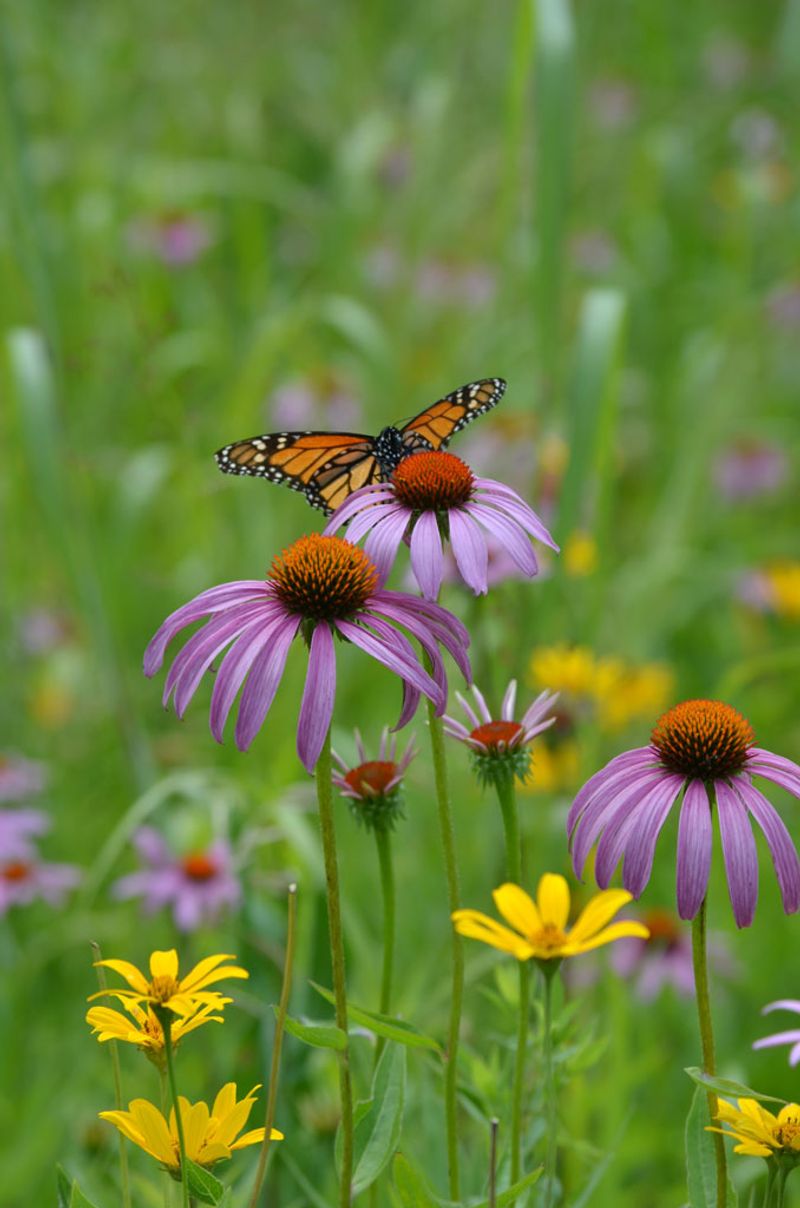
Prairies made this plant tough long before anyone put it in a flower bed. Echinacea sinks a long taproot straight down, tapping moisture the topsoil lost weeks ago, which is exactly why it barely flinches during a dry stretch.
The daisy-shaped blooms sit on sturdy stems in purple, pink, white, and even fiery orange, and they hold their shape for weeks. Pollinators mob the raised seed cones all summer, and goldfinches pick them clean once the petals fade.
Leave the spent heads standing into winter and you get free seedlings the following spring. Full sun and average soil are all it asks, and overwatering actually does more harm than a drought ever would.
2. Black-Eyed Susan (Rudbeckia)
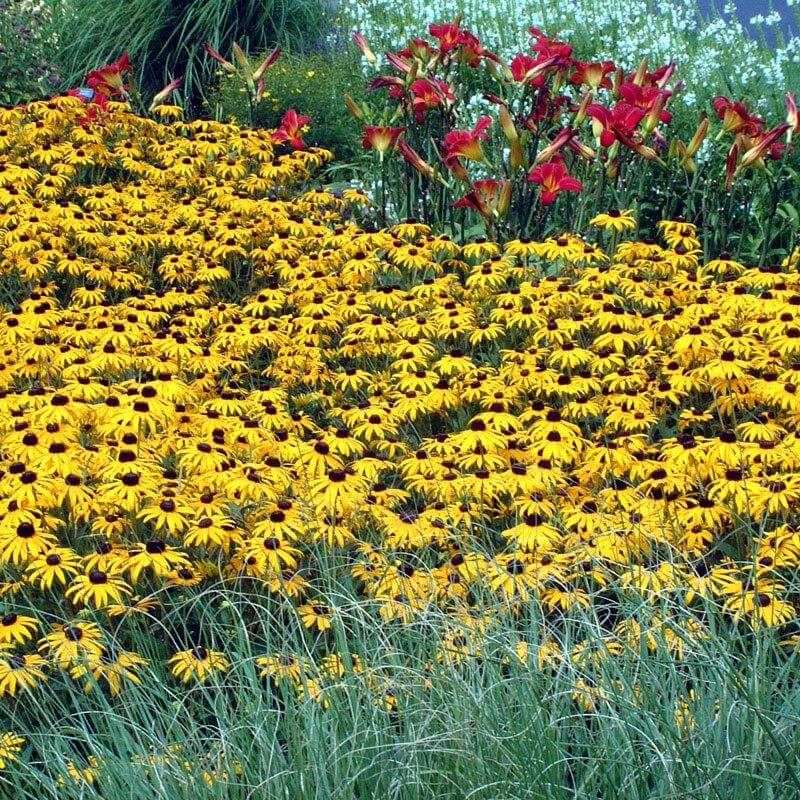
Few flowers say late American summer quite like a wave of golden Rudbeckia glowing against dark centers. It spreads into cheerful clumps that fill space fast, so a couple of plants turn into a river of gold within a season or two.
Heat and dry clay are no obstacle, and the coarse, slightly fuzzy leaves lose less water than smooth foliage does. That small detail helps it stay perky while thirstier neighbors flop.
Deadhead if you want tidy, or leave the seed heads for birds and self-sowing. Either way, expect blooms from midsummer clear into fall with zero hose time.
3. Russian Sage (Perovskia)
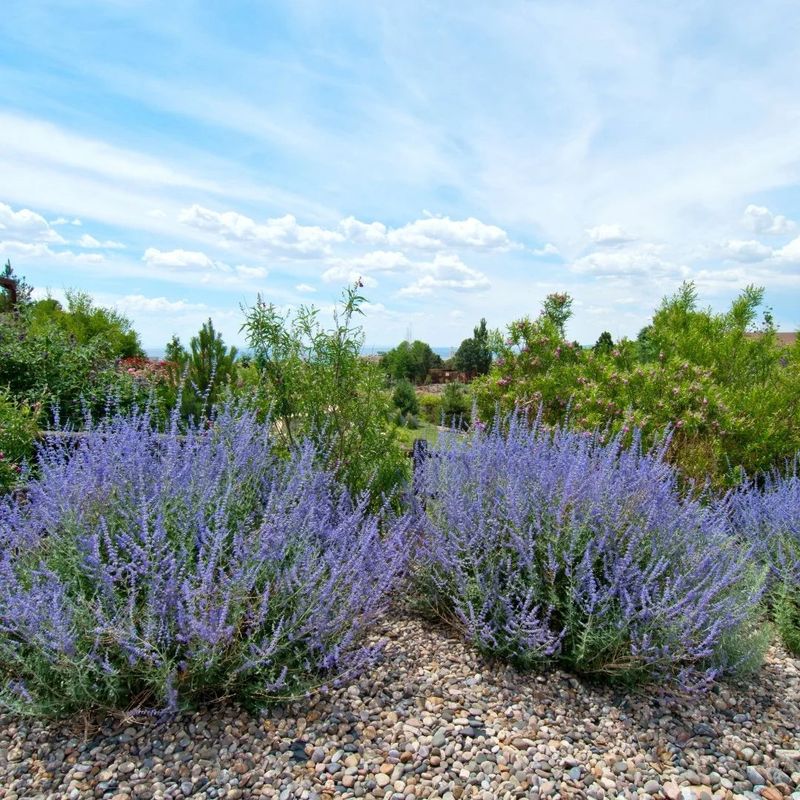
Run your hand through Russian sage and you get a whiff of sage and mint from its silvery, aromatic stems. That scent hints at its secret weapon: the pale, felted foliage reflects sunlight and slows water loss to a crawl.
Clouds of tiny lavender-blue flowers hover on tall wiry stems for months, giving a soft, hazy backdrop to bolder blooms. Bees adore it, deer usually walk right past it.
It actually prefers lean, gritty soil and hates having wet feet, so the drier corner of your yard is where it shines brightest. Cut it back hard in spring and it returns bushier than ever.
4. Yarrow (Achillea)
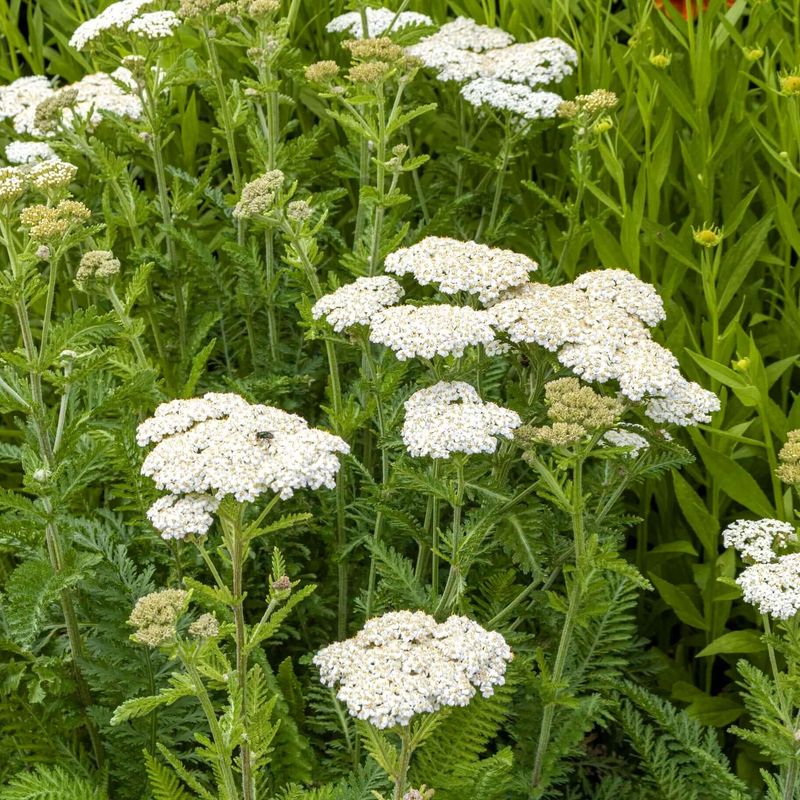
Ferny, feathery leaves give yarrow a delicate look that completely fools you about how tough it is. Those lacy leaves cut down on water loss while flat-topped flower clusters in yellow, red, pink, and cream stand up to blazing afternoons.
Ancient soldiers reportedly carried it to staunch wounds, which is how it earned the nickname soldier’s woundwort. Modern gardeners just love that it blooms for months and dries beautifully for arrangements.
Give it poor soil and forget about it. Rich, moist ground makes it floppy, so neglect is genuinely the kindest thing you can do.
5. Lavender
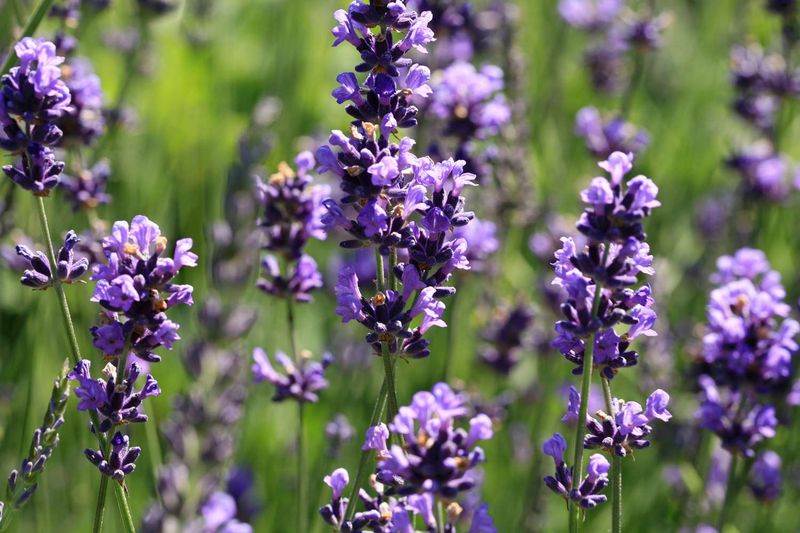
Brush past a lavender plant on a hot day and the whole area smells like a French hillside. Those Mediterranean roots explain everything: lavender evolved in rocky, sun-baked ground where rain is scarce and drainage is sharp.
Silvery needle-like leaves and a network of tough roots let it flower through heat that wilts almost everything else. The purple wands draw bees by the dozen and keep many pests at bay with their strong oils.
Plant it in gritty soil and resist the urge to pamper it. Too much kindness with the watering can is the fastest way to kill it, so lazy gardeners actually have the advantage here.
6. Sedum (Autumn Joy Stonecrop)
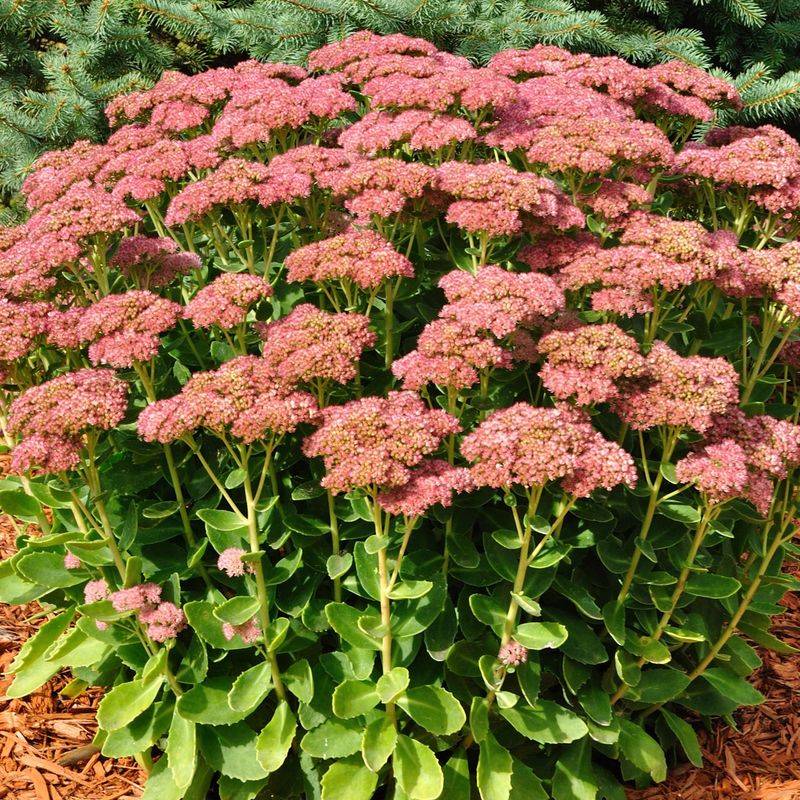
Pinch a sedum leaf and you will feel it: thick, juicy, and packed with stored water like a tiny reservoir. That succulent trick means it coasts through droughts that flatten leafier perennials.
Broccoli-like flower heads emerge dusty green in summer, then blush to rose and deep russet by fall, feeding late bees and butterflies when little else is blooming. The stiff stems hold snow caps beautifully through winter too.
Full sun and well-drained soil keep it upright and happy. Water it too much and the stems splay open in the middle, so a dry season keeps it looking its best.
7. Blanket Flower (Gaillardia)
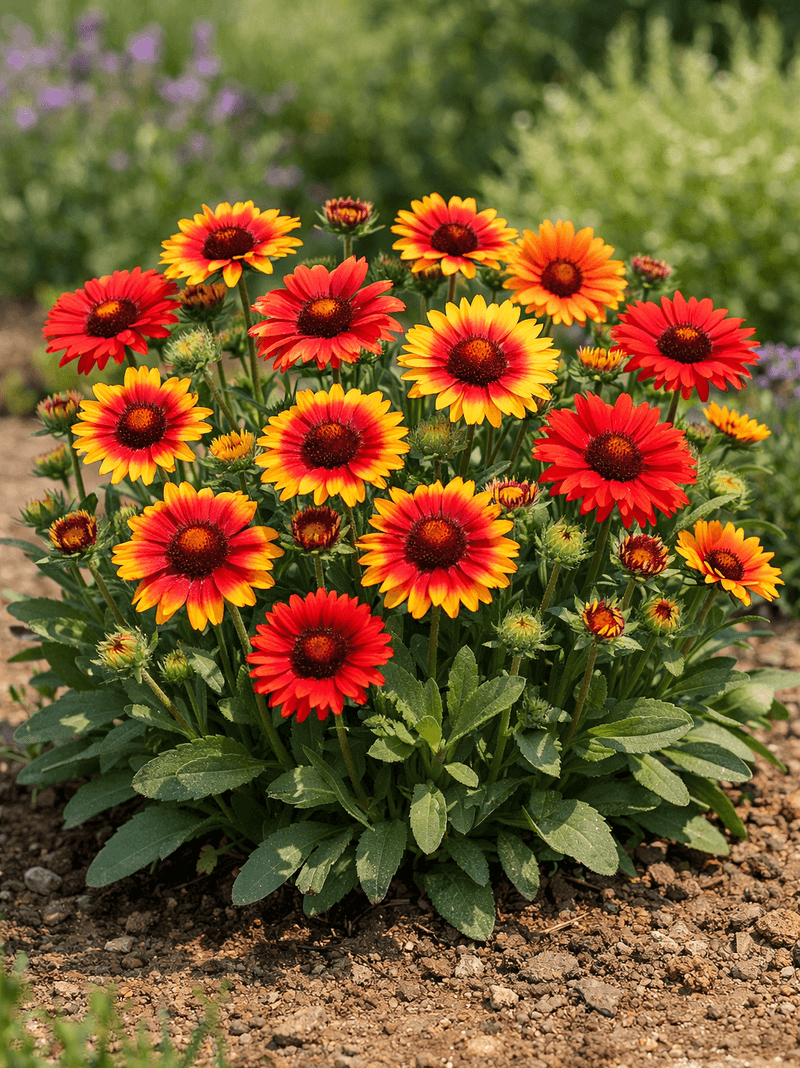
Fiery bands of red and gold circle each bloom like a tiny sunset, which is how blanket flower got a name borrowed from Native American woven patterns. Those cheerful daisies keep coming from early summer until frost with almost no coaxing.
Native to open American plains, Gaillardia thrives in sandy, poor soil and sizzling heat that would fry fussier flowers. Its wiry roots and hairy leaves shrug off drought week after week.
Snip the faded blooms and it rewards you with even more. Butterflies treat it like a favorite diner, and it happily fills hot spots along driveways and sidewalks where nothing else survives.
8. Coreopsis (Tickseed)
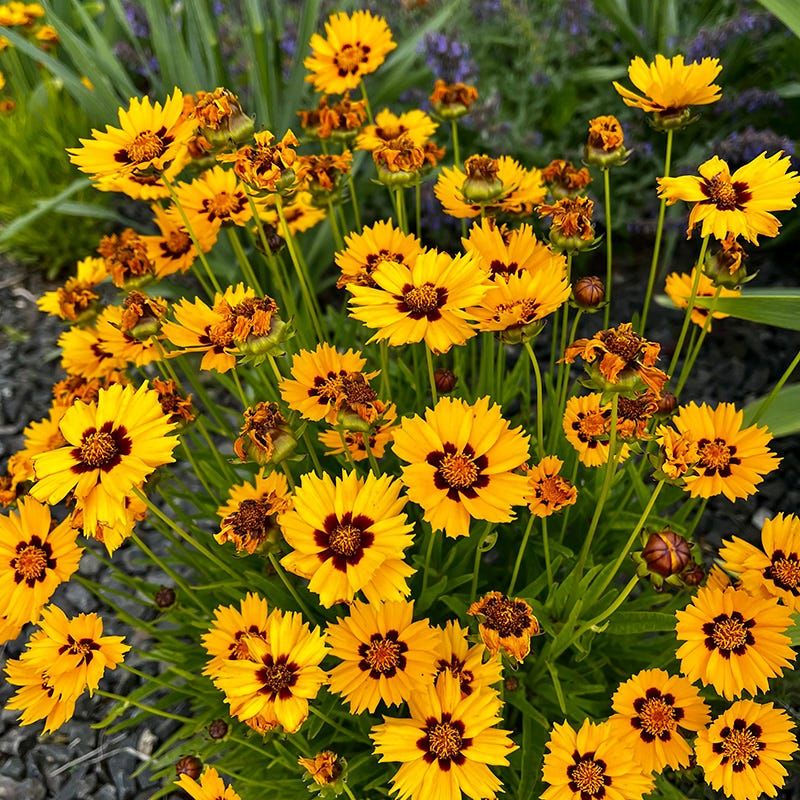
Sprinkle a little sunshine across your border and you basically have coreopsis. The dainty yellow, gold, and rusty flowers seem too cheerful to be as rugged as they are, yet they bloom nonstop through summer heat.
Thin, thread-like foliage on some varieties barely loses moisture, letting the plant power through dry weeks. Native prairie roots give it real staying power in lean soil.
A quick shear in midsummer triggers a fresh flush of flowers. Bees and small butterflies work it constantly, and it asks for nothing more than sun and decent drainage to keep going.
9. Salvia (Perennial Sage)
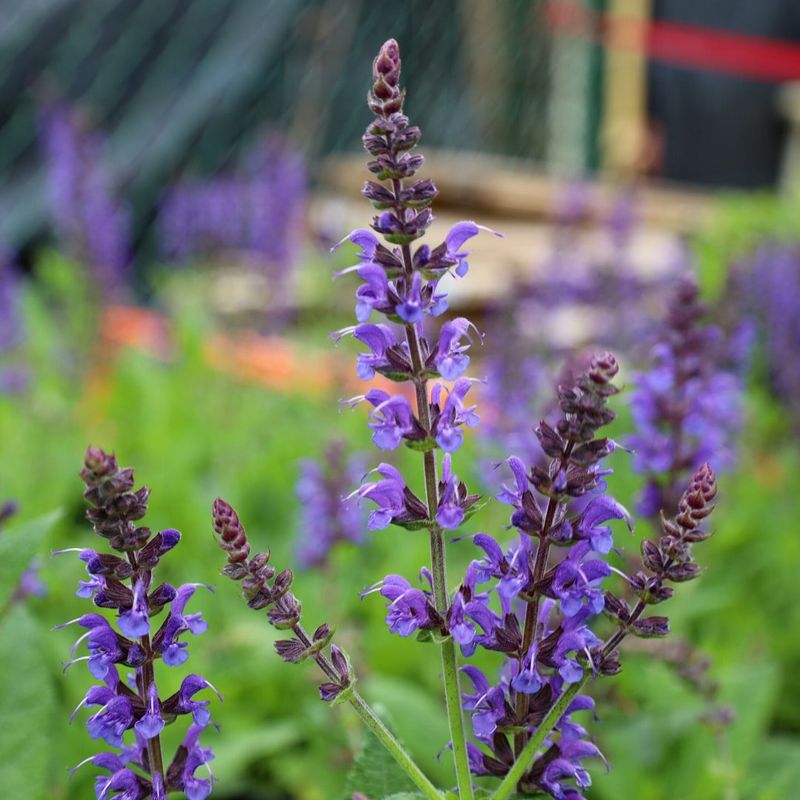
Tall spikes of violet, blue, and rosy purple shoot up from salvia like little flames, and hummingbirds cannot resist them. The aromatic foliage that smells faintly herbal also happens to repel deer and rabbits.
Salvia stores toughness in its deep roots and oil-rich leaves, so it keeps flowering when the ground goes crackly. A quick trim after the first bloom flush brings a second and even third round of color.
Plant it in full sun with room to breathe. It pairs handsomely with yellow coreopsis or golden Rudbeckia, and the contrast makes both plants pop.
10. Daylily (Hemerocallis)
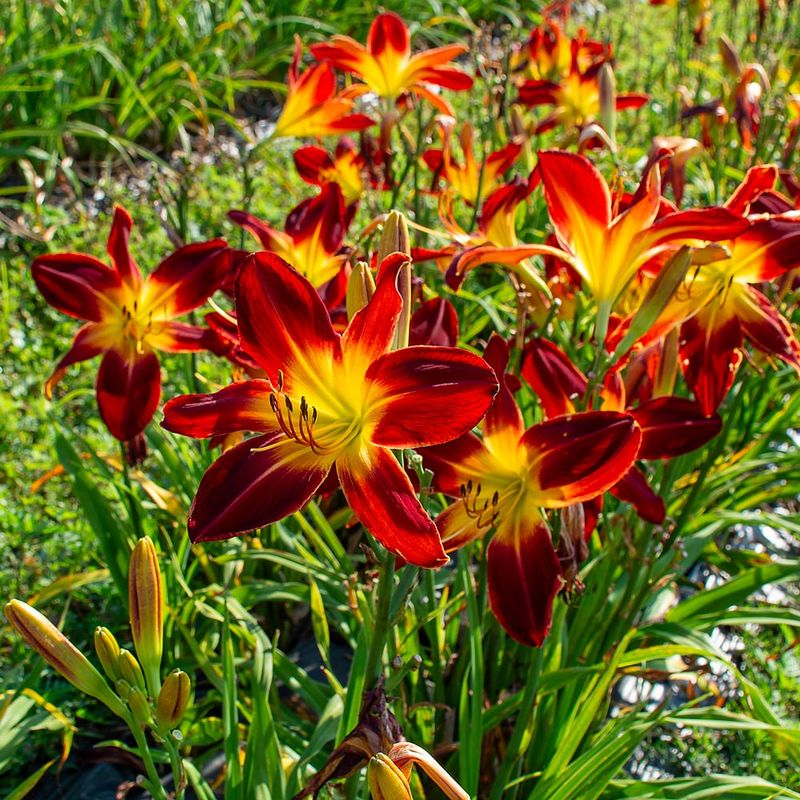
Each daylily flower lasts a single day, then another opens the next morning, so the show simply refuses to stop. Despite that delicate habit, the plant underneath is a workhorse with fleshy roots that bank water for lean times.
Strappy foliage forms thick clumps that crowd out weeds, and the trumpet blooms come in nearly every warm color imaginable. Old ditch varieties have naturalized across rural America precisely because they survive on neglect.
Sun brings the most flowers, though daylilies tolerate light shade too. Divide a crowded clump every few years and you will have plants to share with half the neighborhood.
11. Catmint (Nepeta)
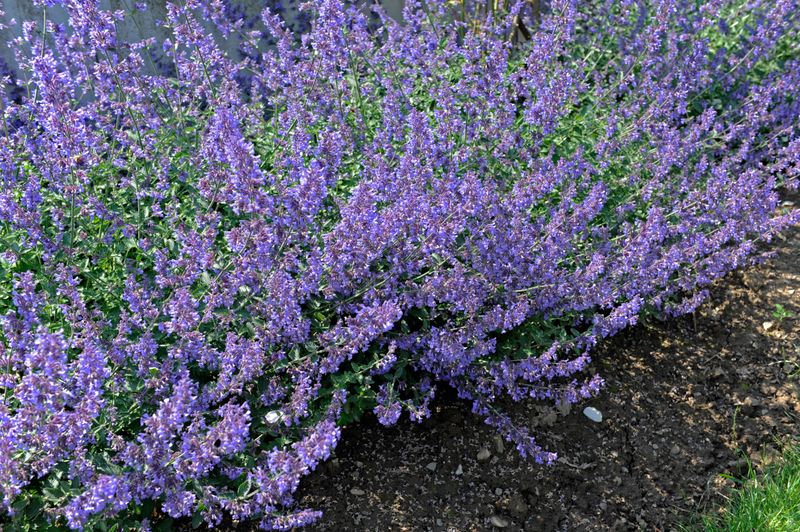
Long before the first big rains of the year, catmint is already spilling over path edges in a haze of soft blue. The gray-green aromatic leaves shed heat well, and once established the plant sails through dry weeks unbothered.
Unlike the catnip that sends felines into a frenzy, ornamental Nepeta stays tidier and blooms far longer. Give it a shear after the first flush and it rebounds within a couple of weeks.
Bees love it, deer skip it, and it makes a gorgeous soft edge in front of roses or taller perennials. Lean soil and full sun are all it needs to spill and sprawl happily.
12. Sea Holly (Eryngium)
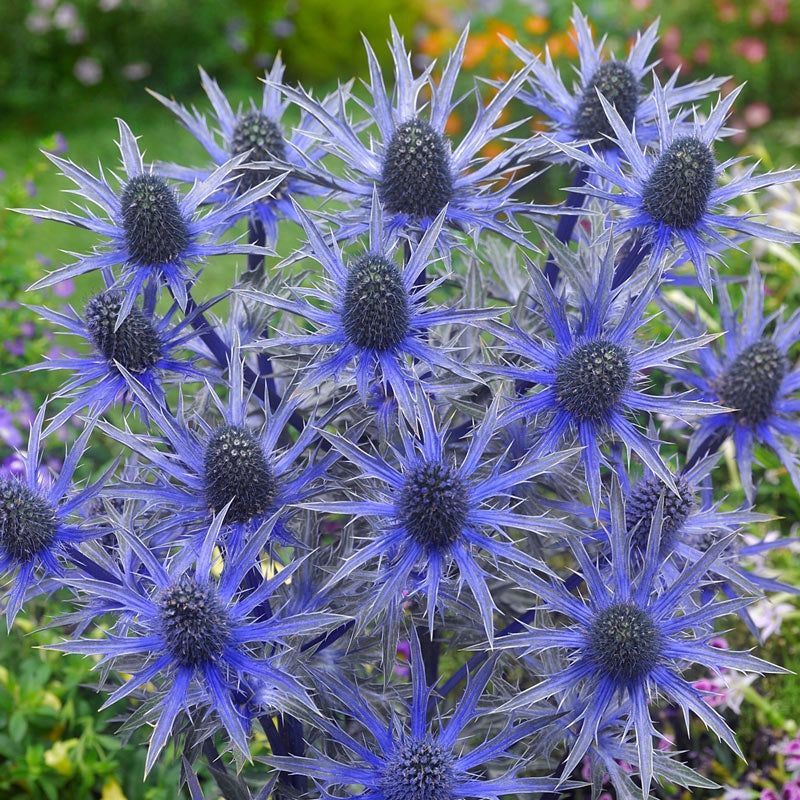
Steely blue, thistle-like blooms give sea holly the look of something sculpted from metal rather than grown from soil. That otherworldly color and spiky texture make it a conversation piece in any bed.
Coastal ancestry taught it to handle sandy soil, salt spray, and long rainless stretches without complaint. A deep taproot chases water far below the surface, so surface drought means little to it.
Bees and butterflies love the prickly flower heads, and the stems dry beautifully for everlasting arrangements. Just plant it once where you want it, because that taproot dislikes being moved.
13. Butterfly Weed (Asclepias tuberosa)
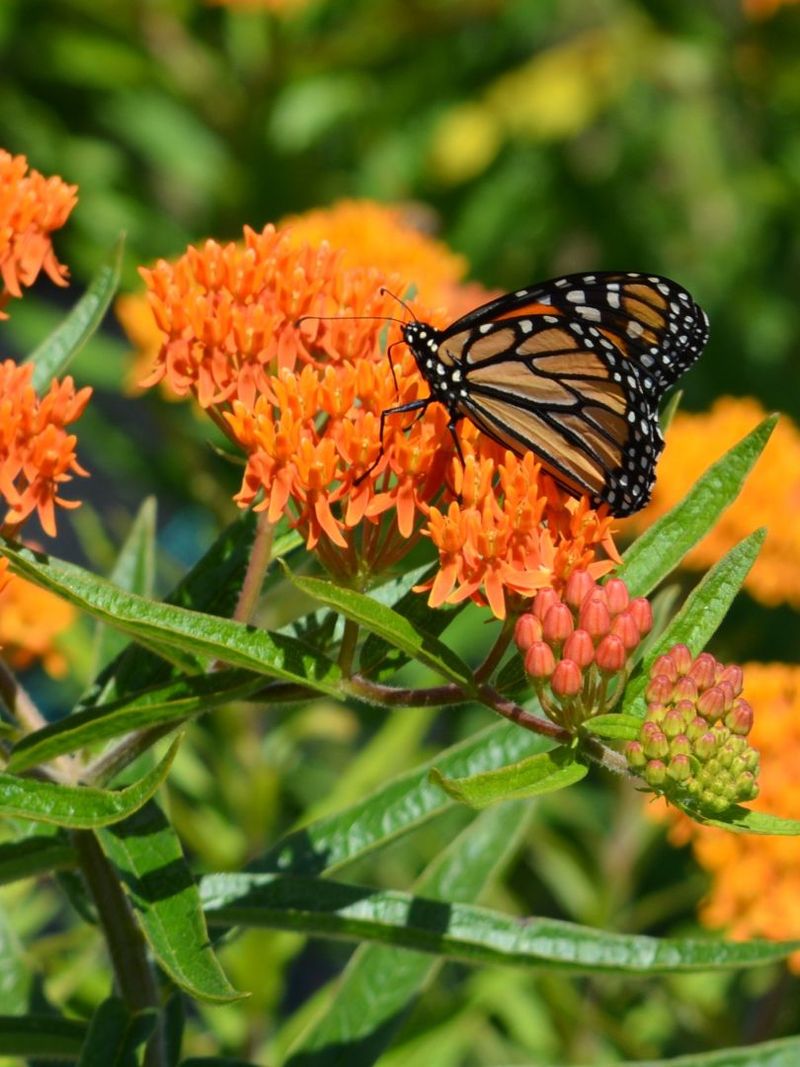
A blaze of pumpkin-orange flowers makes butterfly weed impossible to walk past, and monarchs feel exactly the same way. As a native milkweed, it feeds monarch caterpillars while dazzling everyone with its clusters of tiny blooms.
Its secret is a deep, carrot-like root that stores energy and moisture, which is why it thrives in dry, sandy spots that defeat other flowers. That same root hates disturbance, so choose its home carefully.
Give it full sun and lean soil, then leave it be. Once settled, it returns bigger each year and turns your yard into a genuine pollinator pit stop.
14. Coral Bells (Heuchera)
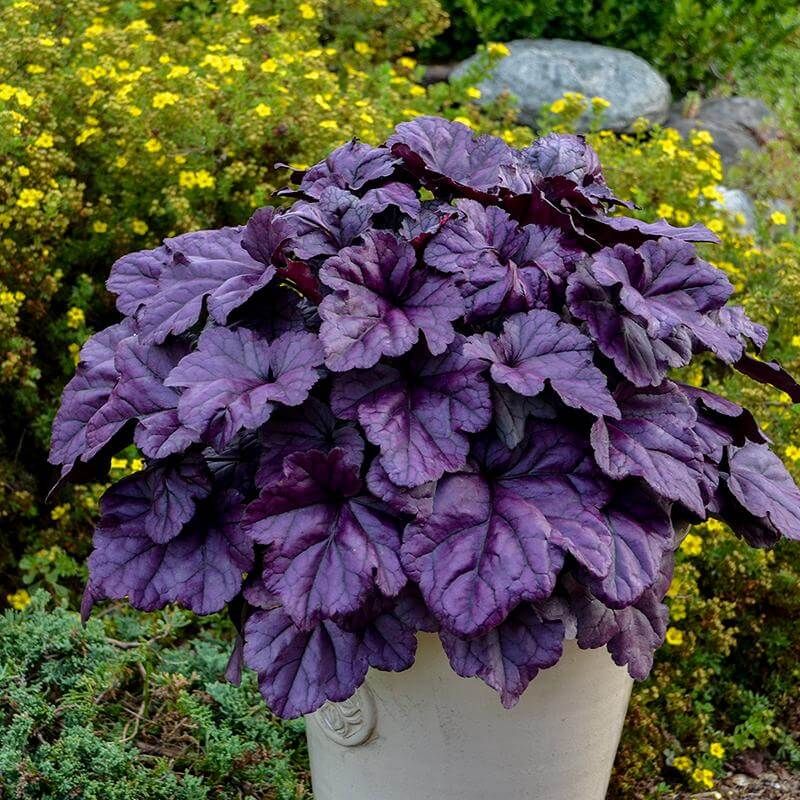
Most drought tough plants demand blazing sun, so coral bells earns its spot by handling dry shade instead. The ruffled leaves come in jaw-dropping shades of caramel, burgundy, lime, and silver, giving color even between blooms.
Native woodland roots let Heuchera cope with the dry, root-filled soil under trees where hoses rarely reach. Airy sprays of tiny bell flowers rise above the foliage and pull in hummingbirds.
A layer of mulch keeps its shallow roots comfortable through hot spells. Tuck it along a shaded path or beneath shrubs and it brightens the gloom without ever begging for water.
15. Lamb’s Ear (Stachys byzantina)
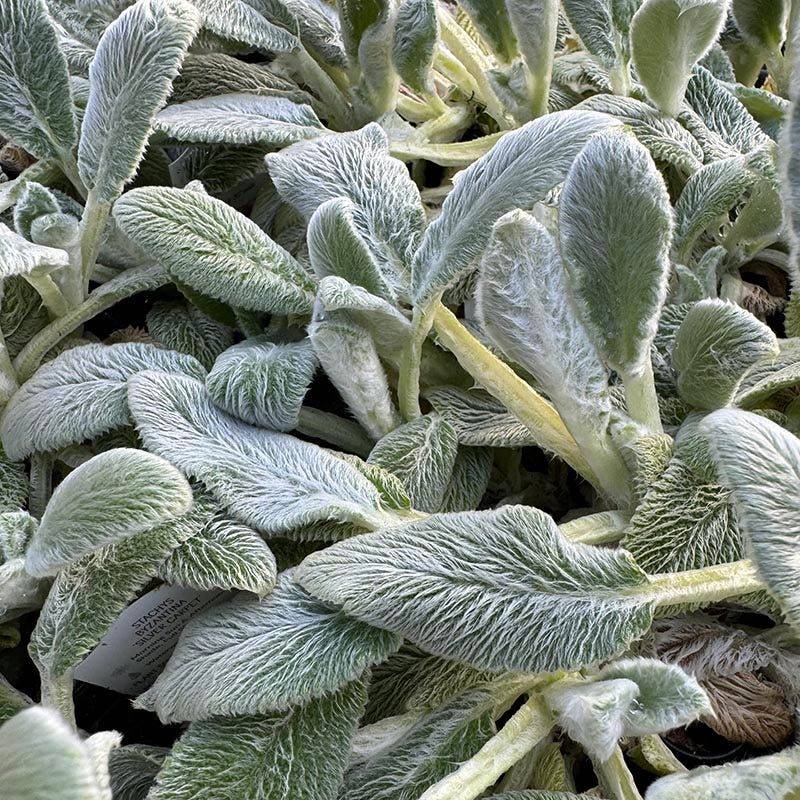
You will want to pet lamb’s ear the moment you see it, and children absolutely do. Those velvety silver leaves are coated in fine hairs that trap moisture and bounce back harsh sun, a living lesson in drought survival.
The soft mat spreads to smother weeds while spikes of small purple flowers rise above in early summer. Bees, especially wool carder bees, treat it like a favorite haunt.
Bright sun and dry soil keep the foliage its most silvery. Snip off tired leaves now and then, and this fuzzy carpet will edge your beds for years on next to nothing.
16. Purple Poppy Mallow (Callirhoe)
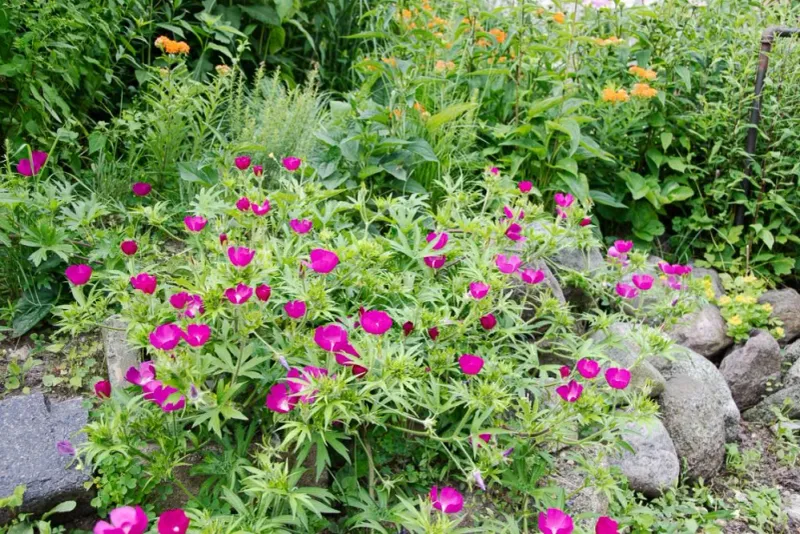
Ground-hugging stems studded with magenta, cup-shaped blooms make purple poppy mallow look like spilled paint across a bed. It sprawls and weaves between taller plants, filling gaps with color from late spring well into fall.
Underneath hides a thick native taproot, sometimes called wine cup, that plunges deep and stores water for months of dry weather. That root is why prairie versions survive droughts that flatten fussier flowers.
Full sun and sharp drainage suit it perfectly, and it happily tumbles over walls or edges. Plant it young while the taproot is small, since a settled one strongly prefers to stay put.