
16 Kitchen Scraps That Feed Your Peppers And Squash Straight Through A Slow Late-Summer Harvest
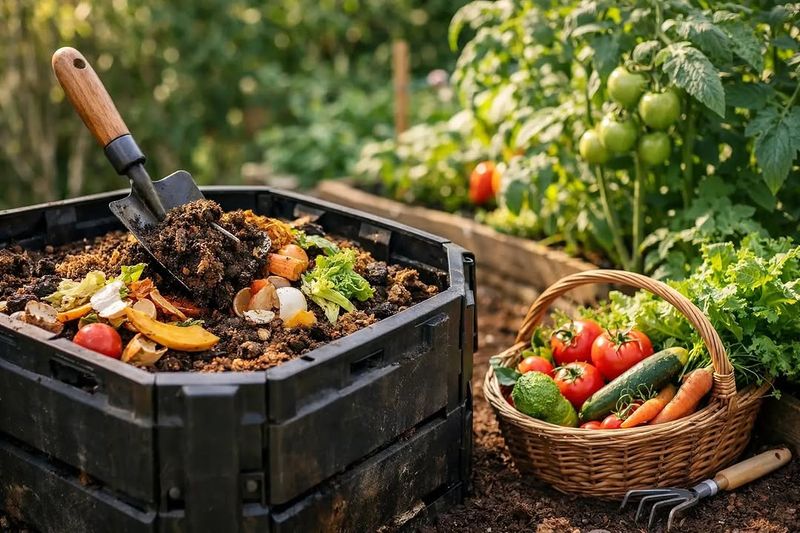
Late summer can be a tricky stretch for pepper and squash plants. The soil often runs low on nutrients right when your plants are trying to push out one last round of fruit. The good news is that plenty of scraps you would normally toss in the trash can feed your garden for free. Here are 16 everyday kitchen leftovers that keep peppers and squash growing strong until the very last harvest.
1. Banana Peels
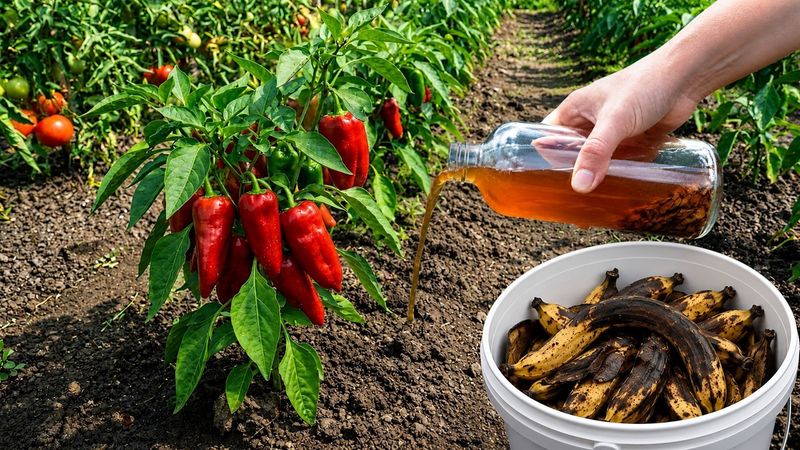
Slip a banana peel into the soil near your pepper roots and you are handing the plant a slow-release dose of potassium, the exact nutrient that helps fruit set and swell. Peppers lean hard on potassium during flowering, and a tired late-summer plant will happily take the boost.
Chop the peel into thumb-sized pieces so it breaks down faster, then bury it a few inches down where the smell will not draw raccoons or flies. Within a couple of weeks the pieces soften and the nutrients seep right into the root zone.
If digging feels like too much fuss, dry old peels on a windowsill, crush them into flakes, and sprinkle the powder around the base. Squash plants appreciate the same treatment, especially when their leaves start yellowing at the edges.
2. Crushed Eggshells
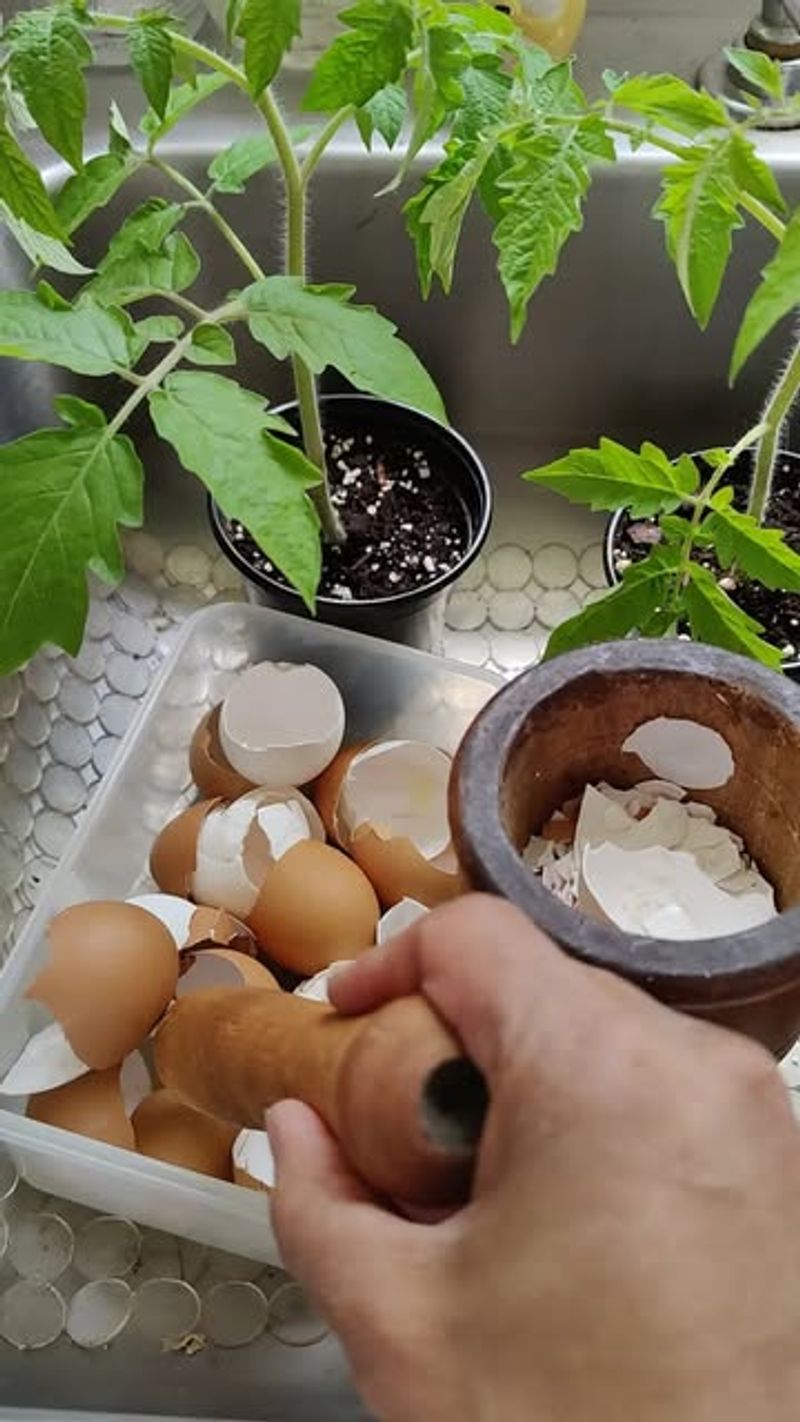
Blossom end rot is the heartbreak of squash and pepper growers, that ugly brown sunken patch on the bottom of the fruit. Calcium shortage is often the culprit, and eggshells are basically calcium in a shell.
Rinse your shells, let them dry on the counter, then crush them as fine as you can manage. A coffee grinder turns them into a powder that plants can actually absorb, since big chunks take ages to break down.
Work a spoonful into the soil around each plant every few weeks. The finer the grind, the faster your peppers and squash can put that calcium to work building sturdy, unblemished fruit right through the tail end of the season.
3. Used Coffee Grounds
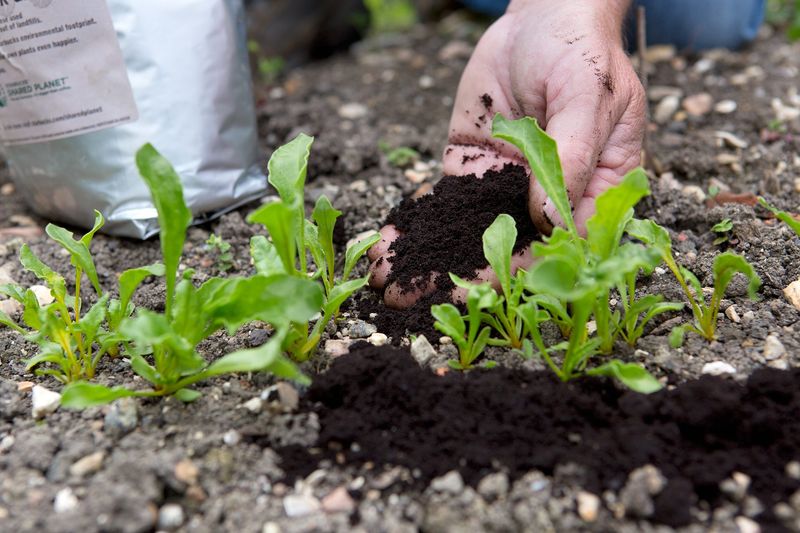
That damp pile of grounds left in your filter each morning is a quiet source of nitrogen, and it also loosens heavy soil so roots can breathe. Squash roots spread wide and shallow, so they love the crumbly texture grounds leave behind.
Use them in moderation, though. A thin scattering worked into the top inch of soil feeds the plant, but a thick wet clump can mat down and block water from soaking in.
Mix your grounds into the compost or sprinkle them lightly and rake them in. As a bonus, slugs seem to dislike crawling across the gritty surface, which may give your late-summer squash leaves a little extra protection.
4. Vegetable Cooking Water
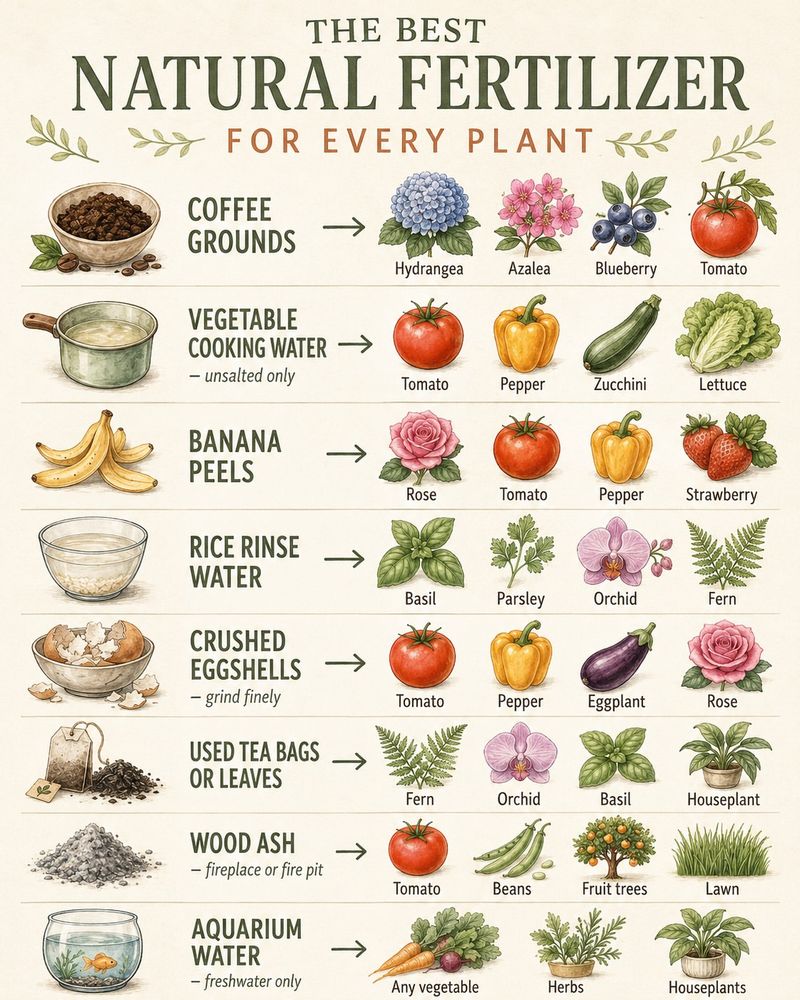
Next time you boil or steam veggies, save that cloudy water instead of dumping it down the drain. As vegetables cook, a fair share of their minerals leaches into the water, so you are essentially left with a mild, free plant tea.
Let it cool completely first, and skip any water you salted, since salt is rough on roots. Plain water from potatoes, carrots, or green beans works beautifully.
Pour it slowly around the base of your peppers on a cooler evening so the plant can drink it up without the sun cooking it off. It is a small habit that turns a daily kitchen task into a gentle feeding for slowing summer plants.
5. Onion Skins
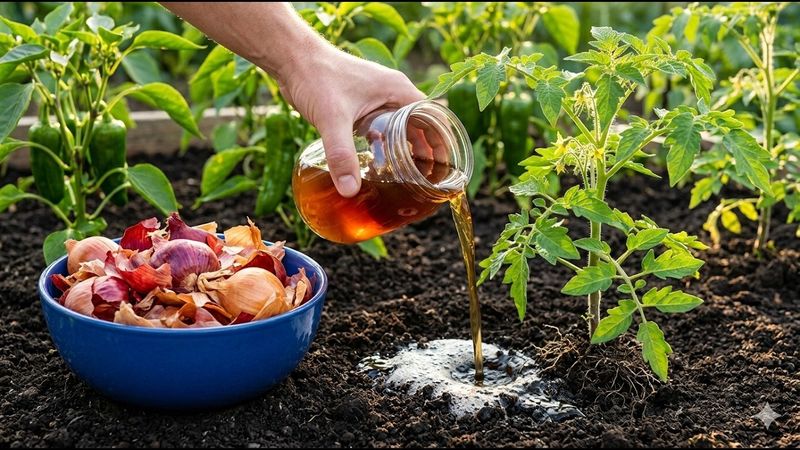
Those papery outer layers you peel off before chopping an onion are packed with potassium and trace minerals that most gardeners never think twice about. Rather than tossing them, put them to work under your squash hills.
Steep a handful of skins in a jar of water for a day or two until the liquid turns amber, then strain it and water your plants with the tea. The nutrients dissolve into a form roots can grab quickly.
You can also just tuck dry skins into the compost or straight into planting holes. As they rot down, they feed the soil and, some gardeners swear, help keep a few nibbling pests at arm’s length.
6. Potato Peels
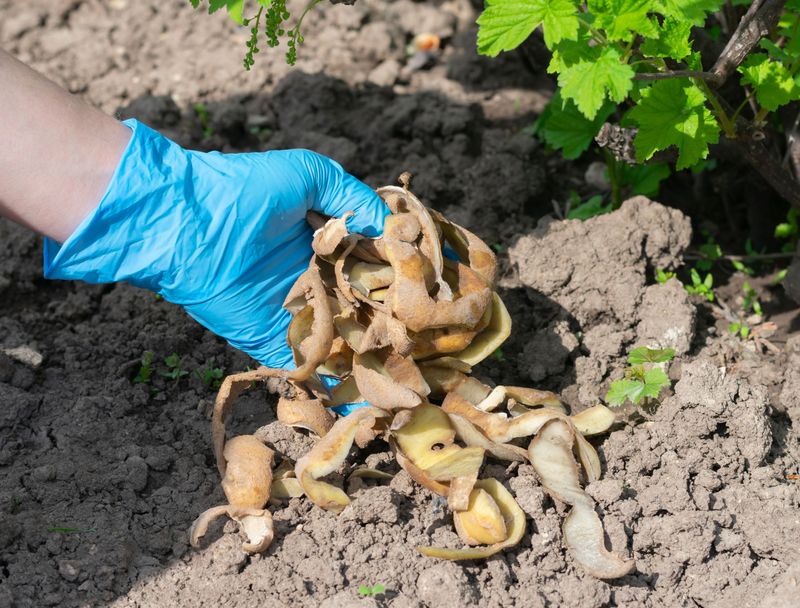
Potato peels carry potassium, phosphorus, and a bit of the starch and minerals your peppers crave as they finish out their fruit. They break down fast in warm late-summer soil, releasing food right when the plant is running low.
Chop them small and bury them a few inches deep so they compost in place without inviting pests to the surface. Avoid leaving green peels or sprouting eyes near your plants, since those can carry compounds you do not want spreading around.
Gardeners who compost can toss peels straight onto the pile. Either way, you are recycling a scrap that would otherwise clog the trash into a steady snack for your peppers.
7. Molasses Rinse
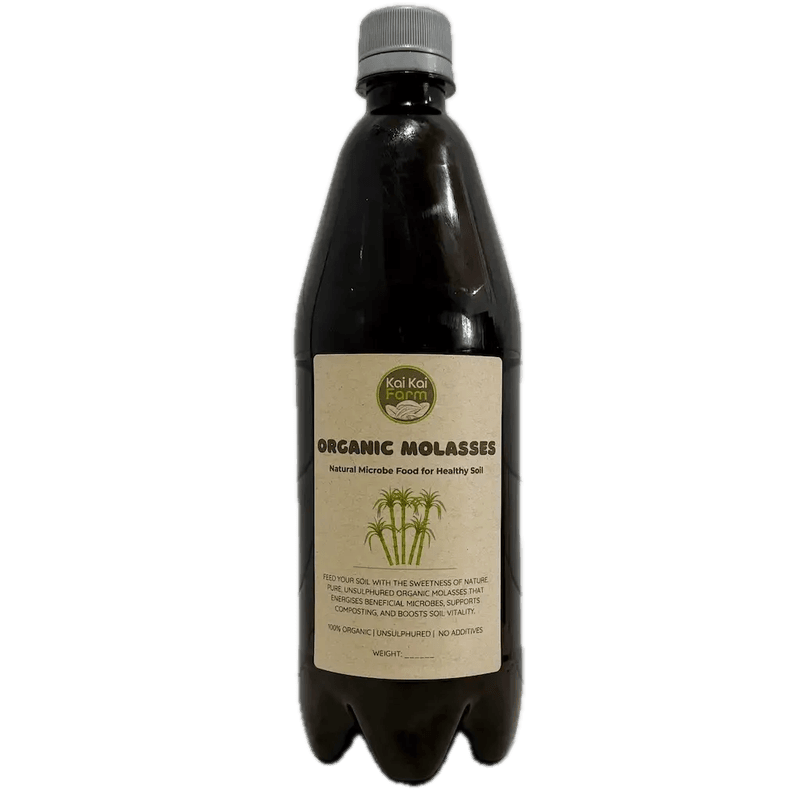
Blackstrap molasses is the surprise ingredient serious gardeners keep in the cupboard. That last sticky bit clinging to the jar is loaded with sugars and minerals that feed the good microbes living in your soil.
Swirl a tablespoon into a gallon of water until it dissolves, then water your peppers and squash with it every couple of weeks. The microbes feast on the sugar and, in turn, unlock nutrients already sitting in the dirt.
Healthier soil biology means your plants pull more from every feeding, which matters most late in the season when the ground feels spent. It is one of the simplest ways to wake up tired garden beds.
8. Crushed Nut Shells
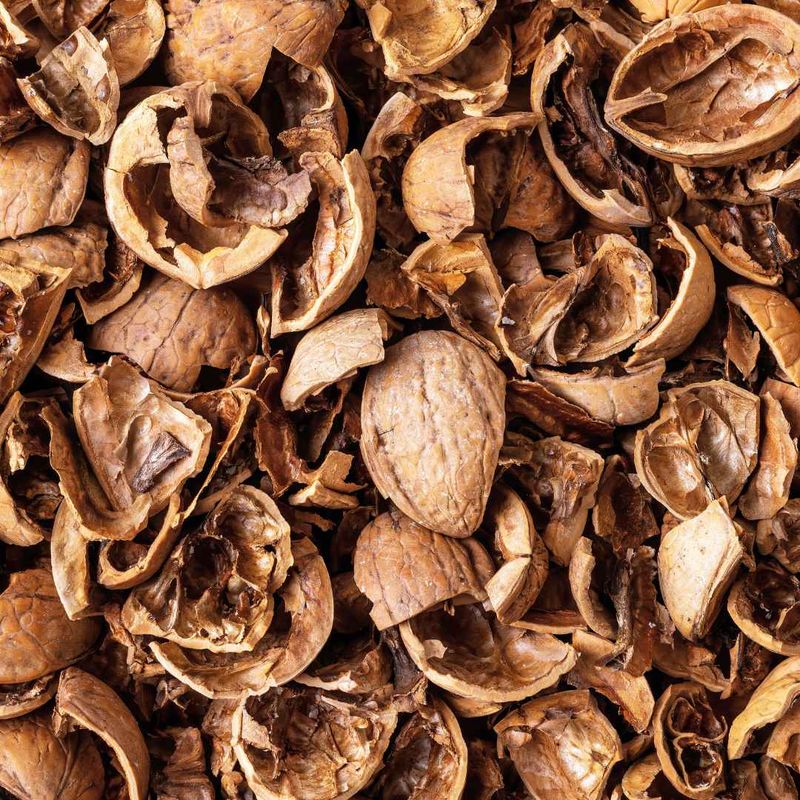
Cracked open a bag of peanuts or walnuts? Do not sweep those shells into the bin just yet. Ground down, they add slow-decaying organic matter that keeps soil airy and loose around thirsty squash roots.
Peanut shells break down fairly quickly and feed the soil, while harder shells take longer and act more like a light mulch that holds moisture in the heat.
One word of caution: walnut shells contain a natural compound that some plants dislike, so compost them fully before using them near sensitive veggies. Used thoughtfully, this crunchy scrap becomes free structure for your beds.
9. Citrus Peels
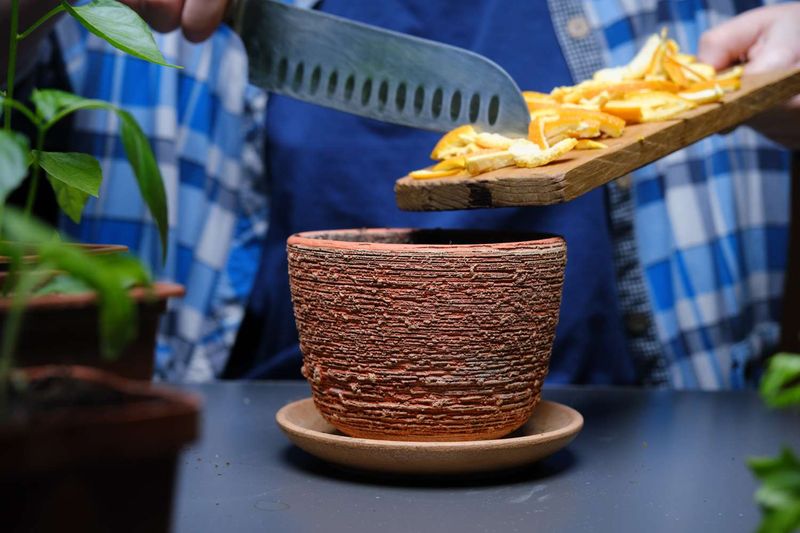
Orange and lemon rinds carry a little nitrogen and phosphorus, but their real charm shows up as they rot down and enrich the soil with organic matter. Chop them fine so they do not sit around acidifying one spot too much.
Because citrus is on the acidic side, blend the peels into compost rather than dumping piles directly on your beds. Once they mellow out in the pile, the finished compost is perfectly friendly to peppers.
There is a second perk worth mentioning. The strong smell of citrus oils may help nudge certain crawling pests away from your plants, giving late-season squash a small measure of cover.
10. Stale Bread And Grains
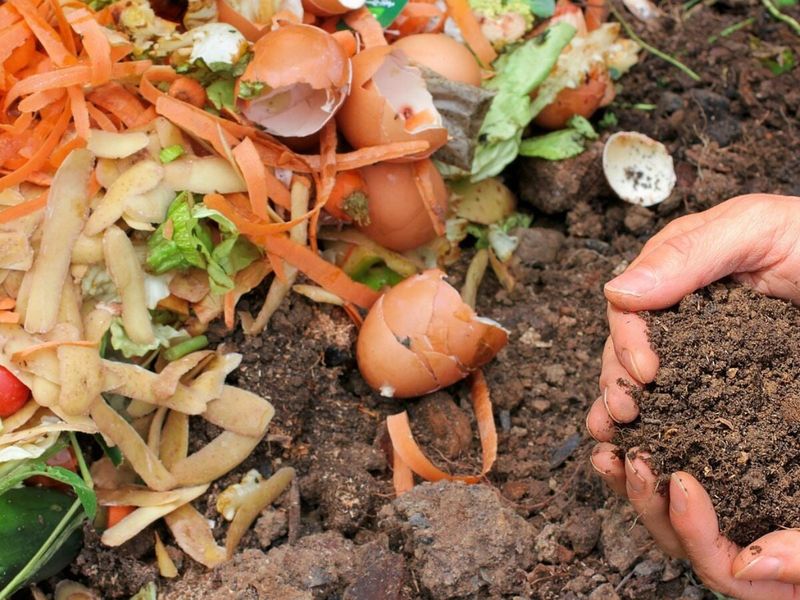
That heel of bread nobody wants and the forgotten bowl of cooked rice can go back to the earth instead of the trash. Broken down in compost, grains deliver carbon and a bit of nitrogen that heat up the pile and speed rotting.
Never bury bread whole right next to plants, since it can grow mold and attract rodents. Crumble it small, mix it deep into an active compost pile, and let the heat do its job.
The finished compost carries steady, balanced food that peppers and squash can lean on through the slow weeks of late summer. Waste becomes fuel with almost no effort.
11. Melon Rinds
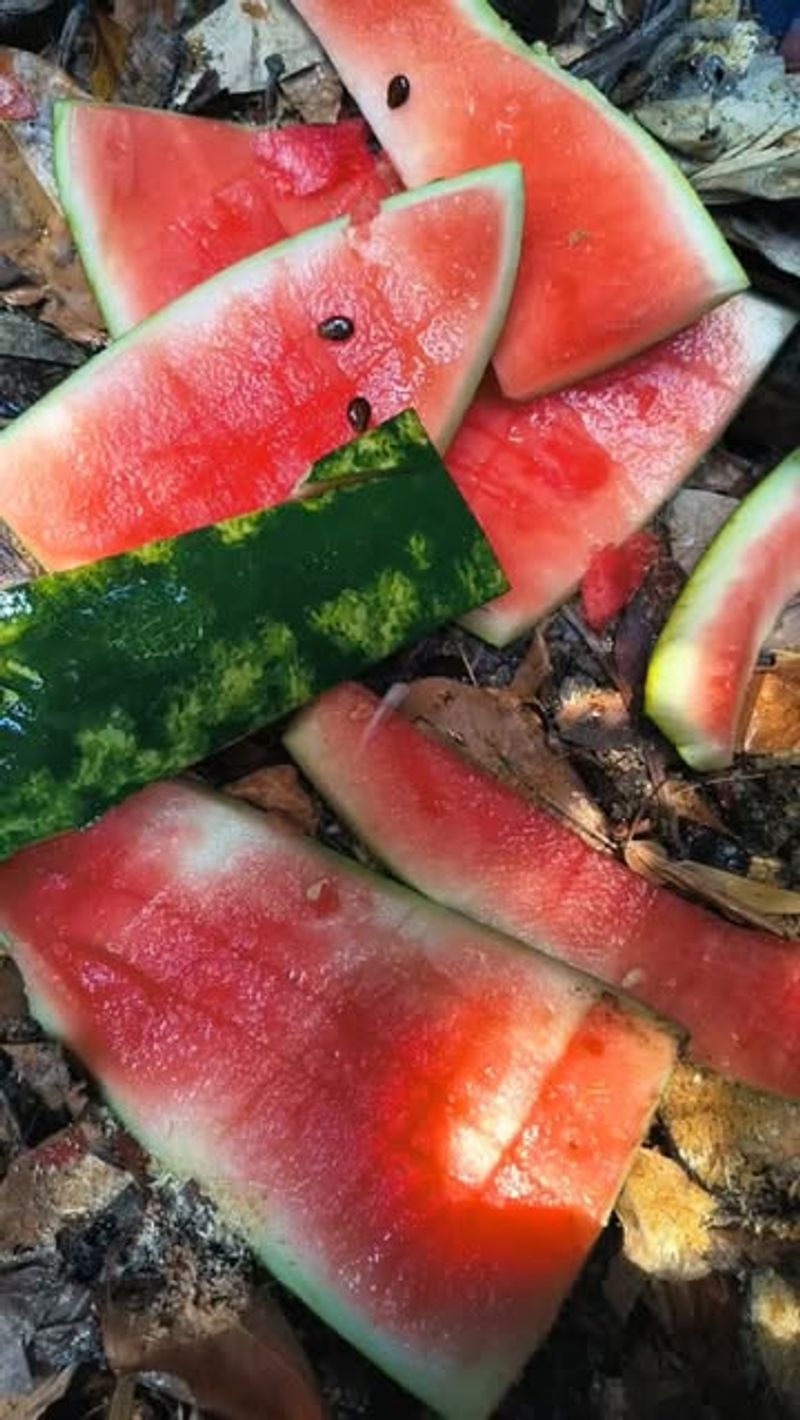
After a summer cookout, watermelon and cantaloupe rinds pile up fast, and they are almost pure water and sugar with a dash of potassium. Chopped and buried, they melt into the soil and leave moisture behind for shallow squash roots.
Cut them into chunks so they decompose evenly rather than turning into one slimy mass. Tuck them a few inches under the surface between plants where they will not attract fruit flies.
As the rinds break down, they hold water in the root zone through hot spells and hand off a gentle feeding. It is a fitting way to close the loop on all that summer fruit.
12. Tea Leaves And Bags
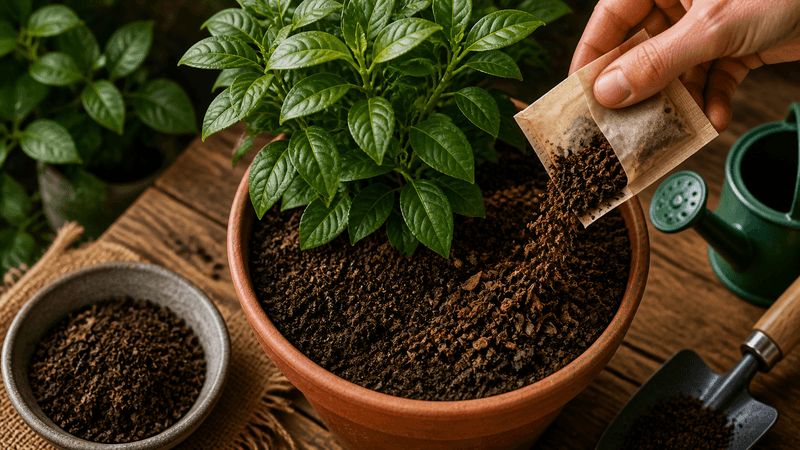
The soggy tea bag sitting on your saucer holds a modest shot of nitrogen and tannins that plants can use. Snip the bag open, since many are made with plastic mesh you do not want in the garden, and scatter the leaves.
Loose leaf tea is even simpler, going straight onto the soil or into compost with nothing to sort out. Worked into the top layer, the leaves rot quickly and feed hungry roots.
Peppers respond well to that slow trickle of nitrogen as they keep flowering into September. Just check that any bag you use is paper, not the sneaky synthetic kind.
13. Corn Cobs
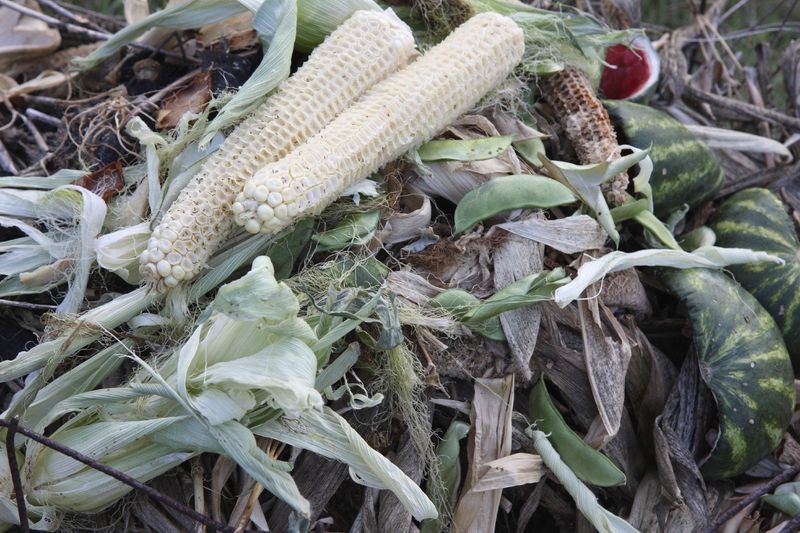
Once the kernels are gnawed clean, the bare cob still has plenty to give. Buried in a bed, cobs act like tiny sponges, soaking up water and slowly releasing it back as they break down over the weeks.
Some gardeners even use a technique borrowed from old timers, laying cobs in the bottom of a deep planting trench to hold moisture through dry spells. Squash, with its big thirsty leaves, benefits most.
Chop the cobs if you want faster breakdown, or leave them whole in a hugelkultur-style bed for a longer-term moisture bank. Either way, a scrap headed for the bin becomes a water reservoir underground.
14. Fish Scraps
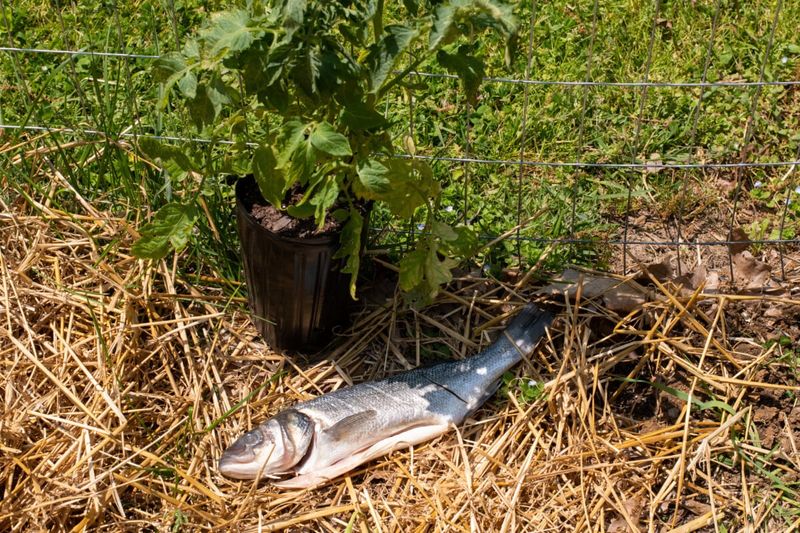
Fish heads and trimmings might sound unpleasant, but Native American growers famously buried fish to fuel their crops, and the reasoning still holds. Fish is rich in nitrogen and phosphorus, exactly the fuel peppers need to keep setting fruit.
The catch is smell and scavengers, so bury scraps deep, at least a foot down and well away from the surface. Placing them below the root zone at planting time or mid-season side-dressing works best.
As the scraps decompose, they deliver a powerful, long-lasting feeding that few kitchen leftovers can match. If you fish or buy whole fish, this is one of the richest scraps you can hand your garden.
15. Wood Ash
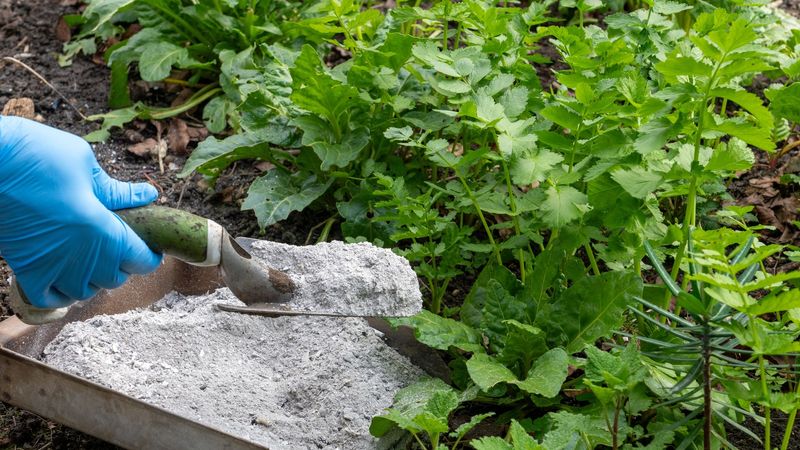
If you run a fire pit or wood stove, the cooled gray ash is a concentrated source of potassium and lime that peppers and squash can tap into. Potassium drives strong fruit, so a light dusting late in the season is well timed.
Go easy, because ash raises soil pH and too much can throw your beds out of balance. A thin scattering worked in around plants every few weeks is plenty, and skip it entirely if your soil is already alkaline.
Only use ash from clean, untreated wood, never from painted scraps or charcoal briquettes. Handled with a light touch, it turns a fireplace leftover into a real potassium boost.
16. Pepper And Squash Trimmings
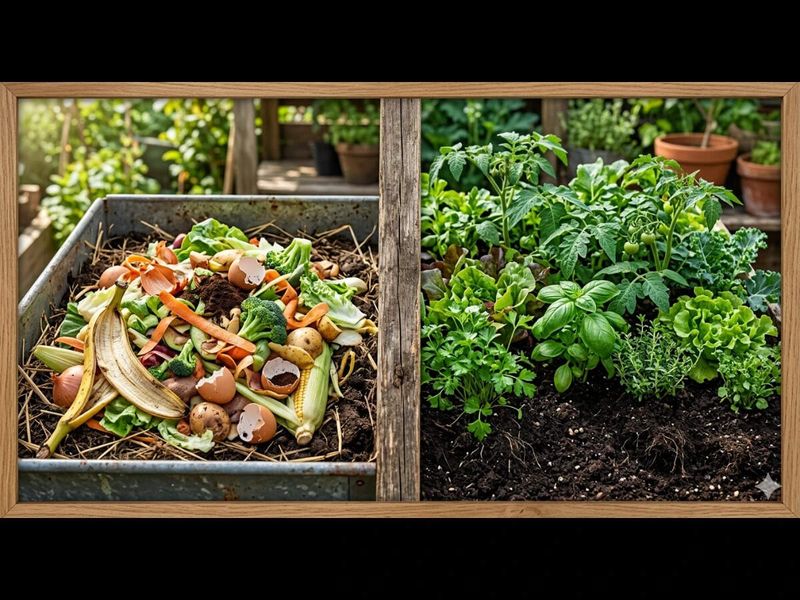
Here is the tidy full-circle move: the ends, seeds, and cores you cut off your own peppers and squash can feed the very next crop. Chopped and composted, they return their nutrients right back to the plants that made them.
Toss the trimmings into your compost bin rather than burying them fresh among growing plants, which helps avoid spreading any lingering disease. A hot, active pile neutralizes most trouble and hands you clean, plant-ready compost.
There is something satisfying about watching your harvest feed the next round. Nothing wasted, nothing hauled off, just a steady loop of scraps turning back into food straight through the slow late-summer stretch.