
If Your Peace Lily Leaves Are Turning Black, One Hidden Stress Is Quietly Getting Worse
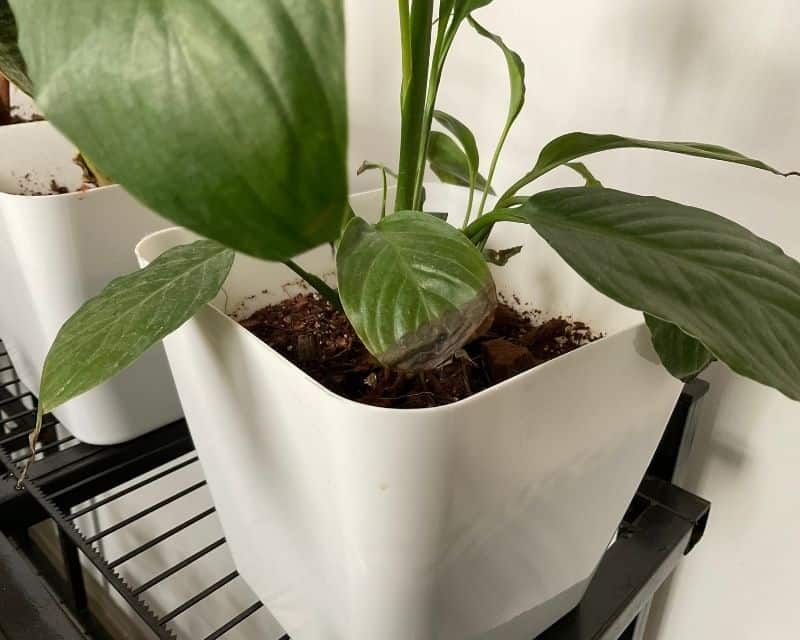
Black leaves on a peace lily can stop you cold, especially when the plant looked fine just a week ago. Most people assume one watering mistake caused the problem, but the real picture is usually more complicated. Several different stresses can turn peace lily leaves black, and figuring out which one is affecting your plant makes all the difference in how you respond.
Black leaves are a symptom, not a diagnosis
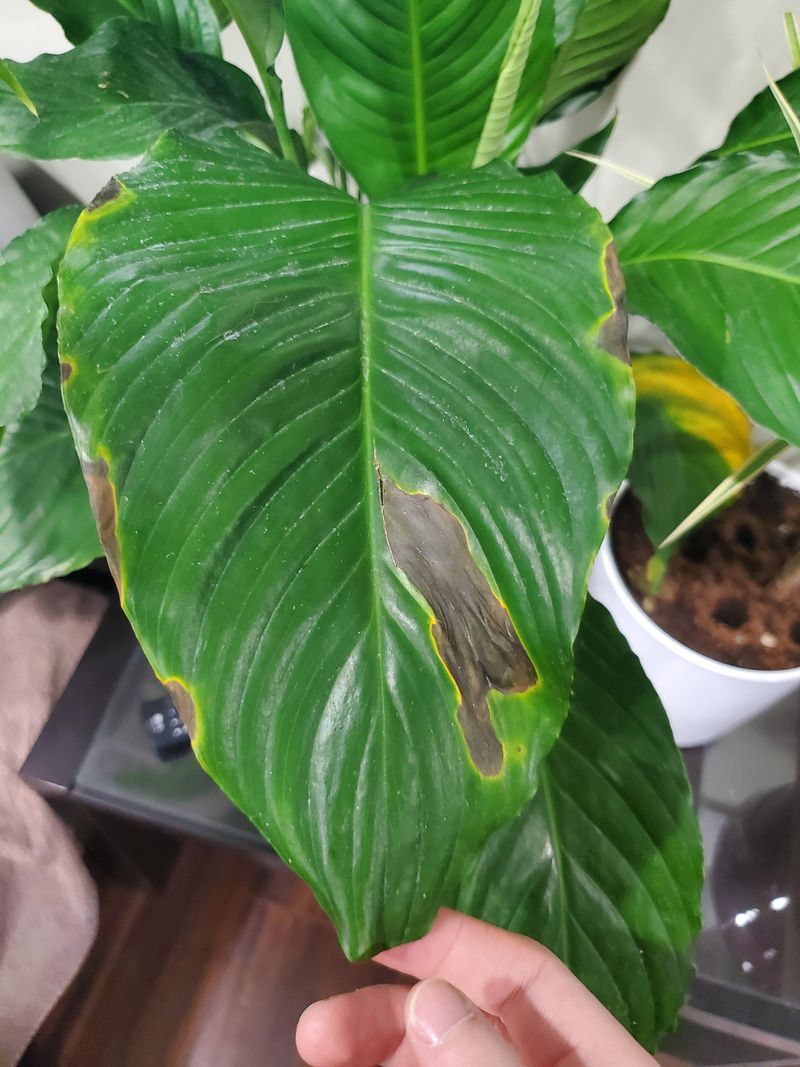
Noticing that your peace lily’s leaves have gone black is alarming, but the color change itself does not point straight to one cause. University extension sources document blackening from several completely different problems, including chilling injury, direct-sun scorch, fluoride or fertilizer salt buildup, drought, pest activity, and prolonged waterlogging around the roots. Before reaching for a watering can or a bottle of fertilizer, spend a few minutes observing exactly how and where the damage appears.
Leaf pattern tells you a great deal. Whole leaves turning dark, soft, and limp alongside consistently soggy soil suggest the root zone deserves a close look. Damage that starts at leaf tips and edges after a cold snap, a drafty windowsill, or a move near an air vent points toward chilling injury instead. Dry, crispy patches on the side of the leaf facing a sunny window are more consistent with light scorch, while Illinois Extension’s houseplant troubleshooting guidance identifies fluoride and soluble-salt accumulation as common reasons peace lily tips turn brown or black even when the rest of the leaf stays firm.
A soot-like coating sitting on top of the leaf surface is its own category entirely. That powdery or sticky-black layer is often sooty mold growing on honeydew left by sap-feeding insects, not dead leaf tissue at all. Extension pest guidance recommends checking leaf undersides and stems for scale, mealybugs, or similar insects whenever a dark coating appears. Prolonged root-zone wetness is an important possibility worth investigating, particularly when the overall picture fits, but it is one candidate among several rather than a confirmed explanation for every black leaf you find.
Check the root zone for prolonged wetness
Roots need both moisture and oxygen, and when the potting mix stays saturated for days or weeks at a stretch, oxygen is squeezed out and root tissue begins to break down. A peace lily in this condition can wilt, yellow, and eventually develop blackening foliage even though the soil feels wet to the touch. That contradiction, a wilting plant in moist soil, is one of the clearest signals that the root zone rather than drought deserves attention.
Root damage from sustained wet conditions is not simply the result of watering once too much. Extension guidance on peace lily care points to a combination of factors: how long the mix stays wet, whether the container drains effectively, whether the plant sits in a full saucer, and whether the pot size is proportionate to the root ball. An oversized container holds far more moisture than the roots can use between waterings, keeping the mix wet long enough to promote root decline. University of Minnesota winter houseplant guidance reinforces that excess water must be allowed to drain fully and that plants should not sit in standing water.
The pathogens involved in root rot vary, and Penn State Extension’s overview of fungal root rots makes clear that distinguishing among them often requires laboratory analysis rather than a visual inspection alone. What this means practically is that root damage from wet conditions is plausible when the symptoms fit, but it is not the only explanation for black leaves. Cold exposure, light intensity, chemical buildup, pest pressure, and disease all remain on the table until you have gathered more evidence from the pot, the mix, and the roots themselves.
Inspect the pot, mix, and roots before adding water

A drooping peace lily does not automatically mean the plant is thirsty. Root damage, cold stress, and harsh light conditions can all cause wilting even when the potting mix is already wet, so the droop alone should not trigger an immediate watering. Working through a short inspection sequence gives you far better information than guessing from how the leaves look.
Start at the bottom of the pot. Confirm that the drainage holes are open and unobstructed, then check the saucer. Water pooled in the saucer and sitting against the pot base keeps the bottom of the root zone perpetually wet regardless of how carefully you water from above. Extension peace lily care guidance is consistent on this point: empty the saucer after watering and do not allow the pot to stand in collected water.
Next, press your finger into the potting mix and assess whether it feels soggy several inches down or whether only the surface has begun to dry. Mix that stays wet and dense well below the surface warrants caution before adding more water.
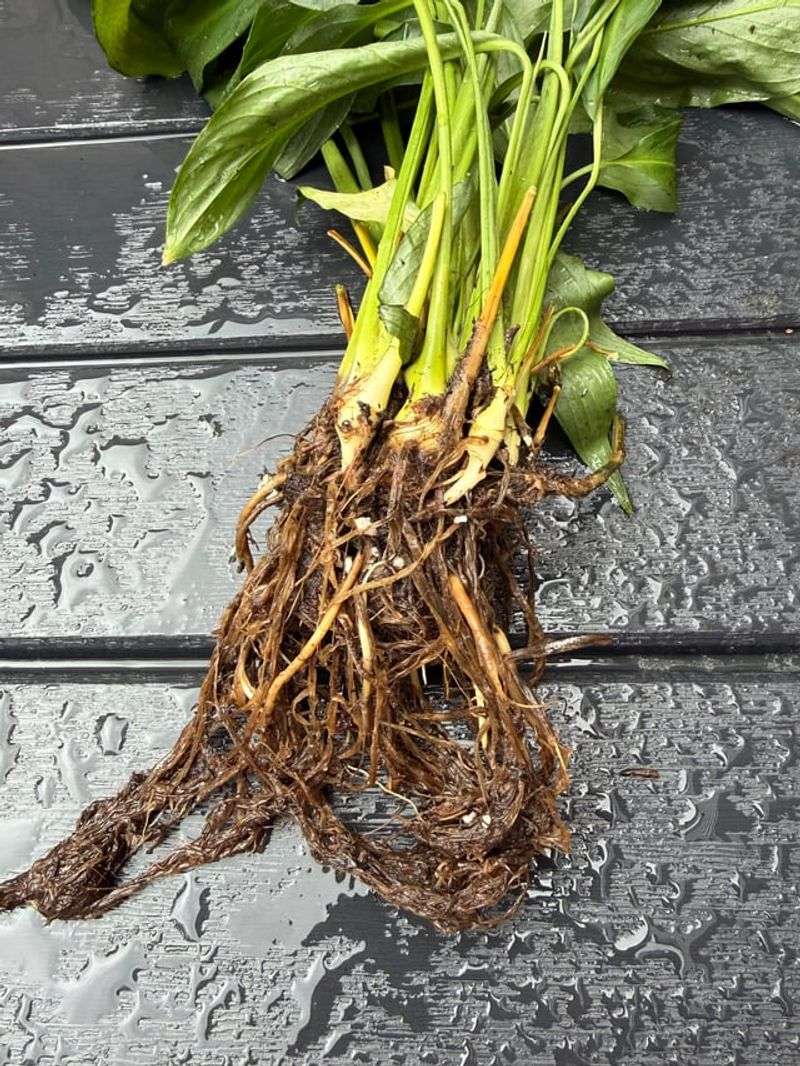
When root damage still seems plausible after checking the pot and mix, carefully slide the root ball out and examine it directly. Healthy roots are firm and generally pale or white. Roots that are dark brown or black, soft, and break apart without resistance indicate serious tissue damage. Penn State Extension notes that specific root-rot pathogens are difficult to distinguish without laboratory analysis, so a plant clinic or diagnostic lab is the appropriate next step when the damage is severe or the identity of the problem matters for treatment.
University of Minnesota plant diagnostic guidance similarly emphasizes that wilting paired with root decline requires root inspection, not just adjusted watering. Removing clearly dead or mushy root tissue and repotting into fresh, well-draining mix in an appropriately sized container is the practical response when root damage is confirmed.
Water by the mix, not by the calendar
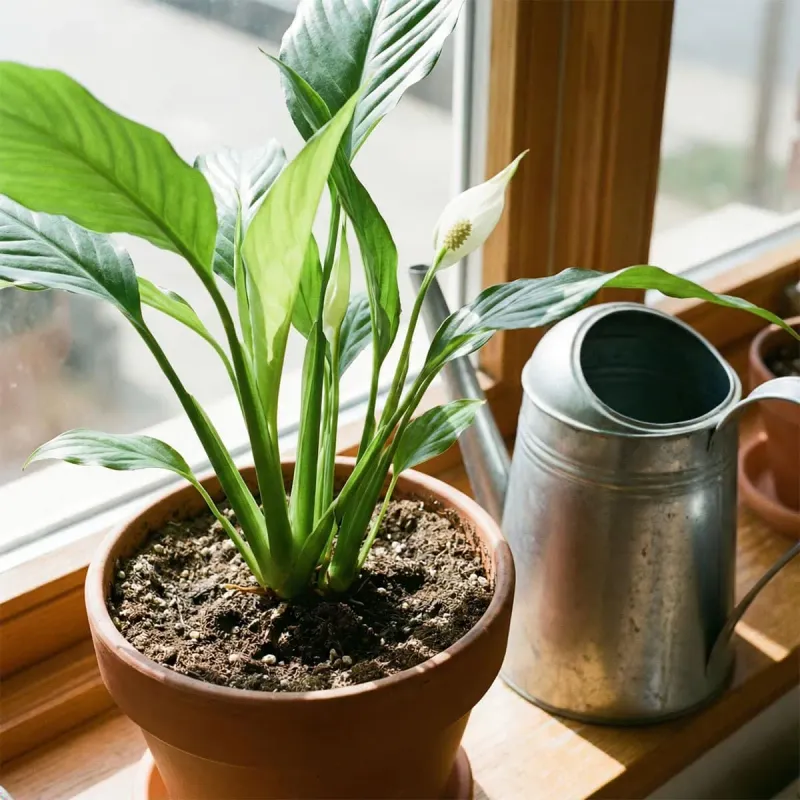
Watering on a fixed schedule, say every Tuesday or every seven days, works against you because the same plant dries out at different rates depending on season, temperature, pot material, light level, and how dense the potting mix is. A peace lily in a cool, low-light corner in January holds moisture much longer than the same plant sitting near a bright window in a warm room in late summer. Treating the calendar as your guide means you will sometimes add water to soil that is still wet and other times leave the plant too dry.
A more reliable approach is to check the mix itself before watering. University of Minnesota spring houseplant care guidance and RHS peace lily growing advice both emphasize watering when the upper layer of the potting mix has begun to dry rather than on a set schedule. When that point arrives, water thoroughly so moisture moves through the entire root zone, then allow all excess to drain completely from the pot. Empty the saucer promptly so the pot is not sitting in collected water.
A dramatic droop is not a reliable watering trigger on its own. As noted earlier, root damage can cause wilting even when the mix is still wet, so adding water to an already-saturated pot in response to a droop can worsen the very problem you are trying to fix. Container size, soil structure, and the season all influence how quickly the mix dries between waterings. A pot that seems too large for the plant will hold excess moisture far longer than a snug, well-matched container, extending the wet period and raising the risk of root stress over time.
Match the damage pattern to other possible causes
When you pull the root ball and find firm, pale roots with no sign of decay, the problem almost certainly lies somewhere else. Working through the other common causes in a systematic way, matching each one to observable clues and recent environmental history, keeps you from applying the wrong fix.
Cold exposure is a frequent culprit that goes unnoticed until the damage has already set in. UF/IFAS Spathiphyllum guidance and a related UF/IFAS production guide identify chilling injury as a documented cause of blackening in peace lilies, with damage risk beginning at temperatures roughly in the range of just above freezing up to around 59 degrees Fahrenheit, and extended exposure below 45 degrees Fahrenheit noted as a particular concern. Chilling injury typically starts at leaf tips and margins and works inward, leaving tissue that eventually turns dark and necrotic. Check whether the plant recently sat near a drafty window, an exterior door, or an air conditioning vent.
Direct sun scorch produces a different pattern: dry, bleached, or darkened patches on the side of the leaf facing the light source, often appearing shortly after the plant was moved from a shaded spot to a brighter one. Peace lilies are adapted to filtered or indirect light, and sudden strong sun exposure can damage foliage quickly. Extension guidance on peace lily light needs confirms that warm, indirect light is the appropriate target.
Brown-to-black tips on otherwise firm leaves, without widespread softening or soil saturation, often reflect fluoride or soluble-salt accumulation rather than root trouble. Illinois Extension’s peace lily tip-burn explanation names fluoride and salt buildup as common contributors. Pest and disease activity rounds out the list: round or irregular dark spots, sticky residue on leaves or stems, visible insects, or a powdery coating on the leaf surface all point toward a pest or pathogen rather than a watering or environmental issue. Each of these patterns calls for a different response, so matching the clue to the likely cause before acting keeps you from compounding the problem.
Correct the cause and protect new growth
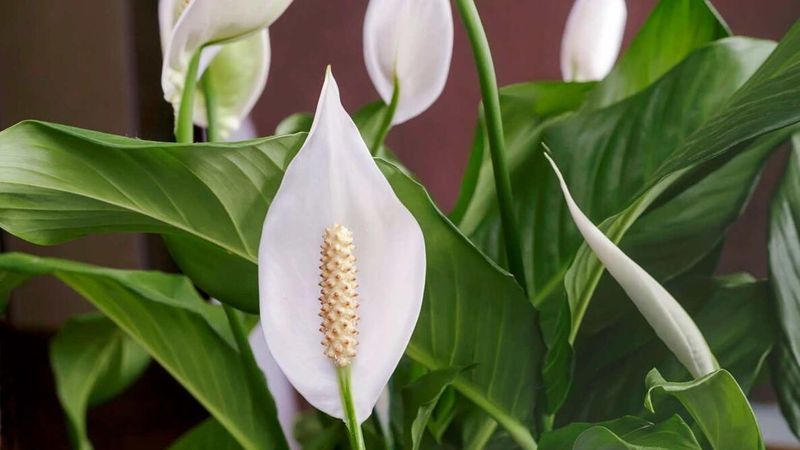
Recovery priorities depend on what the inspection revealed. When root damage from prolonged wetness is the likely cause, the most important steps are improving drainage and preventing renewed saturation. Penn State Extension’s root rot guidance emphasizes removing clearly affected root tissue, using fresh sterile potting mix with appropriate drainage, and ensuring the container allows excess water to escape freely. Household remedies such as hydrogen peroxide drenches, cinnamon, bleach, or improvised fungicides are not supported by authoritative sources as reliable treatments; drainage, root removal where warranted, and fresh mix are the practical actions.
Light and temperature matter just as much as watering once the root zone is addressed. Peace lilies prefer warm conditions and filtered or indirect light. RHS growing guidance and UF/IFAS production notes both point to warmth and indirect light as the preferred growing environment. Move the plant away from cold drafts, exterior walls in winter, and windows that receive strong direct sun.
Interior-grown peace lilies generally need less fertilizer than greenhouse specimens, and Illinois Extension peace lily care notes caution that excessive fertilizer contributes to salt buildup and tip damage, so follow the product label and avoid increasing fertilizer in an attempt to compensate for black leaves.
If tip burn has been persistent and your tap water has high fluoride or mineral content, switching to low-fluoride or distilled water is a reasonable option to try. That said, tap water is not universally harmful to peace lilies; the benefit of switching depends on local water chemistry, how much has accumulated in the soil, and what other stresses are present. University of Minnesota houseplant care guidance supports removing dead or badly damaged leaves for general plant hygiene, but pruning alone does not repair roots, reverse cold injury, or address salt buildup. Removing black leaves tidies the plant; fixing the underlying condition is what protects what grows next.
Finally, peace lilies contain insoluble calcium oxalate crystals throughout their leaves, stems, and flowers. Poison Control’s peace lily safety information notes that chewing or swallowing plant material can cause mouth and throat irritation, drooling, swelling, nausea, or vomiting. Keep the plant out of reach of children and pets, and wear gloves if handling the plant irritates your skin.
Inspect before you water again
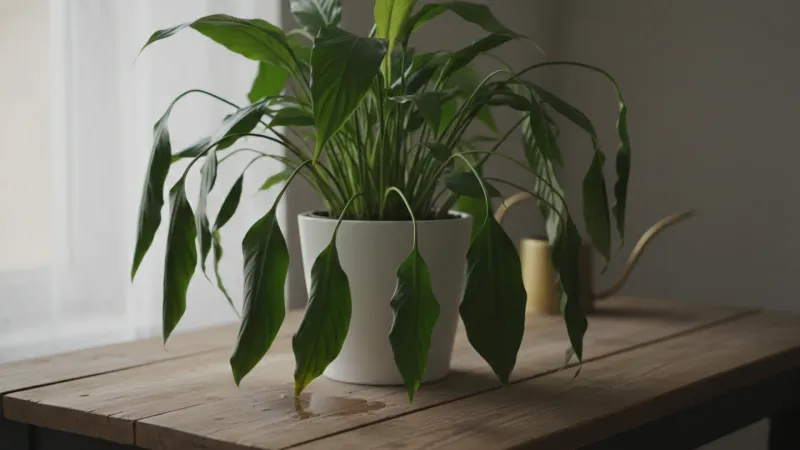
Black leaves on a peace lily do not confirm a single hidden cause. Persistently wet soil makes the root zone a logical first place to investigate, but cold exposure, direct sun, chemical buildup, pest pressure, and disease can produce similar-looking damage through entirely different mechanisms. Extension peace lily guidance and Illinois Extension’s houseplant troubleshooting resource both support a diagnostic approach rather than a single-cause assumption.
Before changing anything about your care routine, compare the soil condition, the container setup, the root ball, the leaf damage pattern, and the plant’s recent exposure history. Correct the factor that best fits the full picture. Penn State Extension’s root rot overview is a useful reminder that even root damage requires confirmation through root inspection, not just leaf observation. The leaves that have already turned black will not recover their color.
Attention belongs on preventing additional damage and giving the plant conditions where healthy new growth can emerge.