
Hummingbirds Read Your Whole Yard, Not Just The Feeder – Here’s Why They Skip Some Spots
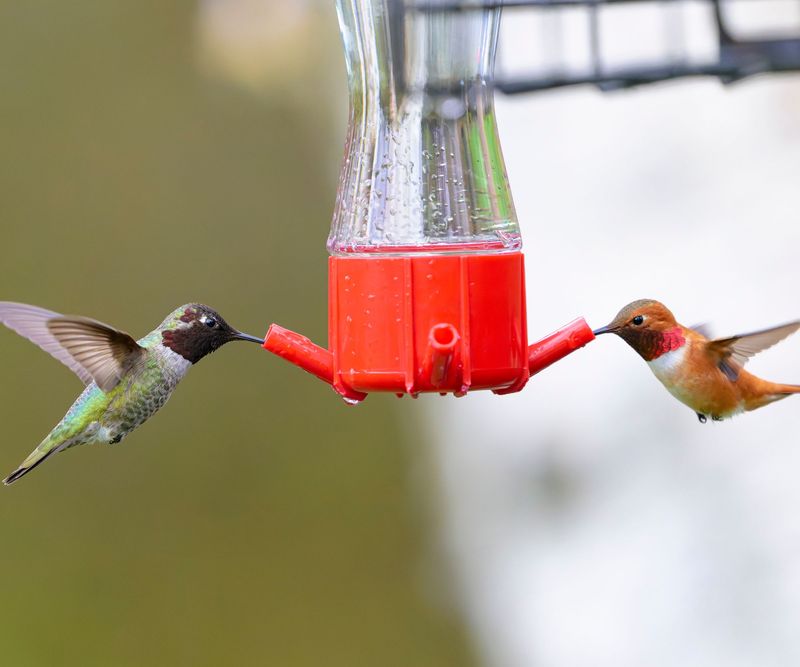
Your hummingbird feeder is full, the nectar is fresh, and yet the birds keep flying past without stopping. It can feel like they’re judging your whole yard and finding it lacking. The good news is that hummingbirds aren’t running a full inspection of your property – they’re responding to specific visual cues, learned landmarks, and the conditions surrounding the feeder itself. Once you understand what those signals are, you can start making small, targeted changes that actually bring results.
The setting around a feeder sends visual signals
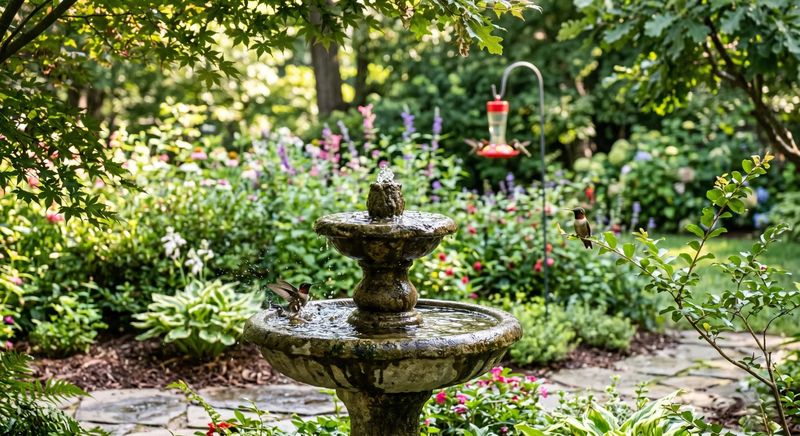
Hummingbirds are not literally reading your whole yard the way a home inspector walks through a house. The phrase is a useful metaphor for something more specific: these birds rely heavily on vision, spatial memory, and learned associations when they decide where to look for food. That distinction matters because it changes what you actually need to fix.
Field experiments have given us a clear picture of how this works. In one well-documented study, researchers trained wild hummingbirds to associate a particular color with sugar water, then moved the rewarding feeder while controlling for the possibility that smell was guiding the birds. Princeton-led research on hummingbird color vision found that the birds continued choosing the learned color even after the feeder was relocated, and smell did not explain the pattern. That tells us something practical: once a hummingbird connects a visual cue with a food reward, it will return to that cue.
But a feeder that hasn’t been discovered yet, or one that has changed location without a conspicuous landmark to anchor it, may simply not register.
The practical question shifts when you understand this. You’re no longer asking which nectar formula will attract birds. You’re asking what the feeder’s current location makes easy or difficult to notice and revisit. Is it tucked behind a fence where a passing bird has no reason to look?
Is it hanging in a spot that was great last season but now lacks the landmark branch that hummingbirds used as a reference point?
Visual conspicuousness matters for initial discovery. A feeder placed where hummingbirds already travel, near a known perch or a patch of flowering plants, is far easier to find than one placed for human convenience. Learned location memory keeps birds coming back once they’ve found it, which is why moving a feeder even a short distance can temporarily reduce visits. Give birds time to relocate a moved feeder, and consider placing a conspicuous visual marker nearby to help them make the new association.
Sun and wind can undermine an otherwise suitable feeder
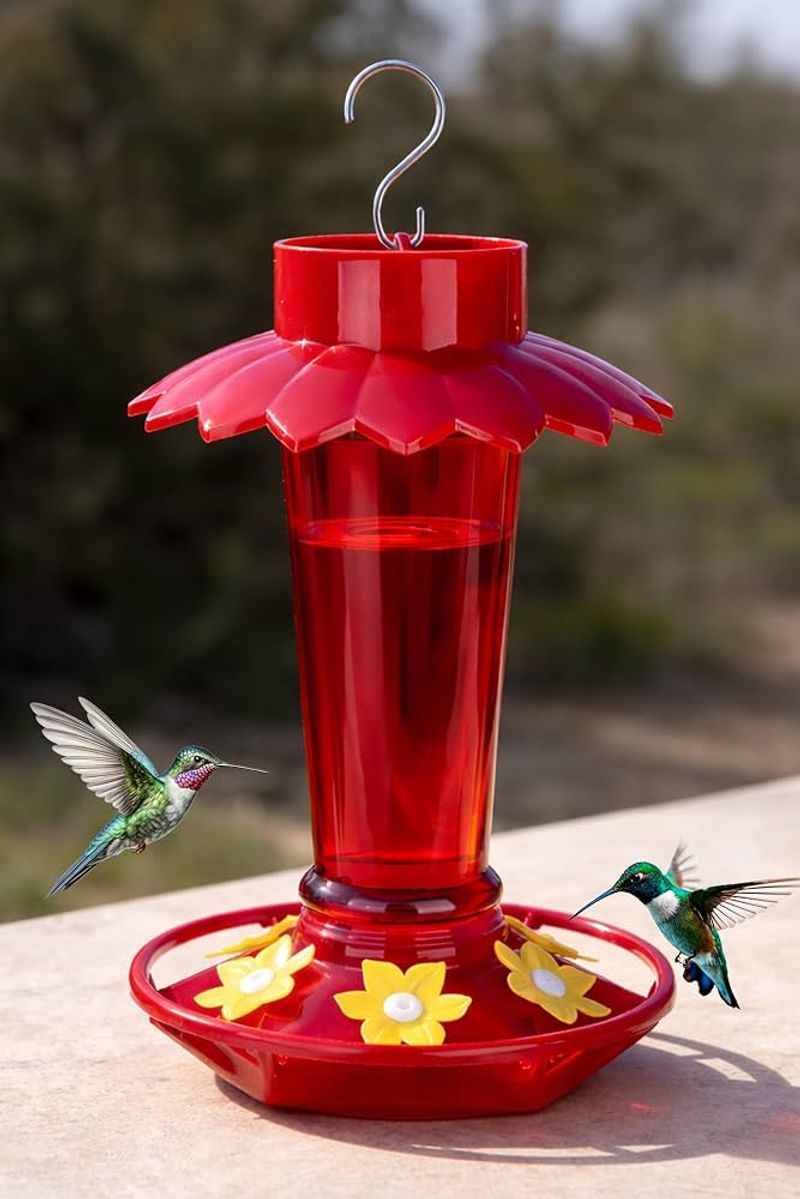
Where the sun hits your feeder, and how much wind reaches it, can quietly work against you even when everything else seems right. Direct sunlight is one of the fastest ways to ruin nectar. Heat accelerates fermentation and microbial growth, turning a fresh batch of sugar water into something cloudy and potentially harmful within a day or two during a hot summer stretch.
Some bottle-style feeders have an additional problem in full sun: the heat can cause pressure changes inside the bottle that push nectar out through the ports, leading to dripping and waste. Cornell Lab’s hummingbird feeding guidance recommends placing feeders in partial shade and out of strong wind for exactly these reasons. Partial shade doesn’t mean deep shadow – a spot that gets morning sun and afternoon shade, or filtered light through a tree canopy, works well.
Wind creates a different kind of problem. A feeder that sways and spills in gusty conditions becomes an unreliable food source, and hummingbirds that have been splashed or found an empty feeder after a windy day may simply move on. A sheltered spot – near a wall, a fence, or the lee side of a shrub – can reduce that instability without sacrificing visibility.
The placement test here is straightforward. Watch the feeder on a sunny afternoon and again on a breezy day. If it’s dripping, swaying noticeably, or sitting in harsh direct light for most of the day, a small repositioning can make a real difference. Just keep in mind that moving to better sun and wind conditions doesn’t replace safe nectar preparation – a shaded, sheltered feeder filled with spoiled nectar still won’t attract birds, and may actively discourage them.
Give hummingbirds cover without giving predators concealment
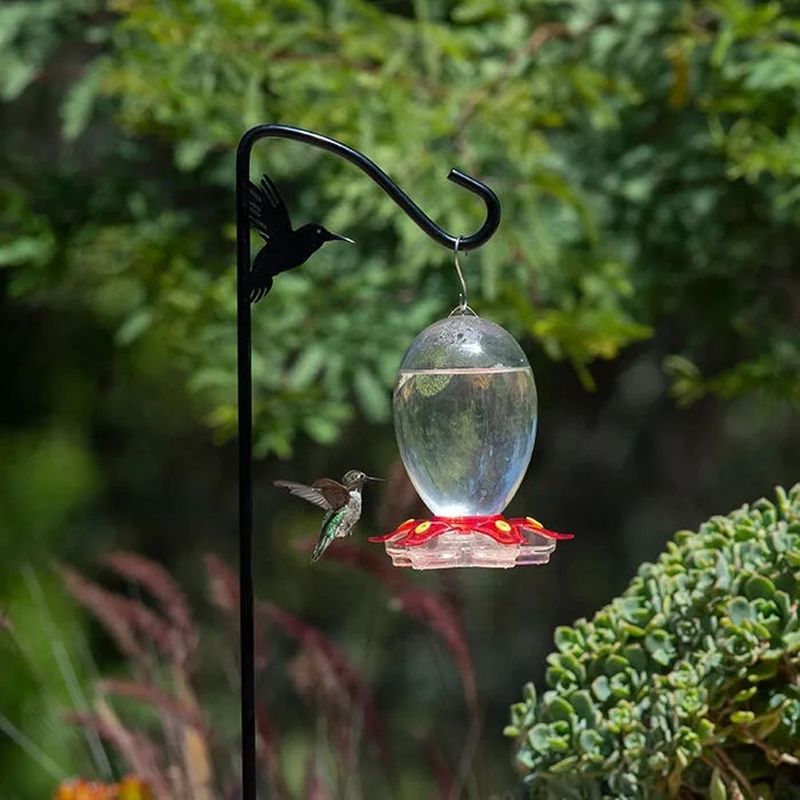
A feeder hanging alone in the center of a wide-open lawn might seem like an easy spot for a hummingbird to find, but it’s also a spot with nowhere to rest, nowhere to survey the area, and no protection from sudden threats. Hummingbirds use branches and shrubs to perch between visits, watch for rivals, and catch their breath. A completely exposed feeder skips all of that.
Audubon’s guidance on hummingbird-friendly yards describes how shrubs and small trees can provide shelter, nesting locations, and insect habitat alongside the feeder. The goal is nearby, visible cover – a branch within a few feet that a hummingbird can land on, scan from, and return to. That’s different from pressing the feeder directly into a dense thicket, which creates a different problem entirely.
Dense vegetation right against the feeder can give cats or other predators a place to hide and wait. Cornell’s bird feeder placement advice emphasizes keeping cats away from feeding areas and maintaining open sightlines so birds can spot approaching danger. The safest setup gives hummingbirds access to cover while keeping the immediate feeder area clear enough that nothing can sneak up on a hovering bird.
Windows add another dimension to this. A feeder placed in the 15- to 30-foot range from a window sits in one of the most collision-prone zones, because birds can build up speed before impact. U.S. Fish and Wildlife Service bird feeding guidance points to placing feeders within 3 feet of windows as a way to reduce collision risk, since a bird leaving from that close can’t gain dangerous momentum.
Neither distance eliminates every risk, but the under-3-foot placement is meaningfully safer than the mid-range zone. If you’re moving a feeder closer to the house for shade or shelter, check the window situation at the same time.
One territorial bird can reshape feeder traffic
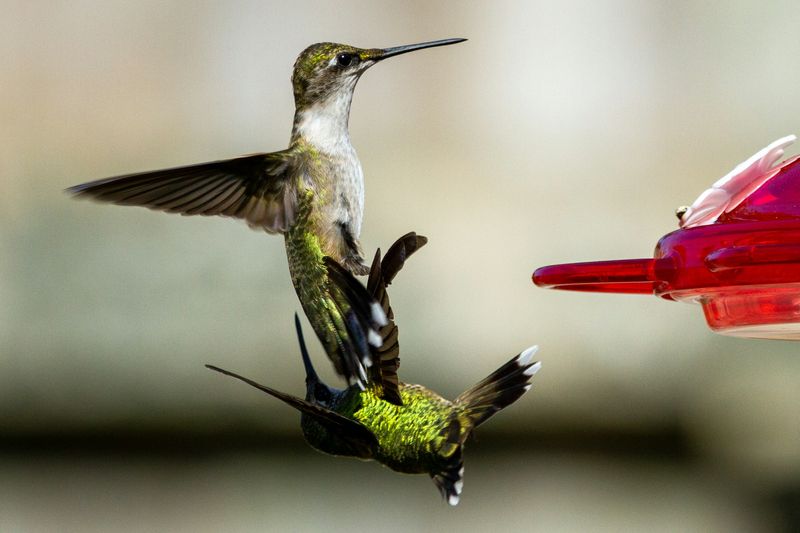
Sometimes a feeder isn’t being skipped – it’s being guarded. Hummingbirds can be surprisingly aggressive about food sources, and a single dominant bird may spend more energy chasing rivals away than actually feeding. From a distance, the feeder looks quiet. What’s really happening is that one bird has claimed it.
Audubon’s hummingbird yard planning resource addresses this directly, recommending that gardeners place several feeders far enough apart that birds cannot see one another from any single perch. Cornell Lab echoes this, noting that several smaller feeders positioned around a home can outperform one large central feeder when territorial behavior is the issue. The logic is simple: a bird can only defend what it can see. Spread feeders around corners, behind shrubs, or across different sides of the yard, and the dominant bird loses the ability to monitor all of them at once.
This is worth framing as an experiment rather than a guaranteed fix. A highly territorial hummingbird may still chase birds from multiple sites or simply establish a larger patrol route. Adding feeders reduces the chance that one bird controls all available food, but it doesn’t promise that every feeder will see equal traffic or that aggression will disappear entirely. Watch what happens after you add a second feeder in a different zone – if other birds start using it within a few days, territorial monopolization was likely part of the problem.
It’s also worth considering who the territorial bird actually is. Male ruby-throated hummingbirds are especially aggressive during the breeding season. Females may appear less often at feeders while incubating eggs or feeding nestlings, which can look like avoidance but is actually normal nesting behavior. Before assuming a layout problem, spend a few minutes watching to see whether one bird is actively patrolling the feeder area.
Build a yard that offers more than sugar water
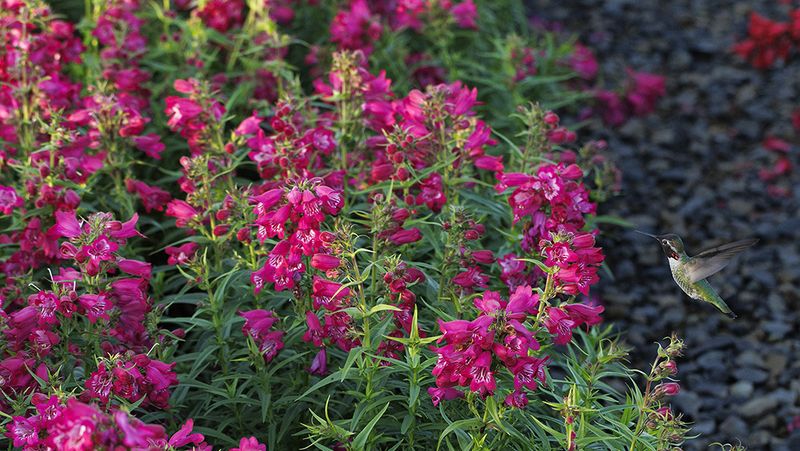
Sugar water keeps hummingbirds fueled, but it doesn’t give them everything they need. Hummingbirds also eat insects and spiders, especially when they’re raising young. Protein from prey items supports nestling development in ways that nectar simply can’t, so a yard that has wiped out its insect life with pesticides is a less complete habitat even if the feeder is always full.
Audubon recommends grouping similar plants together in visible displays and selecting species with staggered bloom times so that something is always flowering across the season. Shrubs and small trees do double duty – they provide perches and potential nesting sites while also supporting the insects that hummingbirds hunt. Leaf litter and intact vegetation near the garden edge can shelter the small invertebrates that round out a hummingbird’s diet.
The National Wildlife Federation’s hummingbird gardening guidance highlights native plants as a strong foundation for this kind of habitat, because locally native species tend to support native insects and are already adapted to regional soil and climate conditions. That said, “native” is not a magic label. What grows well and supports insects in the mid-Atlantic won’t necessarily suit a yard in the Pacific Northwest or the desert Southwest. Suitable nonnative flowers can also work, particularly if they produce accessible nectar and bloom at times when native options are scarce.
Penn State Extension’s hummingbird attraction guide emphasizes thinking about bloom sequencing so that hummingbirds have reasons to stay in an area across the whole season rather than moving on when one plant finishes. Arranging flowers in visible clusters rather than scattering single plants also helps, because a concentrated display is easier for a passing hummingbird to spot and investigate. Think of it as making the foraging zone legible at a glance, which connects back to how vision and spatial cues drive discovery.
Keep nectar safe before you optimize the location
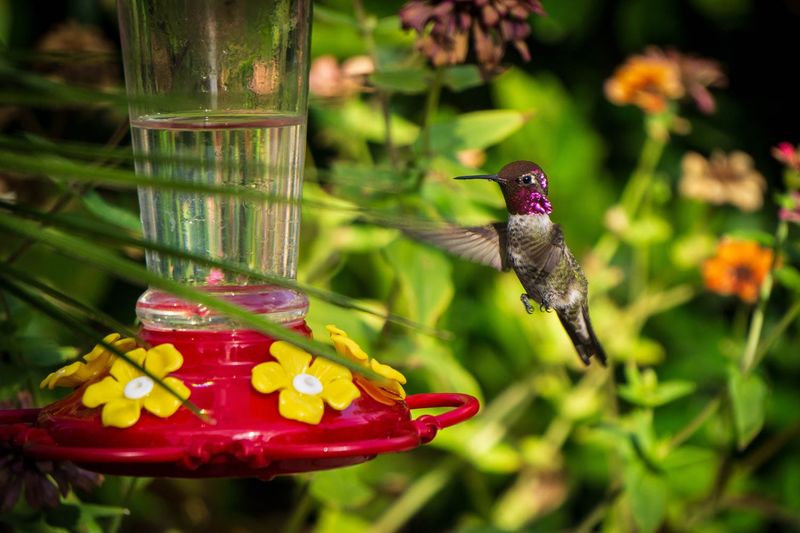
All the placement work in the world won’t matter if the nectar itself is the problem. A hummingbird that visits once and finds spoiled or incorrectly prepared sugar water may not return, and in some cases, bad nectar can cause real harm. Getting the basics right is a prerequisite, not an afterthought.
The preparation standard is one part plain white table sugar to four parts water by volume. That’s it. Rutgers Cooperative Extension’s hummingbird factsheet specifically warns that sugar water can ferment rapidly in hot weather, producing alcohol that is toxic to hummingbirds. Honey ferments even faster and can promote dangerous fungal growth.
Artificial sweeteners provide no calories and should not be used. Red dye is unnecessary and potentially harmful – the feeder itself or nearby flowers can provide color without adding anything to the solution.
Cornell Lab recommends replacing sugar water every two or three days and daily during very hot weather. If the nectar looks cloudy, has visible particles, or smells off, replace it immediately regardless of how recently it was changed. Cloudiness is a sign of microbial growth, and a contaminated feeder can make birds sick. Feeders should be cleaned every three to five days – more often in summer heat – using hot water and a bottle brush.
Soap residue can also deter birds, so rinse thoroughly.
Audubon’s hummingbird resource reinforces that the feeder itself should be kept clean and the solution kept fresh, treating these as non-negotiable rather than optional extras. An attractive setting draws birds in, but if what they find inside the feeder is fermented or contaminated, you’ve wasted the placement effort. Check the nectar before you start moving things around – it’s the fastest single diagnostic you can run.
Test the layout instead of searching for a magic fix
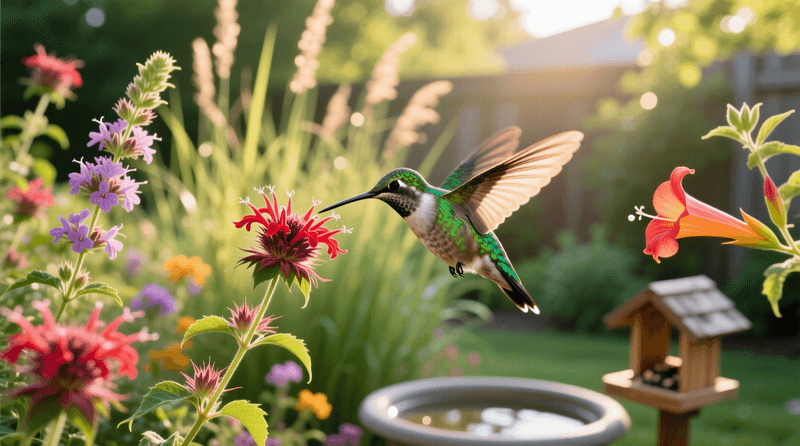
No single feeder distance, color, or plant species works everywhere. Yards vary by region, sun angle, wind patterns, cat presence, nearby trees, and the individual hummingbirds that happen to be passing through. The most useful thing you can do is treat your yard as an ongoing observation project rather than a one-time setup.
Start by watching before you change anything. Where do hummingbirds approach from? Which branch do they land on most often? Is one bird spending more time chasing than feeding?
Does the feeder sit in direct afternoon sun, or does it swing in the wind? Is there a window within 15 to 30 feet that could be a collision risk? Cornell’s feeder placement resource encourages exactly this kind of site-specific evaluation rather than applying a fixed rule.
When you do make a change, adjust one thing at a time. Move the feeder to a shadier spot, or add a second feeder on the other side of the house, or trim back the shrub that might be giving a cat cover. Wait a week or two before drawing conclusions. Hummingbirds need time to find a relocated feeder and rebuild the location memory that keeps them returning.
Cornell’s midsummer hummingbird FAQ reminds readers that fewer visits don’t always mean a layout problem. Migration, nesting, territorial exclusion, seasonal flower abundance, insect availability, and weather all affect how often birds show up. A quiet feeder in late summer may simply mean birds are preparing to move south, not that anything is wrong with the yard. Factor in the season before assuming you need to redesign the whole setup.
Color can play a role in initial discovery, as Princeton’s color vision research makes clear, but a conspicuous feeder color won’t rescue a location that’s exposed, wind-battered, predator-adjacent, or filled with spoiled nectar. Use color as one tool among several, not as a substitute for the other adjustments.
Connect the cues you can control
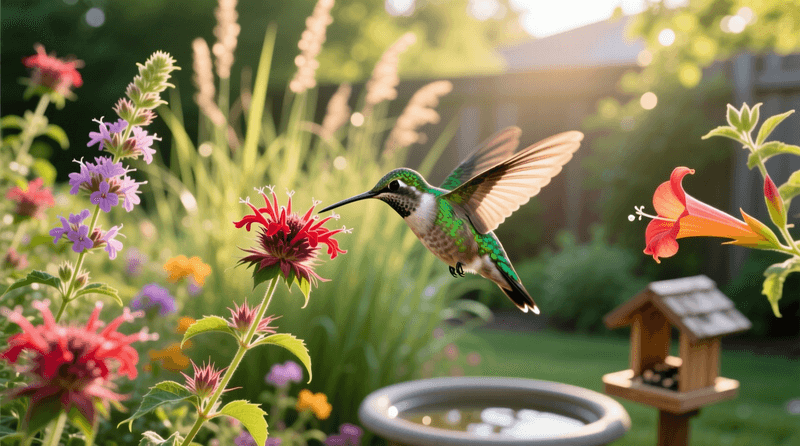
Pulling the pieces together, a yard that reliably attracts hummingbirds isn’t built around any single trick. It combines several overlapping conditions, each of which removes a reason for birds to pass by or leave early.
Audubon’s full hummingbird yard checklist covers the core elements: a feeder that’s easy to discover, protected from direct sun and strong wind, positioned near usable perches and visible cover, accessible from multiple directions so one territorial bird can’t lock it down, and filled with fresh, correctly prepared nectar. Add flowers and shrubs that support insects, keep cats away from the feeding zone, and check window proximity to reduce collision risk.
Cornell’s feeding guidance frames this well: feeders work best as part of a broader habitat rather than as standalone objects dropped into an otherwise bare yard. Each element reinforces the others. Nearby flowers make the feeder easier to find on the first visit. A perch close by makes it worth staying.
Clean nectar makes it worth returning.
When visits slow down, resist the urge to overhaul everything at once or chase a single-factor explanation. Watch the yard, change one thing, and give it time. Hummingbirds are paying attention to the whole picture around your feeder – and now, so are you.