
Your Snake Plant Leaves Are Turning Soft And Mushy? Here’s The Hidden Cause And How To Save It
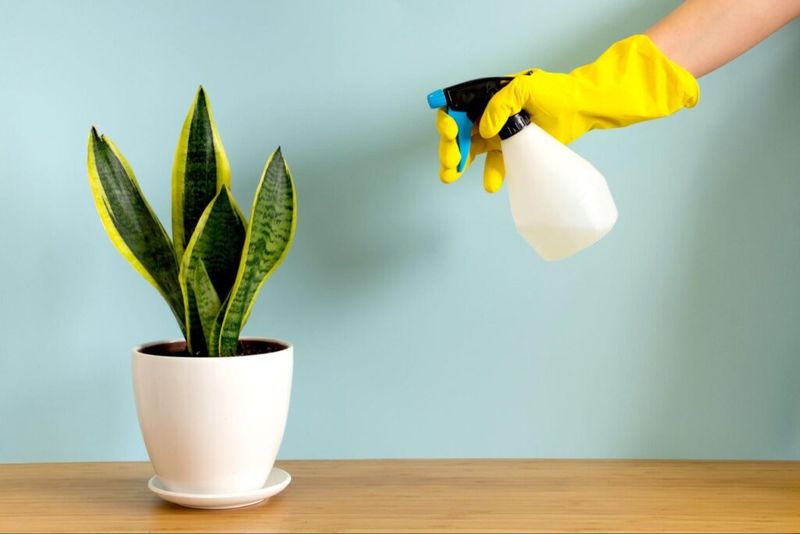
Snake plants have a reputation for being nearly indestructible, so finding one with soft, collapsing leaves can feel alarming. Those mushy leaves are telling you something is wrong, but the cause is not always obvious from the outside. Before you reach for the watering can or try a quick fix, a closer look at the soil, the base of the plant, and recent growing conditions will point you toward the right response.
Soft leaves suggest a problem below the soil—but not one guaranteed cause
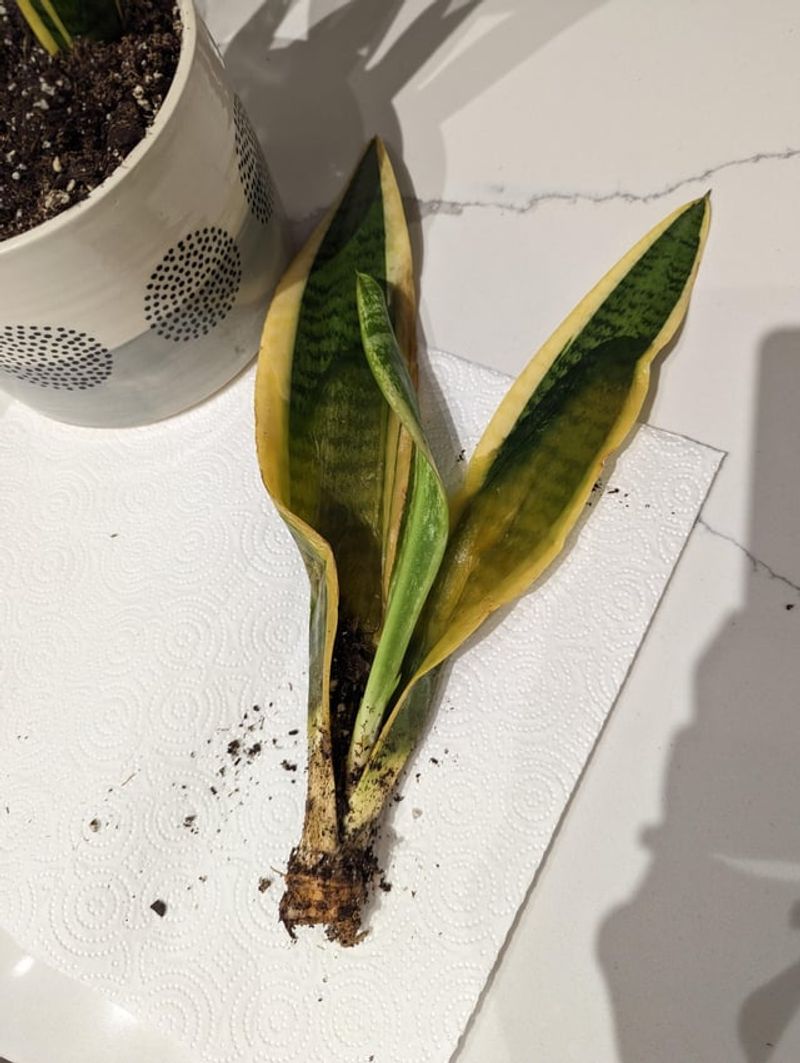
When a snake plant’s leaves go soft and begin to collapse, the most likely place to look is below the soil surface. Snake plants store water in their thick, upright leaves, which makes them well-suited to dry conditions but also means they are particularly prone to rot when the soil around their roots or crown stays wet for too long. Excess moisture is the leading suspicion here, but it is a suspicion that still needs to be confirmed.
A heavy pot on its own does not prove rot is happening. A pot that feels heavier than expected is useful evidence that the potting mix may still be wet, but the next step is to check the soil directly by pressing a finger an inch or two into the mix. Clemson University Extension guidance on indoor plant watering makes clear that soil moisture should be assessed before any watering decision, because both too much and too little water can produce wilting symptoms. A wet, soggy mix that has stayed that way for days is a stronger signal than pot weight alone.
Other signs push the suspicion toward moisture-related rot more firmly. A sour or unpleasant smell coming from the soil, a plant base that feels soft or gives when you press it gently, or a history of frequent watering in a low-light spot all point in the same direction. University of Florida research on diagnosing overwatered houseplants notes that prolonged wetness is more consistently associated with soft bases, soggy soil, foul odor, and mushy roots, while underwatering tends to produce dry, crispy, or wrinkled tissue rather than mushiness.
Review what has happened to the plant over the past several weeks. Has it been watered frequently? Has it been sitting in a dark corner where the soil dries slowly? Those details help narrow the cause before you decide whether root inspection or a different kind of correction is the right move.
Check for cold damage before assuming rot
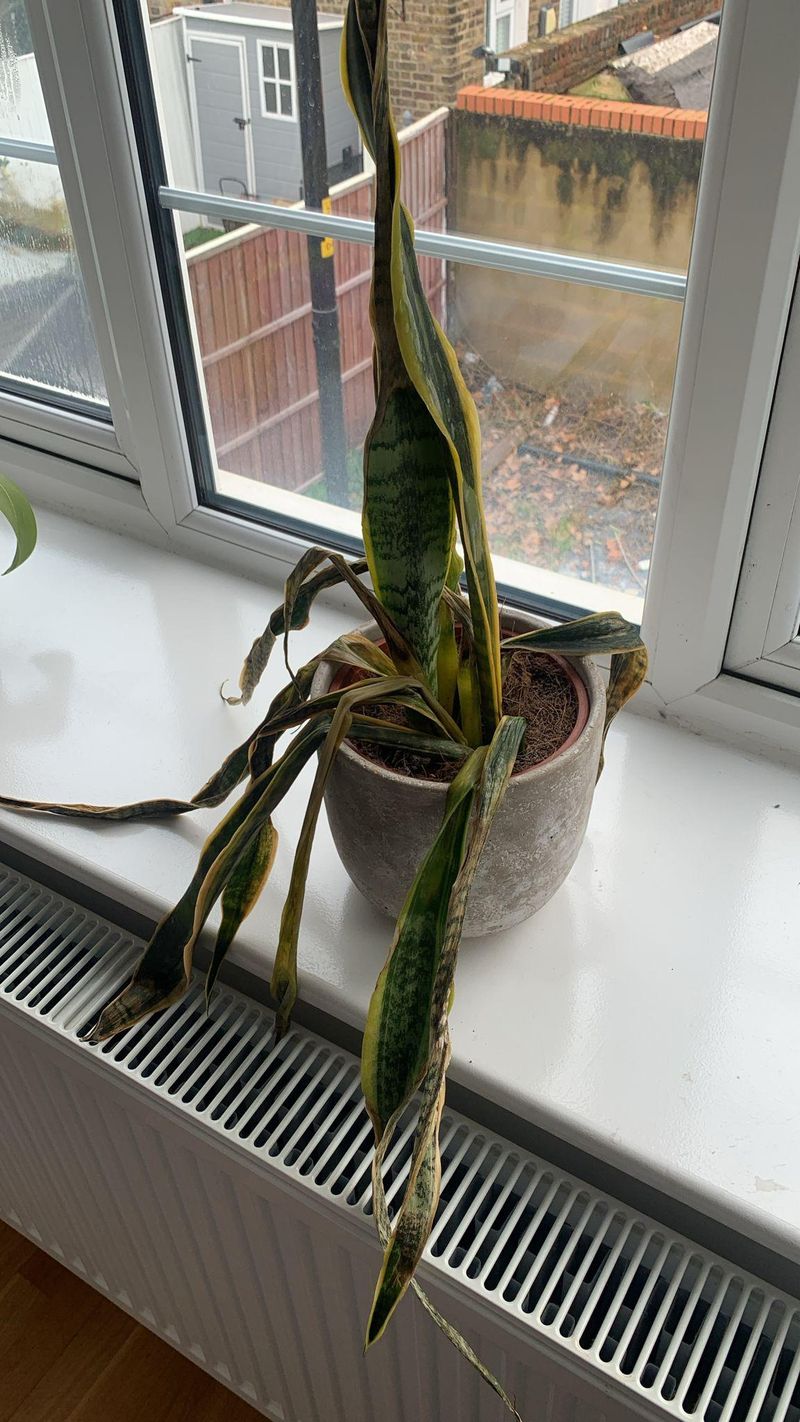
Before pulling the plant out of its pot, take a moment to think about where it has been sitting recently. Snake plants are sensitive to cold, and NC State Extension’s profile of Dracaena trifasciata notes that temperatures near or below 50 degrees Fahrenheit can stress the plant, while exposure to freezing conditions can damage leaf tissue outright. A plant that has been resting against a cold window pane, sitting in a drafty hallway, or left near an air conditioning vent can develop soft, discolored patches that look a lot like rot damage from the outside.
Cold injury tends to show up in the leaves that were closest to the cold source. The affected tissue may feel waterlogged or mushy even though the soil is not saturated and the base of the plant feels firm. If the pot lifts easily, the mix smells neutral, and the plant has not been overwatered recently, cold exposure is worth considering as the primary cause rather than moisture-related rot.
The practical distinction matters because the next steps are different. Cold-damaged tissue that is clearly dead or collapsing should still be removed, but the root system may be perfectly intact, meaning repotting is not necessarily required. Moving the plant away from the cold source and into a warmer spot with bright, indirect light is the more appropriate correction in that situation.
Visual symptoms alone cannot settle the question between cold damage and rot. University of Florida guidance on diagnosing houseplant problems reinforces that inspecting the soil, roots, and crown is the reliable way to distinguish between causes. When the soil has stayed wet, the base is soft, or there is a foul odor present, move forward with root inspection rather than waiting to see whether the plant improves on its own.
Inspect the roots when wet conditions point to rot
Root inspection makes sense when the evidence points toward moisture-related damage. Specifically, if the potting mix has stayed wet for an extended period, the base of the plant feels soft when pressed, the soil smells sour or unpleasant, or recent care has involved frequent watering, removing the plant from its container is the right next step. Waiting and hoping the situation resolves on its own is not a reliable approach when the roots may already be compromised.
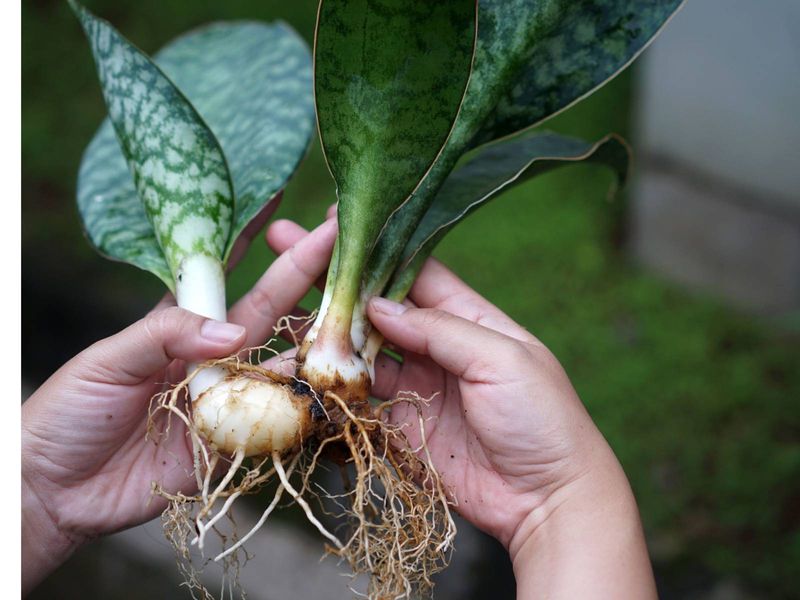
Slide or tip the plant out of its pot carefully. Iowa State University Extension’s overview of root rot in houseplants describes healthy roots as firm and light-colored, while rotted roots are typically brown or black, soft, and mushy. Gently loosen the root ball and work through it with your fingers or a clean tool so you can see what you are dealing with. Some roots may be firm and pale even when others have rotted, and those surviving roots are what you are trying to protect.
Pay close attention to the crown, which is the area where the leaves meet the base of the plant just above the root zone. A crown that feels firm is a good sign. One that gives under gentle pressure, looks discolored, or smells off is a more serious finding. Rot that has moved into the crown reduces the plant’s ability to generate new growth regardless of how healthy the remaining roots are, and a soft crown worsens the overall prognosis considerably.
Root rot is not always caused by a single fungal organism. Prolonged waterlogging and oxygen deprivation around the roots create conditions where multiple organisms, including Pythium, Phytophthora, Rhizoctonia, and Fusarium, can become involved. The goal of inspection is not to identify the specific organism but to find out how much living tissue remains and whether it is worth attempting to rescue the plant.
Remove damaged tissue and repot only what can survive
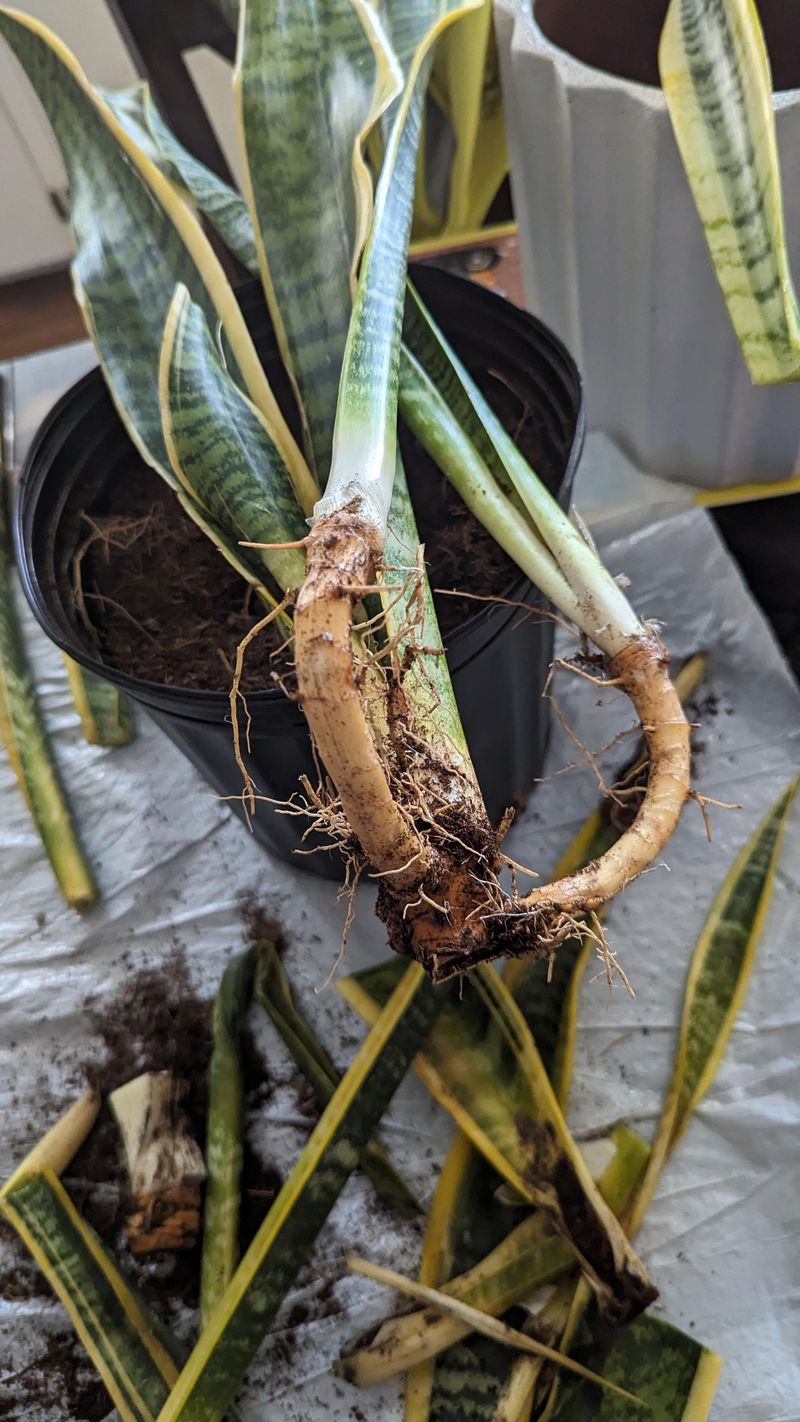
Once you have assessed the roots and crown, the physical work of rescuing the plant begins. Start with the roots. Use clean, sharp scissors or pruning shears to cut away any roots that are visibly brown or black, soft, or mushy. University of Maryland Extension guidance on repotting indoor plants recommends removing dead brown roots during the repotting process, and the same logic applies here: leaving rotted tissue in place gives decay a foothold near the healthy roots you are trying to preserve.
After the roots are trimmed, turn your attention to the leaves. Cut away any leaves that are already soft, wet, collapsing, or clearly beyond recovery, removing them as close to the soil line as possible. Penn State Extension’s care guide for snake plants specifically recommends removing damaged leaves at soil level. A leaf that has already gone mushy will not firm up again; the goal of removing it is to reduce the amount of decaying material sitting around the base of the plant, not to restore the leaf itself.
With the damaged tissue removed, repot the surviving plant into fresh, well-drained potting mix and a clean container that has a drainage hole. Illinois Extension’s houseplant care guidance cautions against moving a plant into a dramatically oversized pot, because a large volume of soil holds more moisture than the root system can absorb, which increases the risk of the same waterlogged conditions recurring. Choose a pot that fits the remaining root system without leaving a large excess of empty mix around it.
Repotting at this stage is about correcting the environment around the roots, not a guarantee of recovery. The plant still needs to generate new root growth in the fresh mix, and that takes time. Handle the remaining roots gently during the process, and do not compact the new mix tightly around them.
Use soil dryness—not a calendar—to guide recovery
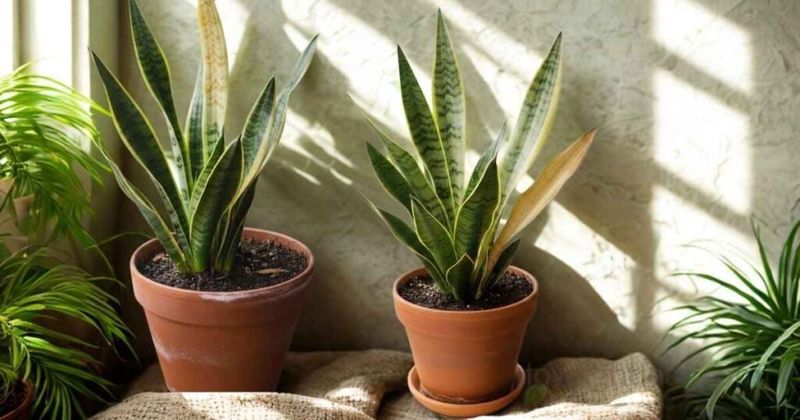
After repotting, or after correcting the plant’s environment when no rot was found, the most important habit to establish is checking the soil before watering rather than following a fixed schedule. Iowa State University Extension’s guide to diagnosing houseplant problems related to poor culture points to incorrect watering as a primary driver of decline in indoor plants, and the correction is straightforward: let the mix dry sufficiently between waterings, then water thoroughly enough to wet the root ball and allow excess to drain freely from the pot’s drainage hole.
What “sufficiently dry” means in practice depends on several factors that change throughout the year. Clemson University Extension’s watering guidance explains that light levels, temperature, pot size, soil type, plant size, and season all affect how quickly a mix dries out. A snake plant in a bright, warm spot during summer will need water more often than the same plant in a dim corner during winter. No single interval, whether weekly or monthly, works reliably across all of those variables.
Empty saucers and decorative outer pots after each watering so the plant does not sit in standing water. A cachepot, which is a decorative container without drainage used to hold the inner nursery pot, can collect water invisibly and leave roots standing in moisture even when the inner pot has drainage holes. Check it every time you water.
NC State Extension’s plant profile for Dracaena trifasciata notes that snake plants may need watering only every one to two months during winter in some households, while active-growth periods call for more frequent assessment. Place the recovering plant in bright, indirect light rather than moving it abruptly into intense direct sun, which can add stress rather than help it dry out faster. Consistent light and appropriately dry soil give the root system the best chance to rebuild.
Avoid drainage shortcuts and aggressive rescue moves
A few well-meaning fixes can quietly make things worse. One of the most common is the cachepot situation: a decorative outer container that holds the plant’s nursery pot but has no drainage hole of its own. Water drains through the inner pot and collects in the outer one, leaving the roots sitting in standing water even though the setup looks tidy from the outside. Lift the inner pot and check the outer container after every watering session.
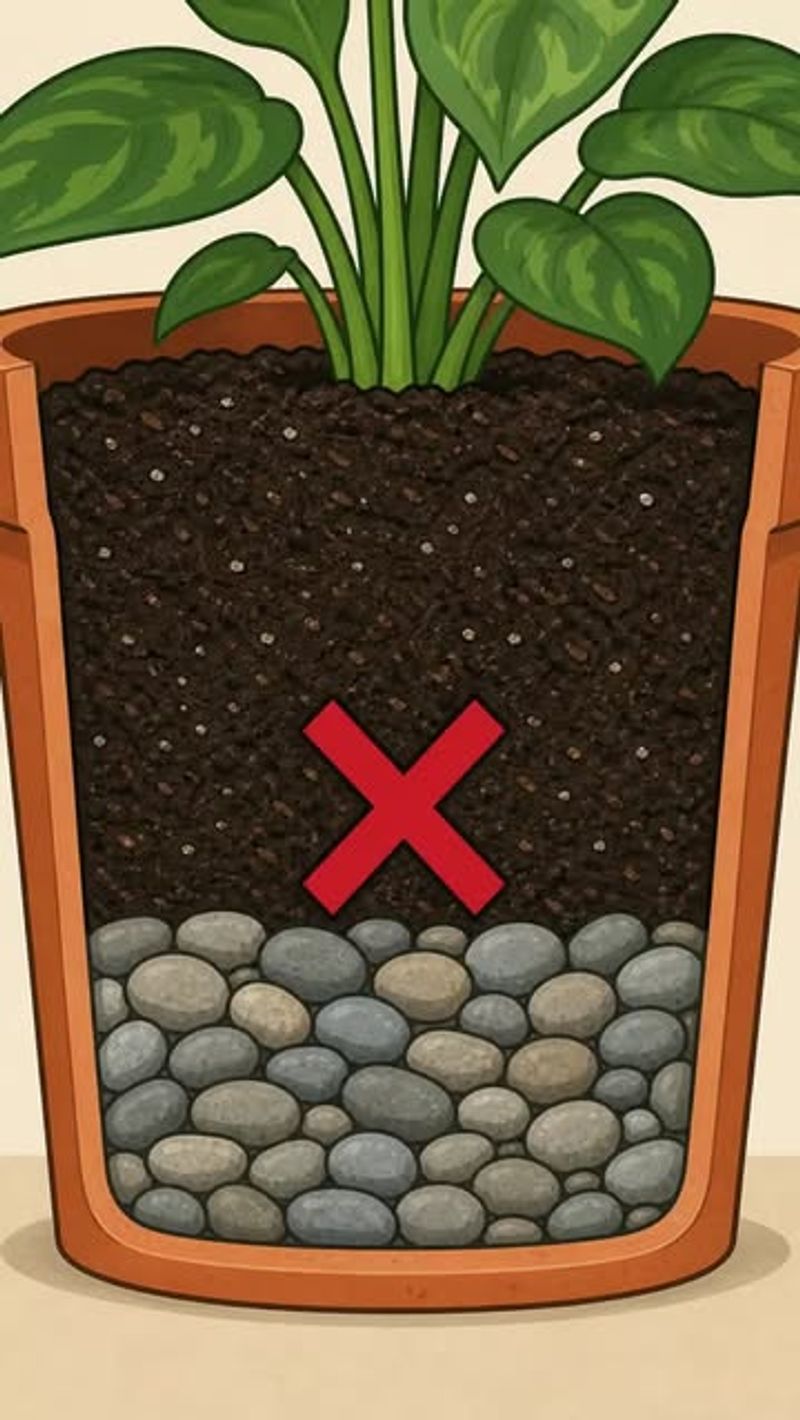
Illinois Extension’s guidance on container drainage specifically warns against placing a layer of gravel, broken pottery, or similar material at the bottom of a pot as a drainage improvement. Rather than helping water move out, this approach creates a perched-water layer where moisture collects above the gravel, keeping the lower portion of the potting mix wetter than it would be without the layer. Drainage comes from the container’s opening and the quality of the potting medium, not from material placed beneath the soil.
Strong direct sun is sometimes suggested as a way to dry out a waterlogged plant quickly, but this is not a reliable or safe approach. Snake plants can tolerate a range of light conditions, and an abrupt move from a dim spot into intense sun can scorch foliage and add stress to a plant that is already struggling. Bright, indirect light is a safer and more appropriate placement during recovery.
University of Wisconsin-Madison Extension’s article on root rots in houseplants notes that chemical fungicides are not a practical solution for most houseplant root rot situations, as suitable products are limited and often expensive. Correcting the waterlogged conditions and removing damaged tissue are the central measures. Adding a fungicide without addressing the underlying moisture problem does not resolve the root cause and should not replace the physical and cultural steps described in the sections above.
Know when recovery is unlikely
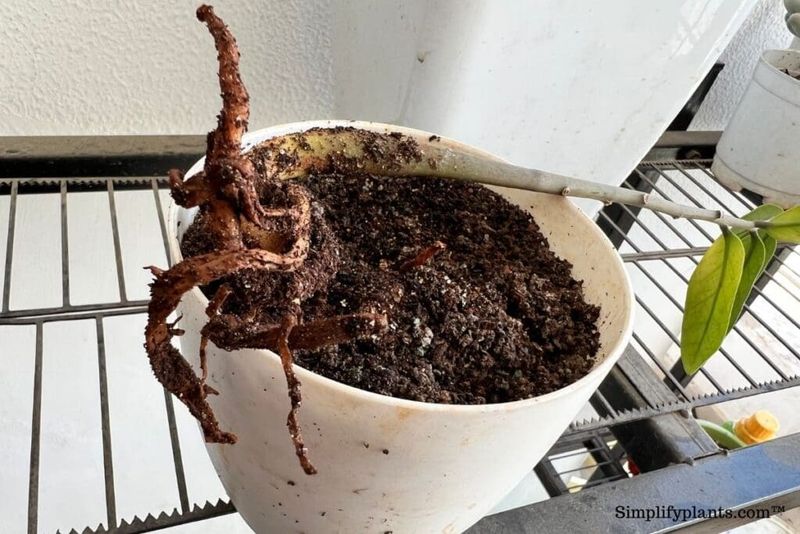
Not every snake plant with soft leaves can be brought back, and recognizing the limits of what is salvageable is part of caring for plants honestly. When root inspection reveals a healthy portion of firm, pale roots and a crown that feels solid, the plant has a reasonable chance of recovering in fresh mix with corrected care. The more firm root tissue that remains, the better the outlook.
A soft crown changes the picture significantly. The crown is where new leaf growth originates, and rot that has moved into that tissue may prevent the plant from generating new shoots even if some roots survive. University of Wisconsin-Madison Extension’s overview of houseplant root rots acknowledges that discarding a severely affected plant can be the most practical outcome, and that is worth taking seriously rather than treating as a failure.
A root system that is almost entirely brown, black, and mushy with little firm tissue remaining offers very little for the plant to work with. Iowa State University Extension’s root rot guidance reinforces that the goal during inspection is to identify and preserve whatever living tissue exists, not to rescue every root. When almost nothing living remains, attempting to revive the plant is unlikely to succeed and may simply delay the decision.
What protects the next snake plant is the same thing that would have helped this one: checking the soil before watering, choosing a well-fitted pot with a drainage hole, using a mix that does not stay wet for days, and keeping the plant away from cold windows and drafts. A snake plant that gets those conditions right rarely needs rescuing at all.