
15 Late-Summer Feeding Tricks That Wake Up Stalled Peppers And Push Them Straight Into Fall
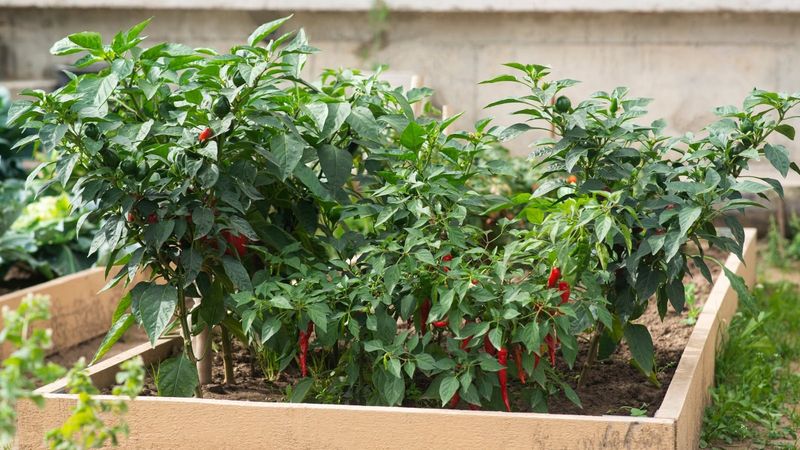
By the time August rolls around, a lot of pepper plants just seem to hit the brakes. The leaves look fine, but the flowers drop and no new fruit sets, leaving you wondering what went wrong. The good news is that stalled peppers usually just need the right push at the right time, and a smart feeding routine can flip that switch back on. Here are 15 feeding tricks that can wake up tired plants and keep sweet and hot peppers cranking out fruit well into the cooler days of fall.
1. Switch From High-Nitrogen to a Bloom-Boosting Formula

Early in the season, nitrogen is your best friend because it builds big, leafy plants. By late summer, though, all that green growth can actually work against you, giving you a bushy plant with hardly any peppers hanging on it.
The fix is to swap your fertilizer for something lower in nitrogen and higher in phosphorus and potassium, often labeled as a bloom or fruit formula. Those middle and last numbers on the bag are the ones you want to see climb. A 5-10-10 or similar blend tells the plant to stop showing off leaves and start setting fruit instead.
Make the switch gradually over a week or two so you do not shock the roots. Water it in well, and within about ten days you should notice more flowers holding on instead of dropping. It is one of the simplest changes you can make, and for a lot of gardeners it is the single reason their peppers restart in fall.
2. Feed With Epsom Salt for a Magnesium Kick
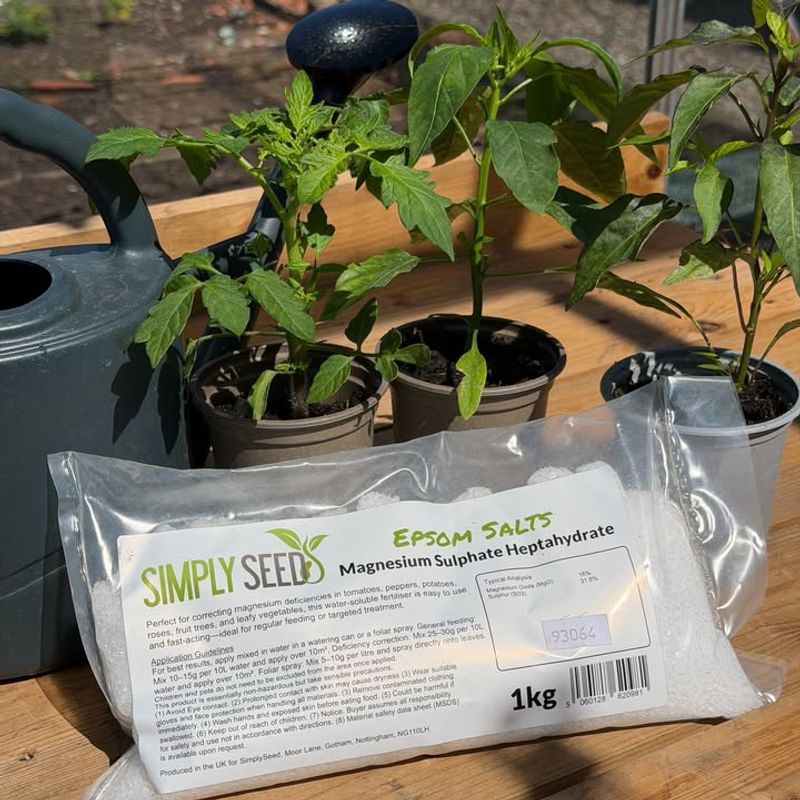
Yellowing leaves with green veins are a classic cry for help, and they often mean your peppers are short on magnesium. Late in the season, when plants have been pulling nutrients out of the soil for months, that shortage shows up fast.
A tablespoon of Epsom salt dissolved in a gallon of water, poured around the base of each plant, can green things back up surprisingly quickly. You can also mist it on the leaves as a foliar spray for an even faster response, since leaves drink it in directly. Magnesium sits at the heart of every chlorophyll molecule, so topping it up helps the plant make food again.
Use it every two to three weeks, not more, because too much of anything throws the soil out of balance. Peppers, tomatoes, and eggplant all tend to love this little boost. Do not lean on it as a cure-all, but paired with a balanced feed it can be the nudge that gets a stalled plant moving.
3. Brew a Batch of Compost Tea
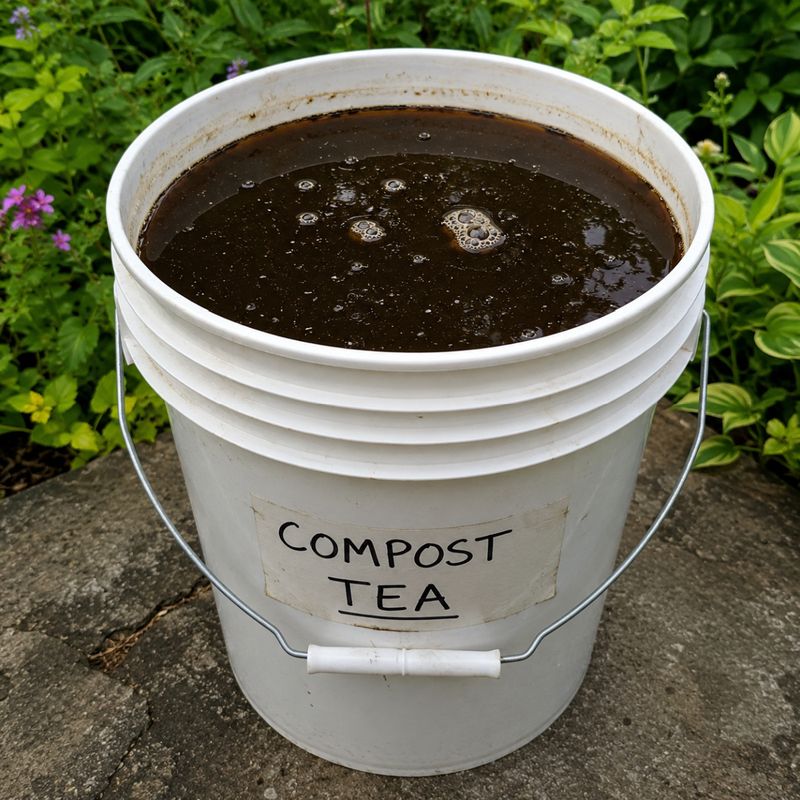
Think of compost tea as a smoothie for your soil. Instead of dumping dry granules on tired dirt, you are handing the plant a gentle, water-soluble meal that its roots can sip up right away.
To make it, scoop a couple shovelfuls of finished compost into a burlap sack or old pillowcase, drop it in a five-gallon bucket of water, and let it steep for a day or two. Stir it now and then to wake up the beneficial microbes. The liquid comes out the color of weak coffee, and that is exactly what you want.
Pour it around the root zone every couple of weeks through late summer. Beyond the nutrients, compost tea brings a living crowd of microbes that help roots grab minerals already sitting in the soil. It is cheap, it recycles your kitchen scraps, and stalled plants often perk up within a week of their first serving.
4. Side-Dress With Worm Castings
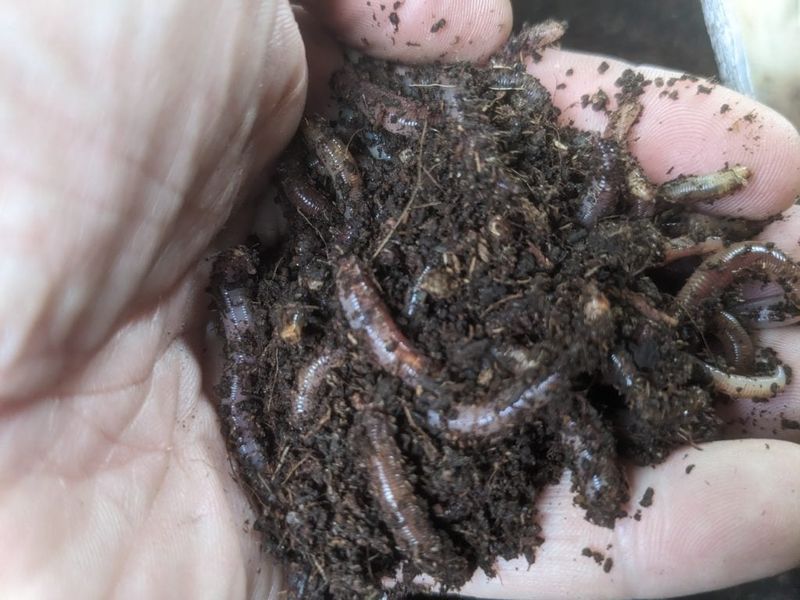
Gardeners who swear by worm castings will tell you the stuff works like quiet magic. It is basically the rich, crumbly output of earthworms, and it is loaded with slow-release nutrients that will not burn roots the way strong chemical feeds sometimes do.
Scratch a half-inch layer into the soil right around the base of each pepper, then water it in. As you irrigate over the following weeks, the castings feed the plant a little at a time. They also improve how well the soil holds moisture, which matters when late-summer heat is still baking your beds.
Worm castings carry helpful microbes and plant growth hormones that can nudge a stubborn plant back into flowering. Because they are so gentle, you truly cannot overdo it. Reapply every three or four weeks, and your peppers get a steady, mellow supply of food right up to your first frost.
5. Add Fish Emulsion for a Fast Protein Punch
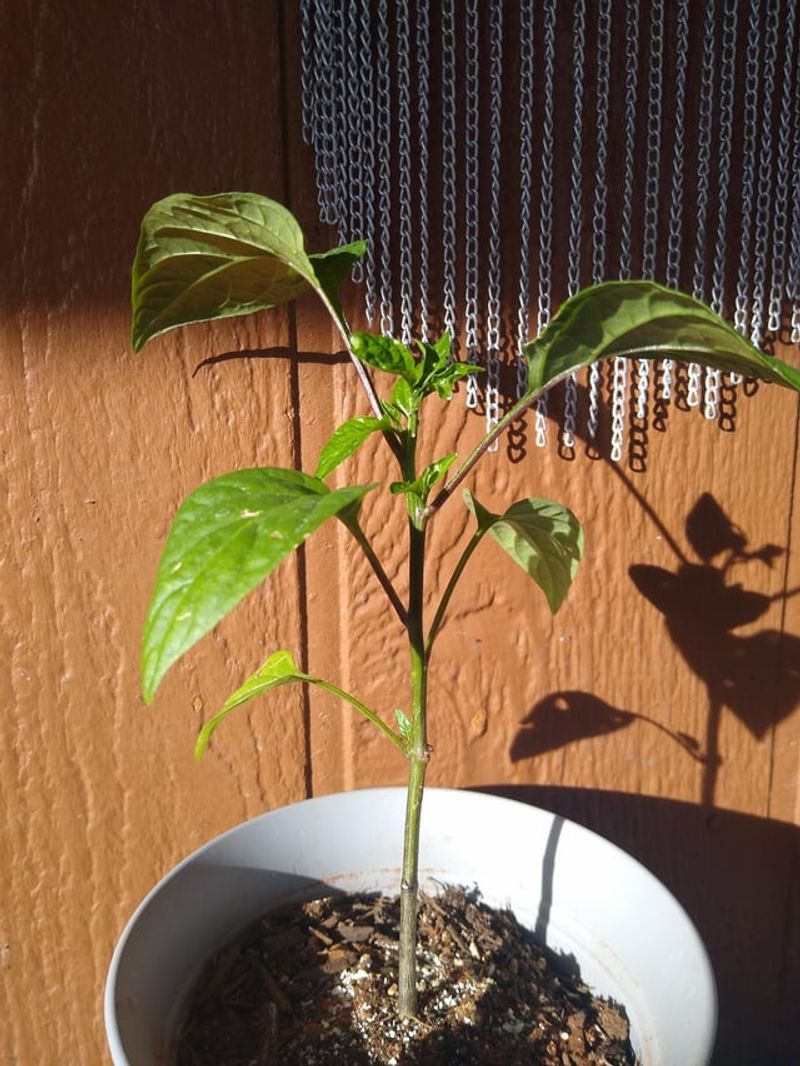
Fish emulsion smells about as bad as you would expect, but peppers absolutely do not mind. Made from ground-up fish parts, it delivers a quick shot of nitrogen and trace minerals that plants can absorb almost immediately.
Wait, did we not just say to cut back on nitrogen? Here is the trick: a light dose of fish emulsion works when a plant looks pale and truly starved, giving it just enough energy to push out new growth without going overboard. Mix it weak, follow the bottle rate or go slightly under, and water it in at the base.
Because it acts fast, it is a great rescue feed for a plant that has clearly stalled and lost color. Pair it with a phosphorus source and you cover both the leaf greening and the fruit setting. Just plan to feed in the morning so the smell fades by evening, and maybe warn the neighbors.
6. Bury Banana Peels for Slow Potassium
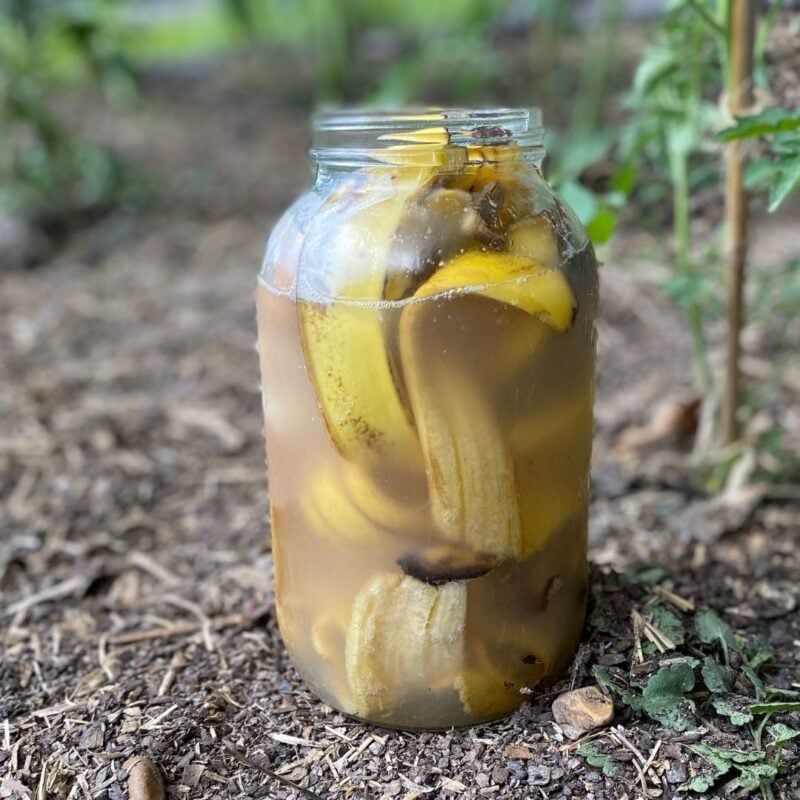
Before you toss that banana peel in the trash, remember your peppers would happily eat it. Peels are packed with potassium, the nutrient that helps plants build strong fruit and shrug off stress as the seasons shift.
Chop a few peels into small pieces and bury them a couple inches deep near the root zone, or blend them with water into a quick slurry to pour on. As they break down, they release potassium and a little phosphorus right where the roots can reach it. Cutting them small speeds up the whole process.
It is a nearly free trick that turns kitchen waste into pepper fuel, which is hard to argue with. The potassium boost is especially handy in fall, when plants need extra toughness to keep fruiting through cooler nights. Just bury them well so you do not invite curious raccoons to your garden.
7. Sprinkle Wood Ash Around the Base
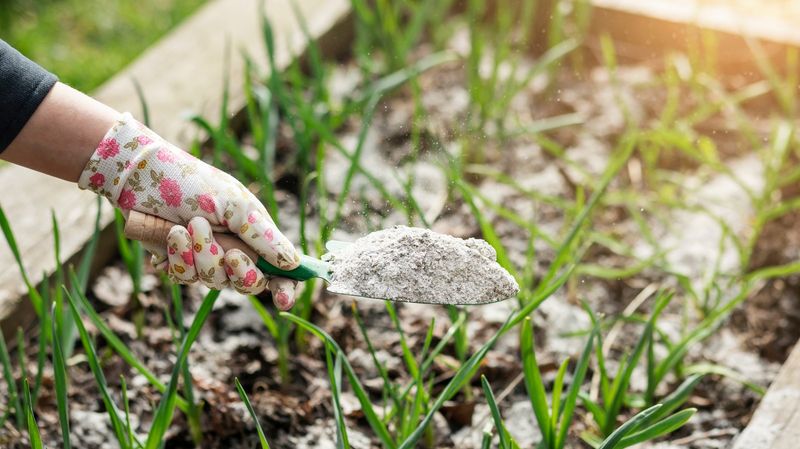
If you run a fire pit or wood stove, the leftover ash is a hidden garden resource. Wood ash is rich in potassium and calcium, and it gently raises soil pH, which can help peppers that are sulking in slightly acidic ground.
Sprinkle a thin dusting around each plant, keeping it a few inches off the stems, then water it in. A light hand is the whole game here, since a heavy pile can spike the pH too high and lock up other nutrients. A cup or so spread around several plants is plenty.
The calcium boost may also help fend off blossom-end rot, that ugly dark patch that ruins pepper bottoms. Test your soil first if you can, because ash is a no-go where the ground is already alkaline. Used carefully, though, it is a smart way to recycle ash into a late-season feed that costs nothing.
8. Try a Foliar Spray for Instant Absorption
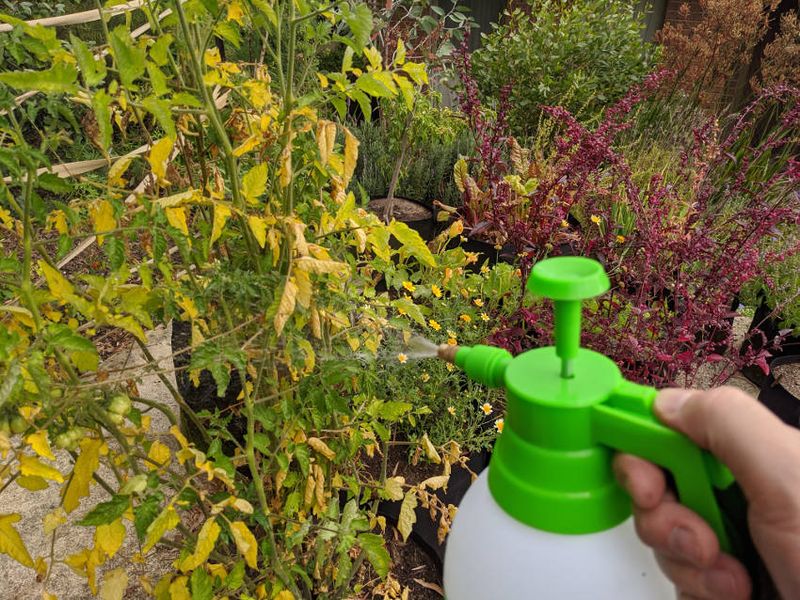
Roots are not the only way into a plant. Pepper leaves have tiny pores that can drink in nutrients directly, which makes a foliar spray one of the fastest ways to revive a stalled plant.
Mix a diluted liquid fertilizer, seaweed, or fish blend at half the usual strength and spray it onto the tops and undersides of the leaves early in the morning. The cooler air and open pores mean the plant absorbs more before the sun climbs. Avoid spraying midday, when droplets can act like little magnifying glasses and scorch the foliage.
Because the nutrients skip the soil entirely, results can show up in a day or two, faster than any root feeding. It is a great tool when your soil is compacted or your plant is too stressed to take up much through its roots. Use it as a quick boost between regular feedings rather than your only method.
9. Work In Bone Meal for Phosphorus Power
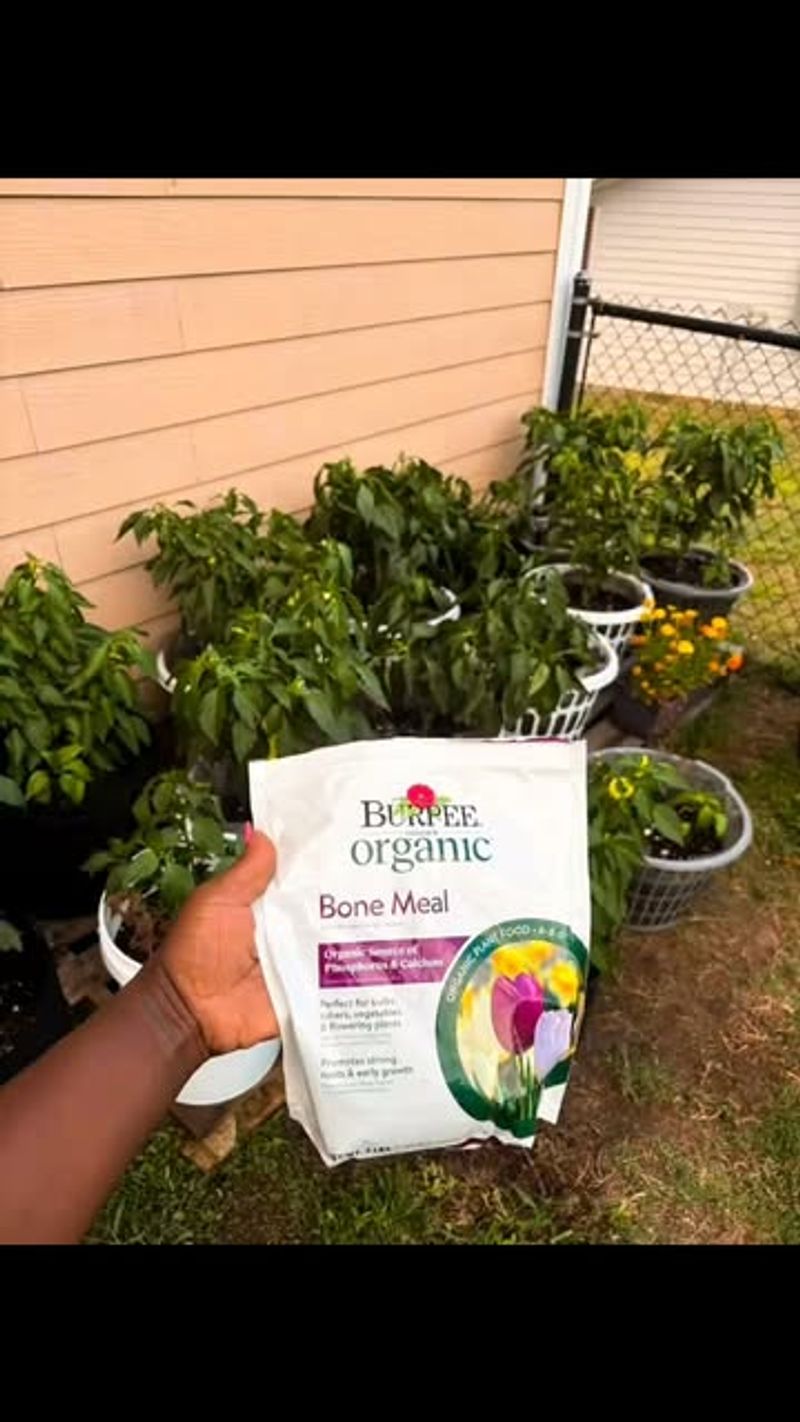
Flowers are where peppers begin, and phosphorus is the nutrient that powers flowering and root strength. Bone meal, made from ground animal bones, is a slow-release phosphorus source that keeps feeding for weeks.
Scratch a couple tablespoons into the soil around each plant and water it in well so it starts breaking down. Unlike fast liquid feeds, bone meal releases gradually, giving your peppers a steady supply as they head into fall. That slow drip is exactly what a plant needs to keep forming buds instead of one big burst.
More flowers held on the plant means more chances for fruit before frost shuts everything down. Bone meal pairs beautifully with a potassium source like wood ash or banana peels, covering the two nutrients peppers crave most late in the year. Keep pets away while you apply it, since the meaty smell tempts curious dogs to dig.
10. Use Seaweed or Kelp for Trace Minerals
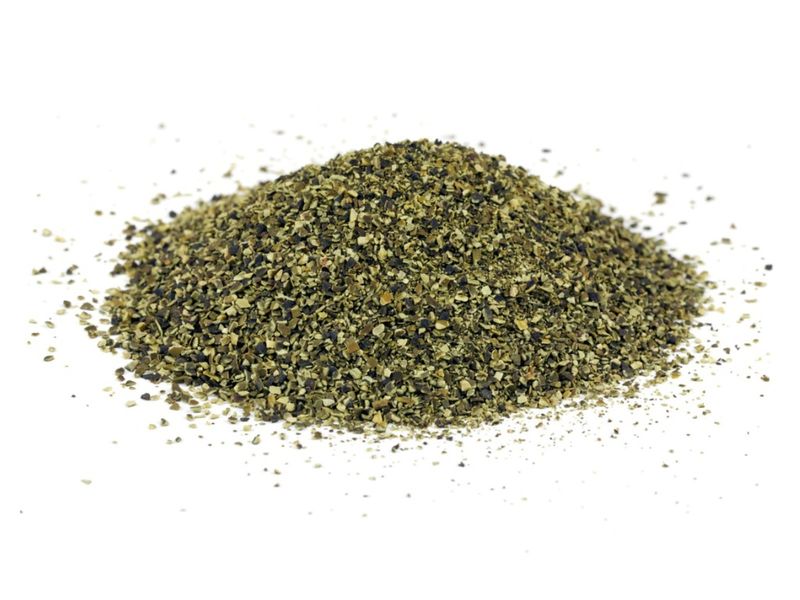
Peppers do not live on nitrogen, phosphorus, and potassium alone. They need a whole cast of trace minerals like zinc, iron, and manganese, and seaweed or kelp extract delivers that lineup in one bottle.
Mix it according to the label and either water it in or spray it on the leaves every couple of weeks. Beyond the minerals, kelp is full of natural growth hormones that help plants handle stress, which is exactly the medicine a stalled pepper needs. Plants treated with kelp often bounce back from heat and transplant shock faster.
Late in the summer, plants are running low on those minor nutrients after months of hard growing. Refilling the tank can be the difference between a plant that quietly gives up and one that keeps setting fruit. It is gentle enough to combine with almost any other feed on this list, making it an easy addition to your routine.
11. Mulch With Compost for a Steady Drip Feed
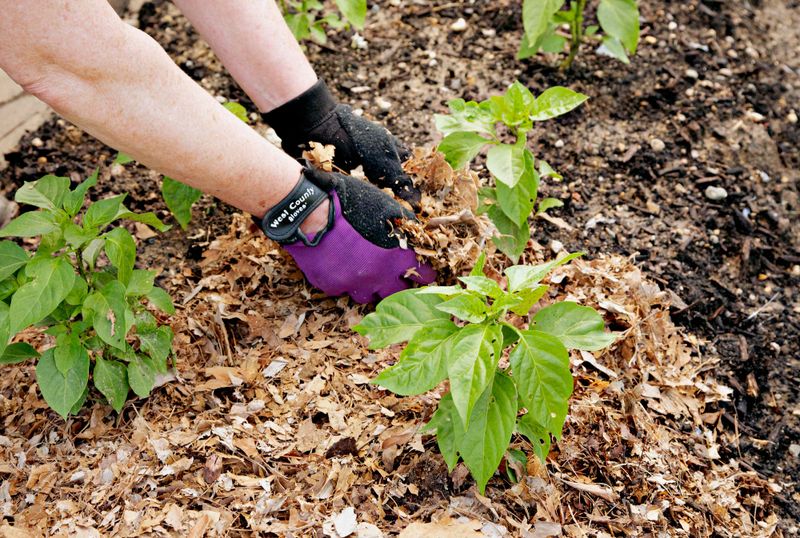
A fresh layer of compost mulch does double duty in late summer. It slowly feeds the plant every time you water while also holding moisture in the soil, so roots stay cool and nutrients stay available.
Spread an inch or two of finished compost across the top of the bed, keeping it a little away from the stems. Each rain and each watering carries a trickle of nutrients down to the roots, almost like a slow-release fertilizer you never have to reapply. The mulch also smothers weeds that would otherwise steal food from your peppers.
As a bonus, that layer keeps soil temperatures steady when nights start turning cool, which peppers appreciate. It is the low-effort, high-reward move for gardeners who would rather not mix a feed every week. Lay it down once and let nature handle the delivery schedule for you.
12. Give a Molasses Boost to Feed Soil Microbes
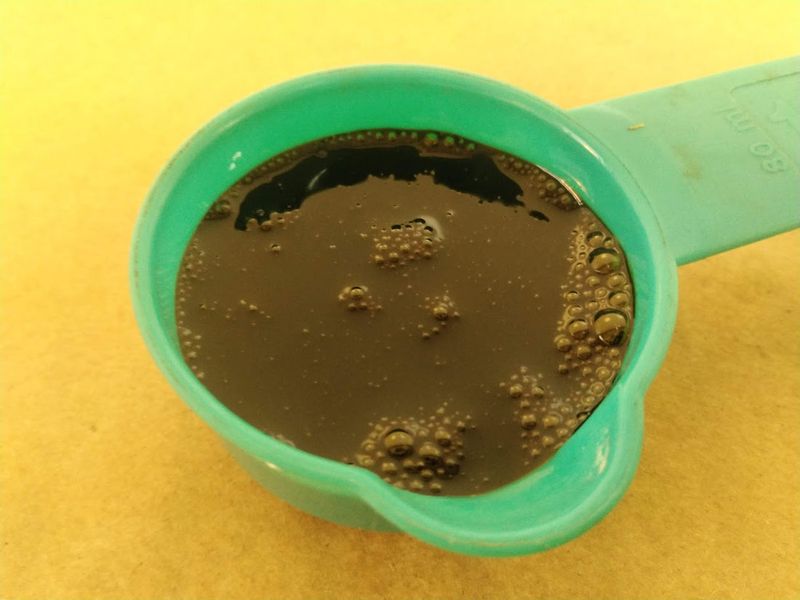
Here is a sweet little secret: unsulphured molasses is not really food for the plant, it is food for the tiny microbes living in your soil. Those microbes do the heavy lifting of turning nutrients into forms your peppers can actually use.
Stir a tablespoon of molasses into a gallon of water and pour it around the root zone. The sugars wake up the bacteria and fungi, and a lively soil food web means better nutrient uptake for the plant. Some gardeners add it right to their compost tea for a double boost.
Molasses also carries a bit of potassium and other minerals of its own, so it is not purely a microbe snack. When a plant has stalled in tired, lifeless dirt, feeding the soil itself can restart the whole system. Try it once a month and let the underground crew get back to work on your behalf.
13. Apply Calcium to Stop Blossom-End Rot
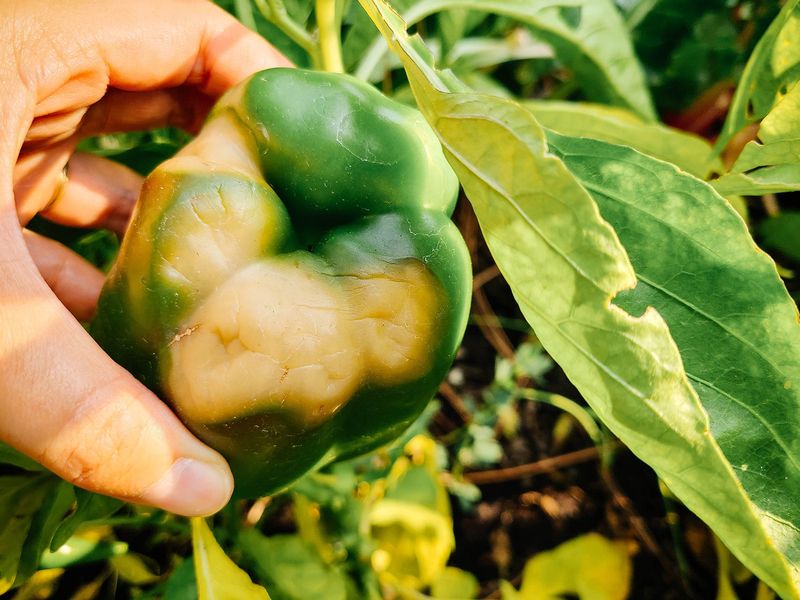
Nothing stings quite like watching a perfect pepper rot into a black patch on the bottom. That damage is blossom-end rot, and it points to a calcium shortage, often made worse by uneven watering during hot spells.
Crushed eggshells worked into the soil, a calcium-specific garden supplement, or even a diluted milk drench can all help refill the tank. Because calcium moves through the plant with water, steady moisture matters just as much as the mineral itself. Erratic watering can starve fruit of calcium even when the soil has plenty.
Feeding calcium now protects the fruit that will ripen through fall, so your late harvest looks as good as it tastes. Pair the calcium with a consistent watering schedule and mulch to lock moisture in. Keep it up and you will trade those ruined bottoms for clean, glossy peppers.
14. Space Out Feedings Instead of Overdoing It
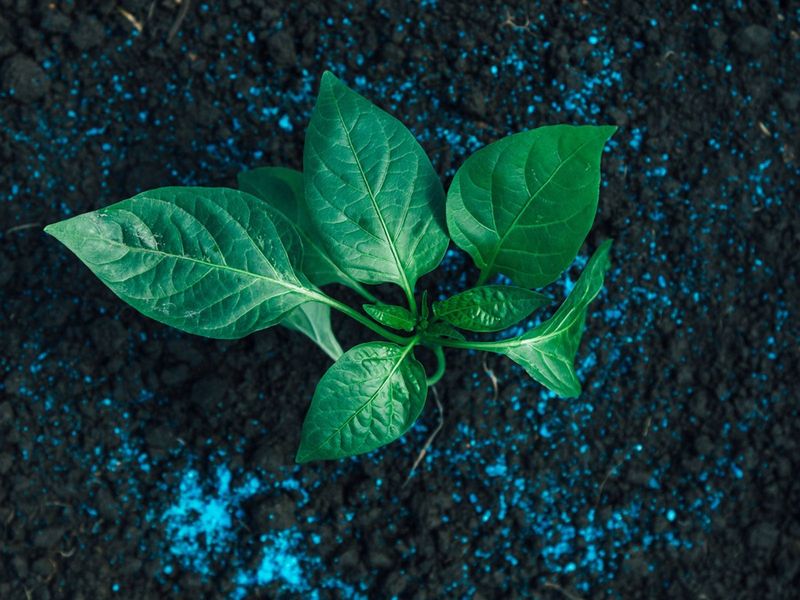
More fertilizer is not always more peppers, and piling it on can actually backfire. Overfed plants often respond with a jungle of leaves and stubbornly few fruits, which is the opposite of what you want in late summer.
A better plan is smaller doses spread out on a steady rhythm, roughly every two to three weeks depending on what you are using. Light and frequent beats heavy and rare, because the plant gets a consistent supply without the shock of a big salt load. Watch how your plants respond and adjust from there.
Keeping a simple calendar or phone reminder helps you avoid the common trap of feeding twice in a panic when nothing happens overnight. Nutrients take time to move and work, so patience is part of the recipe. Treat feeding like regular meals rather than an occasional feast, and your peppers will thank you with fruit.
15. Pair Feeding With a Light Prune to Redirect Energy
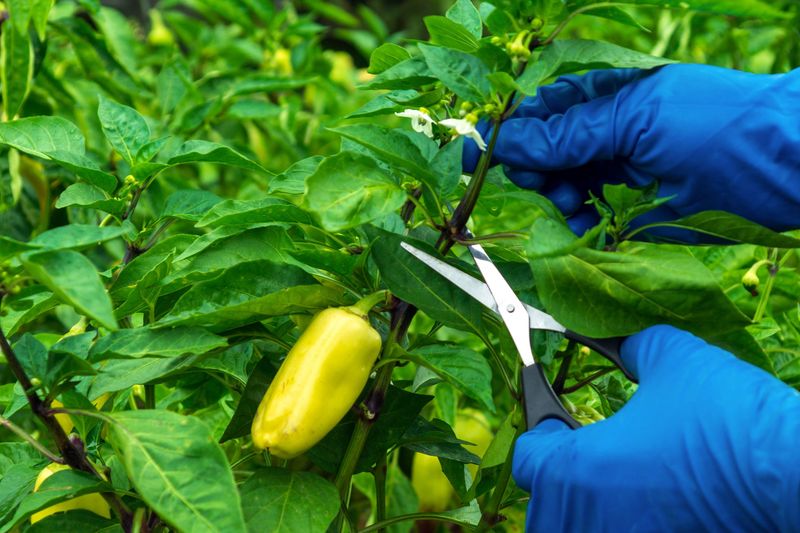
Feeding works best when the plant knows where to send all that fresh fuel. A light prune tells it exactly where to aim, cutting off the freeloaders so energy flows to flowers and fruit.
Snip away any yellowing lower leaves, spindly inner growth, and a few of the oldest branches that have stopped producing. With less foliage to support, the plant redirects its newly fed energy straight into setting and ripening peppers. Better airflow through the middle also cuts down on the fungal problems that creep in during muggy late-summer weeks.
Do not go wild and strip the plant bare, since it still needs leaves to power itself through photosynthesis. A gentle trim right after a feeding is the sweet spot, pairing new fuel with a clear target. Combine this with any of the earlier tricks and you give your stalled peppers their best shot at a strong finish before frost.