
If Your Fall Broccoli And Cauliflower Bolt Early, A Common Planting-Window Mistake May Be Why
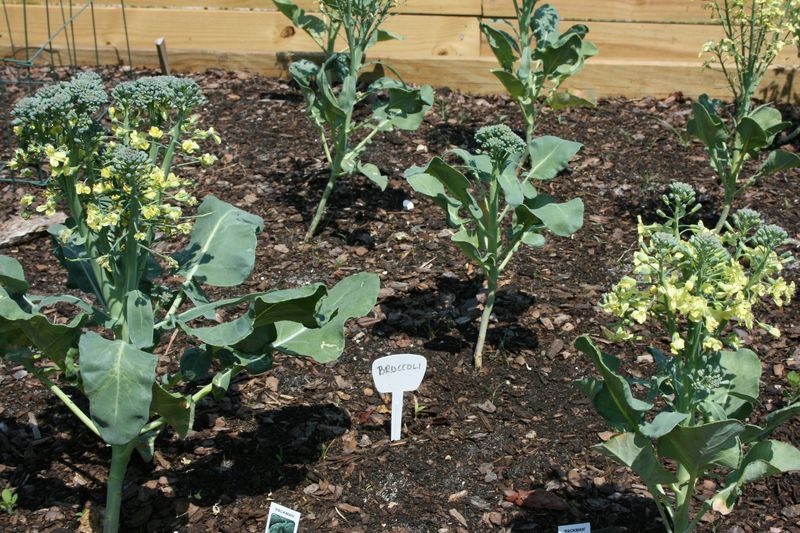
Growing a fall crop of broccoli or cauliflower feels like a race against the calendar, and when plants flower too soon or form disappointing heads, it is easy to blame the weather. The truth is that an incorrect planting or transplant window is often part of the problem, but it is rarely the whole story. Understanding what actually went wrong, whether it is true bolting, a condition called buttoning, or heat-related head damage, is the first step toward getting a better harvest next season.
Identify the symptom before blaming the calendar
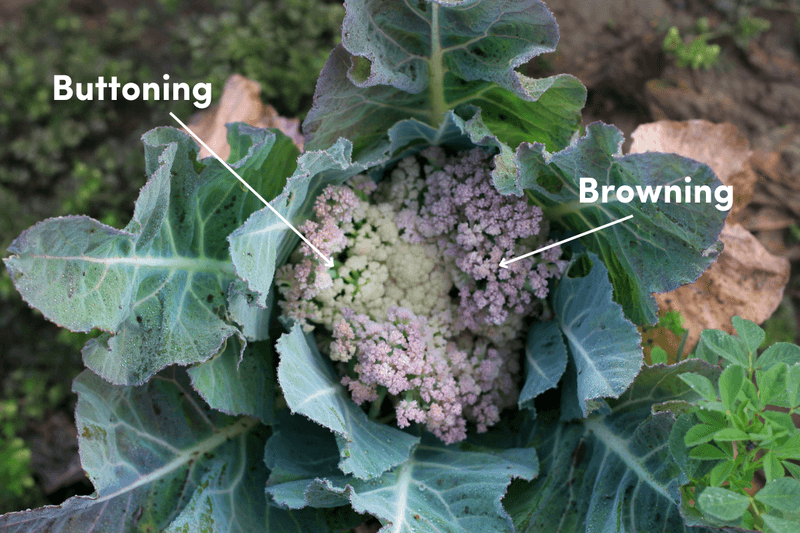
Not every disappointing broccoli or cauliflower head means the plant bolted. True bolting has a specific definition: the plant produces a premature flower stalk or opens flowers before a usable head has formed. That is a different problem from two other common complaints that gardeners frequently lump together under the same label.
The first look-alike is buttoning. A buttoned plant forms a tiny, marble-sized or coin-sized head very early, then stops developing. According to UC IPM guidance on buttoning in broccoli and cauliflower, this arrested development can follow transplant shock, water stress, chilling of young plants, or nutrient stress, and it is not the same physiological event as true bolting. Calling it bolting leads to the wrong fix.
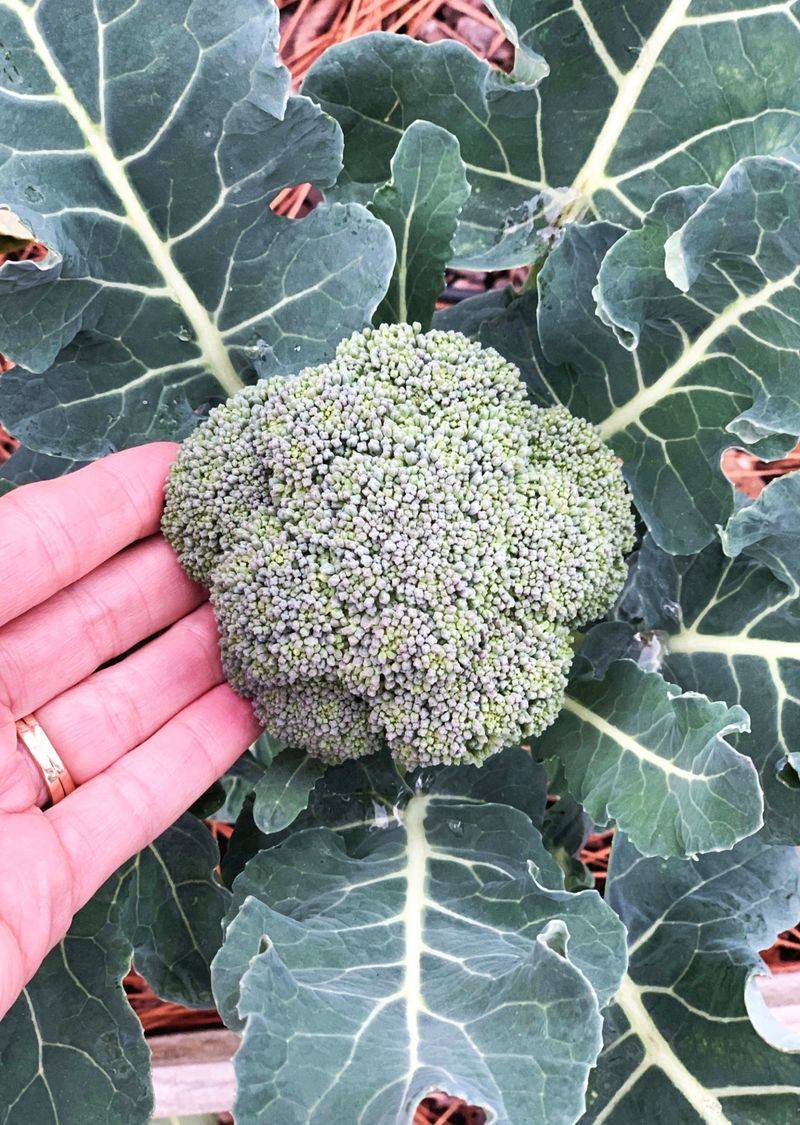
The second look-alike involves heat-related head problems. High temperatures during head formation can cause broccoli to produce loose, open, or branchy heads instead of tight green clusters. Cauliflower curds can become uneven, discolored, or leafy in similar conditions. These are real quality failures, but they do not necessarily mean the plant flowered prematurely.
A fourth scenario catches gardeners off guard: broccoli that looks like it is bolting because the buds have turned yellow and begun to open. NC State Extension harvesting guidance explains that this usually means the head was simply harvested too late, not that something went wrong during the growing period.
Matching the visible symptom to its most likely cause matters because each problem calls for a different response. A flower stalk points toward true bolting. A tiny early head points toward buttoning. A loose or leafy head suggests heat exposure during development.
Getting the diagnosis right before adjusting the planting schedule, fertilizer, or watering routine saves time and prevents gardeners from fixing the wrong thing entirely.
Calculate the local fall planting window
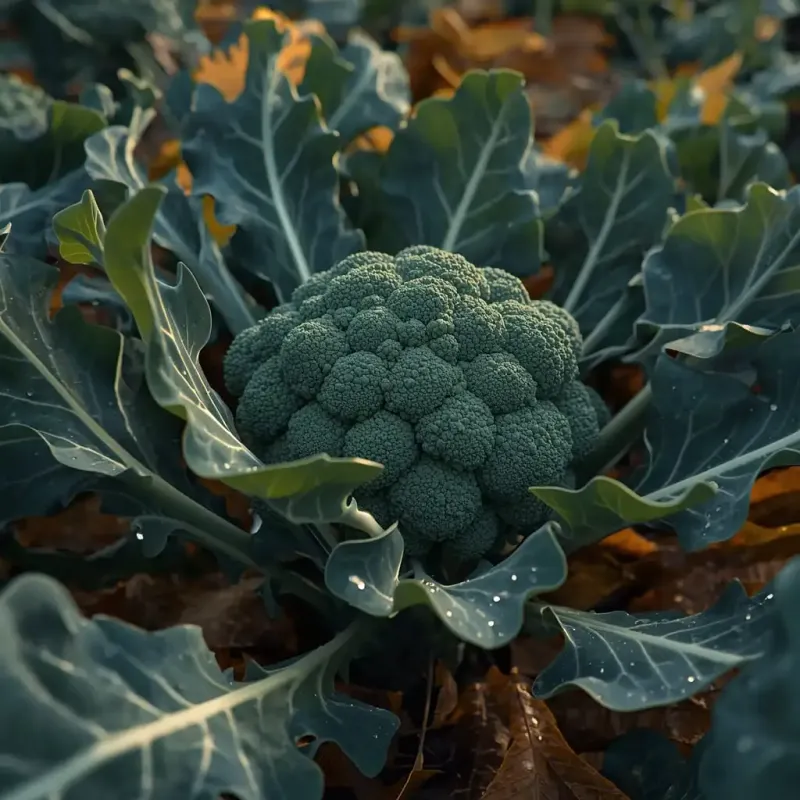
Replacing guesswork with a backward-planning method is the most reliable way to find the right fall planting window. The starting point is the average first killing frost date for the local area, which most county extension offices publish or which gardeners can look up by zip code. From that date, count backward by the number of days the cultivar needs to reach maturity, then add a small buffer of about one to two weeks to account for slower growth as temperatures cool in autumn.
One step that trips up many gardeners is misreading what “days to maturity” actually measures. Virginia Cooperative Extension fall vegetable guidance notes that some seed packets count days from transplanting while others count from sowing. When the packet counts from transplanting, gardeners starting their own seedlings need to add the seed-to-transplant period, typically around four to six weeks, before subtracting from the frost date. Skipping that step compresses the schedule and can push head formation into conditions that are still too warm.
Planting too early creates its own set of problems. When the schedule is shifted forward to avoid a late frost, head formation can land during the hottest weeks of late summer, producing the loose, poor-quality heads described in the previous section. Planting too late is equally risky: the crop may still be in leaf when frost arrives, with no harvestable head at all.
Fall planting dates vary substantially across the continental United States. Texas A&M AgriLife Extension fall vegetable guidance illustrates how wide that range can be, with recommended windows that differ by weeks depending on region, elevation, and cultivar. There is no single national date that works everywhere, which is why the backward-planning method tied to a local frost date is more useful than any generic recommendation.
Latitude, elevation, and local microclimates all shift the window further. A gardener in coastal Virginia works from a different frost date than one in the Texas Hill Country or the mountain West, so the calculation must start with local data rather than a general rule pulled from any one source.
Plant young, stocky transplants instead of overgrown ones
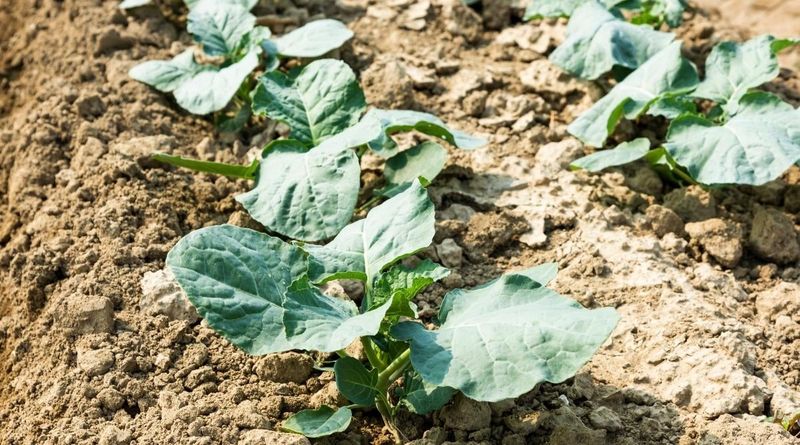
Getting the calendar right is only part of the equation. The condition of the transplant going into the ground can matter just as much as the date it goes in. Young, compact plants with a well-developed but not cramped root system tend to establish faster and handle the stress of transplanting better than older, overgrown ones.
Common guidance from Oklahoma State Extension cole crop production and similar sources describes four- to six-week-old transplants with roughly four to six true leaves as a reasonable target for most broccoli and cauliflower production. That range is not a rigid rule, and different cultivars or growing systems can shift it somewhat, but it gives a practical benchmark. Plants that have outgrown their cells or pots, with roots circling the bottom or foliage crowding out of the tray, carry more risk going into the garden.
Larger, older transplants can face greater vulnerability to premature heading after exposure to chilling temperatures or other stresses. UC IPM cultural tips for cauliflower specifically recommend planting young seedlings and avoiding rootbound or overly mature transplants. The concern is not that plant age alone causes bolting or buttoning, but that an older, stressed plant arriving in the garden already taxed may respond poorly to any additional stress it encounters during establishment.
Cauliflower deserves extra attention here. Clemson Extension cauliflower guidance describes it as particularly sensitive to transplant disturbance, temperature swings, and water stress compared to broccoli. Advice that works reliably for broccoli does not always translate directly to cauliflower, so gardeners growing both crops in the same bed should not assume the same handling approach will produce the same results.
When buying transplants rather than starting seeds, check the pot carefully before purchasing. A plant that slips out of its cell with tightly wound roots or one that has been sitting on a retail shelf long enough to become pale and leggy is not the strongest candidate for a smooth fall establishment.
Harden and establish plants without adding avoidable stress
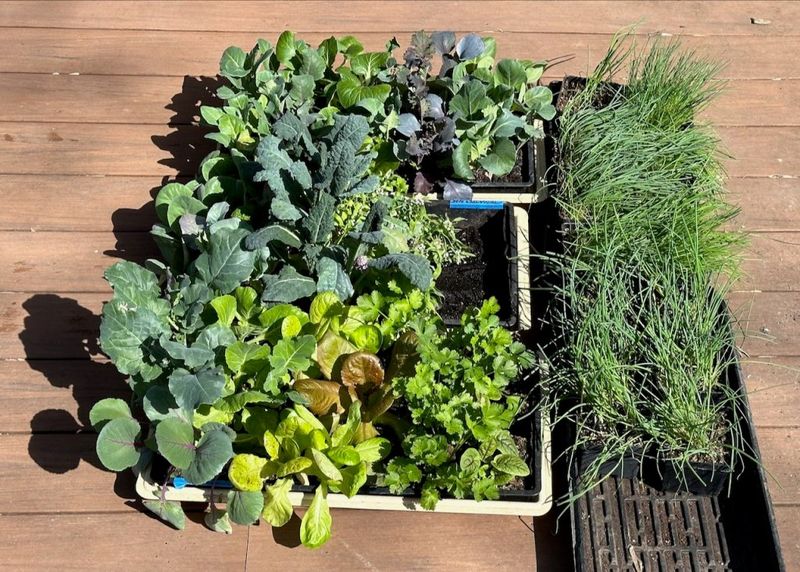
Moving seedlings directly from a protected indoor or greenhouse environment into a late-summer garden bed without preparation is one of the more reliable ways to set a fall crop back before it even gets started. The shift in light intensity, wind, humidity, and temperature can overwhelm young plants that have never experienced outdoor conditions, and the resulting stress can contribute to buttoning or poor head development even when the planting date is otherwise well-timed.
University of Maryland Extension transplant guidance recommends a gradual acclimation period of roughly five to fourteen days, starting with brief exposure to sheltered outdoor conditions and increasing time and sun incrementally. The same source notes that excessive hardening stress can cause cauliflower to form small heads, which reinforces the earlier point about that crop’s narrower tolerance for disturbance. Hardening is meant to build resilience, not to test it.
One specific caution worth repeating: deliberately exposing young plants to cold as a hardening technique is not recommended. The goal is gradual acclimation to outdoor conditions, not chilling. In sufficiently developed plants, repeated cold exposure can increase the risk of premature heading rather than preventing it.
Late-summer heat adds another layer of difficulty during establishment. UC IPM cultural tips for cauliflower recommend 50% shade cloth or two layers of floating row cover for summer cauliflower seedlings until they develop approximately six leaves, reducing the heat load during the most vulnerable window. Broccoli tolerates heat somewhat better, but new transplants in any crop benefit from shade during the hottest afternoon hours when temperatures climb well above 80 degrees.
Moisture management during establishment also plays a real role. UC IPM buttoning guidance identifies water stress as a factor that can contribute to buttoning and poor head quality. Fall crops often require more frequent irrigation during their first month than gardeners expect, because the plants are putting down roots while the soil is still warm and dry from summer. Keeping moisture consistent during this window reduces one category of establishment stress without adding others.
Manage both lingering heat and prolonged cold
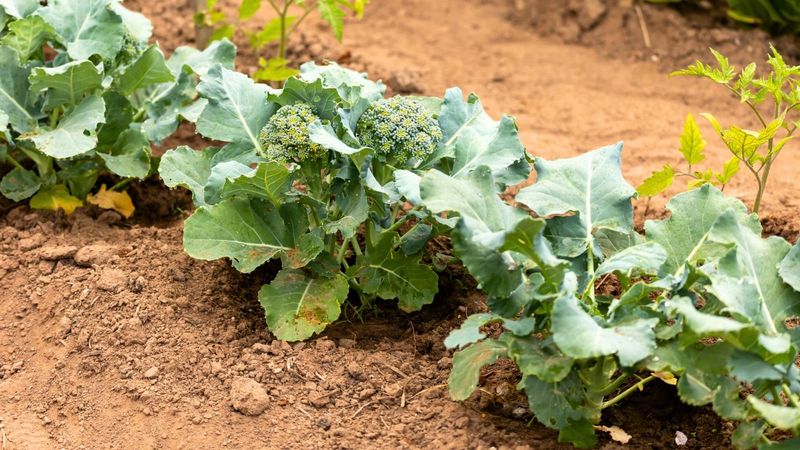
Broccoli and cauliflower are cool-season crops, but that label covers a range of conditions that can still go wrong at both ends of the thermometer. Getting head formation to happen within the right temperature window is the practical goal, and missing it in either direction produces different but equally frustrating results.
Extension guidance generally identifies the range near 60 to 68 degrees Fahrenheit as favorable for quality growth in cole crops. Oklahoma State Extension cole crop production and Oregon State Extension broccoli guidance both note that quality tends to decline above roughly 80 to 85 degrees. At those temperatures, broccoli heads can become loose, open, and branchy rather than forming the tight, firm clusters associated with a good harvest. Cauliflower curds can develop unevenly or show leafy intrusions called ricing or riciness under similar conditions.
Research on broccoli inflorescence development supports the practical concern about heat. Experimental work published in the Journal of Experimental Botany found that high temperatures can arrest or disrupt broccoli floral development during a sensitive stage. That finding aligns with what extension agents observe in the field: heat during head formation produces real quality failures, though it does not explain every case of true bolting.
Cold exposure carries its own risk. Oklahoma State Extension notes that exposure below approximately 50 to 55 degrees Fahrenheit can increase the flowering risk in sufficiently developed young cole crops. Clemson Extension cauliflower guidance reports that cauliflower bolting risk rises after a prolonged cold period, particularly when plants are already large. This is one reason that deliberately chilling transplants as a hardening technique is a bad idea, as mentioned in the previous section.
Cauliflower has a narrower margin for error than broccoli on both ends of the scale. Utah State Extension brassica planting guidance and other sources describe broccoli as more tolerant of temperature fluctuations, while cauliflower responds badly to swings in either direction. Cultivar selection also matters: some varieties handle heat or early cold better than others, and checking the seed packet for temperature tolerance notes can help narrow the choice for a specific region.
Use the failed crop to choose the next adjustment
A disappointing fall crop is frustrating, but it carries useful information if the gardener takes a moment to match the visible symptom to the most likely cause before deciding what to change. Running through a short diagnostic checklist at the end of the season takes less than ten minutes and can prevent repeating the same mistake the following year.
A flower stalk or open flowers on a plant that never formed a usable head points most directly toward true bolting. Possible contributors include a planting window that placed the plant outdoors under cold conditions before it was ready, an overgrown transplant that was already stressed, or a cultivar particularly sensitive to vernalization. UC IPM buttoning guidance and Utah State Extension brassica production problems both describe the range of stresses that can push a plant toward premature development, and no single factor should be assumed without looking at the full picture.
A tiny arrested head with no further development is the signature of buttoning. The fix is not simply planting later. Buttoning most often follows transplant shock, water stress, nutrient deficiency, or chilling of young plants, so the correction should target whichever of those factors the season’s records suggest was most likely. Oklahoma State Extension cole crop guidance outlines how multiple stresses can combine to produce this outcome, which is why addressing only one may not solve it.
A loose, leafy, or branchy head that formed but lacked quality points toward heat during development. The adjustment here is usually a schedule shift to move head formation into cooler weeks, or a switch to a heat-tolerant cultivar, rather than a change in fertilizer or watering. An immature crop that is still in leaf when the first frost arrives signals a late schedule, and the fix is moving the planting date earlier, not later.
Harvest timing is part of the diagnostic too. University of Maryland Extension broccoli guidance recommends cutting broccoli heads while the buds remain firm and green, before any yellow flowers open. NC State Extension harvesting tips echo this, noting that once buds begin to yellow, quality and flavor may decline. A head that looks like it bolted may simply have been left too long, which is a separate problem with a straightforward fix.
Correct the window, not just the date
Pulling the lessons from this season into a repeatable method starts with one consistent habit: write down what the plant actually showed before deciding what to change. The symptom, whether a flower stalk, a button head, a loose curd, or an immature plant caught by frost, points to a specific adjustment rather than a general one.
From there, the backward-planning calculation described earlier in this article applies every season. Find the local average first killing frost date, check whether the seed packet counts days to maturity from sowing or from transplanting, add the seed-to-transplant period only when the packet convention requires it, and count backward with a buffer week or two for slower autumn growth. Virginia Cooperative Extension fall vegetable guidance and University of Illinois Extension broccoli guidance both outline this approach for regional growers, and it remains more reliable than any fixed calendar date.
Timing works alongside, not instead of, the other factors covered here: young transplants that are properly hardened, consistent moisture through establishment and head formation, protection from the most damaging heat or cold, and a cultivar matched to the local season. Oklahoma State Extension cole crop guidance reinforces that broccoli and cauliflower both require decisions tailored to local conditions rather than one universal rule. Cauliflower in particular rewards careful attention to each of these variables because its tolerance for error is genuinely narrower than broccoli’s. A well-timed crop that is also well-established and well-watered gives these crops the best realistic chance at producing the firm, dense heads that make growing them worthwhile.