
If Your Late-Summer Peppers Grow Tall And Leafy But Set Almost No Fruit, One Feeding Habit Is Why
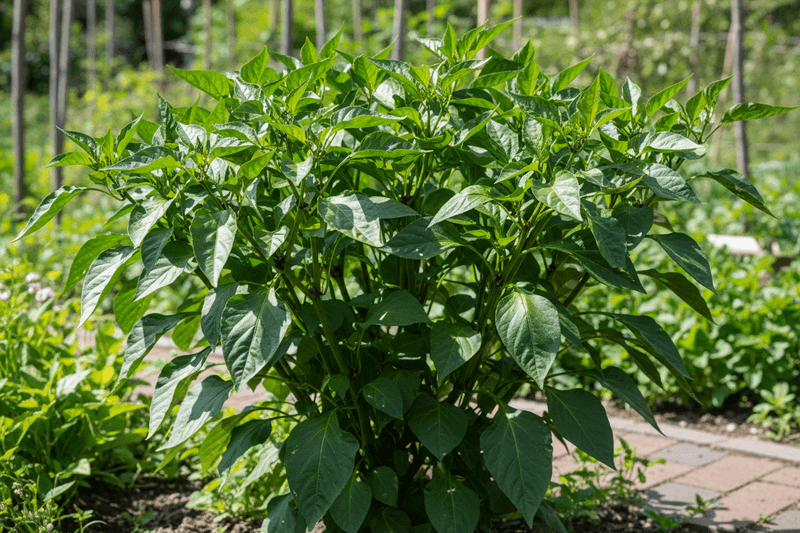
You water faithfully, the plant shoots up strong, and the leaves are so dark green they almost look painted. But by late summer, the pepper count is embarrassingly low, and you are starting to wonder what went wrong. One feeding habit is often the first place to look, though it is rarely the only answer. Understanding the connection between fertilizer choices and fruit set can help you make a smarter call before you reach for another bag.
A Healthy-Looking Pepper Can Still Set Poorly
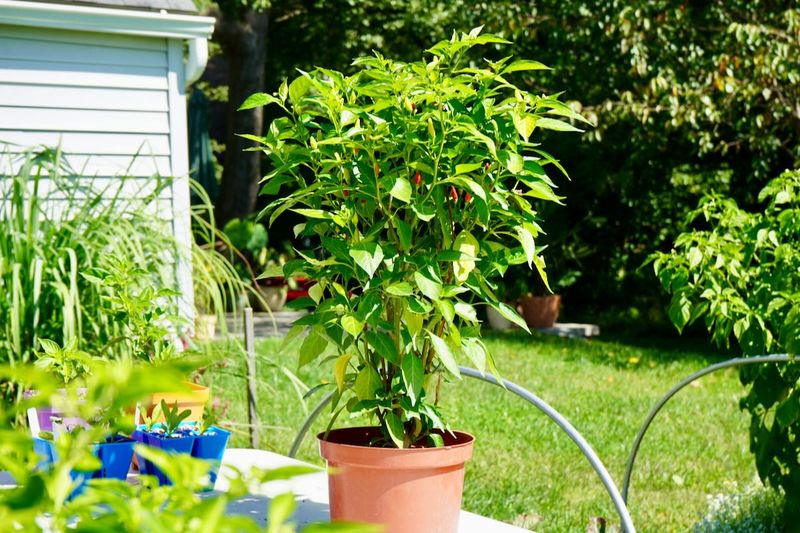
A pepper plant that looks like a magazine cover photo can still disappoint you at harvest. Unusually vigorous, dark-green, bushy growth paired with delayed flowering or very few developing peppers is a pattern worth paying attention to, but it is not an automatic diagnosis. University of Minnesota Extension guidance on fertilizing plants makes clear that lush foliage is a suggestive signal, not proof of any single problem.
Height adds another layer of confusion. Some pepper cultivars naturally grow tall, and stretched, open growth can also result from low light, inconsistent watering, root stress, or other environmental pressures. Treating “tall” as a reliable sign of excess nitrogen misses too many other explanations.
Late summer is a particularly tricky time to assess a pepper plant because two different problems can produce nearly identical symptoms. Repeated or excessive nitrogen feeding is one explanation. Heat-related blossom drop is another, and in many backyards it is the more immediate culprit during the hottest stretch of the season.
A fair diagnosis starts by acknowledging that both possibilities exist before drawing conclusions. University of Minnesota Extension’s pepper-growing guidance describes overfertilized peppers as bushy, leafy, and slow to bear fruit, which matches the pattern described here. Even so, the safest first step is to treat this as a clue to investigate, not a verdict to act on without more information.
Excess Nitrogen Can Favor Leaves Over Fruit
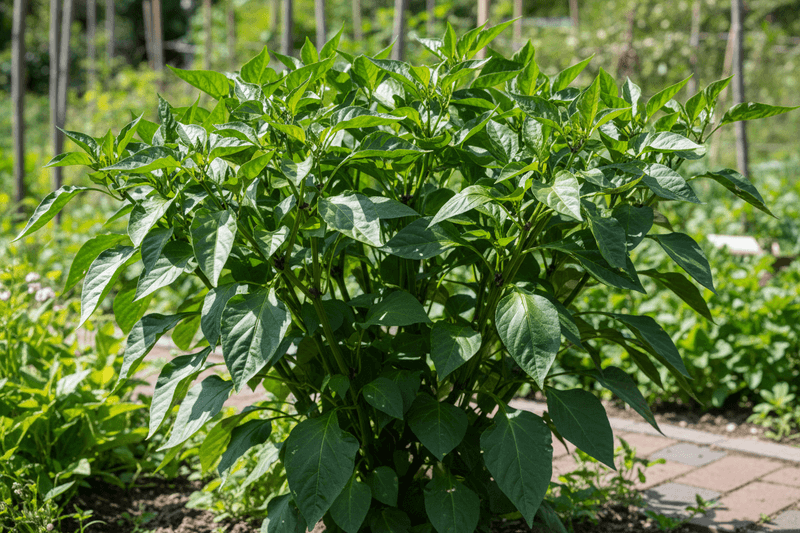
Nitrogen is the nutrient that plants use most visibly for building leaves, stems, and other green tissue. Peppers genuinely need it, especially early in the season when they are putting on size. The trouble starts when nitrogen keeps arriving in large amounts after the plant has finished its main vegetative push.
When nitrogen stays high heading into flowering and fruiting, the plant can keep channeling energy into producing new leaves instead of committing to fruit. Utah State University Extension warns that overfertilizing with nitrogen encourages excessive foliage and delays both fruit set and maturity, a pattern that fits the late-summer scenario many gardeners describe.
Research adds weight to this concern. A University of Illinois study on excess nitrogen in bell pepper found that higher nitrogen levels reduced fruit set and fruit numbers. Separately, University of Florida IFAS research summarizing nitrogen, phosphorus, and potassium trials with pepper found that pepper yields declined at higher nitrogen rates in some trials, reinforcing the idea that more is not always better.
None of this means nitrogen is the enemy. A pepper deprived of nitrogen will also underperform, producing pale leaves and weak growth that limits yield in a different way. The concern is excess or poorly timed nitrogen relative to what the plant actually needs at a given stage of growth.
Recognizing the difference between helpful nitrogen and excess nitrogen comes down to watching the whole picture: when feedings happened, what products were used, and whether the plant’s growth pattern shifted from balanced to heavily vegetative. That audit comes next.
Audit the Fertilizer History Before Adding More
Before reaching for any new product, spend ten minutes reconstructing what the plant has already received. Write down every feeding since transplant, including granular slow-release applications, liquid feeds, compost additions, and any bagged manure mixed into the soil. A realistic tally often surprises gardeners who assumed they were fertilizing lightly.
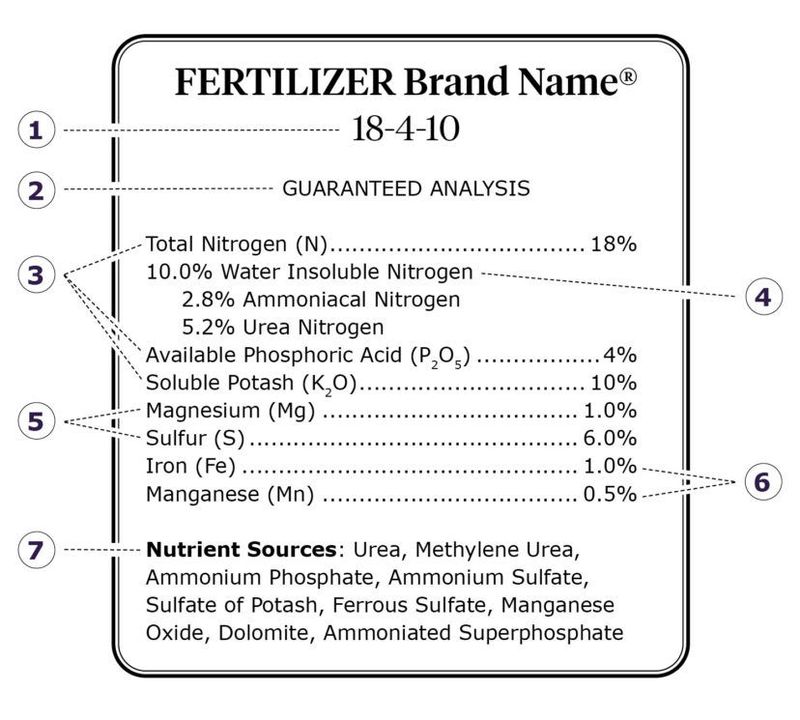
The next step is to read every product label and find the N-P-K analysis, which is the three-number sequence printed on every fertilizer bag or bottle. University of Minnesota Extension’s plant fertilizing guide explains that the first number in that sequence represents nitrogen. A product labeled 20-5-5 supplies proportionally far more nitrogen than a product labeled 5-10-10, and many all-purpose liquid fertilizers marketed for vegetables carry a high first number.
If the audit reveals repeated high-nitrogen feedings through midsummer, that is a meaningful finding worth pausing on. Minnesota Extension guidance on interpreting soil tests for vegetable crops reinforces that applications should reflect what the plant actually needs, not a fixed schedule.
Pausing routine nitrogen applications while you review the history is a reasonable immediate response. What is not reasonable is treating a new fertilizer as an emergency correction. Minnesota Extension’s container-plant fertilizing guidance cautions that overfertilizing can damage plants and release excess nutrients into the environment, and the same principle applies to in-ground beds.
Also account for organic inputs. Compost and well-rotted manure release nutrients slowly and contribute to overall fertility in ways that are easy to overlook when tallying applications. Fresh manure is a different matter entirely and should not be used as a quick corrective measure near actively growing food plants. Minnesota Extension’s pepper guidance notes that fresh manure can introduce harmful bacteria and weed seeds, so compost or well-rotted material is the safer choice.
Use a Soil Test Instead of Guessing at the Next Nutrient
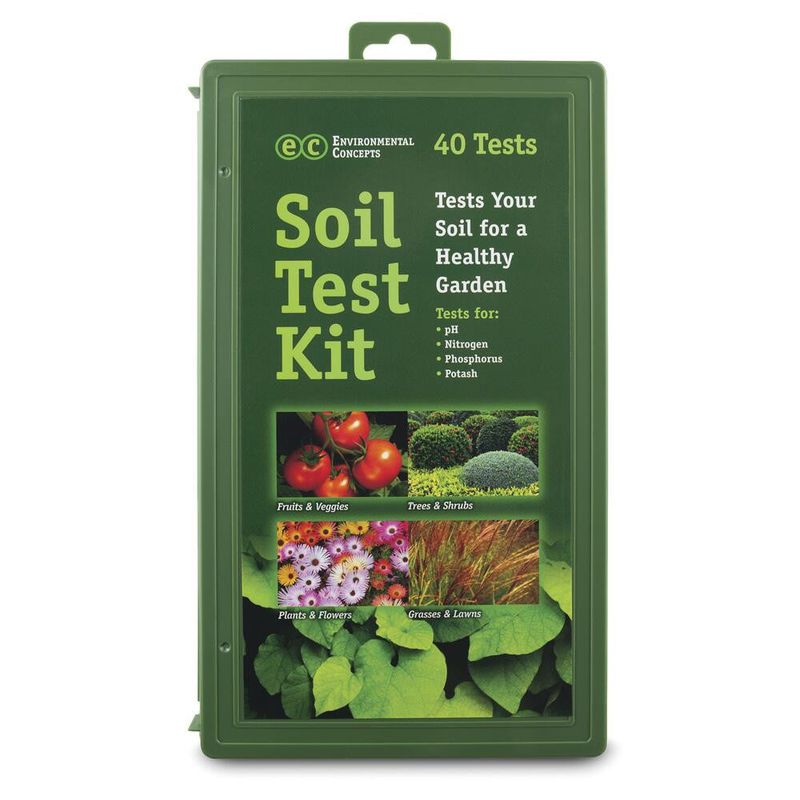
Guessing at the next fertilizer application based on how the plant looks is one of the most common ways gardeners end up applying the wrong thing at the wrong time. A soil test replaces that guesswork with actual numbers, giving you pH, phosphorus, potassium, and fertilizer recommendations tailored to your soil rather than to a generic schedule.
Penn State Extension’s soil testing guidance points out that standard soil tests generally do not directly measure current nitrogen because nitrogen changes rapidly in soil through leaching, microbial activity, and plant uptake. Nitrogen recommendations are instead based on crop needs and other information, which is why a soil test will not tell you exactly how much nitrogen is in the ground right now but can still inform a smarter overall feeding plan.
The same test results can also prevent an unnecessary phosphorus or potassium application. Many gardeners assume that switching to a fertilizer with a high middle number will trigger fruit set, but Minnesota Extension recommends applying phosphorus and potassium according to soil-test results and using a low- or no-phosphorus fertilizer when additional phosphorus is not needed. Adding nutrients that are already adequate in the soil is not a neutral act.
Penn State Extension’s phosphorus management guidance explains that excess phosphorus can build up in soil and contribute to environmental problems, including runoff into nearby water. A bloom-labeled fertilizer with a high phosphorus number is not a universal solution, especially when heat is suppressing fruit set and fertility is not the real bottleneck.
Penn State Extension’s guide to tailoring fertilizer recommendations and Minnesota Extension’s soil-test interpretation resource both help gardeners match real soil data to available products. A soil test kit from your local cooperative extension office is one of the most cost-effective tools available to any backyard grower.
Check Heat and Moisture Before Blaming Fertilizer
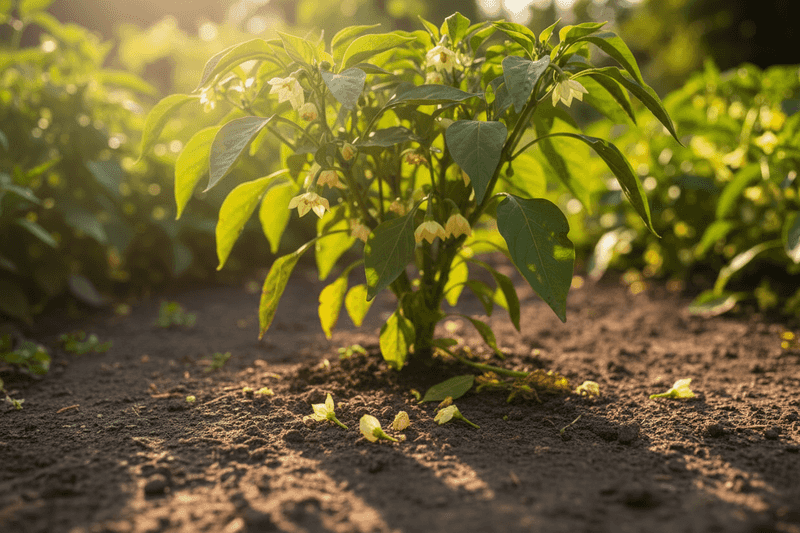
Late summer puts pepper plants under a kind of double pressure that has nothing to do with fertilizer. Daytime temperatures regularly climb into ranges where pepper flowers simply drop before they can be pollinated, and nights that stay too warm or turn unexpectedly cool can have the same effect. Blaming the fertilizer while ignoring the calendar can lead to unnecessary applications that make the situation worse.
University of Maryland Extension’s resource on poor blossom and fruit set lists excessive nitrogen alongside high heat, wet or dry soil, shade, and hot winds as separate causes of poor pepper fruit set. That list matters because it shows how many different stresses can produce the same outward symptom: a plant full of leaves and nearly empty of fruit.
Oklahoma State University Extension’s pepper production fact sheet notes that very little fruit set occurs above 90 degrees Fahrenheit during the day or below 60 degrees at night. Maryland Extension similarly identifies nights below 60 or above 75 degrees and days above 95 degrees as conditions that can cause flowers and small fruit to drop. These are approximate thresholds that vary by cultivar and region, not absolute cutoffs that apply identically to every backyard in every state.
Soil moisture is part of the same picture. Dry spells weaken flowers and small developing fruit, while waterlogged soil limits root function and can cause blossom drop through a different mechanism. Utah State University Extension recommends deep, even irrigation and notes that irregular watering can trigger flower drop or blossom-end rot.
The encouraging side of all this is that heat-related fruit-set problems tend to be temporary. Utah State Extension notes that the issue usually resolves as weather improves, and Maryland Extension confirms that production can resume in late summer or early fall on plants that are otherwise healthy. Waiting out a heat wave with good moisture management is sometimes the most productive thing a gardener can do.
Make a Cautious Correction and Support New Fruit Set
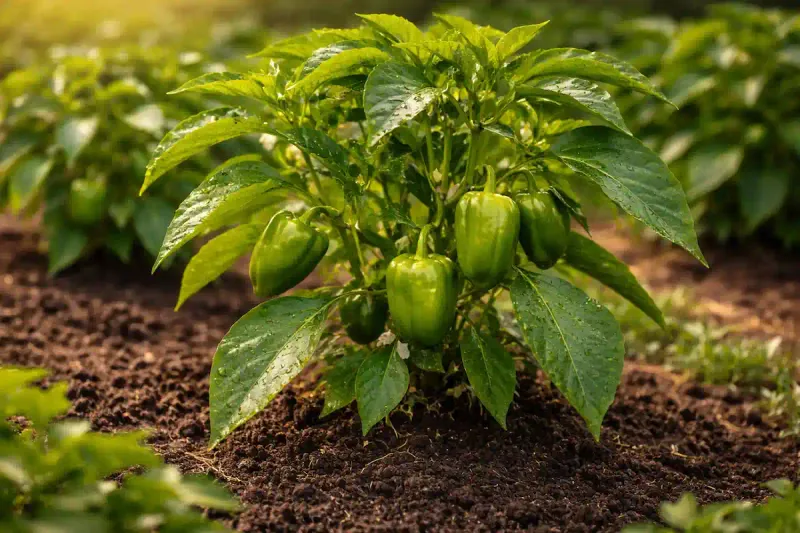
Once the fertilizer audit and temperature review are done, a practical response starts to take shape. The first move is to pause routine high-nitrogen applications rather than immediately switching to a different product. Stopping unnecessary nitrogen is a low-risk step that costs nothing and removes a potential stressor while you gather more information.
Soil moisture management comes next. Utah State University Extension recommends deep irrigation rather than frequent shallow watering, which encourages roots to grow deeper and helps plants handle heat and dry spells more effectively. Aim for consistent moisture rather than cycling between dry and saturated, and adjust watering frequency as temperatures shift through late summer into fall.
Harvesting ripe-sized peppers regularly is a step that many gardeners underestimate. University of Minnesota Extension says continued harvesting encourages plants to keep producing flowers and setting fruit. A plant carrying a load of mature, unharvested peppers may slow down flower production because it has already accomplished its reproductive goal.
Container growers face an additional consideration. Minnesota Extension’s container fertilizing guidance acknowledges that frequent watering can leach nutrients from pots, but it also cautions that overfertilizing can damage plants and push excess nutrients into the environment. Nutrient leaching in a container is not a reason to automatically add more fertilizer; it is a reason to follow the product label carefully and base any reapplication on actual plant needs rather than a fixed calendar schedule.
When the time comes to feed again, Penn State Extension’s fertilizer tailoring guide can help match a product to the soil information you have gathered. The goal is a balanced approach that supports plant function without pushing excessive vegetative growth during a period when the plant should be directing energy toward fruit.
Let the Evidence Decide the Next Feeding
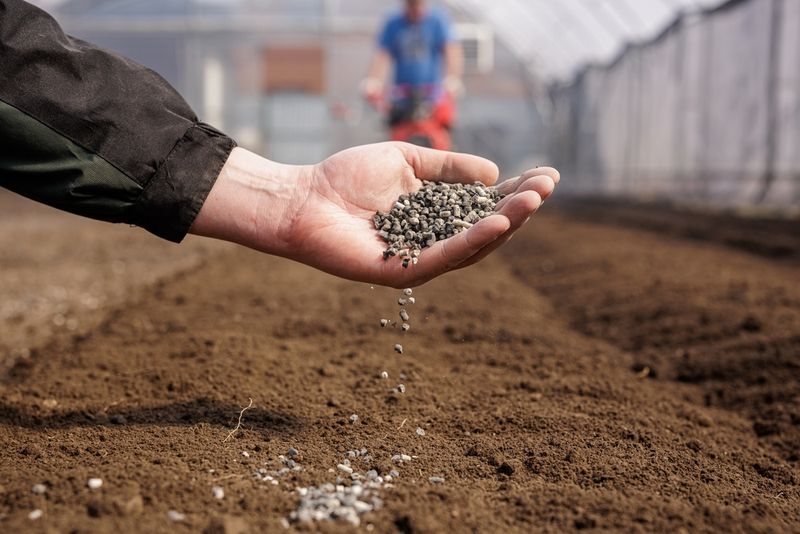
A lush, leafy pepper with almost no fruit deserves a nitrogen-feeding audit before anything else goes into the soil. That audit, combined with a look at recent temperatures and soil moisture patterns, gives you a real picture of what is happening rather than a guess dressed up as a solution.
Foliage is a clue, not a verdict. Maryland Extension’s blossom and fruit-set resource lists multiple independent causes for the same symptom, which means any single fix applied without investigation carries a real risk of missing the actual problem entirely.
The practical decision rule is straightforward: review the fertilizer history and product labels, get a soil test when possible, keep moisture even, note the temperature pattern over recent weeks, and harvest any ripe fruit already on the plant. Minnesota Extension and Utah State Extension both support this kind of measured, evidence-based response over a reactive dose of a new product.
Reassess fruit set as temperatures moderate and the fertilizer picture becomes clearer. Peppers that looked like decorative foliage plants in August have a real chance of producing a decent fall crop when the conditions that suppressed them finally ease. The gardener who pauses, observes, and feeds with purpose tends to get a better answer than the one who just adds more.