
If Your Fall Lettuce Grows Fast But Turns Bitter And Bolts To Seed, Warm Afternoons Are Rushing It
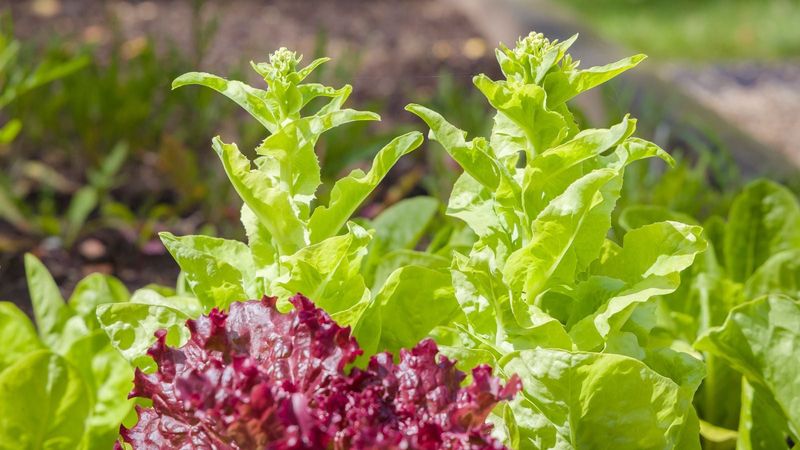
You checked your fall lettuce a few days ago and it looked great, but now the leaves taste sharp and something in the center of the plant looks like it’s reaching upward. Before you grab the hose and start soaking the bed, it helps to know what you’re actually looking at. Bitter leaves can mean several different things, and only one of them is bolting. Figuring out which problem you have changes what you should do next.
Bitterness Can Signal Stress, but the Stalk Confirms Bolting
Bitter lettuce leaves get blamed on a lot of things, and most of those things are real. Heat, drought stress, overmaturity, and the start of flowering can all push flavor toward sharp or unpleasant. The tricky part is that bitterness alone does not tell you which problem you have, and the fix for each one is different enough that guessing wrong wastes time.
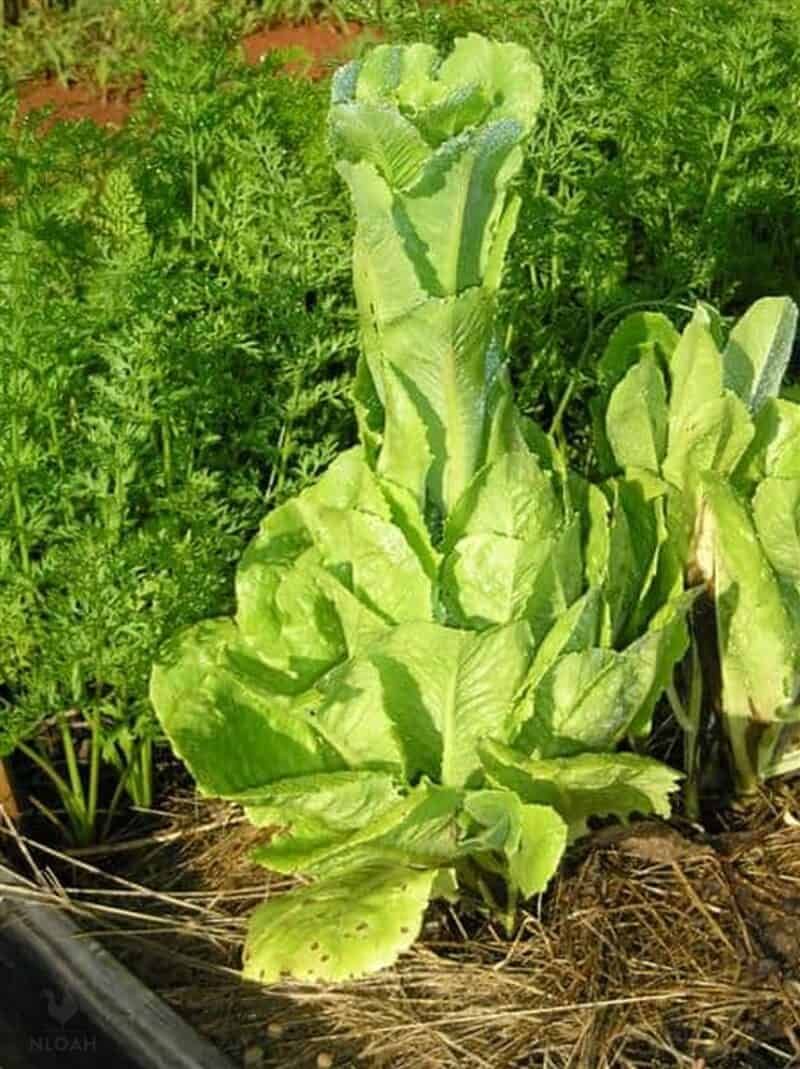
Bolting is a specific event. The plant shifts from producing leaves toward producing flowers and seeds, and the clearest sign is the central stalk beginning to elongate and push upward through the rosette. Once that stalk rises noticeably, leaf production slows, the remaining leaves tend to get tougher, and the harvest window is closing. UMN Extension’s lettuce growing guide confirms that bolting commonly makes leaves markedly more bitter and tougher, but also notes that heat and water stress can cause bitterness on their own, without a visible flower stalk.
To figure out what you are dealing with, start by looking at the plant’s center rather than just tasting the leaves. A plant that is bitter but still flat and leafy at the center may be stressed by heat or drought, or it may simply be getting old. A plant with an upright, thickening stem at the center is bolting. Leaf texture matters too: bolting leaves often feel noticeably stiffer and more fibrous compared with the tenderness of younger growth.
Also consider how long the plant has been in the ground. A mature plant that has reached the end of its normal lifespan can turn bitter from overmaturity, and that process can look a lot like early bolting. Check the plant’s age against the days-to-maturity figure on your seed packet. If the numbers line up and the center stalk is still flat, you may be dealing with stress or age rather than flowering.
The stalk is what confirms bolting.
Repeated Warm Afternoons Can Accelerate Flowering
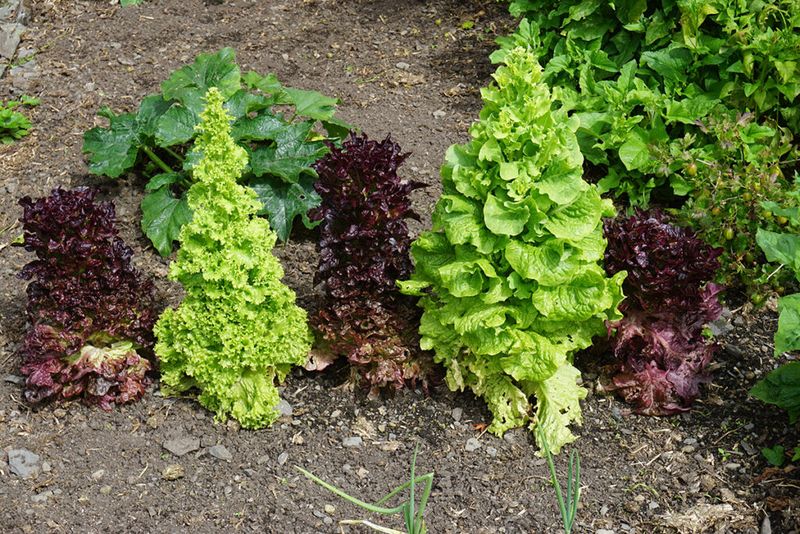
Lettuce evolved to grow in cool conditions, and it performs best when temperatures stay below roughly 75 degrees Fahrenheit. When afternoons stay warm for several days in a row, the plant can begin shifting its energy toward flowering rather than leaf production. Temperatures above about 80 degrees Fahrenheit commonly reduce leaf quality and contribute to bitter or off flavors. These are practical warning points, not hard switches.
A single warm afternoon will not flip a plant into full bolt mode, but a stretch of them, especially when other conditions are stacked against the plant, can push things along faster than most gardeners expect.
Heat is a major factor, but it works alongside other triggers rather than acting alone. UMN Extension’s guide to cool-season crop problems notes that long day length, high light intensity, plant age, earlier cold exposure, drought stress, and cultivar genetics can all influence when and whether a lettuce plant bolts. A plant that experienced a cold snap early in its life may bolt sooner than one that grew in steady, mild conditions. A plant that has been growing for a long time is closer to bolting than a young transplant, regardless of the temperature.
High light intensity during long summer days adds another layer of pressure. Even when air temperatures feel manageable in the morning, a full afternoon of direct sun on a south-facing bed can push the soil surface and plant tissue into ranges that stress the crop. Drought stress compounds the effect because a plant that cannot draw enough water from the soil is already under physiological pressure, making it more likely to respond to heat by accelerating flowering.
Cultivar genetics matter more than many gardeners realize. Some varieties carry stronger tendencies to bolt under heat or long days, while others have been selected specifically for slower bolting. Understanding that multiple triggers can combine helps explain why two plants of different varieties, growing side by side in the same bed, can behave very differently when afternoon temperatures rise.
Keep the Root Zone Evenly Moist and Well Drained
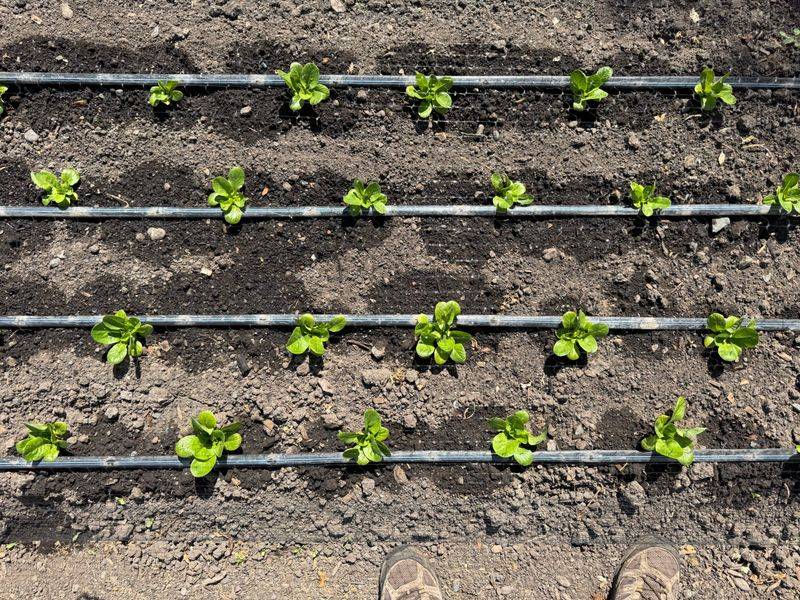
A common reaction to bitter lettuce is to water more heavily, but more water is not the same as the right amount of water. Lettuce roots are shallow and active, which means they respond quickly to both drying out and to sitting in soggy ground. Saturated soil can reduce root function and encourage soilborne problems, so the goal is steady, even moisture rather than frequent heavy soaking.
About 1 inch of water per week gives a reasonable starting point for most conditions, but the actual need varies. UMN Extension’s vegetable garden watering guidance points out that sandy soils and hot weather typically require more frequent irrigation to keep the root zone from drying between waterings. Rather than following a fixed daily schedule, check the soil itself. Push a finger an inch or two into the bed near the plants.
If it feels dry at that depth, water. If it still feels moist, hold off and check again the next day.
Consistent moisture helps in two specific ways. First, it reduces drought stress, which is an independent contributor to bitterness and can overlap with heat stress in ways that make both worse. Second, it slows rapid drying at the soil surface, which can otherwise spike root-zone temperatures quickly on a sunny afternoon. Mulch helps with both concerns: a layer of clean organic mulch moderates soil temperature, limits evaporation, and reduces the frequency with which the bed dries out between waterings.
What steady moisture cannot do is cool a plant that is already responding to heat, or reverse a bolting process that is already underway. If the central stalk has started to rise, improving the watering routine may keep the remaining leaves marginally more palatable for a short time, but the plant is still moving toward flowering. Evenly moist, well-drained soil is a prevention and maintenance tool, not a cure for a plant that has already committed to bolting.
Use Temporary Afternoon Shade to Reduce Heat Load
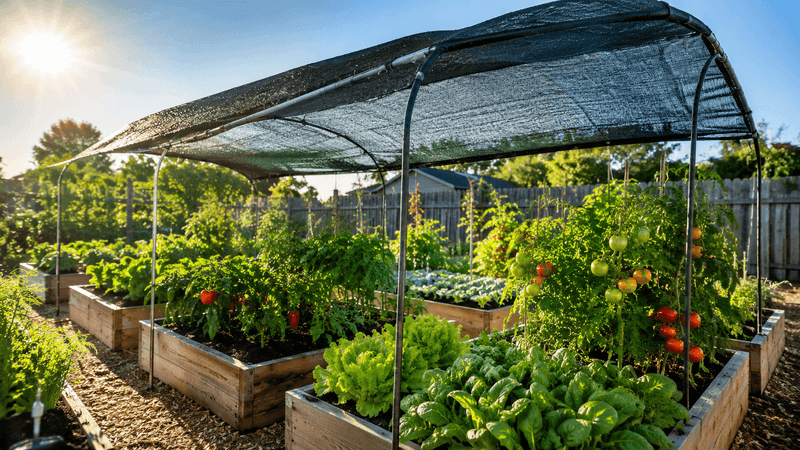
When late-summer heat lingers longer than expected, giving lettuce some relief during the hottest part of the day can reduce the temperature load on the plant. This does not eliminate other bolting triggers like long days or plant maturity, but it can lower the peak heat the plant experiences each afternoon, which matters when sustained warmth is what is pushing things forward.
UC IPM’s cultural tips for growing lettuce specifically mention 50% shade cloth or floating row cover as practical options for establishing lettuce during summer conditions. Shade cloth rated around 30 to 50 percent blocks a meaningful portion of direct sun while still allowing enough light for the plant to grow. Floating row cover, draped loosely over hoops, works similarly and has the added benefit of being easy to remove when temperatures drop in the evening or on cooler days.
Taller crops planted nearby can provide natural afternoon shade if they are positioned on the west or southwest side of the lettuce bed, blocking some of the late-day sun without requiring additional materials. Trellised tomatoes, pole beans, or tall herbs can all serve this function if the garden layout allows it.
The limits of shade are worth keeping in mind. Dense, permanent shade creates its own set of problems, including poor airflow, persistently wet foliage, and reduced plant vigor. Wet leaves that stay damp through the night are more vulnerable to fungal issues. Shade should be temporary and targeted, used during the peak afternoon hours and removed or opened up when conditions allow.
Good airflow around the plants matters as much as the shade itself, so avoid covering lettuce so tightly that air cannot circulate freely through the planting.
Time Fall Plantings for Local Conditions
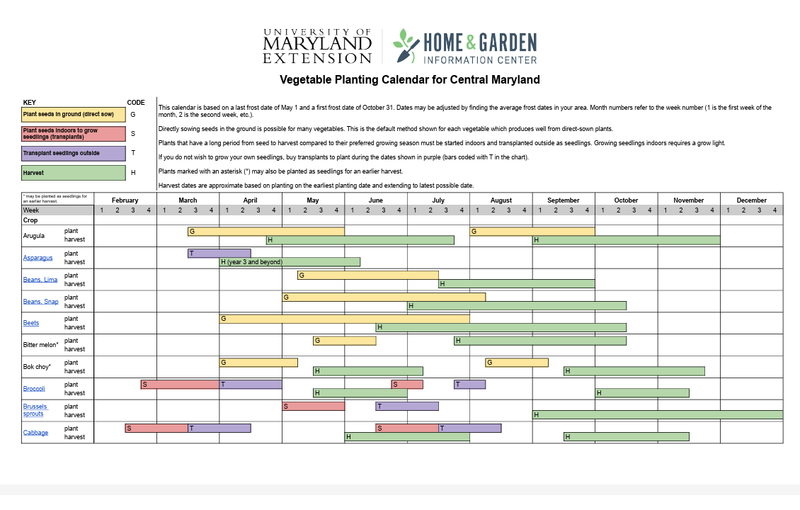
Calling a crop “fall lettuce” creates a reassuring image of cool weather and easy growing, but the calendar label does not protect plants from the actual conditions in your yard. A crop seeded or transplanted too early in late summer can spend its most vulnerable weeks in the same afternoon heat that causes trouble for summer plantings. One seeded too late may never reach a useful size before shorter days, cold nights, or the first hard freeze slow or stop growth.
The practical approach is to count backward from local fall conditions rather than forward from a fixed calendar date. University of Maryland Extension’s lettuce growing guide emphasizes that planting dates vary substantially across the United States, and that no single nationwide date applies. Your seed packet’s days-to-maturity estimate gives a starting point, but fall crops typically need extra time added to that number because shorter days and cooler temperatures slow growth compared with spring conditions.
A common method is to find your average first frost date, add time for the plant to reach maturity, and then add a buffer of one to two weeks for the slower growth rate that comes with shortening days. That calculation gives an approximate last safe transplant date for your area. Direct seeding needs additional time on top of that for germination and early establishment.
Local resources make this much more reliable than any general article can. Your county cooperative extension office, state extension website, or the “when to plant” tool on your state extension’s site can give you frost dates and planting windows specific to your region. Maryland Extension’s vegetable planting calendar is a good example of the kind of region-specific resource worth finding for your own state. A planting window that works well in Georgia may fail completely in Minnesota, and vice versa.
Select Suitable Cultivars and Cooler Ways to Start Seed
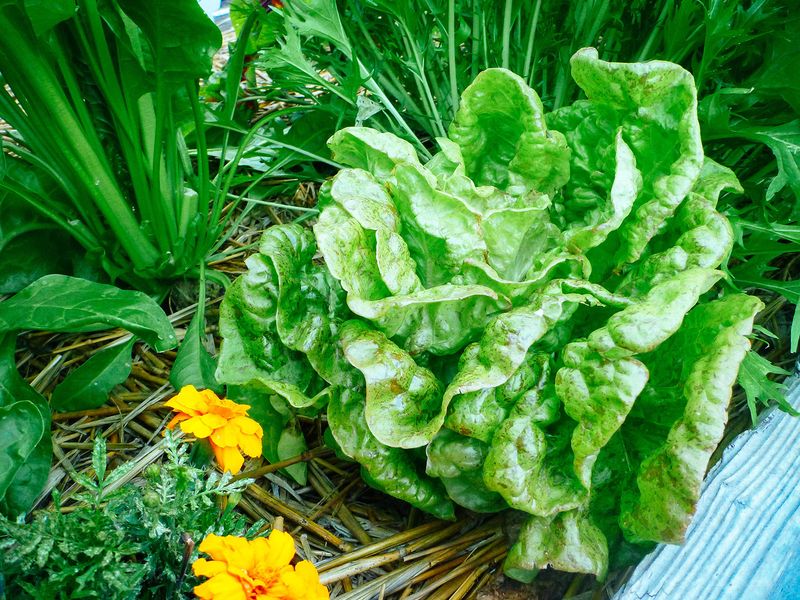
Choosing a cultivar that is better matched to your conditions gives the next succession a real advantage before a single seed goes in the ground. Varieties described as slow-bolting, heat-tolerant, or suited to summer and fall successions are worth seeking out specifically. Loose-leaf types, some Batavia varieties, and certain romaine selections may handle the transition from late summer into fall better than standard butterhead or crisphead types, but the key word is “may.” UMN Extension’s head lettuce growing overview makes clear that performance is cultivar- and region-specific, meaning a variety that thrives in one part of the country may still struggle in another. Look for trial results from your state extension or from gardeners in a similar climate rather than relying on general claims.
Starting seed presents its own challenge during the warm part of late summer. Lettuce seed can enter a temperature-related dormancy at approximately 80 to 85 degrees Fahrenheit in the soil, which means seeds sown directly into a hot bed may simply fail to germinate rather than producing a quick crop. Utah State University Extension’s leafy greens planting guide notes this germination difficulty and suggests using a shaded seedbed, starting seeds indoors in a cooler location, or growing transplants to avoid the worst of the soil heat.
Starting seeds in a cool corner of the house, a basement, or even a shaded porch can get germination going reliably when outdoor soil temperatures are too high. Once seedlings are established and the outdoor soil has cooled a bit, transplanting them into the bed is generally more successful than direct seeding into hot ground. University of Maryland Extension also recommends transplants as a practical strategy for fall lettuce establishment when late-summer heat is still a factor.
Harvest Promptly When the Central Stalk Begins to Rise
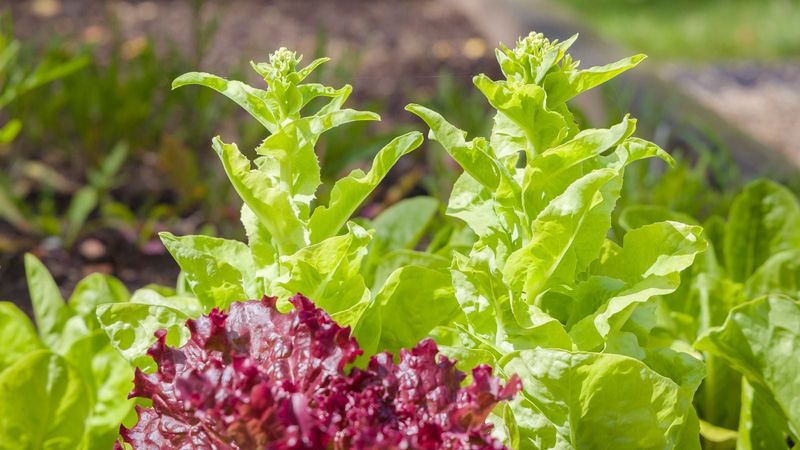
An elongating central stalk is the clearest signal that a lettuce plant is shifting away from leaf production. At that point, the plant is allocating energy toward flowering and seed development rather than producing new foliage. The harvest window is not closed yet, but it is closing, and waiting tends to make the remaining leaves tougher and more bitter with each passing day.
The practical response is to harvest acceptable outer leaves right away rather than hoping the plant will settle back into leafy growth. UMN Extension’s lettuce growing guide recommends harvesting promptly once bolting begins and removing the plant before the stalk develops further if the leaves have already declined in quality. Leaving a bolting plant in the bed does not buy more time; the plant continues toward flowering regardless of what you do to the soil or the temperature around it.
Cooling the area and maintaining steady moisture may keep the remaining leaves marginally more palatable for a short period, but neither action can reliably return a bolting plant to vegetative growth. Once the flower stalk has elongated visibly, the plant’s direction is set. The better use of that bed space is to remove the bolting plant and replace it with a new succession that is better timed or better matched to your conditions.
Utah State University Extension notes that refrigerating harvested leaves for a day or two may soften some bitterness, which can make marginally bitter leaves more pleasant to eat. This is a postharvest step only. Chilling harvested leaves in the refrigerator does nothing to slow or reverse bolting in the garden, but it is a reasonable way to get more use out of leaves that are still edible but sharper than you would prefer.
Investigate Symptoms That Do Not Fit Ordinary Bolting
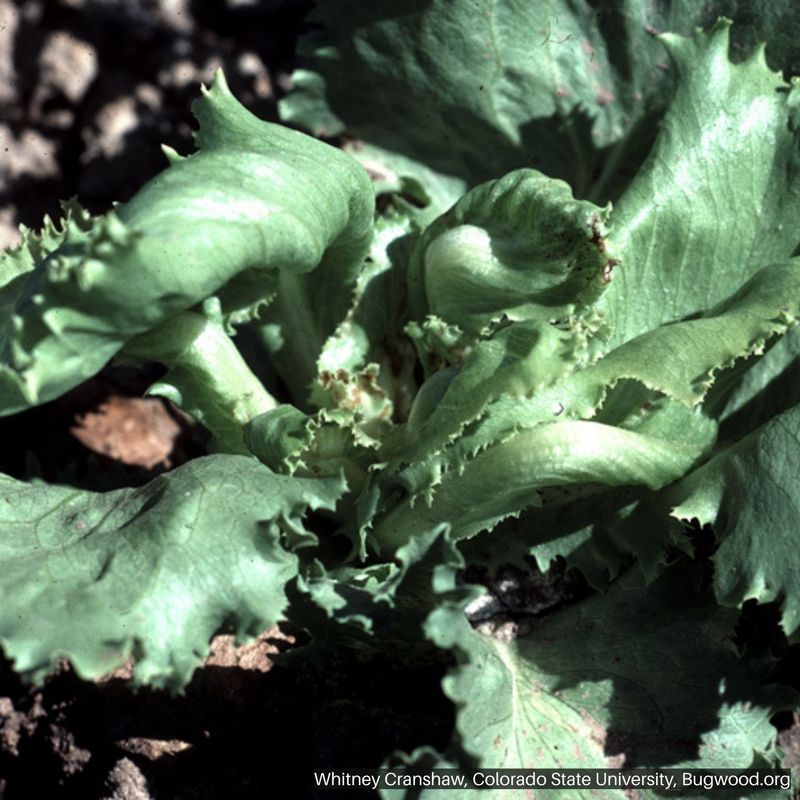
Most bitter or fast-growing fall lettuce is dealing with heat, drought stress, overmaturity, or the early stages of bolting. Those are common, manageable problems. Some plants, though, show symptoms that do not fit any of those explanations, and recognizing the difference can save you from applying the wrong fix or losing more plants to something that needs a different response.
Yellowing center leaves, twisted or stunted growth in the plant’s core, abnormal leaf shapes, or tan and pink latex deposits on cut surfaces can point toward aster yellows or another pathogen rather than ordinary heat stress. UC IPM’s aster yellows resource for lettuce describes how this disease, spread by leafhoppers, can cause distorted growth and discoloration that might initially be mistaken for heat or drought damage. A plant with aster yellows will not improve with shade or better watering because the problem is biological rather than environmental.
Utah State University Extension’s guide to leafy green physiological problems also covers tip burn, internal browning, and other issues that can appear alongside or instead of bolting symptoms. Tip burn, for example, results from calcium distribution problems often associated with rapid growth or inconsistent moisture, and it looks nothing like a bolting stalk but can cause visible leaf damage that gardeners sometimes misread.
The practical takeaway is to look at the whole picture before deciding on a response. Bitter leaves without a stalk, combined with otherwise normal plant appearance, suggest stress or age. Twisted growth, discolored centers, or unusual deposits suggest something other than heat, and those plants should be removed rather than treated with more water or shade.
Reduce Bolting Risk With Several Small Adjustments
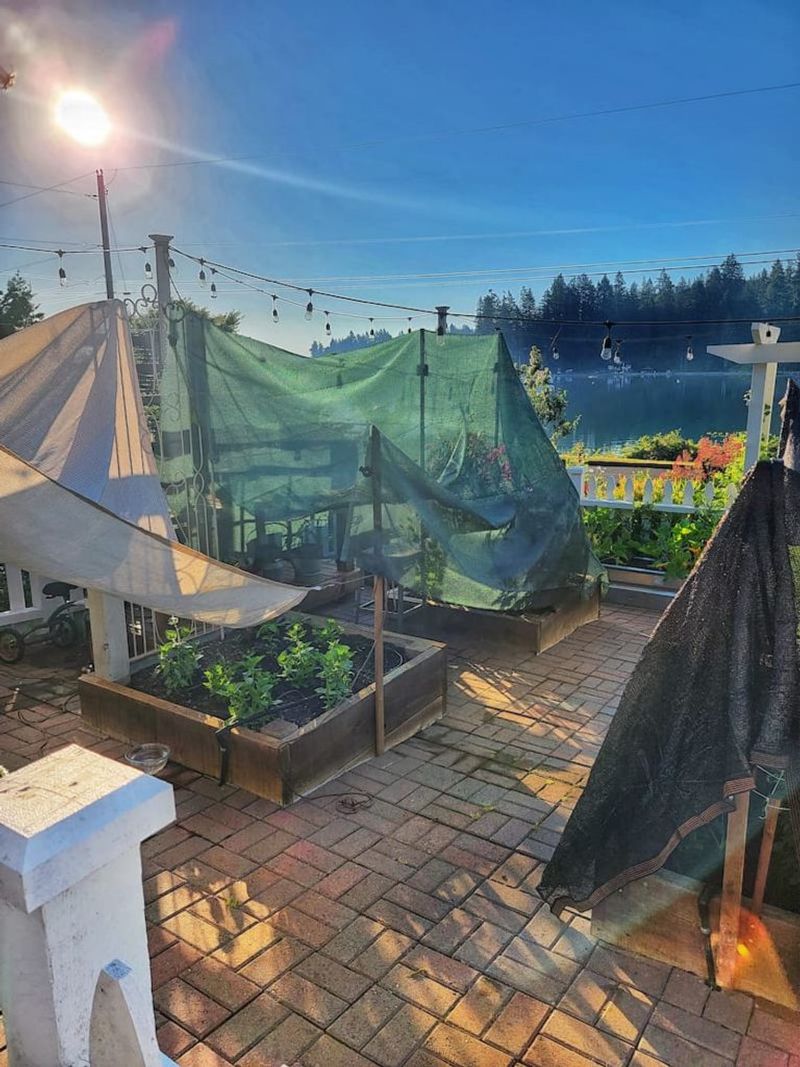
No single action reliably stops bolting once a lettuce plant has decided to flower. What works instead is stacking several smaller adjustments that reduce the overall risk before and during the growing season. Start by checking the center of each plant regularly. A flat, leafy center means you have time to work with.
A rising stalk means the harvest window is open now, not later.
Keep the root zone evenly moist and well drained, reduce afternoon heat with temporary shade cloth or row cover during the warmest weeks, and use locally appropriate planting timing based on your frost dates and your seed packet’s days-to-maturity figure. UMN Extension, University of Maryland Extension, and UC IPM all point toward the same combination: steady moisture, reduced heat exposure, and timing matched to local conditions as the most practical tools available to home gardeners.
For the next succession, choose a cultivar described as slow-bolting or heat-tolerant and consider starting seeds indoors if outdoor soil temperatures are still above 80 degrees Fahrenheit. When a plant does bolt, harvest what is still usable and replant rather than waiting. The fastest path back to good lettuce is a well-timed replacement, not an attempt to nurse a bolting plant back to its former self. Fall lettuce rewards gardeners who treat each succession as a fresh start rather than a problem to fix.